홈MCP워크벤치Skills
홈워크벤치알림마이페이지
llms.txt · MCP 가이드개인정보처리방침 · 이용약관 · 지원v1.8.0
  1. 홈
  2. /화합물

p-아미노안식향산에틸에스테르

Benzocaine

HCID 2337
새 노트새 반응견적 요청하기
인쇄 미리보기

데이터를 보충하는 중입니다. 잠시 후 페이지를 새로 고치면 최신 내용을 볼 수 있습니다

기본 정보개요이름 및 식별자물성안전 및 규제화학 및 산업관련 반응화합물 노트
부분 구조 검색유사 구조 찾기

기본 정보

CAS
94-09-7
표준 SMILES
CCOC(=O)c1ccc(N)cc1
InChIKey
BLFLLBZGZJTVJG-UHFFFAOYSA-N
분자식
C9H11NO2
평균 분자량
165.19 g/mol
단동위원소 질량
165.07897859

개요

Benzocaine is a benzoate ester having 4-aminobenzoic acid as the acid component and ethanol as the alcohol component. A surface anaesthetic, it is used to suppress the gag reflex, and as a lubricant and topical anaesthetic on the larynx, mouth, nasal cavity, respiratory tract, oesophagus, rectum, urinary tract, and vagina. It has a role as a sensitiser, a topical anaesthetic, an allergen and an antipruritic drug. It is a benzoate ester and a substituted aniline.

이름 및 식별자

우선 이름
Benzocaine
IUPAC
ethyl 4-aminobenzoate
현지명
p-아미노안식향산에틸에스테르
영어명
Benzocaine
분자식
C9H11NO2
분자량
165.19

이름 및 동의어

benzocaineEthyl 4-aminobenzoate94-09-7Ethyl p-aminobenzoateAnaesthesinParathesinNorcaineAmericaineEthyl aminobenzoate4-Aminobenzoic acid ethyl esterParathesineTopcaine
이름 더 보기
벤조카인p-아미노안식향산에틸에스테르에틸파바Benzocaine baseNitemazepam4-CarbethoxyanilineAnestezinBenzocaine, USP, EPNSC 4688
AnesthesinAnesthoneHurricaineNorcainOrthesinAnaesthinAnesthesineDermoplast

데이터베이스 식별자

CAS
94-09-7
PubChem CID
2337
DTXSID
DTXSID8021804
ChEMBL
CHEMBL278172
ChEBI
CHEBI:116735
UNII
U3RSY48JW5
EC Number
202-303-5
Nikkaji
J4.690F

물성

구조 계산 물성보충 중

XLogP
1.9
극성 표면적
52.3 Ų
수소 결합 공여자 수
1
수소 결합 수용자 수
3
회전 가능 결합 수
3
무거운 원자 수
12
형식 전하
0
복잡도
151

실험 및 물리화학적 성질

Chemical ClassesOther Uses -> Pharmaceuticals
Drugs · 2건

Pharmaceuticals

Pharmaceuticals -> Listed in ZINC15

SpringerMaterials Properties15N nuclear magnetic resonance spectrum
PesticidesBiocide
LogP · 3건

log Kow = 1.86

1.86

1.87

Color/Form · 2건

Rhombohedra from ether

Needles from water

Solubility · 4건

One gram dissolves in about 5 ml alcohol, 2 ml chloroform, in about 4 ml ether, and in 30 to 50 ml of expressed almond oil or olive oil. Also sol in dil acids.

Soluble in acid

In water, 1,310 mg/L at 25 °C

>24.8 [ug/mL] (The mean of the results at pH 7.4)

Human Drugs · 2건

Breast Feeding; Lactation; Anesthetics, Local

Pharmaceuticals

Animal DrugsPharmaceuticals -> UK Veterinary Medicines Directorate List

안전 및 규제

안전 정보는 참고용이며, 공급업체의 물질안전보건자료(SDS), 관련 법규 및 전문가 평가를 대체하지 않습니다.

GHS 분류

GHS Classification · 6건

This chemical does not meet GHS hazard criteria for 11.1% (39 of 351) of reports.

Danger

H317 (77.8%): May cause an allergic skin reaction [Warning Sensitization, Skin]

P260, P261, P264, P270, P272, P273, P280, P302+P352, P308+P316, P321, P333+P317, P362+P364, P391, P405, and P501 (click each P-code to see the statement)

Aggregated GHS information provided per 351 reports by companies from 22 notifications to the ECHA C&L Inventory. Each notification may be associated with multiple companies.

H402: Harmful to aquatic life [Hazardous to the aquatic environment, acute hazard]

유해성 정보

Regulatory Information · 3건

Benzoic acid, 4-amino-, ethyl ester is listed on the EPA's Chemical Data Reporting (CDR) system. Manufacturers and importers of Benzoic acid, 4-amino-, ethyl ester are required to report information about their production and use of this chemical to the EPA under the Toxic Substances Control Act (TSCA). (40 eCFR Part 711)

Status: Active Update: 31-05-2018 https://echa.europa.eu/registration-dossier/-/registered-dossier/19637

Benzocaine: Does not have an individual approval but may be used under an appropriate group standard

Other Safety InformationIMAP assessments - Benzoic acid, 4-amino-, ethyl ester: Environment tier I assessment
Hazards SummaryProcaine allergy used to be a common skin sensitizer for dentists. There exists cross-reactivity between procaine, benzocaine, and tetracaine but not with lidocaine and other amide-type local anesthetics currently used. [Kanerva, p. 434]
FDA Requirements · 2건

Anorectal drug products for over-the-counter human use. Local anesthetic active ingredients. The active ingredient of the product consists of any of the following when used in the concentration or within the concentration range established for each ingredient. Benzocaine 5 to 20 percent is included on this list.

화학 및 산업

약리 정보

ATC Code · 6건

C05AD03

N - Nervous system

D - Dermatologicals

C - Cardiovascular system

R - Respiratory system

QD - Dermatologicals

Protein BindingBenzocaine binds to both serum albumin and alpha-1-acid glycoprotein.
PharmacodynamicsBenzocaine is indicated for use as a topical anesthetic. It has a duration of action of approximately 10 minutes and a wide therapeutic window. Patients should be counselled regarding the risks of methemoglobinemia.
Mechanism of Action · 2건

Benzocaine diffuses into nerve cells where it binds to sodium channels, preventing the channels from opening, and blocking the influx of sodium ions. Nerve cells unable to allow sodium into cells cannot depolarize and conduct nerve impulses.

Benzocaine reversibly stabilizes the neuronal membrane with decreases its permeability to sodium ions. Depolarization of the neuronal membrane is inhibited thereby blocking the initiation and conduction of nerve impulses.

Metabolism/Metabolites · 3건

Benzocaine undergoes ester hydrolysis to form 4-aminobenzoic acid, acetylation to form acetylbenzocaine, or N-hydroxylation to form benzocaine hydroxide. 4-aminobenzoic acid can be acetylated or acetylbenzocaine can undergo ester hydrolysis to form 4-acetaminobenzoic acid.

The effect of dose and enzymatic inhibition on the percutaneous absorption and metabolism of benzocaine was studied in vitro in the hairless guinea pig. At the dose level of 2 ug/sq cm, benzocaine was rapidly absorbed and extensively metabolized (80%) by acetyltransferase. As the applied dose of benzocaine was increased to 40 and 200 ug/sq cm, N-acetylation of benzocaine decreased to 44 and 34%, respectively, suggesting saturation of the acetyltransferase system. Total 14(C) absorption after benzocaine application was not significantly different between control and enzyme-inhibited skin and therefore does not appear to be affected by the extent of benzocaine metabolism during percutaneous penetration. Skin provides a significant first-pass metabolic effect for therapeutic doses of percutaneously absorbed benzocaine, and the primary metabolite formed, acetylbenzocaine, is biologically active.

관련 반응

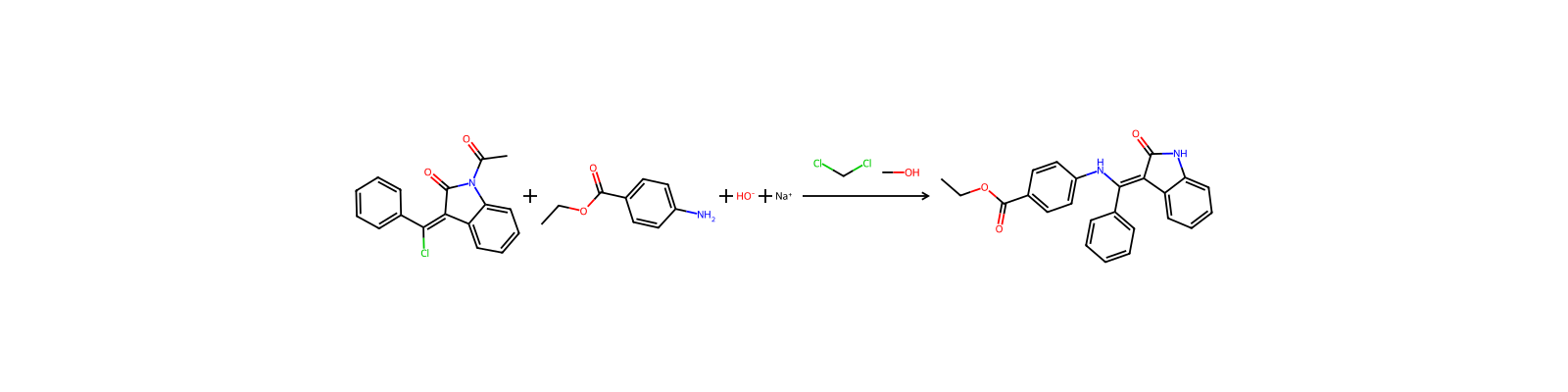
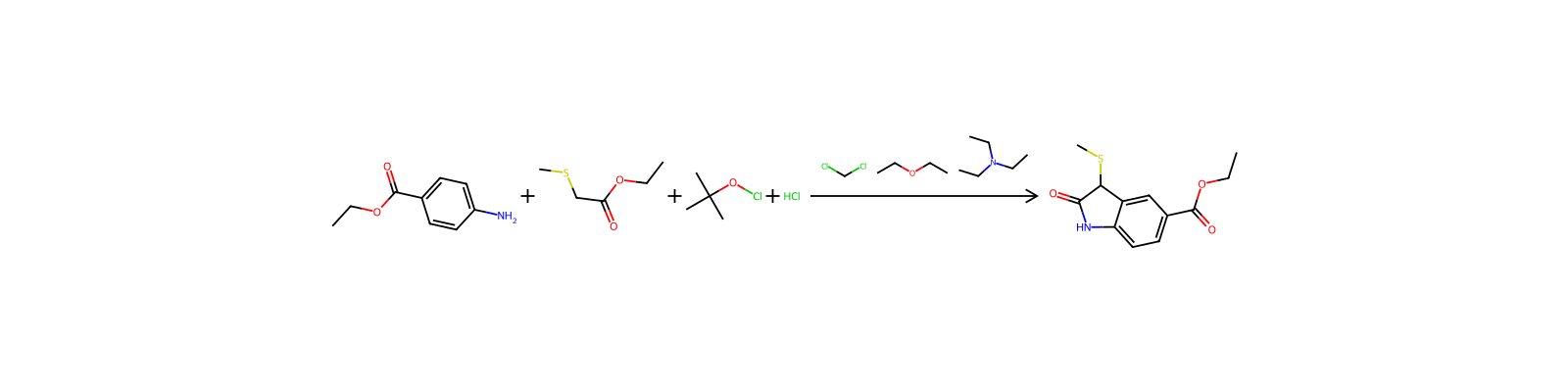
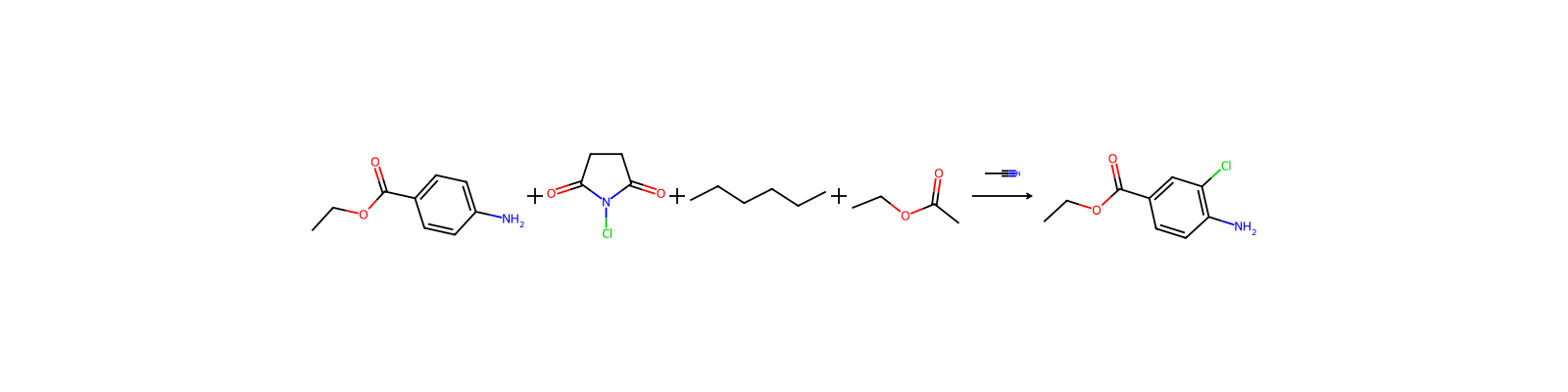
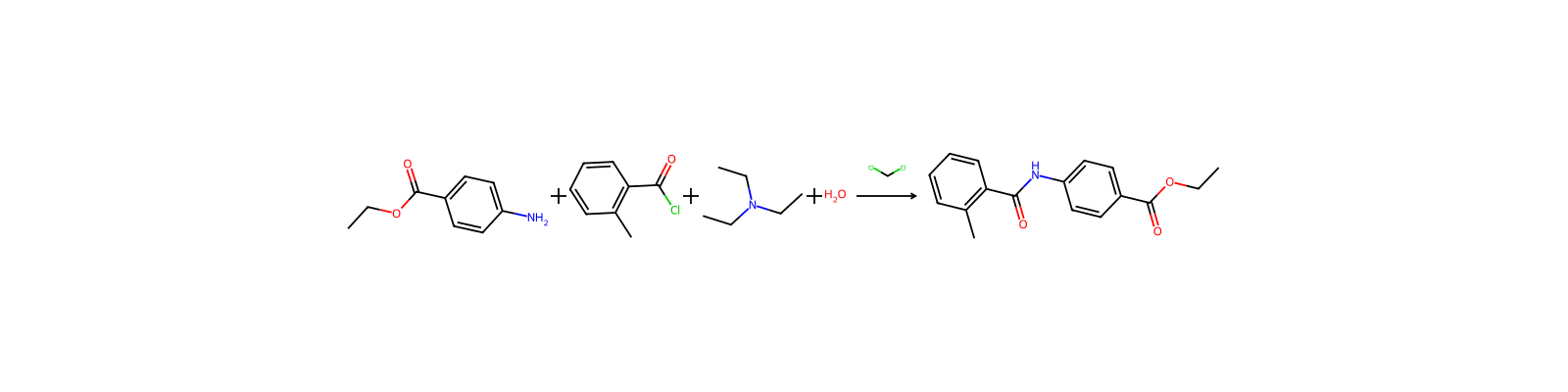
633건
반응 기록 만들기
HRID 3496 반응식
HRID 3496반응물로uspto-grants-1998_03
HRID 3584 반응식
HRID 3584반응물로uspto-grants-1998_03
HRID 4156 반응식
HRID 4156반응물로uspto-grants-1988_02
HRID 8199 반응식
HRID 8199반응물로uspto-grants-2006_08
HRID 24743 반응식
HRID 24743반응물로uspto-grants-2005_02
HRID 44266 반응식
HRID 44266반응물로uspto-grants-2013_09
HRID 51154 반응식
HRID 51154반응물로uspto-grants-2004_03
HRID 52502 반응식
HRID 52502반응물로uspto-grants-1997_04
1 / 80 페이지

화합물 노트

불러오는 중…

이 페이지에서기본 정보개요이름 및 식별자물성안전 및 규제화학 및 산업관련 반응화합물 노트
더보기
새 노트새 반응견적 요청하기
Boiling Point
310 °C
Melting Point · 2건

92 °C

92 °C

Vapor Pressure2.6X10-4 mm Hg at 25 °C /Estimated/

물리화학적 성질

녹는점
88 · 88-90 °C
끓는 점
172 °C · 172 °C (12.7517 mmHg)
밀도
1.17 · 1.17
굴절률
1.56 · 1.5600 (estimate)
인화점
172 °C/13mm · 172°C/13mm
저장 조건
2 · 2-8°C
용해도
5 ml에 · 알코올: 5ml에 용해성 1g
물리적 상태
결정성 분말
산도 계수 (pKa)
2.5 · 2.5(at 25℃)
색상
하얀색
냄새
냄새 없는
수용성
에탄올, 클로로포름, 에틸 에테르 및 묽은 산에 용해됩니다. 물에 거의 녹지 않음
Merck
14 · 14,1086
BRN
638434 · 638434
Henry's Law Constant
6.2 · 6.2×102 mol/(m3Pa) at 25℃, HSDB (2015)
안정성
안정적인. 타기 쉬운. 강한 산화제와 호환되지 않습니다.
화장품 원료 기능
자외선 흡수제구강 관리
InChI
1S/C9H11NO2/c1-2-12-9(11)7-3-5-8(10)6-4-7/h3-6H,2,10H2,1H3
InChIKey
BLFLLBZGZJTVJG-UHFFFAOYSA-N
SMILES
CCOC(=O)c1ccc(N)cc1
LogP
1.86 · 1.860
NIST
4 · Benzoic acid, 4-amino-, ethyl ester(94-09-7)
EPA
Benzocaine (94-09-7)

화학적 성질

Benzocaine is a white odourless needle-like crystal, slightly soluble in water and easily soluble in organic solvents. For example: ethanol, chloroform, ether, soluble in almond oil, olive oil.

External analgesic drug products for over-the-counter human use. Analgesic, anesthetic, and antipruritic active ingredients. The active ingredient of the product consists of any of the following within the specified concentration established for each ingredient: Male genital desensitizers: benzocaine, 3 to 7.5 percent in a water-soluble base.

Hazard Classes and Categories · 3건

Skin Sens. 1 (77.8%)

Skin sensitization - Category 1

Hazardous to the aquatic environment (Acute) - Category 3

안전 및 보호

Storage Conditions · 2건

Benzocaine topical creams and ointments should be stored in tight containers and protected from light; prolonged exposure to temperatures greater than 30 °C should be avoided.

Benzocaine topical aersols and solutions should be stored at a temperature less than 40 °C, preferably between 15-30 °C; freezing should be avoided. Because the contents of benzocaine aerosols are under pressure, the aerosol container should not be punctured, used or stored near heat or an open flame, exposed to temperatures greater than 49 °C, or placed into a fire or incinerator for disposal.

Disposal Methods · 1건

SRP: The most favorable course of action is to use an alternative chemical product with less inherent propensity for occupational exposure or environmental contamination. Recycle any unused portion of the material for its approved use or return it to the manufacturer or supplier. Ultimate disposal of the chemical must consider: the material's impact on air quality; potential migration in soil or water; effects on animal, aquatic, and plant life; and conformance with environmental and public health regulations.

독성 정보

Treatment · 1건

Treatment is primarily symptomatic and supportive; termination of anesthesia by pneumatic tourniquet inflation should be attempted when the agent is administered by infiltration or regional injection. Methemoglobinemia may be treated with methylene blue, 1-2 mg/kg I.V. infused over several minutes. Seizures commonly respond to diazepam, while hypotension responds to I.V. fluids and Trendelenburg positioning. Bradyarrhythmias (when the heart rate is <60) can be treated with I.V., I.M., or SubQ atropine 15 mcg/kg. With the development of metabolic acidosis, I.V. sodium bicarbonate 0.5-2 mEq/kg and ventilatory assistance should be instituted. (L1861)

Health Effects · 1건

Allergic reactions occur with ester local anaesthetics (like benzocaine) because of the PABA structure. Benzocaine also is a well-known cause of methemoglobinemia. [Wikipedia]. Methemoglobinemia has been reported with benzocaine in oral overdose. (L1861)

Environmental Fate · 3건

TERRESTRIAL FATE: Based on a classification scheme(1), an estimated Koc value of 250(SRC), determined from a log Kow of 1.86(2) and a regression-derived equation(3), indicates that benzocaine is expected to have moderate mobility in soil(SRC). Volatilization of benzocaine from moist soil surfaces is not expected to be an important fate process(SRC) given an estimated Henry's Law constant of 1.6X10⁻⁸ atm-cu m/mole(SRC), using a fragment constant estimation method(4). Benzocaine is not expected to volatilize from dry soil surfaces(SRC) based upon an estimated vapor pressure of 2.6X10⁻⁴ mm Hg(SRC), determined from a fragment constant method(5). Benzocaine was classified as biodegradable in a procedure using an acclimated sludge inoculum(6), indicating that biodegradation may be an important fate process in the terrestrial environment(SRC).

AQUATIC FATE: Based on a classification scheme(1), an estimated Koc value of 250(SRC), determined from a log Kow of 1.86(2) and a regression-derived equation(3), indicates that benzocaine is not expected to adsorb to suspended solids and sediment(SRC). Volatilization from water surfaces is not expected(3) based upon an estimated Henry's Law constant of 1.6X10⁻⁸ atm-cu m/mole(SRC), developed using a fragment constant estimation method(4). According to a classification scheme(5), an estimated BCF of 5(SRC), from its log Kow(2) and a regression-derived equation(6), suggests the potential for bioconcentration in aquatic organisms is low(SRC). An estimated base-catalyzed second-order hydrolysis rate constant of 2.4X10⁻⁹ L/mole-sec corresponds to half-lives of 91 yrs and 9 yrs at pH values of 7 and 8, respectively(7). Benzocaine was classified as biodegradable in a procedure using an acclimated sludge inoculum(6), indicating that biodegradation may be an important fate process in the aquatic environment(SRC).

ATMOSPHERIC FATE: According to a model of gas/particle partitioning of semivolatile organic compounds in the atmosphere(1), benzocaine, which has an estimated vapor pressure of 2.6X10⁻⁴ mm Hg at 25 °C(SRC), determined from a fragment constant method(2), will exist in both the vapor and particulate phases in the ambient atmosphere. Vapor-phase benzocaine is degraded in the atmosphere by reaction with photochemically-produced hydroxyl radicals(SRC); the half-life for this reaction in air is estimated to be 11 hrs(SRC), calculated from its rate constant of 3.6X10⁻¹¹ cu cm/molecule-sec at 25 °C(SRC) that was derived using a structure estimation method(3). Particulate-phase benzocaine may be removed from the air by wet and dry deposition(SRC). Benzocaine is susceptible to direct photolysis as indicated by formation of this compound from photodegradation of ethyl N-phenyl-carbamate (EPC), and further degradation of benzocaine to the azo and colored products of EPC(4).

Adverse Effects · 2건

Skin Sensitizer - An agent that can induce an allergic reaction in the skin.

Benzocaine is relatively safe and low-risk when applied topically. However, 1 of the more life-threatening adverse effects is methemoglobinemia, which is characterized by cyanosis, hypoxia, and dyspnea that do not improve with oxygen administration. This effect occurs due to benzocaine's ability to metabolize into nitrobenzene, which reduces hemoglobin's oxygen-binding capacity by oxidizing iron (Fe2+ to Fe3+). Other adverse effects include hypotension, bradycardia, cardiac arrest, convulsions, drowsiness, dizziness, edema, and allergic reactions. Benzocaine topical spray is dosed for ages 12 and older as needed, a maximum of 4 times daily. A case involving a 14-year-old transgender male revealed vulvar changes and labial enlargement attributed to chronic use of a topical product containing benzocaine. This underscores the potential risks associated with off-the-shelf products and emphasizes the need for healthcare providers to inquire about such product use in adolescents with vulvovaginal concerns. Benzocaine is featured in the Key Potentially Inappropriate Drugs in Pediatrics (KIDs) List due to the associated risk of methemoglobinemia. Avoiding benzocaine use in infants, especially for conditions like teething or pharyngitis.

Exposure RoutesTopical; oral
Toxicity Summary · 2건

Signs and Symptoms of Overdose

Benzocaine binds to sodium channels and reversibly stabilizes the neuronal membrane which decreases its permeability to sodium ions. Depolarization of the neuronal membrane is inhibited thereby blocking the initiation and conduction of nerve impulses.

Soil Adsorption/Mobility · 1건

The Koc of benzocaine is estimated as 250(SRC), using a log Kow of 1.86(1) and a regression-derived equation(2). According to a classification scheme(3), this estimated Koc value suggests that benzocaine is expected to have moderate mobility in soil. However, aromatic amines are expected to bind strongly to humus or organic matter in soils due to the high reactivity of the aromatic amino group(4,5), suggesting that mobility may be much lower in some soils(SRC).

Human Toxicity Excerpts · 2건

/CASE REPORTS/ A 27-year-old man with a history of cocaine abuse ingested a large quantity of street cocaine in an apparent suicide attempt. Shortly thereafter, he developed tonic-clonic seizures and became cyanotic. An arterial blood gas sample, collected in the emergency department, appeared chocolate-brown and showed pO2 279 mmHg, pCO2 53 mmHg, and pH 7.15. Hemoglobin spectral analysis revealed significant methemoglobinemia (37%). Subsequent gas-chromatographic and mass-spectral analysis of urine confirmed the presence of cocaine (106 mg/L), benzoylecgonine (94 mg/L), and other metabolites. Further testing revealed the presence of benzocaine, a compound known to produce methemoglobinemia. A powder submitted as the "cutting" substance was shown to be benzocaine. When confronted with a possible cocaine overdose (particularly by ingestion), the physician should consider the possible clinical effects of adulterants, especially local anesthetics such as benzocaine.

/CASE REPORTS/ On rare occasions benzocaine has produced methemoglobinemia from oral, rectal and dermal exposures. There is disagreement whether this is an idiosyncratic event or a dose-related event. To gain a better perspective on this problem cases at 4 large regional poison centers of children <18-y of age from 1993-1996 /were retrospectively reviewed/. One hundred and eighty-eight benzocaine exposures were reported. Mean and median ingested dosage were 86.8 (+/- 89.5) mg/kg and 50 mg/kg, respectively. Fifty-eight patients (30%) were managed in the emergency department; 8 patients had methemoglobin levels determined. One child had a methemoglobin level of 19%; all others were <1%. One hundred and seventy-three patients (92%) remained asymptomatic. Other symptoms were minor: oral numbness (8), vomiting (3), and 1 each of oral irritation, dizziness and nausea. In this series of accidental ingestions of benzocaine-containing products cyanosis was rare and apparently not dose related. These cases may be safely managed at home with telephone follow up for at least 2 hr. If there is evidence of cyanosis, dusky pallor, shortness of breath, or change in mental status direct medical evaluation should be recommended.

Artificial Pollution SourcesBenzocaine's production and use as a local anesthetic(1) may result in its release to the environment through various waste streams(SRC).
Environmental BiodegradationAEROBIC: Benzocaine was classified as biodegradable in a procedure using an acclimated sludge inoculum and a 5 day test period(1).
Carcinogen ClassificationNo indication of carcinogenicity to humans (not listed by IARC).
Environmental Bioconcentration · 1건

An estimated BCF of 5 was calculated for benzocaine(SRC), using a log Kow of 1.86(1) and a regression-derived equation(2). According to a classification scheme(3), this BCF suggests the potential for bioconcentration in aquatic organisms is low(SRC), provided the compound is not altered physically or chemically once released into the environment.

규제 정보

FDA Requirements · 2건

Anorectal drug products for over-the-counter human use. Local anesthetic active ingredients. The active ingredient of the product consists of any of the following when used in the concentration or within the concentration range established for each ingredient. Benzocaine 5 to 20 percent is included on this list.

External analgesic drug products for over-the-counter human use. Analgesic, anesthetic, and antipruritic active ingredients. The active ingredient of the product consists of any of the following within the specified concentration established for each ingredient: Male genital desensitizers: benzocaine, 3 to 7.5 percent in a water-soluble base.

안전 데이터

wgk
2
tsca
TSCA listed
rtecs
DG2450000
ridadr
3077
독성
LD50 oral in rat: 3042mg/kg
HS 번호
29224995
risk_code
43-36/37/38-39/23/24/25-23/24/25-11
hazard_code
Xi,T,F
safety_code
22-24/25-37/39-26-24-45-36/37-16-7
포장분류
III
위험 등급
9
기존화학 물질
KE-01203
Hazard Classifications
Skin Sens. 1
스토리지 클래스
11 - Combustible Solids
유해 물질 데이터
94-09-7(Hazardous Substances Data)

Hepatic (to a lesser extent) and plasma via hydrolysis by cholinesterase. Excretion trhough urine (as metabolites) (L1861)

FDA Pharmacological Classification · 6건

U3RSY48JW5

BENZOCAINE

Established Pharmacologic Class [EPC] - Standardized Chemical Allergen

Physiologic Effects [PE] - Increased Histamine Release

Physiologic Effects [PE] - Cell-mediated Immunity

Chemical Structure [CS] - Allergens

MeSH Pharmacological Classification · 2건

Drugs that block nerve conduction when applied locally to nerve tissue in appropriate concentrations. They act on any part of the nervous system and on every type of nerve fiber. In contact with a nerve trunk, these anesthetics can cause both sensory and motor paralysis in the innervated area. Their action is completely reversible. (From Gilman AG, et. al., Goodman and Gilman&apos;s The Pharmacological Basis of Therapeutics, 8th ed) Nearly all local anesthetics act by reducing the tendency of voltage-dependent sodium channels to activate.

Agents that increase mucous excretion. Mucolytic agents, that is drugs that liquefy mucous secretions, are also included here.

Absorption, Distribution and Excretion · 1건

Branchial and urinary elimination of benzocaine residues was evaluated in adult rainbow trout, Oncorhynchus mykiss, given a single dorsal aortic dose of 14(C)-benzocaine hydrochloride. Branchial elimination of benzocaine residues was rapid and accounted for 59.2% of the dose during the first 3 h after dosing. Renal elimination of radioactivity was considerably slower; the kidney excreted 2.7% dose within 3 h and 9.0% within 24 hr. Gallbladder bile contained 2.0% dose 24 hr after injection. Of the radioactivity in radiochromatograms from water taken 3 min after injection, 87.3% was benzocaine and 12.7% was N-acetylated benzocaine. After 60 min, 32.7% was benzocaine and 67.3% was N-acetylated benzocaine. Of the radioactivity in radiochromatograms from urine taken 1 hr after dosing, 7.6% was para-aminobenzoic acid, 59.7% was N-acetylated para-aminobenzoic acid, 19.5% was benzocaine, and 8.0% was N-acetylated benzocaine. The proportion of the radioactivity in urine changed with time so that by 20 hr, 1.0% was para-aminobenzoic acid and 96.6% was N-acetylated para-aminobenzoic acid. Benzocaine and a more hydrophobic metabolite, N-acetylated benzocaine, were eliminated primarily through the gills; renal and biliary pathways were less significant elimination routes for benzocaine residues.

Metabolite PathwaysBenzocaine Action Pathway

용도 및 제조

Uses · 5건

Used as a local anesthetic; [Kanerva, p. 434]

Anesthetic (local)

MEDICATION

Use (kg; approx.) in Germany (2009): >1000

Local anesthetic commonly used as a topical pain reliever. Benzocaine is used as a key ingredient in numerous pharmecuticals: Phenazone, an anti-inflammatory; some glycerol-based ear medications for use in removing excess wax as well as relieving ear conditions such as Otitis Media and swimmers ear; some previous diet products such as Ayds; some condoms designed to prevent premature ejaculation. Benzocaine acts to desensitize the penis, and theoretically allows an erection to be maintained. [Wikipedia]

U.S. Production2023: 75,000 - <500,000 lb
Industry UsesOther
Methods of ManufacturingBenzocaine is produced by reduction of ethyl 4-nitrobenzoate with iron.
Formulations/Preparations · 5건

Oral: Lozenges 5 mg Vicks Chloraseptic Children's Sore Throat Lozenges, (Procter & Gamble); 10 mg Cepacol Anesthetic Lozenges (with cetylpyridinium chloride), (Williams JB), S[ec-TThroat Lozenges, (Bristol-Myers); 15 mg Mycinettes, (Pfeiffer).

Otic: Solution: 20% Americaine-Otic (with benzethonium chloride), (Celltech), Otocain, (Abana).

Topical: Aerosol: 20% Hurricaine Spray (with or without disposable extension tube), (Beutlich). Gel: 6.3% Anbesol Regular Strength (with alcohol 70% and phenol), (Wyeth); 7.5% Anbesol Baby, (Wyeth), Orabase Baby (alcohol free), (Colgate), Orajel Baby Regular, (Del); 10% Orajel Baby Nighttime, (Del), Orajel Regular Strength, (Del), Orajel Denture (with eugenol and propylene glycol), (Del), Zilactin-B Medicated Gel with Benzocaine, (Zila); 15% Orabase Gel (with alcohol), (Colgate); 20% Americaine Anesthetic Lubricant (with benzethonium chloride), (Celltech), Anbesol Maximum Strength (with alcohol 60%), (Wyeth), Hurricaine, (Beutlich), Orajel Maximum Strength, (Del), Orajel Mouth-Aid (with benzalkonium chloride povidone propylene glycol and zinc chloride), (Del). Paste: 20% Orabase-B with Benzocaine, (Colgate-Hoyt). Solution: 2.5% Babee Teething Lotion (with alcohol 20% cetalkonium chloride and propylene glycol), (Pfeiffer), 6.3% Anbesol Regular Strength (with alcohol 70% phenol and povidone-iodine yielding 0.04% iodine), (Wyeth); 20% Anbesol Maximum Strength (with alcohol 60%), (Wyeth), Hurricaine, (Beutich), Kank-a (with alcohol 0.5% aspartame benzyl alcohol and propylene glycol), (Blistex), Orajel Mouth-Aid Liquid (with alcohol 70% cetylpyridinium chloride povidone and tartrazine), (Del).

Topical: Aerosol 5% Foille Medicated First Aid (with benzyl alcohol and chloroxylenol 0.1%), (Blistex); 20% Dermoplast (with menthol 0.5% and methylparaben), (Medtech), Solarcaine (with isopropyl alcohol 35% w/w and triclosan 0.13%), (Schering-Plough). Cream: 1% Solarcaine (with trilosan 0.2%), (Schering-Plough); 5% Benzocaine Cream, (CMC, Rugby), Benzocol, (Hauck), Ivarest (with calamine 14% and propylene glycol), (Blistex), Rhulicream (with calamine 3% and camphor 0.3%), (Rhydelle); 6% BiCOZENE (with resorcinol 1.67%), (Novartis). Gel: 20% Americaine Anesthetic Lubricant, (Celltech), Detane, (Del). Lotion: 0.5% Solarcaine (with triclosan 0.2%), (Schering-Plough); 5% Ivarest (with calamine 14% and propylene glycol), (Blistex). Ointment: 2% Chiggerex, (Scherer), 5% Foille Medicated First Aid (with chloroxylenol 0.1%), (Blistex); 10% Anacaine (with boric acid), (Gordon). Solution: 2.1% Chiggertox (with benzyl benzoate 21.4%), (Scherer); 20% Outgro, (MedTech).

Trade Names: Anaesthesin (Ritsert, Germany); Hurricaine (Beutlich, USA)

Household ProductsInformation on 23 consumer products that contain Benzocaine in the following categories is provided:
Use ClassificationPharmaceuticals
General Manufacturing Information · 2건

Other (requires additional information)

Benzoic acid, 4-amino-, ethyl ester: ACTIVE

응용 분야 · 3건

개요Benzocaine (ethyl p-aminobenzoate) is used topically by itself or in combination with menthol or phenol in nonprescription dosage forms such as gels, creams, ointments, lotions, aerosols, and lozenges to relieve pain or irritation caused by such conditions as sunburn, insect bites, toothache, teething, cold sores or canker sores in or around the mouth, and fever blisters. Benzocaine is a lipophilic local anesthetic agent with a short duration of action. Like most amino ester-type local anesthetics, it is easily hydrolyzed by plasma cholinesterase. Because of its low pKa, however, it is un-ionized under most physiological conditions and, therefore, can only bind to the lipid side of the local anesthetic receptor. It also can easily cross membranes into systemic circulation to cause systemic toxicities. Furthermore, being a PABA derivative, it has similar allergenic properties to procaine and is contraindicated with sulfonamide antibacterial agents.

용도Benzocaine is used as an anesthetic (Local and topical) that in products such as burn and sunburn remedies, hemorrhoidal creams, suppositories, creams for treatment of poison ivy, oral and gingival products, sore-throat sprays/lozenges, astringents, appetite suppressants, callus and wart remedies, athlete's-foot remedies, toothache- and denture-irritation products.

일반 설명Benzocaine is a unique local anesthetic because it does notcontain a tertiary amine. The pKa of the aromatic amine is 3.5ensuring that benzocaine is uncharged at physiological pH.Because it is uncharged, it is not water soluble but is ideal fortopical applications. The onset of action is within 30 secondsand the duration of drug action is 10 to 15 minutes.

상·하류 제품 정보

상류 원료

4-아미노벤조산에틸p-니트로벤조에이트4-Aminophthalic acid

하류 제품

Benzonatate4-Fluorobenzoic acid에틸4-(부틸아미노)벤조에이트에틸 4-(디메틸아미노)벤조에이트2-메톡시프로판에틸4-(5-FORMYL-2-FURYL)벤조에이트Diethyl (hydroxymethyl)phosphonate1,3-프로판디올 비스(4-아미노벤조에이트)4-AZIDOBENZOIC ACIDETHYL 4-(4,4,5,5-TETRAMETHYL-1,3,2-DIOXABOROLAN-2-YL)BENZOATEBOC-4-아미노벤질알콜ViaminateSGI-10274-(2-OXO-PROPYL)-BENZOIC ACID ETHYL ESTERBenzocaine hydrochloride2-아미노벤조티아졸-6-카르복실산C.I.Disperse Yellow 102
추가 설명 · 1건

정의ChEBI: Benzocaine is a benzoate ester having 4-aminobenzoic acid as the acid component and ethanol as the alcohol component. A surface anaesthetic, it is used to suppress the gag reflex, and as a lubricant and topical anaesthetic on the larynx, mouth, nasal cavity, respiratory tract, oesophagus, rectum, urinary tract, and vagina. It has a role as a topical anaesthetic, an antipruritic drug, an allergen and a sensitiser. It is a benzoate ester and a substituted aniline.