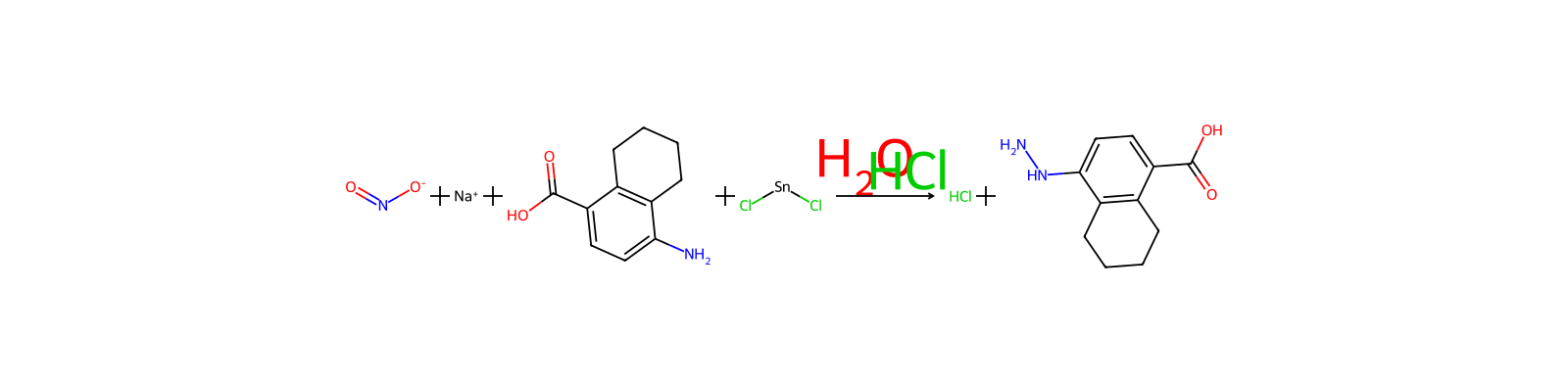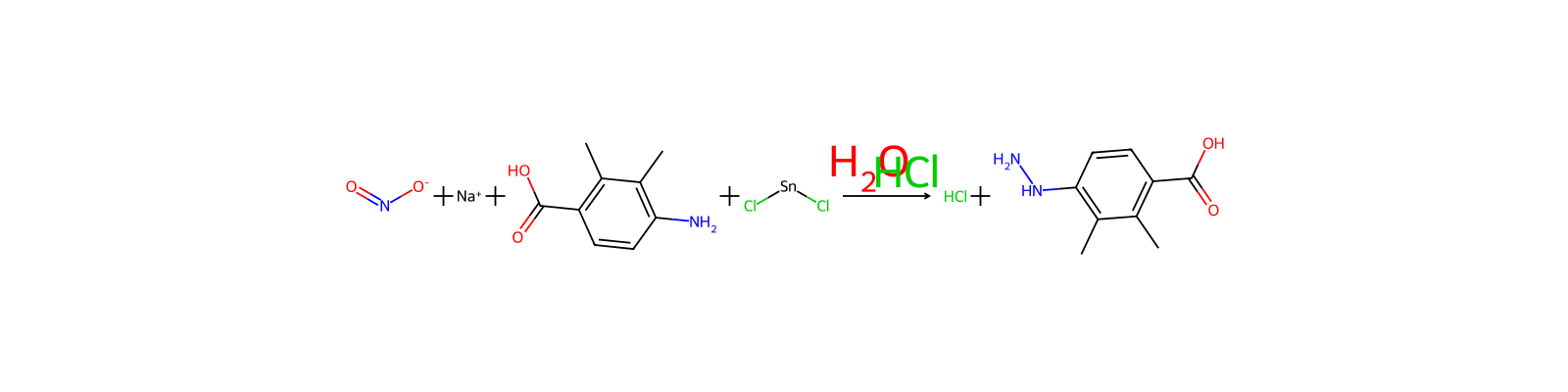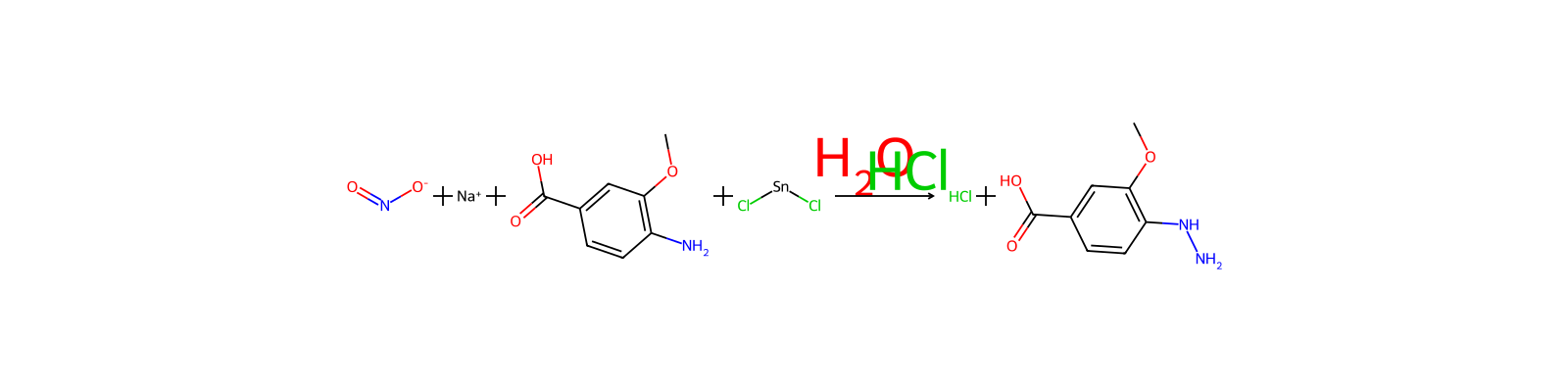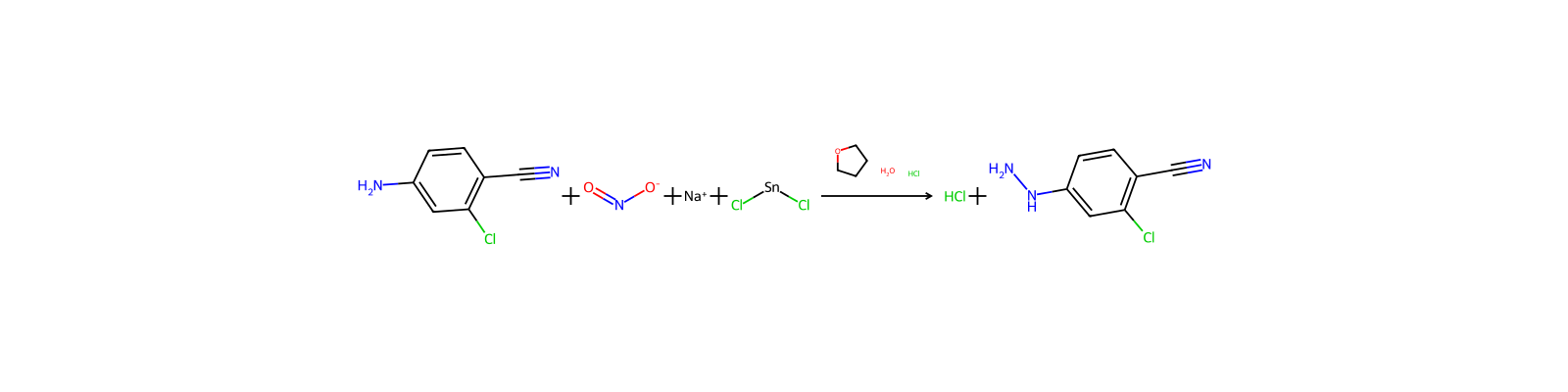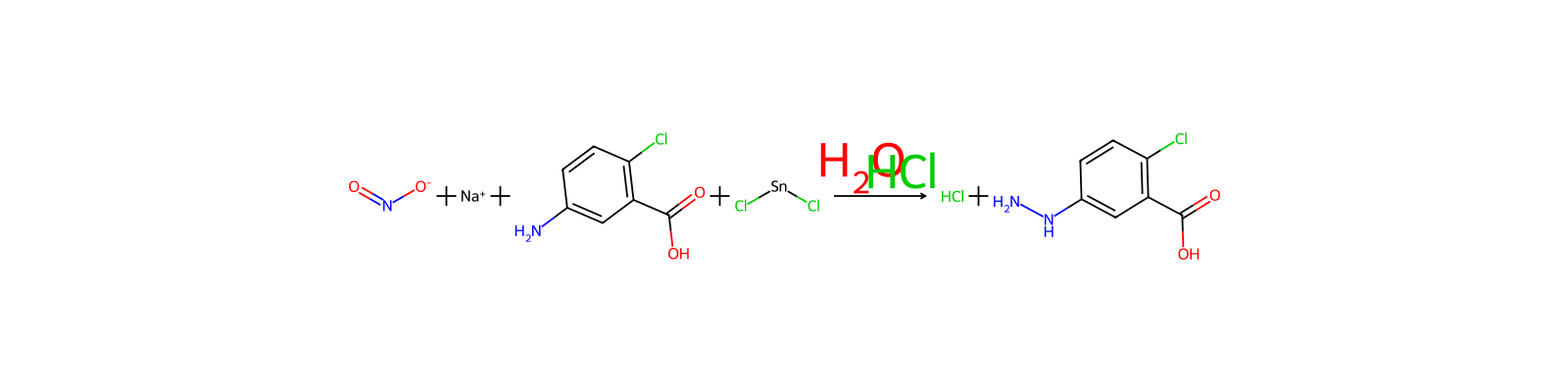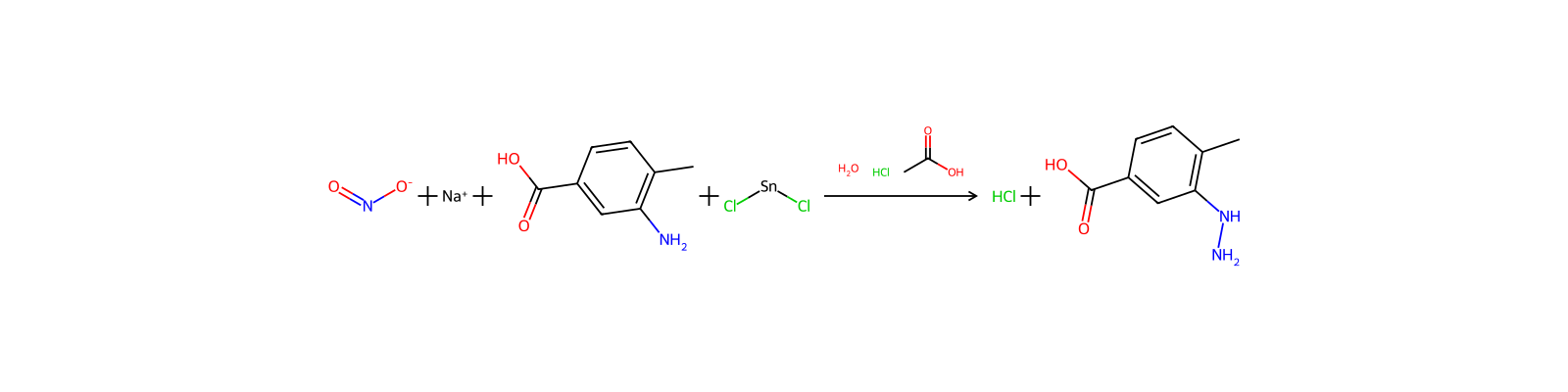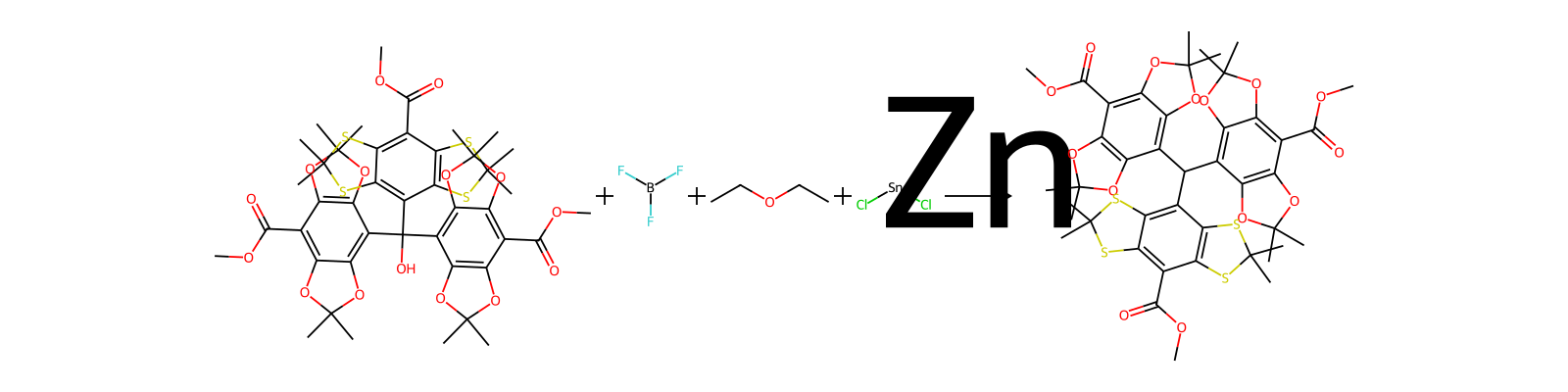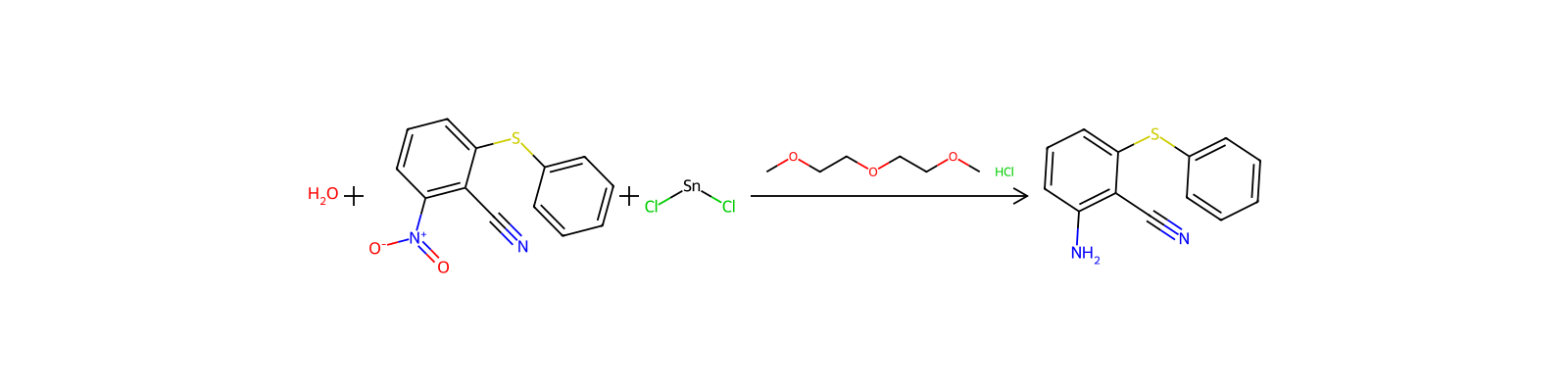
HRID 834반응물로
Stannous Chloride
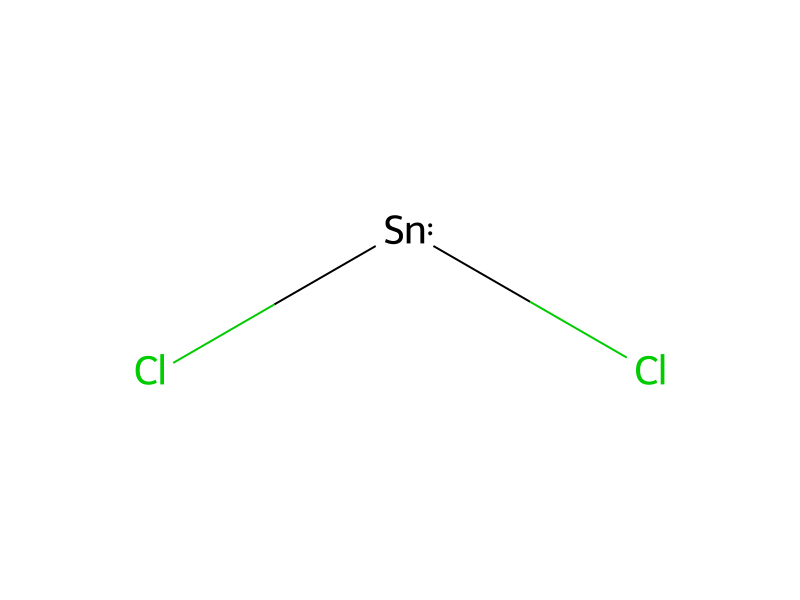
7772-99-8[Cl][Sn][Cl]AXZWODMDQAVCJE-UHFFFAOYSA-LStannous chloride, solid appears as crystalline mass or flaky solid with a fatty appearance. Density 3.95 g / cm3. Melting point 247 °C. Burns, but may be difficult to ignite. Toxic by ingestion. Irritates skin and eyes. Used in the manufacture of dyes, pharmaceuticals and as a tanning agent.
7772-99-8CHEMBL2297930Metals -> Metals, Inorganic Compounds
Corrosives
3.95 at 77 °F (NTP, 1992) - Denser than water; will sink
3.90 g/cu cm
White monoclinic crystals; decomposes @ 37 °C, density 2.71 g/cu cm, souluble in water, ethanol, NaOH, very soluble in HCl. /Dihydrate/
3.95 g/cm³
2.71 @25 °C
White, ortho rhombic crystals
Orthorhombic crystalline mass or flakes; fatty appearance
less than 1 mg/mL at 72 °F (NTP, 1992)
Freely soluble
A white crystalline solid, sol in methanol /Dihydrate/
Sol in methyl acetate, isobutyl alcohol; practically insol in petroleum naphtha, xylene
SOL IN PYRIDINE, ETHYL ACETATE
42.7 g/100 g acetone @ 23 °C
1206 °F at 760 mmHg (NTP, 1992)
623 °C
623 °C @760 [mm Hg]
When heated to decomp it emits toxic fumes of Cl- /chloride/.
Decomposed by hot water.
652 °C
475 °F (NTP, 1992)
246 °C
246.8 °C
246 °C
0 mmHg at 68 °F (NTP, 1992)
3.3 kPa @ 427.9 °C
Stannous chloride is a white crystalline solid.
안전 정보는 참고용이며, 공급업체의 물질안전보건자료(SDS), 관련 법규 및 전문가 평가를 대체하지 않습니다.
This chemical does not meet GHS hazard criteria for 0.5% (4 of 774) of reports.
Danger
H290 (36.2%): May be corrosive to metals [Warning Corrosive to Metals]
P234, P260, P261, P264, P264+P265, P270, P271, P272, P273, P280, P301+P317, P301+P330+P331, P302+P352, P302+P361+P354, P304+P340, P305+P351+P338, P305+P354+P338, P316, P317, P319, P321, P330, P333+P317, P337+P317, P362+P364, P363, P390, P391, P403+P233, P405, P406, and P501 (click each P-code to see the statement)
Aggregated GHS information provided per 774 reports by companies from 50 notifications to the ECHA C&L Inventory. Each notification may be associated with multiple companies.
Danger
Chemical: Tin chloride (SnCl2)
Regulation (EC) No 1331/2008
Tin chloride (SnCl2) is listed on the EPA's Chemical Data Reporting (CDR) system. Manufacturers and importers of Tin chloride (SnCl2) are required to report information about their production and use of this chemical to the EPA under the Toxic Substances Control Act (TSCA). (40 eCFR Part 711)
REACH registered substance: Tin dichloride (EC: 231-868-0)
Tin (II) chloride, anhydrous: Does not have an individual approval but may be used under an appropriate group standard
The New Jersey Worker and Community Right to Know Act requires public and private employers to provide information about hazardous substances at their workplaces. (N.J.S.A. 34:5A-1 et. seq.)
Excerpt from ERG Guide 154 [Substances - Toxic and/or Corrosive (Non-Combustible)]:
Not combustible. Gives off irritating or toxic fumes (or gases) in a fire.
A skin irritant; [Hawley] A strong reducing agent; An eye and respiratory tract irritant; [ICSC] A strong reducing agent; A skin and eye irritant; [CAMEO] A skin and eye irritant; May cause skin sensitization; [eChemPortal: ERMA] Harmful if swallowed; Causes burns; Possible reproductive toxin; A corrosive substance that can cause injury to the skin, eyes, and respiratory tract; [MSDSonline] See Tin and inorganic compounds.
Stannous chloride is a food additive permitted for direct addition to food for human consumption, as long as 1) the quantity of the substance added to food does not exceed the amount reasonably required to accomplish its intended physical, nutritive, or other technical effect in food, and 2) any substance intended for use in or on food is of appropriate food grade and is prepared and handled as a food ingredient.
Substance added directly to human food affirmed as generally recognized as safe (GRAS).
Stannous chloride used as a chemical preservative in animal drugs, feeds, and related products is generally recognized as safe when used in accordance with good manufacturing or feeding practice.
DHHS/NTP; Toxicology & Carcinogenesis Studies of Stannous Chloride in F344/N Rats and B6C3F1 Mice (Feed Study) Technical Report Series No. 231 (1982) NIH Publication No. 82-1787
DHHS/ATSDR; Toxicological Profile for Tin TP-91/27 (1992)
Excerpt from ERG Guide 154 [Substances - Toxic and/or Corrosive (Non-Combustible)]:
In case of fire in the surroundings, use appropriate extinguishing media. In case of fire: keep drums, etc., cool by spraying with water.
Fresh air, rest.
Remove contaminated clothes. Rinse skin with plenty of water or shower.
First rinse with plenty of water for several minutes (remove contact lenses if easily possible), then refer for medical attention.
Give one or two glasses of water to drink. Refer for medical attention .
EYES: First check the victim for contact lenses and remove if present. Flush victim's eyes with water or normal saline solution for 20 to 30 minutes while simultaneously calling a hospital or poison control center. Do not put any ointments, oils, or medication in the victim's eyes without specific instructions from a physician. IMMEDIATELY transport the victim after flushing eyes to a hospital even if no symptoms (such as redness or irritation) develop.
KEEP TIGHTLY CLOSED, IN A COOL PLACE. /DIHYDRATE/
CONTAINERS: BOTTLES; DRUMS.
If ... stannous chloride ... is spilled or leaked, the following steps should be taken: 1. Ventilate area of spill or leak. 2. Collect spilled or leaked material in the most convenient and safe manner for reclamation or for disposal. ... Liquid containing inorganic tin compounds should be absorbed in vermiculite, dry sand, earth, or a similar material.
SRP: At the time of review, criteria for land treatment or burial (sanitary landfill) disposal practices are subject to significant revision. Prior to implementing land disposal of waste residue (including waste sludge), consult with environmental regulatory agencies for guidance on acceptable disposal practices.
Personal protection: particulate filter respirator adapted to the airborne concentration of the substance. Do NOT let this chemical enter the environment. Sweep spilled substance into covered containers. Carefully collect remainder. Then store and dispose of according to local regulations.
If employees' clothing may have become contaminated with solid stannous chloride ... employees should change into uncontaminated clothing before leaving the work premises. ... Non-impervious clothing which becomes wet with stannous chloride should be removed promptly and not reworn until the stannous chloride is removed from the clothing.
Clothing contaminated with stannous chloride /or/ stannic chloride ... should be placed in closed containers for storage until it can be discarded or until provision is made for the removal of contaiminant from the clothing. If the clothing is to be laundered or otherwise cleaned to remove the contaminant, the person performing the operation should be informed of contaminant's hazardous properties.
Skin that becomes contaminated with stannous chloride should be promptly washed to remove any stannous chloride. Employees who handle stannous chloride, stannic chloride ... should wash their hands thoroughly before eating, smoking, or using toilet facilities.
SRP: Contaminated protective clothing should be segregated in such a manner so that there is no direct personal contact by personnel who handle, dispose, or clean the clothing. Quality assurance to ascertain the completeness of the cleaning procedures should be implemented before the decontaminated protective clothing is returned for reuse by the workers. All contaminated clothing should not be taken home at end of shift, but should remain at employee's place of work for cleaning.
SRP: The scientific literature for the use of contact lenses in industry is conflicting. The benefit or detrimental effects of wearing contact lenses depend not only upon the substance, but also on factors including the form of the substance, characteristics and duration of the exposure, the uses of other eye protection equipment, and the hygiene of the lenses. However, there may be individual substances whose irritating or corrosive properties are such that the wearing of contact lenses would be harmful to the eye. In those specific cases, contact lenses should not be worn. In any event, the usual eye protection equipment should be worn even when contact lenses are in place.
EYES: irrigate opened eyes for several minutes under running water. INGESTION: do not induce vomiting. Rinse mouth with water (never give anything by mouth to an unconscious person). Seek immediate medical advice. SKIN: should be treated immediately by rinsing the affected parts in cold running water for at least 15 minutes, followed by thorough washing with soap and water. If necessary, the person should shower and change contaminated clothing and shoes, and then must seek medical attention. INHALATION: supply fresh air. If required provide artificial respiration.
The substance can be absorbed into the body by inhalation of its aerosol and by ingestion.
Oral (L308) ; inhalation (L308) ; dermal (L308)
Cough. Sore throat.
Redness. Pain.
Abdominal pain. Diarrhoea. Nausea. Vomiting.
Inorganic or organic tin compounds placed on the skin or in the eyes can produce skin and eye irritation. (L308)
The following link will take the user to the National Toxicology Program (NTP) Test Agent Search Results page, which tabulates all of the "Standard Toxicology & Carcinogenesis Studies", "Developmental Studies", and "Genetic Toxicity Studies" performed with this chemical. Clicking on the "Testing Status" link will take the user to the status (i.e., in review, in progress, in preparation, on test, completed, etc.) and results of all the studies that the NTP has done on this chemical. [http://ntp-apps.niehs.nih.gov/ntp_tox/index.cfm?fuseaction=ntpsearch.searchresults&searchterm=7772-99-8]
In this study tin(II), as stannous chloride, is readily taken up by human white blood cells and can cause damage to DNA. Damage was detected in white blood cells after exposure to 10-50 uM tin(II) for 30 minutes at either 0 deg or 37 °C.
Organotin compounds examined in this study exhibited a relative order of potency for induction of in vitro hemolysis in human erythrocytes as follows: tri-n-butylitin > tri-n-propyltitn > tetra-n-butyltin > triphenyltin chloride > tri-n-ethyltin bromide > dibutyltin dichloride > stannous chloride > tri-n-methyltin chloride + butyltin chloride dihydroxide.
Stannous chloride
TR-231: Carcinogenesis Bioassay of Stannous Chloride (CASRN 7772-99-8) in F344/N Rats and B6C3F1/N Mice (Feed Study) (1982 )
06/23/81
Equivocal Evidence
No Evidence
No Evidence
THERE IS 1 REPORT ... OF PARALYSIS IN DOG AFTER LARGE DOSE (500 MG/KG) OF STANNOUS CHLORIDE IN MILK.
SEVERE GROWTH RETARDATION & OTHER SIGNS OF TOXICITY OCCURRED WITH STANNOUS CHLORIDE ... @ FEEDING LEVELS OF 0.3% /TO RATS/.
DOSE EFFECT OF INORGANIC TIN WAS EXAMINED IN MALE WISTAR RATS ORALLY ADMIN STANNOUS CHLORIDE (1, 3, 10, & 30 MG TIN/KG). EACH DOSE WAS ADMIN 6 TIMES @ 12 HR INTERVALS. DECREASES IN GASTRIC SECRETION, DUODENAL ALKALINE PHOSPHATASE & HEPATIC PHOSPHORYLASE ACTIVITIES, SERUM CALCIUM CONCN, FEMORAL CALCIUM CONTENT WERE FOUND. AT 3 MG/KG, THE CALCIUM CONTENT IN EPIPHYSIS OF THE FEMUR WAS SIGNIFICANTLY DECREASED BUT NOT AT 1 MG/KG. RESULTS SUGGEST THAT THE CRITICAL ORGAN IN INORGANIC TIN TOXICITY IS BONE.
WHEN ADMIN ORALLY TO RATS TWICE DAILY FOR 3 DAYS, STANNOUS CHLORIDE (3 MG TIN/100 G) INCR SERUM GLUCOSE CONCN & DECR SERUM INSULIN LEVEL AFTER A SINGLE ORAL GLUCOSE LOAD (0.2 G/100 %).
For more Non-Human Toxicity Excerpts (Complete) data for STANNOUS CHLORIDE (21 total), please visit the HSDB record page.
Stannous chloride is a food additive permitted for direct addition to food for human consumption, as long as 1) the quantity of the substance added to food does not exceed the amount reasonably required to accomplish its intended physical, nutritive, or other technical effect in food, and 2) any substance intended for use in or on food is of appropriate food grade and is prepared and handled as a food ingredient.
Substance added directly to human food affirmed as generally recognized as safe (GRAS).
Stannous chloride used as a chemical preservative in animal drugs, feeds, and related products is generally recognized as safe when used in accordance with good manufacturing or feeding practice.
Though tin metal is very poorly absorbed, tin compounds may be absorbed via oral, inhalation, or dermal routes, with organotin compounds being much more readily absorbed than inorganic tin compounds. Tin may enter the bloodstream and bind to hemoglobin, where it is distributed and accumulates mainly in the kidney, liver, lung, and bone. Tin and its metabolites are excreted mainly in the urine and feces. (L308)
The concn of tin in the diaphysis was higher than in the epiphysis both in controls and rats given oral doses of stannous chloride for 28 days.
The effect of dietary tin on zinc, copper, & iron utilization by rats was studied. Male weanling Sprague-Dawley rats were fed a diet containing 206 ug tin (as stannous chloride)/g feed for 21 days. The rats fed the test diet lost more zinc in feces and retained much lower levels of zinc in tibias and kidneys than rats fed the control diet 1 ug tin/g. Rats fed the tin supplemented diet retained higher levels of tin in kidneys and tibias and lower levels of copper in kidneys than controls.
Volunteers in a balance experiment given diets containing 0.11 or 49.67 mg tin (as stannous chloride) daily for 20 days appeared to absorb 50 and 3% of the tin, respectively, as estimated from dietary and fecal tin recovery.
... Rats and rabbits absorbed <2% of orally administered tin from stannous chloride.
Used as a mordant in textile dyeing; [www.ci.tucson.az.us/arthazards/medium.html] A powerful reducing agent used to make dyes, pigments, pharmaceuticals, sensitized paper, lubricating oil additives, and organic and inorganic chemicals; Also used in tinning by galvanic methods; in liquor finishing of wire; in sensitizing of glass, plastics, and other non-conductive surfaces before metalizing; and as a soldering flux, tanning agent, ink stain remover, yeast reviver, chemical reagent, organic catalyst, and food additive; [HSDB] Used to produce polymers and phosphors (reducing agent), to silver mirrors, and to stabilize perfumes in soaps; [Hawley]
Metal Thermal Spraying [Category: Plate]
Textile arts [Category: Hobbies]
Powerful reducing agent, particularly in manufacture of dyes; in tanning by galvanic methods; in liquor finishing of wire; in sensitizing of glass before metallizing; as soldering flux; as mordant in dyeing with cochineal; in manufacture of color pigments, pharmaceuticals, sensitized paper, lubricating oil additives; as tanning agent; in removing ink stains; in yeast revivers; reagent in analytical chemistry; as catalyst in organic reactions
Anhydrous stannous chloride is used extensively in the plating industry and in tin alloy plating. Used as an analytical reducing agent, a reducing agent in inorganic and organic chemicals manufacture and in the photoleaching of dyes, and as a sensitizing agent for nonconductive surfaces before silver coating or other metallization processes. It is also used to sensitize plastics prior to their electroless coating with metals. It is also used as a food additive.
Tin(II) chloride is used for the tin-plating of steel when making tin cans, for textile dyeing, as a catalyst in the production of the plastic polylactic acid, as a reducing agent, in organic chemistry, and as a food additive, serving as a color-retention agent and antioxidant. (L319)
(1972) 3.89X10+7 G
(1975) 1.7X10+7 G
(1986) 96,032 LB
Prepn of anhydrous salt may be by direct reaction of chlorine and molten tin, heating tin in hydrogen chloride gas, or reducing stannic chloride soln with tin metal followed by dehydration.
Stannous chloride dihydrate is prepared either by treatment of granulated tin with hydrochloric acid followed by evaporation and crystallization or by reduction of stannic chloride soln with a cathode or tin metal followed by crystallization. /stannous chloride, dihydrate/
Stannous chloride is available in 2 forms: anhydrous and stannous chloride dihydrate, also called tin crystals or tin salts.
Grades: technical; chemically pure; reagent. ...
Anhydrous, 99.5% reagent and 99% technical grades. ...
Food Additives -> ANTIOXIDANT; COLOUR_RETENTION_AGENT -> JECFA Functional Classes
Food Additives -> ANTIOXIDANT; COLOUR_RETENTION_AGENT -> JECFA Functional Classes
Cosmetics -> Reducing
All Other Chemical Product and Preparation Manufacturing
Tin chloride (SnCl2): ACTIVE
용도Stannous Chloride is an antioxidant and preservative that exists as white or colorless crystals, being very soluble in water. it reacts read- ily with oxygen, preventing its combination with chemicals and foods which would otherwise result in discoloration and undesirable odors. it is used for color retention in asparagus at less than 20 ppm. it is also used in carbonated drinks.
일반 설명Crystalline mass or flaky solid with a fatty appearance. Density 3.95 g / cm3. Melting point 247°C. Burns, but may be difficult to ignite. Toxic by ingestion. Irritates skin and eyes. Used in the manufacture of dyes, pharmaceuticals and as a tanning agent.
Tin(II) chloride is prepared by dissolving tin in hydrochloric acid followed by evaporation of the solution and crystallization.
무수염은 염소와 녹은 주석을 직접적으로 반응시켜 제조될 수 있으며, 염화수소 기체 안의 주석에 열을 가하거나 주석 금속과 염화 주석용액을 환원시킨 후 탈수시켜 제조될 수 있음 염화제일주석 2수화물은 염산으로 과립모양 주석을 처리한 후 증발과 결정화시키거나 음극 또는 주석 금속과 염화제일주석 용액을 환원시킨 후 결정화시켜 제조됨 (염화제일주석, 2수화물)
정의ChEBI: An inorganic chloride that has formula Cl2Sn.