홈MCP워크벤치Skills
홈워크벤치알림마이페이지
llms.txt · MCP 가이드개인정보처리방침 · 이용약관 · 지원v1.8.0
  1. 홈
  2. /화합물

황산칼륨

Potassium Sulfate

HCID 24507
새 노트새 반응견적 요청하기
인쇄 미리보기

데이터를 보충하는 중입니다. 잠시 후 페이지를 새로 고치면 최신 내용을 볼 수 있습니다

기본 정보개요이름 및 식별자물성안전 및 규제화학 및 산업관련 반응화합물 노트
부분 구조 검색유사 구조 찾기

기본 정보

CAS
7778-80-5
표준 SMILES
O=S(=O)([O-])[O-].[K+].[K+]
InChIKey
OTYBMLCTZGSZBG-UHFFFAOYSA-L
분자식
K2SO4
평균 분자량
174.26 g/mol
단동위원소 질량
173.87914284

개요

Potassium sulfate is an inorganic potassium salt and a potassium salt.

이름 및 식별자

우선 이름
Potassium Sulfate
IUPAC
dipotassium;sulfate
현지명
황산칼륨
영어명
Potassium sulfate
분자식
K2O4S
분자량
174.2592

이름 및 동의어

POTASSIUM SULFATE7778-80-5Dipotassium sulfatePotassium sulphateSulfuric acid dipotassium saltArcanum duplicatumSulfuric acid, dipotassium saltKalium sulphuricumTartarus vitriolatusKali sulphuricumPotassium sulfate (K2(SO4))K2SO4
이름 더 보기
디칼륨황산염살폴리크레스툼아르카늄두플리카튬자연아르카니트칼륨황산염칼륨황산염(K2(SO4))칼륨황산염(K2SO4)칼륨황산염용액1M타르타루스비트리올라투스황산디칼륨염황산칼륨황산칼륨염황산칼륨포타슘설페이트황산칼륨(VI)sop231-915-5KSOKso4KSO2KH2PO25WATER R PHEKaliumsulfat
Sulfuric acid potassium salt (1:2)1K573LC5TVPotassium (as sulfate)DTXSID6029701INS NO.515(I)INS-515(I)E-515(I)CHEBI:32036

데이터베이스 식별자

CAS
7778-80-5、10233-01-9
PubChem CID
24507
DTXSID
DTXSID6029701
ChEMBL
CHEMBL2021424
ChEBI
CHEBI:32036
UNII
1K573LC5TV
EC Number
231-915-5
Nikkaji
J43.949E

물성

구조 계산 물성보충 중

극성 표면적
88.6 Ų
수소 결합 공여자 수
0
수소 결합 수용자 수
4
회전 가능 결합 수
0
무거운 원자 수
7
형식 전하
0
복잡도
62.2

실험 및 물리화학적 성질

Chemical ClassesMetals -> Metals, Inorganic Compounds
CosmeticsViscosity controlling; Bulking
pH · 2건

Between 5,5 and 8,5 (5 % solution)

AQ SOLN IS NEUTRAL; PH ABOUT 7

SpringerMaterials Propertiesdielectric constant
OdorODORLESS
TasteHARD, BITTER, SALINE TASTE
Food AdditivesFLAVOR ENHANCER, FLAVORING AGENT OR ADJUVANT, MALTING OR FERMENTING AID -> FDA Substance added to food
Density · 3건

2.66

2.66 g/cm³

2.66 @25 °C

Color/Form · 2건

COLORLESS OR WHITE CRYSTALS, OR WHITE GRANULES OR POWDER

COLORLESS, RHOMBIC OR HEXAGONAL CRYSTALS

Solubility · 5건

Freely soluble in water, insoluble in ethanol

ITS SOLUBILITY IN WATER IS DECR BY KCL OR (NH4)2SO4

1 G DISSOLVES IN: 8.3 ML WATER, 4 ML BOILING WATER, 75 ML GLYCEROL; PRACTICALLY INSOL IN SATURATED SOLN OF AMMONIUM SULFATE; INSOL IN ALC

안전 및 규제

안전 정보는 참고용이며, 공급업체의 물질안전보건자료(SDS), 관련 법규 및 전문가 평가를 대체하지 않습니다.

GHS 분류

GHS Classification · 5건

This chemical does not meet GHS hazard criteria for 89% (517 of 581) of all reports.

Danger

H318 (10.2%): Causes serious eye damage [Danger Serious eye damage/eye irritation]

P264+P265, P280, P305+P354+P338, and P317 (click each P-code to see the statement)

Aggregated GHS information provided per 581 reports by companies from 9 notifications to the ECHA C&L Inventory.

유해성 정보

Regulatory Information · 5건

Chemical: Sulfuric acid, dipotassium salt

Regulation (EC) No 1333/2008 (amended)

Sulfuric acid potassium salt (1:2) is listed on the EPA's Chemical Data Reporting (CDR) system. Manufacturers and importers of Sulfuric acid potassium salt (1:2) are required to report information about their production and use of this chemical to the EPA under the Toxic Substances Control Act (TSCA). (40 eCFR Part 711)

Status: Active Update: 01-02-2023 https://echa.europa.eu/registration-dossier/-/registered-dossier/15527

Dipotassium sulphate: Non hazardous

Other Safety InformationIMAP assessments - Sulfuric acid, dipotassium salt: Human health tier I assessment
Fire HazardsNot combustible.
Hazards SummaryA mild skin, eye, and respiratory tract irritant; [ICSC] A mild skin irritant; [eChemPortal: ERMA] May cause irritation; [MSDSonline]
EPA Safer ChemicalChemical: Potassium sulfate
Chemical DangersDecomposes on heating. This produces sulfur oxides.
Hazard Classes and CategoriesEye Dam. 1 (10.2%)

화학 및 산업

약리 정보

Mechanism of Action · 1건

Potassium is the major cation (positive ion) inside animal cells, while sodium is the major cation outside animal cells. The concentration differences of these charged particles causes a difference in electric potential between the inside and outside of cells, known as the membrane potential. The balance between potassium and sodium is maintained by ion pumps in the cell membrane. The cell membrane potential created by potassium and sodium ions allows the cell generate an action potential—a "spike" of electrical discharge. The ability of cells to produce electrical discharge is critical for body functions such as neurotransmission, muscle contraction, and heart function. Potassium is also an essential mineral needed to regulate water balance, blood pressure and levels of acidity.

FDA Pharmacological Classification · 6건

KALI SULPHURICUM

Increased Large Intestinal Motility [PE]; Potassium Salt [EPC]; Potassium Compounds [CS]; Osmotic Laxative [EPC]; Inhibition Large Intestine Fluid/Electrolyte Absorption [PE]; Osmotic Activity [MoA]

POTASSIUM SULFATE

Inhibition Large Intestine Fluid/Electrolyte Absorption [PE]; Osmotic Activity [MoA]; Potassium Compounds [CS]; Osmotic Laxative [EPC]; Increased Large Intestinal Motility [PE]; Potassium Salt [EPC]

KALI SULPH

Inhibition Large Intestine Fluid/Electrolyte Absorption [PE]; Osmotic Activity [MoA]; Increased Large Intestinal Motility [PE]; Potassium Salt [EPC]; Potassium Compounds [CS]; Osmotic Laxative [EPC]

Absorption, Distribution and ExcretionMostly urine but also skin and feces.

용도 및 제조

Uses · 5건

Used in gypsum cements, to make alum and glass, as a food additive, in fertilizers, as an accelerator in wallboard, as an expansion control agent for dental materials, as a medical and veterinary cathartic, and as a veterinary sulfate source; [HSDB]

Cement Producing [Category: Industry]

REAGENT IN ANALYTICAL CHEMISTRY; MEDICINE; GYPSUM CEMENTS; ALUM MFR; FOOD ADDITIVE

관련 반응

37건
반응 기록 만들기
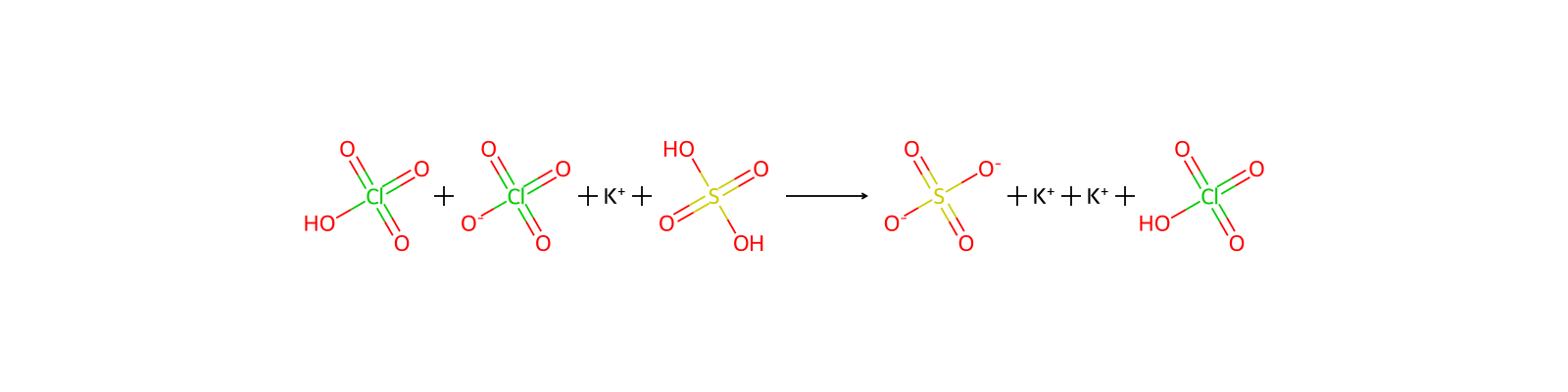
HRID 5973 반응식
HRID 5973반응물로uspto-grants-1993_09
HRID 27676 반응식
HRID 27676반응물로uspto-grants-1980_09
HRID 54883 반응식
HRID 54883생성물로uspto-grants-1997_04
HRID 66555 반응식
HRID 66555생성물로반응물로uspto-grants-1982_08
HRID 237171 반응식
HRID 237171생성물로반응물로uspto-grants-2014_02
HRID 237172 반응식
HRID 237172생성물로반응물로uspto-grants-2014_02
HRID 237173 반응식
HRID 237173생성물로반응물로uspto-grants-2014_02
HRID 339447 반응식
HRID 339447생성물로uspto-grants-2014_11
1 / 5 페이지

화합물 노트

불러오는 중…

이 페이지에서기본 정보개요이름 및 식별자물성안전 및 규제화학 및 산업관련 반응화합물 노트
더보기
새 노트새 반응견적 요청하기

INSOL IN ACETATE, CARBON DISULFIDE

Solubility in water, g/100ml at 25 °C: 12

Human Drugs · 2건

FDA approved drugs -> Active ingredient

FDA approved drugs -> Active ingredient

Boiling Point · 3건

1689 °C

1689 °C

1689 °C @760 [mm Hg]

물리화학적 성질

녹는점
1067 °C · 1067°C
끓는 점
1689 °C · 1689°C
밀도
2.66 · 2.66
인화점
1689 °C · 1689°C
저장 조건
Inert atmosphere,Room Temperature
용해도
2 O: · H2O: 0.5 M at 20 °C, 투명, 무색
물리적 상태
매우 미세한 결정 또는 분말
색상
하얀색
Specific Gravity
2.662 · 2.662
냄새
냄새 없는
수소이온지수(pH)
5.5 · 5.5-7.5 (25℃, 0.5M in H2O)
생물학적 소스
synthetic
수용성
110 g/L · 110g/L(20℃)
비열
0.75 J/ · Cp(crystal): 0.75 J/(g·K), at 25℃
Merck
14 · 14,7674
Dielectric constant
5.9 · 5.9(0.0℃)
안정성
안정적인.
화장품 원료 기능
점도 조절
InChI
1S/2K.H2O4S/c;;1-5(2,3)4/h;;(H2,1,2,3,4)/q2*+1;/p-2
InChIKey
OTYBMLCTZGSZBG-UHFFFAOYSA-L
SMILES
[K+].[K+].[O-]S([O-])(=O)=O
NIST
Potassium sulfate(7778-80-5)
EPA
Potassium sulfate (7778-80-5)
State Drinking Water Standards · 2건

(AL) ALABAMA 500,000 ug/l /Sulfate ion/

(UT) UTAH 1,000,000 ug/l /Sulfate ion/

State Drinking Water Guidelines · 2건

(CA) CALIFORNIA 250 ug/l (Recommended); 500 ug/l (Upper); Short-term 600 ug/l /Sulfate ion/

(UT) UTAH 500,000 ug/l /Sulfate ion/

Federal Drinking Water GuidelinesEPA 250,000 ug/l /Sulfate ion/

안전 및 보호

Fire FightingIn case of fire in the surroundings, use appropriate extinguishing media.
First Aid Measures · 4건

Fresh air, rest.

Rinse and then wash skin with water and soap.

First rinse with plenty of water for several minutes (remove contact lenses if easily possible), then refer for medical attention.

Give one or two glasses of water to drink.

Spillage DisposalSweep spilled substance into covered containers. Personal protection: particulate filter respirator adapted to the airborne concentration of the substance.
Eye PreventionWear safety goggles.
Inhalation RiskEvaporation at 20 °C is negligible; a nuisance-causing concentration of airborne particles can, however, be reached quickly when dispersed, especially if powdered.
Skin PreventionProtective gloves.
Ingestion PreventionDo not eat, drink, or smoke during work.
Inhalation PreventionUse local exhaust.
Effects of Short Term ExposureThe substance is mildly irritating to the eyes, skin and respiratory tract.
Protective Action Criteria (PAC) · 3건

30 [mg/m3]

220 [mg/m3]

1300 [mg/m3]

독성 정보

Signs and Symptoms · 4건

Cough. Sore throat.

Redness.

Redness. Pain.

Abdominal pain. Diarrhoea. Nausea. Vomiting.

Human Toxicity ExcerptsSWALLOWING LARGE DOSES CAUSES SEVERE GI IRRITATION.
Non-Human Toxicity Excerpts · 1건

CATTLE WHICH BROKE INTO FIELD WHICH HAD BEEN TREATED WITH POTASSIUM SULFATE DIED WITHIN 2 DAYS, SHOWING SYMPTOMS OF PROSTRATION, PARESIS, HYPOTHERMIA, CESSATION OF RUMINATION & CONSTIPATION. ONLY LESION SEEN @ POST MORTEM WAS CONGESTION OF MUCOUS MEMBRANE OF ABOMASUM & INTESTINES...

규제 정보

State Drinking Water Standards · 2건

(AL) ALABAMA 500,000 ug/l /Sulfate ion/

(UT) UTAH 1,000,000 ug/l /Sulfate ion/

State Drinking Water Guidelines · 2건

(CA) CALIFORNIA 250 ug/l (Recommended); 500 ug/l (Upper); Short-term 600 ug/l /Sulfate ion/

(UT) UTAH 500,000 ug/l /Sulfate ion/

Federal Drinking Water GuidelinesEPA 250,000 ug/l /Sulfate ion/

안전 데이터

wgk
1
tsca
TSCA listed
rtecs
TT5900000
독성
LD50 orally in Rabbit: 6600 mg/kg
HS 번호
31043000
safety_code
22-24/25
기존화학 물질
KE-29200
스토리지 클래스
13 - Non Combustible Solids
유해 물질 데이터
7778-80-5(Hazardous Substances Data)

(VET): CATHARTIC, SULFATE SOURCE

FERTILIZER FOR CHLORIDE-SENSITIVE CROPS (EG, TOBACCO); ACCELERATOR IN WALLBOARD (CONSTRUCTION INDUSTRY); AGENT IN MFR OF GLASS; CATHARTIC IN HUMAN MEDICINE; WATER-CORRECTIVE AGENT FOR FOODS (EG, BREWERY WATER); SETTING-EXPANSION CONTROL AGENT FOR DENTAL MATERIALS

U.S. Exports · 3건

(1978) 2.30X10+10 GRAMS

(1979) 2.24X10+10 GRAMS

(1985) 5.53x10+10 g

U.S. Imports · 3건

(1977) 6.90X10+10 GRAMS

(1979) 2.02X10+10 GRAMS

(1985) 4.88X10+10 g

U.S. Production · 4건

2023: 100,000,000 - <250,000,000 lb

(1977) 4.64X10+10 GRAMS (CONSUMPTION)

(1979) 4.11X10+10 GRAMS (CONSUMPTION)

(1985) 2.10X10+11 g

Consumption Patterns · 3건

Agriculture, 63%; exports, 36%; other, 1% (1984)

CHEMICAL PROFILE: Potassium Sulfates. Fertilizer (mainly for non-grain or specialty crops), 56%; exports, 41%; other, 3%. /Potassium sulfates/

CHEMICAL PROFILE: Potassium sulfates. Demand: 1987: 227,600 tons K2O; 1988: 235,000 tons K2O; 1992 /projected/: 280,000 tons K2O. (Does not include imports, which totaled 30,000 tons K2O in 1987.) /Potassium sulfates/

Consumer UsesOther
Industry UsesSoil amendments (fertilizers)
Methods of Manufacturing · 3건

REACTION OF POTASSIUM CHLORIDE WITH LANGBEINITE ORE, SCHOENITE OBTAINED FROM KAINITE ORE, OR SODIUM SULFATE (GLASERITE IS AN ISOLATED INTERMEDIATE); REACTION OF POTASSIUM CHLORIDE WITH SULFURIC ACID OR SULFUR DIOXIDE, WATER AND OXYGEN; RECOVERY FROM SUGAR WASTES

(A) BY TREATMENT OF POTASSIUM CHLORIDE EITHER WITH SULFURIC ACID OR WITH SULFUR DIOXIDE, AIR, & WATER (HARGREAVES PROCESS). (B) BY FRACTIONAL CRYSTALLIZATION OF NATURAL SULFATE ORE; (C) FROM SALT LAKE BRINES.

THE POTASSIUM SALT OF SULFURIC ACID. ...FIRST POTASH SALT PRODUCED COMMERCIALLY IN US FROM ANYTHING OTHER THAN WOOD ASHES. IT WAS PRODUCED FROM ALUNITE. SULFATE HAS ALSO BEEN MADE FROM CEMENT MILL DUST, LANGBEINITE, & FROM MURIATE BY TREATMENT WITH SODIUM OR MAGNESIUM SULFATE OR WITH SULFURIC ACID.

Formulations/Preparations · 2건

GRADES: HIGHEST PURITY MEDICINAL; COMMERCIAL; CRUDE; CP; AGRICULTURAL

Commercial potassium sulfate contains not less than 48% soluble potash (K2O) chiefly as sulfate, and not more than 2.5% chlorine

Household ProductsInformation on 101 consumer products that contain Potassium sulfate in the following categories is provided:
Use Classification · 5건

EPA Safer Chemical Functional Use Classes -> Processing Aids and Additives

Safer Chemical Classes -> Green circle - The chemical has been verified to be of low concern

Food additives

Food Additives -> FLAVOUR_ENHANCER; SALT_SUBSTITUTE -> JECFA Functional Classes

Cosmetics -> Viscosity controlling; Bulking

General Manufacturing Information · 6건

Not Known or Reasonably Ascertainable

Sulfuric acid potassium salt (1:2): ACTIVE

Sulfuric acid, potassium salt (1:?): ACTIVE

TECHNICAL GRADES ARE USED IN FERTILIZERS FOR MFR OF POTASSIUM ALUM, POTASSIUM CARBONATE & GLASS; THE REAGENT GRADE IS USED IN THE KJELDAHL DETERMINATION OF NITROGEN.

VET: RARE, AS LAXATIVE, AS IT IS MORE IRRITANT THAN SODIUM OR MAGNESIUM SULFATES. OCCASIONALLY USED IN WATER SOL TRACE MINERAL MIXES AS SOURCE OF POTASSIUM (44.8%) & AS AN ORAL SULFATE SOURCE IN RUMINANT EXPT.

VET: IT IS OF POTENTIAL VALUE AS SULFATE SOURCE, WHICH MAY REDUCE METHIONINE REQUIREMENTS OF POULTRY. A 0.1% LEVEL IN FEED OF LAYING HENS WAS ASSOCIATED WITH A 5% INCR IN EGG PRODUCTION.

응용 분야 · 7건

개요천연적으로는 아르카나이트로 산출되고, 공업적으로는 염화칼륨 KCl을 진한황산 HSO과 함께 가열하여 얻는다. 칼륨비료로 사용되는 외에, 거의 냄새가 없어 각종비료와 배합시킬 수 있다. 비효는 속효성이며, 황산암모늄·과인산 등과 함께 기비가 된다. 또 칼륨백반·브롬화칼륨의 제조원료나 의약품에 이용된다.

용도공업적으로는 카이나이트 등에 염화칼륨을 가한 수용액에서 복분해하여 얻는다. 물에서 재결정시켜 정제한다. 칼륨비료로 사용되고 냄새가 거의 없어 각종 비료와 배합시킬 수 있다. 비료 효과가 빨 리 나타나며, 황산암모늄 ·과산화인산 등과 함께 기본적인 비료이다. 또, 비료 외의 용도로 칼륨백반 ·브롬화칼륨의 제조원료나 의약품 에 이용된다.

개요Potassium sulfate (K2SO4) is a kind of chemical compounds that is commonly used in agriculture. The dominant application of potassium sulfate is as a fertilizer, which is commonly applied to offer both potassium and sulfur, thus improving the quality and yield of crops growing in soils that lack an adequate supply of this essential elements. Besides, the crude potassium sulfate is sometimes employed in the production of glass. It also has applications in other industries, which is used as a flash reducer in artillery propellant charges and as an alternative blast media similar to soda in the process of soda blasting. potassium sulfate powder

출처Potassium and sodium sulfates and their double sulfates with calcium and magnesium occur naturally in various salt lakes. Potassium sulfate also occurs in certain volcanic lava. Its double salt with magnesium occurs in nature, as the mineral langbeinite.Potassium sulfate is used in fertilizers as a source of potassium and sulfur, both of which are essential elements for plant growth. Either in sim-ple form or as a double salt with magnesium sulfate, potassium sulfate is one of the most widely consumed potassium salts in agricultural applications. It is preferred over potassium chloride for certain types of crops; such as, tobac-co, citrus, and other chloride-sensitive crops. Some other applications include making gypsum cements; to make potassium alum; in the analysis of Kjeldahl nitrogen; and in medicine.

역사Potassium sulfate has been known since the early 14th century. It was studied by Glauber, Boyle, and Tachenius. In the 17th century, it was named arcanuni or sal duplicatum, as it was a combination of an acid salt with an alkaline salt. It was also known as vitriolic tartar and Glaser's salt or sal polychrestum Glaseri after the pharmaceutical chemist Christopher Glaser, who prepared and used it medicinally. From the early to mid-19th century, as understanding of plant nutritional requirements deepened and the fertilizer industry emerged, potassium sulphate began to be produced on a large scale as a vital potash fertiliser.

용도potassium sulfate is a reagent in cosmetics. Potassium sulfate is an inorganic salt with a primary function as a viscosity-increasing agent.

일반 설명Potassium sulfate is an inorganic salt that can be prepared by reacting phosphogypsum and potassium chloride. It forms needlelike mullite particles on heating with aluminum sulfate (Al2(SO4)3) and silicon dioxide (SiO2). Its application to the soil has been reported to minimize the bronzing of rice plants. Its surface integration growth kinetics has been obtained in the temperature range of 20-50°C. The theoretical heat capacity curve of potassium sulfate in vapor phase has been obtained.

제조 방법 · 1건

생산 방법Potassium sulfate is produced by various methods, selection of process depending on availability and cost of raw materials.The salt may be obtained from its naturally occurring mineral, langbeinite,K2SO42MgSO4. The ore first is crushed and washed with water to separate sodium chloride. After that, magnetite is separated from the washed langbei-nite by magnetic separation. After the separation of these two major impuri-ties, the purified double salt is treated with an aqueous solution of potassium chloride to obtain potassium sulfate:K2SO42MgSO4 + 4KCl →3K2SO4+ 2MgCl2The solution is filtered to remove insoluble residues and the products are separated from their aqueous mixture by crystallization.Potassium sulfate also is produced from the mineral kieserite, MgSO4H2O by treatment with potassium chloride. The intermediate double salt obtained reacts further with potassium chloride to form potassium sulfate:MgSO4H2O + 2KCl + 4H2O →K2SO4MgSO46H2O + MgCl2K2SO4MgSO46H2O + 2KCl →2K2SO4+ MgCl2Potassium sulfate is separated from the more soluble magnesium chloride by crystallization.Also, potassium sulfate can be made by two other processes in which no naturally occurring mineral is employed. In the Mannheim process, the salt is produced by action of sulfuric acid on potassium chloride:2KCl + H2SO4→K2SO4+ 2HClIn Hargreaves process, which is a slight variation of the Mannheim method, potassium sulfate is made by heating a mixture of potassium chlo-ride, sulfur dioxide, air and water:4KCl + 2SO2+ 2H2O + o2→2K2SO4+ 4HCl.

상·하류 제품 정보

상류 원료

수산화칼륨탄산 칼륨염산alunite황산마그네슘염화칼륨1-아미노옥타데칸황산암모늄황산마그네슘(7수화물)황산

하류 제품

Compound fertilizer알루미늄 칼륨 황산염, 도데카수화물ethyl 3-ethylpyrazolyl-5-carboxylate4-하이드록시벤조 산(아세나프틸렌아크롤레인4-[2-(디에틸아미노)에톡시]벤조페논Nitrogen phosphorus potassium mixed fertilizer유리황산 칼륨Nitrogen-Phosphorus-Potassium compound fertilizer with sulphur제1인산칼슘니코설푸론N-(1,3-다이메틸뷰틸-N'-페닐-p-페닐렌디아민)이탄산 칼륨Mixed and compound fertilizer칼륨 메타비아황산염피루브산브로민산 칼륨디 칼슘 포스페이트알파-D-글루코피라노스1-인산염이칼륨염수화물과황산 칼륨크롬산 암모늄Compound fertilizer of potassium sulfatepolyhalite산화크로뮴Compound fertilizer,high concentrationL-메티오닌Water flush fertilizer
추가 설명 · 4건

순도시험(1) 납 : 「메타인산나트륨」의 순도시험 (2)에 따라 시험한다(2.0ppm 이하). (2) 비소 : 이 품목을 비소시험법에 따라 시험할 때, 그 양은 4.0ppm 이하이어야 한다. (3) 수은 : 이 품목을 수은시험법에 따라 시험할 때, 그 양은 1.0ppm 이하이어야 한다. (4) 셀레늄 : 이 품목 1g을 물 100mL에 녹인 것을 시험용액으로 하여 원자흡광도법의 무염방식에 따라 측정할 때의 흡광도는 셀레늄표준용액 3mL에 물을 가한 다음 100mL로 한 액을 시험용액과 같은 조작을 하여 얻은 흡광도보다 높아서는 아니 된다(30ppm 이하).

확인시험이 품목의 수용액(1→10)은 확인시험법 중 칼륨염의 반응을 나타낸다.

정량법이 품목 약 0.5g을 정밀히 달아 물 200mL에 녹이고 이에 염산 1mL를 가하여 끓인다. 계속 저어주면서 뜨거운 염화바륨시액 8~9mL를 천천히 가한 후 수욕상에서 1시간 가열하고 식힌 다음 회분이 없는 여과지로 여과하고 씻은 액이 염화물의 반응을 나타내지 않을 때까지 씻은 다음 그 침전물을 조심스럽게 탄화한 다음 항량이 될 때까지 800±25℃에서 강열하여 황산바륨으로서 평량한다.

정의Potassium sulfate is a potassium salt and an inorganic potassium salt. It is a white crystalline powder, K2SO4, soluble inwater and insoluble in ethanol;rhombic or hexagonal; r.d. 2.66; m.p.1069°C. It occurs naturally assch nite (Strassfurt deposits) and inlake brines, from which it is separatedby fractional crystallization. Ithas also been produced by the Hargreavesprocess, which involves theoxidation of potassium chloride withsulphuric acid. In the laboratory itmay be obtained by the reaction ofeither potassium hydroxide or potassiumcarbonate with sulphuric acid.Potassium sulphate is used in cements,in glass manufacture, as a food additive, and as a fertilizer(source of K+) for chloride-sensitiveplants, such as tobacco and citrus.