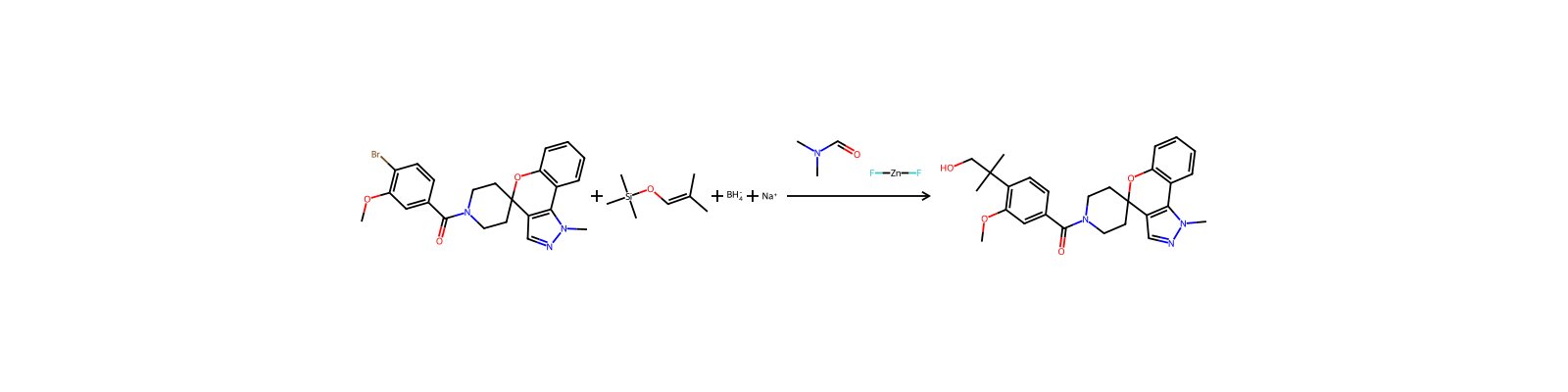
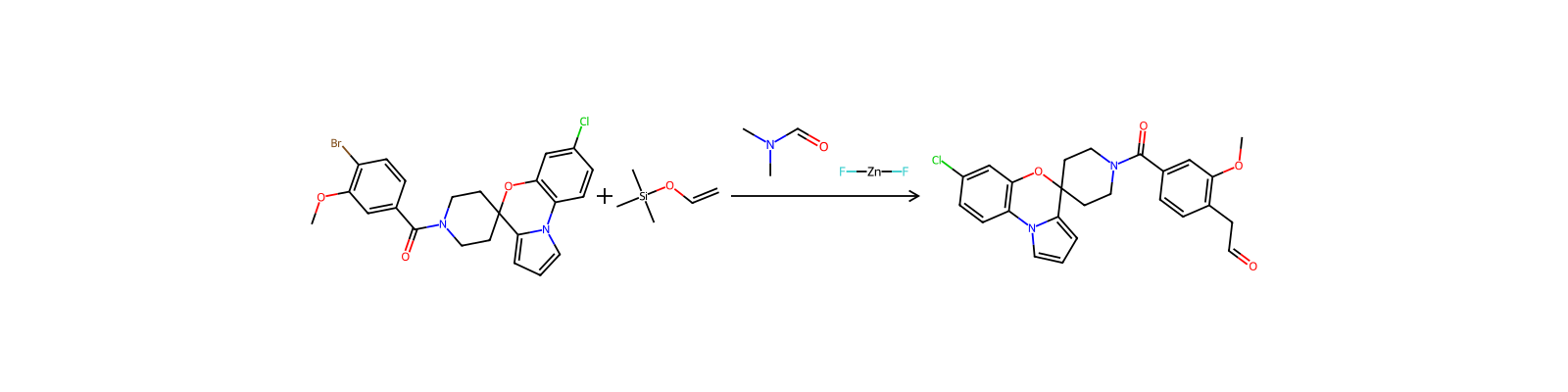
HRID 76792촉매로
Zinc fluoride

7783-49-5[F][Zn][F]BHHYHSUAOQUXJK-UHFFFAOYSA-LZinc fluoride appears as a white powder or crystalline mass. Density 4.84 g / cm3. Slightly soluble in water and denser than water. Also insoluble as a hydrate. ZnF2.xH2O. Used for galvanizing steel and making ceramics.
7783-49-54.84 at 59 °F 4.95 at 25 °C (USCG, 1999) - Denser than water; will sink
4.9 g/cu cm
5.0025 @25 °C
COLORLESS MONOCLINIC OR TRICLINIC CRYSTALS
TETRAGONAL NEEDLES (RUTILE LATTICE) OR WHITE CRYSTALLINE MASS
1.516 G SOL IN 100 ML WATER; BECOMES ANHYDR AT 100 °C /TETRAHYDRATE/
INSOL IN ALCOHOL & AMMONIA; SOL IN HOT ACID
SLIGHTLY SOL IN AQ HYDROFLUORIC ACID; SOL IN AMMONIUM HYDROXIDE, HYDROCHLORIC & NITRIC ACIDS
1.62 G/100 CC WATER AT 20 °C
2732 °F at 760 mmHg (USCG, 1999)
1,500 °C
1500 °C @760 [mm Hg]
1601.6 °F (USCG, 1999)
872 °C
872 °C
Zinc fluoride appears as a white powder or crystalline mass. Density 4.84 g / cm3. Slightly soluble in water and denser than water. Also insoluble as a hydrate. ZnF2.xH2O. Used for galvanizing steel and making ceramics.
White solid; [Hawley] White odorless powder; [MSDSonline]
Heat of soln= -227.8 Btu/lb= -126.5 cal/g= -5.3X10+5 J/kg
COLORLESS, RHOMBOHEDRAL CRYSTALS; DENSITY: 2.255 SOL IN AMMONIUM HYDROXIDE, ACIDS & ALKALI; 3000 °C IS TRANSITION POINT TO ZNO (ZINC NITRIC OXIDE) /TETRAHYDRATE/
White powder. Soluble in hot acids; slightly soluble in water; insoluble in alcohol.
안전 정보는 참고용이며, 공급업체의 물질안전보건자료(SDS), 관련 법규 및 전문가 평가를 대체하지 않습니다.
Danger
H301 (16.4%): Toxic if swallowed [Danger Acute toxicity, oral]
P261, P264, P264+P265, P270, P271, P280, P301+P316, P302+P352, P304+P340, P305+P351+P338, P305+P354+P338, P317, P319, P321, P330, P332+P317, P337+P317, P362+P364, P403+P233, P405, and P501 (click each P-code to see the statement)
Aggregated GHS information provided per 55 reports by companies from 13 notifications to the ECHA C&L Inventory. Each notification may be associated with multiple companies.
Danger
H320: Causes eye irritation [Warning Serious eye damage/eye irritation]
Chemical: Zinc fluoride (ZnF2)
REACH registered substance: Zinc fluoride (EC: 232-001-9)
Zinc fluoride (ZnF2): Does not have an individual approval but may be used as a component in a product covered by a group standard. It is not approved for use as a chemical in its own right.
The New Jersey Worker and Community Right to Know Act requires public and private employers to provide information about hazardous substances at their workplaces. (N.J.S.A. 34:5A-1 et. seq.)
INHALATION: Irritation of nasal passages, dryness, and nose bleed. EYES: Irritation may occur. SKIN: Excessive exposure may cause a rash. INGESTION: Salty or soapy taste, salivation, nausea, burning or crampy abdominal pain, vomiting, diarrhea, dehydration, and thirst. (USCG, 1999)
A review with 100 references on the synergistic antiplaque effects of zinc fluoride-hexetidine mouthwashes.[Saxer UP, Muehlemann HR; Synergistic Antiplaque Effects of a Zinc Fluoride/Hexetidine Containing Mouthwash. A Review; Schweiz Monatsschr Zakjnheilkd 93 (8): 689-704 (1983)]
Zinc and Health. Current Bibliographies in Medicine 98-3. Public Services Division/National Library of Medicine. 3619 citations, January, 1990-June, 1998.[Available from, as of November 2, 1998: http://www.nlm.nih.gov/archive/20040831/pubs/cbm/zinc.html]
USEPA; Ambient Water Quality Criteria Doc: Zinc (1980) EPA 400/5-80-079
USEPA; Ambient Water Quality Criteria Doc: Zinc (1987) EPA 400/5-87-003
For more Special Reports (Complete) data for ZINC FLUORIDE (7 total), please visit the HSDB record page.
Permissible Exposure Limit: Table Z-1 8-hr Time Weighted Avg: 2.5 mg/cu m. /Fluorides as F/
Permissible Exposure Limit: Table Z-2 8-hr Time Weighted Avg: 2.5 mg/cu m. /Fluoride as dust/
Persons in charge of vessels or facilities are required to notify the National Response Center (NRC) immediately, when there is a release of this designated hazardous substance, in an amount equal to or greater than its reportable quantity of 1000 lb or 454 kg. The toll free number of the NRC is (800) 424-8802; In the Washington D.C. metropolitan area (202) 426-2675. The rule for determining when notification is required is stated in 40 CFR 302.4 (section IV. D.3.b).
Biological Exposure Indices (BEI) [ACGIH] - Fluorides in urine = 2 mg/L prior to shift or 3 mg/L at end of shift; (Repeated measurements recommended.)
1.0 [mg/m3], inhalable fraction, as F [0.1 mg/m3 (resp. fraction), 2 mg/m3 (inhal. fraction) for Zn inorg. compds.][German Research Foundation (DFG)]
Environmental considerations: Land spill: Dig a pit, pond, lagoon, or holding area to contain liquid or solid material. /SRP: If time permits, pits, ponds, lagoons, soak holes, or holding areas should be contained with a flexible impermeable membrane liner./ Cover solids with a plastic sheet to prevent dissolving in rain or fire fighting water.
Environmental considerations: Water spill: Neutralize with agricultural lime (CaO), crushed limestone, or sodium bicarbonate. Add soda ash. Adjust pH to neutral (pH 7). Use mechanical dredges or lifts to remove immobilized masses of pollutants and precipitates or greater concentration.
SRP: At the time of review, criteria for land treatment or burial (sanitary landfill) disposal practices are subject to significant revision. Prior to implementing land disposal of waste residue (including waste sludge), consult with environmental regulatory agencies for guidance on acceptable disposal practices.
If material not on fire and not involved in fire: Keep material out of water sources and sewers. Build dikes to contain flow as necessary. Keep upwind. Avoid breathing vapors or dusts. Wash away any material which may have contacted the body with copious amounts of water or soap and water.
SRP: The scientific literature for the use of contact lenses in industry is conflicting. The benefit or detrimental effects of wearing contact lenses depend not only upon the substance, but also on factors including the form of the substance, characteristics and duration of the exposure, the uses of other eye protection equipment, and the hygiene of the lenses. However, there may be individual substances whose irritating or corrosive properties are such that the wearing of contact lenses would be harmful to the eye. In those specific cases, contact lenses should not be worn. In any event, the usual eye protection equipment should be worn even when contact lenses are in place.
... Concn of fluorine and its cmpd should not exceed the recommended max permissible levels. Processes in which there is a potential exposure hazard should be equipped with local exhaust ventilation and should ... be mechanized. ... Workers should not consume food or beverages in the workplace and rigorous personal hygiene should be observed before meals are taken. /Fluorine and cmpd/
2.5 [mg/m3], as F
8 hr Time Weighted Avg (TWA): 2.5 mg/cu m. /Fluorides, as F/
Excursion Limit Recommendation: Excursions in worker exposure levels may exceed 3 times the TLV-TWA for no more than a total of 30 minutes during a work day, and under no circumstances should they exceed 5 times the TLV-TWA, provided that the TLV-TWA is not exceeded. /Fluorides, as F/
A4; Not classifiable as a human carcinogen. /Fluorides, as F/
Biological Exposure Index (BEI): Determinant: fluorides in urine; Sampling Time: prior to shift; BEI: 3 mg/g creatinine. Determinant: fluorides in urine; Sampling Time: end of shift; BEI: 10 mg/g creatinine. The determinant may be present in biological specimens collected from subjects who have not been occupationally exposed, at a concentration which could affect interpretation of the result. Such background concentrations are incorporated in the BEI value. The determinant is nonspecific, since it is also observed after exposure to other chemicals. /Fluorides/
Anaemia results from the excessive absorption of zinc suppressing copper and iron absorption, most likely through competitive binding of intestinal mucosal cells. Unbalanced levels of copper and zinc binding to Cu,Zn-superoxide dismutase has been linked to amyotrophic lateral sclerosis (ALS). Stomach acid dissolves metallic zinc to give corrosive zinc chloride, which can cause damage to the stomach lining. Metal fume fever is thought to be an immune response to inhaled zinc. (L48, L49, A49)
Ingestion of large doses of zinc causes stomach cramps, nausea, and vomiting. Acute inhalation of large amounts of zinc causes metal fume fever, which is characterized by chills, fever, headache, weakness, dryness of the nose and throat, chest pain, and coughing. Dermal contact with zinc results in skin irritation. (L49)
SYMPTOMATOLOGY: 1. Severe gastritis or gastroenteritis with abdominal pain, retching, and prolonged vomiting, beginning 10-60 min after ingestion. Vomitus may become bloody. Diarrhea is sometimes violent; the feces are watery and later tarry. Dehydration becomes intense. 2. Shock, pallor, cyanosis and coldness. Rapid, weak or imperceptible pulse, low blood pressure, rapid and shallow respirations. 3. Sometimes breathing is deep and rapid, reflecting an accompanying metabolic acidosis. 4. Drowsiness, hyporeflexia, dilated pupils, coma. Vasomotor instability, shock or coma and a serum iron level in great excess of the total iron-binding capacity are poor prognostic signs. /Fluoride/
SYMPTOMATOLOGY: 5. Liver injury, consisting of hemorrhagic necrosis which is usually reversible. 6. Death from shock, usually in 4-5 hr. Sometimes following apparent recovery, pneumonia with fever or secondary shock may cause death 1-3 days later. 7. Among survivors pyloric stenosis and mild hepatic cirrhosis may be encountered as persistent sequelae, but recovery is usually complete. /Fluoride/
Initial symptoms from ingestion /include/ ... salivation, nausea, abdominal pain, vomiting, and diarrhea. ... The patient shows signs of increased irritability of the nervous system, including paresthesias, a positive Chvostek sign, hyperactive reflexes, and tonic and clonic convulsions. ... Hypocalcemia and hypoglycemia are frequent lab findings. ... Pain in various muscle groups ... blood pressure falls ... due to central vasomotor depression as well as direct toxic action on cardiac muscle. The respiratory center is first stimulated and later depressed. Death ... from either respiratory paralysis or cardiac failure. /Fluoride salts/
... THE MAJOR MANIFESTATIONS OF CHRONIC INGESTION OF EXCESSIVE AMT OF FLUORIDE ARE OSTEOSCLEROSIS & MOTTLED ENAMEL. CHRONIC EXPOSURE TO EXCESS FLUORIDE CAUSES INCR OSTEOBLASTIC ACTIVITY. ... DENSITY AND CALCIFICATION OF BONE ARE INCR ... THOUGHT TO REPRESENT THE REPLACEMENT OF HYDROXYAPATITE BY THE DENSER FLUOROAPATITE. /FLUORIDE SALTS/
For more Human Toxicity Excerpts (Complete) data for ZINC FLUORIDE (8 total), please visit the HSDB record page.
/Acute poisoning/ if sufficient fluoride is absorbed ... fluoride ion increases capillary permeability and also produces a coagulation defect. These actions lead to hemorrhagic gastroenteritis and hemorrhages, congestion, and edema in various organs including the brain. Clinical manifestations ... include excitability, muscle tremors, weakness, urination, defecation, salivation, emesis, sudden collapse, clonic convulsions, coma, and death due to respiratory and cardiac failure. Cyanosis and early rigor mortis. ... /Fluoride/
Signs of acute systemic fluoride intoxication are increased salivation, lacrimation, vomiting, diarrhea, muscular fibrillation, and respiratory, cardiac, and general depression. ... /Fluorides/
Chronic manifestations of excess fluoride in cattle are ... dental fluorosis and osteofluorosis. Animals with moderate to severe osteofluorosis sometimes exhibit an intermittent, non-specific, a typical lameness or stiffness that may be associated with calcification of periarticular structures and tendon insertions. This lameness or stiffness is often transitory in nature; and limits feeding or grazing time, thereby impairing animal performance. Other general non-specific signs or symptoms sometimes associated with chronic fluoride toxicosis include thickened, dry unpliable skin and poor performance. /Fluoride/
Basic treatment: Establish a patent airway. Suction if necessary. Watch for signs of respiratory insufficiency and assist ventilations if necessary. Administer oxygen by nonrebreather mask at 10 to 15 L/min. Monitor for pulmonary edema and treat if necessary ... . Monitor for shock and treat if necessary ... . Anticipate seizures and treat if necessary ... . For eye contamination, flush eyes immediately with water. Irrigate each eye continuously with normal saline during transport ... . Do not use emetics. For ingestion, rinse mouth and administer 5 mL/kg up to 200 mL of water for dilution if the patent can swallow, has a strong gag reflex, and does not drool ... . Cover skin burns with dry sterile dressings after decontamination ... . /Fluorine and related compounds/
Advanced treatment: Consider orotracheal or nasotracheal intubation for airway control in the patient who is unconscious or in respiratory arrest. Positive-pressure ventilation techniques with a bag-valve-mask device may be beneficial. Monitor cardiac rhythm and treat arrhythmias if necessary ... . Start an IV with D5W TKO /SRP: "To keep open", minimal flow rate/. Use lactated Ringer's to support vital signs if signs of hypovolemia are present. Watch for signs of fluid overload. Consider drug therapy for pulmonary edema ... . For hypotension with signs of hypovolemia, administer fluid cautiously. Consider vasopressors for hypotension with a normal fluid volume. Watch for signs of fluid overload ... . Treat seizures with diazepam (Valium) ... . Use proparacaine hydrochloride to assist eye irrigation ... . /Fluorine and related compounds/
Persons in charge of vessels or facilities are required to notify the National Response Center (NRC) immediately, when there is a release of this designated hazardous substance, in an amount equal to or greater than its reportable quantity of 1000 lb or 454 kg. The toll free number of the NRC is (800) 424-8802; In the Washington D.C. metropolitan area (202) 426-2675. The rule for determining when notification is required is stated in 40 CFR 302.4 (section IV. D.3.b).
Designated as a hazardous substance under section 311(b)(2)(A) of the Federal Water Pollution Control Act and further regulated by the Clean Water Act Amendments of 1977 and 1978. These regulations apply to discharges of this substance.
Toxic pollutant designated pursuant to section 307(a)(1) of the Clean Water Act and is subject to effluent limitations. /Zinc and compounds/
The secondary contaminant level of zinc for public water systems is 5 mg/l. These regulations control contaminants in drinking water that primarily affect the aesthetic qualities relating to the public acceptance of drinking water. The States may establish higher or lower levels which may be appropriate dependent upon local conditions such as unavailability of alternate source waters or other compelling factors, provided that public health and welfare are not adversely affected. /Soluble zinc salts/
For total recoverable zinc the criterion-to protect freshwater aquatic life ... is 47 ng/l as a 24 hr average ... at hardnesses of 50, 100, and 200 mg/l as CaCO3 the concentration of total recoverable zinc should not exceed 180, 320, 570 ug/l at any time. /Soluble zinc salts/
For total recoverable zinc the criterion to protect saltwater aquatic life ... is 58 ug/l as a 24 hr average and the concentration should not exceed 170 ug/l at any time. /Soluble zinc salts/
(AZ) ARIZONA 4,000 ug/l /Fluoride ion/
(CA) CALIFORNIA 2,000 ug/l /Fluoride ion; varies with air temperature from 79.3-90.5 °F, down to less than 53.7 °F, the lower the temperature, the higher the allowable standard/
(DE) DELAWARE 1800 ug/l /Fluoride ion/
(NC) NORTH CAROLINA 4,000 ug/l /Fluoride ion/
(PA) PENNSYLVANIA 2,000 ug/l /Fluoride ion/
(AZ) ARIZONA 5000 ug/l /Zinc/
(MN) MINNESOTA 2000 ug/l /Zinc/
(AZ) ARIZONA 4,000 ug/l /Fluoride ion/
(ME) MAINE 2,400 ug/l /Fluoride ion/
EPA 5000 ug/l /Zinc/
EPA 2000 ug/l /Zinc, Lifetime health advisory/
EPA 2,000 ug/l /Fluoride ion/
... Fluoride interacts with bones and teeth by replacing hydroxyl or bicarbonate ions in hydroxyapatite to form fluorohydroxyapatite. ... The presence of fluorohydroxyapatite increases the crystalline structure of the bone and reduces its solubility. ... Dental fluorosis results from toxic effects of fluoride on the epithelial enamel organ. /Fluoride/
In acute poisoning, fluoride kills by blocking normal cellular metabolism. Fluoride inhibits enzymes, in particular metalloenzymes involved in essential processes, causing vital functions such as the initiation and transmission of nerve impulses, to cease. ... /Fluoride/
Zinc can enter the body through the lungs, skin, and gastrointestinal tract. Intestinal absorption of zinc is controlled by zinc carrier protein CRIP. Zinc also binds to metallothioneins, which help prevent absorption of excess zinc. Zinc is widely distributed and found in all tissues and tissues fluids, concentrating in the liver, gastrointestinal tract, kidney, skin, lung, brain, heart, and pancreas. In the bloodstream zinc is found bound to carbonic anhydrase in erythrocytes, as well as bound to albumin, _2-macroglobulin, and amino acids in the the plasma. Albumin and amino acid bound zinc can diffuse across tissue membranes. Zinc is excreted in the urine and faeces. (L49)
FLUORIDES ARE ABSORBED FROM GI TRACT, LUNG, & SKIN. GI TRACT IS MAJOR SITE OF ABSORPTION. DEGREE OF ABSORPTION ... IS BEST CORRELATED WITH ITS SOLUBILITY. RELATIVELY SOL CMPD ... ARE ALMOST COMPLETELY ABSORBED ... SECOND MOST COMMON ROUTE OF ABSORPTION IS BY ... LUNG. ... THIRD, & RELATIVELY RARE, ROUTE ... IS THROUGH THE SKIN. FLUORIDE HAS BEEN DETECTED IN ALL ORGANS & TISSUES EXAM AND IT IS CONCN IN EXCEPT BONE, THYROID, AORTA, & PERHAPS KIDNEY. ... /IT/ IS PREPONDERANTLY DEPOSITED IN SKELETON & TEETH, & THE SKELETAL BURDEN IS RELATED TO INTAKE & AGE. ... MAJOR ROUTE OF FLUORIDE EXCRETION IS BY ... KIDNEYS; HOWEVER SMALL AMOUNTS OF FLUORIDE APPEAR IN SWEAT, MILK AND INTESTINAL SECRETIONS... ABOUT 90% OF FLUORIDE FILTERED BY GLOMERULUS IS REABSORBED BY RENAL TUBULES. /FLUORIDES/
Upon intravenous injection zinc is distributed to erythrocytes, plasma, and leukocytes; about 80% of the zinc present in the blood is found in the erythrocytes, 12-20% in the plasma, and about 3% in the leukocytes. ... There is a dynamic exchange of zinc between plasma and erythrocytes. Inhalation of dusts of zinc salts results in a transient accumulation in the lung before its absorption into the blood. There is little absorption of zinc or its salts through the skin. ... About 80% of parenterally administered zinc is excreted in the feces, suggesting an enterohepatic circulation for zinc. In humans, about 10% of the absorbed zinc is excreted in the urine, and in tropical climates about 2-3 mg zinc/day may be lost in sweat. /Soluble zinc compounds/
Used for fluorination of organic compounds; to make phosphors for fluorescent electric lights; in glazes and enamels for porcelain; for preserving wood; in electroplating baths; as termite repellent; for galvanizing steel; for making ceramics; [HSDB] Also used as a flux for welding and soldering; [Ullmann]
Steel Producing [Category: Industry]
Ceramics making [Category: Hobbies]
FLUORINATION OF ORG CMPD; MFR OF PHOSPHORS FOR FLUORESCENT ELECTRIC LIGHTS; GLAZES & ENAMELS FOR PORCELAIN; PRESERVING WOOD; IN ELECTROPLATING BATHS
TERMITE REPELLENT
For galvanizing steel and making ceramics.
... FROM ZINC CARBONATE & HYDROGEN FLUORIDE.
A) ACTION OF HYDROFLUORIC ACID ON ZINC HYDROXIDE; B) ADDITION OF SODIUM FLUORIDE TO A SOLN OF ZINC ACETATE
CAN BE PREPARED BY SLOWLY DRYING THE TETRAHYDRATE, ZnF2.4 H2O, IN A CURRENT OF ANHYDROUS HYDROGEN FLUORIDE TO MINIMIZE HYDROLYSIS AND FORMATION OF THE OXIDE
GRADE: TECHNICAL, ABOUT 95% PURE
COMMERCIAL: (CALCULATED) 96%
4 Mesh, 99 & 99.5% purity grades
Zinc fluoride (ZnF2): ACTIVE
ZINC FLUORIDE USED FOR FLUORINATIONS SHOULD BE SLIGHTLY HYDRATED.
Dental plaque inhibition was demonstrated in rats and humans by using zinc fluoride hexetidine combination in a mouthwash.
개요Zinc fluoride (ZnF2) is an inorganic chemical compound. Zinc fluoride is used in the fluorination of organic compounds, in the manufacturing of phosphors for fluorescent lights, in preserving wood, in electroplating baths, in galvanizing steel, and in ceramic manufacturing for glazes and enamels. It is also used as a termite repellent, in pharmaceuticals (e.g. the inhibition of dentin demineralization and collagen degradation), as a flux for welding and soldering (e.g. aluminum).
용도Zinc fluoride is a white crystalline powder, used in the manufacture of phosphors for fluorescent lights. It also is used in electroplating baths, in preservation of wood, in glazes and enamels for ceramics, and in fluorination reactions of organics.
Zinc fluoride may be prepared by heating zinc hydroxide or zinc carbonate with hydrogen fluoride: Zn(OH)2 + 2HF → ZnF2 + 2H2O ZnCO3 + 2HF → ZnF2 + CO2 + H2O Also, it can be precipitated by adding a solution of sodium fluoride to that of zinc acetate: (CH3COO)2Zn + 2NaF → ZnF2 + 2CH3COONa