수소화나트륨
Sodium hydride

기본 정보
- CAS
7646-69-7- 표준 SMILES
[H-].[Na+]- InChIKey
BZKBCQXYZZXSCO-UHFFFAOYSA-N- 분자식
- HNa
- 평균 분자량
- 23.9977 g/mol
- 단동위원소 질량
- 23.99759431
개요
See also: Sodium hydride (NaD) (annotation moved to); Sodium hydride (annotation moved to).
이름 및 식별자
- 우선 이름
- Sodium hydride
- IUPAC
- sodium hydride
- 현지명
- 수소화나트륨
- 영어명
- Sodium hydride
- 분자식
- HNa
- 분자량
- 24
이름 및 동의어
SODIUM HYDRIDE7646-69-7Sodiumhydride15780-28-6hydridosodium23J3BHR95O60% Sodium hydrideSodium hydride (NaH)Sodium monohydridesodium;hydridesodiumhydridnatrium hydride
이름 더 보기
나트륨수화물수소화나트륨나트륨수화물(SODIUMHYDRIDE)소듐 하이드라이드NAHSodium Hydride, 60% oilQHNSodium hydride suspensionSodium Hydride 60% in mineral oil340Fnah80NAH 800.84-0.86
sodium hydridSodium hydride-SCHEMBL65SCHEMBL208DTXSID90893680AKOS015833248AKOS015902809S0481
데이터베이스 식별자
- CAS
7646-69-7- PubChem CID
- 24758
- DTXSID
DTXSID90893680
물성
구조 계산 물성
- 극성 표면적
- 0 Ų
- 수소 결합 공여자 수
- 0
- 수소 결합 수용자 수
- 1
- 회전 가능 결합 수
- 0
- 무거운 원자 수
- 1
- 형식 전하
- 0
- 복잡도
- 0
물리화학적 성질
- 녹는점
- 800 °C · 800 °C (dec.) (lit.)
- 밀도
- 1.2 · 1.2
- 인화점
- 185 °C · 185°C
- 저장 조건
- 30 °C · Store below +30°C.
- 용해도
- 용융 나트륨에 용해됩니다. 암모니아, 벤젠, 사염화탄소, 이황화탄소 및 모든 유기 용매에 용해되지 않습니다.
- 물리적 상태
- 가루
- 색상
- 흰색에서 옅은 회색까지
- 냄새
- Odorless
- 수용성
- 물과 반응
- 비열
- 1.52 J/ · Cp(crystal): 1.52 J/(g·K), at 25℃
- Merck
- 14 · 14,8625
- InChI
- InChI=1S/Na.H
- InChIKey
- MPMYQQHEHYDOCL-UHFFFAOYSA-N
- SMILES
- [NaH]
- NIST
- Sodium hydride(7646-69-7)
- EPA
- Sodium hydride (NaH) (7646-69-7)
화학적 성질
Grey solid. Pure sodium hydride forms colorless cubic crystals; however, the commercial product contains traces of sodium metal, giving it a light gray color. At atmospheric pressure, sodium hydride slowly evolves hydrogen above 300 ℃. At 420 ℃ decomposition is rapid but melting does not take place. Sodium hydride is a salt and therefore insoluble in inert organic solvents. It dissolves in molten sodium hydroxide, in sodium – potassium alloys and in molten LiCl – KCl eutectic mixtures (352 ℃). Sodium hydride is stable in dry air but ignites above 230 ℃, burning to form sodium oxide. It is hydrolyzed rapidly in moist air and as a dry powder it is spontaneously flammable. Sodium hydride reacts extremely violently with water, the heat of hydrolysis being sufficient to ignite the liberated hydrogen. It reacts with carbon dioxide to form sodium formate.
안전 및 규제
안전 정보는 참고용이며, 공급업체의 물질안전보건자료(SDS), 관련 법규 및 전문가 평가를 대체하지 않습니다.
유해성 정보
CSL Reaction Information
CSL00007
N,N-DIMETHYLFORMAMIDE + SODIUM HYDRIDE
Thermal runaway reaction already at temperatures > 40°C
Deprotonation
C&EN
6/29/18
안전 데이터
- wgk
- 3
- tsca
- TSCA listed
- rtecs
- WB3910000
- ridadr
- UN 1427
- HS 번호
- 28500090
- risk_code
- 15-36-35-11
- hazard_code
- F,C
- safety_code
- 26-43-7/8-43A-24/25-7-60-22-45-37/39-16
- 포장분류
- I
- 위험 등급
- 4.3
- 기존화학 물질
- KE-31467
- F 고인화성물질
- 10-21
- Hazard Classifications
- Eye Dam. 1Flam. Sol. 1Met. Corr. 1Skin Corr. 1AWater-react 1
- 스토리지 클래스
- 4.3 - Hazardous materials which set free flammable gases upon contact with water
- 유해 물질 데이터
- 7646-69-7(Hazardous Substances Data)
화학 및 산업
응용 분야
용도금속 염화물의 환원제로서, 또 유기 합성에서의 환원제, 수소 첨가제, 축합제로 사용된다.
개요Sodium hydride, is a binary salt that has a specific hazard of releasing hydrogen upon contact with water. It is an odorless powder that is violently water reactive. The four-digit UN identification number is 1427. The NFPA 704 designation is health 3, flammability 3, and reactivity 2. The white space at the bottom of the diamond has a W with a slash through it, indicating water reactivity.
용도Sodium hydride is used to enhance the condensation reactions of carbonyl compounds through the Dieckmann condensation, Stobbe condensation, Darzens condensation and Claisen condensation. It acts as a reducing agent used to prepare diborane from boron trifluoride. It is also used in fuel cell vehicles. Further, it is used to dry some organic solvents. In addition to this, it is involved in the preparation of sulfur ylides, which is utilized for the conversion of ketones into epoxides.
일반 설명A silvery to whitish powder or slurry in oil. Used to make other chemicals.
제조 방법
생산 방법Sodium hydride, reactive with water yielding hydrogen gas and NaOH solution, formed by reaction of sodium and hydrogen at about 360 °C (680 °F). Used as a powerful reducing agent.
상·하류 제품 정보
상류 원료
하류 제품
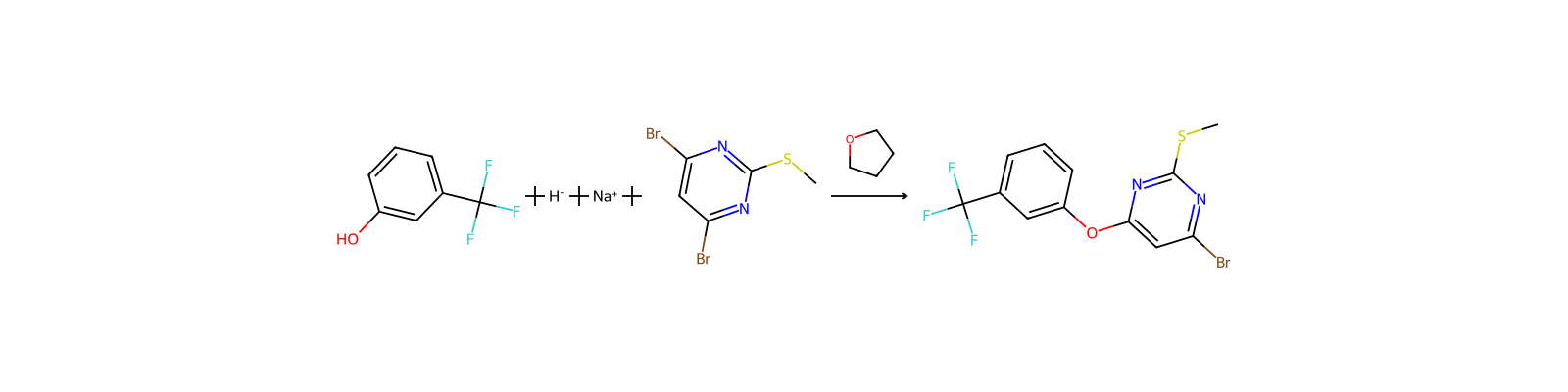
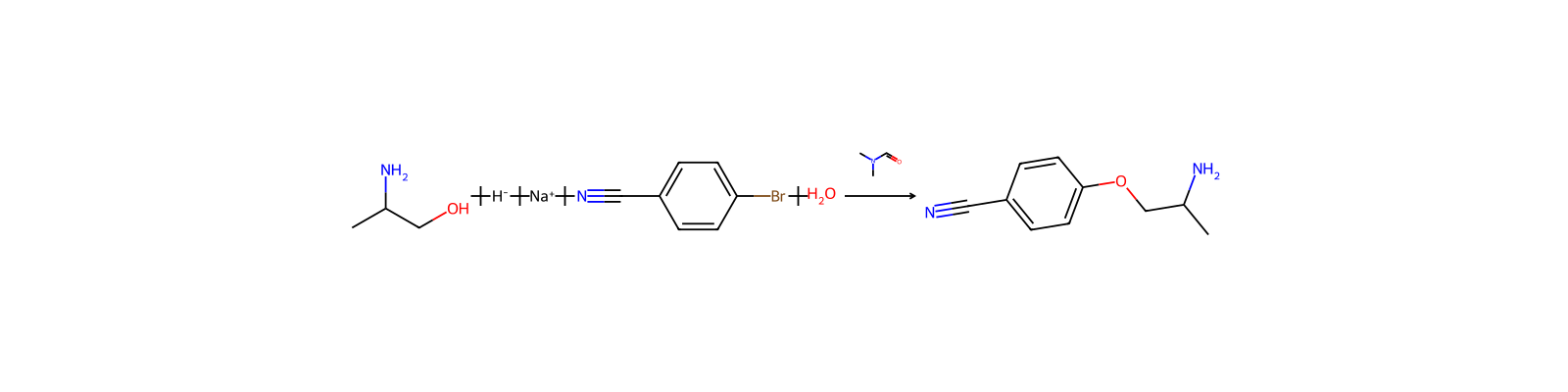
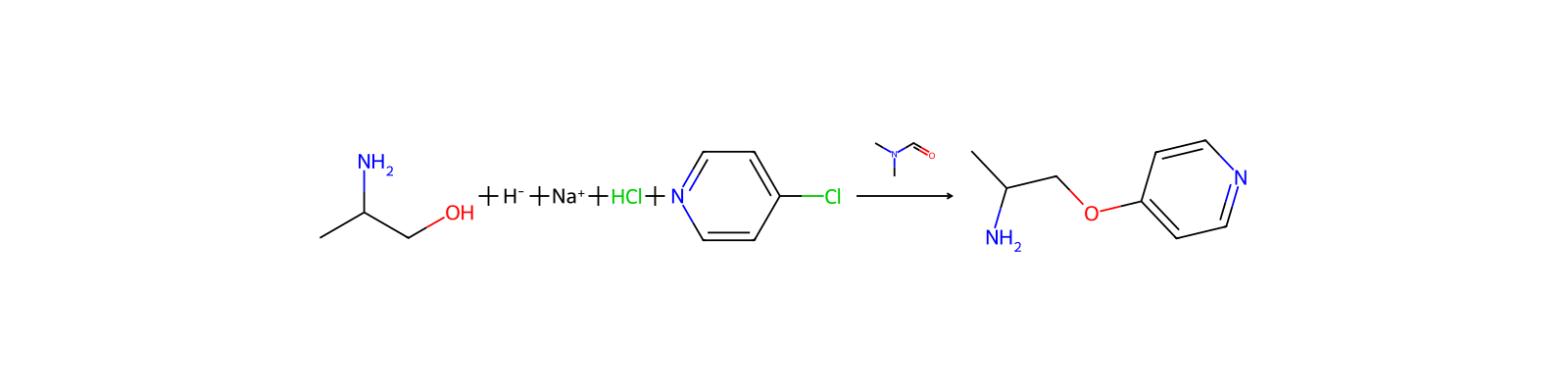
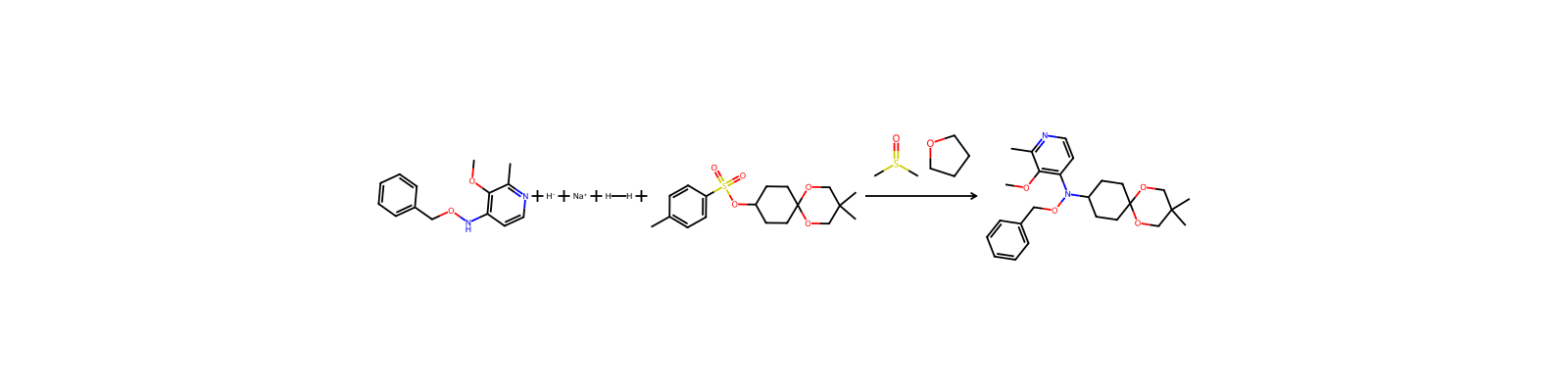
관련 반응
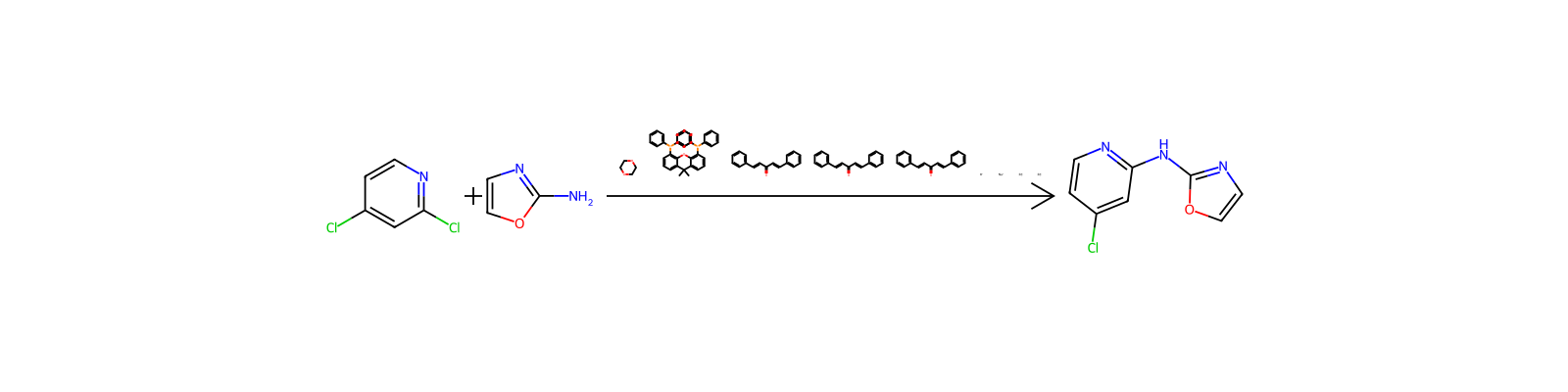
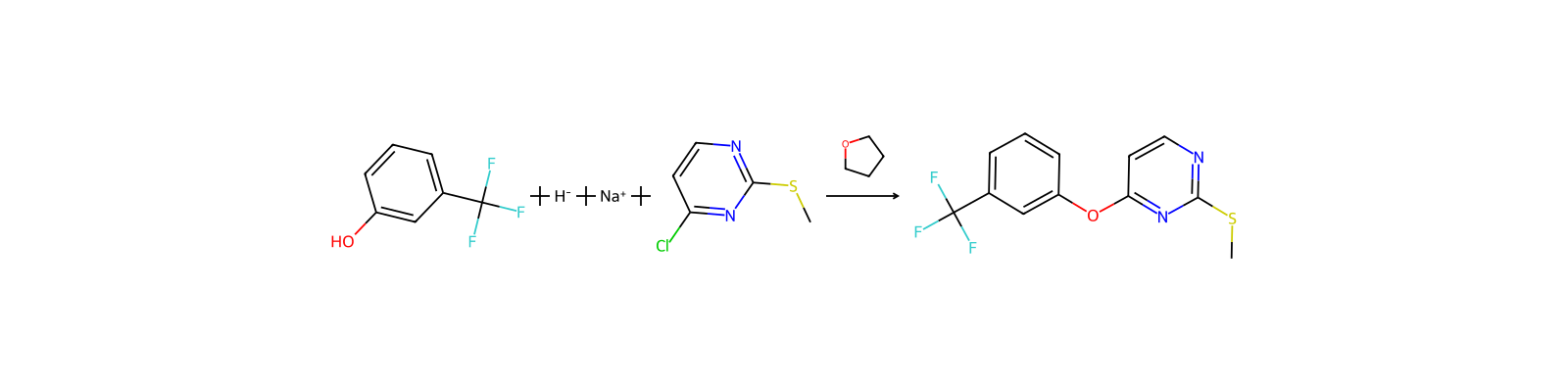
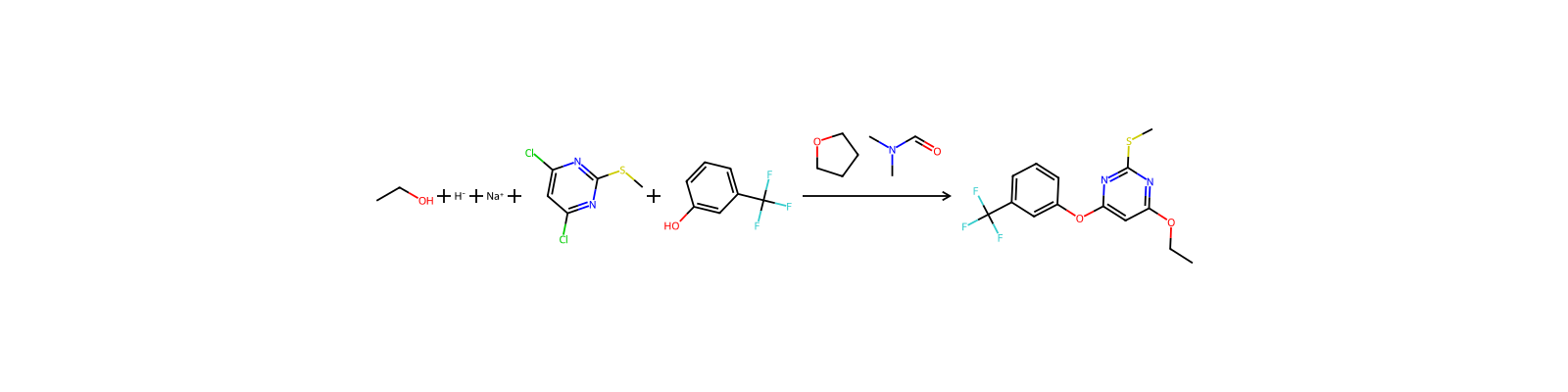
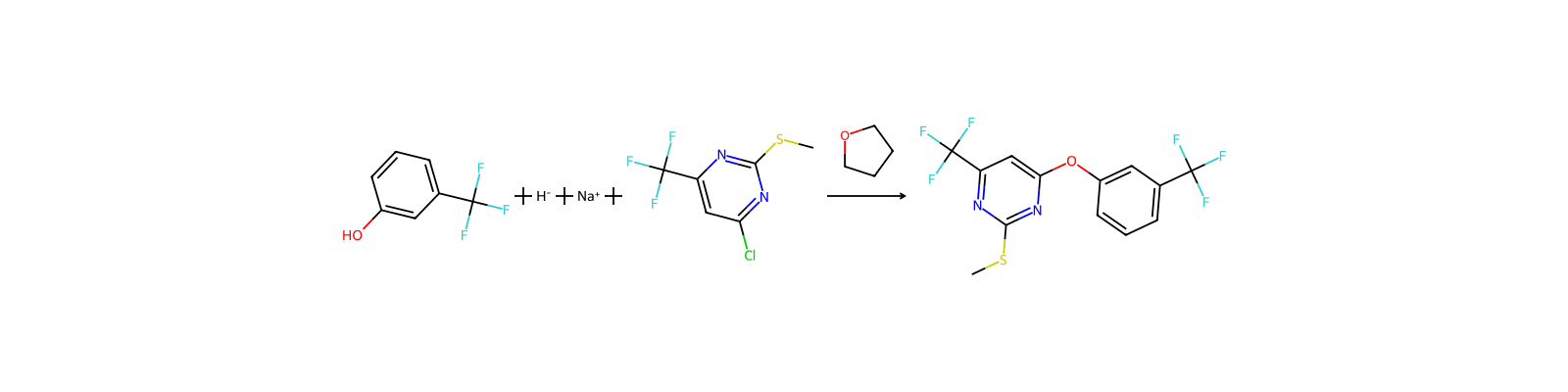
60,130건
화합물 노트
불러오는 중…