
황산 하이드록실아민
Hydroxylamine sulfate
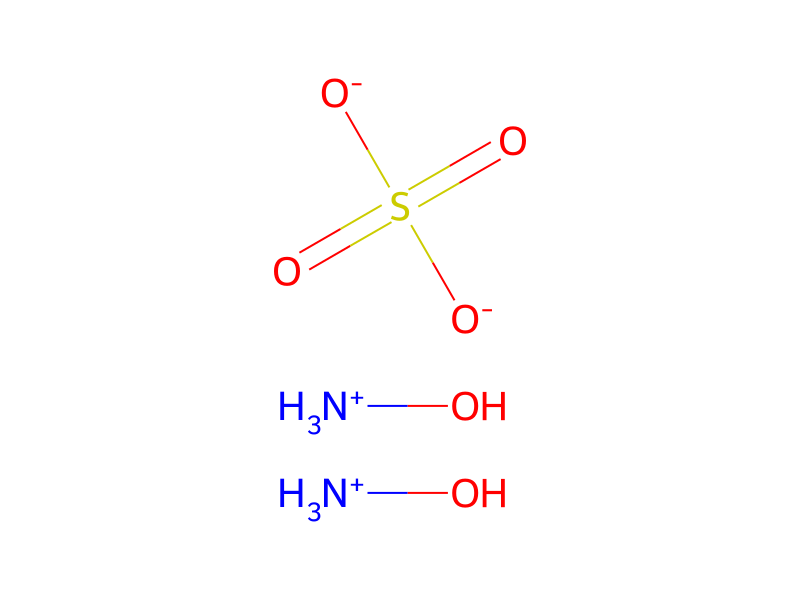
기본 정보
- CAS
10039-54-0- 표준 SMILES
O=S(=O)([O-])[O-].[NH3+]O.[NH3+]O- InChIKey
VGYYSIDKAKXZEE-UHFFFAOYSA-L- 분자식
- (NH2OH)2.H2SO4
- 평균 분자량
- 164.14 g/mol
- 단동위원소 질량
- 164.01030715
개요
Hydroxylamine sulfate is a colorless crystalline solid. Contact may cause severe irritation to skin, eyes, and mucous membranes. May be toxic by ingestion.
이름 및 식별자
- 우선 이름
- Hydroxylamine sulfate
- IUPAC
- hydroxyazanium;sulfate
- 현지명
- 황산 하이드록실아민
- 영어명
- Hydroxylamine sulfate
- 분자식
- H2O4S.2H3NO
- 분자량
- 164.14
이름 및 동의어
Hydroxylammonium sulfateOxammonium sulfateHydroxylamine sulfate (2:1)Bis(hydroxylamine) sulfateHydroxylamine sulphateHydroxylamine, sulfateHydroxylamine neutral sulfateBis(hydroxylammonium) sulphateHydroxylammoniumsulfatLANASANE LABDTXSID202542449KP498D4O
이름 더 보기
비스(히드록실아민)황산염옥스암모늄황산염히드록실아민중화황산염히드록실아민황산염(2:1)(염)(HYDROXYLAMINESULFATE황산하이드록실아민황산히드록실아민히드록실암모늄황산염히드록실암모늄황산염,히드록실아민황산염,비스(히드록실아민)황산염황산하이드록실암모늄하이드록실아민설페이트옥스암모늄황산염하이드록황산하이드록실아민(HYDROXYLAMINESULFATE)황산 하이드록실아민(2:1)다이(하이드록실아민) 황산염비스(하이드록실암모늄) 설페이트비스(하이드록실암모늄)설페이트비스(하이드록실암모늄)설페이트 H3NO.1/2H2O4S옥시암모늄 설페이트하이드록실 암모늄 설페이트 ((HONH3)2SO4)HASHYDROXYLAMMONIUM SULPHATEHydroxyamine sulfateHydroxylammoniumHuHAS1amine suLHA synthase 1
hydroxyl ammonium sulfateBIS(HYDROXYLAMMONIUM) SULFATEEINECS 233-118-8UN2865UNII-49KP498D4ODTXCID505424HYDROXYLAMINE SULFATE [MI]EC 233-118-8
데이터베이스 식별자
- CAS
10039-54-0- PubChem CID
- 24846
- DTXSID
DTXSID2025424- UNII
- 49KP498D4O
- EC Number
- 233-118-8
물성
구조 계산 물성
- 극성 표면적
- 184 Ų
- 수소 결합 공여자 수
- 4
- 수소 결합 수용자 수
- 6
- 회전 가능 결합 수
- 0
- 무거운 원자 수
- 9
- 형식 전하
- 0
- 복잡도
- 64.2
실험 및 물리화학적 성질
Chemical Classes
Nitrogen Compounds -> Hydroxylamines
Corrosives
CosmeticsAntioxidant
LogP-3.6
Density
greater than 1 at 68 °F (USCG, 1999)
1.88 g/cm³
Solubility
greater than or equal to 100 mg/mL at 70 °F (NTP, 1992)
Solubility in water, g/100ml at 20 °C: 58.7
Decomposition120 °C
Melting Point
338 °F (decomposes) (NTP, 1992)
170 °C
Food Contact SubstancesFCS -> FDA Inventory of Food Contact Substances Listed in 21 CFR
Physical Description
Hydroxylamine sulfate is a colorless crystalline solid. Contact may cause severe irritation to skin, eyes, and mucous membranes. May be toxic by ingestion.
Liquid; Other Solid; Liquid; Dry Powder; Liquid; Large Crystals; Dry Powder
Solid; [Merck Index] White odorless solid; [CHRIS] Colorless crystals; [Sigma-Aldrich MSDS]
WHITE CRYSTALS OR POWDER.
안전 및 규제
안전 정보는 참고용이며, 공급업체의 물질안전보건자료(SDS), 관련 법규 및 전문가 평가를 대체하지 않습니다.
GHS 분류
GHS Classification
Warning
H290: May be corrosive to metals [Warning Corrosive to Metals]
P203, P234, P260, P261, P264, P264+P265, P270, P272, P273, P280, P301+P317, P302+P352, P305+P351+P338, P317, P318, P319, P321, P330, P332+P317, P333+P317, P337+P317, P362+P364, P390, P391, P405, P406, and P501 (click each P-code to see the statement)
Warning
H290 (97.9%): May be corrosive to metals [Warning Corrosive to Metals]
P203, P234, P260, P261, P264, P264+P265, P270, P272, P273, P280, P301+P317, P302+P352, P305+P351+P338, P317, P318, P319, P321, P330, P332+P317, P333+P317, P337+P317, P362+P364, P390, P391, P405, P406, and P501 (click each P-code to see the statement)
유해성 정보
Regulatory Information
Chemical: Hydroxylamine, sulfate (2:1) (salt)
Hydroxylamine, sulfate (2:1) is listed on the EPA's Chemical Data Reporting (CDR) system. Manufacturers and importers of Hydroxylamine, sulfate (2:1) are required to report information about their production and use of this chemical to the EPA under the Toxic Substances Control Act (TSCA). (40 eCFR Part 711)
REACH registered substance: Bis(hydroxylammonium) sulphate (EC: 233-118-8)
Hydroxylamine sulphate: Does not have an individual approval but may be used under an appropriate group standard
The New Jersey Worker and Community Right to Know Act requires public and private employers to provide information about hazardous substances at their workplaces. (N.J.S.A. 34:5A-1 et. seq.)
Other Safety InformationIMAP assessments - Hydroxylamine and its salts: Human health tier II assessment
DOT LabelCorrosive
Fire Hazards
Special Hazards of Combustion Products: Sulfuric acid fumes may form in fires. (USCG, 1999)
· Non-combustible, substance itself does not burn but may decompose upon heating to produce corrosive and/or toxic fumes.
화학 및 산업
용도 및 제조
Uses
Used as a reducing agent in photography, an antioxidant for fatty acids and soaps, and a dehairing agent for hides; [Merck Index] Used mainly as an intermediate for cyclohexanone oxime or caprolactum; Also used as an intermediate (pharmaceuticals, insecticides, herbicides, and artificial sweeteners), photographic developer, vulcanizing accelerator, antioxidant for natural rubber, and inhibitor in plastic polymerizations; Other uses are surface treatment of steel, separation of uranium and plutonium, electroplating of metals and plastics, and fixing textile dyes; [EU Risk Assessment]
Steel Producing [Category: Industry]
U.S. Production2023: 500,000,000 - <1,000,000,000 lb
Consumer UsesNot Known or Reasonably Ascertainable
Industry UsesChelating agent
Use ClassificationCosmetics -> Antioxidant
General Manufacturing Information
All Other Chemical Product and Preparation Manufacturing
Hydroxylamine, sulfate (2:1): ACTIVE
응용 분야
용도Hydroxylamine sulfate may be used to prepare highly sensitive cellulose tape, used for the detection of formaldehyde gas. It may be used in the quantitative determination of perchlorate in biological fluids by spectrophotometric methods .
일반 설명Colorless crystalline solid. Contact may cause severe irritation to skin, eyes, and mucous membranes. May be toxic by ingestion.
제조 방법
Hydroxylamine sulfate may be prepared by mixing stoichiometric amountsof hydroxylamine and sulfuric acid. It also may be prepared by electrolytical-ly reducing an aqueous solution of ammonium sulfate.
관련 반응
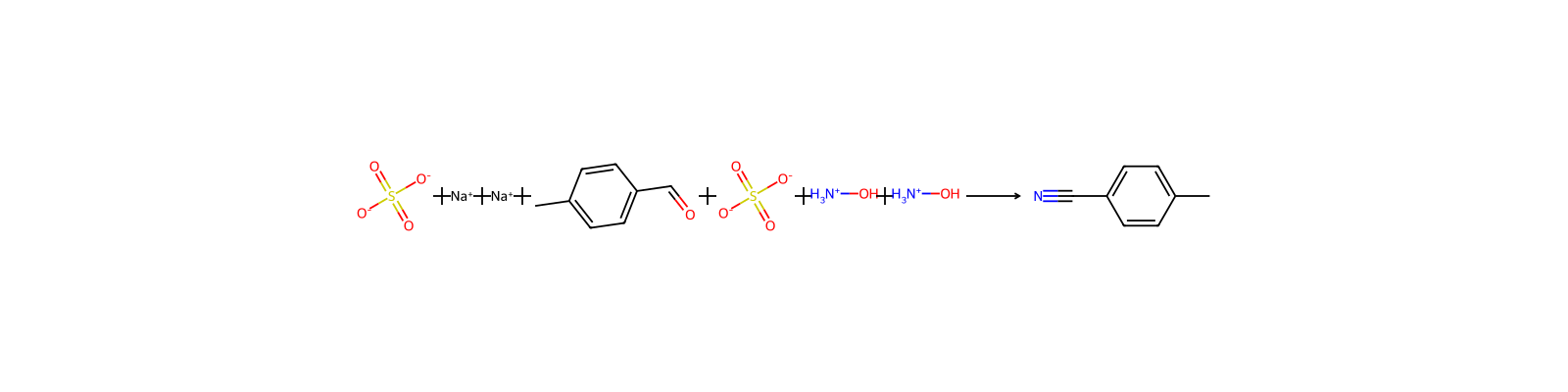
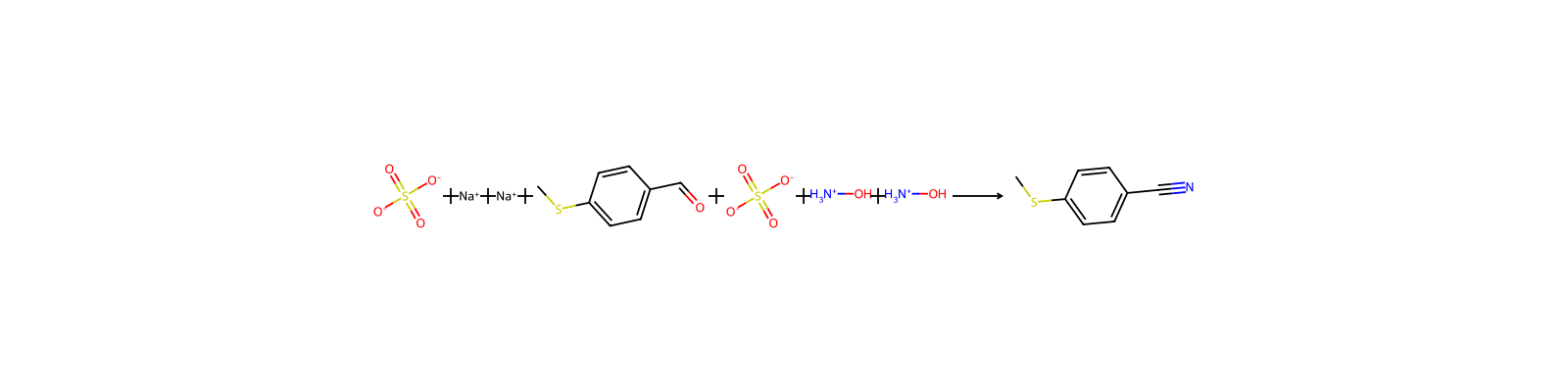
24건



화합물 노트
불러오는 중…