홈MCP워크벤치Skills
홈워크벤치알림마이페이지
Huagongshe 오픈 프로젝트:[email protected]AI 접속: llms.txt · MCP 가이드개인정보처리방침 · 이용약관 · 지원v1.7.8
  1. 홈
  2. /화합물

브롬화 나트륨

Sodium Bromide

HCID 253881
노트반응
기본 정보개요이름 및 식별자물성안전 및 규제화학 및 산업관련 반응화합물 노트
부분 구조 검색유사 구조 찾기

기본 정보

CAS
7647-15-6
표준 SMILES
[Br-].[Na+]
InChIKey
JHJLBTNAGRQEKS-UHFFFAOYSA-M
분자식
BrNa
평균 분자량
102.89 g/mol
단동위원소 질량
101.90810638

개요

Sodium bromide is an inorganic sodium salt having bromide as the counterion. It has a role as a NMR chemical shift reference compound. It is a bromide salt and an inorganic sodium salt.

이름 및 식별자

우선 이름
Sodium Bromide
IUPAC
sodium bromide
현지명
브롬화 나트륨
영어명
Sodium bromide
분자식
NaBr
분자량
102.89

이름 및 동의어

SODIUM BROMIDE7647-15-6SedoneuralBromide salt of sodiumBromnatriumTrisodium tribromideSodium bromide (NaBr)NaBrCaswell No. 750ANatrum bromatumDTXSID3034903LC1V549NOM
이름 더 보기
브롬소다나트륨브롬화물(NABR)나트륨의브롬화물염브로민화나트륨브롬나트륨브롬화나트륨브롬화나트륨*브롬화소다브롬화나트륨나트륨브롬화물세도뉴랄브롬나트륨브로민화나트륨(SODIUMBROMIDE)브로민화 소듐소듐 브로마이드 염소듐의 브로민화 염수용성 브로민화 소듐BROMIDENatriumbromidSODIUM BROMIDBROMIDE STANDARDsodium bromide solutionHydrobromic acid sodium salt
NSC-77384DTXCID1014903CHEBI:63004bromosodiumRefChem:6232231-599-9sodium;bromideBromnatrium [German]

데이터베이스 식별자

CAS
7647-15-6

물성

구조 계산 물성

극성 표면적
0 Ų
수소 결합 공여자 수
0
수소 결합 수용자 수
1
회전 가능 결합 수
0
무거운 원자 수
2
형식 전하
0
복잡도
2

실험 및 물리화학적 성질

Chemical ClassesOther Classes -> Halogens, Inorganic Compounds
pHpH = 6.5-8.0
SpringerMaterials Propertiesdielectric constant
TasteSaline, feebly bitter taste
Density · 2건

3.21

3.21 @25 °C

Color/Form · 2건

White crystals, granules, or powder

White, cubic crystals

Solubility · 3건

Moderately soluble in alcohol

1 g dissolves in 1.1 mL water, about 16 mL alcohol, 6 mL methanol

In water, 94.6 g/100 g water at 25 °C

Endocrine DisruptorsPotential endocrine disrupting compound
Boiling Point · 2건

1390 °C

1390 °C @760 [mm Hg]

DecompositionWhen heated to decomposition it emits toxic fumes of /bromine and sodium oxide/.
Melting Point · 2건

안전 및 규제

안전 정보는 참고용이며, 공급업체의 물질안전보건자료(SDS), 관련 법규 및 전문가 평가를 대체하지 않습니다.

GHS 분류

GHS Classification · 5건

This chemical does not meet GHS hazard criteria for 22.6% (188 of 831) of reports.

Danger

H319 (11%): Causes serious eye irritation [Warning Serious eye damage/eye irritation]

P203, P261, P264+P265, P271, P280, P304+P340, P305+P351+P338, P318, P319, P337+P317, P403+P233, P405, and P501 (click each P-code to see the statement)

Aggregated GHS information provided per 831 reports by companies from 17 notifications to the ECHA C&L Inventory. Each notification may be associated with multiple companies.

유해성 정보

Regulatory Information · 4건

Chemical: Sodium bromide (NaBr)

Sodium bromide (NaBr) is listed on the EPA's Chemical Data Reporting (CDR) system. Manufacturers and importers of Sodium bromide (NaBr) are required to report information about their production and use of this chemical to the EPA under the Toxic Substances Control Act (TSCA). (40 eCFR Part 711)

Status: Active Update: 12-05-2023 https://echa.europa.eu/registration-dossier/-/registered-dossier/15213

Sodium bromide: Non hazardous

Other Safety InformationIMAP assessments - Sodium bromide (NaBr): Environment tier I assessment
Fire PotentialNon-flammable
Hazards SummaryA very mild eye irritant, based on animal studies; [CHEMINFO] Mild eye and skin irritant; Bromine salts are CNS depressants at doses of 1 to 2 grams per day; [Reference #1] May cause irritation; [MSDSonline] See Bromine.
Special Reports · 2건

European Commission, ESIS; IUCLID Dataset, Sodium bromide (7647-15-6) (2000 CD-ROM edition) contains information on use, toxicology, and environmental effects of this chemical as supplied to the European Union by industry.[Available from, as of June 1, 2010: http://esis.jrc.ec.europa.eu/]

화학 및 산업

약리 정보

Biological Half-Life · 2건

Seven adult male volunteers were dosed with 1 ml/kg of a 3% sodium bromide solution (30 mg/kg bromide) after an overnight fast, three initially by the oral route and 4 by iv injection. Each subject was dosed twice, over a month apart. Serum concentrations of bromide were measured at 2, 3 and 4 hours and 3, 7 and 35 days. Oral bioavailability ranged from 75 - 118% with a mean of 96%. Differences between routes were not significant. T 1/2 was 11.9 days after oral administration and 9.4 days after iv administration

Bromide ... is rapidly absorbed and steady-state serum levels have been reached in rats (strain not given) within 4 weeks. The biological half-life of bromide, and consequently the serum levels, are strongly dependent on chloride intake. /Bromide/

Metabolism/Metabolites · 1건

Bromine is mainly absorbed via inhalation, but may also enter the body through dermal contact. Bromine salts can be ingested. Due to its reactivity, bromine quickly forms bromide and may be deposited in the tissues, displacing other halogens. (L626)

Absorption, Distribution and Excretion · 5건

The pharmacokinetics of oral and intravenous bromide was studied in 7 adult volunteers, who served as their own controls. They received 1 mL/kg of 3% sodium bromide, equivalent to 30 mg/kg bromide. Oral bioavailability ranged between 75-118% with a mean of 96 +/- 6%. Elimination T1/2 was 11.9 +/- 1.4 days after oral administration and 9.4 +/- 1.5 days after iv administration (P > 0.10) ...

The distribution of (82)Br in the mouse was studied by autoradiography at various intervals after IV injection /of sodium bromide/. (82)Br levels in various tissues were determined quantitiatively and expressed as percentages of the blood level. In the 24 hr after administration, the following organs had high Br levels (compared to blood levels): gastric mucosa, gastric contents, urinary bladder contents, blood vessel walls, and retina. High concentrations, but not exceeding the concentration in blood, were in: cartilage, tendons, lungs, compact bone, and thyroid.

The distribution of halide ions fluoride, bromide, iodide, chloride, and thiocyanate were studied in mice and rats by whole body autoradiography, microradiography, double tracer autoradiography, and scintillation counting methods. Bromide showed a high concentration in blood after IV injection for a long time. Bromide accumulated in the blood vessel walls. A low concentration was seen in the central nervous system. After 4 - 24 hr bromide concentrations in the central nervous system were 1/3 of blood level. Some concentration was seen in gastric mucosa, pituitary gland, bone, and cartilage, and high concentrations in the salivary glands, teeth, and eyes. Little to no accumulation was seen in the intestinal mucosa, liver, lymphatic tissue, ovaries, muscles, and thyroid.

관련 반응

547건

반응 기록 만들기
HRID 4171 반응식
HRID 4171반응물로uspto-grants-1988_02
HRID 5269 반응식
HRID 5269반응물로uspto-grants-1993_09
HRID 5270 반응식
HRID 5270반응물로uspto-grants-1993_09
HRID 9925 반응식
HRID 9925반응물로uspto-grants-2006_08
HRID 11242 반응식
HRID 11242반응물로uspto-grants-2006_08
HRID 13794 반응식
HRID 13794반응물로uspto-grants-2010_06
HRID 21761 반응식
HRID 21761반응물로uspto-grants-1995_06
HRID 23237 반응식
HRID 23237반응물로uspto-grants-2005_02
1 / 69 페이지

화합물 노트

불러오는 중…

이 페이지에서기본 정보개요이름 및 식별자물성안전 및 규제화학 및 산업관련 반응화합물 노트
PubChem CID
253881
DTXSID
DTXSID3034903
ChEMBL
CHEMBL1644694
ChEBI
CHEBI:63004
UNII
LC1V549NOM
EC Number
231-599-9
Nikkaji
J44.028K

755 °C

747 °C

Food Contact SubstancesFCS -> FDA Inventory of Food Contact Substances Listed in 21 CFR

물리화학적 성질

녹는점
755 °C · 755 °C (lit.)
끓는 점
1390 °C · 1390 °C
밀도
3 · 3,203 g/cm3
증기압
1 mm · 1 mm Hg ( 806 °C)
굴절률
1.6412 · 1.6412
인화점
1390 °C · 1390°C
저장 조건
Store at room temperature.
용해도
2 O: · H2O: 1 M at 20 °C, 투명, 무색
물리적 상태
가루
Specific Gravity
3.21 · 3.21
색상
하얀색
수소이온지수(pH)
5.74 · 5.74 (430g/l, H2O, 22.5℃)
수용성
905 g/L · 905g/L(20℃)
비열
0.5 J/ · Cp(crystal): 0.5 J/(g·K); Cp(gas): 0.35 J/(g·K), at 25℃
Merck
14 · 14,8594
BRN
3587179 · 3587179
Dielectric constant
6.34 · 6.3399999999999999
안정성
안정적인. 강산과 호환되지 않습니다. 흡습성.
InChI
1S/BrH.Na/h1H;/q;+1/p-1
InChIKey
JHJLBTNAGRQEKS-UHFFFAOYSA-M
SMILES
[Na+].[Br-]
LogP
0 at · 0 at 25℃
NIST
Sodium bromide(7647-15-6)
EPA
Sodium bromide (7647-15-6)
화학적 성질 · 1건

Sodiumbromide, NaBr,is a white, hygroscopic, crystalline solid with a bitter, saline taste.It is water soluble,with a melting point of 758°C (1400 OF). Sodium bromide is used in medicine as a sedative and in photography in the preparation of silver bromide emulsion on photographic plates or films.

USEPA/Office of Pesticide Programs; Reregistration Eligibility Decision Document - Inorganic Halides. The RED summarizes the risk assessment conclusions and outlines any risk reduction measures necessary for the pesticide to continue to be registered in the U.S.[Available from, as of July 12, 2010: http://www.epa.gov/pesticides/reregistration/status.htm]

FIFRA Requirements · 3건

Residues of the following chemical substances are exempted from the requirement of a tolerance when used in accordance with good manufacturing practice as ingredients in an antimicrobial pesticide formulation, provided that the substance is applied on a semi-permanent or permanent food-contact surface (other than being applied on food packaging) with adequate draining before contact with food. ... (c) The following chemical substances when used as ingredients in an antimicrobial pesticide formulation may be applied to: Food-processing equipment and utensils. Sodium bromide is included on this list. Limit: When ready for use, the end-use concentration of all bromide-producing chemicals in the solution is not to exceed 200 ppm total available halogen.

The Agency has determined that sodium bromide ... products, labeled and used as specified in this Reregistration Eligibility Decision document, will not pose unreasonable risks or adverse effects to humans or the environment. Although the Agency has found that all uses of sodium bromide ... are eligible for reregistration, it should be understood that the Agency may take appropriate regulatory action, and/or require the submission of additional data to support the registration of products containing sodium bromide ... if new information comes to the Agency's attention of if the data requirements for regulation (or the guidelines for generation such data) change.

As the federal pesticide law FIFRA directs, EPA is conducting a comprehensive review of older pesticides to consider their health and environmental effects and make decisions about their continued use. Under this pesticide reregistration program, EPA examines newer health and safety data for pesticide active ingredients initially registered before November 1, 1984, and determines whether the use of the pesticide does not pose unreasonable risk in accordance to newer saftey standards, such as those described in the Food Quality Protection Act of 1996. Pesticides for which EPA had not issued Registration Standards prior to the effective date of FIFRA '88 were divided into three lists based upon their potential for human exposure and other factors, with List B containing pesticides of greater concern than those on List C, and with List C containing pesticides of greater concern than those on List D. Sodium bromide is found on List D. Case No: 4051; Pesticide type: insecticide (molluscicide), fungicide, herbicide, antimicrobial; Case Status: RED Approved 09/93; OPP has made a decision that some/all uses of the pesticide are eligible for reregistration, as reflected in a Reregistration Eligibility Decision (RED) document .; Active ingredient (AI): sodium bromide; AI Status: OPP has completed a Reregistration Eligibility Decision (RED) for the case/AI.

Hazard Classes and CategoriesEye Irrit. 2 (11%)
Hazardous Reactivities and Incompatibilities · 2건

Incompatible with acids, alkaloidal and heavy metal salts.

The following salts are rapidly attacked by bromine trifluoride: ... sodium bromide ...

CSL Reaction Information · 6건

CSL00049

BROMINE + SULFURIC ACID + SODIUM BROMIDE

Warning- Incorrect concentrations of sodium bromide with concentrated sulfuric acid can cause bromine gas to be released

Corrosive,Toxic

CSL00040 Bromination BROMINE

User-Reported

안전 및 보호

Disposal Methods · 1건

SRP: The most favorable course of action is to use an alternative chemical product with less inherent propensity for occupational harm/injury/toxicity or environmental contamination. Recycle any unused portion of the material for its approved use or return it to the manufacturer or supplier. Ultimate disposal of the chemical must consider: the material's impact on air quality; potential migration in soil or water; effects on animal and plant life; and conformance with environmental and public health regulations.

Allowable Tolerances · 1건

Residues of the following chemical substances are exempted from the requirement of a tolerance when used in accordance with good manufacturing practice as ingredients in an antimicrobial pesticide formulation, provided that the substance is applied on a semi-permanent or permanent food-contact surface (other than being applied on food packaging) with adequate draining before contact with food. ... (c) The following chemical substances when used as ingredients in an antimicrobial pesticide formulation may be applied to: Food-processing equipment and utensils. Sodium bromide is included on this list. Limit: When ready for use, the end-use concentration of all bromide-producing chemicals in the solution is not to exceed 200 ppm total available halogen.

Protective Action Criteria (PAC) · 3건

13 [mg/m3]

140 [mg/m3]

830 [mg/m3]

독성 정보

Treatment · 1건

EYES: irrigate opened eyes for several minutes under running water. INGESTION: do not induce vomiting. Rinse mouth with water (never give anything by mouth to an unconscious person). Seek immediate medical advice. SKIN: should be treated immediately by rinsing the affected parts in cold running water for at least 15 minutes, followed by thorough washing with soap and water. If necessary, the person should shower and change contaminated clothing and shoes, and then must seek medical attention. INHALATION: supply fresh air. If required provide artificial respiration.

Interactions · 2건

Four chick bioassays were conducted to quantify iodine (I) toxicity and its amelioration in young chicks. A supplemental I level from KI of 600 mg/kg depressed growth in chicks fed methionine-deficient diets but not in those fed methionine-adequate diets. An I dose level > or = 900 mg/kg was required to cause growth depression in chicks fed a methionine-adequate corn-soybean meal diet. Iodine intoxicated chicks also displayed neurological symptoms and extreme malaise, but dose levels up to 1200 mg I/kg had no effect on blood hemoglobin or hematocrit. Supplemental I levels of 1000-1500 mg/kg caused severe growth depressions that could be totally reversed by dietary addition of 50 or 100 mg/kg bromine provided as NaBr. Nuclear accidents or terrorist actions that result in I toxicity and thyroid cancer or goiter may benefit from use of NaBr as a therapeutic agent.

Bromide half-life in rats ingesting 0.02-0.15 mole/L NaCl varied from 2.5 days during high NaCl intake, to 25 days during low NaCl intake.

Health Effects · 1건

Bromine vapour causes irritation and direct damage to the mucous membranes. Elemental bromine also burns the skin. The bromide ion is a central nervous system depressant and chronic exposure produces neuronal effects. This is called bromism and can result in central reactions reaching from somnolence to coma, cachexia, exicosis, loss of reflexes or pathologic reflexes, clonic seizures, tremor, ataxia, loss of neural sensitivity, paresis, papillar edema of the eyes, abnormal speech, cerebral edema, delirium, aggressiveness, and psychoses. (L625, L626, L627)

Ecotoxicity Values · 5건

LD50 Anas platyrhynchos (Mallard duck) oral > 5633 mg/kg Sodium bromide 99.23%, 8 day

LD50 Anas platyrhynchos (Mallard duck) oral > 2150 mg/kg Sodium bromide 97%, 21 day

LD50 Colinus virginianus (Bobwhite quail) oral > 5633 mg/kg Sodium bromide 99.23% 8 day

LD50 Colinus virginianus (Bobwhite quail) oral > 2250 mg/kg Sodium bromide 99.23% 14 day

For more Ecotoxicity Values (Complete) data for Sodium bromide (30 total), please visit the HSDB record page.

Adverse EffectsNeurotoxin - Other CNS neurotoxin
Exposure RoutesOral (L626) ; inhalation (L626) ; dermal (L626)
Toxicity Summary · 1건

Bromine is a powerful oxidizing agent and is able to release oxygen free radicals from the water in mucous membranes. These free radicals are also potent oxidizers and produce tissue damage. In additon, the formation of hydrobromic and bromic acids will result in secondary irritation. The bromide ion is also known to affect the central nervous system, causing bromism. This is believed to be a result of bromide ions substituting for chloride ions in the in actions of neurotransmitters and transport systems, thus affecting numerous synaptic processes. (L626, L627, A543)

Ecotoxicity Excerpts · 5건

/BIRDS and MAMMALS/ Groups of /Bobwhite quail (Colinus virginianus)/ received sodium bromide at dietary concentrations of 563, 1002, 1784, 3167, and 5633 ppm for 4 days, followed by untreated feed for three days. Another group served as control. Signs of toxicity typical of intoxication with sodium bromide were seen at 3167 ppm and above and included slight to severe ataxia (increasing with external stimuli), wing droop, lethargy, ventral head curl, and loss of righting reflex. Few birds displayed signs of toxicity on day 8 of the study. There were no mortalities, and there was no effect on body weight or feed consumption when compared with controls.

/BIRDS and MAMMALS/ Groups of /Mallard ducks (Anas platyrhyncas)/ received sodium bromide at dietary concentrations of 563, 1002, 1784, 3167, and 5633 ppm for 4 days, followed by untreated feed for three days. Another group served as control. Signs of toxicity typical of intoxication with sodium bromide were seen at 3167 ppm and above and included slight to severe ataxia (increasing with external stimuli), wing droop, lethargy, ventral head curl, and loss of righting reflex. Few birds displayed signs of toxicity on day 8 of the study. There were no mortalities, and there was no effect on body weight or feed consumption when compared with controls.

/AQUATIC SPECIES/ ... The 24-hr median lethal concentration (LC50) values for these biocides with respect to 24-, 48-, and 72-hr-old Artemia, determined by static bioassays, showed the following rank order of toxicity /for 3 biocides used in disinfection of cooling towers/: tetrakis(hydroxymethyl) phosphonium chloride (THPC) < trichloroisocyanuric acid (TCIC) < and sodium bromide (NaBr). An age-dependent increase in sensitivity was seen for each compound. All three biocides reduced the phototactic response of 24-hr-old Artemia larvae in 24-hr static bioassays; the median inhibitory concentration ratios obtained were 30 to 40 times lower than their respective 24-hr LC50 values ...

/AQUATIC SPECIES/ The toxicity of sodium bromide for freshwater organisms was tested using algae (Scenedesmus pannonicus), crustaceans (Daphnia magna) and fish (Poecilia reticulata and Oryzias latipes). Depending on the species tested, the acute toxicity varied from 44 to 5800 mg Br-/L (EC50 values) and the No Observed Effect Concentrations (NOEC values) in the long-term tests varied from 7.8 to 250 mg Br-/L. Bromide ion markedly impaired reproduction in both crustaceans and fish. Histologically no effects were observed in the long-term test with Oryzias, but in the reproduction test with Poecilia, hyperplasia of the thyroid, atrophy and degeneration of the musculature and regressive changes in the female reproductive tract were observed. As a criterion of water quality, 1 mg Br-/L has been proposed, on the basis of reproductive performance in the Poecilia test. The concentrations found in surface water frequently exceed this value and sometimes reach levels at which acute effects on water organisms can be expected.

Signs and Symptoms · 1건

Bromine vapour causes irritation and direct damage to the mucous membranes. Symptoms include lacrimation, rhinorrhoea, eye irritation with mucous secretions from the oropharyngeal and upper airways, coughing, dyspnoea, choking, wheezing, epistaxis, and headache. The bromide ion is a central nervous system depressant producing ataxia, slurred speech, tremor, nausea, vomiting, lethargy, dizziness, visual disturbances, unsteadiness, headaches, impaired memory and concentration, disorientation and hallucinations. This is called bromism. (L626, L627)

Natural Pollution Sources/Sodium bromide/ occurs naturally in some salt deposits.
Human Toxicity Excerpts · 5건

/HUMAN EXPOSURE STUDIES/ A total of 0, 4 and 9 mg/kg bw sodium bromide was administered orally to 45 healthy female volunteers. The experiment lasted for six menstrual cycles: only during the first three cycles was bromide administered; at the start, at the end of the administration period and at the end of the experiment a physical examination and hematological and routine clinical chemistry tests were performed. Except for nausea in relation to the intake of bromide, no adverse effects were observed. The bromide concentration in plasma rose to 3.22 +/- 0.93 mmol/kg in the 4 mg/kg group and to 7.99 +/- 1.89 in the 9 mg/kg group by the end of the administration period. Before and at the end of the experiment the thyroid hormones (T4, FT4, TBG, T3 and TSH) were analyzed. No significant differences were observed between the groups. Before, after three menstrual cycles and at the end of the experiment an EEG with a Visual Evoked Response was recorded. At the 4 and 9 mg/kg dose level in the alpha 1-band and the beta-bands significant changes were found (P < 0.1 and P < 0.05, respectively). The Visual Evoked Response showed no significant differences between the three groups. From this experiment and previous experiments a no-effect level in humans for sodium bromide of 4 mg/kg bw is proposed.

/HUMAN EXPOSURE STUDIES/ Bromide, 1 mg/kg daily, was administered to 21 healthy volunteers (11 females not using oral contraceptives and not pregnant and 10 males, during 8 weeks or 2 full cycles to determine whether ingestion of a dose equal to the acceptable daily intake might induce effects. Special attention was paid to the endocrine system because endocrine changes were predominant in rats receiving sodium bromide (NaBr) in their diets. There was no difference between the results of a full medical history and physical examination at the start and at the end of the experiment. The results from the measured hematological, biochemical and urine analyses did not change during the experiment. In females the plasma bromide concentration rose from 0.08 +/- 0.01 mmol/L to 0.97 +/- 0.18 mmol/L and in males from 0.08 +/- 0.01 mmol /L to 0.83 +/- 0.09 mmol/L (mean +/- sd). No changes were observed in the serum concentrations of thyroxine, free thyroxine, thyroxin binding globulin, triiodothyronine, cortisol, testosterone, estradiol and progesterone. Also no changes were observed in the serum concentrations of thyroid stimulating hormone (TSH), prolactin, luteinizing hormone (LH) and follicle stimulating hormone (FSH) before and after the administration of thyroid stimulating hormone releasing hormone (TRH) and luteinizing hormone releasing hormone (LHRH).

/HUMAN EXPOSURE STUDIES/ Bromide excretion in the sweat after oral administration of sodium bromide was determined in 25 children with chronic and/or recurrent inflammations of the upper respiratory tract and/or dyspepsia. The results were compared with those involving the determination of serum bromide and sweat chloride levels. Increased bromide excretion in the sweat was observed in two children with mucoviscidosis ... The determination of sweat bromide concentration /was proposed/ for the differential diagnosis of mucoviscidosis.

Carcinogen ClassificationNo indication of carcinogenicity to humans (not listed by IARC).

규제 정보

FIFRA Requirements · 3건

Residues of the following chemical substances are exempted from the requirement of a tolerance when used in accordance with good manufacturing practice as ingredients in an antimicrobial pesticide formulation, provided that the substance is applied on a semi-permanent or permanent food-contact surface (other than being applied on food packaging) with adequate draining before contact with food. ... (c) The following chemical substances when used as ingredients in an antimicrobial pesticide formulation may be applied to: Food-processing equipment and utensils. Sodium bromide is included on this list. Limit: When ready for use, the end-use concentration of all bromide-producing chemicals in the solution is not to exceed 200 ppm total available halogen.

The Agency has determined that sodium bromide ... products, labeled and used as specified in this Reregistration Eligibility Decision document, will not pose unreasonable risks or adverse effects to humans or the environment. Although the Agency has found that all uses of sodium bromide ... are eligible for reregistration, it should be understood that the Agency may take appropriate regulatory action, and/or require the submission of additional data to support the registration of products containing sodium bromide ... if new information comes to the Agency's attention of if the data requirements for regulation (or the guidelines for generation such data) change.

As the federal pesticide law FIFRA directs, EPA is conducting a comprehensive review of older pesticides to consider their health and environmental effects and make decisions about their continued use. Under this pesticide reregistration program, EPA examines newer health and safety data for pesticide active ingredients initially registered before November 1, 1984, and determines whether the use of the pesticide does not pose unreasonable risk in accordance to newer saftey standards, such as those described in the Food Quality Protection Act of 1996. Pesticides for which EPA had not issued Registration Standards prior to the effective date of FIFRA '88 were divided into three lists based upon their potential for human exposure and other factors, with List B containing pesticides of greater concern than those on List C, and with List C containing pesticides of greater concern than those on List D. Sodium bromide is found on List D. Case No: 4051; Pesticide type: insecticide (molluscicide), fungicide, herbicide, antimicrobial; Case Status: RED Approved 09/93; OPP has made a decision that some/all uses of the pesticide are eligible for reregistration, as reflected in a Reregistration Eligibility Decision (RED) document .; Active ingredient (AI): sodium bromide; AI Status: OPP has completed a Reregistration Eligibility Decision (RED) for the case/AI.

안전 데이터

wgk
1
tsca
TSCA listed
rtecs
VZ3150000
독성
LD50 orally in rats: 3.5 g/kg (Smith, Hambourger)
HS 번호
28275100
risk_code
36/37/38
hazard_code
Xi
safety_code
24/25-25-36-26-22
기존화학 물질
KE-31368
F 고인화성물질
3
Hazard Classifications
Repr. 2STOT RE 2STOT SE 3
스토리지 클래스
13 - Non Combustible Solids
유해 물질 데이터
7647-15-6(Hazardous Substances Data)

The steady-state distribution of bromide in the nervous system of the rabbit was studied at various plasma concentration levels (0.5 - 20 nM). Utilizing a ventriculo-cisternal perfusion system, the flux of bromide between cerebrospinal fluid and blood was measured under various experimental conditions. The steady-state distribution of bromide in brain and cerebrospinal fluid was concentration dependent, and the brain served as a sink for the plasma and cerebrospinal fluid. The flux experiments revealed that the efflux of bromide from the perfusion fluid was some 30% greater than the influx of bromide from the blood. The movement of bromide out of the perfusate was attenuated with increasing concentrations of bromide and on death of the animal. /It was/ suggested that at low concentration levels, bromide is rapidly cleared from the cerebrospinal fluid (by an active transport system) and the brain (by either the same or oxidation to bromate), while at high concentration levels the relative ineffectiveness of the proposed systems results in accumulation of bromide and the establishment of a state of equilibrium between blood, brain, and cerebrospinal fluid.

For more Absorption, Distribution and Excretion (Complete) data for Sodium bromide (10 total), please visit the HSDB record page.

용도 및 제조

Uses · 6건

Found in some salt deposits; Used in photography, to make bromides and organic chemicals, as a therapeutic sedative and hypnotic, and formerly as a veterinary medicine; [HSDB] Used to control algae, bacteria, and fungi in water systems (pasteurizing, canning, pulp & paper manufacturing, and ornamental ponds); Also used to repel moths from clothing and fleas from pets; [Reference #1]

Pulp and Paper Processing [Category: Industry]

For sodium bromide (USEPA/OPP Pesticide Code: 013907) ACTIVE products with label matches. /SRP: Registered for use in the U.S. but approved pesticide uses may change periodically and so federal, state and local authorities must be consulted for currently approved uses./

PHOTOGRAPHIC CHEMICAL

Photography, medicine (sedative), preparation of bromides

THERAPEUTIC CATEGORY: Sedative, hypnotic, anticonvulsant

U.S. Exports · 2건

(1977) No Data

(1979) No Data

U.S. Imports · 2건

(1977) 4.96X10+7 GRAMS

(1979) 9.94X10+8 GRAMS

U.S. Production · 5건

2023: 85,000,000 - <100,000,000 lb

(1977) No Data

(1979) No Data

Production volumes for non-confidential chemicals reported under the Inventory Update Rule. [Table#5072]

Production volume for non-confidential chemicals reported under the 2006 Inventory Update Rule. Chemical: Sodium bromide. Aggregated National Production Volume: 50 to < 100 million lbs.

Consumer UsesFixing agent (mordant)
Industry UsesDensity modifier
Methods of Manufacturing · 3건

NEUTRALIZATION OF SODIUM CARBONATE OR SODIUM HYDROXIDE WITH HYDROBROMIC ACID FOLLOWED BY EVAPORATION AND TREATMENT WITH CARBON TO REDUCE THE BROMATE TO BROMIDE

Prepared commercially by adding some excess bromine to a sodium hydroxide solution forming a mixture of bromide and bromine. The reaction products are evaporated to dryness and treated with carbon to reduce the bromate to bromide.

Made synthetically by first causing iron to react with bromine and water. The resulting ferroso-ferric bromide is dissolved in water, sodium carbonate added, the solution filtered and evaporated

Formulations/Preparations · 5건

Grades: CP (chemically pure), crystals, powdered, commercial, pure, highest purity, and NF (national formulary).

The solid product is available in 25-kg plastic-lined bags, and a 45% solution is available from 55-gallon drums (208 L) up to tank car quantities.

93NF 152 (Nalco Co.) sodium bromide 42.8%

Applied Biochemists Yellowtrine (Applied Biochemists) sodium bromide 98%

For more Formulations/Preparations (Complete) data for Sodium bromide (45 total), please visit the HSDB record page.

Household ProductsInformation on 2 consumer products that contain Sodium bromide [USP:JAN] in the following categories is provided:
General Manufacturing Information · 4건

Oil and Gas Drilling, Extraction, and Support activities

Sodium bromide (NaBr): ACTIVE

INCOMPATIBILITIES: IN RELATIVELY HIGH CONCN SOL BROMIDES ARE ALKALOIDAL PRECIPITANTS. ABOUT 20% OF ALC PREVENTS PPTN. STRONG OXIDIZING AGENTS LIBERATE BROMINE. MERCUROUS CHLORIDE IS PARTIALLY CONVERTED TO MERCURIC SALT BY ALKALI BROMIDES, MIXT BECOMING DARK DUE TO SIMULTANEOUS FORMATION OF METALLIC MERCURY.

INCOMPATIBILITIES: LEAD, SILVER, MANGANESE, ANTIMONY, & MERCUROUS SALTS CAUSE PPTN. ENZYMES ARE "SALTED OUT" OF SOLN BY BROMIDES IN FAIRLY HIGH CONCN. IN CONTRAST TO POTASSIUM BROMIDE, SODIUM BROMIDE IS HYGROSCOPIC & DUE TO THIS MAY CAUSE TROUBLE IN POWDER & CAPSULE FORMULATIONS.

응용 분야 · 3건

출처Sodium bromide occurs in seawater at an average concentration of 0.008%. It also is found naturally in some salt deposits. It is used in photography for preparing light-sensitive silver bromide emulsions. The salt also is used as a bleaching and disinfecting agent for water treatement in swimming pools, health spas, and hot tubs. Other uses are as a catalyst for partial oxidation of hydrocarbons, for increasing density of aqueous drillng fluids for oil wells, as an electrolyte component in sodium-halogen batteries, as a brominating agent in organic synthesis, in preparing bromide salts, and as a laboratory reagent. Sodium bromide is used in medicine as a sedative and hypnotic.

용도Sodium Bromide is a high-tonnage chemical and one of the most important of the bromide salts (NaBr2). High-purity grades are required in the formulation of silver bromide emulsions for photography. The compound, usually in combination with hypochlorites, is used as a bleach, notably for cellulosics. The production of sodium bromide simply involves the neutralization of HBr with NaOH or with sodium carbonate or bicarbonate.

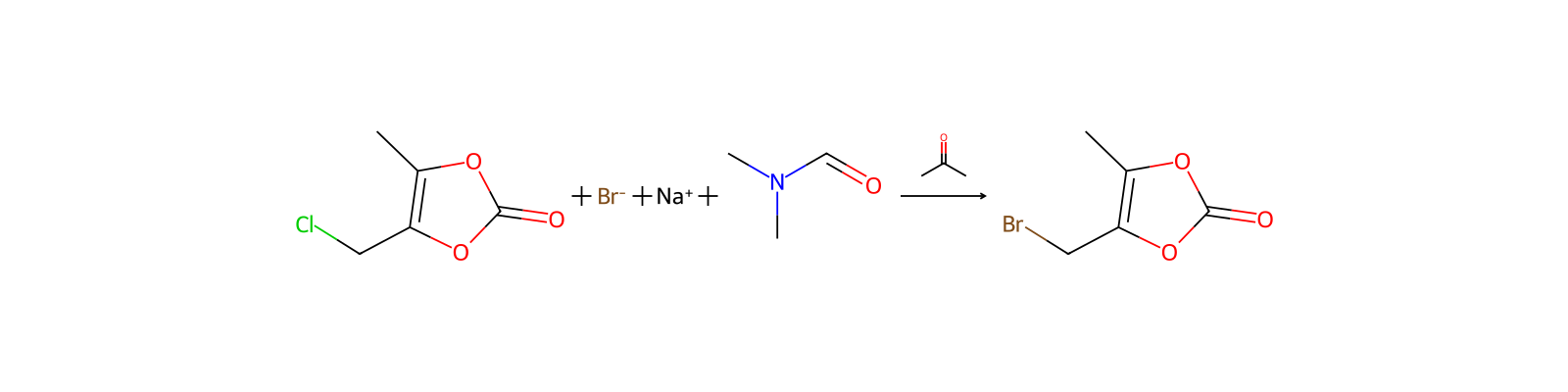
일반 설명Sodium bromide (cas no 7647-15-6) is a brominating agent mainly used in organic synthetic reactions as a bromide source.

제조 방법 · 1건

Sodium bromide can be prepared by several methods. Pure salt can be made by neutralizing sodium hydroxide or sodium carbonate with hydrobromic acid. The solution is evaporated for crystallization:NaOH + HBr → NaBr + H2O NaCO3 + HBr → NaBr + CO2 + H2OSodium bromide can be made by passing bromine through an aqueous solution of sodium hydroxide or carbonate in the presence of a reducing agent, such as ammonia, hydrazine, activated charcoal, or Fe2+ ion. A typical method involves adding iron to bromine water to form ferrosoferric bromide, Fe[FeBr5]. This double salt is dissolved in excess water followed by addition of sodium carbonate. The product mixture is filtered and the filtrate is evaporated to crystallize sodium bromide. The overall reaction may be written as follows: 3Fe + 4Br2 + 4Na2CO3 → 8NaBr + FeCO3 + Fe2(CO3)3Another method involves adding excess bromine to a solution of sodium hydroxide. This forms sodium bromide and bromate. The product solution is evapoated to dryness. The bromate is reduced to bromide by heating with carbon: 3Br2 + 2NaOH + H2O → NaBr + NaBrO3 + 4HBr.

상·하류 제품 정보

상류 원료

브롬화리튬요소브롬화수소브롬수산화나트륨탄산나트륨(경회)

하류 제품

2-[3-(2H-벤조트리아졸-2-yl)-4-하이드록시페닐]에틸 메타크릴레이트3-Azetidinecarboxylic acid4-Chloro-2-fluorophenylboronic acid옥타코산산Dyclonine hydrochloride2-브로모-6-메틸벤조산2-브로모에틸-2-에틸-1,3-디옥소란2-Aminopyridin-4-ol4-아미노벤조트리플로라이드(S)-(-)-7,7'-BIS[DI(3,5-DIMETHYLPHENYL)PHOSPHINO]-2,2',3,3'-TETRAHYDRO-1,1'-SPIROBIINDANE2-브로모-5-니트로티아졸1,1'-SPIROBIINDANE-7,7'-DIOL(11AR)-(+)-10,11,12,13-TETRAHYDRODIINDENO[7,1-DE:1',7'-FG][1,3,2]DIOXAPHOSPHOCIN-5-BIS(R)-1PHENYLETHYL]AMINE스티렌옥사이드펜에틸알코올1-n-프로필피페라진 디하이드로브로마이드4-(브로모메틸)-3-니트로벤조산4-부톡시아닐린2-BROMO-5-METHYLBENZOIC ACID4-브로모톨루엔2-Amino-4-chloropyridine14-METHYLPENTADECANOIC ACID1,3-시클로헥사디엔(11AR)-(+)-10,11,12,13-TETRAHYDRODIINDENO[7,1-DE:1',7'-FG][1,3,2]DIOXAPHOSPHOCIN-5-PHENOXYN,N,N',N'-Tetramethyl-p-phenylenediamine dihydrochloride4-클로로피리딘-2-카복사미드토사노 산3-카복시-4-클로로벤질렌붕산6-ACETHYOXY-8-METHYL-8-AZABICYCLO(3.2.1)OCTAN-3-ONE프로베네시드N-(테트라히드로-2-푸로일카르보닐)피페라진브롬화수소산염(11AR)-(+)-10,11,12,13-TETRAHYDRODIINDENO[7,1-DE:1',7'-FG][1,3,2]DIOXAPHOSPHOCIN-5-DIMETHYLAMINE테트라코산산5-브로모-8-메톡시-2-메틸-퀴놀린3-메틸글루타르산(R)-7,7'-BIS(DIPHENYLPHOSPHINO)-1,1'-SPIROBIINDANE(S)-1,1'-SPIROBIINDANE-7,7'-DIOL

공급사100 곳

国药集团化学试剂有限公司86-21-63210123 · [email protected]
北京华美互利生物化工010-56205725 · [email protected]
梯希爱(上海)化成工业发展有限公司021-67121386 · [email protected]
衢州润东化工有限公司0570-8789886 18892685668 · [email protected]
上海阿拉丁生化科技股份有限公司400-6206333 13167063860 · [email protected]
上海炎泽化工有限公司15345144255 19975051755 · [email protected]
济南溪川化工科技有限公司18615562062 · [email protected]
南京兰亚化工贸易有限公司+86-25-8331-5620 · [email protected]
韶远科技(上海)有限公司021-50795510 4000665055 · [email protected]
科瑞迪化学400-821-5857 021-64326257 · [email protected]
上海迈瑞尔生化科技有限公司4006356688 18621169109 · [email protected]
武汉易泰科技有限公司上海分公司18930552037 · [email protected]
大连美仑生物技术有限公司0411-62910999 13889544652 · [email protected]
阿法埃莎(中国)化学有限公司400-6106006 · [email protected]
安耐吉化学&3A(安徽泽升科技股份有限公司)400-0056266 · [email protected]
北京绿百草科技发展有限公司010-61136123 · [email protected]
上海瀚鸿科技股份有限公司021-54306202 13764082696 · [email protected]
上海泰坦科技股份有限公司400-6009262 15618770481 · [email protected]
合肥天健化工有限公司551-65418679 15856988503;15837135945 · [email protected]
山东信恒化工有限公司152-15269160605-0605 15269160605 · [email protected]
上海忆嵘生物科技有限公司18049974220 · [email protected]
天津金汇太亚化学试剂有限公司022-59582624 18622766592 · [email protected]
山东西亚化学有限公司13355009207 13355009207 · [email protected]
玛雅试剂+86 (573) 82222445 (0)18006601000 452520369 · [email protected]
四川库利南科技有限公司400-1166-196 18981987031 · [email protected]
天津希恩思生化科技有限公司400 638 7771 · [email protected]
斯百全化学(上海)有限公司021-021-021-67601398-809-809-809 15221380277 · [email protected]
赛默飞世尔科技(中国)有限公司800-810-5118 · [email protected]
北京伊诺凯科技有限公司400-810-7969 010-59572699 · [email protected]
上海特伯化学科技有限公司+86-21-60341587 · [email protected]
江苏艾康生物医药研发有限公司025-66113011 13913916777 · [email protected]
上海健超生物科技有限公司150-2103-5486 18017383231 · [email protected]
TOKYO CHEMICAL INDUSTRY CO., LTD.03-36680489 · [email protected]
南京生利德生物科技有限公司025-57798810 18652991625 · [email protected]
北京环宇世纪化学科技有限公司hysj_bj.com
上海湄水化工科技有限公司021-60549325 18616193163
烟台东方化学有限公司+86 532 68629711 137 8060 5697 · [email protected]
上海将来实业股份有限公司021-61552785 · [email protected]
安徽科迪达化工有限公司0554-2106669 · [email protected]
HBCChem, Inc.+1-510-219-6317 · [email protected]
日照力德士化工有限公司010-51268198 · [email protected]
美岚实业(上海)有限公司021-58958189 · [email protected]
上海爱蝶实业有限公司021-58957966 18930537195 · [email protected]
成都零六生物科技有限公司400-1166-196 13458535857 · [email protected]
广拓化学(上海)有限公司021-60899189-8001 18918189673 · [email protected]
雷丁试剂0510-85629785 18013409632 · [email protected]
湖南华腾制药有限公司400-8592883 · [email protected]
潍坊鲁泽新材料有限公司0536-7971999 13583611556 · [email protected]
上海御略医药科技有限公司021-60345187 13671753212 · [email protected]
上海德榜化工有限公司021-61531158 · [email protected]

추가 설명

정의ChEBI: Sodium bromide is an inorganic sodium salt having bromide as the counterion. It is a bromide salt and an inorganic sodium salt. It is used in photographic processingand in analytical chemistry.

For more Ecotoxicity Excerpts (Complete) data for Sodium bromide (7 total), please visit the HSDB record page.

/HUMAN EXPOSURE STUDIES/ Bromide (as sodium bromide) was administered to 21 healthy volunteers (11 females not using oral contraceptives and not pregnant and 10 males) for 8 weeks or 2 full cycles. Special attention was paid to the endocrine system. There was no difference between the results of a full medical history and physical examination and the measured hematological, biochemical, and urine analyses at the start and at the end of the study. Plasma bromide concentration was raised from 0.08 +/- 0.01 mmol/L to 0.97 +/- 0.18 mmol/L in females and from 0.08 +/- 0.01 mmol/L to 0.83 +/- 0.09 mmol/L in males. No changes were observed in the serum concentrations of thyroxine, free thyroxine, thyroxine binding globulin, triiodothryonine, cortisol, testosterone, estradiol, progesterone, TSH, prolactin, luteinizing hormone (LH), and follicle stimulating hormone (FSH) before and after the administration of thyroid stimulating homrone releasing hormone (TRH) and luteinizing hormone releasing hormone (LHRH).

For more Human Toxicity Excerpts (Complete) data for Sodium bromide (19 total), please visit the HSDB record page.