
기본 정보
- 표준 SMILES
CCCCO- InChIKey
LRHPLDYGYMQRHN-UHFFFAOYSA-N- 분자식
- C4H10O
- 평균 분자량
- 74.12 g/mol
- 단동위원소 질량
- 74.07316494
개요
N-butyl alcohol is a colorless liquid. Used in organic chemical synthesis, plasticizers, detergents, etc.
이름 및 식별자
- 우선 이름
- 1-Butanol
- IUPAC
- butan-1-ol
- 영어명
- Butanol
- 분자식
- C4H10O
- 분자량
- 74.12
이름 및 동의어
1-butanolButan-1-oln-butanol71-36-3Butyl alcoholn-butyl alcoholPropylcarbinol1-hydroxybutaneButyl hydroxideMethylolpropanePropylmethanolButyric alcohol
이름 더 보기
Butanol【general】Mixed butanolTIANFU-CHEM Butanol
Hemostypn-Butan-1-ol1-Butyl alcoholButanolenButanoloPropyl carbinolAlcool butyliqueButylowy alkohol
데이터베이스 식별자
- CAS
35296-72-1、71-36-3- PubChem CID
- 263
- DTXSID
DTXSID1021740- ChEMBL
CHEMBL14245、CHEMBL45462- ChEBI
CHEBI:28885- UNII
- 8PJ61P6TS3
- EC Number
- 200-751-6、822-335-9
- Nikkaji
- J2.374D
물성
구조 계산 물성
- XLogP
- 0.9
- 극성 표면적
- 20.2 Ų
- 수소 결합 공여자 수
- 1
- 수소 결합 수용자 수
- 1
- 회전 가능 결합 수
- 2
- 무거운 원자 수
- 5
- 형식 전하
- 0
- 복잡도
- 13.1
실험 및 물리화학적 성질
Chemical Classes
Flammable agents - 3rd degree
Volatile Organic Compound (VOC)
DrugsPharmaceuticals -> Listed in ZINC15
LipidsFatty Acyls [FA] -> Fatty alcohols [FA05]
SolventsSolvents -> Alcohols (<C12)
Cosmetics
Cosmetic ingredients (n-Butyl Alcohol) -> CIR (Cosmetic Ingredient Review)
Solvent; Denaturant
SpringerMaterials PropertiesActivity
FragrancesFragrance Ingredient (Butyl alcohol) -> IFRA transparency List
PesticidesPesticide -> EPA IRIS
LogP
log Kow = 0.88
0.88
0.9
0.83
Odor
HARSH FUSEL ODOR WITH BANANA
Odor similar to amyl alcohol
Rancid, sweet
Strong characteristic, mildly alcoholic odor
Taste
BANANA, FUSEL TASTE
Dry, burning taste
5.00X10⁻¹ ppm (taste detection in water, gas chromatically pure)
Food AdditivesFLAVORING AGENT OR ADJUVANT, SOLVENT OR VEHICLE -> FDA Substance added to food
물리화학적 성질
- 끓는 점
- 117.5 °C · 117.5 °C
- InChI
- InChI=1S/C4H10O/c1-2-3-4-5/h5H,2-4H2,1H3
- InChIKey
- LRHPLDYGYMQRHN-UHFFFAOYSA-N
- SMILES
- C(O)CCC
- EPA
- Butanol (35296-72-1)
안전 및 규제
GHS 분류
GHS Classification
Danger
H226: Flammable liquid and vapor [Warning Flammable liquids]
P210, P233, P240, P241, P242, P243, P261, P264, P264+P265, P270, P271, P280, P301+P317, P302+P352, P303+P361+P353, P304+P340, P305+P354+P338, P317, P319, P321, P330, P332+P317, P362+P364, P370+P378, P403+P233, P403+P235, P405, and P501 (click each P-code to see the statement)
This chemical does not meet GHS hazard criteria for 0.2% (13 of 6636) of reports.
Danger
H226 (99.8%): Flammable liquid and vapor [Warning Flammable liquids]
유해성 정보
Regulatory Information
Chemical: 1-Butanol
1-Butanol is listed on the EPA's Chemical Data Reporting (CDR) system. Manufacturers and importers of 1-Butanol are required to report information about their production and use of this chemical to the EPA under the Toxic Substances Control Act (TSCA). (40 eCFR Part 711)
Status: Active Update: 09-02-2023 https://echa.europa.eu/registration-dossier/-/registered-dossier/15322
Butanol: Does not have an individual approval but may be used as a component in a product covered by a group standard. It is not approved for use as a chemical in its own right.
1-Butanol: HSNO Approval: HSR001096 Approved with controls
The New Jersey Worker and Community Right to Know Act requires public and private employers to provide information about hazardous substances at their workplaces. (N.J.S.A. 34:5A-1 et. seq.)
Other Safety InformationIMAP assessments - 1-Butanol: Environment tier I assessment
DOT LabelFlammable Liquid
Fire Hazards
Excerpt from ERG Guide 129 [Flammable Liquids (Water-Miscible / Noxious)]:
· HIGHLY FLAMMABLE: Will be easily ignited by heat, sparks or flames.
Flammable. Above 29 °C explosive vapour/air mixtures may be formed.
Fire PotentialFlammable liquid. Moderately explosive when exposed to flame.
Health Hazards
Anesthesia, nausea, headache, dizziness, irritation of respiratory passages. Mildly irritating to the skin and eyes. (USCG, 1999)
· May cause toxic effects if inhaled or absorbed through skin.
Hazards SummaryA skin, eye, and respiratory tract irritant; Inhalation of high concentrations can cause CNS depression; [ICSC]
DOT ID and Guide
1120 129
1120 129
FDA Requirementsn-Butyl alcohol may be used in inks for marking food supplements in tablet form, gum, and confectionery. Restriction: No residue.
Reactive GroupAlcohols and Polyols
UN ClassificationUN Hazard Class: 3; UN Pack Group: III
Special ReportsBrusewitz S, Wennberg A; Arbetarskyddsstyrelsen (1984). Criteria document for setting exposure limits for butanol and butyl acetate.
안전 및 보호
Fire Fighting
Excerpt from ERG Guide 129 [Flammable Liquids (Water-Miscible / Noxious)]:
Use water spray, powder, foam, carbon dioxide. In case of fire: keep drums, etc., cool by spraying with water.
First Aid Measures
Fresh air, rest. Refer for medical attention.
Remove contaminated clothes. Rinse skin with plenty of water or shower. Refer for medical attention if skin irritation occurs.
Rinse with plenty of water for several minutes (remove contact lenses if easily possible). Refer immediately for medical attention.
Rinse mouth. Give nothing to drink. Do NOT induce vomiting. Refer immediately for medical attention.
Accidental Release Measures
· CALL 911. Then call emergency response telephone number on shipping paper. If shipping paper not available or no answer, refer to appropriate telephone number listed on the inside back cover.
· ELIMINATE all ignition sources (no smoking, flares, sparks or flames) from immediate area.
First Aid
Excerpt from NIOSH Pocket Guide for n-Butyl alcohol:
General First Aid:
(General first aid procedures)
Safe StorageFireproof. Separated from strong oxidants and aluminium. Store only in original container. See Chemical Dangers.
Firefighting HazardsFlashback along vapor trail may occur.
Exposure Control and Personal Protection
· Wear positive pressure self-contained breathing apparatus (SCBA).
4784.0 [ppm]
100.0 [ppm]
Fire Fighting Procedures
Special hazards arising from the substance or mixture: carbon oxides...
Advice for firefighters: wear self contained breathing appartus for fire fighting if necessary.
Use water spray to cool unopened containers
Suitable extinguishing media: use water spray, alcohol-resistant foam, dry chemical or carbon dioxide.
Cleanup Methods
ACCIDENTAL RELEASE MEASURES. Personal precautions, protective equipment and emergency procedures: Use personal protective equipment. Avoid breathing vapours, mist or gas. Ensure adequate ventilation. Remove all sources of ignition. Evacuate personnel to safe areas. Beware of vapours accumulating to form explosive concentrations. Vapours can accumulate in low areas.; Environmental precautions: Prevent further leakage or spillage if safe to do so. Do not let product enter drains.; Methods and materials for containment and cleaning up: Contain spillage, and then collect with an electrically protected vacuum cleaner or by wet-brushing and place in container for disposal according to local regulations.
Waste water treatment: Activated carbon: absorbability: 0.107 g/g C, 53% reduction, influent: 1,000 mg/L, effl: 466 mg/L; Reverse osmosis: 41.3% rejection from a 0.01 M soln; Stabilization pond design: toxicity correction factor: 2.0 at 4,000 mg/L influent; Anaerobic lagoon: 22 lb Chemical Oxygen Demand (COD)/day/1,000 cu ft: influent: 170 mg/L, effluent: 75 mg/L; 48 lb COD/day/1,000 cu ft: influent: 170 mg/L, effluent: 80 mg/L
Nonfire Spill ResponseExcerpt from ERG Guide 129 [Flammable Liquids (Water-Miscible / Noxious)]:
Disposal Methods
Generators of waste (equal to or greater than 100 kg/mo) containing this contaminant, EPA hazardous waste numbers U031 and F003, must conform with USEPA regulations in storage, transportation, treatment and disposal of waste.
SRP: Wastewater from contaminant suppression, cleaning of protective clothing/equipment, or contaminated sites should be contained and evaluated for subject chemical or decomposition product concentrations. Concentrations shall be lower than applicable environmental discharge or disposal criteria. Alternatively, pretreatment and/or discharge to a permitted wastewater treatment facility is acceptable only after review by the governing authority and assurance that "pass through" violations will not occur. Due consideration shall be given to remediation worker exposure (inhalation, dermal and ingestion) as well as fate during treatment, transfer and disposal. If it is not practicable to manage the chemical in this fashion, it must be evaluated in accordance with EPA 40 CFR Part 261, specifically Subpart B, in order to determine the appropriate local, state and federal requirements for disposal.
Product: Burn in a chemical incinerator equipped with an afterburner and scrubber but exert extra care in igniting as this material is highly flammable. Offer surplus and non-recyclable solutions to a licensed disposal company. Contact a licensed professional waste disposal service to dispose of this material.; Contaminated packaging: Dispose of as unused product.
Incineration: Incinerate by atomizing into a suitable combustion chamber.
For more Disposal Methods (Complete) data for N-BUTYL ALCOHOL (6 total), please visit the HSDB record page.
Spillage Disposal
Personal protection: filter respirator for organic gases and vapours adapted to the airborne concentration of the substance. Collect leaking liquid in sealable containers. Absorb remaining liquid in sand or inert absorbent. Then store and dispose of according to local regulations. Wash away remainder with plenty of water.
독성 정보
Body Burden
n-Butyl alcohol was identified, not quantified, in human blood(1) and mother's milk(2). n-Butyl alcohol was detected in human breath samples at concentrations of 1-10 ppb(3). The concentration of n-butanol in expired air from 8 individuals ranged from 1.3-35.0 ug/hr(4). n-Butyl alcohol was detected at concentrations of 0.02 and 0.08 ng/L in 2 samples of the expired air of 54 individuals(5). n-Butyl alcohol was detected at a mean concentration of 1.6 ug/cu m in the exhaled breath of Belgian workers exposed to a solvent mixture(6).
Interactions
The effects of combined exposure to m-xylene and n-butyl alcohol on rotarod performance and motor activity in rats and respiratory rate in mice were investigated in the condition of an acute inhalation experiment. Rotarod performance and motor activity were tested in rats exposed to various concentrations of m-xylene, n-butyl alcohol and their mixture consisting of 50 Vol-% m-xylene and 50 Vol-% n-butyl alcohol immediately after termination of a 4-hour exposure period. The respiratory rate in mice was recorded in short 6 min duration exposures to individual solvents and their 50:50 Vol-% mixture. Both solvents and mixtures caused concentration-dependent disturbances of rotarod performance in rats. The medial effective concentration (EC50) for the effect amounted 6530 ppm, 1980 ppm and 3080 ppm for n-butyl alcohol, m-xylene and their mixture, respectively. Both solvents and their mixture changed the spontaneous motor activity in the rat. Because of a two-phase effect, the concentration-dependence of the observed changes could not be defined. The evaluation of the combined effect in motor activity test was carried out by comparing experimental values with expected ones assuming the summation of individual solvent effects. The tested solvents resulted in a concentration-dependent decrease in respiratory rate in mice. The concentration which decreased the respiratory rate to 50% (RD50) was 3010 ppm, 1360 ppm and 3140 ppm for n-butyl alcohol, m-xylene and their mixture, respectively...
The activity of partially purified human erythrocyte acid phosphatase (eapase) was enhanced 4-fold by n-butanol. The extent of human prostatic acid phosphatase (papase) activation by n-propanol was lower than that of eapase. Eapase & papase activation by aliphatic alcohols, including n-butanol was noncompetitive.
Potentiates bactericidal effects of alcohol, ethyl & alcohol, propyl.
Pretreatment with n-butanol (10 mmol/kg i.p.) 30 minutes before alloxan (100 mg/kg) protects mice from the permanent hyperglycemic effects (measured at 72 hours) of the diabetogenic agent. This dose of n-butanol caused an elevation of serum glucose at 30 minutes, the time of alloxan administration. Since glucose administration can protect animals from alloxan, the possibility that alcohol-induced hyperglycemia protected mice from alloxan was investigated. Mannoheptulose, an antagonist of glucose action at the pancreatic beta-cell, when given 24 minutes after n-butanol and 6 minutes before alloxan, eliminated the alcohol-induced protection. Fasted mice did not exhibit n-butanol-induced hyperglycemia at 30 minutes and alloxan given at that time produced diabetes. No protection was observed in fed animals when n-butanol was given 5 minutes before alloxan. The high serum levels of butanol and normal serum glucose which were observed at 5 minutes after alcohol administration indicated that the lack of protection was not due to a lack of circulating alcohol but resulted from an absence of hyperglycemia. The results indicate that pretreatment with n-butanol protects mice from alloxan-induced diabetes by the indirect mechanism of producing hyperglycemia at the time of alloxan administration.
Target Organs
Nervous
Eyes, skin, respiratory system, central nervous system
Ecotoxicity Values
LC50; Species: Pimephales promelas (fathead minnow) /4-8 wk juvenile, length 1.1-3.1 cm, Conditions: freshwater, static, 18-22 °C, dissolved oxygen >4.0 mg/L/; Concentration: 1940 mg/L for 24, 48, 72, 96 hr /formulation/
EC50; Species: Daphnia magna (water flea); Conditions: /freshwater, static/; Concentration: 2337 mg/L for 24 hr; Effect: lost ability to swim
EC50; Species: Daphnia magna (water flea); Conditions: /freshwater, static/; Concentration: 1983 mg/L for 48 hr; Effect: lost ability to swim
EC50; Species: Enteromorpha intestinalis (Green Algae); Conditions: saltwater, static, 15 °C; Concentration: 135 mM for 24 hr; Effect: physiology, decreased neutral red uptake /95-99.8% purity/
For more Ecotoxicity Values (Complete) data for N-BUTYL ALCOHOL (15 total), please visit the HSDB record page.
Environmental Fate
TERRESTRIAL FATE: Based on a classification scheme(1), a measured Koc value of 3.2(2) indicates that n-butyl alcohol is expected to have very high mobility in soil(SRC). Volatilization of n-butyl alcohol from moist soil surfaces is expected to be an important fate process(SRC) given a Henry's Law constant of 8.81X10⁻⁶ atm-cu m/mole(3). n-Butyl alcohol is expected to volatilize from dry soil surfaces(SRC) based upon a vapor pressure of 7 mm Hg at 25 °C(4). n-Butyl alcohol biodegrades rapidly in screening tests using a sewage or activated sludge inoculum and is considered readily biodegradable(5). The biodegradation half-life of n-butyl alcohol in a sub-surface soil from Blacksburg, VA was approximately 7 days(6).
AQUATIC FATE: Based on a classification scheme(1), a Koc value of 3.2(2) indicates that n-butyl alcohol is not expected to adsorb to suspended solids and sediment in water(SRC). Volatilization from water surfaces is expected to be an important fate process(3) based upon a Henry's Law constant of 8.81X10⁻⁶ atm-cu m/mole(4). Using this Henry's Law constant and an estimation method(3), volatilization half-lives for a model river and model lake are 3.7 and 29, days respectively(SRC). According to a classification scheme(5), an estimated BCF of 3(SRC), from its log Kow(6) and a regression-derived equation(7), suggests the potential for bioconcentration in aquatic organisms is low. Hydrolysis is not expected to be an important environmental fate process(SRC) since this compound lacks functional groups that hydrolyze under environmental conditions(3). n-Butyl alcohol biodegrades rapidly in screening tests using a sewage or activated sludge inoculum and is considered readily biodegradable(8). In a river die-away test, n-butyl alcohol achieved 33% of its theoretical BOD in 5 days(9), suggesting biodegradation may be an important fate process in water(SRC).
ATMOSPHERIC FATE: According to a model of gas/particle partitioning of semivolatile organic compounds in the atmosphere(1), n-butyl alcohol, which has a vapor pressure of 7 mm Hg at 25 °C(2), is expected to exist solely as a vapor in the ambient atmosphere. Vapor-phase n-butyl alcohol is degraded in the atmosphere by reaction with photochemically-produced hydroxyl radicals(SRC). The half-life for the reaction in air with hydroxyl radicals is estimated to be 45 hours(SRC), calculated from its rate constant of 8.5X10⁻¹² cu cm/molecule-sec at 25 °C(3). n-Butyl alcohol does not contain chromophores that absorb at wavelengths >290 nm(4) and, therefore, is not expected to be susceptible to direct photolysis by sunlight(SRC).
Food Survey Values
n-Butyl alcohol was identified, not quantified, in the volatile emissions of roasted filberts(1), raw beef(2), Frankfurter sausages(3) and roasted almonds(4). n-Butyl alcohol was detected in soybeans at concentrations of 199.9 to 1,586.2 ug/kg(5). The volatile emission rate of n-butanol from Bisbee apples harvested from the state of Washington was 8.6 to 35.1 picoliters/kg-hr(6). n-Butyl alcohol was detected in the volatile components of fish sauce(7). n-Butyl alcohol occurs as a product of fermentation of carbohydrates in alcoholic beverages and has been detected in the volatiles of various foods such as cheese, heat-treated milk, muskmelon, and cooked rice(8). n-Butyl alcohol has been qualitatively detected in beer, whiskey, grape and apple brandies and hop volatiles(9).
Adverse EffectsNeurotoxin - Acute solvent syndrome
Exposure Routes
The substance can be absorbed into the body by inhalation of its vapour and by ingestion.
inhalation, skin absorption, ingestion, skin and/or eye contact
Milk Concentrationsn-Butanol was identified, not quantified, in 3 of 12 samples of mother's milk(1).
Toxicity Summary
Safe in the present practices of use and concentration. Ingredient, concentration, and use information are available in documents discoverable at https://cir-reports.cir-safety.org
IDENTIFICATION: n-Butyl Alcohol (BA) is an aliphatic alcohol with a rancid sweet odor, that is liquid at room temperature. n-Butyl Alcohol has numerous applications in the plastics and textile sector. It is ofen used as an industrial intermediate, converted into derivatives including butyl acetate and other butyl esters, which serve as solvents or monomer components in the production of artificial leather, textiles, safety glass, rubber cement, shellac, raincoats, photographic films, or perfumes. n-Butyl Alcohol can also be used directly as a solvent for paints, lacquers and varnishes, natural and synthetic resins, gums, vegetable oils, dyes and alkaloids. It is historically used as a solvent in nail care cosmetic products, and is also being used at low concentrations in eye makeup, personal hygiene, and shaving cosmetic products. n-Butyl Alcohol has been generally recognized as safe for use as a flavoring substance in food and appears on the 1982 Food and Drug Administration (FDA) list of inactive ingredients for approved prescription drug products. HUMAN EXPOSURE AND TOXICITY: Human exposure to n-butyl alcohol may occur in the workplace during manufacture and industrial/commercial use, and during consumer use of products containing n-butyl alcohol. Workers complained of ocular irritation, disagreeable odor, slight headache and vertigo, slight irritation of nose and throat, and dermatitis of the fingers and hands when the air concentration of n-Butyl Alcohol was greater than 50 ppm. Short term inhalation of n-butanol also produces a variety of CNS effects, including giddiness, ataxia, confusion, delirium, and possible coma. In high concentration in the air it can cause transient mild edema of conjunctiva of the eye, and a slightly reduced erythrocyte count. Inhalation toxicity studies in humans demonstrate sensory irritation of the upper respiratory tract, but only at levels above 3000 mg/cu m. n-Butyl Alcohol ingestion may result in vomiting, abdominal pain, headache, drowsiness and unconsciousness. Nail enamel containing 3% n-Butyl Alcohol resulted in no reactions. ANIMAL STUDIES: Animal studies demonstrate intoxication, restlessness, ataxia, prostration, and narcosis with exposure to n-butyl alcohol. High concentrations of n-Butyl Alcohol vapors can be fatal. Ocular irritation was observed for n-Butyl alcohol at 0.005 mL of a 40% solution. The behavioral no-effect dose for n-Butyl Alcohol injected subcutaneously (s.c.) was 120 mg/kg. Fetotoxicity has been demonstrated, but only at maternally toxic levels (1000 mg/kg). No significant behavioral or neurochemical effects were seen in offspring following either maternal or paternal exposure to 3000 or 6000 ppm. n-Butyl Alcohol was not mutagenic in the Ames tests and did not have any chromosome-damaging effects in a mouse micronucleus test. ECOTOXICITY STUDIES: BA exhibits low toxicity to fish, amphibians and aquatic invertebrates, plants, algae, bacteria and protozoans. However, some algal species are sensitive to BA. Acute toxicity to aquatic life may occur at concentrations greater than 500 mg/L.
Ecotoxicity Excerpts
/OTHER TOXICITY INFORMATION/ BA exhibits low toxicity to fish, amphibians and aquatic invertebrates, plants, algae, bacteria and protozoans. However, some algal species are sensitive to BA. Acute toxicity to aquatic life may occur at concentrations greater than 500 mg/L.
/PLANTS/ N-propanol, n-butanol, and isobutanol at 1x10⁻⁴ molar promoted cell elongation and increased total growth of wheat roots grown in white light; higher concentration inhibited meristematic activity.
Plant ConcentrationsPlants containing n-butyl alcohol(1).[Table#76]
규제 정보
FDA Requirementsn-Butyl alcohol may be used in inks for marking food supplements in tablet form, gum, and confectionery. Restriction: No residue.
RCRA Requirements
U031; As stipulated in 40 CFR 261.33, when n-butyl alcohol, as a commercial chemical product or manufacturing chemical intermediate or an off-specification commercial chemical product or a manufacturing chemical intermediate, becomes a waste, it must be managed according to Federal and/or State hazardous waste regulations. Also defined as a hazardous waste is any residue, contaminated soil, water, or other debris resulting from the cleanup of a spill, into water or on dry land, of this waste. Generators of small quantities of this waste may qualify for partial exclusion from hazardous waste regulations (40 CFR 261.5).
F003; When n-butyl alcohol is a spent non-halogenated solvent, it is classified as a hazardous waste from a nonspecific source (F003), as stated in 40 CFR 261.31, and must be managed according to State and/or Federal hazardous waste regulations.
FIFRA Requirements
Residues of n-butanol are exempted from the requirement of a tolerance when used in accordance with good agricultural practice as inert (or occasionally active) ingredients in pesticide formulations applied to growing crops or to raw agricultural commodities after harvest. Use: solvent, co solvent.
Residues of n-butanol are exempted from the requirement of a tolerance when used in accordance with good agricultural practice as inert (or occasionally active) ingredients in pesticide formulations applied to animals. Use: solvent for blended emulsifiers.
Atmospheric Standards
This action promulgates standards of performance for equipment leaks of Volatile Organic Compounds (VOC) in the Synthetic Organic Chemical Manufacturing Industry (SOCMI). The intended effect of these standards is to require all newly constructed, modified, and reconstructed SOCMI process units to use the best demonstrated system of continuous emission reduction for equipment leaks of VOC, considering costs, non air quality health and environmental impact and energy requirements. n-Butyl alcohol is produced, as an intermediate or a final product, by process units covered under this subpart.
CERCLA Reportable Quantities
Persons in charge of vessels or facilities are required to notify the National Response Center (NRC) immediately, when there is a release of this designated hazardous substance, in an amount equal to or greater than its reportable quantity of 5000 lb or 2270 kg. The toll free number of the NRC is (800) 424-8802. The rule for determining when notification is required is stated in 40 CFR 302.4 (section IV. D.3.b).
State Drinking Water Guidelines
(MN) MINNESOTA 700 ug/L
(FL) FLORIDA 700 ug/L
안전 데이터
- 신호 어
- Danger
- 유해·위험 문구
- 암호 유해·위험 문구 위험 등급 범주 신호 어 그림 문자 P- 코드 H225
화학 및 산업
약리 정보
Mechanism of Action
Alcohols are widely used as industrial solvents and chemical intermediates but can cause serious damage to human health. Nevertheless, few studies have addressed the molecular mechanisms underlying the cytotoxicity of industrial alcohols, with the notable exception of ethanol. The goal of our current study is to elucidate the molecular mechanism of cytotoxicity caused by primary alcohols containing longer carbon chains than ethanol. /The study/ find that 1-butanol induces morphological changes in H9c2 cardiomyoblastoma including nuclear condensation and membrane blebbing, both of which are features of apoptotic response. Moreover, a decrease in the mitochondrial membrane potential, the cytosolic release of cytochrome c, and the activation of caspase 9 and 3 was observed, thus revealing the activation of the mitochondrial apoptotic pathway by 1-butanol. The addition of Y-27632, a specific inhibitor of Rho-associated kinase (ROCK), suppressed the membrane blebbing and mitochondrial apoptotic pathway. In comparison z-VAD-fmk, a pan-caspase inhibitor, did not inhibit membrane blebbing but did prevent cell death following exposure to 1-butanol. These results indicate that mitochondrial pathway of apoptosis and membrane blebbing are parallel phenomena that occur downstream of ROCK. This kinase thus plays an essential role in 1-butanol cytotoxicity and subsequent cell death in H9c2 cells.
n-Butanol has been proposed as an alternative biofuel to ethanol, and several industrially used microbes, including Escherichia coli, have been engineered to produce it. Unfortunately, n-butanol is more toxic than ethanol to these organisms. To understand the basis for its toxicity, cell-wide studies were conducted at the transcript, protein, and metabolite levels to obtain a global view of the n-butanol stress response. Analysis of the data indicates that n-butanol stress has components common to other stress responses, including perturbation of respiratory functions (nuo and cyo operons), oxidative stress (sodA, sodC, and yqhD), heat shock and cell envelope stress (rpoE, clpB, htpG, cpxR, and cpxP), and metabolite transport and biosynthesis (malE and opp operon). Assays using fluorescent dyes indicated a large increase in reactive oxygen species during n-butanol stress, confirming observations from the microarray and proteomics measurements. Mutant strains with mutations in several genes whose products changed most dramatically during n-butanol stress were examined for increased sensitivity to n-butanol. Results from these analyses allowed identification of key genes that were recruited to alleviate oxidative stress, protein misfolding, and other causes of growth defects. Cellular engineering based on these cues may assist in developing a high-titer, n-butanol-producing host.
The effects of n-butyl and t-butyl alcohol on the respiration of electrically stimulated and unstimulated slices of rat brain cortical tissue were studied. n-Butyl alcohol, at a concn of 9 mM, and t-butyl alcohol, at a concn of 41 mM, reduced the respiration of stimulated tissue by about 11.5%, and depressed respiration of unstimulated tissue. It is concluded that the alcohols ... act primarily by interfering with mechanisms closely related to the excitation cycle in conducting membranes.
Metabolism/Metabolites
Cytochrome p450 isozyme 3a, isolated from hepatic microsomes of rabbits treated chronically with ethyl alcohol, had a unique substrate specificity when compared with isozymes 2, 3b, 3c, and 4. Form 3a has unusually high activity in the p-hydroxylation of aniline and in the oxidation of alcohols to aldehydes. Isozyme 3a catalyzes the oxidation of methyl alcohol, propyl alcohol, and butanol as well as ethyl alcohol.
n-Butyl Alcohol may be formed by hydrolysis of butyl acetate in the blood, but is rapidly oxidized.
BA is readily absorbed through the skin, intestinal tract, and lungs and is eliminated after metabolism primarily by alcohol and aldehyde dehydrogenases. ...
In rats, n-butanol is extensively metabolized; within 24 hr of a single oral dose, 83% had been converted to carbon dioxide.
For more Metabolism/Metabolites (Complete) data for N-BUTYL ALCOHOL (6 total), please visit the HSDB record page.
Butanol has known human metabolites that include (2S,3S,4S,5R)-6-Butoxy-3,4,5-trihydroxyoxane-2-carboxylic acid.
Absorption, Distribution and Excretion
Butanol is absorbed through the lung, the GI tract and skin.
Twelve subjects were exposed to 300 or 600 mg/cu M of n-butyl alcohol in inspired air during rest and during exercise on a bicycle ergometer. Exposure lasted 2 hr. The results were puzzling in view of the high blood/air partition coefficient for butyl alcohol. The arterial blood concentration was low. The concentration in the last part of the expired air, i.e., the ""alveolar'' concentration, was low. The quotient of ""alveolar'' concentration X 100/inspired concentration was low in relation to the low percentage uptake. However the high solubility of butyl alcohol in water may explain the results. Butyl alcohol was probably partially taken up in the water of the dead space mucous membranes during inspiration. It was then partially released from the membranes. Therefore the concentration of butyl alcohol in the last part of expiration was probably not the same as the concentration in the alveolar air.
Volunteers exposed to n-butanol for 2 hr at air concn of 100 and 200 ppm developed blood concn that never exceeded 1.0 mg/L, whether at rest or during excercise. Exposure to an air concn of 50 ppm for 2 hr resulted in blood levels less than 0.08 mg/l.
In rats, n-butanol is extensively metabolized; within 24 hr of a single oral dose, 83% had been converted to carbon dioxide, 4% excreted in the urine and 12% remained in the body.
For more Absorption, Distribution and Excretion (Complete) data for N-BUTYL ALCOHOL (6 total), please visit the HSDB record page.
Tissue LocationsEpidermis
용도 및 제조
Uses
CIR ingredient: n-Butyl Alcohol
Used as a solvent and chemical intermediate; [ACGIH]
Semiconductor Manufacturing [Category: Industry]
... is employed as a solvent for paints, lacquers & varnishes, natural & synthetic resins, gums, vegetable oils, dyes & alkaloids. It is used as an intermediate in the manufacture of pharmaceuticals & chemicals, & employed in industries producing artificial leather, textiles, safety glass, rubber cement, shellac, raincoats, photographic films & perfumes.
BA is used primarily as an industrial intermediate in the production of ethers and butyl ether acetates, pharmaceuticals, polymers and plastics. BA is used to a lesser extent as a solvent, reactant/diluent and component in consumer (nail polish formulations, rubber cement and safety glass) and industrial products.
As organic solvent for fats, waxes, resins, shellac, varnish gums, etc.; manufacture lacquers, rayon, detergents, other butyl compounds; in microscopy for preparing paraffin imbedding materials.
U.S. Exports
(1972) 2.68X10+10 G
(1975) 2.99X10+10 G
(1984) 1.83X10+10 g
(1987) 1.77X10+7 lb
For more U.S. Exports (Complete) data for N-BUTYL ALCOHOL (6 total), please visit the HSDB record page.
U.S. Imports
(1972) NEGLIGIBLE
(1975) 1.48X10+10 G
(1984) 4.69X10+8 g
(1986) 1.71X10+5 lb /Butyl alcohol, NSPF/
(1998) 25 million lb
U.S. Production
2023: 1,000,000,000 - <2,500,000,000 lb
(1972) 2.68X10+11 G
(1975) 2.22X10+11 G
(1984) 4.12X10+11 g
(1986) 8.57X10+8 lb
For more U.S. Production (Complete) data for N-BUTYL ALCOHOL (12 total), please visit the HSDB record page.
Consumption Patterns
20% AS A SOLVENT FOR SURFACE COATINGS; 14% FOR SYNTHESIS OF GLYCOL ETHERS (INCL ETHYLENE GLYCOL MONOBUTYL ETHER); 12% FOR PLASTICIZERS (INCL DIBUTYL PHTHALATE); 20% FOR N-BUTYL ACETATE; 10% EXPORTED; 7% FOR SYNTHESIS OF N-BUTYL ACRYLATE; 15% FOR MISC APPLCNS (INCL SYNTHESIS OF BUTYLAMINES AND 2,4-D ESTERS) (1972)
30% FOR BUTYL ACRYLATES AND METHACRYLATE; 23% FOR GLYCOL ETHERS; 12.5% FOR BUTYL ACETATE; 12.5% FOR SOLVENT; 8% FOR PLASTICIZERS; 5% FOR AMINO RESINS; 1% FOR AMINES; 1% MISCELLANEOUS; 7% FOR EXPORTS (1984)
CHEMICAL PROFILE: n-Butanol. Butylacrylate and methacrylate, 28%; glycol ethers, 20%; solvent use, 12%; butyl acetate, 10%; plasticizers, 6%; amino resins, 3%; amines, 1%; miscellaneous, 2%; exports, 18%.
CHEMICAL PROFILE: n-Butanol. Demand: 1986: 1,000 million lb; 1987: 1,100 million lb; 1991 /projected/: 1,150 million lb (Includes exports; imports are negligible).
For more Consumption Patterns (Complete) data for N-BUTYL ALCOHOL (6 total), please visit the HSDB record page.
Consumer UsesDispersing agent
Industry UsesPlasticizers
Methods of Manufacturing
The principal commercial source of 1-butanol is n-butyraldehyde, obtained from the Oxo reaction of propylene. A mixture of n- and isobutyraldehyde is obtained in this process; this mixture is either separated initially and the individual aldehyde isomers hydrogenated, or the mixture of isomeric aldehydes is hydrogenated directly and the n- and isobutyl alcohol product mix separated by distillation.
n-Butyl alcohol is obtained by fermentation of glycerol, mannite, starches, and sugars in general, using Bacillus butylicus sometimes synergized by presence of Clostridium acetobutyricum, synthetically, from acetylene.
Manufacture from ethylene oxide and triethylaluminum; ... by oxidation of tributylborane. ... Manufacture by carbohydrate fermentation, by hydrogenation of butyraldehyde, from crotonaldehyde.
Ethyl alcohol may be converted directly to 1-butanol at 325 °C and 13 MPa (128 atm) over magnesium oxide/copper oxide. A mixture of butanol, hexyl and octyl alcohols, acetaldehyde, butyraldehyde, and crontonaldehyde is obtained when ethanol and hydrogen are passed over magnesium oxide at 200 °C and 10 MPa (99 atm). Butyl bromide can be hydrolyzed at 130-180 °C at 350-700 kPa (3.5-6.9 atm) to give a mixture of butanol and dibutyl ether; the dibutyl ether can be converted to 81% butanol by heating with 48% aq hydrobromic acid in an autoclave at 150 °C. An 82% yield of 1-butanol can be obtained from a low temp reduction of n-butyraldehyde with sodium borohydride. At 200-300 °C and 10 MPa (99 atm), furan has been reduced in the presence of copper chromite-barium chromite catalyst to butanol in 70% yields.
For more Methods of Manufacturing (Complete) data for N-BUTYL ALCOHOL (7 total), please visit the HSDB record page.
Formulations/PreparationsGRADE OR PURITY: 99+%
Household ProductsInformation on 77 consumer products that contain Butanol in the following categories is provided:
Use Classification
Fragrance Ingredients
Flavouring Agent -> FLAVOURING_AGENTFood Additives -> EXTRACTION_SOLVENT -> JECFA Functional Classes
Flavoring Agents -> JECFA Flavorings Index
Flavouring Agent -> FLAVOURING_AGENTFood Additives -> EXTRACTION_SOLVENT -> JECFA Functional Classes
Flavouring Agent -> FLAVOURING_AGENTFood Additives -> EXTRACTION_SOLVENT -> JECFA Functional Classes
Flavouring Agent -> FLAVOURING_AGENTFood Additives -> EXTRACTION_SOLVENT -> JECFA Functional Classes
General Manufacturing Information
Pharmaceutical and Medicine Manufacturing
1-Butanol: ACTIVE
공급사50 곳
国药集团化学试剂有限公司86-21-63210123 · [email protected]
北京华美互利生物化工010-56205725 · [email protected]
梯希爱(上海)化成工业发展有限公司021-67121386 · [email protected]
山东旭晨化工科技有限公司0533-15715337262 15715337262 · [email protected]
上海阿拉丁生化科技股份有限公司400-6206333 13167063860 · [email protected]
河北创海生物科技有限公司+86-86-13131129325 · [email protected]
爱斯特(成都)生物制药股份有限公司+86-28-85122536 85324413 · [email protected]
科瑞迪化学400-821-5857 021-64326257 · [email protected]
上海迈瑞尔生化科技有限公司4006356688 18621169109 · [email protected]
阿法埃莎(中国)化学有限公司400-6106006 · [email protected]
安耐吉化学&3A(安徽泽升科技股份有限公司)400-0056266 · [email protected]
山东洛克化工有限公司17653113209 13065062079 · [email protected]
上海景颜化工科技有限公司13817811078 · [email protected]
上海泰坦科技股份有限公司400-6009262 15618770481 · [email protected]
上海隆盛化工有限公司58099637 13585536065 · [email protected]
山东西亚化学有限公司13355009207 13355009207 · [email protected]
玛雅试剂+86 (573) 82222445 (0)18006601000 452520369 · [email protected]
四川库利南科技有限公司400-1166-196 18981987031 · [email protected]
天津希恩思生化科技有限公司400 638 7771 · [email protected]
南京维奥化工有限公司Please Send Email 18652950785 · [email protected]
斯百全化学(上海)有限公司021-021-021-67601398-809-809-809 15221380277 · [email protected]
艾科试剂4008-755-333 18080918076 · [email protected]
上海思域化工科技有限公司86-21-34053660 · [email protected]
赛默飞世尔科技(中国)有限公司800-810-5118 · [email protected]
北京伊诺凯科技有限公司400-810-7969 010-59572699 · [email protected]
江苏艾康生物医药研发有限公司025-66113011 13913916777 · [email protected]
TCI AMERICA800-4238616 · [email protected]
TOKYO CHEMICAL INDUSTRY CO., LTD.03-36680489 · [email protected]
TCI Europe320-37350700 · [email protected]
上海乐晨国际贸易有限公司021-67256163 · [email protected]
北京环宇世纪化学科技有限公司hysj_bj.com
上海将来实业股份有限公司021-61552785 · [email protected]
成都迈斯克医药科技有限公司028-84552636 18084815636 · [email protected]
日照力德士化工有限公司010-51268198 · [email protected]
上海爱蝶实业有限公司021-58957966 18930537195 · [email protected]
上海恒岳化工科技有限公司51691706 13391095697 · [email protected]
上海麦克林生化科技股份有限公司15221275939 15221275939 · [email protected]
上海青航化工有限公司021-50840321, 18601625411 · [email protected]
成都润泽本土化工有限公司13096311329 028-88469284 616445927 · [email protected]
池州凯隆进出口贸易有限公司[email protected]
聊城润恒化工贸易有限公司17862588818 · [email protected]
Sigma-Aldrich西格玛奥德里奇(上海)贸易有限公司021-61415566 800-8193336 · [email protected]
九鼎化学(上海)科技有限公司4009209199 · [email protected]
尤尼威尔化学品(上海)有限公司021-61932772 13012862996 · [email protected]
杭州鼎燕化工有限公司0571-87157530-8003 18267553885 · [email protected]
山东智尚新材料有限公司+8617653113209 · [email protected]
济南利扬化工有限公司0531-0531-82370399 18765887256
济南联顺化工有限公司0531 55568153 18560243899 · [email protected]
上海博景化工有限公司021-37199966 13681836088 · [email protected]
济南创世化工有限公司15154153272 15154153272
관련 반응
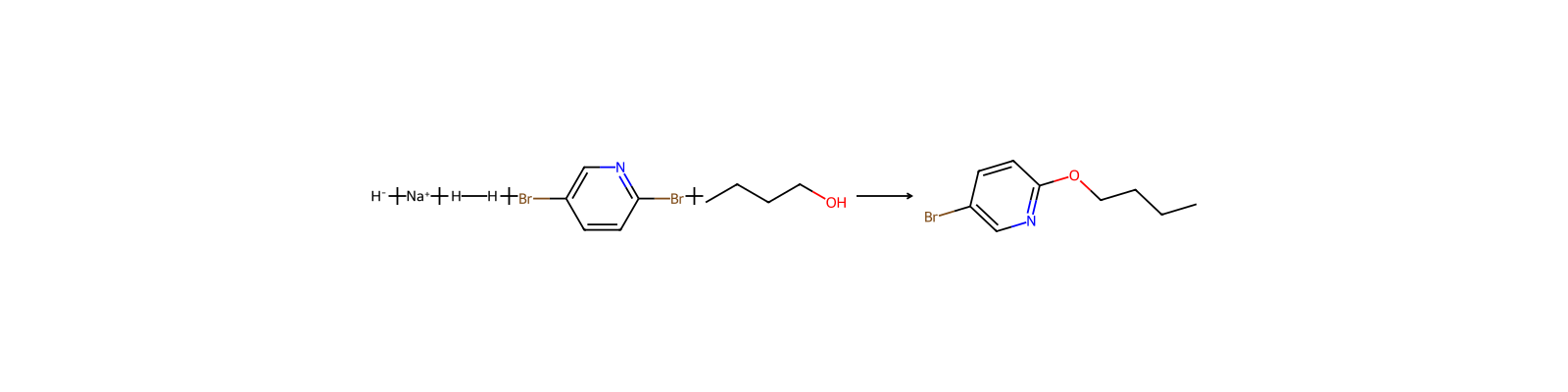
7,654건



연결된 노트
불러오는 중…