
HRID 12442반응물로
Thiocarbohydrazide

2231-57-4NNC(=S)NNLJTFFORYSFGNCT-UHFFFAOYSA-NThiocarbazide appears as crystalline needles and plates. Used in electron microscopy to produce electron-opaque deposits for ultra structural analysis. (EPA, 1998)
2231-57-4DTXSID7027461CHEMBL3181818CHEBI:9549338 °F Decomposes (EPA, 1998)
164 °C
Thiocarbazide appears as crystalline needles and plates. Used in electron microscopy to produce electron-opaque deposits for ultra structural analysis. (EPA, 1998)
Solid; [CAMEO] White powder; [Alfa Aesar MSDS]
안전 정보는 참고용이며, 공급업체의 물질안전보건자료(SDS), 관련 법규 및 전문가 평가를 대체하지 않습니다.
Danger
H300 (97.9%): Fatal if swallowed [Danger Acute toxicity, oral]
P260, P262, P264, P270, P271, P280, P284, P301+P316, P302+P352, P304+P340, P316, P320, P321, P330, P361+P364, P403+P233, P405, and P501 (click each P-code to see the statement)
Aggregated GHS information provided per 47 reports by companies from 5 notifications to the ECHA C&L Inventory. Each notification may be associated with multiple companies.
Danger
H300: Fatal if swallowed [Danger Acute toxicity, oral]
Chemical: Carbonothioic dihydrazide
The New Jersey Worker and Community Right to Know Act requires public and private employers to provide information about hazardous substances at their workplaces. (N.J.S.A. 34:5A-1 et. seq.)
Emergency treatment: Thiocarbazide; Causes seizures in animal experiments; No reports of human poisoning cases; [HSDB] Not irritating to rabbit skin or eyes; Muscle spasms observed in lethal-dose studies of rats (oral and inhalation); Causes gene mutations in bacteria and unscheduled DNA synthesis in vitro; [EPA ChAMP] A mild eye irritant; Causes convulsions, somnolence, and dyspnea in oral lethal-dose studies of rats, guinea pigs, and mice; [RTECS] An irritant; [Alfa Aesar MSDS]
Substances used for the detection, identification, analysis, etc. of chemical, biological, or pathologic processes or conditions. Indicators are substances that change in physical appearance, e.g., color, at or approaching the endpoint of a chemical titration, e.g., on the passage between acidity and alkalinity. Reagents are substances used for the detection or determination of another substance by chemical or microscopical means, especially analysis. Types of reagents are precipitants, solvents, oxidizers, reducers, fluxes, and colorimetric reagents. (From Grant & Hackh's Chemical Dictionary, 5th ed, p301, p499)
Used in electron microscopy to deposit electron-opaque material for ultrastructural analysis and as a veterinary medication; [HSDB] Used to make pesticides and other agricultural chemicals; [EPA]
THIOCARBOHYDRAZIDE IS USED IN ELECTRON MICROSCOPY TO PRODUCE ELECTRON-OPAQUE DEPOSITS FOR ULTRASTRUCTURAL ANALYSIS.
MEDICATION (VET)
용도Thiocarbohydrazide is used in electron microscopy to produce electron-opaque deposits for ultra structural analysis. It is used in the synthesis of oxazine grass ketones.
일반 설명Crystalline needles and plates. Used in electron microscopy to produce electron-opaque deposits for ultra structural analysis.

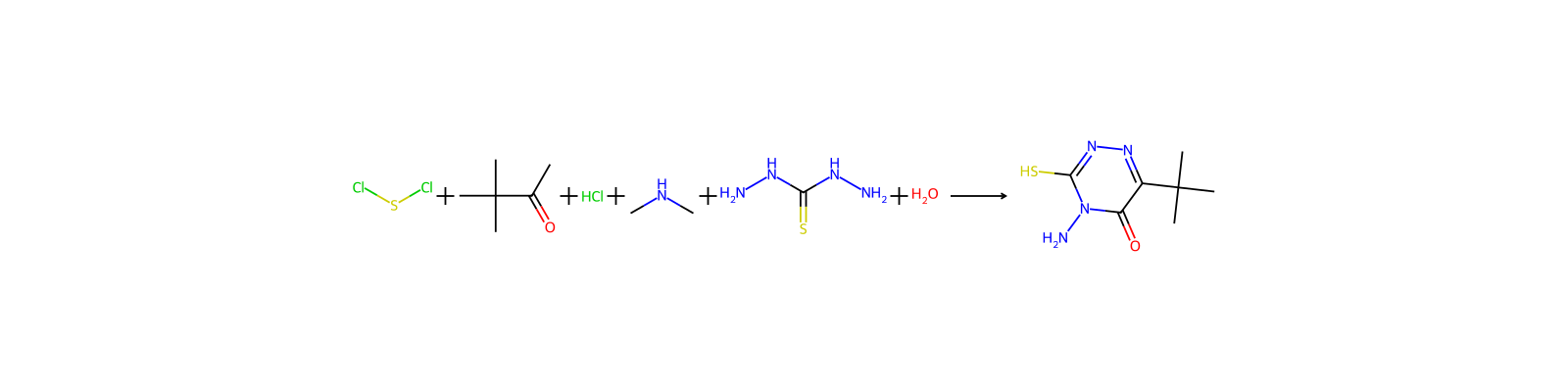
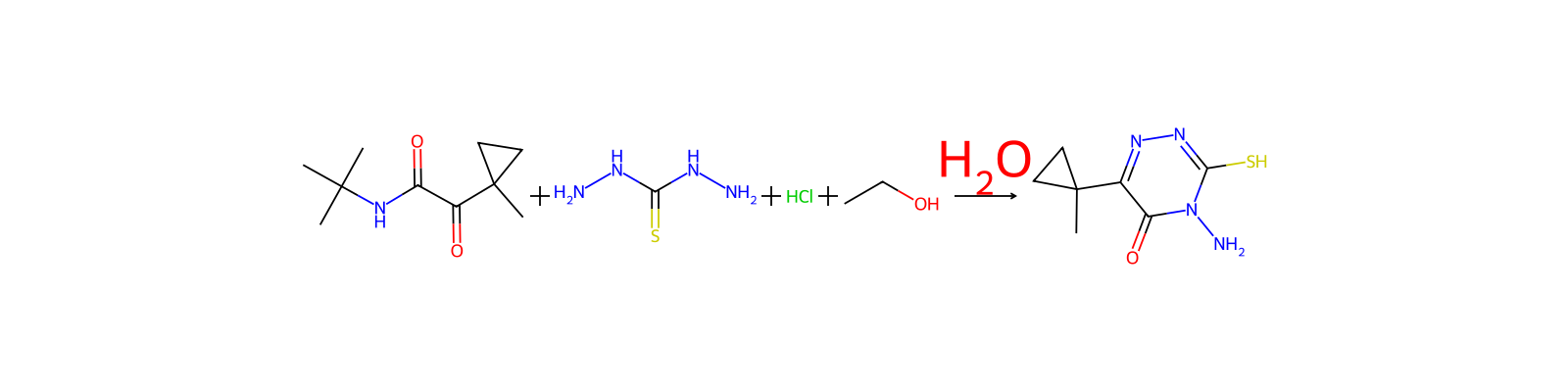


white to grey-beige crystalline powder
THIOCARBAZIDE is a thioamide, which may behave as a weak base and therefore will react with acids forming salts with production of heat. It may react with acids and reducing agents to form toxic hydrogen sulfide gas. This may be vigorous depending on the nature of the reducing agent. Organic amides/imides react with azo and diazo compounds to generate toxic gases. The combustion of these compounds generates mixed oxides of nitrogen (NOx).
Acute Tox. 2 (97.9%)
Acute toxicity (Oral) - Category 2
(Non-Specific -- Poisonous Solid, n.o.s.) Wear self-contained (positive pressure if available) breathing apparatus and full protective clothing. Stay upwind, keep out of low areas. Move container from fire area if you can do so without risk.
0.033 [mg/m3]
0.37 [mg/m3]
2.2 [mg/m3]
For emergency situations, wear a positive pressure, pressure-demand, full facepiece self-contained breathing apparatus (SCBA) or pressure- demand supplied air respirator with escape SCBA and a fully-encapsulating, chemical resistant suit. (EPA, 1998)
In the manufacture of rubber, irritant contact dermatitis may occur from a variety of acids, alkalies, detergents, and solvents used in the process. Allergic contact dermatitis occurs not infrequently and is almost always due to an organic accelerator or antioxidant. While the list of potential sensitizing accelerators and antioxidants is enormous, common allergens include ... thioureas. /Thioureas/
THE CONVULSANT ACTION OF THIOCARBOHYDRAZIDE (TCH) WAS STUDIED IN MICE. GLUTAMIDE DECARBOXYLASE ACTIVITY IN WHOLE BRAIN HOMOGENATES FROM MICE KILLED AT ONSET OF SEIZURES, WAS SIGNIFICANTLY REDUCED.
WHEN AN AQ SOLN OF THE CONVULSIVE HYDRAZIDE, THIOCARBOHYDRAZIDE (TCH) WAS INJECTED INTO HOUSEFLIES SENSITIVE TO DDT & HOUSEFLIES RESISTANT TO DDT, THE LD50 VALUE AFTER 24 HR WAS 0.3-0.6 GAMMA/FLY. WHEN TCH WAS DISSOLVED IN 20 GAMMA DIMETHYLSULFOXIDE PLUS 80 GAMMA BENZENE & APPLIED TOPICALLY, THE LD50 WAS 0.8-1.0 GAMMA/FLY. IN VIVO TRACER STUDIES WITH (14)C FORMATE REVEALED THAT BOTH DDT & TCH INCR LABELING OF PURINES, WHILE REDUCING THE CONTENT OF LABELED PROLINE.