

기본 정보
- 표준 SMILES
[Li+]- InChIKey
HBBGRARXTFLTSG-UHFFFAOYSA-N- 분자식
- Li+
- 평균 분자량
- 7 g/mol
- 단동위원소 질량
- 7.01600343
이름 및 식별자
- 우선 이름
- Lithium ion
- IUPAC
- lithium(1+)
- 영어명
- Lithium ion (1+)
- 분자식
- Li+
- 분자량
- 6.94
이름 및 동의어
lithium ionlithium cationLithium(1+)Lithium, ion (Li1+)17341-24-1lithium, ionLITHIUM ION CHROMATOGRAPHY STANDARDLi(+)8H8Z5UER66CHEBI:49713Lithium Monohydride;Lithium ions
이름 더 보기
LithiumcationLithium ion (1+)LITHIUM ION STANDARDLITHIUM, ION CHROMATOGRAPHY STANDARD SOLUTION
Li+Lithium(+)UNII-8H8Z5UER66lithium(I)lithium(I) cationLithium (I) ionLi(+) cationLi(+) ion
데이터베이스 식별자
- CAS
17341-24-1、7439-93-2- PubChem CID
- 28486
- DTXSID
DTXSID10169612- ChEMBL
CHEMBL1234004- ChEBI
CHEBI:49713- UNII
- 8H8Z5UER66
- Nikkaji
- J247.008J
물성
구조 계산 물성
- 극성 표면적
- 0 Ų
- 수소 결합 공여자 수
- 0
- 수소 결합 수용자 수
- 0
- 회전 가능 결합 수
- 0
- 무거운 원자 수
- 1
- 형식 전하
- 1
- 복잡도
- 0
실험 및 물리화학적 성질
SolubilityViolent reaction
Boiling Point1336
Melting Point
180.5
190 °C
Physical DescriptionSolid
화학 및 산업
약리 정보
Pharmacodynamics
Although lithium has been used for over 50 years in treatment of bipolar disorder, the mechanism of action is still unknown. Lithium's therapeutic action may be due to a number of effects, ranging from inhibition of enzymes such as glycogen synthase kinase 3, inositol phosphatases, or modulation of glutamate receptors.
Mechanism of Action
The precise mechanism of action of Li+ as a mood-stabilizing agent is currently unknown. It is possible that Li+ produces its effects by interacting with the transport of monovalent or divalent cations in neurons. An increasing number of scientists have come to the conclusion that the excitatory neurotransmitter glutamate is the key factor in understanding how lithium works. Lithium has been shown to change the inward and outward currents of glutamate receptors (especially GluR3), without a shift in reversal potential. Lithium has been found to exert a dual effect on glutamate receptors, acting to keep the amount of glutamate active between cells at a stable, healthy level, neither too much nor too little. It is postulated that too much glutamate in the space between neurons causes mania, and too little, depression. Another mechanism by which lithium might help to regulate mood include the non-competitive inhibition of an enzyme called inositol monophosphatase. Alternately lithium's action may be enhanced through the deactivation of the GSK-3B enzyme. The regulation of GSK-3B by lithium may affect the circadian clock. GSK-3 is known for phosphorylating and thus inactivating glycogen synthase. GSK-3B has also been implicated in the control of cellular response to damaged DNA. GSK-3 normally phosphorylates beta catenin, which leads to beta catenin degratation. When GSK-3 is inhibited, beta catenin increases and transgenic mice with overexpression of beta catenin express similar behaviour to mice treated with lithium. These results suggest that increase of beta catenin may be a possible pathway for the therapeutic action of lithium.
FDA Pharmacological Classification
8H8Z5UER66
LITHIUM CATION
Established Pharmacologic Class [EPC] - Mood Stabilizer
Lithium cation is a Mood Stabilizer.
공급사26 곳
山东泰诚生物科技有限公司18769832557 18769832557 · [email protected]
廊坊乾耀科技有限公司0316-2617888 17301291189 · [email protected]
山东海舟生物工程有限公司130-0567-0367 13006570367 · [email protected]
宁波化工原料有限公司13306607903;13306607903 · [email protected]
武汉绿景丰华生物科技有限公司19972070065 · [email protected]
上海颖心实验室设备有限公司021-59178156 17002132182 · [email protected]
湖北兴琰新材料科技有限公司13129948835 · [email protected]
上海合勒化学科技有限公司16621266837 · [email protected]
上海沃化化工有限公司021-57681602-802 17302146015 · [email protected]
上海景颜化工科技有限公司13817811078 · [email protected]
池州捷峰生物科技有限公司0566-8928158 · [email protected]
雷丁试剂0510-85629785 18013409632 · [email protected]
泰安市江舟生物科技有限公司1385-13854830759 13854830759 · [email protected]
上海西陇生化科技有限公司021-52907766-8042
上海西格生物科技有限公司021-57810052 18930344717 · [email protected]
郑州艾克姆化工有限公司0371-0371-55629727 13323845623 · [email protected]
泰安市嘉叶生物科技有限公司15318151873;13127280945 · [email protected]
金锦乐(湖南)化学有限公司18001959627(微信同号) 18001959627 · [email protected]
佛山晟熠生物科技有限公司18064670521 · [email protected]
江苏艾康生物医药研发有限公司025-58859352 19370895928 · [email protected]
career henan chemical co+86-0371-86658258 · [email protected]
上海允复纳米科技有限公司18964169089 · [email protected]
XIAMEN AMITY INDUSTRY AND TRADE CO., LTD.+8618950047208 · [email protected]
武汉卡米克科技有限公司18162538168 · [email protected]
广州远达新材料有限公司19849939632; 19849939632 · [email protected]
武汉拉那白医药化工有限公司027-81819291; 15307151931 · [email protected]
관련 반응
15,856건



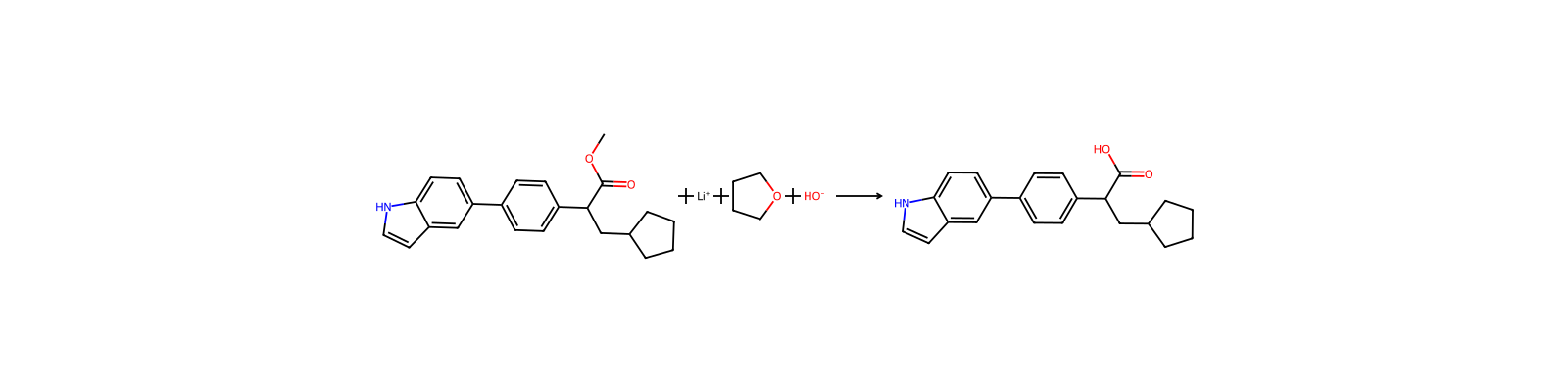


연결된 노트
불러오는 중…