

기본 정보
- 표준 SMILES
CCCCCCCCCC(=O)O- InChIKey
GHVNFZFCNZKVNT-UHFFFAOYSA-N- 분자식
- C10H20O2
- 평균 분자량
- 172.26 g/mol
- 단동위원소 질량
- 172.14632988
개요
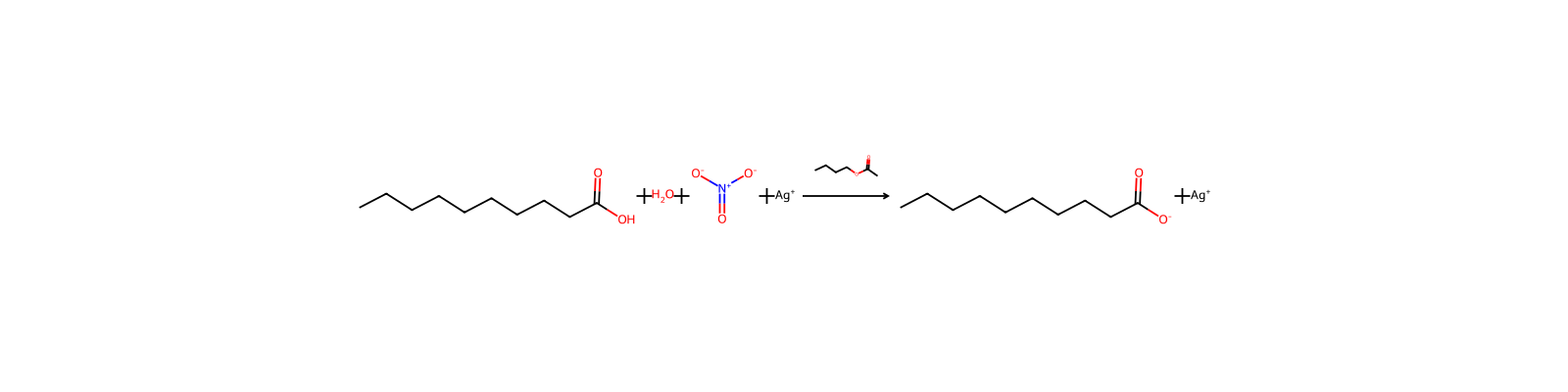
Decanoic acid is a white crystalline solid with a rancid odor. Melting point 31.5 °C. Soluble in most organic solvents and in dilute nitric acid; non-toxic. Used to make esters for perfumes and fruit flavors and as an intermediate for food-grade additives.
이름 및 식별자
- 우선 이름
- Decanoic Acid
- IUPAC
- decanoic acid
이름 및 동의어
Decanoic acidCAPRIC ACID334-48-5n-Capric acidn-Decanoic acidDecoic acidDecylic acidn-Decylic acid1-Nonanecarboxylic acidCaprinic acidCaprynic acidn-Decoic acid
이름 더 보기
Hexacid 1095Econosan Acid SanitizerFEMA No. 2364Emery 659DTXSID9021554C10:04G9EDB6V73Prifac 296
데이터베이스 식별자
- CAS
334-48-5- PubChem CID
- 2969
- DTXSID
DTXSID9021554- ChEMBL
CHEMBL107498- ChEBI
CHEBI:30813- UNII
- 4G9EDB6V73
- EC Number
- 206-376-4
- Nikkaji
- J2.575E
물성
구조 계산 물성
- XLogP
- 4.1
- 극성 표면적
- 37.3 Ų
- 수소 결합 공여자 수
- 1
- 수소 결합 수용자 수
- 2
- 회전 가능 결합 수
- 8
- 무거운 원자 수
- 12
- 형식 전하
- 0
- 복잡도
- 110
실험 및 물리화학적 성질
Chemical ClassesOther Classes -> Organic Acids
DrugsPharmaceuticals -> Listed in ZINC15
LipidsFatty Acyls [FA] -> Fatty Acids and Conjugates [FA01] -> Straight chain fatty acids [FA0101]
Cosmetics
Cosmetic ingredients (Capric Acid) -> CIR (Cosmetic Ingredient Review)
Emulsifying
SpringerMaterials PropertiesBoiling point
FragrancesFragrance Ingredient (Decanoic acid) -> IFRA transparency List
Pesticides
Agrochemicals -> Pesticide active substances
Active substance -> EU Pesticides database: Approved
LogP
log Kow = 4.09
4.09
3.91
Odor
Rancid odor
Unpleasant odor
Food AdditivesFLAVOR ENHANCER, FLAVORING AGENT OR ADJUVANT, LUBRICANT OR RELEASE AGENT, SURFACE-ACTIVE AGENT -> FDA Substance added to food
Density
0.893 (USCG, 1999) - Less dense than water; will float
0.890 at 40 °C/4 °C
Precipitates unchanged from dil nitric acid (density 1.14) by addition of water
Density/Specfific gravity: 0.88 kg/l at 4 °C
Flavoring AgentsEU Flavoring substances
안전 및 규제
GHS 분류
GHS Classification
Warning
H315: Causes skin irritation [Warning Skin corrosion/irritation]
P264, P264+P265, P273, P280, P302+P352, P305+P351+P338, P321, P332+P317, P337+P317, P362+P364, and P501 (click each P-code to see the statement)
This chemical does not meet GHS hazard criteria for 0.9% (27 of 2894) of reports.
Warning
H315 (95.5%): Causes skin irritation [Warning Skin corrosion/irritation]
유해성 정보
Regulatory Information
Chemical: Decanoic acid
Decanoic acid is listed on the EPA's Chemical Data Reporting (CDR) system. Manufacturers and importers of Decanoic acid are required to report information about their production and use of this chemical to the EPA under the Toxic Substances Control Act (TSCA). (40 eCFR Part 711)
2008/127, Reg. (EU) 2017/195, Reg. (EU) 2020/1160, Reg. (EU) 2021/745 , Reg. (EU) 2023/1446, Reg. (EU) 2024/1280, Reg. (EU) 2024/2221, Reg. (EU) No 540/2011
Status: Active Update: 04-04-2023 https://echa.europa.eu/registration-dossier/-/registered-dossier/18512
Decanoic acid: Does not have an individual approval but may be used under an appropriate group standard
Other Safety InformationIMAP assessments - Decanoic acid: Environment tier I assessment
Fire HazardsThis chemical is combustible. (NTP, 1992)
Fire PotentialCombustible
Health HazardsHarmful if swallowed or inhaled. Material is irritating to tissues of mucous membranes, and upper respiratory tract, eyes and skin. (USCG, 1999)
Hazards Summary
Emergency treatment: non-toxic ingestion; A skin irritant; Neat material highly irritating in rabbit eyes; Causes skin irritation in human volunteers in concentrations >1%; [HSDB] A skin, eye, mucous membrane, and upper respiratory tract irritant; [CAMEO] Safe when used as a flavoring agent in food; [JECFA] An irritant; [MSDSonline]
FDA Requirements
Capric acid is a food additive permitted for direct addition to food for human consumption, as long as 1) the quantity of the substance added to food does not exceed the amount reasonably required to accomplish its intended physical, nutritive, or other technical effect in food, and 2) any substance intended for use in or on food is of appropriate food grade and is prepared and handled as a food ingredient.
Reactive GroupAcids, Carboxylic
EPA Safer ChemicalChemical: Decanoic acid
FIFRA Requirements
Residues of the following chemical substances are exempted from the requirement of a tolerance when used in accordance with good manufacturing practice as ingredients in an antimicrobial pesticide formulation, provided that the substance is applied on a semi-permanent or permanent food-contact surface (other than being applied on food packaging) with adequate draining before contact with food. ... (b) The following chemical substances when used as ingredients in an antimicrobial pesticide formulation may be applied to: Dairy processing equipment, and food-processing equipment and utensils. Decanoic acid is included on this list. Limit: when ready for use, the end-use concentration is not to exceed 90 ppm.
An exemption from the requirement of a tolerance is established for residues of decanoic acid in or on all raw agricultural commodities and in processed commodities, when such residues result from the use of decanoic acid as an antimicrobial treatment in solutions containing a diluted end-use concentration of decanoic acid (up to 170 ppm per application) on food contact surfaces such as equipment, pipelines, tanks, vats, fillers, evaporators, pasteurizers and aseptic equipment in restaurants, food service operations, dairies, breweries, wineries, beverage and food processing plants
Reactivity Profile
DECANOIC ACID reacts exothermically to neutralize bases. Can react with active metals to form gaseous hydrogen and a metal salt. May absorb enough water from the air and dissolve sufficiently in it to corrode or dissolve iron, steel, and aluminum parts and containers. Reacts with cyanide salts or solutions of cyanide salts to generate gaseous hydrogen cyanide. Reacts exothermically with diazo compounds, dithiocarbamates, isocyanates, mercaptans, nitrides, and sulfides to generate flammable and/or toxic gases. Can react with sulfites, nitrites, thiosulfates (to give H2S and SO3), dithionites (SO2), to generate flammable and/or toxic gases and heat. Reacts with carbonates and bicarbonates to generate a harmless gas (carbon dioxide). Can be oxidized exothermically by strong oxidizing agents and reduced by strong reducing agents; a wide variety of products is possible. May initiate polymerization reactions or catalyze (increase the rate of) reactions among other materials.
Air and Water ReactionsInsoluble in water.
안전 및 보호
Fire FightingFire Extinguishing Agents Not to Be Used: Water may not be effective.
First Aid
EYES: First check the victim for contact lenses and remove if present. Flush victim's eyes with water or normal saline solution for 20 to 30 minutes while simultaneously calling a hospital or poison control center. Do not put any ointments, oils, or medication in the victim's eyes without specific instructions from a physician. IMMEDIATELY transport the victim after flushing eyes to a hospital even if no symptoms (such as redness or irritation) develop.
Storage Conditions
Safe Storage of Pesticides. Always store pesticides in their original containers, complete with labels that list ingredients, directions for use, and first aid steps in case of accidental poisoning. Never store pesticides in cabinets with or near food, animal feed, or medical supplies. Do not store pesticides in places where flooding is possible or in places where they might spill or leak into wells, drains, ground water, or surface water. /Residential uses/
Cleanup Methods
If a spill occurs, clean it up promptly. Don't wash it away. Instead, sprinkle the spill with sawdust, vermiculite, or kitty litter. Sweep it into a plastic garbage bag, and dispose of it as directed on the pesticide product label./Residential uses/
After Applying a Pesticide, Indoors or Outdoors. To remove pesticide residues, use a bucket to rinse tools or equipment three times, including any containers or utensils that you used when mixing the pesticide. Then pour the rinsewater into the pesticide sprayer and reuse the solution by applying it according to the pesticide product label directions. After applying any pesticide wash your hands and any other parts of your body that may have come in contact with the pesticide..To prevent tracking pesticides inside, remove or rinse your boots or shoes before entering your home. Wash any clothes that have been exposed to a lot of pesticide separately from your regular wash. /Residential uses/
Nonfire Spill ResponseNeutralizing Agents for Acids and Caustics: Sodium bicarbonate solution (USCG, 1999)
Disposal Methods
SRP: The most favorable course of action is to use an alternative chemical product with less inherent propensity for occupational exposure or environmental contamination. Recycle any unused portion of the material for its approved use or return it to the manufacturer or supplier. Ultimate disposal of the chemical must consider: the material's impact on air quality; potential migration in soil or water; effects on animal, aquatic, and plant life; and conformance with environmental and public health regulations.
Safe Disposal of Pesticides. The best way to dispose of small amounts of excess pesticides is to use them - apply them - according to the directions on the label. If you cannot use them, ask your neighbors whether they have a similar pest control problem and can use them. If all of the remaining pesticide cannot be properly used, check with your local solid waste management authority, environmental agency, or health department to find out whether your community has a household hazardous waste collection program or a similar program for getting rid of unwanted, leftover pesticides. These authorities can also inform you of any local requirements for pesticide waste disposal. /Residential uses/
Safe Disposal of Pesticides. An empty pesticide container can be as hazardous as a full one because of residues left inside. Never reuse such a container. When empty, a pesticide container should be rinsed carefully three times and the rinsewater thoroughly drained back onto the sprayer or the container previously used to mix the pesticide. Use the rinsewater as a pesticide, following label directions. Replace the cap or closure securely. Dispose of the container according to label instructions. Do not puncture or burn a pressurized container like an aerosol - it could explode. Do cut or puncture other empty pesticide containers made of metal or plastic to prevent someone from reusing them. Wrap the empty container and put it in the trash after you have rinsed it. /Residential uses/
Preventive Measures
Wear the items of protective clothing the label requires: for example, non-absorbent gloves (not leather or fabric), rubber footwear (not canvas or leather), a hat, goggles, or a dust-mist filter. If no specific clothing is listed, gloves, long-sleeved shirts and long pants, and closed shoes are recommended. You can buy protective clothing and equipment at hardware stores or building supply stores. /Residential uses/
Indoor Applications. If the label directions permit, leave all windows open and fans operating after the application is completed. If the pesticide product is only effective in an unventilated (sealed) room or house, do not stay there. Put all pets outdoors, and take yourself any your family away from treated areas for at least the length of time prescribed on the label. Apply most surface sprays only to limited areas such as cracks; don't treat entire floors, walls, or ceilings. Don't let pesticides get on any surfaces that are used for food preparation. Wash any surfaces that may have pesticide residue before placing food on them. /Residential uses/
Indoor Applications. When using total release foggers to control pests, use no more than the amount needed and to keep foggers away from ignition sources (ovens, stoves, air conditioners, space heaters, and water heaters, for example). Foggers should not be used in small, enclosed places such as closets and cabinets or under tables and counters. /Residential uses/
Outdoor Applications. Never apply pesticides outdoors on a windy day (winds higher than 10 mph). Position yourself so that a light breeze does not blow pesticide spray or dust into your face. /Residential uses/
Allowable Tolerances
Residues of the following chemical substances are exempted from the requirement of a tolerance when used in accordance with good manufacturing practice as ingredients in an antimicrobial pesticide formulation, provided that the substance is applied on a semi-permanent or permanent food-contact surface (other than being applied on food packaging) with adequate draining before contact with food. ... (b) The following chemical substances when used as ingredients in an antimicrobial pesticide formulation may be applied to: Dairy processing equipment, and food-processing equipment and utensils. Decanoic acid is included on this list. Limit: when ready for use, the end-use concentration is not t exceed 90 ppm.
An exemption from the requirement of a tolerance is established for residues of decanoic acid in or on all raw agricultural commodities and in processed commodities, when such residues result from the use of decanoic acid as an antimicrobial treatment in solutions containing a diluted end-use concentration of decanoic acid (up to 170 ppm per application) on food contact surfaces such as equipment, pipelines, tanks, vats, fillers, evaporators, pasteurizers and aseptic equipment in restaurants, food service operations, dairies, breweries, wineries, beverage and food processing plants
Personal Protective Equipment (PPE)Respirator, chemical safety goggles, rubber boots, and heavy rubber gloves. (USCG, 1999)
독성 정보
Body BurdenSamples of mother's milk were collected from Bayonne, NJ; Jersey City, NJ; Pittsburgh, PA; Baton Rouge, LA; and Charleston, WV and analyzed for volatile and semivolatile organics. Decanoic acid was not detected(1).
Treatment
Management of acute MCADD includes rapid correction of hypoglycemia, rehydration and treatment of the underlying infection or other stress factor. Current long-term therapy includes avoidance of fasting and a high carbohydrate low-fat diet, but it does not fully prevent the crises and the neurological alterations. (A15457)
Interactions
The effects of sodium caprate and sodium caprylate on transcellular permeation routes were examined in rats. The release of membrane phospholipids was significantly increased only by caprate, while protein release did not change from the control in the presence of caprate or caprylate, indicating that the extent of membrane disruption was insufficient to account for the extent of the enhanced permeation. Using brush border membrane vesicles prepared from colon, with their protein and lipid component labeled by fluorescent probes, the perturbing actions of caprate and caprylate toward the membrane were examined by fluorescence polarization. Caprate interacted with membrane protein and lipids, and caprylate mainly with protein, causing perturbation to the membrane. The release of 5(6)-carboxyfluorescein previously included in brush border membrane vesicles was increased by caprate but not by caprylate. These results suggest that caprate enhances permeability via the transcellular route through membrane perturbation. /Sodium caprate/
Skin permeation rates were measured in vitro using human skin samples. 6 model cmpd of diverse physicochemical properties were dissolved in propylene glycol, and the permeation rates studied in the presence and absence of various fatty acids (including decanoic and neodecanoic acid). Both decanoic and neodecanoic acid increased the skin diffusivity of 4 of the 6 model cmpd, but only decanoic acid incr the permeation rate of propylene glycol ...
The in vitro human skin permeation rate of an analgesic (buprenorphine) was incr by a factor of 3.5 by the addition of 0.5% decanoic acid.
The enhancing action of decanoic acid on the intestinal absorption of phenosulfonphthalein (PSP) was studied in rats. Decanoic acid and 2 hydroxy derivatives enhanced PSP absorption to varying degrees; PSP was no longer absorbed once the enhancer had been completely absorbed. Absorption enhancement correlated with the ability to sequester calcium ions.
For more Interactions (Complete) data for DECANOIC ACID (7 total), please visit the HSDB record page.
Health Effects
Octanoic (OA) and decanoic (DA) acids are the predominant metabolites accumulating in medium-chain acyl-CoA dehydrogenase (MCAD; E.C. 1.3.99.3) deficiency (MCADD), the most common inherited defect of fatty acid oxidation. Glycine and l-carnitine bind to these fatty acids giving rise to derivatives that also accumulate in this disorder. The clinical presentation typically occurs in early childhood but can occasionally be delayed until adulthood. The major features of the disease include hypoglycemia, vomiting, lethargy and encephalopathy after fasting, infection or other metabolic stressors. (A15457)
Ecotoxicity Values
LC50; Species: Xenopus laevis (African clawed frog, embryo); Conditions: freshwater, renewal, pH 7.0-7.8; Concentration: 24000 ug/L for 96 hr (23000-25000 ug/L) /> or =98% purity/
EC50; Species: Xenopus laevis (African clawed frog, embryo); Conditions: freshwater, renewal, pH 7.0-7.8; Concentration: 7500 ug/L for 96 hr (7000-9000 ug/L); Effect: increased developmental changes, general (craniofacial defects, abnormal gut coiling) /> or =98% purity/
LC50 Oryzias latipes (Red Killifish) 31 mg/L/96 hr /In seawater; other conditions of bioassay not specified/
LC50 Oryzias latipes (Red Killifish) 20 mg/L/96 hr /In freshwater; other conditions of bioassay not specified/
For more Ecotoxicity Values (Complete) data for DECANOIC ACID (10 total), please visit the HSDB record page.
Environmental Fate
TERRESTRIAL FATE: Based on a classification scheme(1), an estimated Koc value of 4,000 for the free acid(SRC), determined from a log Kow of 4.09(2) and a regression-derived equation(3), indicates that undissociated decanoic acid is expected to have slight mobility in soil(SRC). The pKa of decanoic acid is 4.90(4), indicating that this compound will exist almost entirely in anion form in the environment and anions generally do not adsorb more strongly to soils containing organic carbon and clay than their neutral counterparts(5). Volatilization of decanoic acid from moist soil surfaces is not expected to be an important fate process based upon the pKa(SRC). Decanoic acid is not expected to volatilize from dry soil surfaces(SRC) based upon a vapor pressure of 3.66X10⁻⁴ mm Hg(6). A 46% of theoretical BOD after 20 days in the presence of sewage inoculum(7) and 42% of theoretical BOD in 1 day using an activated sludge inoculum(8) suggest that biodegradation may be important environmental fate process in soil.
AQUATIC FATE: Based on a classification scheme(1), an estimated Koc value of 4,000 for the free acid(SRC), determined from a log Kow of 4.09(2) and a regression-derived equation(3), indicates that undissociated decanoic acid is expected to adsorb to suspended solids and sediment(SRC). A pKa of 4.90(4) indicates decanoic acid will exist almost entirely in the anion form at pH values of 5 to 9 and therefore volatilization from water surfaces is not expected to be an important fate process(5). According to a classification scheme(6), an estimated BCF of 3(SRC), from its log Kow(2) and a regression-derived equation(7), suggests the potential for bioconcentration in aquatic organisms is low(SRC). Biodegradation of 100 ppm decanoic acid using a Japanese cultivation method was 100% in river water and 100% in sea water after 3 days(8), suggesting that biodegradtion may be an important environmental fate process in water(SRC).
ATMOSPHERIC FATE: According to a model of gas/particle partitioning of semivolatile organic compounds in the atmosphere(1), decanoic acid, which has a vapor pressure of 3.66X10⁻⁴ mm Hg at 25 °C(2), is expected to exist solely as a vapor in the ambient atmosphere. Vapor-phase decanoic acid is degraded in the atmosphere by reaction with photochemically-produced hydroxyl radicals(SRC); the half-life for this reaction in air is estimated to be 1.4 days(SRC), calculated from its rate constant of 1.1X10⁻¹¹ cu cm/molecule-sec at 25 °C(SRC) that was derived using a structure estimation method(3).
Food Survey Values
Flavoring constituents of cassava (Manihot esculenta) from the Dominican Republic, gari from Nigeria, and farine from the Caribbean (St. Lucia) were analyzed. Decanoic acid was identified in gari, amounts unknown(1). The decanoic acid content in milk fat from cows ranges from 1.19 to 2.01 percent of total fatty acid content(2). Decanoic acid was identified in raw beef using supercritical carbon dioxide extraction; 0.10 percent of the noncondensable volatile fraction area was identified as decanoic acid(3). Decanoic acid was identified as a volatile constituent of cooked strawberry jam at a concn of 6.1 mg/kg(4). Decanoic acid has been identified in mutton and beef volatiles, concn unknown(5). The fine aerosol emission rate for decanoic acid from a frying hamburger (extralean/regular), from a charbroiled hamburger (extralean), and from a charbroiled hamburger (regular) was determined to be 3.5, 16.3, and 25.0 mg/kg, respectively(6). Decanoic acid was found as a volatile component of raw and roasted earth-almond (Cyperus esculentus L.)(7). Decanoic acid occurs as a component (along with caprylic acid and behenic acid) of caprenin, a triglyceride used as a low calorie cocoa butter substitute(8).
Decanoic acid was found in gas and particulate matter effluents from commercial-scale meat charbroiling operations at 8,890 and 2,220 ug/kg meat cooked, respectively(1).
Exposure RoutesDermal (MSDS) ; eye contact (MSDS) ; inhalation (MSDS); oral (MSDS)
Milk Concentrations
ENVIRONMENTAL: The decanoic acid content in milk fat from cows ranges from 1.19 to 2.01 percent of total fatty acid content(1). Decanoic acid was not detected in samples of mother's milk that were collected from Bayonne, NJ; Jersey City; NJ, Pittsburgh, PA; Baton Rouge, LA; and Charleston, WV and analyzed for volatile and semivolatile organics(2).
Toxicity Summary
The CIR Expert Panel concluded that the following ingredients are safe in the present practices of use andconcentration described in the safety assessment when formulated to be non-irritating and non-sensitizing, which may be basedon a QRA...Capric Acid...
Safe for use in cosmetics, with qualifications
It has been demonstrated that octanoic (OA) and decanoic (DA) acids compromise the glycolytic pathway and citric acid cycle functioning, increase oxygen consumption in the liver and inhibit some activities of the respiratory chain complexes and creatine kinase in rat brain (A15454, A15455). These fatty acids were also shown to induce oxidative stress in the brain (A15456). Experiments suggest that OA and DA impair brain mitochondrial energy homeostasis that could underlie at least in part the neuropathology of MCADD. (A15457)
Average Daily Intake
Fatty acids are an important part of the normal daily diet of mammals, birds and invertebrates.
Annual consumption is 18,833.33 lb. Individual consumption is 0.01596 mg/kg/day.
Ecotoxicity Excerpts
/OTHER TERRESTRIAL SPECIES/ Of 11 C6-22 even-numbered saturated and unsaturated fatty acids and their potassium salts tested for toxicity to balsam woolly aphid (Adelges piceae), the most effective fatty acids were capric acid (C10 saturated) and oleic acid (C18 unsaturated).
/OTHER TERRESTRIAL SPECIES/ /The decanoic acid/ concn that immobilizes 95% of the nematodes (Panagrellus redivivus) within 1 hr (ED95) is 156 ppm.
/OTHER TERRESTRIAL SPECIES/ The toxicity of ... /decanoic acid was/ evaluated using rice bloodworm larvae (10 larvae each group). Mortality was assessed after 24 hr exposure to 1, 10, 50 mg/L ... Decanoic acid caused 100% mortality at 10 or 50 mg/L; at 1 mg/L it caused 12 to 15% mortality.
/OTHER TERRESTRIAL SPECIES/ The insecticidal property of ... /decanoic acid/ was examined in 2 Drosophila species (D. mojavensis and D. nigrospiracula), using 2 cacti (agria and organpipe) as food source. Triplicate groups of 50 larvae were exposed to each food source, and given 30 days to emerge into adults. Decanoic acid (0.5% and 1.0%) was lethal to all D. nigrospiracula larvae. D. mojavensis was more tolerant, with viabilities of 76% and 9.3% at 0.5% and 1.0% decanoic acid respectively. Viability was 83 to 86% in the controls.
For more Ecotoxicity Excerpts (Complete) data for DECANOIC ACID (8 total), please visit the HSDB record page.
규제 정보
FDA Requirements
Capric acid is a food additive permitted for direct addition to food for human consumption, as long as 1) the quantity of the substance added to food does not exceed the amount reasonably required to accomplish its intended physical, nutritive, or other technical effect in food, and 2) any substance intended for use in or on food is of appropriate food grade and is prepared and handled as a food ingredient.
FIFRA Requirements
Residues of the following chemical substances are exempted from the requirement of a tolerance when used in accordance with good manufacturing practice as ingredients in an antimicrobial pesticide formulation, provided that the substance is applied on a semi-permanent or permanent food-contact surface (other than being applied on food packaging) with adequate draining before contact with food. ... (b) The following chemical substances when used as ingredients in an antimicrobial pesticide formulation may be applied to: Dairy processing equipment, and food-processing equipment and utensils. Decanoic acid is included on this list. Limit: when ready for use, the end-use concentration is not to exceed 90 ppm.
An exemption from the requirement of a tolerance is established for residues of decanoic acid in or on all raw agricultural commodities and in processed commodities, when such residues result from the use of decanoic acid as an antimicrobial treatment in solutions containing a diluted end-use concentration of decanoic acid (up to 170 ppm per application) on food contact surfaces such as equipment, pipelines, tanks, vats, fillers, evaporators, pasteurizers and aseptic equipment in restaurants, food service operations, dairies, breweries, wineries, beverage and food processing plants
화학 및 산업
약리 정보
Mechanism of Action
It has been shown that polyunsaturated fatty acids such as arachidonic and docosahexanoic acids but not monounsaturated and saturated long-chain fatty acids promote basal and nerve growth factor (NGF)-induced neurite extension of PC12 cells, a line derived from a rat pheochromocytoma. On the other hand, short-chain fatty acids and valproic acid (2-propylpentanoic acid) enhance the growth of neurite processes of the cells only in the presence of inducers. In this study, /investigators/ demonstrated that straight medium-chain fatty acids (MCFAs) at millimolar concentrations alone potently induced neuronal differentiation of PC12 cells. ... Nonanoic, decanoic, and dodecanoic acids also induced growth of neurite processes, but their maximal effects were less marked than that of octanoic acid. ...
... the effect of fatty acids on interleukin (IL)-8 production in a human intestinal epithelial cell line (Caco-2) /was investigated/. The cells were cultured as monolayers on microporous membranes in culture inserts. Oleic acid (OA), capric acid (CA), docosahexaenoic acid (DHA) and eicosapentaenoic acid (EPA) were applied to the apical compartment of Caco-2 cell monolayers. The concentration of IL-8 in the basolateral medium was measured by using enzyme-linked immunosorbent assay, and the expression of IL-8 mRNA was measured by using competitive reverse transcription--polymerase chain reaction. Protein kinase C inhibitors (GF109203X and calphostin C) and H-7 (a protein kinase inhibitor) were used to study the mechanisms by which IL-8 production is stimulated. Both OA and CA enhanced IL-8 production (approximately fivefold), whereas DHA and EPA did not. Both OA and CA also enhanced IL-1-induced IL-8 production. The onset of OA-induced IL-8 production was delayed compared with that of CA-induced IL-8 production. Both OA and CA enhanced IL-8 mRNA expression (approximately fivefold) after 6 and 3 hr, respectively. The protein kinase inhibitor (H-7) reduced both OA- and CA-induced IL-8 production by 88.0 and 85.9%, respectively. The protein kinase C inhibitors (GF109203X and calphostin C) reduced OA-induced IL-8 production by 29.3 and 54.5%, respectively, but showed no effect on CA-induced IL-8 production. These findings suggest that not only OA but also CA stimulates IL-8 production in intestinal epithelial cells, and the mechanisms of action differ between OA and CA.
Metabolism/Metabolites
The rate of intestinal absorption and hepatic uptake of medium chain fatty acids (MCFA) was investigated in 6 pigs. The pigs were fitted with a permanent fistula in the duodenum, and catheters in the portal vein, carotid artery and hepatic vein. Decanoic acid (esterified with octanoic acid) was infused into the duodenum for 1 hr. regular blood samples were taken over 12 hr and analysed for non-esterified decanoic acid content ... The amt of non-esterified MCFA taken up per hr by the liver were close to those absorbed from the gut via the portal vein, showing that the liver is the main site of MCFA metabolism in pigs. /Decanoic acid esterified with octanoic acid as medium-chain triacylglycerols/
Capric acid is metabolized by the 13-oxidative pathway, giving rise to C8- and C6-dicarboxylic acids (suberic and adipic acids) in rats. Capric acid metabolism also produced ketone bodies in rats, rabbits, dogs, piglets, and goats. Activation of lipid metabolism by starvation, fat-feeding, and experimental diabetes increased the extent of ketosis in rats. omega-Oxidation, leading to the excretion of sebacic acid, and chain elongation reactions have been reported. Metabolism of capric acid is rapid; in humans given [1-14C]decanoic acid orally, about 52% of the radioactivity was recovered within 2.5 to 4 hr.
(14)C-labelled fatty acids (including 240 mg decanoic acid) were fed by intubation into lactating rabbits. The animals were killed 24 hr later, and the mammary gland lipids were analyzed. Decanoic acid was extensively metabolized. Resynthesis after degradation to C2 units led to uniform alternate labelling in the C2-C10 acids, whereas C12-C18 acids had an excess of (14)C at the carboxyl end. Acids formed by beta-oxidation down to C12 (but not below) were also present in the mammary gland lipids.
Capric acid (decanoic acid) is rapidly metabolized by the β-oxidative pathway, giving rise to C8- and C6-dicarboxylic acids (T29). The enzyme MCAD (medium-chain acyl-CoA dehydrogenase) is responsible for the dehydrogenation step of fatty acids with chain lengths between 6 and 12 carbons as they undergo beta-oxidation in the mitochondria. Fatty acid beta-oxidation provides energy after the body has used up its stores of glucose and glycogen. This typically occurs during periods of extended fasting or illness when caloric intake is reduced, and energy needs are increased. Beta-oxidation of long chain fatty acids produces two carbon units, acetyl-CoA and the reducing equivalents NADH and FADH2. NADH and FADH2 enter the electron transport chain and are used to make ATP. Acetyl-CoA enters the Krebs Cycle and is also used to make ATP via the electron transport chain and substrate level phosphorylation. When the supply of acetyl-CoA (coming from the beta-oxidation of fatty acids) exceeds the capacity of the Krebs Cycle to metabolize acetyl-CoA, the excess acetyl-CoA molecules are converted to ketone bodies (acetoacetate and beta-hydroxybutyrate) by HMG-CoA synthase in the liver. Ketone bodies can also be used for energy especially by the brain and heart; in fact they become the main sources of energy for those two organs after day three of starvation. (Wikipedia)
MeSH Pharmacological ClassificationSubstances that destroy fungi by suppressing their ability to grow or reproduce. They differ from FUNGICIDES, INDUSTRIAL because they defend against fungi present in human or animal tissues.
Absorption, Distribution and Excretion
The rate of intestinal absorption and hepatic uptake of medium chain fatty acids (MCFA) was investigated in 6 pigs. The pigs were fitted with a permanent fistula in the duodenum, and catheters in the portal vein, carotid artery and hepatic vein. Decanoic acid (esterified with octanoic acid) was infused into the duodenum for 1 hr. Regular blood samples were taken over 12 hr and analysed for non-esterified decanoic acid content. Decanoic acid levels in portal vein blood rose sharply after the beginning of the infusion (confirming data previously reported for dogs and rats), and showed a bi-phasic time course with 2 maximum values (at 15 min and 75 to 90 min). 54% of the decanoic acid was recovered in portal blood samples. The amt of non-esterified MCFA taken up per hr by the liver were close to those absorbed from the gut via the portal vein, showing that the liver is the main site of MCFA metabolism in pigs. /Decanoic acid esterified with octanoic acid as medium-chain triacylglycerols/
The influence of pancreatic enzyme secretion on the intestinal absorption of medium-chain fatty acids (MCFA) was investigated in 3 pigs. The pancreatic ducts were ligated (so producing exocrine pancreatic deficiency) and fitted with a permanent fistula, and catheters fitted in the portal vein and carotid artery. The decanoic acid triacylglycerol mixture was infused into the duodenum for 1 hr. Blood samples were taken over 8 hr and analysed for non-esterified decanoic acid content. Decanoic acid level incr slowly after the start of the infusion, reaching a max after 90 to 120 min. This contrasts with previous studies ... where healthy pigs reached a max blood concn after 15 min. This indicates that pancreatic lipase activity is not the pathway for de-esterification of MCFA. 27% of the decanoic acid was recovered from the portal blood flow. This is lower than seen previously, but confirms that more than one pathway is involved as decanoic acid production was not completely suppressed. /Decanoic acid esterified with octanoic acid as medium-chain triacylglycerols/
The influence of triglyceride structure on intestinal absorption was investigated. The triglycerides were composed of octanoic (C8), decanoic (C10) and linoleic (C18:2) acids (either as a structured oil, with the C8 and C10 at the sn-1 and sn-3 positions, or as a randomized oil, with the 3 acids in a random distribution). Absorption of the 3 acids varied; absorption of the C18:2 was highest from the structured oil, when it occupied the sn-2 position. Absorption of the 2 shorter chain fatty acids was highest from the randomized oil, when both acids occupied the sn-2 position approximately 33% of the time.
(14)C-labelled fatty acids (including 240 mg decanoic acid) were fed by intubation into lactating rabbits. The animals were killed 24 hr later, and the mammary gland lipids were analyzed. Decanoic acid was extensively metabolized. Resynthesis after degradation to C2 units led to uniform alternate labelling in the C2-C10 acids, whereas C12-C18 acids had an excess of (14)C at the carboxyl end. Acids formed by beta-oxidation down to C12 (but not below) were also present in the mammary gland lipids.
For more Absorption, Distribution and Excretion (Complete) data for DECANOIC ACID (8 total), please visit the HSDB record page.
Tissue LocationsEpidermis
Cellular LocationsExtracellular
Metabolite PathwaysBiosynthesis of unsaturated fatty acids
용도 및 제조
Uses
CIR ingredient: Capric Acid
Used in perfumes , fruit flavors, resins, and to make wetting agents, food additives, and other organic chemicals; Also used as a plasticizer and as an absorption enhancer in guinea pig skin experiments; [HSDB] Found in several essential oils, many fruits, dairy products, rum, whiskey, wine, brandies, other foods, and American elm seeds; [CHEMINFO]
For Capric acid (USEPA/OPP Pesticide Code: 128955) ACTIVE products with label matches. /SRP: Registered for use in the U.S. but approved pesticide uses may change periodically and so federal, state and local authorities must be consulted for currently approved uses./
Esters for perfumes and fruit flavor, base for wetting agents; intermediates; plasticizer; resins; intermediate for food-grade additives
Chemical intermediate for the synthesis of capryl imidazoline, ethyl caprate
Use resulting in inclusion into or onto matrix ... paints, lacquers and varnishes industry ... solvents ...
U.S. Production
2023: 1,000,000 - <2,500,000 lb
Production volumes for non-confidential chemicals reported under the Inventory Update Rule. [Table#4163]
Decanoic acid is listed as a High Production Volume (HPV) chemical (65FR81686). Chemicals listed as HPV were produced in or imported into the U.S. in >1 million pounds in 1990 and/or 1994. The HPV list is based on the 1990 Inventory Update Rule. (IUR) (40 CFR part 710 subpart B; 51FR21438).
Consumption PatternsConsumption in the USA for 1980 was 500 tons.
Consumer UsesLubricating agent
Industry UsesOther
Methods of Manufacturing
Prepn from octyl bromide; Closson, de Pree, US patent 2,918,494 (1959 to Ethyl Corp). Recovery from Cuphea llavea llave et lex, lythaceae seed oil: Miwa et al, US patent 2,964,546 (1960 to USDA).
Fractional distillation of coconut-oil fatty acids
Prepared by oxidation of decanol.
Formulations/Preparations
Technical; 90%; FCC
Grades containing 90 to 100 percent C(10) are available commercially
ECONOSAN ACID SANITIZER: Active Ingredients 8.50% Phosphoric acid; 10.0% Propionic acid; 9.50% Sulfuric acid; 3.00% Capric acid; 3.00% Nonanoic acid
MANDATE: Active Ingredients 20.0% Citric acid; 23.8% Phosphoric acid; 6.00% Octanoic acid; 2.00% Capric acid
For more Formulations/Preparations (Complete) data for DECANOIC ACID (7 total), please visit the HSDB record page.
Household ProductsInformation on 7 consumer products that contain Capric acid in the following categories is provided:
Use Classification
EPA Safer Chemical Functional Use Classes -> Processing Aids and Additives;Surfactants
Safer Chemical Classes -> Green circle - The chemical has been verified to be of low concern
Fragrance Ingredients
Flavouring Agent -> FLAVOURING_AGENT -> JECFA Functional Classes
Flavoring Agents -> JECFA Flavorings Index
Flavouring Agent -> FLAVOURING_AGENT -> JECFA Functional Classes
General Manufacturing Information
Soap, Cleaning Compound, and Toilet Preparation Manufacturing
Decanoic acid: ACTIVE
IDENTIFIED /AS/ COMPONENT OF COFFEE AROMA. /FROM TABLE/
COMPONENT OF BREAD FLAVOR. /FROM TABLE/
CAPRIC ACID COMPOSITION IN RYE CRISPBREAD: 1.0%. /FROM TABLE/
USE OF CAPRIC ACID IN PHARMCEUTICAL PREPARATIONS TO IMPROVE RESORPTION PROPERTIES.
관련 반응
101건





연결된 노트
불러오는 중…