홈MCP워크벤치Skills
홈워크벤치알림마이페이지
llms.txt · MCP 가이드개인정보처리방침 · 이용약관 · 지원v1.8.0
  1. 홈
  2. /화합물

클로로아세트산

Chloroacetic Acid

HCID 300
새 노트새 반응견적 요청하기
인쇄 미리보기

데이터를 보충하는 중입니다. 잠시 후 페이지를 새로 고치면 최신 내용을 볼 수 있습니다
기본 정보개요이름 및 식별자물성안전 및 규제화학 및 산업관련 반응화합물 노트
부분 구조 검색유사 구조 찾기

기본 정보

CAS
79-11-8
표준 SMILES
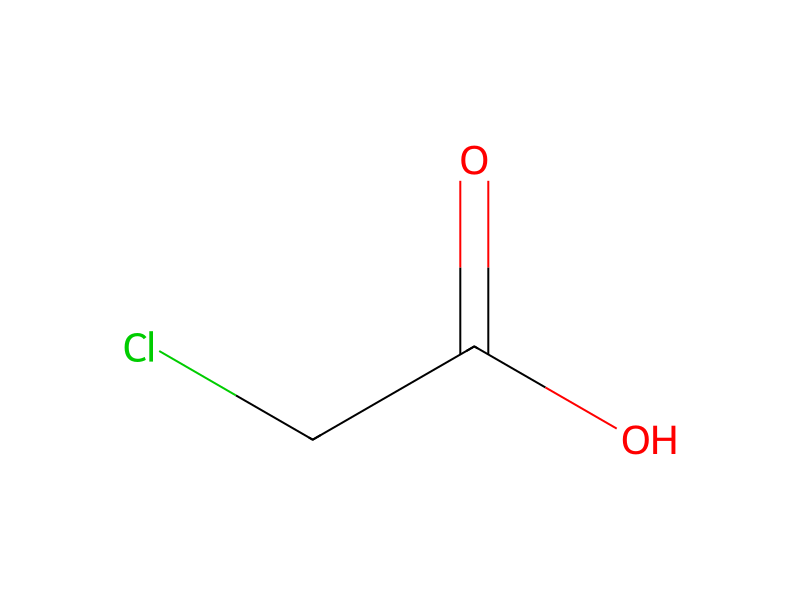
O=C(O)CCl
InChIKey
FOCAUTSVDIKZOP-UHFFFAOYSA-N
분자식
C2H3ClO2
평균 분자량
94.5 g/mol
단동위원소 질량
93.98215702

개요

Chloroacetic acid, solid is a colorless to light-brown crystalline material. It is soluble in water and sinks in water. Combustible. It is transported as a molten liquid and therefore can cause thermal burns. It is toxic by ingestion, skin absorption and inhalation of dust. It is corrosive to metals and tissue.

이름 및 식별자

우선 이름
Chloroacetic Acid
IUPAC
2-chloroacetic acid
현지명
클로로아세트산
영어명
Chloroacetic acid
분자식
C2H3ClO2
분자량
94.5

이름 및 동의어

chloroacetic acidMonochloroacetic acid79-11-82-chloroacetic acidChloracetic acidChloroethanoic acidAcetic acid, chloro-Acide chloracetiqueMonochloroethanoic acidMonochloracetic acidMonochloorazijnzuurMonochloressigsaeure
이름 더 보기
클로로아세트산모노클로로초산류클로로초산MCAAMKhUK모노클로로아세트산모노클로로에탄산알파-클로로아세트산클로로에탄산MCAChloroacetic2-CHLOROACETATECH2ClCOOHNSC 142
AcidomonocloroaceticoAcide monochloracetiqueAcide chloroacetiqueKyselina chloroctovaalpha-Chloroacetic acid2-chloro-ethanoic acidNCI-C60231DTXSID4020901

데이터베이스 식별자

CAS
79-11-8
PubChem CID
300
DTXSID
DTXSID4020901
ChEMBL
CHEMBL14090
ChEBI
CHEBI:27869
UNII
5GD84Y125G
EC Number
201-178-4
Nikkaji
J2.409K

물성

구조 계산 물성보충 중

XLogP
0.2
극성 표면적
37.3 Ų
수소 결합 공여자 수
1
수소 결합 수용자 수
2
회전 가능 결합 수
1
무거운 원자 수
5
형식 전하
0
복잡도
42.9

실험 및 물리화학적 성질

Chemical Classes · 3건

Hazardous Air Pollutants (HAPs)

Other Classes -> Organic Acids

Corrosives

DrugsPharmaceuticals
LipidsFatty Acyls [FA] -> Fatty Acids and Conjugates [FA01] -> Halogenated fatty acids [FA0109]
CosmeticsCosmetics ingredient -> Preservative/Stabilizer
SpringerMaterials PropertiesMoessbauer quadrupole effect
LogP · 4건

log Kow = 0.22

0.22

0.34

0.22

OdorStrong vinegar-like odor
Food AdditivesANTIMICROBIAL AGENT -> FDA Substance added to food
Density · 6건

1.4043 at 104 °F (EPA, 1998) - Denser than water; will sink

1.328 (USCG, 1999) - Denser than water; will sink

1.58 at 20 °C/20 °C (solid)

Density: 1.4043 g/cu cm at 40 °C

Density: 1.3703 at 65 °C/4 °C (liquid); 1.58 at 20 °C/20 °C (solid)

Density (at 20 °C): 1.58 g/cm³

안전 및 규제

안전 정보는 참고용이며, 공급업체의 물질안전보건자료(SDS), 관련 법규 및 전문가 평가를 대체하지 않습니다.

GHS 분류

GHS Classification · 6건

Danger

H301: Toxic if swallowed [Danger Acute toxicity, oral]

P260, P261, P262, P264, P270, P271, P273, P280, P301+P316, P301+P330+P331, P302+P352, P302+P361+P354, P304+P340, P305+P354+P338, P316, P321, P330, P361+P364, P363, P391, P403+P233, P405, and P501 (click each P-code to see the statement)

Danger

H301+H311+H331 (17.1%): Toxic if swallowed, in contact with skin or if inhaled [Danger Acute toxicity, oral; acute toxicity, dermal; acute toxicity, inhalation]

P260, P261, P262, P264, P264+P265, P270, P271, P273, P280, P284, P301+P316, P301+P330+P331, P302+P352, P302+P361+P354, P304+P340, P305+P354+P338, P316, P317, P319, P320, P321, P330, P361+P364, P363, P391, P403+P233, P405, and P501 (click each P-code to see the statement)

유해성 정보

Regulatory Information · 6건

Chemical: Acetic acid, chloro-

Hazard Traits - Dermatotoxicity; Neurotoxicity; Ocular Toxicity; Respiratory Toxicity

Acetic acid, 2-chloro- is listed on the EPA's Chemical Data Reporting (CDR) system. Manufacturers and importers of Acetic acid, 2-chloro- are required to report information about their production and use of this chemical to the EPA under the Toxic Substances Control Act (TSCA). (40 eCFR Part 711)

Status: Active Update: 08-06-2022 https://echa.europa.eu/registration-dossier/-/registered-dossier/15187

Chloroacetic acid: HSNO Approval: HSR003030 Approved with controls

The New Jersey Worker and Community Right to Know Act requires public and private employers to provide information about hazardous substances at their workplaces. (N.J.S.A. 34:5A-1 et. seq.)

Other Safety InformationIMAP assessments - Acetic acid, chloro-: Human health tier II assessment
DOT Label · 2건

Poison Corrosive

Poison Corrosive

Fire Hazards · 6건

화학 및 산업

약리 정보

Mechanism of Action · 1건

In vitro, MCA blocks the cell energy supply in an as yet incompletely resolved manner, leading to a gradual decrease in ATP generation and in protein synthesis. Supplementation of intermediates of the Krebs-cycle or of acetyl-donors does not reduce this effect whereas incubation with the sodium salt of MCA causes a slow but marked decrease in the activity of pyruvate dehydrogenase and to a lesser degree of keto-glutarate dehydrogenase ... .

Biological Half-Life · 4건

... A case of human skin contamination with hot chloroacetic acid labelled with carbon-14 /was reported/. ... A half-life of about 15 hours was found for the excretion of MCAA in urine. ...

... Plasma disappearance of radioactivity, given at ... 53 mg/kg was biphasic (approximately rapid phase half-life: 90 minutes; slow phase: 500 minutes). ...

... Male Swiss-Webster mice (n = 6/dose group) were treated orally with a single dose of 0.6, 150, or 250 mg/kg of (1-(14)C)-MCAA (1.0 uCi). It was found that MCAA is rapidly absorbed by the oral route, rapidly eliminated from the body with a half-life not exceeding 12 hours in non-nervous tissues and 26 hours in the CNS. ...

Rats were administered a single oral (10 (subtoxic) or 225 (toxic, LD20) mg/kg) or dermal (125 mg/kg, LD20) dose of (14)C-monochloroacetic acid (MCA) and the time-course (0.25, 0.75, 2, 4, 8, 16, and 32 hr postadministration) of radioactivity was determined in plasma, tissues, and excreta. ... . The plasma half-life was 2 hr for oral and 4 hr for dermal administration. ...

Metabolism/Metabolites · 5건

The metabolism of 14(C)-dichloroethyne was studied in rats by inhalation in a dynamic nose-only exposure system. ... Metabolites of dichloroethyne identified are: N-acetyl-S-(1,2-dichlorovinyl)-L-cysteine, dichloroethanol, dichloroacetic acid, oxalic acid and chloroacetic acid in urine; N-acetyl-S-(1,2-dichlorovinyl-L-cysteine in feces...

The metabolism of MCA has been characterised in the mouse following MCA administration by intraperitoneal injection. Metabolites of MCA identified in the urine included S-carboxymethylcysteine (33%-43% free and 1%-6% conjugated), thiodiacetic acid (thiodiglycolic acid was found to be the major urinary metabolite of S-carboxymethylcysteine, and most of the glycolate was oxidized to carbon dioxide. The metabolism proceeds probably by enzymatic hydrolysis of the carbon-chlorine bond with the formation of glycolic acid . MCA also conjugates with GSH to form the S-carboxymethyl derivative of GSH, which is then converted to S-carboxymethyl cysteine. In Wistar rats given 50 mg/kg MCA by gavage, thiodiglycolic acid was identified as the major urinary metabolite, accounting for 60% of the administered dose. A greater percentage of administered MCA was excreted as thiodiglycolic acid in rats than in mice; in both species most of the remainder of the dose was excreted as S-carboxymethylcysteine. ... Preliminary pharmacokinetic studies with MCA in rats /showed/ that MCA was rapidly metabolized, and detoxication by conjugation with glutathione appeared to be a major metabolic pathway.

관련 반응

529건
반응 기록 만들기
HRID 5005 반응식
HRID 5005반응물로uspto-grants-1993_09
HRID 7086 반응식
HRID 7086반응물로uspto-grants-2006_08
HRID 7089 반응식
HRID 7089반응물로uspto-grants-2006_08
HRID 7091 반응식
HRID 7091반응물로uspto-grants-2006_08
HRID 11613 반응식
HRID 11613반응물로uspto-grants-2006_08
HRID 16694 반응식
HRID 16694반응물로uspto-grants-2010_06
HRID 18550 반응식
HRID 18550반응물로uspto-grants-2010_06
HRID 21843 반응식
HRID 21843반응물로uspto-grants-1995_06
1 / 67 페이지

화합물 노트

불러오는 중…

이 페이지에서기본 정보개요이름 및 식별자물성안전 및 규제화학 및 산업관련 반응화합물 노트
더보기
새 노트새 반응견적 요청하기
Color/Form · 4건

Monoclinic prisms

Colorless or white deliquescent crystals

Colorless to light-brownish crystals

Colorless, hygroscopic, crystalline solid, which occurs in monoclinically prismatic structures ...

Solubility · 6건

greater than or equal to 100 mg/mL at 68 °F (NTP, 1992)

In water, 8.58X10+5 mg/L at 25 °C

Soluble in ethanol, diethyl ether, benzene, chloroform; slightly soluble in carbon tetrachloride

... good solubility in methanol, acetone, diethyl ether, and ethanol, but is only sparingly soluble in hydrocarbons and chlorinated hydrocarbons.

858 mg/mL at 25 °C

Solubility in water at 20 °C: very good

Corrosivity...extremely corrosive and will cause serious chemical burns.

물리화학적 성질

녹는점
60 · 60-63 °C (lit.)
끓는 점
189 °C · 189 °C (lit.)
밀도
1.58 · 1.58
증기 밀도
3.26 · 3.26 (vs air)
증기압
0.75 mm · 0.75 mm Hg ( 20 °C)
굴절률
1.433 · 1.4330
인화점
126 °C · 126°C
저장 조건
30 °C · Store below +30°C.
용해도
메탄올, 아세톤, 디에틸 에테르, 벤젠, 클로로포름 및 에탄올에 용해됩니다.
산도 계수 (pKa)
2.85 · 2.85(at 25℃)
물리적 상태
액체
색상
하얀색
수소이온지수(pH)
1 · <1 (20°C, 800g/L in H2O)
냄새
관통하는 타는 냄새
폭발한계
8 % · 8%
수용성
녹는
비열
0.83 J/ · Cp(gas): 0.83 J/(g·K), at 25℃
Merck
14 · 14,2112
BRN
605438 · 605438
Specific Activity
5 · 5-10 Ci/mmol
Henry's Law Constant
1.1 · 1.1×103 mol/(m3Pa) at 25℃, Burkholder et al. (2019)
Dielectric constant
12.3 · 12.3(60℃)
안정성
안정적인.강염기, 알칼리, 대부분의 일반적인 금속, 강산화제와 호환되지 않습니다.
화장품 원료 기능
각질용해제
InChI
1S/C2H3ClO2/c3-1-2(4)5/h1H2,(H,4,5)
InChIKey
FOCAUTSVDIKZOP-UHFFFAOYSA-N
SMILES
OC(=O)CCl
LogP
0.49 at · 0.49 at 20℃
NIST
Acetic acid, chloro-(79-11-8)
EPA
Chloroacetic acid (79-11-8)
ECETOC JACC REPORT
Chloroacetic acid (79-11-8)

화학적 성질

Chloroacetic acid is a colorless to white crystalline solid. It has a strong vinegar-like odor and an Odor Threshold of 0.15 milligram per cubic meter.

When heated to decomposition, it emits highly toxic fumes of phosgene and chlorides. Water may cause frothing if it gets below surface of the liquid and turns to steam. Flammable/poisonous gases may accumulate in tanks and hopper cars. Some of these materials may ignite combustibles, e.g., wood, paper, oil. It is corrosive to metals. Avoid heating. (EPA, 1998)

Special Hazards of Combustion Products: Toxic gases, such as hydrogen chloride, phosgene and carbon monoxide, may be generated. (USCG, 1999)

· Combustible material: may burn but does not ignite readily.

· Combustible material: may burn but does not ignite readily.

· Combustible material: may burn but does not ignite readily.

Combustible. Gives off irritating or toxic fumes (or gases) in a fire.

Fire PotentialCombustible liquid when exposed to heat or flame.
Health Hazards · 5건

This material is very toxic. The probable lethal oral dose is 50-500 mg/kg of body weight, between one teaspoon and one ounce, for a 150 lb. person. Chloroacetic acid is irritating to the skin, cornea, and respiratory tract and causes burns. It may severely damage skin and mucous membranes. Ingestion may interfere with essential enzyme systems and cause perforation and peritonitis. Burns to skin result in marked fluid and electrolyte loss. Death may follow if more than 3% of the skin is exposed to this material. Other health hazards include central nervous system depression, and respiratory system depression. Persons with lung diseases are at greater risk. (EPA, 1998)

Inhalation causes mucous membrane irritation. Contact with liquid causes severe irritation and burns of the eyes and irritation and burns of skin. Ingestion causes burns of mouth and stomach. (USCG, 1999)

· TOXIC and/or CORROSIVE; inhalation, ingestion or skin contact with material may cause severe injury or death.

· TOXIC and/or CORROSIVE; inhalation, ingestion or skin contact with material may cause severe injury or death.

· TOXIC and/or CORROSIVE; inhalation, ingestion or skin contact with material may cause severe injury or death.

Hazards Summary · 2건

Exposure to chloroacetic acid is most likely to occur in the workplace. Acute (short-term) inhalation or dermal exposure may irritate or cause severe damage to the skin, eyes, respiratory tract, and mucous membranes and cause depression of the central nervous system in humans. No information is available on the chronic (long-term) effects of chloroacetic acid in humans. Damage to the respiratory tract has been observed in rodents chronically exposed to chloroacetic acid by inhalation, orally, and via gavage (experimentally placing the chemical in the stomach). EPA has not classified chloroacetic acid for potential carcinogenicity.

Corrosive to skin; [Quick CPC] Inhalation of aerosol can cause lung edema; May be toxic to the heart, kidneys, and CNS; [ICSC] A severe skin, eye, and respiratory tract irritant; Liquid can burn skin and eyes; [CAMEO] Several accidents have been described; Molten MCA causes severe burns; it is absorbed through the skin; Signs of poisoning include metabolic acidosis, cardiac arrhythmias, disorientation, coma, rhabdomyolysis, renal failure, and cerebral edema; [AIHA]

DOT ID and Guide · 3건

1751 153

1750 153

3250 153

FDA Requirements · 2건

Monochloracetic acid is an indirect food additive for use only as a component of adhesives.

(a) Monochloroacetic acid is the chemical chloroacetic acid ... It is a synthetic chemical not found in natural products, and has been proposed as a preservative in alcoholic and nonalcoholic beverages. Monochloroacetic acid is permitted in food package adhesives with an accepted migration level up to 10 parts per billion (ppb) under section 175.105 of this chapter. The official methods do not detect monochloroacetic acid at the 10 ppb level. (b) Food containing any added or detectable level of monochloroacetic acid is deemed to be adulterated in violation of the act based upon trade correspondence dated December 29, 1941 (TC-377).

Reactive Group · 2건

Acids, Carboxylic

Acids, Carboxylic

EC ClassificationSymbol: T, C, N; R: 23/24/25-34-50; S: (1/2)-26-36/37/39-45-61-63
UN ClassificationUN Hazard Class: 6.1; UN Subsidiary Risks: 8; UN Pack Group: II

안전 및 보호

Fire Fighting · 3건

This material is extremely hazardous to health, but fire fighters may enter areas with extreme care. Full protective clothing including a self-contained breathing apparatus, coat, pants, gloves, boots and bands around legs, arms and waist should be provided. No skin surface should be exposed. Cool fire-exposed containers with water. Move container from fire area if you can do so without risk. Spray cooling water on containers that are exposed to flames until well after fire is out.

Excerpt from ERG Guide 153 [Substances - Toxic and/or Corrosive (Combustible)]:

Use water spray, powder, alcohol-resistant foam, carbon dioxide. In case of fire: keep drums, etc., cool by spraying with water.

First Aid Measures · 4건

Fresh air, rest. Half-upright position. Artificial respiration may be needed. Refer immediately for medical attention.

Wear protective gloves when administering first aid. First rinse with plenty of water for at least 15 minutes, then remove contaminated clothes and rinse again. Refer immediately for medical attention.

Rinse with plenty of water for several minutes (remove contact lenses if easily possible). Refer immediately for medical attention.

Rinse mouth. Do NOT induce vomiting. Refer immediately for medical attention.

Accidental Release Measures · 6건

· CALL 911. Then call emergency response telephone number on shipping paper. If shipping paper not available or no answer, refer to appropriate telephone number listed on the inside back cover.

· ELIMINATE all ignition sources (no smoking, flares, sparks or flames) from immediate area.

· CALL 911. Then call emergency response telephone number on shipping paper. If shipping paper not available or no answer, refer to appropriate telephone number listed on the inside back cover.

· ELIMINATE all ignition sources (no smoking, flares, sparks or flames) from immediate area.

· CALL 911. Then call emergency response telephone number on shipping paper. If shipping paper not available or no answer, refer to appropriate telephone number listed on the inside back cover.

· ELIMINATE all ignition sources (no smoking, flares, sparks or flames) from immediate area.

First Aid · 5건

Warning: Effects may be delayed. Caution is advised. Chloroacetic acid is extremely corrosive.

Get medical attention for all exposures to this compound.

General First Aid:

General First Aid:

General First Aid:

Safe StorageSeparated from incompatible materials and food and feedstuffs. See Chemical Dangers. Dry. Store only in original container. Well closed. Ventilation along the floor. Store in an area without drain or sewer access.
Firefighting HazardsGives off irritating or toxic fumes (or gases) in a fire.
Exposure Control and Personal Protection · 4건

· Wear positive pressure self-contained breathing apparatus (SCBA).

· Wear positive pressure self-contained breathing apparatus (SCBA).

· Wear positive pressure self-contained breathing apparatus (SCBA).

0.5 [ppm]

Fire Fighting Procedures · 5건

Suitable extinguishing media: Use water spray, alcohol-resistant foam, dry chemical or carbon dioxide.

Advice for firefighters: Wear self-contained breathing apparatus for firefighting if necessary.

This material is extremely hazardous to health, but fire fighters may enter areas with extreme care. Full protective clothing incuding a self-contained breathing apparatus, coat, pants, gloves, boots and bands around legs, arms and waist should be provided. No skin surface should be exposed. Move container from fire area if you can do so without risk. Spray cooling water on containers that are exposed to flame until well after fire is out. This chemical may burn but does not readily ignite. Use dry chemical, carbon dioxide, water spray, or foam extinguishers. Poisonous gases are produced in fire, including chlorine and phosgene. /SRP: are produced during thermal breakdown/. If materials or contaminated runoff enter waterways, notify downstream users of potentially contaminated waters. Notify local health and fire officials and pollution control agencies. From a secure, explosion-proof location, use water spray to cool exposed containers. If cooling streams are ineffective (venting sound increases in volume and pitch, tank discolors, or shows any signs of deforming), withdraw immediately to a secure position. If employees are expected to fight fires, they must be trained and equipped.

If material on fire or involved in fire: Extinguish fire using agent suitable for type of surrounding fire. (Material itself does not burn or burns with difficulty.) Use water in flooding quantities as fog. Cool all affected containers with flooding quantities of water. Apply water from as far a distance as possible. /Chloroacetic acid, molten; Chloroacetic acid, solid/

For more Fire Fighting Procedures (Complete) data for Chloroacetic acid (9 total), please visit the HSDB record page.

Storage Conditions · 4건

Keep container tightly closed in a dry and well-ventilated place.

Prior to working with chloroacetic acid you should be trained on its proper handling and storage. Store in tightly closed containers in a cool, well-ventilated area away from metal, combustibles, strong oxidizers, strong bases, and reducing agents. Where possible, automatically pump liquid from drums or other storage containers to process containers. Drums must be equipped with self-closing valves, pressure vacuum bungs, and flame arresters. Use only non-sparking tools and equipment, especially when opening and closing containers of this chemical. Sources of ignition such as smoking and open flames are prohibited where this chemical is used, handled, or stored in a manner that could create a potential fire or explosion hazard.

Store in a cool, dry, well-ventilated location. Separate from alkalies, alcohols, oxidizing materials, reducing agents, and metals.

... MCA is stored and transported as flakes or as an 80% aqueous solution in transport tanks at 35 °C (it solidifies at 19 °C). It may also be dissolved in ethanol or methanol. ...

Cleanup Methods · 5건

ACCIDENTAL RELEASE MEASURES: Personal precautions, protective equipment and emergency procedures: Wear respiratory protection. Avoid dust formation. Avoid breathing vapors, mist or gas. Ensure adequate ventilation. Evacuate personnel to safe areas. Avoid breathing dust. Environmental precautions: Prevent further leakage or spillage if safe to do so. Do not let product enter drains. Discharge into the environment must be avoided. Methods and materials for containment and cleaning up: Pick up and arrange disposal without creating dust. Sweep up and shovel. Keep in suitable, closed containers for disposal.

Stay upwind; keep out of low areas. Evacuate persons not wearing protective equipment from area of spill or leak until cleanup is complete. Neutralize spilled materials with crushed limestone, soad ash, or lime. Waste water containing chloroacetic acid can be treated with ammonia, ammonium salts, or amines followed by separation of suspended solids. Collect powdered material in the most convenient and safe manner and deposit in sealed containers. Dike large spills far ahead of spill for later disposal. Ventilate area of spill or leak after clean-up is complete. It may be necessary to contain and dispose of this chemical as a hazardous waste. If material or contaminated runoff enters waterways, notify downstream users of potentially contaminated waters. Contact your local or federal environmental protection agency for specific recommendations. If employees are required to clean-up spills, they must be properly trained and equipped.

Approach release from upwind. Absorb in noncombustible material for proper disposal.

Environmental considerations: Land spill: Dig a pit, pond, lagoon, holding area to contain liquid or solid material. Dike surface flow using soil, sand bags, foamed polyurethane, or foamed concrete. /SRP: If time permits, pits, ponds, lagoons, soak holes, or holding areas should be sealed with an impermeable flexible membrane liner./ /Chloroacetic acid, molten/

For more Cleanup Methods (Complete) data for Chloroacetic acid (7 total), please visit the HSDB record page.

Nonfire Spill Response · 2건

Excerpt from ERG Guide 153 [Substances - Toxic and/or Corrosive (Combustible)]:

Excerpt from ERG Guide 153 [Substances - Toxic and/or Corrosive (Combustible)]:

Disposal Methods · 4건

SRP: Recycle any unused portion of the material for its approved use or return it to the manufacturer or supplier. Ultimate disposal of the chemical must consider: the material's impact on air quality; potential migration in air, soil or water; effects on animal, aquatic and plant life; and conformance with environmental and public health regulations. If it is possible or reasonable use an alternative chemical product with less inherent propensity for occupational harm/injury/toxicity or environmental contamination.

SRP: Wastewater from contaminant suppression, cleaning of protective clothing/equipment, or contaminated sites should be contained and evaluated for subject chemical or decomposition product concentrations. Concentrations shall be lower than applicable environmental discharge or disposal criteria. Alternatively, pretreatment and/or discharge to a permitted wastewater treatment facility is acceptable only after review by the governing authority and assurance that "pass through" violations will not occur. Due consideration shall be given to remediation worker exposure (inhalation, dermal and ingestion) as well as fate during treatment, transfer and disposal. If it is not practicable to manage the chemical in this fashion, it must be evaluated in accordance with EPA 40 CFR Part 261, specifically Subpart B, in order to determine the appropriate local, state and federal requirements for disposal.

Product: Offer surplus and non-recyclable solutions to a licensed disposal company. Contact a licensed professional waste disposal service to dispose of this material. Dissolve or mix the material with a combustible solvent and burn in a chemical incinerator equipped with an afterburner and scrubber. Contaminated packaging: Dispose of as unused product.

Incineration, preferably after mixing with another combustible fuel; care must be exercised to assure complete combustion to prevent the formation of phosgene; an acid scrubber is necessary to remove the halo acids produced.

독성 정보

Body Burden · 1건

Disinfection of water in swimming pools and spas may result in higher levels of haloacetic acids than in disinfected tap water. Dermal and inhalation exposure are not major routes of exposure as these compounds are not volatile nor readily absorbed through the skin. Accidental ingestion of treated water accounts for the major, approximately 94%, route of exposure(1). /Haloacetic acids/

Interactions · 5건

The effects of glucose infusion on monochloroacetate (MCA) exposure were examined in male rats with a view toward effective clinical treatment for MCA intoxication. Rats were injected with 80 mg/kg sodium monochloroacetate (SMCA) (single lethal dose) and then infused with saline (control group) or 5% or 10% glucose solution at 2 mL/hour for ten hours. No animal in the control group survived the total 14-day follow-up period. The survival rate in 5% glucose group was 57% at ten hours; it decreased to 14% at 14 days. The survival rate in 10% glucose group was 79% at ten hours, and all rats that survived the first ten hours also survived the 14 days. Kaplan-Meier analysis showed the survival rate in 10% glucose group to be improved upon in both the 5% glucose group and the control group. Blood glucose and lactate levels were measured every hour during infusion. Blood glucose levels decreased in the control group but remained in the glucose-infused groups. Although the blood lactate level increased in each group, there was an excellent inverse linear relation between blood glucose levels and blood lactate levels. Thus, continuous parenteral infusion of glucose solution at an early stage after exposure may be an effective clinical therapy for the prevention of hypoglycemia and metabolic lactic acidosis caused by MCA.

... Pretreatment of /male mice of ddY strain/ with either diethyldithiocarbamate or carbon disulfide ... did not prevent the hypothermia induced by monochloroacetic acid. ...

... A 23-year old chemical technician ... spilt MCAA over the dorsum of his right hand and forearm. The solution contained 1.5 M MCAA in ethanol 94%. The arm was rinsed with water for 10 minutes; despite this, erythema and small blisters appeared in the first hour. The lesions healed in 10 days with small scars. After 14 days, itchy vesicles appeared at the site of the scars. On day 28 the patient was patch tested with the international standard series and the MCAA solution 1% in methanol 70%. A strong 4+ reaction was observed to the MCAA solution. Two control persons were negative. According to the authors the ethylester of MCAA (EMCA) was suspected as the causative agent (MCAA + ethanol may react to EMCA and water). On day 49, patch testing was performed with 1% EMCA (purity 99.9%) in acetone and ethanol and 1% MCAA in aq. Strong 4+ reactions were observed to the patches with EMCA, MCAA was negative.

In an experiment to investigate whether ethanol can be used as antidote of MCAA toxicity ... high exposure doses were used so that rabbit skin contamination with MCAA was normally always fatal to the animals. ... Ethanol was unable to prevent death, even with maximum ethanolization (3 g/L in blood). The mean mortality delay was higher in rabbits infused with ethanol after MCAA exposure than in rabbits not infused with ethanol. It seems that blood glucose, potassium, and HC03- were slightly less modified in ethanolized animals than in non-ethanolized animals.

For more Interactions (Complete) data for Chloroacetic acid (6 total), please visit the HSDB record page.

Ecotoxicity Values · 5건

Tubifex tubifex (worm) perturbation concn, 150 mg/L

Paramecium caudatum (protozoan) toxic /concentration/, 150 mg/L

Gammarus pulex (water shrimp) perturbation concn, 30 mg/L

Chironomus plumosus (midge) perturbation concn, 140 mg/L

For more Ecotoxicity Values (Complete) data for Chloroacetic acid (19 total), please visit the HSDB record page.

Environmental Fate · 3건

TERRESTRIAL FATE: Based on a classification scheme(1), an estimated Koc value of 2(SRC), determined from a log Kow of 0.22(2) and a regression-derived equation(3), indicates that chloroacetic acid is expected to have very high mobility in soil(SRC). The pKa of chloroacetic acid is 2.87(4), indicating that this compound will exist almost entirely in the anion form in the environment and anions generally do not adsorb more strongly to soils containing organic carbon and clay than their neutral counterparts(5). Volatilization from moist soil is not expected because the compound exists as an anion and anions do not volatilize. Chloroacetic acid is not expected to volatilize from dry soil surfaces(SRC) based upon a vapor pressure of 6.5X10⁻² mm Hg at 25 °C(6). Utilizing the Japanese MITI test, 65% of the Theoretical BOD was reached in 3 weeks with acclimation(7) indicating that biodegradation may be an important environmental fate process in soil under specific conditions(SRC).

AQUATIC FATE: Based on a classification scheme(1), an estimated Koc value of 2(SRC), determined from a log Kow of 0.22(2) and a regression-derived equation(3), indicates that chloroacetic acid is not expected to adsorb to suspended solids and sediment(SRC). A pKa of 2.87(4) indicates chloroacetic acid will exist almost entirely in the anion form at pH values of 5 to 9 and, therefore, volatilization from water surfaces is not expected to be an important fate process(SRC). According to a classification scheme(5), an estimated BCF of 3(SRC), from its log Kow(2) and a regression-derived equation(3), suggests the potential for bioconcentration in aquatic organisms is low(SRC). No biodegradation was reported for chloroacetic acid following 3 days incubation in both river water and seawater(6), indicating that biodegradation may not be an important environmental fate process in water(SRC).

ATMOSPHERIC FATE: According to a model of gas/particle partitioning of semivolatile organic compounds in the atmosphere(1), chloroacetic acid, which has a vapor pressure of 6.5X10⁻² mm Hg at 25 °C(2), is expected to exist solely as a vapor in the ambient atmosphere. Vapor-phase chloroacetic acid is degraded in the atmosphere by reaction with photochemically-produced hydroxyl radicals(SRC); the half-life for this reaction in air is estimated to be 20 days(SRC), calculated from its rate constant of 7.9X10⁻¹³ cu cm/molecule-sec at 25 °C(SRC) that was derived using a structure estimation method(3). Chloroacetic acid absorbs UV light at wavelengths 218 nm(4) and, therefore, is not expected to be susceptible to direct photolysis since sunlight consists of wavelengths above 290 nm(SRC).

Food Survey Values · 1건

Exposure to haloacetic acids may also occurr when drinking beverages made with chlorinated water such as tea, coffee, fruit drinks and soft drinks or when eating foods that has been rinsed with or cooked in chlorinated water. Median concentrations range from <1 ug/kg in milk to >10 ug/kg in soft drinks(1). /Haloacetic acids/

Adverse EffectsNeurotoxin - Other CNS neurotoxin
Exposure RoutesThe substance can be absorbed into the body by inhalation, through the skin and by ingestion.
Milk Concentrations... Median concentration ... <1 ug/kg in milk ...(1). /Haloacetic acids/
Toxicity Summary · 1건

IDENTIFICATION AND USE: Chloroacetic acid (MCA) is a solid. Most of the chloroacetic acid produced is used to manufacture several hundred thousand tons annually of carboxymethyl cellulose. Another major application is the production of herbicides based on arylhydroxyacetic acids. HUMAN STUDIES: The anticipated acute and chronic human health hazards posed by MCA are effects on the cardiac system, the central nervous system, and kidneys. In addition, MCA is highly corrosive and irritating to the eyes, skin and respiratory tract. Acute dermal exposure of workers to MCA may result in death even after rapid and extensive washing of the skin area. The effects may be delayed. The biochemical mechanism of action resulting in death is not understood. Contributing factors apparently believed to be involved are: (i) the inhibition of the tricarboxylic acid cycle decreasing cellular energy supply and increasing acidosis with glycolic acid and oxalate production, and; (ii) effects on cellular components where sulfhydryl groups are critical for normal biological activity. Both of these effects may contribute to CNS, cardiovascular, renal and hepatic effects. In addition, the metabolites glycolic acid and oxalate may contribute to CNS and renal toxicity. A case of joint deformity reported after the use of a preparation containing MCA for topical wart treatment. MCA did not induce DNA strand breaks in human CCRF-CEM cells. ANIMAL STUDIES: Fatalities among rabbits are expected when only 3% of the skin is exposed. Thorough washing after 1 minute contact did not decrease mortalities. In rats after subcutaneous administration of MCA (108, 135 or 163 mg/kg) hypoglycemia and lung injury appear to cause death in response to MCA exposure. MCA caused front paw rigidity in 10% of mice surviving a single oral toxic dose (320-380 mg/kg). Male mice orally administered 300 mg/kg bw MCA showed tremors, respiratory depression, and occasionally tonic and clonic convulsions. Some survivors had a Straub tail, severe tremors, and front limb paralysis after 24 hours (after exposure). Pregnant rats were dosed MCA by oral intubation on gestation days 6 to 15 with 0, 17, 35, 70, or 140 mg/kg bw/day. The percentage of soft tissue malformations was increased, however not dose-related. No skeletal malformations were found. In the highest dose-group a statistically significant increase of malformations of the cardiovascular system, comprising predominantly levocardia, was found. MCA was not mutagenic in Salmonella typhimurium strains (TA98, TA100, TA102, TA104, TA1535, TA1537, and TA1538) and Escherichia coli strains (WP2uvrA and WP2uvrA/pKM101) with or without metabolic activation. ECOTOXICITY STUDIES: A large number of passerine birds, mainly greenfinches, were found dead or dying in a hedgerow close to a field of onions recently sprayed with sodium salt of MCA. Chemical analysis confirmed the exposure of the birds to the chemical. MCA had high regeneration toxicity with teratogenicity in Hydra digestive region.

Ecotoxicity Excerpts · 5건

/BIRDS and MAMMALS/ A large number of passerine birds, mainly greenfinches, were found dead or dying in a hedgerow close to a field of onions recently sprayed with sodium monochloroacetate (SMCA). ... Chemical analysis confirmed the exposure of the birds to SMCA. It is calculated that 50 uL of spray contained the lethal dose of SMCA for a greenfinch. /Sodium monochloroacetate/

/BIRDS and MAMMALS/ ... The geese suffered no ill effects when simply moving around an SMCA-treated pasture without feeding, but 4/6 died within 24 hours of ingesting treated plants in a second pasture sprayed with 20 kg/hectare and 3/6 died after feeding on plants dosed at 40 kg/hectare. /Sodium salt of monochloroacetic acid (SMCA)/

/AQUATIC SPECIES/ Using seawater for toilet flushing may introduce high levels of bromide and iodide into a city's sewage treatment works, and result in the formation of brominated and iodinated disinfection byproducts (DBPs) during chlorination to disinfect sewage effluents. In a previous study, the authors' group has detected the presence of many brominated DBPs and identified five new aromatic brominated DBPs in chlorinated saline sewage effluents. The presence of brominated DBPs in chlorinated saline effluents may pose adverse implications for marine ecology. In this study, besides the detection and identification of another seven new aromatic halogenated DBPs in a chlorinated saline sewage effluent, their developmental toxicity was evaluated using the marine polychaete Platynereis dumerilii. For comparison, the developmental toxicity of some commonly known halogenated DBPs was also examined. The rank order of the developmental toxicity of 20 halogenated DBPs was 2,5-dibromohydroquinone > 2,6-diiodo-4-nitrophenol >/= 2,4,6-triiodophenol > 4-bromo-2-chlorophenol >/= 4-bromophenol > 2,4-dibromophenol >/= 2,6-dibromo-4-nitrophenol > 2-bromo-4-chlorophenol > 2,6-dichloro-4-nitrophenol > 2,4-dichlorophenol > 2,4,6-tribromophenol > 3,5-dibromo-4-hydroxybenzaldehyde > bromoform >/= 2,4,6-trichlorophenol > 2,6-dibromophenol > 2,6-dichlorophenol > iodoacetic acid >/= tribromoacetic acid > bromoacetic acid > chloroacetic acid. On the basis of developmental toxicity data, a quantitative structure-activity relationship (QSAR) was established. The QSAR involved two physical-chemical property descriptors (log P and pKa) and two electronic descriptors (the lowest unoccupied molecular orbital energy and the highest occupied molecular orbital energy) to indicate the transport, biouptake, and biointeraction of these DBPs. It can well predict the developmental toxicity of most of the DBPs tested.

/AQUATIC SPECIES/ The fate of monochloroacetic acid (MCA), a common phytotoxic aquatic contaminant, and its toxicity to the aquatic macrophytes Lemna gibba (L. gibba), Myriophyllum spicatum (M. spicatum), and Myriophyllum sibiricum (M. sibiricum) under semi-natural field conditions was studied. Replicate 12,000 L enclosures were treated with 0, 3, 10, 30 and 100 mg/L of MCA. Each microcosm was stocked with eight individual apical shoots of M. spicatum and M. sibiricum 1 day prior to initiation of exposure. Plants were sampled after 4, 7, 14 and 28 days of exposure and their response assessed using numerous somatic and biochemical endpoints. L. gibba was introduced into the microcosms the day of MCA treatment and monitored regularly for 21 days. The half-life of MCA in the water column ranged between 86 and 523 hr. The most sensitive plant species was M. spicatum, followed by M. sibiricum and L. gibba. All species demonstrated toxicity within a threefold range of each other. Endpoint sensitivity varied depending on the duration of exposure and the level of effect chosen. Most species endpoint EC(x) values were less than an order of magnitude different. Citrate levels in Myriophyllum spp. were not influenced by exposure to MCA. The toxicity of MCA to M. spicatum and M. sibiricum was very similar and thus highly predictive of toxicity observed for each other. The EC(10) was a more conservative estimate of toxicity than the statistically derived no observed effect concentration. Current concentrations of MCA are not likely to pose a risk to these aquatic plants in surface waters.

Signs and Symptoms · 4건

Sore throat. Cough. Shortness of breath. Burning sensation behind the breastbone. Laboured breathing. Symptoms may be delayed. Further see Ingestion.

MAY BE ABSORBED! Redness. Pain. Skin burns. Further see Ingestion.

Redness. Pain. Severe burns.

Burns in mouth and throat. Abdominal pain. Vomiting. Diarrhoea. Convulsions. Shock or collapse. Unconsciousness.

Ongoing Test Status · 2건

The following link will take the user to the National Toxicology Program (NTP) Test Status of Agents Search page, which tabulates the results and current status of tests such as "Short-Term Toxicity Studies", "Long-term Carcinogenicity Studies", "Developmental Studies", "Genetic Toxicology Studies", etc., performed with this chemical. Testing status for chloeoacetic acid is available.[Available from, as of February 1, 2019: https://ntpsearch.niehs.nih.gov/?e=True&ContentType=Testing+Status]

EPA has released the Interactive Chemical Safety for Sustainability (iCSS) Dashboard. The iCSS Dashboard provides an interactive tool to explore rapid, automated (or in vitro high-throughput) chemical screening data generated by the Toxicity Forecaster (ToxCast) project and the federal Toxicity Testing in the 21st century (Tox21) collaboration. /The title compound was tested by ToxCast and/or Tox21 assays/[USEPA; ICSS Dashboard Application; Available from, as of February 4, 2019: http://actor.epa.gov/dashboard/]

규제 정보

FDA Requirements · 2건

Monochloracetic acid is an indirect food additive for use only as a component of adhesives.

(a) Monochloroacetic acid is the chemical chloroacetic acid ... It is a synthetic chemical not found in natural products, and has been proposed as a preservative in alcoholic and nonalcoholic beverages. Monochloroacetic acid is permitted in food package adhesives with an accepted migration level up to 10 parts per billion (ppb) under section 175.105 of this chapter. The official methods do not detect monochloroacetic acid at the 10 ppb level. (b) Food containing any added or detectable level of monochloroacetic acid is deemed to be adulterated in violation of the act based upon trade correspondence dated December 29, 1941 (TC-377).

Atmospheric Standards · 2건

This action promulgates standards of performance for equipment leaks of Volatile Organic Compounds (VOC) in the Synthetic Organic Chemical Manufacturing Industry (SOCMI). The intended effect of these standards is to require all newly constructed, modified, and reconstructed SOCMI process units to use the best demonstrated system of continuous emission reduction for equipment leaks of VOC, considering costs, non air quality health and environmental impact and energy requirements. Chloroacetic acid is produced, as an intermediate or a final product, by process units covered under this subpart.

Listed as a hazardous air pollutant (HAP) generally known or suspected to cause serious health problems. The Clean Air Act, as amended in 1990, directs EPA to set standards requiring major sources to sharply reduce routine emissions of toxic pollutants. EPA is required to establish and phase in specific performance based standards for all air emission sources that emit one or more of the listed pollutants. Chloroacetic acid is included on this list.

CERCLA Reportable Quantities · 2건

Releases of CERCLA hazardous substances are subject to the release reporting requirement of CERCLA section 103, codified at 40 CFR part 302, in addition to the requirements of 40 CFR part 355. Chloroacetic acid is an extremely hazardous substance (EHS) subject to reporting requirements when stored in amounts in excess of its threshold planning quantity (TPQ) of 100 or 10,000 lbs. Extremely hazardous substances that are solids are subject to either of two threshold planning quantities ... The lower quantity applies only if the solid exists in powdered form and has a particle size less than 100 microns; or is handled in solution or in molten form; or meets the criteria for a National Fire Protection Association (NFPA) rating of 2, 3 or 4 for reactivity. If the solid does not meet any of these criteria, it is subject to the upper ... threshold planning quantity ... .

Persons in charge of vessels or facilities are required to notify the National Response Center (NRC) immediately, when there is a release of this designated hazardous substance, in an amount equal to or greater than its reportable quantity of 100 lb or 45.4 kg. The toll free number of the NRC is (800) 424-8802. The rule for determining when notification is required is stated in 40 CFR 302.4 (section IV. D.3.b).

State Drinking Water Guidelines(FL) FLORIDA 14 ug/L
Federal Drinking Water Standards · 2건

The maximum contaminant level for haloacetic acids (five) (HAA5) is 0.060 mg/L. /Haloacetic acids (five) (HAA5) mean the sum of the concentrations in milligrams per liter of the haloacetic acid compounds (monochloroacetic acid, dichloroacetic acid, trichloroacetic acid, monobromoacetic acid, and dibromoacetic acid), rounded to two significant figures after addition./

Monochloroacetic acid is listed in the 2018 Edition of the Drinking Water Standards and Health Advisories Tables.

Federal Drinking Water GuidelinesMaximum contaminant level goal for disinfection byproducts: monochloroacetic acid = 0.07 mg/L.

안전 데이터

wgk
2
tsca
TSCA listed
rtecs
AF8575000
ridadr
UN 3250 6.1/PG II (CHLOROACETIC ACID, MOLTEN)
HS 번호
29154000
risk_code
25-34-50-40-36/37/38-23/24/25-38
hazard_code
T,N,Xi,F
safety_code
23-37-45-61-36-26-16-63-36/37/39
포장분류
II
위험 등급
6.1
기존화학 물질
KE-05492
F 고인화성물질
3
자연 발화 온도
460°C
Hazard Classifications
Acute Tox. 3 DermalAcute Tox. 3 InhalationAcute Tox. 3 OralAquatic Acute 1Eye Dam. 1Skin Corr. 1BSTOT SE 3
스토리지 클래스
6.1A - Combustible acute toxic Cat. 1 and 2very toxic hazardous materials
유해 물질 데이터
79-11-8(Hazardous Substances Data)
함량 및 규제정보
물질구분: 유독물질; 혼합물(제품)함량정보: 클로로아세트산 및 이를 25% 이상 함유한 혼합물
유해화학물질 필터링
97-1-278

... A 17-year-old male ... ingested approximately 70 mL trichloroethene (TRI) in a suicide attempt. ... During /5 days/ ... blood and urine were collected and TRI and its metabolites were quantified. ... Trichloroethanol and trichloroacetic acid, metabolites of the cytochrome P450-mediated pathway, and N-acetyl-S-(1, 2-dichlorovinyl)-l-cysteine and N-acetyl-S-(2, 2-dichlorovinyl)-l-cysteine from the glutathione-dependent pathway of TRI were quantified in urine samples. Besides these known metabolites in humans, chloroacetic acid and dichloroacetic acid were identified ... in urine of a human exposed to TRI ...

In one human case the majority of MCA was excreted as nonmetabolized MCA. A minor part reacted with glutathione and was excreted in urine as the conjugate. A small amount was metabolized and excreted as carbon dioxide in exhaled air ... .

For more Metabolism/Metabolites (Complete) data for Chloroacetic acid (6 total), please visit the HSDB record page.

Absorption, Distribution and Excretion · 5건

Distribution, metabolism, and excretion of monochloroacetic acid (MCA) were examined in adult male rats at a subtoxic (10 mg/kg) and a toxic (75 mg/kg) dose. Rats were injected i.v. with 14(C)MCA and housed individually. Urine and feces were collected. ... Radioactivity in aliquots showed very rapid distribution of MCA to tissues. Concentrations of MCA in plasma, liver, heart, lungs, and brown fat paralleled each other, whereas those in brain and thymus did not. There was no dose proportionality in tissue concentrations. Elimination of MCA from plasma required modeling by two compartments. Most of the radioactivity found in plasma was parent MCA. Elimination rate constant (K(10)) and distribution rate constant (K(12)) were greatly reduced at the toxic dose. Elimination of the toxic dose was further retarded due to increased retention of MCA in the peripheral compartment as indicated by increased mean residence times in most tissues. A very large fraction of dose was found in the gastrointestinal tract, almost all of which was reabsorbed. Attempts to reduce toxicity by blocking the enterohepatic circulation with activated charcoal or cholestyramine failed. Radioactivity found in bile was associated with one metabolite more polar than the parent compound. A very large fraction of dose (73 and 59%) was found in urine, 55 to 68% of which was parent MCA. The rate-determining step in the toxicity of MCA was identified as its detoxification by the liver...

Rats were administered a single oral (10 (subtoxic) or 225 (toxic, LD20) mg/kg) or dermal (125 mg/kg, LD20) dose of (14)C-monochloroacetic acid (MCA) and the time-course (0.25, 0.75, 2, 4, 8, 16, and 32 hr postadministration) of radioactivity was determined in plasma, tissues, and excreta. At the subtoxic oral dose, concentration of (14)C-MCA peaked at 0.1% of dose by 2 hr. Most tissue profiles of MCA paralleled that of plasma with few exceptions. At the toxic oral dose, tissue concentrations remained initially below those seen after the subtoxic dose, because stomach retained most of the toxic dose for up to 8 hr. Peak plasma concentration was reached within 0.25 hr without an apparent subsequent uptake phase. Most of the dermal dose rapidly penetrated into the skin (>95% within 0.25 hr) and remained sequestered there and released slowly. Concentration in plasma peaked at 0.36% of dose by 0.75 hr and remained constant for up to 4 hr. Peak tissue concentrations were reached between 2 and 4 hr. Within 0.75 hr, 9% of the dermally absorbed dose was metabolized by liver and eliminated through bile, all of which was subsequently reabsorbed. Two percent of MCA appeared in colon by 0.75 hr, apparently as a result of direct transport through GI-wall in retrograde movement. About 70-80% of radioactivity recovered from the small intestine of orally dosed rats was parent compound. Fecal elimination was negligible (</=1%). Urinary excretion was 64-72% of the dose. At the toxic oral dose, urinary excretion was initially slow and accelerated after 8 hr. The plasma half-life was 2 hr for oral and 4 hr for dermal administration. Differential oral low and high dose kinetics was due to delayed stomach emptying and not to saturation of metabolic pathways. Dose-responses were steep, with no overt toxicity (coma/death) up to 200 (oral) and 100 (dermal) mg/kg, whereas 100% mortality occurred at 450 (LD50 > 400 and < 450) and 175 (LD50 145) mg/kg after oral and dermal exposure, respectively.

Distribution of monochloroacetic acid (CA) was studied in rats given a single oral dose of 0.1 mmole/kg body weight [1-(14)C]CA, by gavage. The animals were sacrificed at 4, 8, 12, 24 and 48 hr following the treatment. The distribution of (14)C-label, determined in different tissues, suggests that CA is rapidly absorbed and eliminated from the body. The elimination phase appears to be fast for intestine and kidney as compared to other tissues. Maximum radioactivity was detected in intestine and kidney at 4 and 8 hr following the treatment which was followed by liver, spleen, testes, lung, brain and heart in a decreasing order. A group of rats treated with a single oral dose of 1 mmole/kg (1-(14)C)CA, by gavage, was also sacrificed at 24 hr following the exposure to study the effect of a higher dose on distribution of (1-(14)C)CA. The distribution of (14)C-label at both dose levels indicates that toxicokinetic properties of CA are dose-dependent. Another group of rats administered 1 mmole/kg (1-(14)C) CA daily for three days was also sacrificed at 24 hr following the last dose to evaluate the bioaccumulating properties of CA and/or its metabolites in the tissues. As compared to the number of doses given, the accumulation of (14)C-label was not as large as expected. (14)C-Label determined in the dialyzed plasma, suggests an in vivo binding of (14)C-label to plasma proteins where albumin accounted for about 65% as determined by affinity chromatography...

... To understand the mechanism of monochloroacetic acid (MCA) toxicity, ... the tissue distribution of (1-(14)C)MCA in rats /was studied/ by a whole-body autoradiographic technique. Male Sprague-Dawley rats were given a tracer dose of (1-14C)MCA (6.8 ug/100 g (40 uCi) body weight) by tail vein and euthanized at different time intervals (5 min, 1, 4, 12, 24 and 48 hr). ... At 5 min, there was a rapid accumulation of (14)C-activity in the kidney cortex and stomach walls. The radioactivity was rapidly removed from the circulation. There was high accumulation of (14)C-activity in the myocardial tissues. The liver was also loaded with MCA and/or its metabolites. After 1 hr following administration of (14)MCA, radioactivity was extensively excreted into the small intestinal lumen. The accumulation of (14)C-activity in the brain, thymus, salivary glands and tongue was prominent at 1 hr. After 4 hr the liver and other tissues started to eliminate most of the radioactivity. Contrary to other tissues, however, the central nervous system, thymus and pancreas started to accumulate the radioactivity at later time periods. These observations suggest the accumulation of MCA and/or its metabolites into hydrophilic tissues at earlier time periods and into lipophilic tissues at later times.

For more Absorption, Distribution and Excretion (Complete) data for Chloroacetic acid (13 total), please visit the HSDB record page.

Cellular LocationsCytoplasm

용도 및 제조

Uses · 6건

Chloroacetic acid is used in the manufacture of cellulose ethers (used mainly for drilling muds, detergents, food, and pharmaceuticals), as a post-emergence contact herbicide and defoliant, and in the manufacture of glycine and thioglycolic acid.

Used as a herbicide, preservative, bacteriostat, and chemical intermediate; [HSDB]

Farming (Pesticides) [Category: Industry]

For chloroacetic acid (USEPA/OPP Pesticide Code: 279400) there are 0 labels match. /SRP: Not registered for current use in the USA, but approved pesticide uses may change periodically and so federal, state and local authorities must be consulted for currently approved uses./

Most of the chloroacetic acid produced is used to manufacture several hundred thousand tons annually of carboxymethyl cellulose ... Another major application is the production of herbicides based on arylhydroxyacetic acids.

Herbicide, preservative, bacteriostat, intermediate in production of carboxymethylcellulose; ethyl chloroacetate, glycine, synthetic caffeine, sarcosine, thioglycolic acid, EDTA, 2,4-D, 2,4,5-T.

Impurities · 4건

High purity 99+% chloroacetic acid will contain less than 0.5% of either acetic acid or dichloroacetic acid. Other impurities that may be present in small amounts are water and hydrochloric acid.

Technical grade is about 90% pure.

Purity: > 99%; Impurity: dichloroacetic acid < 0.3%, acetic acid < 0.2%, Fe < 0.0005%, Pb < 0.0001%

Dichloroacetic acid; acetic acid; water; sodium dichloroacetate; sodium acetate; sodium chloride; sodium glycolate; ethylmonochloroacetate; ethanol; iron and lead.

U.S. Exports · 3건

CHEMICAL PROFILE: Chloroacetic acid. US Exports: 1998: 1.7 million pounds; 1999: 1.3 million pounds

CHEMICAL PROFILE: Chloroacetic acid. US Exports: 2001: 1.5 million pounds; 2002: 4.7 million pounds

CHEMICAL PROFILE: Chloroacetic acid. US Exports: 2004: 1 million pounds; 2005: 1 million pounds

U.S. Imports · 5건

(1978) 1.25X10+10 G

(1982) 1.35X10+10 G

The majority of imported chloroacetic acid is produced in Germany.

CHEMICAL PROFILE: Chloroacetic acid. US Imports: 1993: 30 million pounds

For more U.S. Imports (Complete) data for Chloroacetic acid (8 total), please visit the HSDB record page.

U.S. Production · 6건

2023: 10,000,000 - <50,000,000 lb

(1978) 3.50X10+10 G

(1982) PROBABLY GREATER THAN 6.81X10+6 G

Produced at a rate of more than 300,000 tons annually.

Production volumes for non-confidential chemicals reported under the Inventory Update Rule. [Table#2505]

For more U.S. Production (Complete) data for Chloroacetic acid (10 total), please visit the HSDB record page.

Consumption Patterns · 5건

CHEM INT FOR SODIUM CARBOXYMETHYLCELLULOSE, 60%; FOR HERBICIDES, 30%; FOR OTHER DERIVATIVES (EG, GLYCINE, THIOGLYCOLIC ACID, PHARMACEUTICALS, & INDIGOID DYES), 10% (1979)

CHEMICAL PROFILE: Chloroacetic acid. End-use pattern for chloroacetic acid in 1995

CHEMICAL PROFILE: Chloroacetic acid. US Demand: 1994: 77.5 million pounds; 1995: 79 million pounds; 1999: 85 million pounds /projected/

CHEMICAL PROFILE: Chloroacetic acid. End-use pattern for chloroacetic acid in 1997

For more Consumption Patterns (Complete) data for Chloroacetic acid (11 total), please visit the HSDB record page.

Consumer UsesSurfactant (surface active agent)
Industry UsesReducing agent
Methods of Manufacturing · 5건

There are two major commercial processes for the production of MCAA: 1. Chlorination of acetic acid: In this process acetic acid is chlorinated in the liquid phase at temperatures between 85 and 120 °C. Acetic anhydride and/or acetylchloride may be used as catalysts. The chlorination product contains considerable amounts of acetic acid and/or dichloroacetic acid. Purification takes place either by selective dechlorination of dichloroacetic acid (by treatment with hydrogen gas in the presence of a catalyst such as palladium) and subsequent distillation or by recrystallisation from suitable solvents. 2. Hydrolysis of trichloroethylene: In this process equal weights of trichloroethylene and sulphuric acid are heated to 130-140 °C in the reactor. A mixture of trichloroethylene and sulphuric acid is continuously fed to the bottom of the reactor. The chloroacetic acid and sulphuric acid are permitted to overflow into a cascade, where the chloroacetic acid is distilled at 20 mm Hg and the sulphuric acid is recycled. The hydrolysis of trichioroethylene yields high-purity monochloroacetic acid, but has the disadvantage of utilising a relatively more expensive starting material.

Action of chlorine on acetic acid in the presence of acetic anhydride, phosphorus, or sulfur.

Historically both the hydrolysis of 1,1,2-trichloroethylene catalyzed with sulfuric acid, and the catalyzed chlorination of acetic acid with chlorine were used to produce chloroacetic acid on an industrial scale, however, only the latter (and older) process is now used.

Made by chlorination of glacial acetic acid in presence of small amount of sulfur or iodine; also by hydrolysis of trichloroethylene with 90% sulfuric acid.

... reaction of chloroacetyl chloride with water.

Formulations/Preparations · 3건

Specially purified grades of chloroacetic acid are marketed with maximum 0.05% or even maximum 0.03% dichloroacetic acid. Technical grades contain up to 2% dichloroacetic acid.

Grades: Technical, medicinal, 99.5% pure.

/MCAA/ ... is marketed as a powder or flakes, as a concentrated solution in water, methanol or ethanol, but also in molten form, as its Na-salt or as the methyl ester .

Household Products · 2건

Cosmetics product ingredient: Chloroacetic acid

Information on 1 consumer products that contain Chloroacetic acid in the following categories is provided:

General Manufacturing Information · 6건

All Other Chemical Product and Preparation Manufacturing

Acetic acid, 2-chloro-: ACTIVE

Haloacetic acids (five) (HAA5) mean the sum of the concentrations in milligrams per liter of the haloacetic acid compounds (monochloroacetic acid, dichloroacetic acid, trichloroacetic acid, monobromoacetic acid, and dibromoacetic acid), rounded to two significant figures after addition. /Haloacetic Acids (five) (HAA5)/

Monochloroacetic acid (MCA) is manufactured at a single newly built (1993) and automated plant in Sweden. In contrast to other plants, this plant includes a chimney. MCA-flakes and solutions, and SMCA (sodium monochloroacetate) are packed by automated procedures and stored in a cool, dry ventilated place separate from other chemicals. Storage and handling systems utilize glass-lined steel storage tanks, glass-lined or PTFE plastic-lined pipes, valves and pumps. Storage tanks prevented from freezing are connected to a vent scrubbing system. Empty MCA/SMCA containers can contain residues, gases and mists or dusts. MCA and SMCA should not be disposed of in a landfill or water course. MCA solid is transported by /truck/ in fiberdrums with an innerbag of polyethane with a capacity for either 92 or 800 kg. MCA solution is transported in stainless steel tankers. SMCA is transported by /truck/ in paper bags with capacity of 50 - 100 kg.

Haloacetic acids ... are chemical byproducts of chlorination and chloramination of drinking water. /Haloacetates/

Use in foods prohibited by FDA.

응용 분야 · 3건

개요Chloroacetic acid (CAA) is a monohalogenated acetic acid (m-HAA) that is used as a photosensitizing agent and in industrial synthesis of certain organic chemicals such as indigoid dyes. The m-HAAs are a major class of drinking water disinfection by-products during chlorination of drinking water.

용도Chloroacetic acid behaves as a very strong monobasic acid and is used as a strong acid catalyst for diverse reactions. The Cl function can be displaced in base-catalyzed reactions.

일반 설명Chloroacetic acid, solution is a colorless solution of the white crystalline solid. The acid concentration can be up to 80%.It is used in manufacturing dyes and in medicine. Chloroacetic acid is toxic by inhalation, ingestion and skin contact. Chloroacetic acid is corrosive to metals and tissue. Chloroacetic acid is used as an herbicide, preservative and bacteriostat.

제조 방법 · 1건

생산 방법Chloroacetic acid can be synthesized by the radical chlorination of acetic acid, treatment of trichloroethylene with concentrated H2SO4, oxidation of 1,2-dichloroethane or chloroacetaldehyde, amine displacement from glycine, or chlorination of ketene.

상·하류 제품 정보

상류 원료

유황일염화유황염소(기체)디클로로아세트산메틸에스테르트라이클로로에틸렌디클로로아세트산에틸렌 클로로히드린염산아세트산(빙초산)1,1,2,2-테트라클로로에틸렌글리콜산트리클로르아세트 산

하류 제품

디이소프로필말로네이트[(2-Oxo-2H-chromen-7-yl)oxy]acetic acid4-클로로-o-톨옥시 아세트산1-Naphthoxyacetic acid(2,4-디클로로페녹시)아세트산 다이메틸아민2-퀴노잘리놀(1-METHYL-1H-BENZIMIDAZOL-2-YL)메틸라민Methoxyacetyl chloridePropacetamol에틸렌디아민테트라아세트산, 테트라나트륨 염페녹시초산2-Hydrazinyl-N,N-dimethylacetamide요오드아세트산2-(카르복시메틸티오)-4,6-디메틸피리미딘모노하이드레이트(Methylthio)acetic acid2-Hydrazinylacetamide디클로로아세트산메틸에스테르Betaine hydrochlorideC.I. 색소 적색 181N-메틸-N-페닐-2-피페라진-1-일라세타미드에틸렌디아민테트라아세트산, 테트라나트륨 염sulfate AECEthionine esterEthyl o-carboethoxymethylsalicylate4-클로로페녹시아세트산2-클로로-3',4'-디하이드록시아세토페논카보시스테인2-Hydrazinyl-N-methylacetamideAcetochlor E.C.3-(2,4-difluorophenoxy)propanoic acid2-벤조푸란카르복스알데히드2-Nitrophenoxyacetic acid말론 산, 디나트륨 염2,4-디클로로페녹시에타노익 엑시드Synthetic greasing agent에틸말론산디에칠에스테르instant soluble Tian-jing gum나이트릴로트라이아세트산히드록시아세트산, 나트륨 염2,4-디클로로페녹시부티르산
추가 설명 · 1건

정의A colorless crystalline solid made by substituting one of the hydrogen atoms of the methyl group of ethanoic acid with chlorine, using red phosphorus. It is a stronger acid than ethanoic acid because of the electron-withdrawing effect of the chlorine atom. Dichloroethanoic acid (dichloroacetic acid, CHCl2COOH) and trichloroethanoic acid (trichloroacetic acid,CCl3COOH) are made in the same way. The acid strength increases with the number of chlorine atoms present.

For more Ecotoxicity Excerpts (Complete) data for Chloroacetic acid (12 total), please visit the HSDB record page.