홈MCP워크벤치Skills
홈워크벤치알림마이페이지
llms.txt · MCP 가이드개인정보처리방침 · 이용약관 · 지원v1.8.0
  1. 홈
  2. /화합물

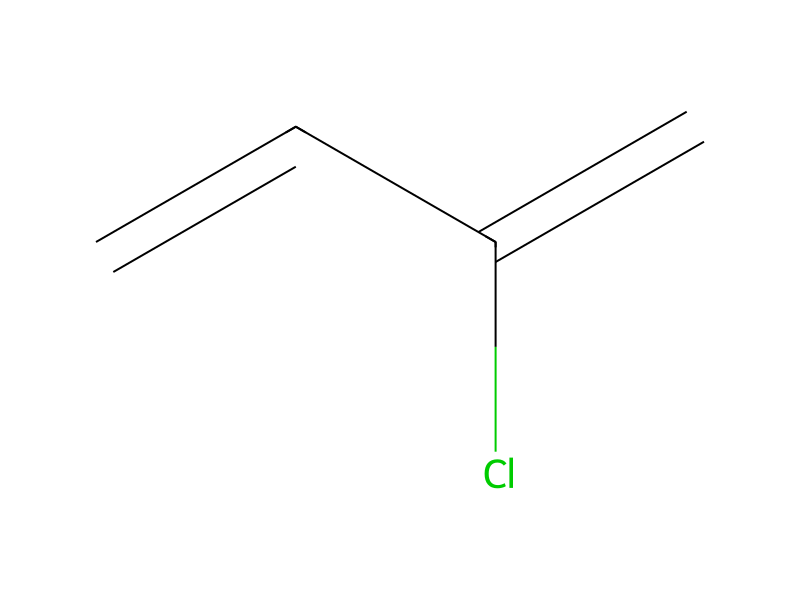
클로로프렌

Chloroprene

HCID 31369
새 노트새 반응견적 요청하기
인쇄 미리보기
기본 정보개요이름 및 식별자물성안전 및 규제화학 및 산업관련 반응화합물 노트
부분 구조 검색유사 구조 찾기

기본 정보

CAS
126-99-8
표준 SMILES
C=CC(=C)Cl
InChIKey
YACLQRRMGMJLJV-UHFFFAOYSA-N
분자식
C4H5Cl
평균 분자량
88.53 g/mol
단동위원소 질량
88.0079779

개요

Chloroprene can cause cancer according to The World Health Organization's International Agency for Research on Cancer (IARC) and The National Toxicology Program.

이름 및 식별자

우선 이름
Chloroprene
IUPAC
2-chlorobuta-1,3-diene
현지명
클로로프렌
영어명
2-chloro-1,3-butadiene
분자식
C4H5Cl
분자량
88.54

이름 및 동의어

CHLOROPRENE2-Chlorobuta-1,3-diene2-Chloro-1,3-butadiene126-99-8Chlorobutadiene2-Chlorobutadiene1,3-Butadiene, 2-chloro-ChloropreenCloroprenebeta-Chloroprene2-Chlor-1,3-butadienChloropren
이름 더 보기
클로로프렌베타-클로로프렌클로로프렌(2-클로로부타-1,3-다이엔)2-클로로-1,3-부타디엔2-클로로프렌CHLOROPENEBaypren M1Neoprene AHBaypren 110
2-Cloro-1,3-butadiene2-Chloor-1,3-butadieen42L93DWV3ADTXSID5020316NSC-18589CHEBI:39481NSC18589RefChem:125490

데이터베이스 식별자

CAS
126-99-8
PubChem CID
31369
DTXSID
DTXSID5020316
ChEMBL
CHEMBL555660
ChEBI
CHEBI:39481
UNII
42L93DWV3A
EC Number
204-818-0
Nikkaji
J384K

물성

구조 계산 물성

XLogP
2.3
극성 표면적
0 Ų
수소 결합 공여자 수
0
수소 결합 수용자 수
0
회전 가능 결합 수
1
무거운 원자 수
5
형식 전하
0
복잡도
54.7

실험 및 물리화학적 성질

Chemical Classes · 2건

Hazardous Air Pollutants (HAPs)

Carcinogens

PolymersPlastics & Rubber -> Other Monomers
PesticidesPesticide -> EPA IRIS
LogP2.2 (calculated)
OdorPungent, ether-like odor
Density · 6건

0.9583 at 68 °F (USCG, 1999) - Less dense than water; will float

0.956 @ 20 °C/4 °C

Density of saturated air: 1.57 (air= 1)

Relative density (water = 1): 0.96

0.96

.956 @ 20°C

Color/FormColorless liquid
Solubility · 5건

Slightly soluble (NTP, 1992)

Miscible in ethyl ether, acetone, and benzene; slightly soluble in water.

Soluble in alcohol, diethyl ether

Solubility in water, g/100ml at 20 °C: 0.03 (very poor)

Slight

Flash Point · 6건

-4 °F (NTP, 1992)

-4 °F

-20 °C (OPEN CUP)

-20 °C c.c.

-4 °F

-4 °F

안전 및 규제

안전 정보는 참고용이며, 공급업체의 물질안전보건자료(SDS), 관련 법규 및 전문가 평가를 대체하지 않습니다.

GHS 분류

GHS Classification · 6건

Danger

H225: Highly Flammable liquid and vapor [Danger Flammable liquids]

P203, P210, P233, P240, P241, P242, P243, P260, P261, P264, P264+P265, P270, P271, P280, P301+P317, P302+P352, P303+P361+P353, P304+P340, P305+P351+P338, P317, P318, P319, P321, P330, P332+P317, P337+P317, P362+P364, P370+P378, P403+P233, P403+P235, P405, and P501 (click each P-code to see the statement)

Danger

H225 (100%): Highly Flammable liquid and vapor [Danger Flammable liquids]

P203, P210, P233, P240, P241, P242, P243, P260, P261, P264, P264+P265, P270, P271, P273, P280, P301+P316, P301+P317, P302+P352, P303+P361+P353, P304+P340, P305+P351+P338, P308+P316, P317, P318, P319, P321, P330, P332+P317, P337+P317, P362+P364, P370+P378, P391, P403+P233, P403+P235, P405, and P501 (click each P-code to see the statement)

유해성 정보

Regulatory Information · 6건

Chemical: 1,3-Butadiene, 2-chloro-

Hazard Traits - Carcinogenicity; Cardiovascular Toxicity; Hepatotoxicity and Digestive System Toxicity; Neurotoxicity; Respiratory Toxicity

1,3-Butadiene, 2-chloro- is listed on the EPA's Chemical Data Reporting (CDR) system. Manufacturers and importers of 1,3-Butadiene, 2-chloro- are required to report information about their production and use of this chemical to the EPA under the Toxic Substances Control Act (TSCA). (40 eCFR Part 711)

REACH registered substance: 2-chlorobuta-1,3-diene (EC: 204-818-0)

1,3-Butadiene, 2-chloro-: HSNO Approval: HSR001109 Approved with controls

The New Jersey Worker and Community Right to Know Act requires public and private employers to provide information about hazardous substances at their workplaces. (N.J.S.A. 34:5A-1 et. seq.)

Other Safety InformationIMAP assessments - 1,3-Butadiene, 2-chloro-: Human health tier I assessment
DOT LabelFlammable Liquid Poison
Fire Hazards · 3건

화학 및 산업

약리 정보

Biological Half-LifeNo reports found; [TDR, p. 334]
Metabolism/MetabolitesWHEN MIXT OF CHLOROPRENE IN AIR WAS PASSED THROUGH A MOUSE LIVER MICROSOMAL PREPN, A VOLATILE ALKYLATING METABOLITE WAS FORMED, AS DEMONSTRATED BY TRAPPING WITH 4-(4-NITROBENZYL)PYRIDINE.
Absorption, Distribution and Excretion... RAPIDLY ABSORBED BY SKIN ... .

용도 및 제조

Uses · 5건

Chloroprene is a flammable liquid with a pungent odor. It is used primarily in the manufacture of polychloroprene (Neoprene TM, duprene) which is a polychloroprene elastomer that is used to make diverse products including adhesives, automotive and industrial parts (e.g., belts and hoses), wire and cable covers, adhesives, caulks, flame-resistant cushioning and other applications requiring chemical, oil, and/or weather resistance.

Used to manufacture synthetic rubber (neoprene and polychloroprene latex); [ACGIH]

... Used as a chemical intermediate in the manufacture of artificial rubber.

... AS COMPONENT OF ADHESIVES THAT ARE INTENDED FOR USE IN FOOD PACKAGING.

Manufacture of neoprene.

ImpuritiesINHIBITORS SUCH AS HYDROQUINONE OR PHENOTHIAZINE ARE GENERALLY ADDED WHEN IT IS TO BE STORED.
U.S. Production2023: 25,000,000 - <75,000,000 lb
Consumption PatternsESSENTIALLY 100% AS A MONOMER FOR NEOPRENE ELASTOMERS.
Industry UsesIntermediate
Methods of ManufacturingAddition of cold hydrochloric acid to vinylacetylene; chlorination of butadiene.

관련 반응

18건
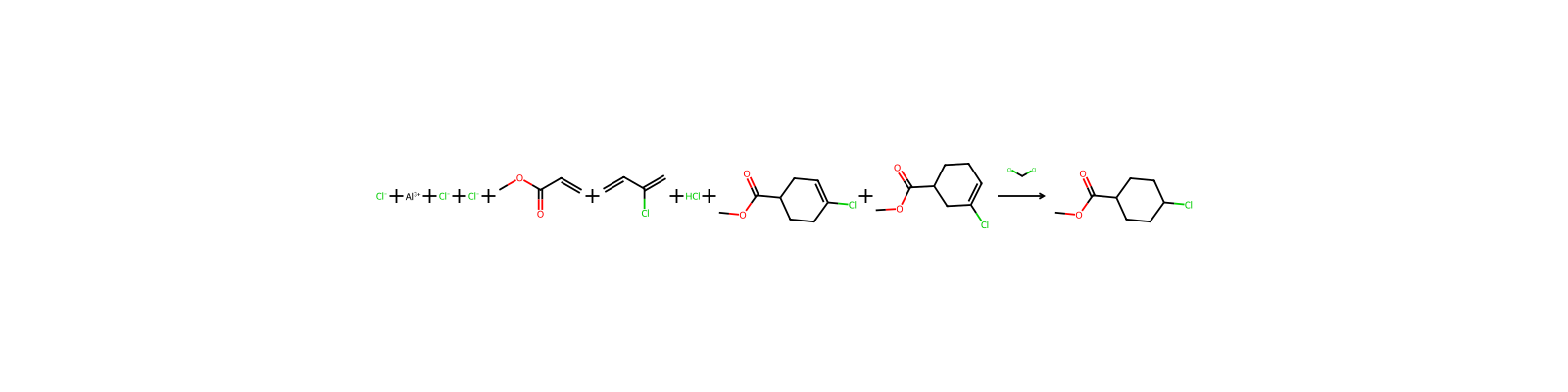
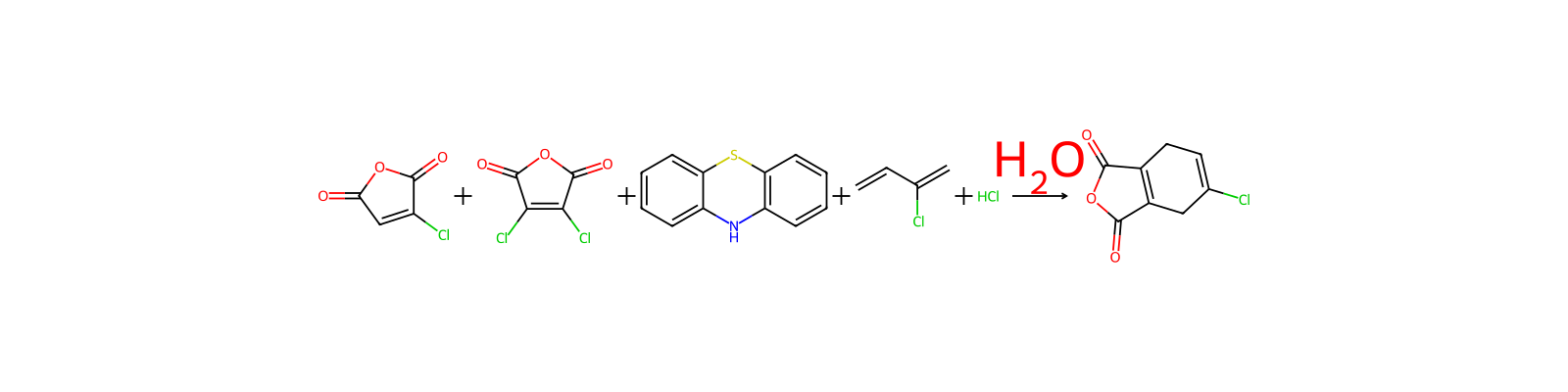
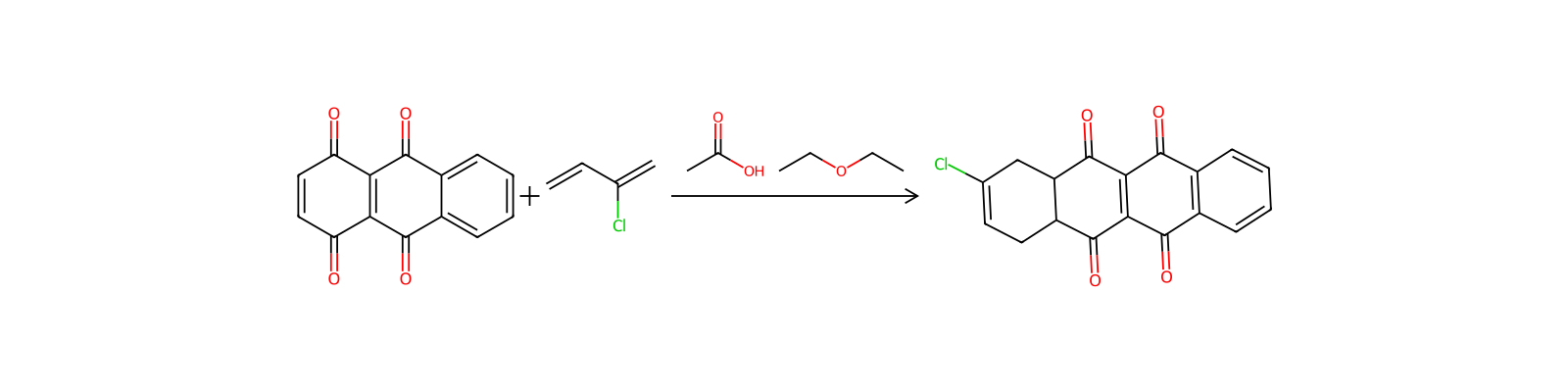
반응 기록 만들기
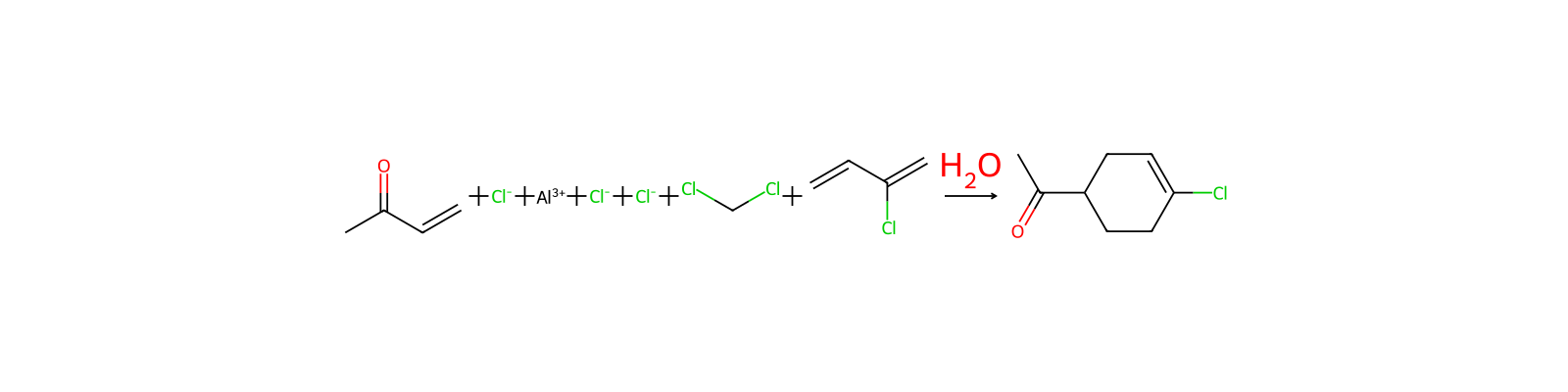
HRID 261157 반응식
HRID 261157반응물로uspto-grants-1979_08
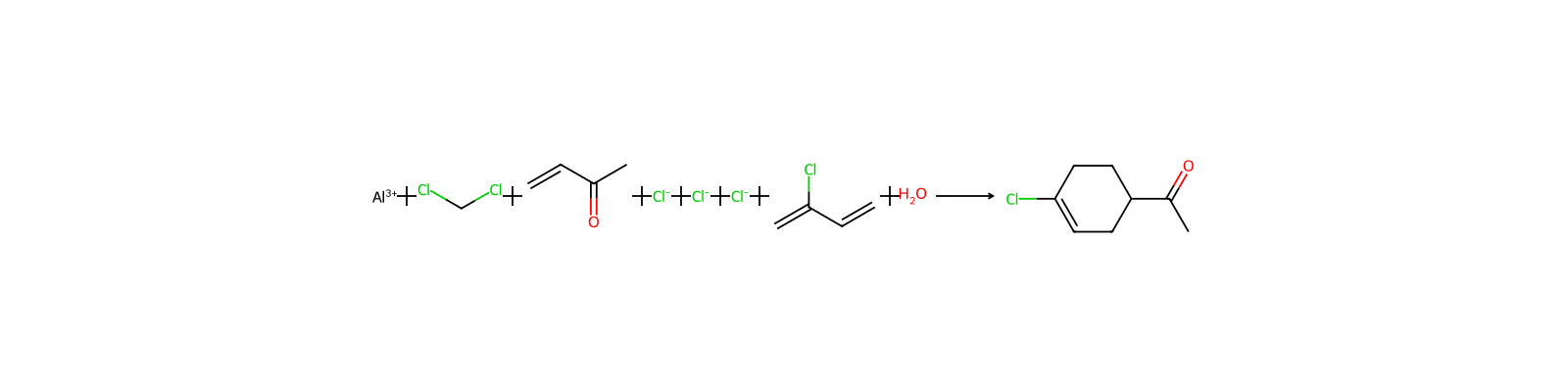
HRID 414647 반응식
HRID 414647반응물로uspto-grants-1988_12
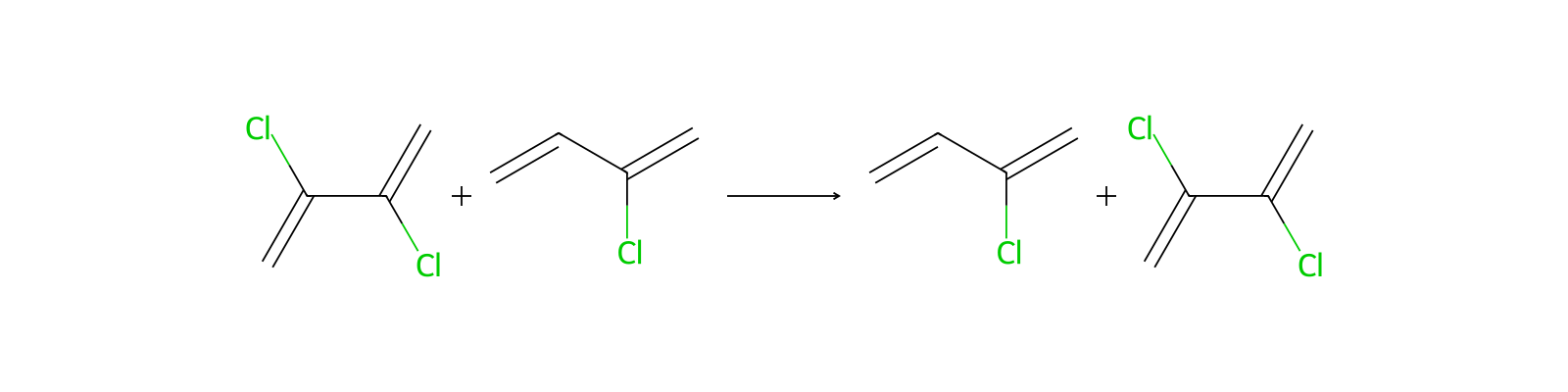
HRID 414649 반응식
HRID 414649반응물로uspto-grants-1988_12
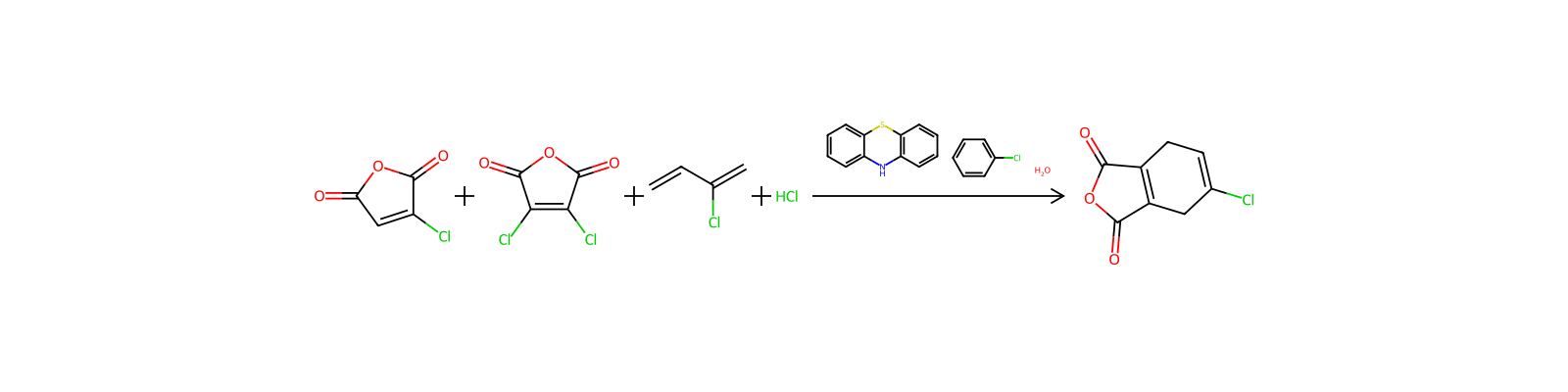
HRID 662319 반응식
HRID 662319반응물로Training data from https://doi.org/10.1039/C8SC04228D (3/10)
HRID 804091 반응식
HRID 804091반응물로Test data from https://doi.org/10.1039/C8SC04228D
HRID 963927 반응식
HRID 963927반응물로uspto-grants-1998_06
HRID 1109821 반응식
HRID 1109821반응물로uspto-grants-1994_06
HRID 1109822 반응식
HRID 1109822반응물로uspto-grants-1994_06
1 / 3 페이지

화합물 노트

불러오는 중…

이 페이지에서기본 정보개요이름 및 식별자물성안전 및 규제화학 및 산업관련 반응화합물 노트
더보기
새 노트새 반응견적 요청하기
Boiling Point · 6건

138.9 °F at 760 mmHg (NTP, 1992)

59.4 °C

59.4 °C

139 °F

59.4 °C @760 [mm Hg]

139 °F

DecompositionWhen heated to decomposition it emits toxic fumes of chlorine (Cl-).
Melting Point · 6건

-202 °F (NTP, 1992)

-130 °C

-130 °C

-153 °F

-130 °C

-153 °F

물리화학적 성질

녹는점
-130 °C · -130°C
끓는 점
59.45 °C · 59.45°C
밀도
0 · 0,958 g/cm3
증기압
118 at · 118 at 10 °C, 200 at 20 °C, 275 at 30 °C (quoted, Verschueren, 1983)
굴절률
1.4583 · 1.4583
인화점
11 °C · 11 °C
저장 조건
2 · 2-8°C
용해도
아세톤, 벤젠, 에테르에 용해됨(Weast, 1986)
물리적 상태
무색의 액체
수용성
256 mg/L · 256mg/L at 20℃
Henry's Law Constant
3.2 x · 3.20 x 10-2 atmm3/mol using method of Hine and Mookerjee (1975)
주요 응용
석유
InChI
1S/C4H5Cl/c1-3-4(2)5/h3H,1-2H2
InChIKey
YACLQRRMGMJLJV-UHFFFAOYSA-N
SMILES
ClC(=C)C=C
LogP
2.525 at · 2.525 at 20℃
EPA
Chloroprene (126-99-8)
화학적 성질 · 1건

Chloroprene (2-chloro-1,3-butadiene) is a flammable, colorless liquid at room temperature with a characteristic ether-like odor. The Odor Threshold is 0.4 milligram per cubic meter. It is slightly soluble in water and more soluble in organic solvents. It has not been found to occur naturally. Chloroprene is very unstable and reacts in air with oxygen and other compounds to form epoxides, peroxides, and other hazardous compounds.

Special Hazards of Combustion Products: Decomposes yielding toxic fumes

· HIGHLY FLAMMABLE: Will be easily ignited by heat, sparks or flames.

Highly flammable. Many reactions may cause fire or explosion. Gives off irritating or toxic fumes (or gases) in a fire. Vapour/air mixtures are explosive.

Fire PotentialA very dangerous fire hazard when exposed to heat or flame.
Health Hazards · 2건

INHALATION: Fatigue, psychic changes, irritability, oppression in chest, occasionally substernal pain, tachycardia upon exertion. EYES: Can cause conjunctivitis, corneal necrosis and edema of eyelids. SKIN: May cause dermatitis and temporary loss of hair. Rapidly absorbed by skin. (USCG, 1999)

· TOXIC; may be fatal if inhaled, ingested or absorbed through skin.

Hazards Summary · 2건

Symptoms reported from acute (short-term) human exposure to high concentrations of chloroprene include giddiness, headache, irritability, dizziness, insomnia, fatigue, respiratory irritation, cardiac palpitations, chest pains, nausea, gastrointestinal disorders, dermatitis, temporary hair loss, conjunctivitis, and corneal necrosis. Symptoms of chronic (long-term) exposure in workers were fatigue, chest pains, giddiness, irritability, dermatitis, and hair loss. Chronic occupational exposure to chloroprene vapor may contribute to liver function abnormalities, disorders of the cardiovascular system, and depression of the immune system. Occupational studies have found that exposure to chloroprene increases the risk of liver cancer. Studies in animals have found an increased risk of tumors in multiple organs. The EPA has classified chloroprene as likely to be carcinogenic to humans.

Chloroprene was toxic to workers at 80 ppm and dangerous at 200 ppm causing respiratory irritation and respiratory depression. Acute animal studies show evidence of liver injury. TLV Basis is lung cancer, upper respiratory tract irritation, and eye irritation. A 2-year rodent bioassay found lung cancer as the most frequently occurring neoplastic lesion. A cohort of 5000 workers exposed to a mean concentration of 5.23 ppm for a median of 18 years had no increased deaths from lung cancer or other cancers over a 60-year follow-up. [ACGIH] A lachrymator; [HSDB] Can cause chemical burns; [NIOSH Guidelines for Chemical Hazards] In high-dose reproductive studies of animals, chloroprene or its metabolites can cause testicular damage. Increased spontaneous abortions were measured in one population study of exposed workers. [Frazier, p. 338-9] Chloroprene (UN1991) has warning of explosive polymerization; [ERG 2016]

DOT ID and Guide · 2건

1991 131P

1991 131P(inhibited)

FDA RequirementsChloroprene is an indirect food additive for use only as a component of adhesives.
Reactive GroupHalogenated Organic Compounds
EC ClassificationSymbol: F, T; R: 45-11-20/22-36/37/38-48/20; S: 53-45; Note: D, E
UN ClassificationUN Hazard Class: 3; UN Subsidiary Risks: 6.1; UN Pack Group: I

안전 및 보호

Fire Fighting · 2건

Excerpt from ERG Guide 131 [Flammable Liquids - Toxic; polymerization hazard]:

Use powder, water spray, foam, carbon dioxide. In case of fire: keep drums, etc., cool by spraying with water.

First Aid Measures · 4건

Fresh air, rest. Half-upright position. Refer immediately for medical attention.

Remove contaminated clothes. Rinse and then wash skin with water and soap. Refer immediately for medical attention.

Rinse with plenty of water (remove contact lenses if easily possible). Refer for medical attention.

Rinse mouth. Do NOT induce vomiting. Refer immediately for medical attention.

Accidental Release Measures · 2건

· CALL 911. Then call emergency response telephone number on shipping paper. If shipping paper not available or no answer, refer to appropriate telephone number listed on the inside back cover.

· ELIMINATE all ignition sources (no smoking, flares, sparks or flames) from immediate area.

First Aid · 3건

EYES: First check the victim for contact lenses and remove if present. Flush victim's eyes with water or normal saline solution for 20 to 30 minutes while simultaneously calling a hospital or poison control center. Do not put any ointments, oils, or medication in the victim's eyes without specific instructions from a physician. IMMEDIATELY transport the victim after flushing eyes to a hospital even if no symptoms (such as redness or irritation) develop.

General First Aid:

(General first aid procedures)

Safe StorageFireproof. Separated from food and feedstuffs and incompatible materials. See Chemical Dangers. Cool. Keep in the dark. Well closed. Store only if stabilized. Store in an area without drain or sewer access.
Exposure Control and Personal Protection· Wear positive pressure self-contained breathing apparatus (SCBA).
Fire Fighting Procedures · 2건

DANGEROUS CHLOROPRENE FIRES ARE BEST EXTINGUISHED BY SHUTTING OFF THE SOURCE OF FUEL. CARBON DIOXIDE, DRY CHEMICALS, AND WATER SPRAY (FOG NOZZLE) MAY BE USED AS CONTROL MEASURES.

To fight fire use alcohol foam.

Storage Conditions · 2건

/OXIDATION/...INHIBITED BY STORAGE AT LESS THAN -15 °C AND/OR BY THE ADDN OF ANTIOXIDANTS TO THE FRESH DISTILLATE.

PRECAUTIONS FOR "CARCINOGENS": Storage site should be as close as practical to lab in which carcinogens are to be used, so that only small quantities required for ... expt need to be carried. Carcinogens should be kept in only one section of cupboard, an explosion-proof refrigerator or freezer (depending on chemicophysical properties ...) that bears appropriate label. An inventory ... should be kept, showing quantity of carcinogen & date it was acquired ... Facilities for dispensing ... should be contiguous to storage area. /Chemical Carcinogens/

Cleanup Methods · 2건

1. REMOVE ALL IGNITION SOURCES. 2. VENTILATE AREA OF SPILL OR LEAK. 3. FOR SMALL QUANTITIES, ABSORB ON PAPER TOWELS. EVAPORATE IN A SAFE PLACE (SUCH AS A FUME HOOD). ALLOW SUFFICIENT TIME FOR EVAPORATING VAPORS TO COMPLETELY CLEAR THE HOOD DUCTWORK. BURN THE PAPER IN A SUITABLE LOCATION AWAY FROM COMBUSTIBLE MATERIALS.

PRECAUTIONS FOR "CARCINOGENS": A high-efficiency particulate arrestor (HEPA) or charcoal filters can be used to minimize amt of carcinogen in exhausted air ventilated safety cabinets, lab hoods, glove boxes or animal rooms ... Filter housing that is designed so that used filters can be transferred into plastic bag without contaminating maintenance staff is avail commercially. Filters should be placed in plastic bags immediately after removal ... The plastic bag should be sealed immediately ... The sealed bag should be labelled properly ... Waste liquids ... should be placed or collected in proper containers for disposal. The lid should be secured & the bottles properly labelled. Once filled, bottles should be placed in plastic bag, so that outer surface ... is not contaminated ... The plastic bag should also be sealed & labelled. ... Broken glassware ... should be decontaminated by solvent extraction, by chemical destruction, or in specially designed incinerators. /Chemical Carcinogens/

Nonfire Spill ResponseExcerpt from ERG Guide 131 [Flammable Liquids - Toxic; polymerization hazard]:
Disposal Methods · 5건

SRP: At the time of review, criteria for land treatment or burial (sanitary landfill) disposal practices are subject to significant revision. Prior to implementing land disposal of waste residue (including waste sludge), consult with environmental regulatory agencies for guidance on acceptable disposal practices.

Due to their high reactivity and volatility chloroprene and chloroprene containing wastes cannot be dumped. Therefore, if the chloroprene cannot be distilled, the wastes have to be destroyed in special waste incinerators. Because of the large quantities of chlorine present in exhaust gases during incineration, the flue gases have to be scrubbed. Recommendable method: Incineration. Non recommendable method: Landfill. Peer-review: Potentially polymerized and then landfilled. (Peer-review conclusions of an IRPTC expert consultation (May 1985))

Incineration, preferably after mixing with another combustible fuel. Care must be exercised to assure complete combustion to prevent the formation of phosgene. An acid scrubber is necessary to remove the halo acids produced.

LARGE QUANTITIES CAN BE COLLECTED AND ATOMIZED IN A SUITABLE COMBUSTION CHAMBER EQUIPPED WITH AN APPROPRIATE EFFLUENT GAS CLEANING DEVICE. CHLOROPRENE SHOULD NOT BE ALLOWED TO ENTER A CONFINED SPACE, SUCH AS A SEWER, BECAUSE OF THE POSSIBILITY OF AN EXPLOSION. SEWERS DESIGNED TO PRECLUDE THE FORMATION OF EXPLOSIVE CONCENTRATIONS OF CHLOROPRENE VAPORS ARE PERMITTED.

For more Disposal Methods (Complete) data for 2-CHLORO-1,3-BUTADIENE (8 total), please visit the HSDB record page.

Spillage Disposal · 1건

Remove all ignition sources. Evacuate danger area! Consult an expert! Personal protection: complete protective clothing including self-contained breathing apparatus. Ventilation. Collect leaking liquid in sealable containers. Absorb remaining liquid in sand or inert absorbent. Then store and dispose of according to local regulations. Do NOT wash away into sewer.

독성 정보

Cancer Sites · 2건

Dermal

[lung & skin cancer]

Interactions · 2건

PRETREATMENT WITH AROCLOR PREVENTED LIVER INJURY FOLLOWING EXPOSURE TO 100 & 300 PPM OF CHLOROPRENE. LUNG NONPROTEIN SULFHYDRYL CONCN WAS NOT DECR BY CHLOROPRENE EXPOSURE OF POLYCHLORINATED BIPHENYL PRETREATED RATS.

The brain ATP levels in rats were decreased at 7-30 days after the ip injection of chloroprene (600 umol/100 g body weight). However, the simultaneous administration of alpha-tocopherol acetate (0.1 mg/100 g body weight) counteracted this effect of chloroprene. The toxicity of chloroprene depletes the endogenous alpha-tocopherol supply. Administration of exogenous alpha-tocopherol can then counteract this toxic effect of chloroprene.

Target Organs · 2건

Immune

Eyes, skin, respiratory system, reproductive system

Environmental Fate · 3건

TERRESTRIAL FATE: Based on a classification scheme(1), an estimated Koc value of 68(SRC), determined from a structure estimation method(2), indicates that 2-chloro-1,3-butadiene is expected to have high mobility in soil(SRC). Volatilization of 2-chloro-1,3-butadiene from moist soil surfaces is expected to be an important fate process(SRC) given an estimated Henry's Law constant of 0.056 atm-cu m/mole (SRC), using a fragment constant estimation method(3). The potential for volatilization of 2-chloro-1,3-butadiene from dry soil surfaces may exist(SRC) based upon a vapor pressure of 215 mm Hg(4). 2-Chloro-1,3-butadiene will not be susceptible to chemical hydrolysis(SRC).

AQUATIC FATE: Based on a classification scheme(1), an estimated Koc value of 68(SRC), determined from a structure estimation method(2), indicates that 2-chloro-1,3-butadiene is not expected to adsorb to suspended solids and sediment(SRC). Volatilization from water surfaces is expected(3) based upon an estimated Henry's Law constant of 0.056 atm-cu m/mole(SRC), developed using a fragment constant estimation method(4). Using this Henry's Law constant and an estimation method(3), volatilization half-lives for a model river and model lake are 3 hours and 4 days, respectively(SRC). According to a classification scheme(5), an estimated BCF of 18(SRC), from an estimated log Kow of 2.53(6) and a regression-derived equation(7), suggests the potential for bioconcentration in aquatic organisms is low. 2-Chloro-1,3-butadiene is not expected to undergo chemical hydrolysis(SRC) because of the lack of hydrolyzable functional groups(3).

ATMOSPHERIC FATE: According to a model of gas/particle partitioning of semivolatile organic compounds in the atmosphere(1), 2-chloro-1,3-butadiene, which has a vapor pressure of 2.15X10+2 mm Hg at 25 °C, is expected to exist solely as a vapor in the ambient atmosphere. Vapor-phase 2-chloro-1,3-butadiene is degraded in the atmosphere by reaction with photochemically-produced hydroxyl radicals, ozone molecules and nitrate radicals(SRC). The half-life for the reaction in air with hydroxyl radicals is estimated to be 18 hours(SRC), calculated from its rate constant of 22X10-12 cu cm/molecule-sec at 25 °C(SRC), determined using a structure estimation method(2). The rate constant for the vapor-phase reaction of 2-chloro-1,3-butadiene with ozone has been estimated as 0.12X10⁻¹⁷ cu cm/molecule-sec at 25 °C(SRC) using a structure estimation method(2). This corresponds to an atmospheric half-life of about 10 days(SRC) at an atmospheric concentration of 7X10+11 ozone molecules per cu cm(3). The gas phase reaction of 2-chloro-1,3-butadiene with nitrate radicals may be an important atmospheric removal process in urban areas at night(4), but the rate of this reaction is not known.

Adverse EffectsNeurotoxin - Other CNS neurotoxin
Exposure Routes · 2건

The substance can be absorbed into the body by inhalation of its vapour, through the skin and by ingestion.

inhalation, skin absorption, ingestion, skin and/or eye contact

Signs and Symptoms · 5건

Cough. Sore throat. Headache. Dizziness. Drowsiness. Laboured breathing. Heart palpitations. Unconsciousness.

MAY BE ABSORBED! Redness. Pain. Burning sensation. See Inhalation.

Redness. Pain. Corneal damage.

See Inhalation.

irritation eyes, skin, respiratory system; anxiety, irritability; dermatitis; alopecia; reproductive effects; [potential occupational carcinogen]

Ongoing Test Status · 1건

The following link will take the user to the National Toxicology Program (NTP) Test Agent Search Results page, which tabulates all of the "Standard Toxicology & Carcinogenesis Studies", "Developmental Studies", and "Genetic Toxicity Studies" performed with this chemical. Clicking on the "Testing Status" link will take the user to the status (i.e., in review, in progress, in preparation, on test, completed, etc.) and results of all the studies that the NTP has done on this chemical. [http://ntp-apps.niehs.nih.gov/ntp_tox/index.cfm?fuseaction=ntpsearch.searchresults&searchterm=126-99-8]

Effluent Concentrations2-Chloro-1,3-butadiene was identified in 1 out of 33 industrial effluents at a concentration greater than 100 ug/l, detection limit of 10 ug/l(1).
EPA IRIS Information · 4건

Chloroprene

Dermal

Immune

2 x 10 ^-2 mg/m^3

Medical Surveillance · 2건

PERIODIC EXAMINATION. RENAL AND HEPATIC FUNCTION.

PRECAUTIONS FOR "CARCINOGENS": Whenever medical surveillance is indicated, in particular when exposure to a carcinogen has occurred, ad hoc decisions should be taken concerning ... /cytogenetic and/or other/ tests that might become useful or mandatory. /Chemical Carcinogens/

Soil Adsorption/Mobility · 1건

Using a structure estimation method based on molecular connectivity indices(1), the Koc for 2-chloro-1,3-butadiene can be estimated to be 68(SRC). According to a classification scheme(2), this estimated Koc value suggests that 2-chloro-1,3-butadiene is expected to have high mobility in soil.

규제 정보

FDA RequirementsChloroprene is an indirect food additive for use only as a component of adhesives.
TSCA Requirements · 2건

Pursuant to section 8(d) of TSCA, EPA promulgated a model Health and Safety Data Reporting Rule. The section 8(d) model rule requires manufacturers, importers, and processors of listed chemical substances and mixtures to submit to EPA copies and lists of unpublished health and safety studies. Chloroprene is included on this list.

Section 8(a) of TSCA requires manufacturers of this chemical substance to report preliminary assessment information concerned with production, use, and exposure to EPA as cited in the preamble of the 51 FR 41329.

Atmospheric Standards · 3건

This action promulgates standards of performance for equipment leaks of Volatile Organic Compounds (VOC) in the Synthetic Organic Chemical Manufacturing Industry (SOCMI). The intended effect of these standards is to require all newly constructed, modified, and reconstructed SOCMI process units to use the best demonstrated system of continuous emission reduction for equipment leaks of VOC, considering costs, non air quality health and environmental impact and energy requirements. Chloroprene is produced, as an intermediate or a final product, by process units covered under this subpart.

Listed as a hazardous air pollutant (HAP) generally known or suspected to cause serious health problems. The Clean Air Act, as amended in 1990, directs EPA to set standards requiring major sources to sharply reduce routine emissions of toxic pollutants. EPA is required to establish and phase in specific performance based standards for all air emission sources that emit one or more of the listed pollutants. 2-Chloro-1,3-butadiene is included on this list.

... Substances for which a Federal Register notice has been published that included consideration of the serious health effects, including cancer, from ambient air exposure to the substance. Chloroprene is included on this list.

CERCLA Reportable Quantities · 1건

Persons in charge of vessels or facilities are required to notify the National Response Center (NRC) immediately, when there is a release of this designated hazardous substance, in an amount equal to or greater than its reportable quantity of 100 lb or 45.4 kg. The toll free number of the NRC is (800) 424-8802; In the Washington D.C. metropolitan area (202) 426-2675. The rule for determining when notification is required is stated in 40 CFR 302.4 (section IV. D.3.b).

안전 데이터

OEL
Ceiling: 1 ppm (3.6 mg/m3) [15-minute]
wgk
3
IDLA
300 ppm
tsca
TSCA listed
ridadr
UN 1991 (CHLOROPRENE, STABILIZED)
독성
Acute oral LD50 for mice 260 mg/kg, rats 900 mg/kg (quoted, RTECS, 1985).
risk_code
10-20/22-36-48/20-36/37/38-11-45-39/23/24/25-23/24/25
hazard_code
F,T
safety_code
16-45-53-36/37-7
포장분류
I
위험 등급
3
기존화학 물질
KE-05559
Hazard Classifications
Acute Tox. 3 DermalAcute Tox. 3 InhalationAcute Tox. 3 OralCarc. 1BFlam. Liq. 2STOT SE 1
스토리지 클래스
3 - Flammable liquids
유해 물질 데이터
126-99-8(Hazardous Substances Data)
Formulations/Preparations
Grade: Pure, 95% min.
General Manufacturing Information · 3건

Synthetic Rubber Manufacturing

1,3-Butadiene, 2-chloro-: ACTIVE

... ISOLATION OF 3,4-DICHLORO-1-BUTENE ISOMER (INCL SOME FROM ISOMERIZATION OF 1,4-1SOMER) & REACTION WITH SODIUM HYDROXIDE; DIMERIZATION OF ACETYLENE & ADDITION OF HYDROGEN CHLORIDE (FORMER METHOD; NON USA METHOD).

응용 분야 · 3건

개요Chloroprene, 2-chloro-1,3-butadiene, is a colorless, volatile synthetic liquid that has a pungent ether-like odor. Synthesis of chloroprene was first reported by chemists of the E. I. du Pont de Nemours Company in 1931 following studies of acetylene polymerization with the objective of producing synthetic rubber. The chloroprene monomer differs from isoprene, the fundamental monomer of natural rubber, only by substitution of chlorine for the methyl group of isoprene. Chloroprene was observed to polymerize much more quickly than did isoprene. In industrial processes prior to 1960, chloroprene was produced in relatively high yields by reacting vinyl acetylene with hydrogen chloride. Today, chloroprene is produced more efficiently by chlorination of 1,3-butadiene. When compared with natural rubber the chloroprene synthetic polymer, polychloroprene, was noted to be much denser, more resistant to water and hydrocarbon solvents, less permeable to many gases, and was more resistant to degradation by oxygen, ozone, hydrogen chloride, hydrogen fluoride, and other chemicals. Due to desirable physical and chemical properties, polychloroprene and its latex polymers are produced in quantities exceeding 200 000 metric tons at a limited number of facilities around the world. Chloroprene production is closely tied to demand for polychloroprene.

용도Manufacture of neoprene.

일반 설명A clear colorless liquid. Flash point -4°F. May polymerize exothermically if heated or contaminated. If polymerization takes place inside a container, the container may rupture violently. Less dense than water. Vapors heavier than air. Used to make neoprene rubber.

제조 방법 · 2건

생산 방법Chloroprene can be synthesized by addition of HCl to vinyl acetylene H2C=CHC≡CH +HCl → H2C=CHCCl=CH2, and by dehydrochlorination of dichlorobutenes or 2,2,3-trichlorobutane.

Preparation of chloroprene from butadiene In this method, the following route is used:In the first step, butadiene is chlorinated in the vapour phase at 330-420 and atmospheric pressure. The main products are 3,4-dichloro-l-butene and 1,4-dichloro-2-butene in approximately equal amounts. The latter material is then isomerized to the former by heating with a copper catalyst such as cuprous chloride. The 3,4-dichloro-l-butene is dehydrochlorinated by treatment with 10% aqueous sodium hydroxide at 85. Chloroprene is isolated by distillation under reduced pressure in the presence of polymerization inhibitors.

상·하류 제품 정보

상류 원료

부텐-3-인염화구리(Ⅰ)시스-1,4-디클로로-2-부텐

하류 제품

네오프렌메틸4-클로로-3-사이클로헥센-1-카르복실레이트1,4-부탄디올메틸4-(아미노메틸)사이클로헥산카복실레이트leather binder CAF테트라하이드로푸란5-클로로-2-시아노피리딘메틸4-시아노-3-사이클로헥세카복실레이트디메톡시메탄디클로로(1,3-)-2-부텐

추가 설명

정의A colorless liquid derivative of butadiene used in the manufacture of neoprene rubber.