

기본 정보
- 표준 SMILES
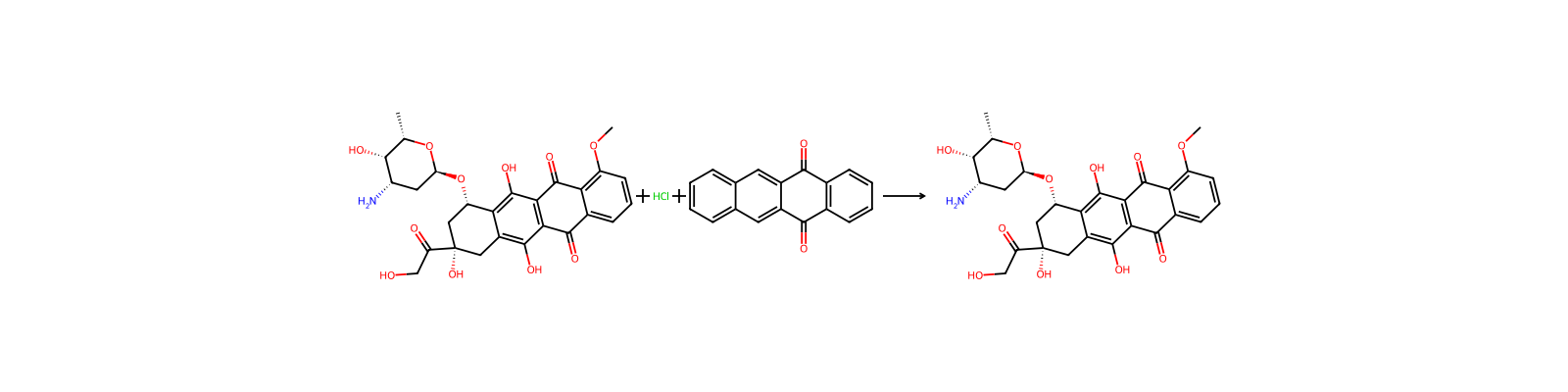
COc1cccc2c1C(=O)c1c(O)c3c(c(O)c1C2=O)C[C@@](O)(C(=O)CO)C[C@@H]3O[C@H]1C[C@H](N)[C@H](O)[C@H](C)O1- InChIKey
AOJJSUZBOXZQNB-TZSSRYMLSA-N- 분자식
- C27H29NO11
- 평균 분자량
- 543.5 g/mol
- 단동위원소 질량
- 543.17406075
개요
Doxorubicin is a primary alpha-hydroxy ketone, a tertiary alpha-hydroxy ketone, a member of p-quinones, a deoxy hexoside, an aminoglycoside, an anthracycline, an anthracycline antibiotic and a member of tetracenequinones. It has a role as an Escherichia coli metabolite. It is functionally related to an Adriamycinone. It is a conjugate base of a doxorubicin(1+). It derives from a hydride of a tetracene.
이름 및 식별자
- 우선 이름
- Doxorubicin
- IUPAC
- (7S,9S)-7-[(2R,4S,5S,6S)-4-amino-5-hydroxy-6-methyloxan-2-yl]oxy-6,9,11-trihydroxy-9-(2-hydroxyacetyl)-4-methoxy-8,10-dihydro-7H-tetracene-5,12-dione
- 현지명
- 도옥소루비신
- 영어명
- Adriamycin
- 분자식
- C27H29NO11
- 분자량
- 543.52
이름 및 동의어
doxorubicinAdriamycin23214-92-8AdriablastinDoxorubicine14-HydroxydaunomycinDoxorubicinumDoxorubicina14-HydroxydaunorubicineNDC 38242-874NSC 123127NSC-123127
이름 더 보기
도옥소루비신도옥소루비신(DOXORUBICIN)DoxilAdriamycin PFSPK 2RubexHydroxydaunoMycinDoxorubicin hydrohloride10-((3-amino-2,3,6-trideoxy-alpha-l-lyso-hexopyranosyl)oxy)-7,8,9,10-tetrahydro-6,8,11-trihydroxy-8-(hydroxyacetyl)-1-methoxy-5,12-naphthacenedione(1s,3s)-3,5,12-trihydroxy-3-(hydroxyacetyl)-10-methoxy-6,11-dioxo-1,2,3,4,6,11-hexahydrotetracen-1-yl 3-amino-2,3,6-trideoxy-alpha-l-lyxo-hexopyranoside(8S-cis)-10-(3-Amino-2,3,6-Trideoxy-alpha-L-Lyxo-Hexopyranosyl)Oxy-7,8,9,10-Tetrahydro-6,8,11-Trihydroxy-8-(Hydroxyacetyl)-1-Methoxy-5,12-Naphthacenedione
(7S,9S)-7-[(2R,4S,5S,6S)-4-amino-5-hydroxy-6-methyloxan-2-yl]oxy-6,9,11-trihydroxy-9-(2-hydroxyacetyl)-4-methoxy-8,10-dihydro-7H-tetracene-5,12-dioneNSC-75915580168379AGDTXSID8021480CHEBI:28748(1S,3S)-3-glycoloyl-3,5,12-trihydroxy-10-methoxy-6,11-dioxo-1,2,3,4,6,11-hexahydrotetracen-1-yl 3-amino-2,3,6-trideoxy-alpha-L-lyxo-hexopyranoside(8S,10S)-10-{[(2R,4S,5S,6S)-4-amino-5-hydroxy-6-methyloxan-2-yl]oxy}-6,8,11-trihydroxy-8-(2-hydroxyacetyl)-1-methoxy-5,7,8,9,10,12-hexahydrotetracene-5,12-dione5,12-Naphthacenedione, 10-((3-amino-2,3,6-trideoxy-alpha-L-lyxo-hexopyranosyl)oxy)-7,8,9,10-tetrahydro-6,8,11-trihydroxy-8-(hydroxyacetyl)-1-methoxy-, (8S-cis)-
데이터베이스 식별자
- CAS
23214-92-8- PubChem CID
- 31703
- DTXSID
DTXSID8021480- ChEMBL
CHEMBL53463- ChEBI
CHEBI:28748- UNII
- 80168379AG
- EC Number
- 245-495-6
- Nikkaji
- J3.792C
물성
구조 계산 물성
- XLogP
- 1.3
- 극성 표면적
- 206 Ų
- 수소 결합 공여자 수
- 6
- 수소 결합 수용자 수
- 12
- 회전 가능 결합 수
- 5
- 무거운 원자 수
- 39
- 형식 전하
- 0
- 복잡도
- 977
실험 및 물리화학적 성질
Drugs
Pharmaceuticals -> Antibiotics
Pharmaceuticals -> Listed in ZINC15
LipidsPolyketides [PK] -> Aromatic polyketides [PK13] -> Anthracyclinones [PK1305]
LogP
log Kow = 1.27
-0.5
Color/FormRed, crystalline solid
Solubility
~10 mg/ml
2% sol in water; soluble in aqueous alcohols; moderately soluble in anhydrous methanol; insoluble in non-polar organic solvents
1.18e+00 g/L
Human Drugs
Breast Feeding; Lactation; Milk, Human; Antineoplastic Agents; Anthracyclines; Antibiotics, Antineoplastic; Topoisomerase II Inhibitors
EMA approved medicines: Human medicine
EMA approved medicines: Human medicine
EMA approved medicines: Human medicine
Cytotoxic medicines
Endocrine DisruptorsPotential endocrine disrupting compound
DecompositionWhen heated to decomposition /temp unspecified/, adriamycin emits toxic fumes of ... /nitrogen oxides/ and hydrochloric acid.
Melting Point
229-231 °C
230 °C
MELTING POINT: 205 °C WITH DECOMP; PKA: 8.22; ALMOST ODORLESS; HYGROSCOPIC /HYDROCHLORIDE/
204 - 205 °C
Optical RotationSpecific optical rotation: +248 deg at 20 °C/D (0.1% in methanol)
Physical DescriptionSolid
Stability/Shelf LifeNeutral aq soln are stable at room temp
물리화학적 성질
- 녹는점
- 205 °C · 205°C
- 끓는 점
- 617.77 °C · 617.77°C (rough estimate)
- 밀도
- 1.3783 · 1.3783 (rough estimate)
- 굴절률
- 1.64 · 1.6400 (estimate)
- 저장 조건
- 2 · Keep in dark place,Sealed in dry,2-8°C
- 용해도
- 27.2 mg/mL · ≥27.2 mg/mL in DMSO; insoluble in EtOH; ≥24.8 mg/mL in H2O with ultrasonic
- 물리적 상태
- 고체
- 산도 계수 (pKa)
- 8.2 · pKa 8.2 (Uncertain)
- 수용성
- 녹는
- InChIKey
- AOJJSUZBOXZQNB-XFGIOHMQNA-N
- SMILES
- OC1C2C(C3=CC=CC(OC)=C3C(=O)C=2C(O)=C2[C@H](C[C@](O)(C(=O)CO)CC=12)O[C@]1([H])O[C@@H](C)[C@@H](O)[C@@H](N)C1)=O |&1:18,20,29,32,34,36,r|
- EPA
- Doxorubicin (23214-92-8)
화학적 성질
Adriamycin is an orange to red cake-like or needle-like crystalline solid.
안전 및 규제
GHS 분류
GHS Classification
Danger
H302 (100%): Harmful if swallowed [Warning Acute toxicity, oral]
P203, P264, P270, P280, P301+P317, P318, P330, P405, and P501 (click each P-code to see the statement)
Aggregated GHS information provided per 38 reports by companies from 1 notifications to the ECHA C&L Inventory. Each notification may be associated with multiple companies.
유해성 정보
Regulatory Information
Hazard Traits - Carcinogenicity
5,12-Naphthacenedione, 10-(3-amino-2,3,6-trideoxy-.alpha.-L-lyxo-hexopyranosyl)oxy-7,8,9,10-tetrahydro-6,8,11-trihydroxy-8-(hydroxyacetyl)-1-methoxy-, (8S,10S)-: Does not have an individual approval but may be used under an appropriate group standard
FDA Requirements
The Approved Drug Products with Therapeutic Equivalence Evaluations List identifies currently marketed prescription drug products, incl doxorubicin hydrochloride, approved on the basis of safety and effectiveness by FDA under sections 505 of the Federal Food, Drug, and Cosmetic Act. /Doxorubicin hydrochloride/
Special Reports
National Toxicology Program. Eleventh Report on Carcinogens (2005). The Report on Carcinogens is an informational scientific and public health document that identifies and discusses substances (including agents, mixtures, or exposure circumstances) that may pose a carcinogenic hazard to human health. Adriamycin (Doxorubicin Hydrochloride) (23214-92-8) is listed as reasonably anticipated to be a human carcinogen. /Doxorubicin Hydrochloride/[Available from, as of July 31, 2009: http://ntp.niehs.nih.gov/ntp/roc/eleventh/profiles/s005adri.pdf]
WHO; Environmental Health Criteria 119: Principles and Methods for the Assessment of Nephrotoxicity Associated with Exposure to Chemicals (1991)
Hazard Classes and CategoriesAcute Tox. 4 (100%)
Shipment Methods and Regulations
PRECAUTIONS FOR "CARCINOGENS": Procurement ... of unduly large amt ... should be avoided. To avoid spilling, carcinogens should be transported in securely sealed glass bottles or ampoules, which should themselves be placed inside strong screw-cap or snap-top container that will not open when dropped & will resist attack from the carcinogen. Both bottle & the outside container should be appropriately labelled. ... National post offices, railway companies, road haulage companies & airlines have regulations governing transport of hazardous materials. These authorities should be consulted before ... material is shipped. /Chemical Carcinogens/
PRECAUTIONS FOR "CARCINOGENS": When no regulations exist, the following procedure must be adopted. The carcinogen should be enclosed in a securely sealed, watertight container (primary container), which should be enclosed in a second, unbreakable, leakproof container that will withstand chem attack from the carcinogen (secondary container). The space between primary & secondary container should be filled with absorbent material, which would withstand chem attack from the carcinogen & is sufficient to absorb the entire contents of the primary container in the event of breakage or leakage. Each secondary container should then be enclosed in a strong outer box. The space between the secondary container & the outer box should be filled with an appropriate quantity of shock-absorbent material. Sender should use fastest & most secure form of transport & notify recipient of its departure. If parcel is not received when expected, carrier should be informed so that immediate effort can be made to find it. Traffic schedules should be consulted to avoid ... arrival on weekend or holiday ... /Chemical Carcinogens/
/PRECAUTIONS FOR ANTINEOPLASTIC AGENTS:/ Methods for transporting hazardous drugs to the health-care setting should be consistent with environmental protection and national or local regulations for transporting hazardous substances. When hazardous drugs are being transported to the home-care setting, appropriate containers (eg, lined cardboard boxes) and procedures should be used to prevent breakage and contain leakage. ... The drugs must be securely capped or sealed and properly packaged and protected during transport to reduce further the chance of breakage and spillage in a public area such as a corridor or elevator. /Antineoplastic agents/
Hazardous Reactivities and Incompatibilities
Doxorubicin hydrochloride solution is chemically incompatible with heparin sodium injection, and a precipitate may form if the solutions are mixed. Doxorubicin hydrochloride solution also is reportedly incompatible with fluorouracil, and a precipitate may form if the solutions are mixed. The manufacturers recommend that doxorubicin hydrochloride solutions or doxorubicin liposomal dispersion generally not be mixed with other drugs; specialized references should be consulted for specific compatibility information.
안전 및 보호
Storage Conditions
Commercially available doxorubicin hydrochloride lyophilized powder for injection should be stored in a dry place protected from sunlight. When stored at 15-30 °C, Adriamycin RDF or Rubex has an expiration date of 3 or 2 years, respectively, following the date of manufacture. Doxorubicin hydrochloride conventional (nonencapsulated) injection should be protected from light and refrigerated at 2-8 °C; when stored under these conditions, the injection is stable for 18 months
Solutions of doxorubicin hydrochloride should be protected from exposure to sunlight. When reconstituted as directed, solutions prepared from the single-dose or multiple-dose vial of the powder for injection can be stored for up to 7 days at room temperature and under normal room light (100 foot-candles) or for up to 15 days when refrigerated at 2-8 °C; unused portions should be discarded after these storage periods. Doxorubicin hydrochloride is unstable in solutions with a pH less than 3 or greater than 7. Acids split the glycosidic bond in doxorubicin, yielding a red-colored, water insoluble aglycone (doxorubicinone, also known as adriamycinone) and a water soluble, reducing amino sugar (daunosamine).
Commercially available doxorubicin hydrochloride liposomal for injection concentrate should be refrigerated at 2-8 °C and protected from freezing. The manufacturer states that prolonged freezing may adversely affect stability of liposomal doxorubicin hydrochloride; however, short-term freezing (less than 1 month) does not appear to affect stability of liposomal doxorubicin hydrochloride. During shipping, vials of doxorubicin hydrochloride for injection concentrate are packaged with a gel refrigerant ("blue ice") to maintain a temperature of 2-8 °C. When diluted as directed with 5% dextrose injection, solutions of liposomal doxorubicin hydrochloride are stable for 24 hours when refrigerated at 2-8 °C.
PRECAUTIONS FOR "CARCINOGENS": Storage site should be as close as practical to lab in which carcinogens are to be used, so that only small quantities required for ... expt need to be carried. Carcinogens should be kept in only one section of cupboard, an explosion-proof refrigerator or freezer (depending on chemicophysical properties ...) that bears appropriate label. An inventory ... should be kept, showing quantity of carcinogen & date it was acquired ... Facilities for dispensing ... should be contiguous to storage area. /Chemical Carcinogens/
Cleanup Methods
PRECAUTIONS FOR "CARCINOGENS": A high-efficiency particulate arrestor (HEPA) or charcoal filters can be used to minimize amt of carcinogen in exhausted air ventilated safety cabinets, lab hoods, glove boxes or animal rooms ... Filter housing that is designed so that used filters can be transferred into plastic bag without contaminating maintenance staff is avail commercially. Filters should be placed in plastic bags immediately after removal ... The plastic bag should be sealed immediately ... The sealed bag should be labelled properly ... Waste liquids ... should be placed or collected in proper containers for disposal. The lid should be secured & the bottles properly labelled. Once filled, bottles should be placed in plastic bag, so that outer surface ... is not contaminated ... The plastic bag should also be sealed & labelled. ... Broken glassware ... should be decontaminated by solvent extraction, by chemical destruction, or in specially designed incinerators. /Chemical Carcinogens/
/PRECAUTIONS FOR ANTINEOPLASTIC AGENTS:/ Spill kits containing all materials needed to clean up spills of hazardous drugs should be assembled or purchased. These kits should be readily available in all areas where hazardous drugs are routinely handled. If hazardous drugs are being prepared or administered in a nonroutine area (home setting or unusual patient-care area), a spill kit should be obtained by the drug handler. The kit should include two pairs of disposable gloves (one outer pair of utility gloves and one inner latex pair); low-permeability, disposable protective garments (coveralls or gown and shoe covers); safety glasses or splash goggles; respirator; absorbent, plastic-backed sheets or spill pads; disposable toweling; at least 2 sealable thick plastic hazardous waste disposal bags (prelabeled with an appropriate warning label); a disposable scoop for collecting glass fragments; and a puncture-resistant container for glass fragments. All individuals who routinely handle hazardous drugs must be trained in proper spill management and cleanup procedures. Spills and breakages must be cleaned up immediately according to the following procedures. If the spill is not located in a confined space, the spill area should be identified and other people should be prevented from approaching and spreading the contamination. Wearing protective apparel from the spill kit, workers should remove any broken glass fragments and place them in the puncture-resistant container. Liquids should be absorbed with a spill pad; powder should be removed with damp disposable gauze pads or soft toweling. The hazardous material should be completely removed and the area rinsed with water and then cleaned with detergent. The spill cleanup should proceed progressively from areas of lesser to greater contamination. The detergent should be thoroughly rinsed and removed. All contaminated materials should be placed in the disposal bags provided and sealed and transported to a designated containment receptacle. Spills occurring in the biohazard cabinet should be cleaned up immediately; a spill kit should be used if the volume exceeds 150 ml or the contents of one drug vial or ampule. If there is broken glass, utility gloves should be worn to remove it and place it in the puncture-resistant container located in the biohazard cabinet. The biological safety cabinet, including the drain spillage trough, should be thoroughly cleaned. If the spill is not easily and thoroughly contained, the biological safety cabinet should be decontaminated after cleanup. If the spill contaminates the high efficiency particulate air filter, use of the biological safety cabinet should be suspended until the cabinet has been decontaminated and the high efficiency particulate air filter replaced. /Antineoplastic agents/
/PRECAUTIONS FOR ANTINEOPLASTIC AGENTS:/ If hazardous drugs are routinely prepared or administered in carpeted areas, special equipment is necessary to remove the spill. Absorbent powder should be substituted for pads or sheets and left in place on the spill for the time recommended by the manufacturer. The powder should then be picked up with a small vacuum unit reserved for hazardous drug cleanup. The carpet should then be cleaned according to usual procedures. The vacuum bag should be removed and discarded or cleaned, and the exterior of the vacuum cleaner should be washed with detergent and rinsed before being covered and stored. The contaminated powder should be discarded into a sealable plastic bag and segregated with other contaminated waste materials. Alternatively, inexpensive wet or dry vacuum units may be purchased for this express use and used with appropriate cleaners. All such units are contaminated, once used, and must be cleaned, stored, and ultimately discarded /properly/ ... The circumstances and handling of spills should be documented. Health-care personnel exposed during spill management should also complete an incident report or exposure form. /Antineoplastic agents/
Disposal Methods
SRP: Expired or waste pharmaceuticals shall carefully take into consideration applicable DEA, EPA, and FDA regulations. It is not appropriate to dispose by flushing the pharmaceutical down the toilet or discarding to trash. If possible return the pharmaceutical to the manufacturer for proper disposal being careful to properly label and securely package the material. Alternatively, the waste pharmaceutical shall be labeled, securely packaged and transported by a state licensed medical waste contractor to dispose by burial in a licensed hazardous or toxic waste landfill or incinerator.
PRECAUTIONS FOR "CARCINOGENS": There is no universal method of disposal that has been proved satisfactory for all carcinogenic compounds & specific methods of chem destruction ... published have not been tested on all kinds of carcinogen-containing waste. ... summary of avail methods & recommendations ... /given/ must be treated as guide only. /Chemical Carcinogens/
PRECAUTIONS FOR "CARCINOGENS": ... Incineration may be only feasible method for disposal of contaminated laboratory waste from biological expt. However, not all incinerators are suitable for this purpose. The most efficient type ... is probably the gas-fired type, in which a first-stage combustion with a less than stoichiometric air:fuel ratio is followed by a second stage with excess air. Some ... are designed to accept ... aqueous & organic-solvent solutions, otherwise it is necessary ... to absorb soln onto suitable combustible material, such as sawdust. Alternatively, chem destruction may be used, esp when small quantities ... are to be destroyed in laboratory. /Chemical Carcinogens/
PRECAUTIONS FOR "CARCINOGENS": HEPA (high-efficiency particulate arrestor) filters ... can be disposed of by incineration. For spent charcoal filters, the adsorbed material can be stripped off at high temp & carcinogenic wastes generated by this treatment conducted to & burned in an incinerator. ... LIQUID WASTE: ... Disposal should be carried out by incineration at temp that ... ensure complete combustion. SOLID WASTE: Carcasses of lab animals, cage litter & misc solid wastes ... should be disposed of by incineration at temp high enough to ensure destruction of chem carcinogens or their metabolites. /Chemical Carcinogens/
For more Disposal Methods (Complete) data for DOXORUBICIN (13 total), please visit the HSDB record page.
Preventive Measures
PRECAUTIONS FOR "CARCINOGENS": Smoking, drinking, eating, storage of food or of food & beverage containers or utensils, & the application of cosmetics should be prohibited in any laboratory. All personnel should remove gloves, if worn, after completion of procedures in which carcinogens have been used. They should ... wash ... hands, preferably using dispensers of liq detergent, & rinse ... thoroughly. Consideration should be given to appropriate methods for cleaning the skin, depending on nature of the contaminant. No standard procedure can be recommended, but the use of organic solvents should be avoided. Safety pipettes should be used for all pipetting. /Chemical Carcinogens/
PRECAUTIONS FOR "CARCINOGENS": In animal laboratory, personnel should remove their outdoor clothes & wear protective suits (preferably disposable, one-piece & close-fitting at ankles & wrists), gloves, hair covering & overshoes. ... Clothing should be changed daily but ... discarded immediately if obvious contamination occurs ... /also,/ workers should shower immediately. In chemical laboratory, gloves & gowns should always be worn ... however, gloves should not be assumed to provide full protection. Carefully fitted masks or respirators may be necessary when working with particulates or gases, & disposable plastic aprons might provide addnl protection. If gowns are of distinctive color, this is a reminder that they should not be worn outside of lab. /Chemical Carcinogens/
PRECAUTIONS FOR "CARCINOGENS": ... Operations connected with synth & purification ... should be carried out under well-ventilated hood. Analytical procedures ... should be carried out with care & vapors evolved during ... procedures should be removed. ... Expert advice should be obtained before existing fume cupboards are used ... & when new fume cupboards are installed. It is desirable that there be means for decreasing the rate of air extraction, so that carcinogenic powders can be handled without ... powder being blown around the hood. Glove boxes should be kept under negative air pressure. Air changes should be adequate, so that concn of vapors of volatile carcinogens will not occur. /Chemical Carcinogens/
PRECAUTIONS FOR "CARCINOGENS": Vertical laminar-flow biological safety cabinets may be used for containment of in vitro procedures ... provided that the exhaust air flow is sufficient to provide an inward air flow at the face opening of the cabinet, & contaminated air plenums that are under positive pressure are leak-tight. Horizontal laminar-flow hoods or safety cabinets, where filtered air is blown across the working area towards the operator, should never be used ... Each cabinet or fume cupboard to be used ... should be tested before work is begun (eg, with fume bomb) & label fixed to it, giving date of test & avg air-flow measured. This test should be repeated periodically & after any structural changes. /Chemical Carcinogens/
For more Preventive Measures (Complete) data for DOXORUBICIN (28 total), please visit the HSDB record page.
Personal Protective Equipment (PPE)
PRECAUTIONS FOR "CARCINOGENS": ... Dispensers of liq detergent /should be available./ ... Safety pipettes should be used for all pipetting. ... In animal laboratory, personnel should ... wear protective suits (preferably disposable, one-piece & close-fitting at ankles & wrists), gloves, hair covering & overshoes. ... In chemical laboratory, gloves & gowns should always be worn ... however, gloves should not be assumed to provide full protection. Carefully fitted masks or respirators may be necessary when working with particulates or gases, & disposable plastic aprons might provide addnl protection. ... Gowns ... /should be/ of distinctive color, this is a reminder that they are not to be worn outside the laboratory. /Chemical Carcinogens/
/PRECAUTIONS FOR ANTINEOPLASTIC AGENTS:/ Protective apparel: Disposable closed-front gown or coveralls, disposable utility gloves over disposable latex gloves, NIOSH-approved air-purifying half-mask respirator equipped with a high efficiency filter, and eye protection should be worn. /Antineoplastic agents/
/PRECAUTIONS FOR ANTINEOPLASTIC AGENTS:/ Class 100 clean-air work stations, both horizontal and vertical airflow (with no containment characteristics), are inappropriate engineering controls for handling hazardous drugs because they provide no personnel protection and permit environmental contamination. Although there are no engineering controls designed specifically for the safe handling of hazardous chemicals as sterile products, Class II contained vertical-flow biological safety cabinets (biohazard cabinets) have been adopted for this use. Biohazard cabinetry is, however, designed for the handling of infectious agents, not hazardous chemicals. ... Based on design, ease of use, and cost considerations, Class II contained-vertical-flow biohazard cabinetry is currently recommended for use in preparing sterile doses of hazardous drugs. Class II cabinetry design and performance specifications are defined in NSF Standard 49. Biological safety cabinets selected for use with hazardous drugs should meet NSF Standard 49 specifications to ensure the maximum protection from these engineering controls. /Antineoplastic agents/
/PRECAUTIONS FOR ANTINEOPLASTIC AGENTS:/ Workers should wear powder free, disposable surgical latex gloves of good quality when preparing hazardous drugs. Selection criteria for gloves should include thickness (especially at the fingertips where stress is the greatest), fit, length, and tactile sensation. ... The practice of double gloving is supported by research that indicates that many glove materials vary in drug permeability even within lots; therefore, double gloving is recommended. ... In general, surgical latex gloves fit better, have appropriate elasticity for double gloving and maintaining the integrity of the glove-gown interface, and have sufficient tactile sensation (even during double gloving) for stringent aseptic procedures. ... Powdered gloves should be avoided. /Antineoplastic agents/
For more Personal Protective Equipment (PPE) (Complete) data for DOXORUBICIN (6 total), please visit the HSDB record page.
독성 정보
TreatmentTreatment of acute overdosage consists of treatment of the severely myelosuppressed patient with hospitalization, antibiotics, platelet and granulocyte transfusions, and symptomatic treatment of mucositis. (L1712)
Interactions
There have been a number of reports in the literature that describe an increase in cardiotoxicity when doxorubicin is co-administered with paclitaxel. Two published studies report that initial administration of paclitaxel infused over 24 hours followed by doxorubicin administered over 48 hours resulted in a significant decrease in doxorubicin clearance with more profound neutropenic and stomatitis episodes than the reverse sequence of administration.
In a published study, progesterone was given intravenously to patients with advanced malignancies (ECOG PS<2) at high doses (up to 10 g over 24 hours) concomitantly with a fixed doxorubicin dose (60 mg/sq m) via bolus injection. Enhanced doxorubicin-induced neutropenia and thrombocytopenia were observed.
A study of the effects of verapamil on the acute toxicity of doxorubicin in mice revealed higher initial peak concentrations of doxorubicin in the heart with a higher incidence and severity of degenerative changes in cardiac tissue resulting in a shorter survival.
The addition of cyclosporine to doxorubicin may result in increases in AUC for both doxorubicin and doxorubicinol possibly due to a decrease in clearance of parent drug and a decrease in metabolism of doxorubicinol. Literature reports suggest that adding cyclosporine to doxorubicin results in more profound and prolonged hematologic toxicity than doxorubicin alone. Coma and/or seizures have also been described.
For more Interactions (Complete) data for DOXORUBICIN (16 total), please visit the HSDB record page.
Health EffectsAntibiotic resistance
Ecotoxicity ValuesEC50; Species: Daphnia magna (Water flea); Concentration: 2.0 mg/L; Effect: immobilization /Conditions of bioassay not specified in source examined/
Environmental Fate
TERRESTRIAL FATE: Based on a classification scheme(1), an estimated Koc value of 6,000(SRC), determined from a structure estimation method(2), indicates that doxorubicin is expected to be immobile in soil(SRC). Estimated values for pKa1, pKa2, and pKa3 of 7.34, 8.46, and 9.46, respectively(3), indicate that this compound will exist almost entirely in the cation form in the environment and cations generally adsorb more strongly to soils containing organic carbon and clay than their neutral counterparts(4). Doxorubicin is not expected to volatilize from dry soil surfaces(SRC) based upon an estimated vapor pressure of 2.5X10⁻²³ mm Hg at 25 °C(SRC), determined from a fragment constant method(5). Biodegradation data were not available(SRC, 2010).
AQUATIC FATE: Based on a classification scheme(1), an estimated Koc value of 6,000(SRC), determined from a structure estimation method(2), indicates that doxorubicin is expected to adsorb to suspended solids and sediment(SRC). Estimated values for pKa1, pKa2, and pKa3 of 7.34, 8.46, and 9.46, respectively(3), indicate that doxorubicin will exist almost entirely in the cation form at pH values of 5 to 9 and therefore volatilization from water or moist soil surfaces is not expected to be an important fate process(4). According to a classification scheme(5), an estimated BCF of 0.5(SRC), from its log Kow(2) and a regression-derived equation(6), suggests the potential for bioconcentration in aquatic organisms is low(SRC). Biodegradation data were not available(SRC, 2010).
ATMOSPHERIC FATE: According to a model of gas/particle partitioning of semivolatile organic compounds in the atmosphere(1), doxorubicin, which has an estimated vapor pressure of 2.5X10⁻²³ mm Hg at 25 °C(SRC), determined from a fragment constant method(2), is expected to exist solely in the particulate phase in the ambient atmosphere. Particulate-phase doxorubicin may be removed from the air by wet or dry deposition(SRC). Doxorubicin absorbs light at wavelengths >290 nm(4), and therefore may be susceptible to direct photolysis by sunlight(SRC).
Adverse Effects
Adverse reactions commonly occur after doxorubicin administration, including fatigue, alopecia, nausea and vomiting, and oral sores. Bone marrow suppression and an increased risk of secondary malignancies may occur. Doxorubicin extravasation during IV administration can result in severe tissue ulceration and necrosis, which worsens over time. Doxorubicin is also associated with significant cardiac toxicity, which limits its long-term use. Doxorubicin is the most cardiotoxic agent within the anthracycline class of chemotherapeutic agents. The mechanism of action of doxorubicin-induced cardiac toxicity differs from the drug's antitumor mechanism. This process involves increased oxidative stress, downregulation of cardiac-specific genes, and doxorubicin-induced apoptosis of cardiac myocytes. Doxorubicin-associated cardiac toxicity is dose-dependent, with higher cumulative doses associated with a higher incidence of toxicity. Acute cardiac toxicity occurs within days of doxorubicin administration and affects approximately 11% of patients.
Exposure RoutesParenteral (intravenous)
Milk Concentrations
Plasma and milk concentrations of doxorubicin (DOX) and cisplatin were measured after iv administration of these agents to a lactating patient with ovarian cancer. Cisplatin was undetectable in human milk. Milk concentrations of DOX often exceeded those detected in concomitant plasma samples. For DOX, the highest milk:plasma concentration ratio was 4.43:1 and was observed 24 hours after administration of the drug. The area under concentration versus time curve (AUC) for DOX was approximately the same in plasma and milk. Doxorubicinol was the major metabolite of DOX in plasma and in milk. The AUC for doxorubicinol was ten times higher in milk than in plasma. However, the total amount of anthracycline antibiotic delivered in the milk (maximum concentration of active anthracycline antibiotic: 0.24 mg/L) was negligible.
Doxorubicin was excreted in the milk of one lactating patient, with peak milk concentration at 24 hours after treatment being approximately 4.4-fold greater than the corresponding plasma concentration. Doxorubicin was detectable in the milk up to 72 hours after therapy with 70 mg/sq m of doxorubicin given as a 15-minute intravenous infusion and 100 mg/sq m of cisplatin as a 26-hour intravenous infusion. The peak concentration of doxorubicinol in milk at 24 hours was 0.11 ug/mL and AUC up to 24 hours was 9.0 ug.hr/mL while the AUC for doxorubicin was 5.4 ug.hr/mL.
Toxicity Summary
Signs and Symptoms of Overdose/Toxicity
Doxorubicin has antimitotic and cytotoxic activity through a number of proposed mechanisms of action: Doxorubicin forms complexes with DNA by intercalation between base pairs, and it inhibits topoisomerase II activity by stabilizing the DNA-topoisomerase II complex, preventing the religation portion of the ligation-religation reaction that topoisomerase II catalyzes.
Ecotoxicity Excerpts
/AQUATIC SPECIES/ The fate and effects of cytostatic (anticancer or antineoplastic) pharmaceuticals in the environment are largely unknown, but they can contaminate wastewater treatment effluents and consequently aquatic ecosystems. In this paper, we have focused on five cytostatic compounds used in high amounts (cyclophosphamide, cisplatin, 5-fluorouracil, doxorubicin, and etoposide), and we have investigated their ecotoxicity in bacterial Pseudomonas putida growth-inhibition test, algal Pseudokirchneriella subcapitata growth-inhibition test, and Daphnia magna acute immobilization test. Genotoxicity also was assessed with Escherichia coli SOS-chromotest (with and without metabolic activation) and the GreenScreen Assay using yeast S. cerevisiae. All tested compounds showed significant effects in most of the assays with lowest-observed-effect concentrations and concentrations causing 50% effects (EC50s) values ranging within ug/L to mg/L. The most toxic compound was 5-fluorouracil in the assays with P. putida (EC50 = 0.027 mg/L) and P. subcapitata (EC50 = 0.11 mg/L), although cisplatin and doxorubicin were the most toxic to D. magna (EC50 = 0.64 and 2.0 mg/L, respectively). These two chemicals were also the most genotoxic in the SOS-chromotest (minimum genotoxic concentrations [MGC] = 0.07-0.2 mg/L), and 5-fluorouracil was the most genotoxic in the eukaryotic yeast assay (MGC = 0.02 mg/L). Our investigation seems to indicate generally lower risks of acute effects at concentrations expected in the environment. However, some effective concentrations were relatively low and chronic toxicity of cytostatics (and/or their transformation products), as well as specific sources of human pharmaceuticals such as hospital effluents, require research attention.
Signs and SymptomsThe most common side effects from antibiotics are diarrhea, nausea, vomiting. Fungal infections of the mouth, digestive tract and vagina can also occur with antibiotics
Effluent ConcentrationsDoxorubicin is estimated to be present in a Swiss hospital wastewater effluent at a mean concentration of 0.09 ug/L(1).
규제 정보
FDA Requirements
The Approved Drug Products with Therapeutic Equivalence Evaluations List identifies currently marketed prescription drug products, incl doxorubicin hydrochloride, approved on the basis of safety and effectiveness by FDA under sections 505 of the Federal Food, Drug, and Cosmetic Act. /Doxorubicin hydrochloride/
안전 데이터
- 독성
- An anthracycline cytotoxic antineoplastic that is produced by Streptomyces peucetius. The LD50 in mice is 9.4 mg/kg, i.v. It is a carcinogen that inhibits DNA and RNA synthesis by intercalating in double-stranded DNA with the amino sugar in the minor groove and the 90-OH group of the anthracycline ring hydrogen-bonded to the adjacent guanine. It also alters membrane fluidity and ion transport, and generates free radicals through a cytochrome P450-mediated reductive process. In humans, it causes alopecia, stomatitis, nausea, vomiting, diarrhea, cardiotoxicity (manifested by tachycardia), and potentially fatal congestive heart failure.
- HS 번호
- 2941900000
- 유해 물질 데이터
- 23214-92-8(Hazardous Substances Data)
화학 및 산업
약리 정보
ATC Code
L - Antineoplastic and immunomodulating agents
QL - Antineoplastic and immunomodulating agents
L01DB01; L01AA01
Protein Binding
The binding of doxorubicin and its major metabolite, doxorubicinol, to plasma proteins is 75% and is independent of plasma concentration of doxorubicin up to 1.1 µg/mL. Doxorubicin does not cross the blood-brain barrier. Plasma protein binding of doxorubicin hydrochloride liposome injection has not been determined.
Pharmacodynamics
Doxorubicin is a cytotoxic, cell-cycle non-specific anthracycline antibiotic. It is generally thought to exert its antitumor effect by destabilizing DNA structures through intercalation, thus introducing DNA strand breakages and damages. Not only does it alter the transcriptomes of the cells, failure in repairing DNA structures can also initiate the apoptotic pathways. Additionally, doxorubicin intercalation can also interfere with vital enzyme activity, such as topoisomerase II, DNA polymerase, and RNA polymerase, leading to cell cycle arrests. Finally, doxorubicin can also generate cytotoxic reactive oxygen species to exert cellular damages.
Mechanism of Action
Generally, doxorubicin is thought to exert its antineoplastic activity through 2 primary mechanisms: intercalation into DNA and disrupt topoisomerase-mediated repairs and free radicals-mediated cellular damages. Doxorubicin can intercalate into DNA through the anthraquinone ring, which stabilizes the complex by forming hydrogen bonds with DNA bases. Intercalation of doxorubicin can introduce torsional stress into the polynucleotide structure, thus destabilizing nucleosome structures and leading to nucleosome eviction and replacement. Additionally, the doxorubicin-DNA complex can interfere with topoisomerase II enzyme activity by preventing relegation of topoisomerase-mediated DNA breaks, thus inhibiting replication and transcription and inducing apoptosis. Moreover, doxorubicin can be metabolized by microsomal NADPH-cytochrome P-450 reductase into a semiquinone radical, which can be reoxidized in the presence of oxygen to form oxygen radicals. Reactive oxygen species have been known to cause cellular damage through various mechanisms, including lipid peroxidation and membrane damage, DNA damage, oxidative stress, and apoptosis. Although free radicals generated from this pathway can be deactivated by catalase and superoxide dismutase, tumor and myocardial cells tend to lack these enzymes, thus explaining doxorubicin's effectiveness against cancer cells and tendency to cause cardiotoxicity.
Doxorubicin hydrochloride is an antineoplastic antibiotic with pharmacologic actions similar to those of daunorubicin. Although the drug has anti-infective properties, its cytotoxicity precludes its use as an anti-infective agent. The precise and/or principal mechanism(s) of the antineoplastic action of doxorubicin is not fully understood. It appears that the cytotoxic effect of the drug results from a complex system of multiple modes of action related to free radical formation secondary to metabolic activation of the doxorubicin by electron reduction, intercalation of the drug into DNA, induction of DNA breaks and chromosomal aberrations, and alterations in cell membranes induced by the drug. Evidence from in vitro studies in cells treated with doxorubicin suggests that apoptosis (programmed cell death) also may be involved in the drug's mechanism of action. These and other mechanisms (chelation of metal ions to produce drug-metal complexes) also may contribute to the cardiotoxic effects of the drug.
Doxorubicin undergoes enzymatic 1- and 2-electron reduction to the corresponding semiquinone and dihydroquinone. 7-Deoxyaglycones are formed enzymatically by 1-electron reduction, and the resulting semiquinone free radical reacts with oxygen to produce the hydroxyl radical in a cascade of reactions; this radical may lead to cell death by reacting with DNA, RNA, cell membranes, and proteins. The dihydroquinone that results from 2-electron reduction of doxorubicin also can be formed by the reaction of 2 semiquinones. In the presence of oxygen, dihydroquinone reacts to form hydrogen peroxide, and in its absence, loses its sugar and gives rise to the quinone methide, a monofunctional alkylating agent with low affinity for DNA. The contribution of dihydroquinone and the quinone methide to the cytotoxicity of doxorubicin is unclear. Experimental evidence indicates that doxorubicin forms a complex with DNA by intercalation between base pairs, causing inhibition of DNA synthesis and DNA-dependent RNA synthesis by the resulting template disordering and steric obstruction. Doxorubicin also inhibits protein synthesis. Doxorubicin is active throughout the cell cycle including the interphase.
Several anthracycline-induced effects may contribute to the development of cardiotoxicity. In animals, anthracyclines cause a selective inhibition of cardiac muscle gene expression for ?-actin, troponin, myosin light-chain 2, and the M isoform of creatine kinase, which may result in myofibrillar loss associated with anthracycline-induced cardiotoxicity. Other potential causes of anthracycline-induced cardiotoxicity include myocyte damage from calcium overload, altered myocardial adrenergic function, release of vasoactive amines, and proinflammatory cytokines. Limited data indicate that calcium-channel blocking agents (eg, prenylamine) or beta-adrenergic blocking agents may prevent calcium overload ... It has been suggested that the principal cause of anthracycline-induced cardiotoxicity is associated with free radical damage to DNA.
Anthracyclines intercalate DNA, chelate metal ions to produce drug-metal complexes, and generate oxygen free radicals via oxidation-reduction reactions. Anthracyclines contain a quinone structure that may undergo reduction via NADPH-dependent reactions to produce a semiquinone free radical that initiates a cascade of oxygen-free radical generation. It appears that the metabolite, doxorubicinol, may be the moiety responsible for cardiotoxic effects, and the heart may be particularly susceptible to free-radical injury because of relatively low antioxidant concentrations. ... Chelation of metal ions, particularly iron, by the drug results in a doxorubicin-metal complex that catalyzes the generation of reactive oxygen free radicals, and the complex is a powerful oxidant that can initiate lipid peroxidation in the absence of oxygen free radicals. This reaction is not blocked by free-radical scavengers, and probably is the principal mechanism of anthracycline-induced cardiotoxicity.
The effect of doxorubicin on reactive oxygen metb in rat heart was investigated. It produced oxygen radicals in heart homogenate, sarcoplasmic reticulum, mitochondria, and cytosol, the major sites of cardiac damage. Superoxide prodn in heart sarcosomes and the mitochondrial fraction was incr. Apparently, free radical formation by doxorubicin, which occurs in the same myocardial compartments that are subject to drug-induced tissue injury, may damage the heart by exceeding the oxygen radical detoxifying capacity of cardiac mitochondria and sarcoplasmic reticulum.
Biological Half-Life
The terminal half-life of doxorubicin ranges from 20 hours to 48 hours. The distribution half-life of doxorubicin is approximately 5 minutes. For the liposomal formulation, the first-phase and second-phase half-lives were calculated to be 4.7 ± 1.1 and 52.3 ± 5.6 hours respectively for a 10 mg/m<sup>2</sup> of doxorubicin in patients with AIDS-Related Kaposi’s Sarcoma.
Plasma concentrations of nonencapsulated doxorubicin and its metabolites decline in a biphasic or triphasic manner. In the first phase of the triphasic model, nonencapsulated doxorubicin is rapidly metabolized, presumably by a first-pass effect through the liver. It appears that most of this metabolism is completed before the entire dose is administered. In the triphasic model, nonencapsulated doxorubicin and its metabolites are rapidly distributed into the extravascular compartment with a plasma half-life of approximately 0.2-0.6 hours for doxorubicin and 3.3 hours for its metabolites. This is followed by relatively prolonged plasma concentrations of doxorubicin and its metabolites, probably resulting from tissue binding. During the second phase, the plasma half-life of nonencapsulated doxorubicin is 16.7 hours and that of its metabolites is 31.7 hours. In the biphasic model, the initial distribution t1/2 has been reported to average about 5-10 minutes, and the terminal elimination t1/2 has been reported to average about 30 hours.
Plasma concentrations of liposomally encapsulated doxorubicin hydrochloride appear to decline in a biphasic manner. Following iv administration of a single 10- to 40-mg/sq m dose of doxorubicin hydrochloride as a liposomal injection in patients with AIDS-related Kaposi's sarcoma, the initial plasma half-life (t1/2 alpha) of doxorubicin averaged 3.76-5.2 hours while the terminal elimination half-life (t1/2 beta) averaged 39.1-55 hours.
The initial distribution half-life of approximately 5 minutes suggests rapid tissue uptake of doxorubicin, while its slow elimination from tissues is reflected by a terminal half-life of 20 to 48 hours.
Plasma T/2 of Adriamycin is about 17 hr in patient, whereas that of its metabolites is about 32 hr.
Metabolism/Metabolites
Doxorubicin is capable of undergoing 3 metabolic routes: one-electron reduction, two-electron reduction, and deglycosidation. However, approximately half of the dose is eliminated from the body unchanged. The two-electron reduction is the major metabolic pathway of doxorubicin. In this pathway, doxorubicin is reduced to doxorubicinol, a secondary alcohol, by various enzymes, including Alcohol dehydrogenase [NADP(+)], Carbonyl reductase [NADPH] 1, Carbonyl reductase [NADPH] 3, and Aldo-keto reductase family 1 member C3. The one-electron reduction is facilitated by several oxidoreductase, both cytosolic and mitochondrial, to form a doxirubicin-semiquinone radical. These enzymes include mitochondrial and cystolic NADPH dehydrogenates, xanthine oxidase, and nitric oxide synthases. This semiquinone metabolite can be re-oxidized to doxorubicin, although with the concurrent formation of reactive oxygen species (ROS) and hydrogen peroxide. It is the ROS generating through this pathway that contributes most to the doxorubicin-related adverse effects, particularly cardiotoxicity, rather than through doxorubicin semiquinone formation. Deglycosidation is a minor metabolic pathway, since it only accounts for 1 to 2% of doxorubicin metabolism. Under the catalysis of cytoplasmic NADPH quinone dehydrogenase, xanthine oxidase, NADPH-cytochrome P450 reductase, doxorubicin can either be reduced to doxorubicin deoxyaglycone or hydrolyzed to doxorubicin hydroxyaglycone.
Nonencapsulated doxorubicin is metabolized by NADPH-dependent aldoketoreductases to the hydrophilic 13-hydroxyl metabolite doxorubicinol, which exhibits antineoplastic activity and is the major metabolite; these reductases are present in most if not all cells, but particularly in erythrocytes, liver, and kidney. Although not clearly established, doxorubicinol also appears to be the moiety responsible for the cardiotoxic effects of the drug. Undetectable or low plasma concentrations (ie, 0.8-26.2 ng/mL) of doxorubicinol have been reported following iv administration of a single 10- to 50-mg/sq m dose of doxorubicin hydrochloride as a PEG-stabilized liposomal injection; it remains to be established whether such liposomally encapsulated anthracyclines are less cardiotoxic than conventional (nonencapsulated) drug, and the usual precautions for unencapsulated drug currently also should be observed for the liposomal preparation. Substantially reduced or absent plasma concentrations of the usual major metabolite of doxorubicin observed with the PEG-stabilized liposomal injection suggests that either the drug is not released appreciably from the liposomes as they circulate or that some doxorubicin may be released but that the rate of doxorubicinol elimination greatly exceeds the release rate; doxorubicin hydrochloride encapsulated in liposomes that have not been PEG-stabilized is metabolized to doxorubicinol.
Other metabolites, which are therapeutically inactive, include the poorly water-soluble aglycones, doxorubicinone (adriamycinone) and 7-deoxydoxorubicinone (17-deoxyadriamycinone), and conjugates. The aglycones are formed in microsomes by NADPH-dependent, cytochrome reductase-mediated cleavage of the amino sugar moiety. The enzymatic reduction of doxorubicin to 7-deoxyaglycones is important to the cytotoxic effect of the drug since it results in hydroxyl radicals that cause extensive cell damage and death. With nonencapsulated doxorubicin, more than 20% of the total drug in plasma is present as metabolites as soon as 5 minutes after a dose, 70% in 30 minutes, 75% in 4 hours, and 90% in 24 hours.
... At least 6 metabolites have been identified, the principal one being adriamycinol. This product results from redn of the keto group on C13 by an enzyme found in leukocytes and erythrocytes, and presumably in malignant tissues.
Doxorubicin is converted to doxorubicinol, to aglycones, and to other derivatives
For more Metabolism/Metabolites (Complete) data for DOXORUBICIN (6 total), please visit the HSDB record page.
FDA Pharmacological Classification
80168379AG
DOXORUBICIN
Established Pharmacologic Class [EPC] - Anthracycline Topoisomerase Inhibitor
Chemical Structure [CS] - Anthracyclines
Mechanisms of Action [MoA] - Topoisomerase Inhibitors
Doxorubicin is an Anthracycline Topoisomerase Inhibitor. The mechanism of action of doxorubicin is as a Topoisomerase Inhibitor.
MeSH Pharmacological Classification
Chemical substances, produced by microorganisms, inhibiting or preventing the proliferation of neoplasms.
Compounds that inhibit the activity of DNA TOPOISOMERASE II. Included in this category are a variety of ANTINEOPLASTIC AGENTS which target the eukaryotic form of topoisomerase II and ANTIBACTERIAL AGENTS which target the prokaryotic form of topoisomerase II.
Absorption, Distribution and Excretion
Following a 10 mg/m2 administration of liposomal doxorubicin in patients with AIDS-related Kaposi's Sarcoma, the Cmax and AUC values were calculated to be 4.12 ± 0.215 μg/mL and 277 ± 32.9 μg/mL•h respectively.
Approximately 40% of the dose appears in the bile in 5 days, while only 5% to 12% of the drug and its metabolites appear in the urine during the same time period. In urine, <3% of the dose was recovered as doxorubicinol over 7 days.
The steady-state distribution volume of doxorubicin ranges from 809 L/m<sup>2</sup> to 1214 L/m<sup>2</sup>.
The plasma clearance of doxorubicin ranges from 324 mL/min/m2 to 809 mL/min/m<sup>2</sup> by metabolism and biliary excretion. Sexual differences in doxorubicin were also observed, with men having a higher clearance compared to women (1088 mL/min/m<sup>2</sup> versus 433 mL/min/m<sup>2</sup>). Following the administration of doses ranging from 10 mg/m2 to 75 mg/m<sup>2</sup> of doxorubicin hydrochloride, the plasma clearance was estimated to be 1540 mL/min/m<sup>2</sup> in children greater than 2 years of age and 813 mL/min/m<sup>2</sup> in infants younger than 2 years of age.
Nonencapsulated doxorubicin hydrochloride is not stable in gastric acid, and animal studies indicate that the drug undergoes little, if any, absorption from the GI tract. The drug is extremely irritating to tissues and, therefore, must be administered iv. Following iv infusion of a single 10- or 20-mg/sq m dose of liposomal doxorubicin hydrochloride in patients with AIDS-related Kaposi's sarcoma, average peak plasma doxorubicin (mostly bound to liposomes) concentrations are 4.33 or 10.1 ug/mL, respectively, following a 15-minute infusion and 4.12 or 8.34 ug/mL, respectively, following a 30-minute infusion. Following iv infusion over 15 minutes of a 40-mg/sq m dose of liposomal doxorubicin hydrochloride in adults with AIDS-related Kaposi's, peak plasma concentrations averaged 20.1 ug/mL.
Nonencapsulated (conventional) doxorubicin hydrochloride exhibits linear pharmacokinetics; PEG-stabilized liposomal doxorubicin hydrochloride also exhibits dose-proportional, linear pharmacokinetics over a dosage range of 10-20 mg/sq m. The pharmacokinetics of liposomally encapsulated doxorubicin at a dose of 50 mg/sq m have been reported to be nonlinear. At a dose of 50 mg/sq m, a longer elimination half-life and lower clearance compared to those observed with a 20 mg/sq m dose are expected, with greater-than-proportional increases in area under the plasma concentration-time curve. Encapsulation of doxorubicin hydrochloride in PEG-stabilized (Stealth) liposomes substantially alters the pharmacokinetics of the drug relative to conventional iv formulations (ie, nonencapsulated drug), with resultant decreased distribution into the peripheral compartment, increased distribution into Kaposi's lesions, and decreased plasma clearance.
Cellular LocationsCytoplasm
Metabolite PathwaysDoxorubicin Metabolism Pathway
용도 및 제조
Uses
Therapeutic Category: Antineoplastic
MEDICATION
Use (kg) in USA (2002): 1
Doxorubicin is used to produce regression in disseminated neoplastic conditions like acute lymphoblastic leukemia, acute myeloblastic leukemia, Wilms' tumor, neuroblastoma, soft tissue and bone sarcomas, breast carcinoma, ovarian carcinoma, transitional cell bladder carcinoma, thyroid carcinoma, gastric carcinoma, Hodgkin's disease, malignant lymphoma and bronchogenic carcinoma in which the small cell histologic type is the most responsive compared to other cell types. Doxorubicin is also indicated for use as a component of adjuvant therapy in women with evidence of axillary lymph node involvement following resection of primary breast cancer.
Impurities
(8S,10S)-10[(3-amino-2,3,6-trideoxy-alpha-levo-lyxo-hexopyranosyl)oxy]-8-(2-bromo-1,1-dimethoxyethyl)-6,8,11-trihydroxy-1-methoxy-7,8,9,10-tetrahydrotetracene-5,12-dione
(8S,10S)-10[(3-amino-2,3,6-trideoxy-alpha-levo-lyxo-hexopyranosyl)oxy]-8-(bromoacetyl)-6,8,11-trihydroxy-1-methoxy-7,8,9,10-tetrahydrotetracene-5,12-dione
Daunorubicin
Doxorubicinone
Methods of ManufacturingAdriamycin is a cytotoxic antibiotic isolated from cultures of Streptomyces peucetius var. caesius, a mutant obtained by treating Streptomyces peucetius with N-nitroso-N-methylurethane. /Doxorubicin hydrochloride/
Formulations/Preparations
ADM
Adriamycin
Adriblastin
Adriblastina
DX
응용 분야
역사Adriamycin was first discovered in 1967 by Arcamone, Cassinelli, Di Marco, and Gaetani at the FI Research Laboratory. It was found in cultures of a mutant Streptomyces peucetius (Streptomyces peucetius caesius) (Arcamone, 1969). The compound's chemical structure is very similar to daunomycin, the only difference being that a hydrogen atom on the acetyl group is replaced by a hydroxyl group. The new compound is named after the view of the Adriatic Sea from Castel del Monte, where the strain that produced it was isolated. Subsequently, researchers conducted extensive preclinical, pharmacological, toxicological, and formulation studies. However, it wasn't until 1969, when Monfardini published authoritative results in a journal confirming the drug's broad activity spectrum, that it gained widespread attention from the scientific community.
용도Doxorubicin (adriamycin) is the most extensively studied of a family of highly fluorescent anthracycline antibiotics produced by several Streptomyces species, first reported in 1967 and later approved for human therapeutic use as an antitumour agent for the treatment of a wide range of cancers. Doxorubicin also exhibits anti-HIV and antibacterial activity. The mode of action of doxorubicin is thought to be due to intercalation of DNA and inhibition of nucleic acid synthesis.
상·하류 제품 정보
상류 원료
하류 제품
공급사50 곳
北京华美互利生物化工010-56205725 · [email protected]
成都彼样生物科技有限公司18108052721 · [email protected]
合肥翰刚医药科技有限公司+8618062405514 · [email protected]
LGM Pharma1-(800)-881-8210 · [email protected]
韶远科技(上海)有限公司021-50795510 4000665055 · [email protected]
深圳市简一生物科技有限公司0755-84826604 · [email protected]
上海晶抗生物工程有限公司021-54721350 13524668266 · [email protected]
孟成科技(上海)有限公司400-820-6829 · [email protected]
上海柯维化学技术有限公司021-64609169 18901607656 · [email protected]
MedBio脉铂医药021-69568360 18916172912 · [email protected]
上海浦洛凯医药科技有限公司17269768198 · [email protected]
上海相辉医药科技有限公司13761987713 · [email protected]
山东沃德森生物科技有限公司0531-88723173 18596073690 · [email protected]
上海景颜化工科技有限公司13817811078 · [email protected]
嘉兴市艾森化工有限公司0573-85285100 18627885956 · [email protected]
凯试(上海)科技有限公司021-50135380 · [email protected]
武汉丰泰威远科技有限公司+86-27-8746-5837 +86-18627785180 · [email protected]
Zhejiang J&C Biological Technology Co.,Limited+1-2135480471 · [email protected]
上海瀚香生物科技有限公司177-54423994 17754423994 · [email protected]
武汉丰泰威远科技有限公司027-87465837 19945049750 · [email protected]
Abblis Chemicals LLC+1-832-373-8299 · [email protected]
HONG KONG IPURE BIOLOGY CO.,LIMITED86 18062405514 18062405514 · [email protected]
武汉海正工贸发展有限公司027-8866 0053/88660577/88660578
艾科试剂4008-755-333 18080918076 · [email protected]
深圳菲斯生物科技有限公司0755-83725681-603
上海特伯化学科技有限公司+86-21-60341587 · [email protected]
AdooQ BioScience, LLC+1 (866) 930-6790 · [email protected]
Wuhan NCE Biomedical Co.,Ltd.4000-027-021 |24 +86-13986109188 | +86-15623472865 | +81-08033611988
南京生利德生物科技有限公司025-57798810 18652991625 · [email protected]
湖北鑫源顺医药化工有限公司13971561712, 13995564702, 027-50664929 · [email protected]
北京奥秘佳得医药科技有限公司+86-13522808617 · [email protected]
上海石洋化工有限公司021-56795766 · [email protected]
成都零六生物科技有限公司400-1166-196 13458535857 · [email protected]
湖南华腾制药有限公司400-8592883 · [email protected]
上海创赛科技有限公司400-6087598 15021221957 · [email protected]
上海麦克林生化科技股份有限公司15221275939 15221275939 · [email protected]
南京百鑫德诺生物科技有限公司025-58849295 · [email protected]
广州市慈铭生物科技有限公司020-38082199,29065168,38082986,29878298,29866629,4000192398
成都润泽本土化工有限公司13096311329 028-88469284 616445927 · [email protected]
池州凯隆进出口贸易有限公司[email protected]
TargetMol中国(陶术生物)021-021-33632979 15002134094 · [email protected]
上海陶术生物科技股份有限公司+1-781-999-5354; +1-00000000000 · [email protected]
诺尔凯立科技有限公司86-(0)21-31261262 373522135 · [email protected]
西安美川生物科技有限公司029-89275612 +8618991951683 · [email protected]
Alfa Chemistry+1-5166625404 · [email protected]
浙江珲达生物科技有限公司0571-89903022 18679456698 · [email protected]
上海石洋化工有限公司+86-021-56795779 +86-13651600618 · [email protected]
上海珞珐生化科技有限公司021-51111890 15317326293 · [email protected]
药渡经纬信息科技(北京)有限公司+86-400-851-9921 · [email protected]
广州市齐云生物技术有限公司020-61288194 61288195 · [email protected]
관련 반응
54건



연결된 노트
불러오는 중…