홈MCP워크벤치Skills
홈워크벤치알림마이페이지
llms.txt · MCP 가이드개인정보처리방침 · 이용약관 · 지원v1.8.0
  1. 홈
  2. /화합물

에틸렌디아민

Ethylenediamine

HCID 3301
새 노트새 반응견적 요청하기
인쇄 미리보기

데이터를 보충하는 중입니다. 잠시 후 페이지를 새로 고치면 최신 내용을 볼 수 있습니다
기본 정보개요이름 및 식별자물성안전 및 규제화학 및 산업관련 반응화합물 노트
부분 구조 검색유사 구조 찾기

기본 정보

CAS
107-15-3
표준 SMILES
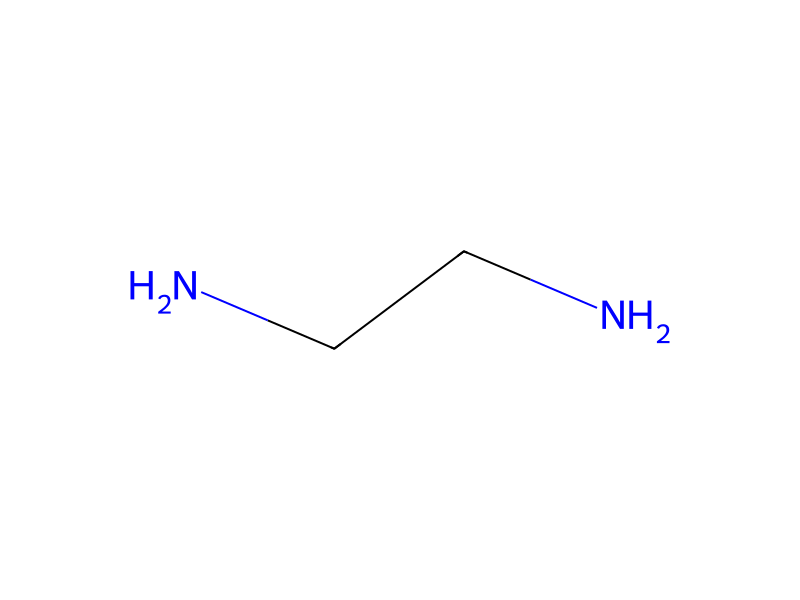
NCCN
InChIKey
PIICEJLVQHRZGT-UHFFFAOYSA-N
분자식
C2H8N2
평균 분자량
60.1 g/mol
단동위원소 질량
60.06874826

개요

Ethylenediamine appears as a clear colorless liquid with an ammonia-like odor. Flash point of 91 °F and a melting point of 47 °F. Corrosive to tissue. Vapors are heavier than air. Produces toxic oxides of nitrogen during combustion. Density 7.5 lb / gal. Used to make other chemicals and as a fungicide.

이름 및 식별자

우선 이름
Ethylenediamine
IUPAC
ethane-1,2-diamine
현지명
에틸렌디아민
영어명
Ethylenediamine
분자식
C2H8N2
분자량
60.1

이름 및 동의어

ethylenediamineEthane-1,2-diamine107-15-31,2-Diaminoethane1,2-EthanediamineEthylene diamineEthylendiamineedamineDimethylenediamine1,2-EthylenediamineAethylenediaminEthyleendiamine
이름 더 보기
1,2-디아미노에탄에틸렌다이아민에틸렌디아민EDADiaminoethaneH2NCH2CH2NH21,2-Diaminoethan
AethaldiaminEthylene-diaminebeta-Aminoethylamine1,2-DiaminoaethanAlgicode 106LAmerstat 2741,2-Diamino-ethaan1,2-Diamino-ethano

데이터베이스 식별자

CAS
107-15-3
PubChem CID
3301
DTXSID
DTXSID5021881
ChEMBL
CHEMBL816
ChEBI
CHEBI:30347
UNII
60V9STC53F
EC Number
203-468-6
Nikkaji
J4.057F

물성

구조 계산 물성보충 중

XLogP
-2
극성 표면적
52 Ų
수소 결합 공여자 수
2
수소 결합 수용자 수
2
회전 가능 결합 수
1
무거운 원자 수
4
형식 전하
0
복잡도
6

실험 및 물리화학적 성질

Chemical Classes · 2건

Nitrogen Compounds -> Amines, Aliphatic

Corrosives

DrugsPharmaceuticals -> Listed in ZINC15
pH11.9 @ 25 °C (25% soln)
SpringerMaterials Properties15N nuclear magnetic resonance spectrum
PesticidesPesticide -> EPA IRIS
LogP · 4건

log Kow = -2.04 @ pH 13

-2.04

-1.2

-2.04

OdorAmmonia-like
Food AdditivesTRACER -> FDA Substance added to food
Density · 6건

0.898 at 77 °F (EPA, 1998) - Less dense than water; will float

0.898 @ 25 °C/4 °C

Saturated liquid density: 56.650 lb/cu ft; liquid heat capacity: 0.694 Btu/lb-F; saturated vapor pressure: 0.216 lb/sq in; saturated vapor density: 0.00228 lb/cu ft (all at 70 °F)

Relative density (water = 1): 0.9

0.91

1.46 @ 20°C

Viscosity

안전 및 규제

안전 정보는 참고용이며, 공급업체의 물질안전보건자료(SDS), 관련 법규 및 전문가 평가를 대체하지 않습니다.

GHS 분류

GHS Classification · 6건

Danger

H226: Flammable liquid and vapor [Warning Flammable liquids]

P210, P233, P240, P241, P242, P243, P260, P261, P264, P270, P271, P272, P280, P284, P301+P317, P301+P330+P331, P302+P352, P302+P361+P354, P303+P361+P353, P304+P340, P305+P354+P338, P316, P317, P321, P330, P333+P317, P342+P316, P362+P364, P363, P370+P378, P403, P403+P235, P405, and P501 (click each P-code to see the statement)

This chemical does not meet GHS hazard criteria for < 0.1% (1 of 2078) of reports.

Danger

H226 (> 99.9%): Flammable liquid and vapor [Warning Flammable liquids]

유해성 정보

Regulatory Information · 6건

Chemical: 1,2-Ethanediamine

Hazard Traits - Respiratory Toxicity

Commission Regulation No 844/2012

1,2-Ethanediamine is listed on the EPA's Chemical Data Reporting (CDR) system. Manufacturers and importers of 1,2-Ethanediamine are required to report information about their production and use of this chemical to the EPA under the Toxic Substances Control Act (TSCA). (40 eCFR Part 711)

REACH registered substance: Ethylenediamine (EC: 203-468-6)

Substance: Ethylenediamine

Other Safety InformationIMAP assessments - 1,2-Ethanediamine: Environment tier I assessment
DOT LabelCorrosive Flammable Liquid
Fire Hazards · 3건

Burning rate: 2.2 mm/minute. When exposed to heat or flame, the material has a moderate fire potential. The material can react readily with oxidizing materials. Containers may explode in heat of fire. Material emits nitrogen oxides when burned. Avoid carbon disulfide, silver perchlorate, imines, oxidizing materials. Stable. Hazardous polymerization may not occur. (EPA, 1998)

· Flammable/combustible material.

Flammable. Gives off irritating or toxic fumes (or gases) in a fire. Above 34 °C explosive vapour/air mixtures may be formed.

화학 및 산업

약리 정보

Mechanism of Action · 2건

Ethylenediamine (EDA) acted as a gamma-aminobutyric acid (GABA) agonist by enhancing (3)H-labeled diazepam binding to well-washed rat forebrain membrane prepn in a bicuculline-sensitive manner, although its potency was 700-800 fold less than that of gamma-aminobutyric acid. Ethylenediamine was more than 3750-fold weaker than gamma-aminobutyric acid as a displacer of (3)H-gamma-aminobutyric acid bound to membrane receptors & was more than 40-fold weaker than gamma-aminobutyric acid at (3)H-gamma-aminobutyric acid uptake sites. Its most potent action was as an inhibitor of beta-alanine uptake into rat cerebral cortex slices.

The release of (3)H gamma-aminobutyric acid (GABA) from Mueller (glial) cells was studied in the rat retina by a double isotope-labeling technique in which Mueller cells are preloaded with (3)H-gamma-aminobutyric acid while a population of neurons is prelabeled with (14)C-labeled glycine. The effects of 2 depolarizing agents, high K+ and veratridine, and the gamma-aminobutyric acid mimetic, ethylenediamine (EDA), on transmitter release from glial cells and neurons were simultaneously determined. Ethylenediamine released (3)H-gamma-aminobutyric acid readily, whereas little (14)C-glycine release was observed.

Biological Half-LifeEthylenediamine has a short half life of ~0.55 hours.
Metabolism/Metabolites · 1건

Male rats were dosed with (14)C-ethylenediamine (EDA) at 5, 50, or 500 mg/kg by oral, endotracheal, and iv routes. Six to 9% of the admin radioactivity was eliminated via expired air in the form of (14)CO2. n-Acetylethylenediamine, a major metabolite, accounted for approx half of the urinary radioactivity. Depending on the dosage level, 2-49% of the radioactivity was unchanged parent cmpd. The route of admin did not appear to change the metabolic profile.

FDA Pharmacological Classification · 6건

60V9STC53F

ETHYLENEDIAMINE

Established Pharmacologic Class [EPC] - Standardized Chemical Allergen

Physiologic Effects [PE] - Increased Histamine Release

Physiologic Effects [PE] - Cell-mediated Immunity

Chemical Structure [CS] - Allergens

Absorption, Distribution and Excretion

관련 반응

2,597건

반응 기록 만들기
HRID 705 반응식
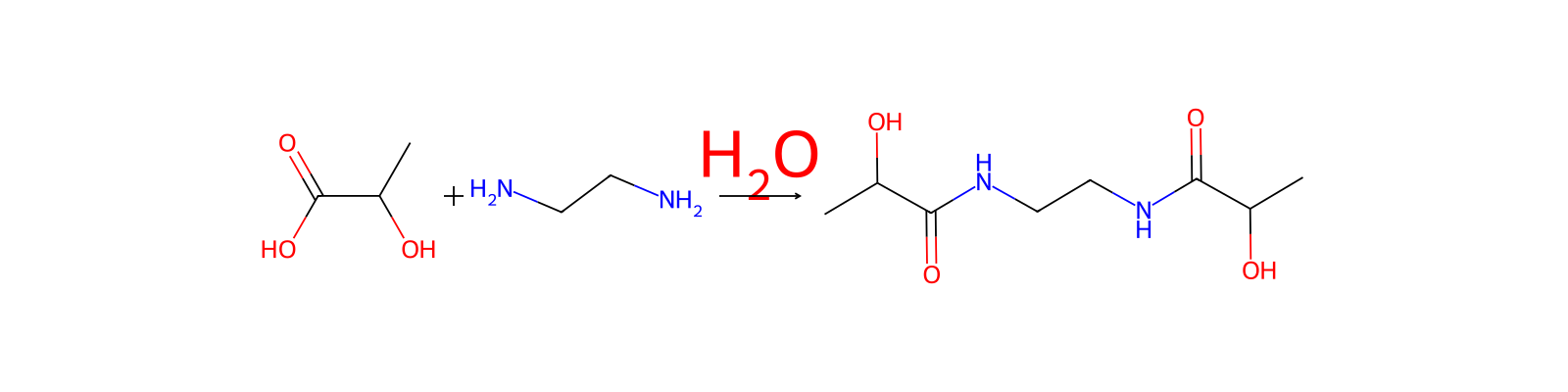
HRID 705반응물로750 AstraZeneca ELN dataset
HRID 1146 반응식
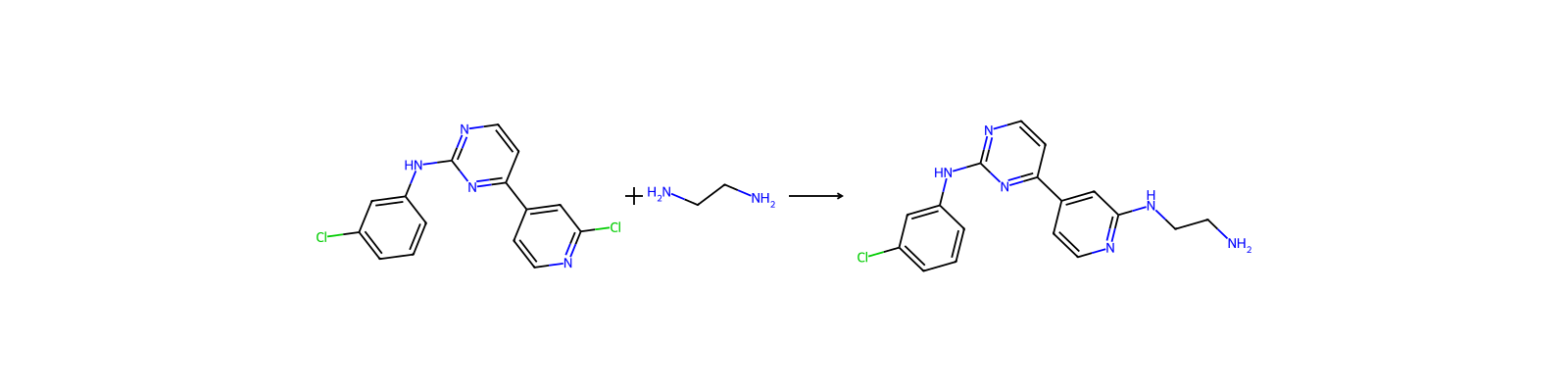
HRID 1146반응물로uspto-grants-1998_03
HRID 1407 반응식
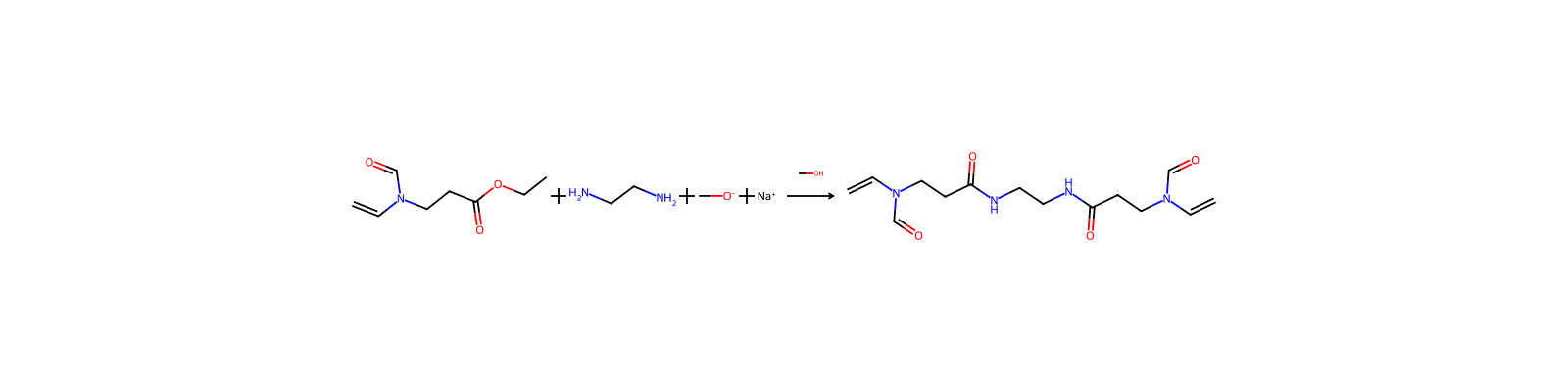
HRID 1407반응물로uspto-grants-1998_03
HRID 1928 반응식
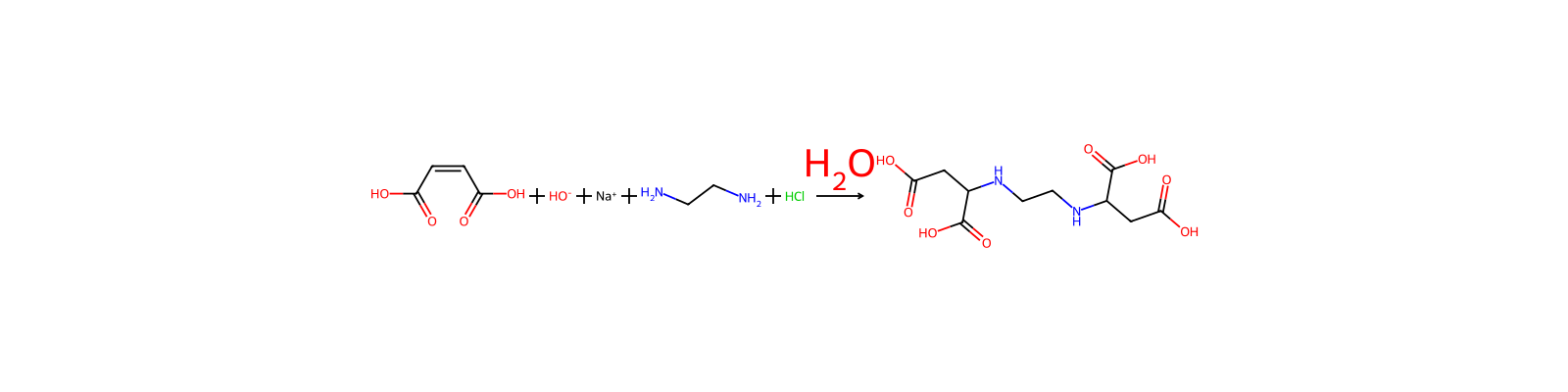
HRID 1928생성물로uspto-grants-1998_03
HRID 2159 반응식
HRID 2159반응물로uspto-grants-1998_03
HRID 2160 반응식
HRID 2160반응물로uspto-grants-1998_03
HRID 2384 반응식
HRID 2384반응물로uspto-grants-1998_03
HRID 3011 반응식
HRID 3011반응물로uspto-grants-1998_03
1 / 325 페이지

화합물 노트

불러오는 중…

이 페이지에서기본 정보개요이름 및 식별자물성안전 및 규제화학 및 산업관련 반응화합물 노트
더보기
새 노트새 반응견적 요청하기
· 2건

0.0154 cP @ 25 °C

0.0154 cP at 25 °C

Color/Form · 2건

Water-white liquid

Colorless, viscous liquid ... [Note: A solid below 47 degrees F].

Solubility · 6건

greater than or equal to 100 mg/mL at 63 °F (NTP, 1992)

Crystals; sublimes without melting; freely sol in water; practically insol in alc /Dihydrochloride/

Sol in benzene unless insufficiently dried; slightly sol in ether

SOL IN ALL PROPORTIONS IN ETHYL ALCOHOL; VERY SOL IN WATER

Water solubility = 1X10+6 mg/l

Miscible with water, oxygenated and aromatic solvents

물리화학적 성질

녹는점
8.5 °C · 8.5 °C (lit.)
끓는 점
118 °C · 118 °C (lit.)
밀도
0.899 g/mL · 0.899 g/mL at 25 °C (lit.)
증기 밀도
2.07 · 2.07 (vs air)
증기압
10 mm · 10 mm Hg ( 20 °C)
굴절률
20 · n20/D 1.4565(lit.)
인화점
93 °F · 93 °F
저장 조건
Flammables area
용해도
에탄올: 용해성(lit.)
산도 계수 (pKa)
10.712 · 10.712(at 0℃)
물리적 상태
액체, 공기 중 발연
Specific Gravity
0.899 · 0.899
색상
무색~담황색
수소이온지수(pH)
12.2 · 12.2 (100g/l, H2O, 20℃)
냄새
강한 암모니아 냄새; 암모니아 같은 온화한 암모니아 냄새.
폭발한계
2 · 2-17%(V)
수용성
혼용 가능
비열
2.87 J/ · Cp(liquid): 2.87 J/(g·K), at 25℃
Merck
14 · 14,3795
BRN
605263 · 605263
Henry's Law Constant
1.69 · 1.69(x 10-9 atmm3/mol) at 25 °C (Westheimer and Ingraham, 1956)
Dielectric constant
16 · 16.0(18℃)
주요 응용
청소용품화장품환경음식 및 음료개인 위생 관리
InChI
1S/C2H8N2/c3-1-2-4/h1-4H2
InChIKey
PIICEJLVQHRZGT-UHFFFAOYSA-N
SMILES
NCCN
LogP
-1.6 at · -1.6 at 20℃
NIST
Ethylenediamine(107-15-3)
EPA
Ethylenediamine (107-15-3)

화학적 성질

Ethylenediamine, a polyamine, is a strongly alkaline, colorless, clear, thick liquid. Ammonia odor. A solid below 8.5℃. The Odor Threshold is 1.0 ppm

Fire Potential · 2건

FLAMMABLE LIQUID WHEN EXPOSED TO HEAT, FLAME OR OXIDIZERS.

Contact with ... chlorinated organic cmpd may cause fires ... .

Health Hazards · 2건

Vapor inhalations at a concentration of 200 ppm for 5 to 10 minutes will lead to nasal irritation and produce a tingling sensation. Inhalation at concentrations of 400 ppm or greater leads to severe nasal irritation. Respiratory irritation may result. Many individuals are hypersensitive to ethylenediamine exposure; therefore, safe threshold limits are difficult to set. (EPA, 1998)

· May cause toxic effects if inhaled or ingested.

Hazards Summary · 1건

Liquid causes second degree burns after contact for a few minutes; [CHRIS] Corrosive to skin; [Quick CPC] Ethylenediamine is used in topical creams and suppositories, e.g., nystatin cream and aminophylline suppositories. Allergic contact dermatitis has been reported in a pharmacist and in healthcare workers. [Marks, p. 85-7] Allergic contact dermatitis in healthcare workers reported after exposure to intravenous aminophylline preparations containing ethylenediamine; [Kanerva, p. 1520] Occupational asthma reported in shellac handler and photographer; [Malo] Can cause pulmonary edema after an acute inhalation exposure; [ICSC] Danger of skin and airway sensitization; [MAK] Humans complain of nasal irritation after inhaling concentrations of 200 ppm for 5-10 minutes. [CAMEO] A lachrymator; [CHEMINFO]

DOT ID and Guide · 2건

1604 132

1604 132

FDA RequirementsEthylenediamine is an indirect food additive for use only as a component of adhesives.
Reactive GroupAmines, Phosphines, and Pyridines
EC ClassificationSymbol: C; R: 10-21/22-34-42/43; S: (1/2)-23-26-36/37/39-45
UN ClassificationUN Hazard Class: 8; UN Subsidiary Risks: 3; UN Pack Group: II

안전 및 보호

Fire Fighting · 2건

Wear full protective clothing including gloves and boots. If necessary to enter closed area, wear full-faced gas masks with self-contained breathing apparatus. Use water spray, dry chemical, alcohol foam, or carbon dioxide. Do not use water in case of drum or tank fires. If a leak or spill has not ignited, use water spray to reduce the vapors and dilute spills to nonflammable mixtures. Use water to keep fire-exposed containers cool. (EPA, 1998)

Use water spray, powder, alcohol-resistant foam, carbon dioxide. In case of fire: keep drums, etc., cool by spraying with water.

First Aid Measures · 4건

Fresh air, rest. Refer immediately for medical attention.

Remove contaminated clothes. Rinse skin with plenty of water or shower. Refer immediately for medical attention.

First rinse with plenty of water for several minutes (remove contact lenses if easily possible), then refer for medical attention.

Rinse mouth. Do NOT induce vomiting. Give one or two glasses of water to drink. Refer immediately for medical attention.

Accidental Release Measures · 2건

· CALL 911. Then call emergency response telephone number on shipping paper. If shipping paper not available or no answer, refer to appropriate telephone number listed on the inside back cover.

· ELIMINATE all ignition sources (no smoking, flares, sparks or flames) from immediate area.

First Aid · 3건

Signs and Symptoms of Acute Ethylenediamine Exposure: Acute exposure to ethylenediamine may result in cough, difficulty in breathing, irritation of the lungs, and pneumonia. Nausea, vomiting, and diarrhea are often seen. Contact with ethylenediamine may result in redness, pain, irritation, and burns.

General First Aid:

(General first aid procedures)

Safe StorageFireproof. Separated from strong oxidants, acids, chlorinated organic compounds and food and feedstuffs. Cool. Well closed. Store only in original container.
Exposure Control and Personal Protection· Wear positive pressure self-contained breathing apparatus (SCBA).
Fire Fighting Procedures · 2건

Use water spray, dry chem, "alcohol resistant" foam, or carbon dioxide. Use water spray to keep fire-exposed containers cool. Solid streams may be ineffective and spread material.

Do not use water in case of drum or tank fires.

Storage ConditionsOutside or detached storage is preferred. Avoid oxidizing materials, acids, and sources of halogens. Store in a cool, dry, well-ventilated location.
Cleanup Methods · 2건

1. Remove all ignition sources. 2. Ventilate area of spill or leak. 3. If in the liq form, absorb on paper towels. Evaporate in a safe place (such as a fume hood). Allow sufficient time for evaporating vapors to completely clear the hood ductwork. Burn the paper in a suitable location away from combustible materials. Large quantities can be collected and atomized in a suitable combustion chamber equipped with an appropriate effluent gas cleaning device. ... 4. If in the solid form, collect, allow to melt, and dispose of the liq as above.

Overspread /spill with/ sufficient sodium bisulfate and sprinkle water.

Nonfire Spill ResponseExcerpt from ERG Guide 132 [Flammable Liquids - Corrosive]:
Disposal Methods · 4건

SRP: At the time of review, criteria for land treatment or burial (sanitary landfill) disposal practices are subject to significant revision. Prior to implementing land disposal of waste residue (including waste sludge), consult with environmental regulatory agencies for guidance on acceptable disposal practices.

Ethylenediamine may be disposed of by atomizing in a suitable combustion chamber equipped with an appropriate effluent gas cleaning device.

Catalytic /destruction/ of waste gases from ethylenediamine production is described.

Removal of ethylenediamine from wastewater using ion exchange is described.

Spillage Disposal · 1건

Remove all ignition sources. Personal protection: complete protective clothing including self-contained breathing apparatus. Ventilation. Collect leaking and spilled liquid in covered containers as far as possible. Absorb remaining liquid in sand or inert absorbent. Then store and dispose of according to local regulations. Collect the spilled substance into containers. The container should be made of the same material as the original container.

독성 정보

Interactions · 2건

Ethylenediamine (EDA) (31.6-1000 mg/kg, ip) inhibited the convulsive effects of pentylenetetrazol (100 mg/kg, ip) in mice. EDA (100-1000 mg/kg, ip) incr the convulsion threshold to the iv infusion of 3 convulsants in the order pentylenetetrazol > bicuculline > strychnine.

A 37-yr-old pt sensitized to ethylenediamine by topical use of a steroid cream for scaly rash, developed an itchy morbilliform rash affecting the whole body following piperazine citrate therapy for threadworms.

Target OrgansSkin, respiratory system, liver, kidneys
Ecotoxicity Values · 5건

LC50 Pimephales promelas (fathead minnow) 115.7 mg/l/96 hr @ 22 °C (95% confidence limit 98.6-131.6 mg/l) /Static bioassay/

TLM: ORYZIAS LATIPES 1000 MG/L/24 HR /CONDITIONS OF BIOASSAY NOT SPECIFIED/

Toxicity Threshold (Cell Multiplication Inhibition Test) Uronema parduczi Chatton-Lwoff (protozoa) 52 mg/l /Conditions of bioassay not specified/

Toxicity Threshold (Cell Multiplication Inhibition Test) Scenedesmus quadricauda (green algae) 0.85 mg/l /Conditions of bioassay not specified/

For more Ecotoxicity Values (Complete) data for ETHYLENEDIAMINE (9 total), please visit the HSDB record page.

Environmental Fate · 3건

TERRESTRIAL FATE: Based on a classification scheme(1), an average Koc value of 4766(2) indicates that ethylenediamine is expected to have slight mobility in soil(SRC). Volatilization of ethylenediamine from moist soil surfaces is not expected to be an important fate process(SRC) given a Henry's Law constant of 1.73X10⁻⁹ atm-cu m/mole(3). The potential for volatilization of ethylenediamine from dry soil surfaces may exist based upon a vapor pressure of 12.1 mm Hg(4). However, adsorption to soil may attenuate volatilization(SRC). Based on screening studies(5-7), biodegradation is expected to be the most important degradation process for this compound but no experimental rates in soil are available. Ethylenediamine may also form stable complexes with metal ions(8) in soil, but again, experimental data are lacking(SRC).

AQUATIC FATE: Based on a classification scheme(1), an average Koc value of 4766(2) indicates that ethylenediamine is expected to adsorb to suspended solids and sediment in water(SRC). Volatilization from water surfaces is not expected(3) based upon a Henry's Law constant of 1.73X10⁻⁹ atm-cu m/mole(4). As ethylenediamine has two primary amine groups, at the pH range found in most environmental waters, it is expected to be partially protonated; the dissociated form will not volatilize. According to a classification scheme(5), an estimated BCF of less than 1(SRC), from its log Kow(6) and a regression-derived equation(7), suggests the potential for bioconcentration in aquatic organisms is low. Based on screening studies(8-10), biodegradation is expected to be the most important degradation process for this compound but no experimental rates in water are available. Complexation of ethylenediamine with transition metals(11) in the water or reaction with humic materials(12) is possible(SRC).

ATMOSPHERIC FATE: According to a model of gas/particle partitioning of semivolatile organic compounds in the atmosphere(1), ethylenediamine, which has a vapor pressure of 12.1 mm Hg at 25 °C(2), is expected to exist solely as a vapor. Vapor-phase ethylenediamine is degraded in the atmosphere by reaction with photochemically-produced hydroxyl radicals(SRC); the half-life for this reaction in air is estimated to be 6 hours(SRC), calculated from its rate constant of 6.3x10⁻¹¹ cu cm/molecule-sec at 25 °C(3) using a structure estimation method(3). As ethylenediamine is miscible in water(4), washout by rain will also be an important removal process(SRC).

Food Survey Values... Amines from decomposing fish ... /Amines/
Adverse EffectsDermatotoxin - Skin burns.
Exposure Routes · 2건

The substance can be absorbed into the body by inhalation, through the skin and by ingestion.

inhalation, skin absorption, ingestion, skin and/or eye contact

Signs and Symptoms · 5건

Cough. Sore throat. Shortness of breath. Burning sensation. Wheezing. Shortness of breath.

Redness. Pain. Burning sensation. Skin burns.

Redness. Pain. Blurred vision. Severe burns.

Burns in mouth and throat. Sore throat. Burning sensation. Abdominal pain. Shock or collapse.

irritation nose, respiratory system; sensitization dermatitis; asthma; liver, kidney damage

EPA IRIS InformationEthylene diamine
Medical Surveillance · 1건

... A complete history and physical exam /is required/ ... to detect existing conditions that might place the exposed employee at increased risk, and to establish a baseline for future health monitoring. Persons with a history of asthma, allergies, or unknown sensitization to ethylenediamine would be expected to be at incr risk from exposure. Exam of the resp system, liver, and kidneys should be stressed. The skin should be examined for evidence of chronic disorders. ... Should be repeated on an annual basis.

Soil Adsorption/Mobility · 1건

Ethylenediamine has two primary amine groups and at the pH range found in most soils it is expected to be partially protonated given a pKa1 of 10.7 and a pKa2 of 7.6(1). An average Koc of 4766 (range=2071 to 6160) was measured for ethylenediamine in six different soils; five were from the vadose zone and one from an aquifer (saturated zone)(2). pH values ranged from 6.0 to 9.6 and the fraction of organic carbon from 0.0024 to 0.0391 for this group of soils. Soils with increased cation exchange capacity and organic content had greater affinity for ethylenediamine(2).

TSCA Test Submissions · 1건

Ethylenediamine (CAS # 107-15-3) was evaluated for acute oral toxicity in groups of Fischer 344 rats (5/sex/group) administered single oral doses of 200, 400, 800, 1200, and 1800 mg/kg bodyweight as a monohydrochloride or dichlorohydride salt in water. Mortality was attributed to treatment at doses of 1800 mg/kg (9/10) and 1200 mg/kg (2/10); An LD50 was not calculated. Clinical signs observed in the 1200 mg/kg group included emaciation, bluish extremities and diarrhea. Upon necropsy, no gross pathology was observed.

규제 정보

FDA RequirementsEthylenediamine is an indirect food additive for use only as a component of adhesives.
Atmospheric Standards · 1건

This action promulgates standards of performance for equipment leaks of Volatile Organic Compounds (VOC) in the Synthetic Organic Chemical Manufacturing Industry (SOCMI). The intended effect of these standards is to require all newly constructed, modified, and reconstructed SOCMI process units to use the best demonstrated system of continuous emission reduction for equipment leaks of VOC, considering costs, non air quality health and environmental impact and energy requirements. Ethylenediamine is produced, as an intermediate or a final product, by process units covered under this subpart.

CERCLA Reportable Quantities · 2건

Releases of CERCLA hazardous substances are subject to the release reporting requirement of CERCLA section 103, codified at 40 CFR part 302, in addition to the requirements of 40 CFR part 355. Ethylenediamine is an extremely hazardous substance (EHS) subject to reporting requirements when stored in amounts in excess of its threshold planning quantity (TPQ) of 10,000 lbs.

Persons in charge of vessels or facilities are required to notify the National Response Center (NRC) immediately, when there is a release of this designated hazardous substance, in an amount equal to or greater than its reportable quantity of 5000 lb or 2270 kg. The toll free number of the NRC is (800) 424-8802; In the Washington D.C. metropolitan area (202) 426-2675. The rule for determining when notification is required is stated in 40 CFR 302.4 (section IV. D.3.b).

Clean Water Act Requirements · 1건

Ethylenediamine is designated as a hazardous substance under section 311(b)(2)(A) of the Federal Water Pollution Control Act and further regulated by the Clean Water Act Amendments of 1977 and 1978. These regulations apply to discharges of this substance. This designation includes any isomers and hydrates, as well as any solutions and mixtures containing this substance.

DHS Chemicals of Interest (COI) · 4건

Ethylenediamine

1

20000

Toxic chemical that can be released at a facility.

State Drinking Water Guidelines(FL) FLORIDA 10,000 ug/l

안전 데이터

OEB
A
OEL
TWA: 10 ppm (25 mg/m3)
wgk
2
IDLA
1,000 ppm
tsca
TSCA listed
rtecs
KH8575000
ridadr
UN 1604
독성
LD50 orally in rats: 1.16 g/kg (Smyth)
HS 번호
29212110
risk_code
10-21/22-34-42/43
hazard_code
C
safety_code
23-26-36/37/39-45
포장분류
II
위험 등급
8
기존화학 물질
KE-13141
F 고인화성물질
10-34
자연 발화 온도
716 °F
Hazard Classifications
Acute Tox. 3 DermalAcute Tox. 4 InhalationAcute Tox. 4 OralAquatic Chronic 3Eye Dam. 1Flam. Liq. 3Resp. Sens. 1BSkin Corr. 1BSkin Sens. 1B
스토리지 클래스
3 - Flammable liquids
유해 물질 데이터
107-15-3(Hazardous Substances Data)
중점관리물질 필터링
별표1-57
사고대비 물질 필터링
25
· 6건

After oral administration its bioavailability is about 0.34, due to a substantial first-pass effect.

Renal excretion of the unchanged substance amounts to only about 18% after intravenous and 3% after oral administration.

Vd = 0.133 l/kg

/Diamines/ are absorbed through the skin. /Diamines/

Male rats were dosed with (14)C-ethylenediamine (EDA) at 5, 50, or 500 mg/kg by oral, endotracheal, and iv routes. Urinary excretion was the primary route of elimination accounting for 42 to 65% of the admin radioactivity. Fecal excretion was 5-32%, depending upon the route. Six to 9% was eliminated via expired air in the form of CO2. At 48 hr, 11-21% of radioactivity remained in the various organs & the carcass. Thyroid, bone marrow, liver, and kidney contained relatively higher concn. The route of admin did not appear to change the metabolic profile. As the dosage incr from 5 to 50 to 500 mg/kg, there was a pattern of accumulation of ethylenediamine with a corresponding decr of metabolite formation.

Plasma concn of ethylenediamine (EDA) were examined after oral and iv admin of aminophylline (theophylline and ethylenediamine mixture) to 3 healthy subjects. Ethylenediamine was not detectable after 2 hr.

Tissue LocationsKidney
Cellular LocationsCytoplasm

용도 및 제조

Uses · 6건

Used in the manufacture of chelating agents, fungicides, waxes, polyamide resins, and corrosion inhibitors. [ACGIH] Used as an emulsifier, an inhibitor in antifreeze solutions, and an additive to pharmaceuticals and textile lubricants; [Merck Index] Used in photography (color developing baths); [www.ci.tucson.az.us/arthazards/medium.html]

Textiles (Fiber & Fabric Manufacturing) [Category: Industry]

For Ethylenediamine (USEPA/OPP Pesticide Code: 004205) there are 0 labels match. /SRP: Not registered for current use in the U.S., but approved pesticide uses may change periodically and so federal, state and local authorities must be consulted for currently approved uses./

Solvent for casein, albumin, shellac, and sulfur; emulsifier; stabilizing rubber latex; as inhibitor in antifreeze solutions; in textile lubricants; pharmaceutic aid (aminophylline injection stabilizer)

In prepn of dyes, synthetic waxes, resins, insecticides and asphalt wetting agents

Use in manuf of weed killers; use in manuf of surfactants, emulsifying agents, wetting agents, dispersants, corrosion inhibitors, detergents, and textile surface treatments

ImpuritiesThe ammonia-dichloroethane reaction yields the entire family of ethyleneamines: EDA, DEDA, DETA, TETA, TEPA, PEHA and AEP. The percent yield of each amine is determined by the ratio of dichloroethene to ammonia.
U.S. Exports · 3건

(1972) 7.31X10+9 G

(1975) 1.43X10+9 G

(1984) 1.13X10+10 g

U.S. Imports · 3건

(1972) NEGLIGIBLE

(1975) 2.33X10+8 G

(1984) 1.09X10+9 g

U.S. Production · 4건

2023: 100,000,000 - <500,000,000 lb

1,2-Diaminoethane is produced in large quantities, 26,509,000 kg in 1993.

(1972) 2.70X10+10 G

(1975) 3.0X10+10 G

Consumption Patterns · 5건

CHEMICAL PROFILE: Ethylenediamine. Exports (mainly for carbamate fungicides), 45%; chelating agents (mainly EDA tetraacetic acid tetrasodium salt), 25%; oil and gas additives, 5%; polyamides, 5%; aminoethylethanol-amine-based surfactants, 5%; ethylene (bis)stearamide, 5%; others, including urethane additives, 10%.

CHEMICAL PROFILE: Ethylenediamine. Demand: 1987: 75 million lb; 1988: 77 million lb; 1992 /projected/: 85 million lb. (Includes exports, but not imports, totalling 4 to 5 million lb in 1987, or potential demand for the new Air Products facility).

Chemical Profile: Ethylenediamine. Exports (mainly for carbamate fungicides and tetraacetylethylenediamine (TAED)), 45%; chelating agents (mainly ethylenediaminetetraacetic acid (EDTA) and tetrasodium salt), 25%; lube oil and gas additives, 5%; nonreactive polyamide resins, 5%; aminoethylethanolamine-based surfactants, 5%; ethylene(bis)stearamide, 5%; others, including urethane additives, 10%.

Chemical Profile: Ethylenediamine. Demand: 1990: 80 million pounds; 1991: 82 million pounds; 1995: 90 million pounds. (Includes exports, which in 1990 are estimated at about 35 million pounds).

Lube oil additives, 35%; wet strength resins, 12%; chelating agents, 11%; epoxy curing agents, 9%; surfactants, 8%; polyamide resins, 6%; oil field chemicals, 5%; miscellaneous, including ethylene bis(stearamide), 14% /Ethyleneamines including EDA/

Consumer UsesOther
Industry UsesChelating agent
Methods of Manufacturing · 4건

Catalytic reaction of ethylene glycol or ethylene dichloride and ammonia (Ni or Cu catalysts are used)

Ethylenediamine is produced mainly by reacting ethylene chloride with aqueous or liquid ammonia at about 100 °C.

The reaction of ethanolamine with ammonia ... In a continuous procedure, ethanolamine, ammonia, and hydrogen are passed over a cobalt catalyst at 20 MPa and 150-230 °C.

Reaction of ethylene oxide with ammonia

Formulations/Preparations · 3건

USEPA/OPP Pesticide Code 004205; Trade Names: Busan 881, component of (with 039002 and 063301), NCI-C60402.

Grades: Technical; USP, 97%; soln of various strenghts.

Grades or Purity: 99+%

Household ProductsInformation on 3 consumer products that contain Ethylenediamine in the following categories is provided:
General Manufacturing Information · 4건

Computer and Electronic Product Manufacturing

1,2-Ethanediamine: ACTIVE

Method of purification is redistillation

Guard against sticking of ground-glass joint due to strong alkaline.

응용 분야 · 5건

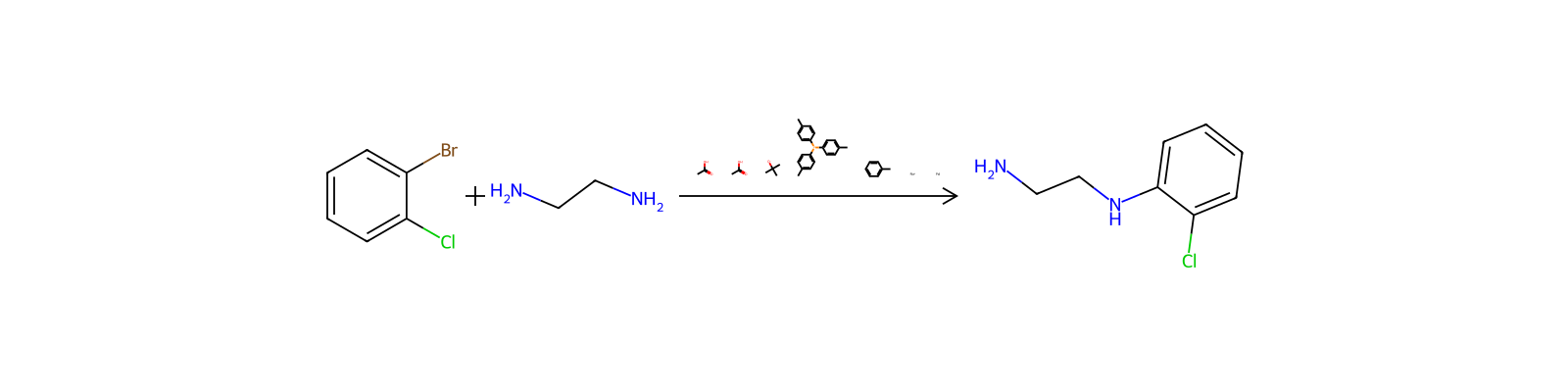
개요에틸렌다이아민(Ethylenediamine)은 유기화합물의 일종이다. 킬레이트제로 작용할 수 있으며 리간드일 경우 en으로 축약시켜 표기하기도 한다. 강염기성이며, 암모니아 냄새가 난다.

용도에틸렌다이아민은 두 자리 리간드로 작용할 수 있어서, 금속 이온과 배위하여 착물을 형성한다. 따라서 특정한 금속 이온을 농축, 분리, 제거, 이동하는 데 사용될 수 있다.

개요Ethylenediamine is used in numerous industrial proces ses as a solvent for casein or albumin, as a stabilizer in rubber latex and as a textile lubricant. It can be found in epoxy-resin hardeners, cooling oils, fungicides, and waxes. Contact dermatitis from ethylenediamine is almost exclusively due to topical medicaments. Occupational contact dermatitis in epoxy-resin systems is rather infrequent. Ethylenediamine can cross react with triethylenetetramine and diethylenetriamine. Ethylenediamine was responsible for sensitization in pharmacists handling aminophylline suppositories, in nurses preparing and administering injectable theophylline, and in a laboratory technician in the manufacture of aminophylline tab lets.

용도[Note—Edamine is the recommended contraction for the ethylenediamine radical.].

일반 설명Ethylenediamine is a linear aliphatic diamine, widely used as a building block in organic synthesis. It readily forms heterocyclic imidazolidine derivatives, because of its bifunctional nature, having two amines. Ethylenediamine is also utilized as a raw material for the synthesis of chelating agents, polymers, agrochemicals and pharmaceutical intermediates.

제조 방법

생산 방법The production of ethylene-1,2-diamine (EDA) is by the catalytic amination of monoethanolamine or the reaction of aqueous ammonia with 1,2-dichloroethane (Spitz 1979). U.S. Production is estimated at greater than 33,000 tons in 1975.

상·하류 제품 정보

상류 원료

에탄올아민티타늄암모니아수1-아미노에틸피페라진PIPERAZINE HEXAHYDRATE피페라진1,2-디클로로에탄PolyaminesTriamine이염화에탄Polyamine N7암모니아(가스)Hydroxyethyl piperazine

하류 제품

메틸피라진N,N'-에틸렌디스테아라미드Cibenzoline2-나이트로이미노이미드 아조리딘N,N'-BIS(ETHYLENE)-P-TOLUENESULFONAMIDEN-AcetylethylenediamineImidocarb1-Boc-3-옥소피페라진글리실글리신Lofexidine에틸렌디아민 디하이드로클로라이드2,3-디에틸피라진아미노에틸 에탄올아민N, N- 디벤질에틸렌 디암무늄 디 (아세트산)에탄올, 2-((2-아미노에틸)아미노)-acid washing corrosion inhibitor Sx-1C-(1H-INDOL-5-YL)-메틸라민2-이미다졸리돈leveler DAN-(3-(디메톡시메틸실릴)프로필)-1,2-에탄디아민에틸(2-)-3-메틸피라지온dimethyl p-octadecyl phenylsulfonyl amino propyl ammoium propylsulfonatenoncyanide zinc plating bright additive에틸렌디아민디아세테이트테트라키스(2-히드록시프로필)에틸렌디아민amidoamino acidadditive EQD-3noncyanide zinc plating additive XD-1테트라하이드로퀴녹살린나BAM리액티브블루231에틸렌-비스-(4,6-디메틸-테트라히드로-1,3,5-티아디아진-2-티온)Moxonidinelaurylamide propionate JHZ-1012-methyl-3-isobutylpyrazine2,3-디메틸피라진CURING AGENT (POLYAMIDE BASE LIQUID) FOR EPOXY REShydrodewaxing catalysts for diesel fuel(series)2-페닐-2-이미다졸린Reactive Blue 198

추가 설명

정의ChEBI: An alkane-alpha,omega-diamine in which the alkane is ethane.