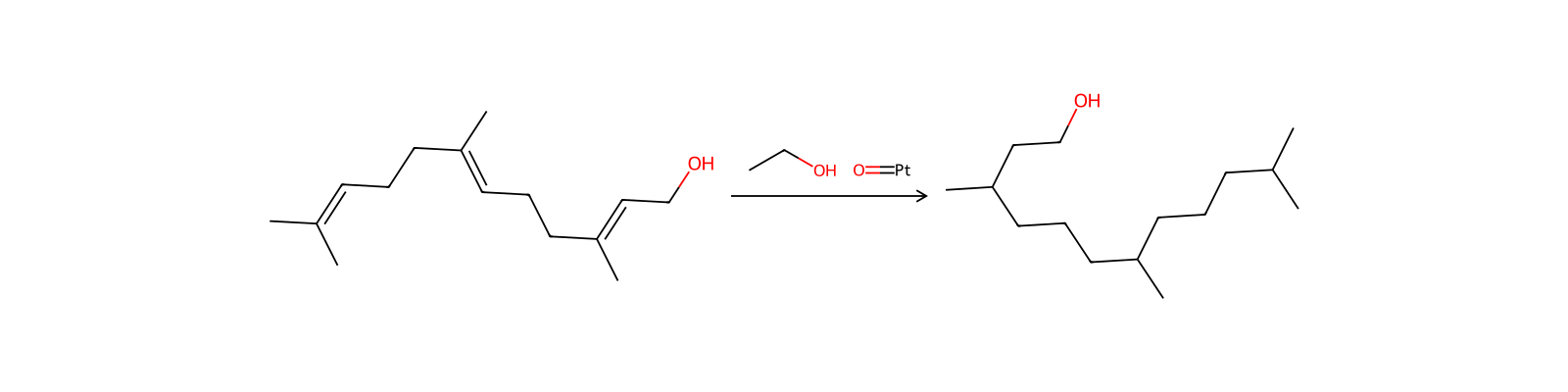
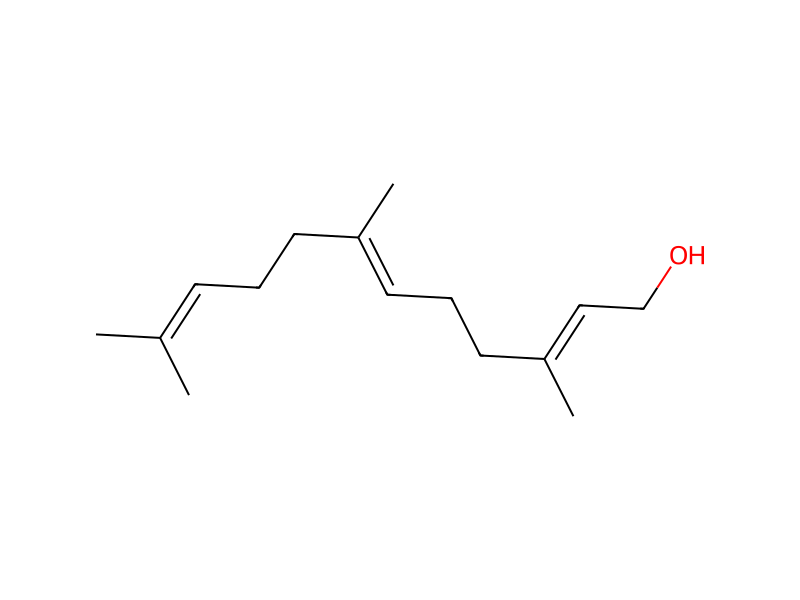
파네솔
a Farnesol
기본 정보
- CAS
4602-84-0- 표준 SMILES
CC(C)=CCCC(C)=CCCC(C)=CCO- InChIKey
CRDAMVZIKSXKFV-UHFFFAOYSA-N- 분자식
- C15H26O
- 평균 분자량
- 222.37 g/mol
- 단동위원소 질량
- 222.19836545
개요
(2E/Z,6E/Z)-farnesol has been reported in Aristolochia triangularis, Humulus lupulus, and other organisms with data available.
이름 및 식별자
- 우선 이름
- a Farnesol
- IUPAC
- 3,7,11-trimethyldodeca-2,6,10-trien-1-ol
- 현지명
- 파네솔
- 영어명
- FARNESOL
- 분자식
- C15H26O
- 분자량
- 222.37
이름 및 동의어
a farnesolRefChem:1075118Spectrum_001282trans,trans-Farnesol; trans-FarnesolSpecPlus_000549Spectrum2_001397Spectrum3_001070Spectrum4_001221SCHEMBL58069KBioGR_001682KBioSS_001762DivK1c_006645
이름 더 보기
파네솔파르네솔2,6,10-Dodecatrien-1-ol, 3,7,11-trimethyl-3,7,11-TRIMETHYL-2,6,10-DODECATRIEN-1-OLFEMA 2478PolyprenolFarnesol 95%Farnesyl alcoholLINALOOL, DL-(SG)LINALOOL, (-)-(SG)3,7,11-TRIMETHYLDODECA-2,6,10-TRIEN-1-OL6,10-Dodecatrien-1-ol,3,7,11-trimethyl-2
SPBio_001414GTPL3215orb1299430orb3139646SCHEMBL2852929SCHEMBL9953423CHEMBL4464165KBio1_001589
데이터베이스 식별자
- CAS
4602-84-0- PubChem CID
- 3327
- DTXSID
DTXSID3032389- ChEMBL
CHEMBL4464165
물성
구조 계산 물성
- XLogP
- 4.8
- 극성 표면적
- 20.2 Ų
- 수소 결합 공여자 수
- 1
- 수소 결합 수용자 수
- 1
- 회전 가능 결합 수
- 7
- 무거운 원자 수
- 16
- 형식 전하
- 0
- 복잡도
- 265
물리화학적 성질
- 녹는점
- 25 °C · 25°C
- 끓는 점
- 149 °C4 · 149 °C4 mm Hg(lit.)
- 밀도
- 0.886 g/mL · 0.886 g/mL at 20 °C(lit.)
- 증기압
- 13 Pa · 13Pa at 20℃
- FEMA
- 2478 · 2478 | FARNESOL
- 굴절률
- 20 · n20/D 1.490(lit.)
- 인화점
- 205 °F · 205 °F
- 저장 조건
- 2 · 2-8°C
- 용해도
- 100 · DMSO:100.0(Max Conc. mg/mL);449.7(Max Conc. mM)
- 산도 계수 (pKa)
- 14.69 · 14.69±0.10(Predicted)
- 물리적 상태
- 액체
- 색상
- 무색투명~엷은 노란색
- 냄새
- 100 %에서 · 100.00%에서. 온화한 신선하고 달콤한 린든 꽃 안젤리카
- 냄새 유형
- 꽃향기
- 생물학적 소스
- synthetic
- 수용성
- 물에 섞이거나 혼합하기 어렵지 않습니다.
- Merck
- 14 · 14,3937
- JECFA Number
- 1230 · 1230
- BRN
- 1763926 · 1763926
- Henry's Law Constant
- 3.9 · 3.9×10-2 mol/(m3Pa) at 25℃, HSDB (2015)
안전 및 규제
안전 정보는 참고용이며, 공급업체의 물질안전보건자료(SDS), 관련 법규 및 전문가 평가를 대체하지 않습니다.
안전 데이터
- wgk
- 3
- tsca
- TSCA listed
- rtecs
- JR4979000
- ridadr
- UN 3082 9 / PGIII
- HS 번호
- 29052200
- hazard_code
- Xi
- safety_code
- 24/25-22
- 위험 등급
- 9
- 기존화학 물질
- KE-34511
- F 고인화성물질
- 8
- 위험 참고 사항
- Irritant
- Hazard Classifications
- Aquatic Acute 1Aquatic Chronic 1Skin Irrit. 2Skin Sens. 1
- 스토리지 클래스
- 10 - Combustible liquids
- 유해 물질 데이터
- 4602-84-0(Hazardous Substances Data)
화학 및 산업
약리 정보
Metabolism/MetabolitesFarnesol has known human metabolites that include (2S,3S,4S,5R)-3,4,5-Trihydroxy-6-(3,7,11-trimethyldodeca-2,6,10-trienoxy)oxane-2-carboxylic acid.
응용 분야
개요Farnesol has a characteristic flowery odor.
출처The presence of this terpene alcohol in nature has been reported in more than 30 essential oils; the levels are generally low (0.5 to 1.0%) with the exception of cabreuva, which contains up to 2 5% farensol, and the distillate from fowers of Oxystigma buccholtzii Harms which contains up to 18% farnesol Among the essential oils containing farnesol are lemongrass, Ceylon citronella, cananga, ambrette seeds, ylang-ylang, Acacia farnesiana, Peru balsam, palmarosa, tuberose, and others Reported found in apricot, citrus peel oils, grapefruit juice, strawberry jam, ginger, clove bud, hop oil, cardamom, ginger, thyme, beer, whiskey, basil, papaya, anise seed, German chamomile and Cympogon citratus oils
용도farnesol is described as a substance of high biological potential, capable of acting in the skin as a true bioactivator. A biological precursor and fatty alcohol, farnesol is one component of vitamin K. It is said to help smooth wrinkles, normalize sebum secretion, and increase the skin’s elasticity, tissue tension, and moisture-binding capability. It is able to penetrate the epidermis. In humans, farnesol is found in the skin and is involved in sterol biosynthesis. It is also used for its deodorant, odor-masking, and skin-soothing properties. In clinical studies, farnesol has demonstrated anti-microbial activity, though it is unclear if this remains the case once incorporated into a cosmetic formulation. It is widely present in vegetables and found in many essential oils (for example, acacia, lilac, lily of the valley, rose, orange blossom, oak moss, and sandalwood).
일반 설명Colorless liquid with a delicate floral odor.
제조 방법
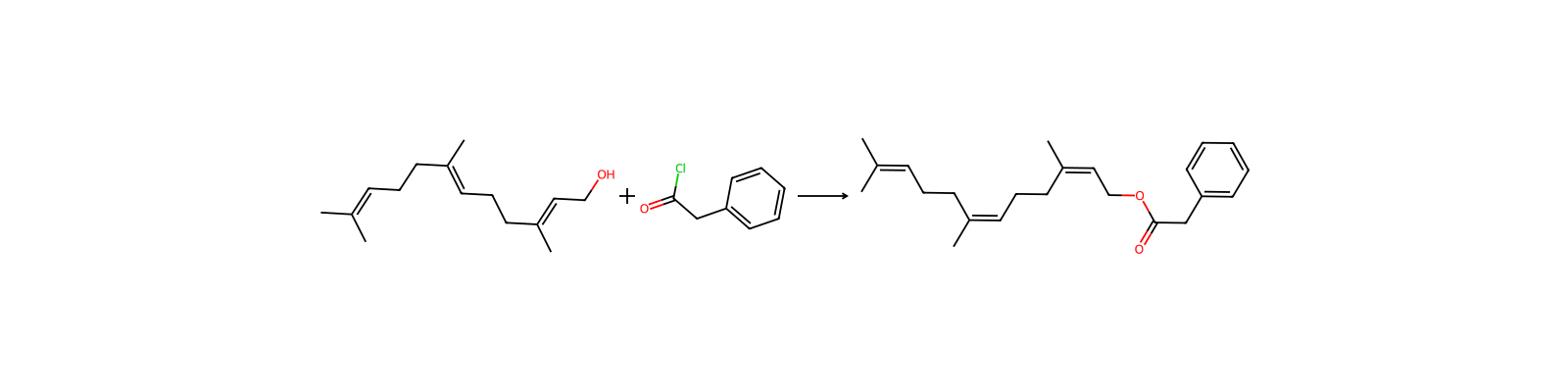
One method uses cabreuva as the starting material (Swiss Patent 261,120-Givaudan and Co ), while a second method starts from ambrette seeds (German Patent 149, 603-Haarmann and Reimer).
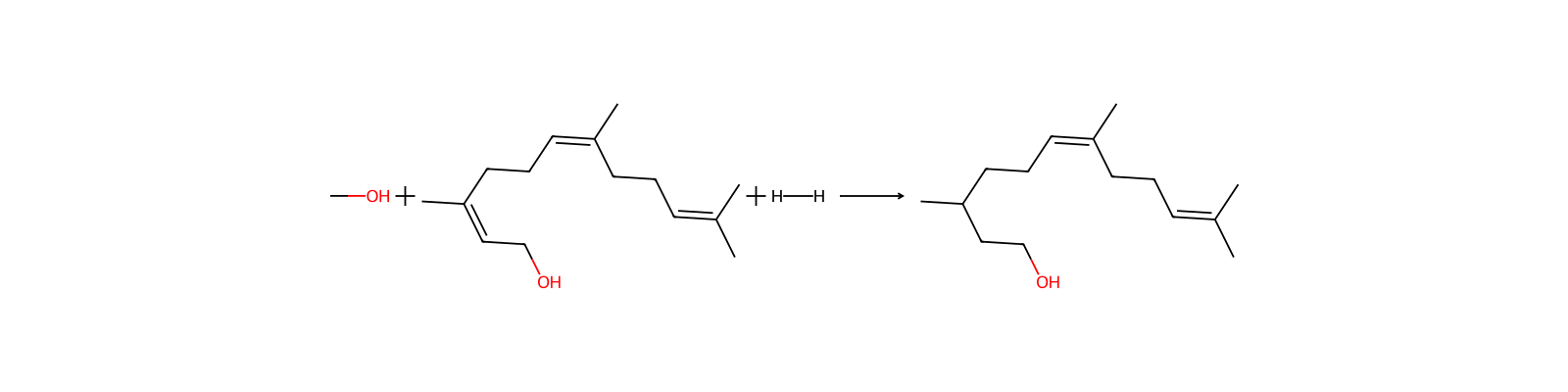
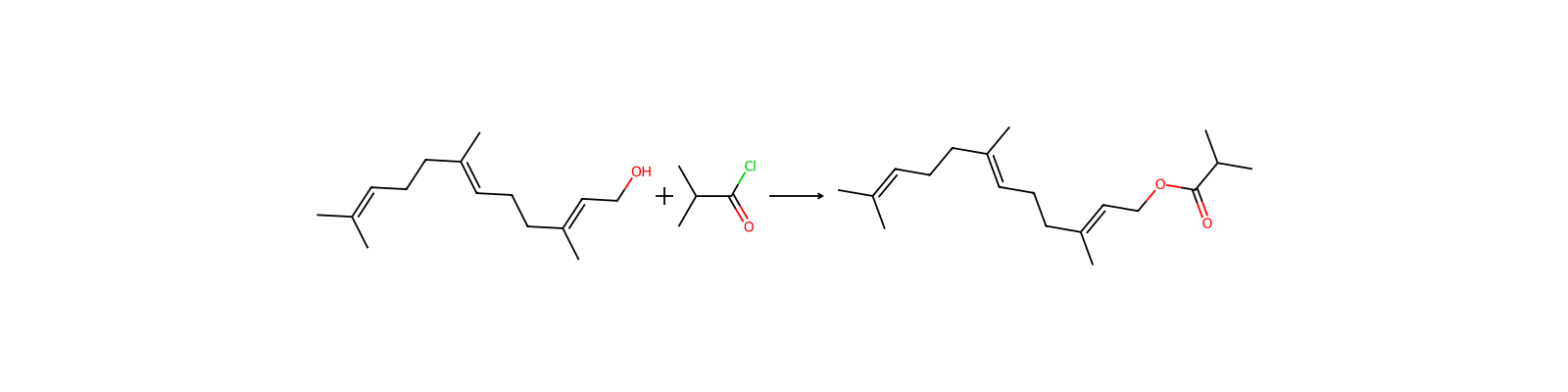
관련 반응
67건



화합물 노트
불러오는 중…