
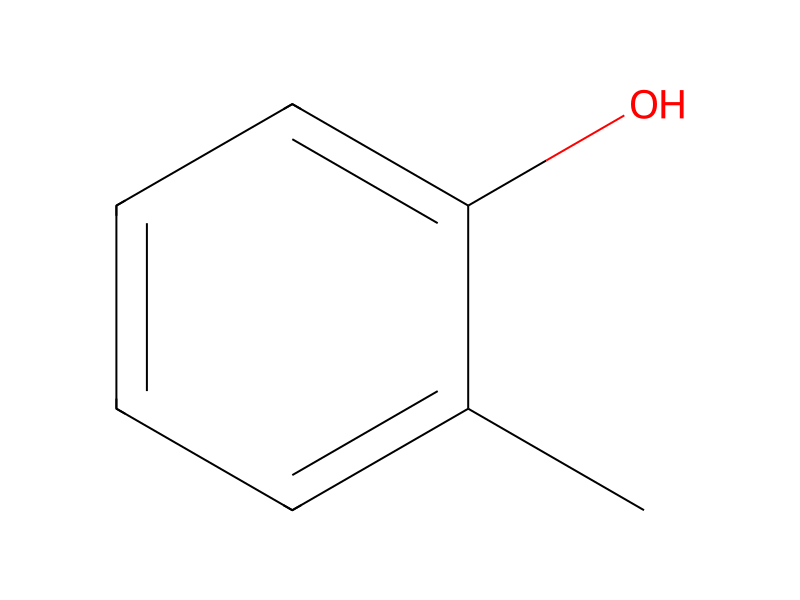
기본 정보
- 표준 SMILES
Cc1ccccc1O- InChIKey
QWVGKYWNOKOFNN-UHFFFAOYSA-N- 분자식
- C7H8O
- 평균 분자량
- 108.14 g/mol
- 단동위원소 질량
- 108.05751487
이름 및 식별자
- 우선 이름
- O-Cresol
- IUPAC
- 2-methylphenol
- 현지명
- O-크레졸
- 영어명
- o-Cresol
- 분자식
- C7H8O
- 분자량
- 108.14
이름 및 동의어
o-cresol2-Methylphenol95-48-7Orthocresol2-hydroxytoluene2-Cresolo-methylphenolPhenol, 2-methyl-o-Cresylic acido-Toluolo-Oxytolueneo-Hydroxytoluene
이름 더 보기
O-크레졸O-크레솔1-메틸-2-하이드록시벤젠1-하이드록시-2-메틸벤젠2-메틸페놀2-크레졸2-하이드록시-1-메틸벤젠2-하이드록시톨루엔O-메틸페놀O-옥시톨루엔O-크레실산o-하이드록시톨루엔오쏘-크레솔크레솔, 오쏘페놀, 2-메틸-FEMA 3480Phenol,2-methyl-o-CresoORTHO CRESO
ortho-cresol1-Hydroxy-2-methylbenzeneo-Methylphenylolo-Kresol2-methyl phenol2-Hydroxy-1-methylbenzeneFEMA No. 3480DTXSID8021808
데이터베이스 식별자
- CAS
95-48-7- PubChem CID
- 335
- DTXSID
DTXSID8021808- ChEMBL
CHEMBL46931- ChEBI
CHEBI:28054- UNII
- YW84DH5I7U
- EC Number
- 202-423-8
- Nikkaji
- J1.176B
물성
구조 계산 물성
- XLogP
- 2
- 극성 표면적
- 20.2 Ų
- 수소 결합 공여자 수
- 1
- 수소 결합 수용자 수
- 1
- 회전 가능 결합 수
- 0
- 무거운 원자 수
- 8
- 형식 전하
- 0
- 복잡도
- 70
물리화학적 성질
- 녹는점
- 29 · 29-31 °C (lit.)
- 끓는 점
- 191 °C · 191 °C (lit.)
- 밀도
- 1.048 g/mL · 1.048 g/mL at 25 °C
- 증기 밀도
- 3.72 · 3.72 (vs air)
- 증기압
- 0.3 mm · 0.3 mm Hg ( 20 °C)
- 굴절률
- 1.5361 · 1.5361
- FEMA
- 3480 · 3480 | O-CRESOL
- 인화점
- 178 °F · 178 °F
- 저장 조건
- under inert gas
- 용해도
- 20 g/L · 20g/L
- 물리적 상태
- 액체 또는 저융점 고체
- 산도 계수 (pKa)
- 10.2 · 10.2(at 25℃)
- 색상
- 흰색에서 갈색으로
- 수소이온지수(pH)
- 4.8 · 4.8 (20g/l, H2O, 20℃)
- 냄새
- 0.01 % · 디프로필렌 글리콜 중 0.01%. 곰팡내 나는 페놀 플라스틱 약초의 가죽 같은
- 냄새 유형
- 페놀성
- Odor Threshold
- 0.00028 ppm · 0.00028ppm
- 생물학적 소스
- synthetic
- 폭발한계
- 1.47 %, · 1.47%, 148°F
- 수용성
- 20 g/L · 20g/L(20℃)
- 비열
- 1.43 J/ · Cp(crystal): 1.43 J/(g·K), at 25℃
- JECFA Number
- 691 · 691
- Merck
- 14 · 14,2579
- BRN
- 506917 · 506917
- Henry's Law Constant
- 0.34 at · 0.34 at 5.25 °C, 0.61 at 10.00 °C, 1.57 at 20.00 °C, 2.33 at 25.00 °C (dynamic equilibrium system- GC, Feigenbrugel et al., 2004a)
- Dielectric constant
- 5.8 · 5.8(-5℃)
- 안정성
- 안정적이지만 가볍고 공기에 민감합니다. 타기 쉬운. 산화제, 염기와 호환되지 않습니다.
- 주요 응용
- 농업청소용품화장품환경향료 및 향음식 및 음료개인 위생 관리
- 화장품 원료 기능
- 항균향수
- InChI
- 1S/C7H8O/c1-6-4-2-3-5-7(6)8/h2-5,8H,1H3
- InChIKey
- QWVGKYWNOKOFNN-UHFFFAOYSA-N
- SMILES
- Cc1ccccc1O
- LogP
- 1.95 at · 1.95 at 20℃
- 표면장력
- 35.86 mN/m · 35.86mN/m at 298.15K
- NIST
- 2 · Phenol, 2-methyl-(95-48-7)
- EPA
- o-Cresol (95-48-7)
화학적 성질
o-Cresol has a musty, phenolic aftertaste.
안전 및 규제
안전 데이터
- OEB
- B
- OEL
- TWA: 2.3 ppm (10 mg/m3)
- wgk
- 1
- IDLA
- 250 ppm
- tsca
- TSCA listed
- rtecs
- GO6300000
- ridadr
- UN 3455 6.1/PG 2
- 독성
- LD50 orally in rats: 1.35 g/kg (Deichmann, Witherup)
- HS 번호
- 29071200
- risk_code
- 24/25-34-39/23/24/25-23/24/25
- hazard_code
- T
- safety_code
- 36/37/39-45-36/37
- 포장분류
- II
- 위험 등급
- 6.1
- 기존화학 물질
- KE-24792
- F 고인화성물질
- 8-23
- 자연 발화 온도
- 555 °C
- Hazard Classifications
- Acute Tox. 3 DermalAcute Tox. 3 OralAquatic Chronic 3Eye Dam. 1Skin Corr. 1B
- 스토리지 클래스
- 6.1A - Combustible acute toxic Cat. 1 and 2very toxic hazardous materials
- 유해 물질 데이터
- 95-48-7(Hazardous Substances Data)
- 함량 및 규제정보
- 물질구분: 유독물질; 혼합물(제품)함량정보: 크레졸 및 이를 5% 이상 함유한 혼합물
- 유해화학물질 필터링
- 97-1-268
화학 및 산업
응용 분야
출처Reported in Acacial farnesiana, ylang-ylang oil (probably as p-cresyl acetate), jasmine absolute, orange oil from leaves, the essence from flowers of Lilium candidum, anise seed oil, the essence of Artemisia santolinoflia, and some sea algae. Also reported found in asparagus, peppermint oil, cheddar cheese, provolone cheese, butter, milk, lean fish, boiled egg, smoked pork, rum, Scotch whiskey, red wine, white wine, coffee and mango.Reported found in cinnamon, coffee, Oriental tobacco, rum, sherry, tea, tomato and whiskey.
용도o-Cresol is used as a disinfectant and solvent. Lysol disinfectant is a 50% (v/v) mixed-cresol isomer in a soap emulsion formed on mixing with water. Besides disinfection products at solutions of 1–5%, the cresols are used as degreasing compounds, paintbrush cleaners, and additives in lubricating oils. Cresols were previously widely used for disinfection of poultry houses, but this use was discontinued because of their toxicity; they cause respiratory problems and abdominal edema in young chicks. o-Cresol has been used in synthetic resins, explosives, petroleum, photographic, paint, and agricultural industries.
일반 설명Colorless or yellow to brown-yellow or pinkish colored liquid with a phenol-like odor. Toxic by ingestion and/or skin absorption. May have a flash point between 100 and 199°F. Causes burns to skin, eyes and mucous membranes. Insoluble in water.
제조 방법
생산 방법Approximately 60% of o-cresol is obtained from coal-tar and crude oil by using classical techniques such as distillation, stripping, and liquid–liquid extraction. The remaining 40% is obtained synthetically by the alkylation of phenol with methanol. The cresols (cresylic acids) are methyl phenols and generally appear as a mixture of isomers. o-Cresol is a 2-methyl derivative of phenol and is prepared from o-toluic acid or obtained from coal tar or petroleum. Crude cresol is obtained by distilling “gray phenic acid” at a temperature of ≈180–201°C. o-Cresol may be separated from the crude or purified mixture by repeated fractional distillation in vacuo. It can also be prepared synthetically by diazotization of the specific toluidine or by fusion of the corresponding toluenesulfonic acid with sodium hydroxide.
상·하류 제품 정보
상류 원료
하류 제품
추가 설명
정의ChEBI: A cresol that is phenol substituted by a methyl group at position 2. It is a minor urinary metabolite of toluene.
관련 반응
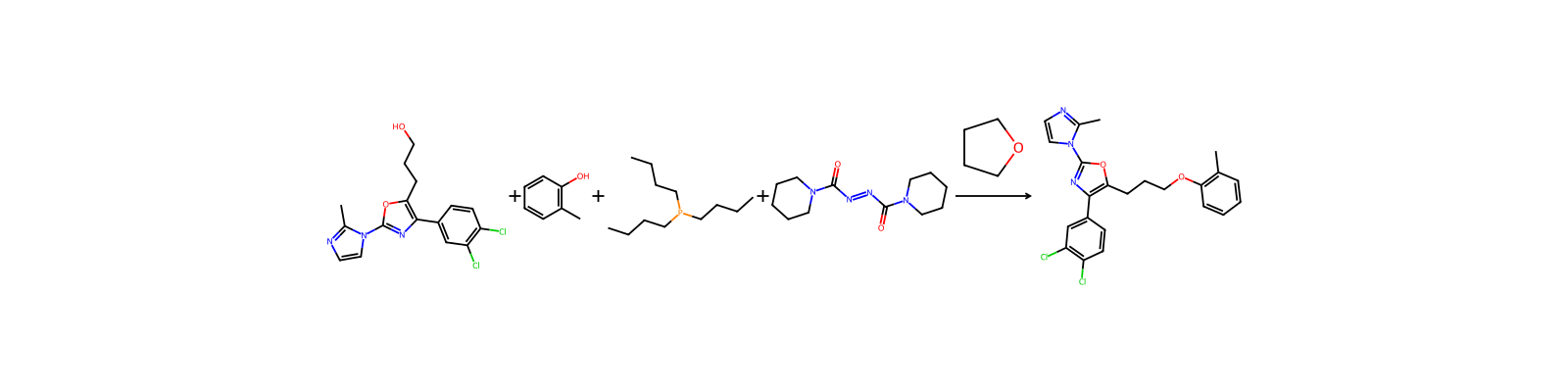
387건






연결된 노트
불러오는 중…