
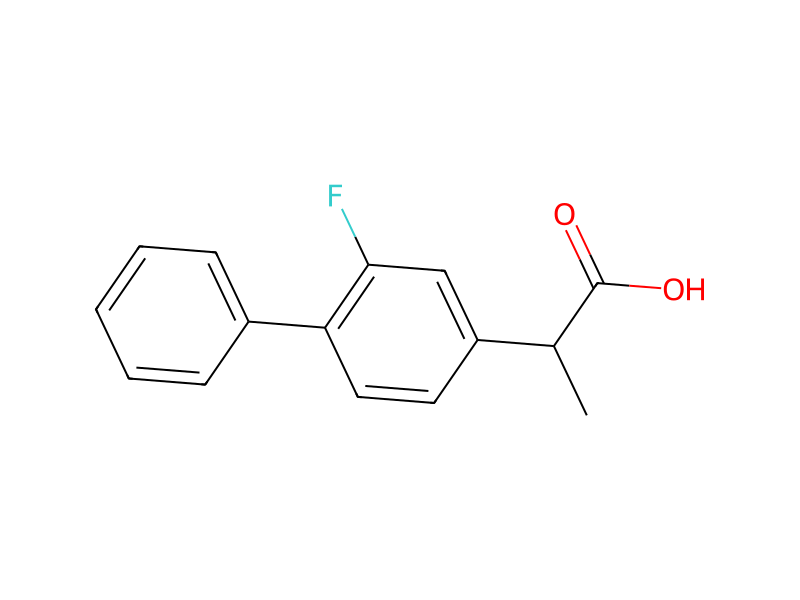
기본 정보
- 표준 SMILES
CC(C(=O)O)c1ccc(-c2ccccc2)c(F)c1- InChIKey
SYTBZMRGLBWNTM-UHFFFAOYSA-N- 분자식
- C15H13FO2
- 평균 분자량
- 244.26 g/mol
- 단동위원소 질량
- 244.08995788
개요
Flurbiprofen can cause developmental toxicity and female reproductive toxicity according to state or federal government labeling requirements.
이름 및 식별자
- 우선 이름
- Flurbiprofen
- IUPAC
- 2-(3-fluoro-4-phenylphenyl)propanoic acid
- 현지명
- FLURBI프로FEN
- 영어명
- Flurbiprofen
- 분자식
- C15H13FO2
- 분자량
- 244.26
이름 및 동의어
flurbiprofen5104-49-4AnsaidFrobenAntadys2-(3-fluoro-4-phenylphenyl)propanoic acid2-(2-fluorobiphenyl-4-yl)propanoic acidCebutidZepolasFlubiprofenFlurbiprofeneFlurbiprofeno
이름 더 보기
FLURBI프로FEN바이프로펜플루르비프로펜2-(2-Fluoro-[1,1'-biphenyl]-4-yl)propanoic acidrac-Flurbiprofenfp70ANSIDEAdfeed
3-Fluoro-4-phenylhydratropic acidFlurbiprofenumBTS-18322U-27182BTS 183222-Fluoro-alpha-methyl-(1,1'-biphenyl)-4-acetic acid(+-)-2-Fluoro-alpha-methyl-4-biphenylacetic acidDTXSID0037231
데이터베이스 식별자
- CAS
5104-49-4、51543-38-5- PubChem CID
- 3394
- DTXSID
DTXSID0037231- ChEMBL
CHEMBL563- ChEBI
CHEBI:5130- UNII
- 5GRO578KLP
- EC Number
- 225-827-6、257-262-6
- Nikkaji
- J73.105F
물성
구조 계산 물성
- XLogP
- 4.2
- 극성 표면적
- 37.3 Ų
- 수소 결합 공여자 수
- 1
- 수소 결합 수용자 수
- 3
- 회전 가능 결합 수
- 3
- 무거운 원자 수
- 18
- 형식 전하
- 0
- 복잡도
- 286
실험 및 물리화학적 성질
Drugs
Pharmaceuticals -> Musculo-skeletal system -> Anti-inflammatory and antirheumatic products
Pharmaceuticals
Pharmaceuticals -> Analgesics and anti-inflammatories
LogP3.8
Solubility2.49e-02 g/L
Human Drugs
Breast Feeding; Lactation; Milk, Human; Analgesic Agents; Anti-inflammatory Agents, Nonsteroidal
FDA approved drugs -> Active ingredient
FDA approved drugs -> Active ingredient
Pharmaceuticals
Melting Point
110-111 °C
110 - 111 °C
Physical DescriptionSolid
Dissociation Constants
4.03
4.22
4.3
Collision Cross Section155.9 Ų [M+K]+ [CCS Type: TW; Method: calibrated with polyalanine and drug standards]
물리화학적 성질
- 녹는점
- 110 · 110-112 °C(lit.)
- 끓는 점
- 376.2 · 376.2±30.0 °C(Predicted)
- 밀도
- 1.1795 · 1.1795 (estimate)
- 저장 조건
- Sealed in dry,Room Temperature
- 용해도
- 50 mg/mL · 메탄올: 용해성50mg/mL
- 산도 계수 (pKa)
- 3.8 · pKa 3.80(H2O) (Uncertain)
- 물리적 상태
- 흰색 고체
- 색상
- 흰색에서 황백색까지
- 생물학적 소스
- synthetic
- 수용성
- 8 mg/L · 8mg/L(상온)
- Merck
- 14 · 14,4199
- InChI
- InChI=1S/C15H13FO2/c1-10(15(17)18)12-7-8-13(14(16)9-12)11-5-3-2-4-6-11/h2-10H,1H3,(H,17,18)
- InChIKey
- SYTBZMRGLBWNTM-UHFFFAOYSA-N
- SMILES
- FC1C=C(C=CC=1C1C=CC=CC=1)C(C)C(=O)O
- EPA
- 1 · [1,1'-Biphenyl]-4-acetic acid, 2-fluoro-?-methyl- (5104-49-4)
화학적 성질
White to Off-White Crystalline Solid
안전 및 규제
GHS 분류
GHS Classification
Danger
H301 (98.2%): Toxic if swallowed [Danger Acute toxicity, oral]
P203, P261, P264, P264+P265, P270, P271, P280, P301+P316, P302+P352, P304+P340, P305+P351+P338, P318, P319, P321, P330, P332+P317, P337+P317, P362+P364, P403+P233, P405, and P501 (click each P-code to see the statement)
Aggregated GHS information provided per 114 reports by companies from 15 notifications to the ECHA C&L Inventory. Each notification may be associated with multiple companies.
유해성 정보
Regulatory InformationHazard Traits - Developmental Toxicity; Reproductive Toxicity
Other Safety InformationIMAP assessments - [1,1'-Biphenyl]-4-acetic acid, 2-fluoro-.alpha.-methyl-: Environment tier I assessment
Hazard Classes and CategoriesAcute Tox. 3 (98.2%)
독성 정보
Treatment
Patients should be managed by symptomatic and supportive care following overdose with a nonsteroidal anti-inflammatory drug. There are no specific antidotes. Emesis and/or activated charcoal (60 to 100 g in adults, 1 to 2 g/kg in children) and/or osmotic cathartic may be indicated in patients seen within 4 hours of ingestion with symptoms, or following a large overdose (5 to 10 times the usual dose). Forced diuresis, alkalization of urine, hemodialysis, or hemoperfusion may not be useful due to high protein binding. (L1712)
Hepatotoxicity
Prospective studies show that mild elevations in serum aminotransferase levels can occur in up to 15% of patients taking NSAIDs such as flurbiprofen, but the abnormalities are generally transient, mild and asymptomatic, often resolving even with drug continuation. Marked aminotransferase elevations above 3 times the upper limit of normal (ULN) occur in less than 1% of patients. Clinically apparent liver injury with jaundice from flurbiprofen is rare and only individual case descriptions have been published. The latency to onset is within 1 to 4 weeks of starting. The pattern of enzyme elevations is typically cholestatic, but hepatocellular cases have been described. Immunoallergic features are present in some cases (low grade fever, rash), but are generally not prominent, and autoantibody formation is rare. Most cases resolve promptly on stopping therapy. Flurbiprofen is not mentioned in large case series on drug induced liver injury or acute liver failure from the United States, but was listed as the second most common agent implicated in drug-induced liver injury in a case series from Turkey, one of which was fatal.
Exposure RoutesFluribiprofen is rapidly and almost completely absorbed following oral administration. Peak plasma concentrations are reached 0.5 - 4 hours after oral administration.
Toxicity Summary
Similar to other NSAIAs, the anti-inflammatory effect of flurbiprofen occurs via reversible inhibition of cyclooxygenase (COX), the enzyme responsible for the conversion of arachidonic acid to prostaglandin G2 (PGG2) and PGG2 to prostaglandin H2 (PGH2) in the prostaglandin synthesis pathway. This effectively decreases the concentration of prostaglandins involved in inflammation, pain, swelling and fever. Flurbiprofen is a non-selective COX inhibitor and inhibits the activity of both COX-1 and -2. It is also one of the most potent NSAIAs in terms of prostaglandin inhibitory activity.
Signs and SymptomsSymptoms of a flurbiprofen overdose may include nausea, vomiting, stomach pain, dizziness, drowsiness, black or bloody stools, coughing up blood, urinating less than usual or not at all, shallow breathing, fainting, or coma.
Carcinogen ClassificationNo indication of carcinogenicity to humans (not listed by IARC).
Drug Induced Liver Injury
Benchmark Dataset for the Liver Toxicity Knowledge Base (LTKB)
flurbiprofen
Ocufen®
NSAIDs
3
less-DILI-concern drugs
Effects During Pregnancy and Lactation◉ Summary of Use during Lactation
Toxicity DataLD50: 10 mg/kg (Oral, Dog) (A308)
안전 데이터
- wgk
- 3
- rtecs
- DU8341000
- ridadr
- UN 2811 6.1/PG 2
- HS 번호
- 29163990
- risk_code
- 25-23/24/25
- hazard_code
- T,C
- safety_code
- 36/37/39-45
- 포장분류
- III
- 위험 등급
- 6.1(b)
- 기존화학 물질
- KE-17010
- Hazard Classifications
- Acute Tox. 3 Oral
- 스토리지 클래스
- 6.1C - Combustible acute toxic Cat.3toxic compounds or compounds which causing chronic effects
화학 및 산업
약리 정보
ATC Code
R02AX01
S - Sensory organs
M - Musculo-skeletal system
M - Musculo-skeletal system
R - Respiratory system
QM - Musculo-skeletal system
Protein Binding> 99% bound, primarily to albumin. Binds to a different primary binding site on albumin than anticoagulants, sulfonamides and phenytoin.
Pharmacodynamics
Flurbiprofen, a nonsteroidal anti-inflammatory agent (NSAIA) of the propionic acid class, is structually and pharmacologically related to fenoprofen, ibuprofen, and ketoprofen, and has similar pharmacological actions to other prototypica NSAIAs. Flurbiprofen exhibits antiinflammatory, analgesic, and antipyretic activities. The commercially available flurbiprofen is a racemic mixture of (+)S- and (-) R-enantiomers. The S-enantiomer appears to possess most of the anti-inflammatory, while both enantiomers may possess analgesic activity.
Mechanism of Action
Similar to other NSAIAs, the anti-inflammatory effect of flurbiprofen occurs via reversible inhibition of cyclooxygenase (COX), the enzyme responsible for the conversion of arachidonic acid to prostaglandin G2 (PGG2) and PGG2 to prostaglandin H2 (PGH2) in the prostaglandin synthesis pathway. This effectively decreases the concentration of prostaglandins involved in inflammation, pain, swelling and fever. Flurbiprofen is a non-selective COX inhibitor and inhibits the activity of both COX-1 and -2. It is also one of the most potent NSAIAs in terms of prostaglandin inhibitory activity.
Biological Half-LifeR-flurbiprofen, 4.7 hours; S-flurbiprofen, 5.7 hours
Metabolism/Metabolites
Hepatic. Cytochrome P450 2C9 plays an important role in the metabolism of flurbiprofen to its major metabolite, 4’-hydroxy-flurbiprofen. The 4’-hydroxy-flurbiprofen metabolite showed little anti-inflammatory activity in animal models of inflammation.
Hepatic. Cytochrome P450 2C9 plays an important role in the metabolism of flurbiprofen to its major metabolite, 4’-hydroxy-flurbiprofen. The 4’-hydroxy-flurbiprofen metabolite showed little anti-inflammatory activity in animal models of inflammation. Route of Elimination: Flurbiprofen is poorly excreted into human milk. Following dosing with flurbiprofen, less than 3% of flurbiprofen is excreted unchanged in the urine, with about 70% of the dose eliminated in the urine as parent drug and metabolites. Renal elimination is a significant pathway of elimination of flurbiprofen metabolites. Half Life: R-flurbiprofen, 4.7 hours; S-flurbiprofen, 5.7 hours
FDA Pharmacological Classification
5GRO578KLP
FLURBIPROFEN
Mechanisms of Action [MoA] - Cyclooxygenase Inhibitors
Chemical Structure [CS] - Anti-Inflammatory Agents, Non-Steroidal
Established Pharmacologic Class [EPC] - Nonsteroidal Anti-inflammatory Drug
Flurbiprofen is a Nonsteroidal Anti-inflammatory Drug. The mechanism of action of flurbiprofen is as a Cyclooxygenase Inhibitor.
MeSH Pharmacological Classification
Compounds capable of relieving pain without the loss of CONSCIOUSNESS.
Anti-inflammatory agents that are non-steroidal in nature. In addition to anti-inflammatory actions, they have analgesic, antipyretic, and platelet-inhibitory actions. They act by blocking the synthesis of prostaglandins by inhibiting cyclooxygenase, which converts arachidonic acid to cyclic endoperoxides, precursors of prostaglandins. Inhibition of prostaglandin synthesis accounts for their analgesic, antipyretic, and platelet-inhibitory actions; other mechanisms may contribute to their anti-inflammatory effects.
Compounds or agents that combine with cyclooxygenase (PROSTAGLANDIN-ENDOPEROXIDE SYNTHASES) and thereby prevent its substrate-enzyme combination with arachidonic acid and the formation of eicosanoids, prostaglandins, and thromboxanes.
Absorption, Distribution and Excretion
Fluribiprofen is rapidly and almost completely absorbed following oral administration. Peak plasma concentrations are reached 0.5 - 4 hours after oral administration.
Flurbiprofen is poorly excreted into human milk. Following dosing with flurbiprofen, less than 3% of flurbiprofen is excreted unchanged in the urine, with about 70% of the dose eliminated in the urine as parent drug and metabolites. Renal elimination is a significant pathway of elimination of flurbiprofen metabolites.
14 L [Normal Healthy Adults]
Cellular LocationsCytoplasm
Metabolite PathwaysFlurbiprofen Action Pathway
용도 및 제조
Uses
Use (kg; approx.) in Germany (2009): >250
Flurbiprofen tablets are indicated for the acute or long-term symptomatic treatment of rheumatoid arthritis, osteorarthritis and anklosing spondylitis. It may also be used to treat pain associated with dysmenorrhea and mild to moderate pain accompanied by inflammation (e.g. bursitis, tendonitis, soft tissue trauma). Topical ophthalmic formulations may be used pre-operatively to prevent intraoperative miosis.
Use ClassificationPharmaceuticals
응용 분야
개요Flurbiprofen synthesis was originally reported in 1974. During a study of the pharmacological properties of a large number of substituted phenylalkanoic acids, including ibuprofen and ibufenac, the most potent were found to be substituted 2-(4-biphenyl)propionic acids. Further toxicological and pharmacological studies indicated that flurbiprofen possessed the most favorable therapeutic profile, so it was selected for further clinical development. It was not marketed until 1987, when it was introduced as the sodium salt as Ocufen, the first topical NSAID indicated for ophthalmic use in the United States. The indication for Ocufen is the same as that for Profenal—that is, to inhibit intraoperative miosis induced by prostaglandins in cataract surgery.
용도An anti-inflammatory used as an analgesic.
일반 설명Flurbiprofen (Ansaid, Ocufen, Froben), is another drug inthis class indicated for both acute and long-term managementof RA and OA but with a more complex mechanism ofaction. Unlike the other drugs in this class, it does not undergochiral inversion (i.e., the conversion of the “inactive”[R]-enantiomer to the active, [S]-enantiomer). Similar to aspirinand other salicylates, both flurbiprofen enantiomersblock COX-2 induction as well as inhibiting the nuclearfactor-κB-mediated polymorphonuclear leukocyte apoptosissignaling; therefore, both enantiomers are believed to contributeequally to its overall anti-inflammatory action.(R)-flurbiprofen is actually a strong clinical candidate forthe treatment of Alzheimer disease, because it has beenshown to reduce Aβ42 production by human cells.
상·하류 제품 정보
상류 원료
하류 제품
공급사50 곳
国药集团化学试剂有限公司86-21-63210123 · [email protected]
北京华美互利生物化工010-56205725 · [email protected]
梯希爱(上海)化成工业发展有限公司021-67121386 · [email protected]
上海阿拉丁生化科技股份有限公司400-6206333 13167063860 · [email protected]
绍兴泓达医药科技有限公司18072995930 · [email protected]
上海迈瑞尔生化科技有限公司4006356688 18621169109 · [email protected]
武汉易泰科技有限公司上海分公司18930552037 · [email protected]
大连美仑生物技术有限公司0411-62910999 13889544652 · [email protected]
阿法埃莎(中国)化学有限公司400-6106006 · [email protected]
太原市瑞和丰科贸有限公司+86 351 7031519 · [email protected]
安耐吉化学&3A(安徽泽升科技股份有限公司)400-0056266 · [email protected]
上海瀚鸿科技股份有限公司021-54306202 13764082696 · [email protected]
上海柯维化学技术有限公司021-64609169 18901607656 · [email protected]
济南鸿康达化工有限公司0531-88901705 18753193522 · [email protected]
Pure Chemistry Scientific Inc.001-857-928-2050 or 1-888-588-9418 · [email protected]
上海隆盛化工有限公司58099637 13585536065 · [email protected]
海门慧聚药业有限公司0086-15189180296 · [email protected]
上海瀚香生物科技有限公司177-54423994 17754423994 · [email protected]
武汉丰泰威远科技有限公司027-87465837 19945049750 · [email protected]
孝感深远化工有限公司15527621225; 15527621225 · [email protected]
天津希恩思生化科技有限公司400 638 7771 · [email protected]
济南健丰化工有限公司0531-88110457; 18954159893
斯百全化学(上海)有限公司021-021-021-67601398-809-809-809 15221380277 · [email protected]
上海源叶生物科技有限公司13636370518 · [email protected]
山东铭枫医药科技有限公司053155551677 15315114555 · [email protected]
上海思域化工科技有限公司86-21-34053660 · [email protected]
天津尚德药缘科技有限公司13132578992 · [email protected]
上海遐瑞医药科技有限公司+86 21 61551611
TCI AMERICA800-4238616 · [email protected]
TOKYO CHEMICAL INDUSTRY CO., LTD.03-36680489 · [email protected]
TCI Europe320-37350700 · [email protected]
深圳振强药物研发有限公司0755-66853366 13670046396 · [email protected]
广州爱纯医药科技有限公司020-39119399 18927568969 · [email protected]
南京生利德生物科技有限公司025-57798810 18652991625 · [email protected]
深圳市石金谷科技有限公司(0086)755-61930359 (0086)18038192047 · [email protected]
湖北威德利化学试剂有限公司186-02735115 18602735115 · [email protected]
上海将来实业股份有限公司021-61552785 · [email protected]
成都零六生物科技有限公司400-1166-196 13458535857 · [email protected]
上海御略医药科技有限公司021-60345187 13671753212 · [email protected]
上海麦克林生化科技股份有限公司15221275939 15221275939 · [email protected]
杭州杰恒化工有限公司0571-87396432 · [email protected]
上海永叶生物科技有限公司86-021-61559134 15921386130 · [email protected]
上海孚一生物科技有限公司+86 (21) 61124340
凯试(上海)科技有限公司021-50135380 · [email protected]
池州凯隆进出口贸易有限公司[email protected]
南京熙泽医药科技有限公司025-66023220 15250997978 · [email protected]
天津阿尔塔科技有限公司022-6537-8550 15522853686 · [email protected]
TargetMol中国(陶术生物)021-021-33632979 15002134094 · [email protected]
湖北康恩化学有限公司180-64105258 18064105258
上海皓之翔生物科技有限公司(原上海拓青化工有限公司)526763801 13301653310 · [email protected]
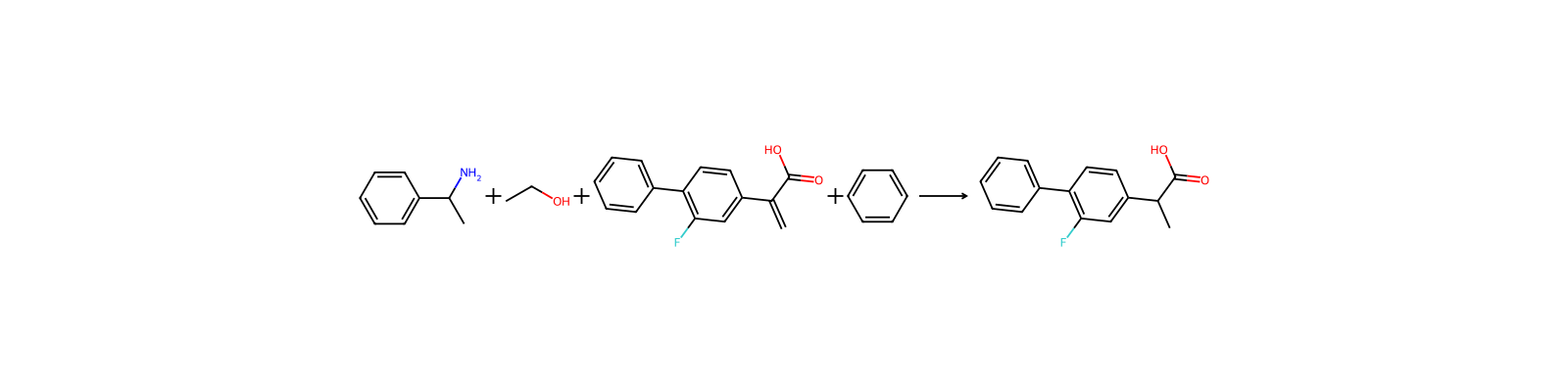
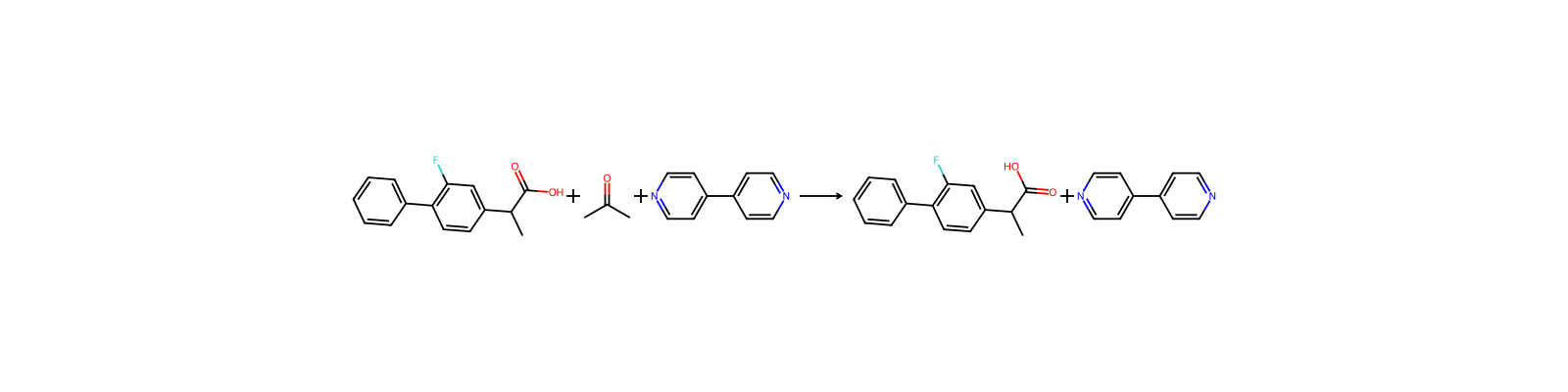
관련 반응
717건



연결된 노트
불러오는 중…