
Adams' catalyst

기본 정보
- CAS
1314-15-4- 표준 SMILES
[O]=[Pt]=[O]- InChIKey
YKIOKAURTKXMSB-UHFFFAOYSA-N- 분자식
- O2Pt
- 평균 분자량
- 227.08 g/mol
- 단동위원소 질량
- 226.95462034
이름 및 식별자
- 우선 이름
- Adams' catalyst
- IUPAC
- dioxoplatinum
- 영어명
- Platinum dioxide
- 분자식
- O2Pt
- 분자량
- 227.08
이름 및 동의어
Platinum(IV) oxide1314-15-4dioxoplatinumAdams' catalystAdams CatalystPlatinic oxideplatinum (iv) oxidePlatinium oxideMFCD00011184platinum(iv) dioxidePlatinium oxide, PtO2Platinum(iv)oxide
이름 더 보기
PtO2PLATINUM OXIDE1341-15-4ADAM'S CATALYSTplatinum(iv) oxide monohydrate, adams catalyst
Bis(oxido)platinumplatinum (IV)oxideplatinum(IV)-oxidePlatinum-(IV)-oxidePlatinum (1V) oxideplatinum (IV) dioxidePlatinum( cento) oxideSCHEMBL72223
데이터베이스 식별자
- CAS
1314-15-4- PubChem CID
- 345198
- DTXSID
DTXSID40904275- EC Number
- 215-223-0
- Nikkaji
- J96.441G
물성
구조 계산 물성
- 극성 표면적
- 34.1 Ų
- 수소 결합 공여자 수
- 0
- 수소 결합 수용자 수
- 2
- 회전 가능 결합 수
- 0
- 무거운 원자 수
- 3
- 형식 전하
- 0
- 복잡도
- 18.3
실험 및 물리화학적 성질
Chemical ClassesMetals -> Metals, Inorganic Compounds
Food Contact SubstancesFCS -> FDA Inventory of Effective Food Contact Substance (FCS) Notifications
Physical DescriptionMonohydrate: Black solid; [Merck Index] Black odorless powder; Insoluble in water; [MSDSonline]
물리화학적 성질
- 녹는점
- 450 °C · 450 °C (lit.)
- 밀도
- 10.2 · 10.2
- 저장 조건
- 2 · under inert gas (nitrogen or Argon) at 2-8°C
- 물리적 상태
- 수정 같은
- 색상
- 어두운 갈색
- 수용성
- 가성 칼륨 용액에 용해됩니다. 산, 물, Aqua Regia에 불용성입니다.
- Merck
- 14 · 14,7527
- 안정성
- 가연성 물질과 접촉하면 화재가 발생할 수 있습니다. 유기 물질, 금속 분말과 호환되지 않습니다.
- InChI
- InChI=1S/2O.Pt
- InChIKey
- WNVYCMIJBVIKSY-UHFFFAOYSA-N
- SMILES
- [Pt](=O)=O
- NIST
- Platinum dioxide(1314-15-4)
- EPA
- Platinum oxide (PtO2) (1314-15-4)
안전 및 규제
안전 정보는 참고용이며, 공급업체의 물질안전보건자료(SDS), 관련 법규 및 전문가 평가를 대체하지 않습니다.
GHS 분류
GHS Classification
This chemical does not meet GHS hazard criteria for 3% (8 of 269) of reports.
Danger
H271 (75.5%): May cause fire or explosion; strong Oxidizer [Danger Oxidizing liquids; Oxidizing solids]
P210, P220, P264+P265, P280, P283, P305+P351+P338, P306+P360, P337+P317, P370+P378, P371+P380+P375, P420, and P501 (click each P-code to see the statement)
Aggregated GHS information provided per 269 reports by companies from 9 notifications to the ECHA C&L Inventory. Each notification may be associated with multiple companies.
유해성 정보
Regulatory Information
Chemical: Platinum oxide (PtO2)
Status: Active Update: 27-01-2022 https://echa.europa.eu/registration-dossier/-/registered-dossier/18998
Platinum (IV) oxide: Does not have an individual approval but may be used under an appropriate group standard
Other Safety InformationIMAP assessments - Platinum oxide (PtO2): Environment tier I assessment
Hazards SummaryA skin irritant; Corrosive to eyes; [eChemPortal: ERMA] An oxidizing agent; May cause fire on contact with combustible material; An irritant; May cause skin sensitization; [MSDSonline]
Hazard Classes and CategoriesOx. Sol. 1 (75.5%)
독성 정보
Adverse EffectsSkin Sensitizer - An agent that can induce an allergic reaction in the skin.
안전 데이터
- wgk
- 2
화학 및 산업
용도 및 제조
Uses
Used as a hydrogenation catalyst; [Merck Index] Platinum(IV) oxide hydrate (PtO2.H2O) is a hydrogenation catalyst. Other platinum oxides have little commercial use: Platinum(II) oxide (PtO) and platinum(II) oxide hydrate (PtO.H2O). [Ullmann]
General Manufacturing InformationPlatinum oxide (PtO2): ACTIVE
응용 분야
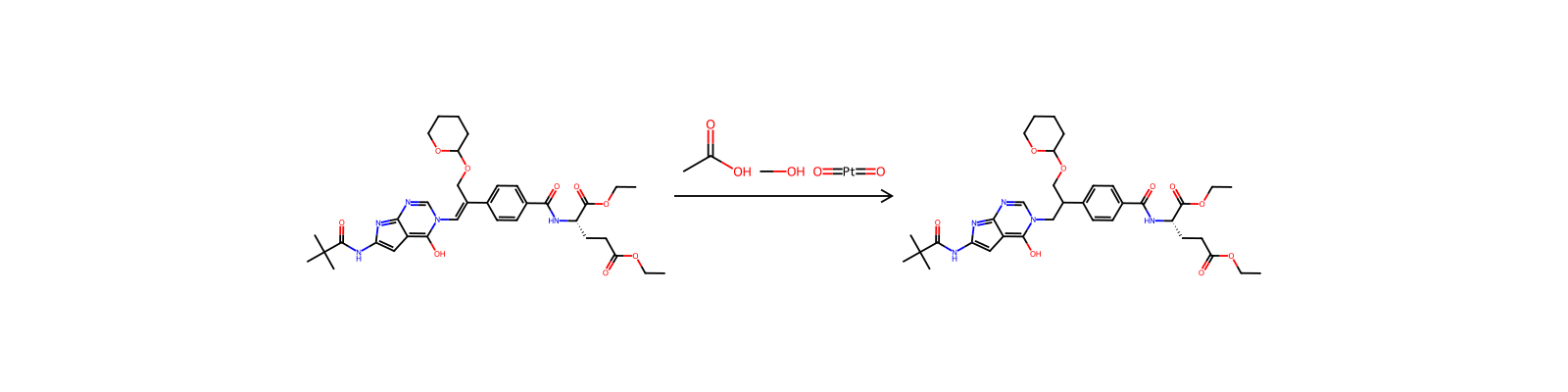
용도As catalyst in hydrogenations. The actual catalyst is platinum black which is formed in situ by reduction of the PtO2 by the hydrogen used for the hydrogenation. Especially useful for reduction at room tempereture and hydrogen pressures up to 4 atmospheres. Suitable for the reduction of double and triple bonds, aromatic nuclei, carbonyl groups, nitro groups, and nitriles.
일반 설명Platinum(IV) oxide has been used for the reduction of citernyl bromide to form (S)-3,7-dimethyloctylbromide. Prepared by Adams′ nitrate fusion method.
제조 방법
생산 방법PtO2 is obtained by reduction in chloroplatinic acid with formaldehyde or by fusing chloroplatinic acid with sodium nitrate.
상·하류 제품 정보
상류 원료
하류 제품
관련 반응
2,325건



화합물 노트
불러오는 중…