

기본 정보
- 표준 SMILES
CC1=CC(=O)NS(=O)(=O)O1- InChIKey
YGCFIWIQZPHFLU-UHFFFAOYSA-N- 분자식
- C4H5NO4S
- 평균 분자량
- 163.15 g/mol
- 단동위원소 질량
- 162.99392881
이름 및 식별자
- 우선 이름
- Acesulfame
- IUPAC
- 6-methyl-2,2-dioxooxathiazin-4-one
- 영어명
- Acesulfame
- 분자식
- C4H5NO4S
- 분자량
- 163.15
이름 및 동의어
ACESULFAME33665-90-6AcetosulfamAcesulfamo6-Methyl-1,2,3-oxathiazin-4(3H)-one 2,2-dioxideAcesulfamum6-methyl-2,2-dioxooxathiazin-4-one6-Methyl-3,4-dihydro-1,2,3-oxathiazin-4-one 2,2-dioxideAcesulfamMA3UYZ6K1HCHEBI:835016-methyl-3,4-dihydro-1,2lambda6,3-oxathiazine-2,2,4-trione
이름 더 보기
ACESULFAME KAnsaimiRARECHEM AM UC 0205SWEET ONEACESULFAME POTASSIUM SALTAnsemiSUNETTEAnselmi.Sunett(R)
6-Methyl-1,2,3-oxathiazin-4(3H)-on 2,2-dioxid1,2,3-Oxathiazin-4(3H)-one, 6-methyl-, 2,2-dioxideCHEMBL1766873,4-Dihydro-6-methyl-1,2,3-oxathiazin-4-one-2,2-dioxideDTXSID0048006ACESULFAME (II)ACESULFAME [II]6-methyl-3,4-dihydro-1,2$l^(6),3-oxathiazine-2,2,4-trione
데이터베이스 식별자
- CAS
33665-90-6- PubChem CID
- 36573
- DTXSID
DTXSID0048006- ChEMBL
CHEMBL176687- ChEBI
CHEBI:83501- UNII
- MA3UYZ6K1H
- EC Number
- 251-622-6
- Nikkaji
- J2.157.851G
물성
구조 계산 물성
- XLogP
- -0.3
- 극성 표면적
- 80.9 Ų
- 수소 결합 공여자 수
- 1
- 수소 결합 수용자 수
- 4
- 회전 가능 결합 수
- 0
- 무거운 원자 수
- 10
- 형식 전하
- 0
- 복잡도
- 283
실험 및 물리화학적 성질
Taste
Sugar equivalence value relative to sucrose = 200
Sweet taste ... bitter-metallic after taste; the sweetness potency relative to sucrose is about 200
Density1.83
Color/FormNeedles from benzene or chloroform
Solubility
In water, 270 g/L at 20 °C
Soluble in benzene, chloroform
DecompositionWhen heated to decomposition emits toxic fumes of /sulfur oxides/. /Acesulfame potassium/
Melting Point
123.2 °C
MP: 225 °C /Acesulfame potatssium/
123 - 123.5 °C
Physical Description
Solid; [Merck Index]
Solid
Stability/Shelf LifeStable under recommended storage conditions. /Acesulfame K/
Dissociation ConstantspKa = 2.0
Collision Cross Section125.1 Ų [M-H]- [CCS Type: DT; Buffer gas: N2; Ionization: ESI-; Dataset: TOXCAST; Source Identifier: DTXSID1030606]
Other Experimental Properties
Density: 1.83 g/cu cm; 30, 40 and 90 g/100 mL water at 20, 40 and 90 °C; 0.4, 5, 10, 15, and 23 g/100 mL ethanol, 80%, 60%, 40% and 20% (vol) ethanol at 20 °C; solubility in g/100 mL at 20 °C: 1.0 in methanol, 0.08 in acetone, about 13 in acetic acid, about 15 in dimethyl formamide, over 30 in dimethylsulfoxide, over 60 in formic acid /Acesulfame potassium/
Mol wt 201.24. Colorless, odorless powder. Decomposition point about 225 °C. Density (solid) 1.81 g/cu cm; density (bulk) 1.1-1.3 kg/cu dm. UV max: 227 nm (epsilon 1.0762X10+4). Very soluble in water, DMF, DMSO. Soluble in alcohol, glycerin-water. Solubilty in water (g/L): about 150 (0 °C); about 210 (10 °C); about 270 (20 °C); about 360 (30 °C; about 460 (40 °C); about 580 (50 °C); about 830 (70 °C); about 1300 (100 °C). Solubility at 20 °C (g/L): methanol about 10; ethanol (anhydrous) about 1; glycerol (anhydrous) about 30; glycerol/water (80:20, v/v) about 82; glycerol/water (50:50, v/v) about 162; acetone about 0.8; glacial acetic acid about 130. Solubility at 23 °C (g/L): ethanol/water (80:20 v/v) about 46; ethanol/water (60:40, v/v) about 100; ethanol/water (40:60, v/v) about 155; ethanol/water (20:80, v/v) about 221 /Acesulfame potassium salt/
White, free-flowing crystalline powder /Acesulfame potassium/
At higher concentrations, there is a detectable bitter and metallic off-taste similar to saccharin. The sweetness potency of acesulfame-K (100 to 200X, depending on the matching sucrose concentration) is considered to be about half that of saccharin, which is about the same as that of aspartame. /Acesulfame potassium/
물리화학적 성질
- 녹는점
- 123 · 123-123.5°
- 밀도
- 1.83 · 1.83
- 산도 계수 (pKa)
- -0.28 · -0.28±0.40(Predicted)
- 수용성
- 20 °C에서 · 20°C에서 270g/L
- Henry's Law Constant
- 1 · 1.0×103 mol/(m3Pa) at 25℃, HSDB (2015)
- InChI
- InChI=1S/C4H5NO4S/c1-3-2-4(6)5-10(7,8)9-3/h2H,1H3,(H,5,6)
- InChIKey
- YGCFIWIQZPHFLU-UHFFFAOYSA-N
- SMILES
- O1C(C)=CC(=O)NS1(=O)=O
안전 및 규제
GHS 분류
GHS Classification
This chemical does not meet GHS hazard criteria for 50% (1 of 2) of reports.
Warning
H315 (50%): Causes skin irritation [Warning Skin corrosion/irritation];H319 (50%): Causes serious eye irritation [Warning Serious eye damage/eye irritation];H335 (50%): May cause respiratory irritation [Warning Specific target organ toxicity, single exposure; Respiratory tract irritation]
P261, P264, P264+P265, P271, P280, P302+P352, P304+P340, P305+P351+P338, P319, P321, P332+P317, P337+P317, P362+P364, P403+P233, P405, and P501 (click each P-code to see the statement)
Aggregated GHS information provided per 2 reports by companies from 2 notifications to the ECHA C&L Inventory. Each notification may be associated with multiple companies.;Reported as not meeting GHS hazard criteria per 1 of 2 reports by companies.;There is 1 notification provided by 1 of 2 reports by companies with hazard statement code(s).;Information may vary between notifications depending on impurities, additives, and other factors. The percentage value in parenthesis indicates the notified classification ratio from companies that provide hazard codes. Only hazard codes with percentage values above 10% are shown. For more detailed information, please visit ECHA C&L website.
유해성 정보
Regulatory InformationChemical: 1,2,3-Oxathiazin-4(3H)-one, 6-methyl-, 2,2-dioxide
Hazards Summary
Potassium salt: Oral LD50 (rat) = 7,430 mg/kg; Not irritating to rabbit skin but irritating to rabbit eyes; 90-day feeding study of rats produced minor effects at highest tested dose of 10%, but no serum enzyme, gross pathological, or histological changes; No adverse effects observed in two year feeding study of dogs (doses up to 3% corresponding to 900 mg/kg/day); No evidence of reproductive, developmental, or teratogenic toxicity in rats; Emergency treatment: Non-toxic ingestion; [HSDB]
FDA Requirements
Acesulfame potassium is a food additive permitted for direct addition to food for human consumption, as long as 1) the quantity of the substance added to food does not exceed the amount reasonably required to accomplish its intended physical, nutritive, or other technical effect in food, and 2) any substance intended for use in or on food is of appropriate food grade and is prepared and handled as a food ingredient. /Acesulfame potassium/
Toxic Combustion ProductsSpecial hazards arising from the substance or mixture: Carbon oxides, nitrogen oxides (NOx), sulfur oxides, potassium oxides. /Acesulfame K/
Hazard Classes and CategoriesSkin Irrit. 2 (50%);Eye Irrit. 2A (50%);STOT SE 3 (50%)
Skin, Eye, and Respiratory IrritationsAcesulfame K was non-irritant in a primary dermal irritation test in the rabbit. /Acesulfame K/
Hazardous Reactivities and IncompatibilitiesIncompatible materials: Strong oxidizing agents. /Acesulfame K/
안전 및 보호
Fire Fighting Procedures
Suitable extinguishing media: Use water spray, alcohol-resistant foam, dry chemical or carbon dioxide. /Acesulfame K/
Advice for firefighters: Wear self contained breathing apparatus for fire fighting if necessary. /Acesulfame K/
Storage ConditionsKeep container tightly closed in a dry and well-ventilated place. /Acesulfame K/
Cleanup Methods
ACCIDENTAL RELEASE MEASURES: Personal precautions, protective equipment and emergency procedures: Avoid dust formation. Avoid breathing vapors, mist or gas. Environmental precautions: Do not let product enter drains. Methods and materials for containment and cleaning up: Sweep up and shovel. Keep in suitable, closed containers for disposal. /Acesulfame K/
Disposal Methods
SRP: Recycle any unused portion of the material for its approved use or return it to the manufacturer or supplier. Ultimate disposal of the chemical must consider: the material's impact on air quality; potential migration in air, soil or water; effects on animal, aquatic and plant life; and conformance with environmental and public health regulations. If it is possible or reasonable use an alternative chemical product with less inherent propensity for occupational harm/injury/toxicity or environmental contamination.
Product: Offer surplus and non-recyclable solutions to a licensed disposal company; Contaminated packaging: Dispose of as unused product. /Acesulfame K/
Preventive Measures
ACCIDENTAL RELEASE MEASURES: Personal precautions, protective equipment and emergency procedures: Avoid dust formation. Avoid breathing vapors, mist or gas. Environmental precautions: Do not let product enter drains. /Acesulfame K/
Precautions for safe handling: Provide appropriate exhaust ventilation at places where dust is formed. Normal measures for preventive fire protection. /Acesulfame K/
Appropriate engineering controls: General industrial hygiene practice. /Acesulfame K/
Gloves must be inspected prior to use. Use proper glove removal technique (without touching glove's outer surface) to avoid skin contact with this product. Dispose of contaminated gloves after use in accordance with applicable laws and good laboratory practices. Wash and dry hands. /Acesulfame K/
SRP: Local exhaust ventilation should be applied wherever there is an incidence of point source emissions or dispersion of regulated contaminants in the work area. Ventilation control of the contaminant as close to its point of generation is both the most economical and safest method to minimize personnel exposure to airborne contaminants. Ensure that the local ventilation moves the contaminant away from the worker.
Personal Protective Equipment (PPE)
Eye/face protection: Use equipment for eye protection tested and approved under appropriate government standards such as NIOSH (US) or EN 166(EU). /Acesulfame K/
Skin protection: Handle with gloves. /Acesulfame K/
Body Protection: Choose body protection in relation to its type, to the concentration and amount of dangerous substances, and to the specific work-place. /Acesulfame K/
Respiratory protection: Respiratory protection is not required. Where protection from nuisance levels of dusts are desired, use type N95 (US) or type P1 (EN 143) dust masks. Use respirators and components tested and approved under appropriate government standards such as NIOSH (US) or CEN (EU). /Acesulfame K/
독성 정보
Interactions
The ecotoxicity of heavy metals depends much on their speciation, which is influenced by other co-existing substances having chelating capacity. In the present study, the toxic effects of Cd(2+) and Cu(2+) on a green algae Scenedesmus obliquus were examined in the presence of two artificial sweeteners (ASs), acesulfame (ACE) and sucralose (SUC) by comparing the cell specific growth rate mu and pulse-amplitude-modulated (PAM) parameters (maximal photosystem II photochemical efficiency Fv/Fm, actual photochemical efficiency Yield, and non-photochemical quenching NPQ) of the algae over a 96-hr period. Simultaneously, the bioconcentration of the metals by the algal cells in the presence of the ASs was measured. The presence of ACE enhanced the growth of S. obliquus and promoted the bioconcentration of Cd(2+) in S. obliquus, while the impacts of SUC were not significant. Meanwhile, EC50 values of Cd(2+) on the growth of S. obliquus increased from 0.42 mg/L to 0.54 mg/L and 0.48 mg/L with the addition of 1.0 mg/L ACE and SUC, respectively. As for Cu(2+), EC50 values increased from 0.13 mg/L to 0.17 mg/L and 0.15 mg/L with the addition of 1.0 mg/L ACE and SUC, respectively. In summary, the two ASs reduced the toxicity of the metals on the algae, with ACE showing greater effect than SUC. Although not as sensitive as the cell specific growth rate, PAM parameters could disclose the mechanisms involved in metal toxicity at subcellular levels. This study provides the first evidence for the possible impact of ASs on the ecotoxicity of heavy metals.
Swiss Albino male mice were exposed to blends of aspartame (3.5, 35, 350 mg/kg bw) and acesulfame-K (1.5, 15 and 150mg/kg bw) by gavage. Bone marrow cells isolated from femora were analyzed for chromosome aberrations. Statistical analysis of the results show that aspartame in combination with acesulfame-K is not significantly genotoxic. /Acesulfame K/
/The authors/ ... investigated the ability of zinc sulfate (5, 25, 50 mM) to inhibit the sweetness of 12 chemically diverse sweeteners, which were all intensity matched to 300 mM sucrose [800 mM glucose, 475 mM fructose, 3.25 mM aspartame, 3.5 mM saccharin, 12 mM sodium cyclamate, 14 mM acesulfame-K, 1.04 M sorbitol, 0.629 mM sucralose, 0.375 mM neohesperidin dihydrochalcone (NHDC), 1.5 mM stevioside and 0.0163 mM thaumatin]. Zinc sulfate inhibited the sweetness of most compounds in a concentration dependent manner, peaking with 80% inhibition by 50 mM. Curiously, zinc sulfate never inhibited the sweetness of Na-cyclamate. This suggests that Na-cyclamate may access a sweet taste mechanism that is different from the other sweeteners, which were inhibited uniformly (except thaumatin) at every concentration of zinc sulfate. We hypothesize that this set of compounds either accesses a single receptor or multiple receptors that are inhibited equally by zinc sulfate at each concentration.
The purpose of the present study was to determine the effect of repeated presentation of the same sweet stimulus on sweetness intensity ratings. The sweet stimuli tested in this study were binary and ternary blends of 14 sweeteners that varied widely in chemical structure. A trained panel evaluated the sweetness intensity over four sips of a given mixture presented at 30 s intervals. The individual components in the binary sweetener combinations were intensity-anchored with 5% sucrose, while the individual sweeteners in the ternary mixtures were intensity-anchored with 3% sucrose .... Each self-mixture was also evaluated (e.g. acesulfame-K-acesulfame-K). The main finding of this study was that mixtures consisting of two or three different sweeteners exhibited less reduction in sweetness intensity over four repeated sips than a single sweetener at an equivalent sweetness level. Furthermore, ternary combinations tended to be slightly more effective than binary combinations at lessening the effect of repeated exposure to a given sweet stimulus. These findings suggest that the decline in sweetness intensity experienced over repeated exposure to a sweet stimulus could be reduced by the blending of sweeteners.
Human bitter taste is mediated by the hTAS2R family of G protein-coupled receptors. ... /This study/ employed a high-throughput screening approach to discover a novel bitter receptor antagonist (GIV3727) that inhibits activation of hTAS2R31 (formerly hTAS2R44) by saccharin and acesulfame K, two common artificial sweeteners. Pharmacological analyses revealed that GIV3727 likely act/ed/ as an orthosteric, insurmountable antagonist of hTAS2R31. Surprisingly, ... /it was/ also found that this compound could inhibit five additional hTAS2Rs, including the closely related receptor hTAS2R43. Molecular modeling and site-directed mutagenesis studies suggest/ed/ that two residues in helix 7 are important for antagonist activity in hTAS2R31 and hTAS2R43. In human sensory trials, GIV3727 significantly reduced the bitterness associated with the two sulfonamide sweeteners, indicating that hTAS2R antagonists ... /were/ active in vivo.
Ecotoxicity Values
LC50; Species: Danio rerio (Zebra Fish); Concentration: about 2500 mg/L for 48 hr /Conditions of bioassay not specified in source examined/ /Acesulfame K/
LC50; Species: Danio rerio (Zebra Fish); Concentration: 1800- 2500 mg/L for 96 hr /Conditions of bioassay not specified in source examined/ /Acesulfame K/
LC50; Species: Leuciscus Idus (Golden Orfe); Concentration: >1000 mg/L /Conditions of bioassay not specified in source examined/ /Acesulfame K/
Environmental Fate
TERRESTRIAL FATE: Based on a classification scheme(1), an estimated Koc value of 4(SRC), determined from a structure estimation method(2), indicates that acesulfame is expected to have very high mobility in soil(SRC). The pKa of acesulfame is 2.0(3), indicating that this compound will exist almost entirely in the anion form in the environment and anions generally do not adsorb more strongly to soils containing organic carbon and clay than their neutral counterparts(4). Sorption tests in several soils found low adsorption of acesulfame(5). Volatilization from moist soil is not expected because the compound exists as an anion and anions do not volatilize. Acesulfame is not expected to volatilize from dry soil surfaces(SRC) based upon an estimated vapor pressure of 9.0X10⁻⁶ mm Hg at 25 °C(SRC), determined from a fragment constant method(2). Acesulfame is not eliminated in wastewater treatment plants and has been shown to be very persistent in surface waters(6). Several biodegradation tests found acesulfame to be persistent to biotransformation, but biodegradation may be possible under specific conditions such as denitrifying conditions(7).
AQUATIC FATE: Based on a classification scheme(1), an estimated Koc value of 4(SRC), determined from a structure estimation method(2), indicates that acesulfame is not expected to adsorb to suspended solids and sediment(SRC). A pKa of 2.0(3) indicates acesulfame will exist almost entirely in the anion form at pH values of 5 to 9 and, therefore, volatilization from water surfaces is not expected to be an important fate process(SRC). According to a classification scheme(4), an estimated BCF of 3(SRC), from an estimated log Kow of -1.33(2) and a regression-derived equation(2), suggests the potential for bioconcentration in aquatic organisms is low(SRC). Acesulfame is not eliminated in wastewater treatment plants and has been shown to be very persistent in surface waters(5). Several biodegradation tests found acesulfame to be persistent to biotransformation, but biodegradation may be possible under specific conditions such as denitrifying conditions(6). Acesulfame is not expected to undergo hydrolysis in the environment based on its stability in wastewater treatment and surface waters(5). Acesulfame contains an olefin bond and olefins react with photooxidants in natural waters exposed to sunlight with a half-life on the order of 25 days(7).
AQUATIC FATE: Ubiquitous occurrence of the artificial sweetener acesulfame in the aquatic environment is indicated with consistent detection in untreated and treated wastewater (12-46 ug/L), in most surface waters, and detection in tapwater samples up to 2.6 ug/L in a Swiss study. The compound is not eliminated in wastewater treatment plants and proved to be very persistent in surface waters. The highest concentration in groundwater was 4.7 ug/L, in areas with greater infiltration from river water having received discharge water from wastewater treatment plants(1).
ATMOSPHERIC FATE: According to a model of gas/particle partitioning of semivolatile organic compounds in the atmosphere(1), acesulfame, which has an estimated vapor pressure of 9.0X10⁻⁶ mm Hg at 25 °C(SRC), determined from a fragment constant method(2), will exist in both the vapor and particulate phases in the ambient atmosphere. Vapor-phase acesulfame is degraded in the atmosphere by reaction with photochemically-produced hydroxyl radicals(SRC); the half-life for this reaction in air is estimated to be 11 hours(SRC), calculated from its rate constant of 3.6X10⁻¹¹ cu cm/molecule-sec at 25 °C(SRC) that was derived using a structure estimation method(2). Vapor-phase acesulfame is also degraded in the atmosphere by reaction with ozone(SRC); the half-life for this reaction in air is estimated to be 1 day(SRC), calculated from its rate constant of 1.1X10⁻¹⁷ cu cm/molecule-sec at 25 °C(SRC) that was derived using a structure estimation method(2). Particulate-phase acesulfame may be removed from the air by wet and dry deposition(SRC). Acesulfame does not absorb at wavelengths >290 nm(3,4) and, therefore, is not expected to be susceptible to direct photolysis by sunlight(SRC).
Food Survey ValuesMost diet drinks dispensed from a beverage dispenser, ie, soda fountain, contain a blend of aspartame and saccharin or aspartame, acesulfame-K and saccharin, instead of 100% aspartame(1).
Toxicity Summary
IDENTIFICATION AND USE: Acesulfame (AS) is a solid. It is used as artificial sweetener for food, also used in cosmetics. HUMAN STUDIES: A case study is reported whereby an individual with known sulfite and sulfonamide allergies develops hypersensitivity to taurine above a threshold level as well as to the non-nutritive sweetener acesulfame potassium, compounds that are not normally associated with allergic reactions. In vitro studies suggested that long-term consumption of AS might accelerate atherosclerosis and senescence via impairment of function and structure of apoA-I and HDL. ANIMAL STUDIES: Acesulfame K was non-irritant in a primary dermal irritation test in the rabbit. Acesulfame K showed no antigenic effect and only the guinea pigs sensitized with BSA showed anaphylactic reactions. Acesulfame K was not carcinogenic in mice or rats. A multigeneration study in rats was carried out, in which males and females received Acesulfame K at dietary levels of 0, 0.3, 1.0 and 3.0% for three successive generations, each comprising two consecutive litters. Growth rate was slightly decreased in the top dose group of the F0 and F1 generations, and the mid-dose group of the F0 generation. In the teratogenicity studies, no adverse effects were seen in appearance, food consumption, autopsy of the dams, organ weights, or litter data; no visceral or skeletal abnormalities attributable to the treatment were observed. Acesulfame K was negative in the genotoxicity studies in vivo and in vitro, including Ames tests in S. typhimurium TA98, TA100, TA15325, TA1537, TA1538 at 0-100 mg/plate, 4-5000 ug/plate and in E.Coli WP2uvrA at 4-5000 ug/plate. ECOTOXICITY STUDIES: AS is listed as an emerging contaminant due to its environmental persistence and wide occurrence in the environment. An increased toxicity of AS after UV irradiance was observed in the liver of Carassius auratus exposed to AS and its irradiation products. Embryotoxicity tests showed that AS transformation products at t
Average Daily Intake
FDA and JECFA (Joint Expert Committee on Food Additives) have established an acceptable daily intake (ADI) of 15 mg per kg of body weight for acesulfame (potassium salt). This is approximately equivalent to 6 cans of diet soft drink. The European Food Safety Authority has set the ADI at 9 mg per kg of body weight(1).
Ecotoxicity Excerpts
/AQUATIC SPECIES/ Acesulfame (ACE) is listed as an emerging contaminant due to its environmental persistence and wide occurrence in the environment. ACE can be degraded partially in the regular UV disinfection process but the eco-toxicity of its irradiation products remains unclear. This study focused on the possible oxidative status change in the liver of Carassius auratus exposed to ACE and its irradiation products. The UV degradation of ACE follows pseudo-first-order kinetics, and eight irradiation products were identified. Fish were exposed 7 days to 0.1 and 10 mg/L ACE (ACE group) and ACE after UV irradiance (ACE-UV group). The oxidative stress in fish liver exposed to ACE group had no distinct change. However, in the ACE-UV group, the quantity of OH was induced by 17.96-55% and the MDA content increased by 16.28-68.28% compared to control. Time-effect exposure in the ACE-UV group showed that in the first 3 days the quantity of OH reached its peak, causing severe inhibition of SOD and continuous inducement of GPx. GSH helped scavenge OH and decreased below control after 3 days. An increased toxicity of ACE after UV irradiance was observed and its transfer after into aquatic environment needs to be recognized as an environmental risk.
Ongoing Test Status
The following link will take the user to the National Toxicology Program (NTP) Test Status of Agents Search page, which tabulates the results and current status of tests such as "Short-Term Toxicity Studies", "Long-term Carcinogenicity Studies", "Developmental Studies", "Genetic Toxicology Studies", etc., performed with this chemical. Testing status for acesulfame potassium is available. /Acesulfame potassium/[Available from, as of November 3, 2017: https://ntpsearch.niehs.nih.gov/?e=True&ContentType=Testing+Status]
Effluent Concentrations
Acesulfame was detected in both influent and effluents from wastewater treatment plants in Tianjin China in 2011(1). In 2010, effluents from 90 European wastewater treatment plants (WWTPs) were analyzed for 156 polar organic chemical contaminants, and acesulfame was detected at a frequency of 93% with average, median and maximum concentrations of 76 ug/L, 14.3 ug/L, and 2.5 mg/L respectively(2).[Table#4665]
Soil Adsorption/Mobility
Using a structure estimation method based on molecular connectivity indices(1), the Koc of acesulfame can be estimated to be 4(SRC). According to a classification scheme(2), this estimated Koc value suggests that acesulfame is expected to have very high mobility in soil. The pKa of acesulfame is 2.0(3), indicating that this compound will exist almost entirely in the anion form in the environment and anions generally do not adsorb more strongly to soils containing organic carbon and clay than their neutral counterparts(4). Batch sorption tests in several soils found low adsorption of acesulfame with estimated Kd values of <0.1 L/kg(5).
Atmospheric Concentrations
URBAN/SUBURBAN: Ambient air monitoring conducted in Tianjin China in 2011 detected acesulfame in both the gas and particulate phases at concentrations of 1.60-5.80 and 2.50-18.0 pg/cu m respectively(1). Acesulfame was also detected in precipitation samples at levels of approximately 20-150 ng/L(1).
Human Toxicity Excerpts
/CASE REPORTS/ A case study is reported whereby an individual with known sulfite and sulfonamide allergies develops hypersensitivity to taurine above a threshold level as well as to the non-nutritive sweetener acesulfame potassium, compounds that are not normally associated with allergic reactions. Sulfites, sulfonamides, taurine and acesulfame potassium all contain a SO3 moiety. Challenge tests provide evidence for the hypersensitivities to taurine and acesulfame potassium. The subject is also allergic to thiuram mix and thimerosal, sulfur containing compounds, as well as to various food products. This may be the first case where hypersensitivities to taurine and acesulfame potassium have been documented and reported. Several mechanistic explanations are provided for the untoward reactions to taurine and acesulfame potassium. /Acesulfame potassium/
/ALTERNATIVE and IN VITRO TESTS/ Long-term consumption of artificial sweeteners (AS) has been the recent focus of safety concerns. However, the potential risk of the AS in cardiovascular disease and lipoprotein metabolism has not been investigated sufficiently. We compared the influence of AS (aspartame, acesulfame K, and saccharin) and fructose in terms of functional and structural correlations of apolipoprotein (apo) A-I and high-density lipoproteins (HDL), which have atheroprotective effects. Long-term treatment of apoA-I with the sweetener at physiological concentration (3 mM for 168 hr) resulted in loss of antioxidant and phospholipid binding activities with modification of secondary structure. The AS treated apoA-I exhibited proteolytic cleavage to produce 26 kDa-fragment. They showed pro-atherogenic properties in acetylated LDL phagocytosis of macrophages. Each sweetener alone or sweetener-treated apoA-I caused accelerated senescence in human dermal fibroblasts. These results suggest that long-term consumption of AS might accelerate atherosclerosis and senescence via impairment of function and structure of apoA-I and HDL. /Acesulfame K/
/ALTERNATIVE and IN VITRO TESTS/ Food constituents may cause a phenomenon of food-drug interactions. In the current study, we examined the effects of artificial sweeteners (aspartame, acesulfame, cyclamate, saccharin) on the aryl hydrocarbon receptor (AhR) and glucocorticoid receptor (GR)-dependent expression of CYP1A1 in human hepatocytes, hepatic HepG2 and intestinal LS174T cancer cell lines. Sweeteners were tested in concentrations up to those occurring in non-alcoholic beverages. Basal and ligand-inducible AhR- and GR-dependent reporter gene activation in stably transfected HepG2 and HeLa cells, respectively, were not affected by either of the sweeteners tested after 24 hr of incubation. The expression of CYP1A1 mRNA and protein in primary cultures of human hepatocytes and in LS174T and HepG2 cells was not induced by any of the tested sweeteners. Overall, aspartame, acesulfame, saccharin and cyclamate had no effects on CYP1A1 expression and transcriptional activities of AhR and GR. These data imply the safety of artificial sweeteners in terms of interference with AhR, GR and CYP1A1.
/OTHER TOXICITY INFORMATION/ Sweet taste receptors may enhance glucose absorption. This study aimed to explore the cell biology of sweet taste receptors on glucose uptake. /The hypothesis was that/ artificial sweeteners increase glucose uptake via activating sweet taste receptors in the enterocyte to translocate GLUT2 to the apical membrane through the PLC betaII pathway. Caco-2, RIE-1, and IEC-6 cells, starved from glucose for 1 hr were pre-incubated with 10 mM acesulfame potassium (AceK). Glucose uptake was measured by incubating cells for 1 to 10 min with 0.5-50 mM glucose with or without U-73122, chelerythrine, and cytochalasin B. In Caco-2 and RIE-1 cells, 10 mM AceK increased glucose uptake by 20-30% at glucose >25 mM, but not in lesser glucose concentrations (<10 mM), nor at 1 min or 10 min incubations. U-73122 (PLC betaII inhibitor) inhibited uptake at glucose >25 mM and for 5 min incubation; chelerythrine and cytochalasin B had similar effects. No effect occurred in IEC-6 cells. Activation of sweet taste receptors had no effect on glucose uptake in low (<25 mM) glucose concentrations but increased uptake at greater concentrations (>25 mM). Role of artificial sweeteners on glucose uptake appears to act in part by effects on the enterocyte itself. /Acesulfame potassium/
For more Human Toxicity Excerpts (Complete) data for Acesulfame (7 total), please visit the HSDB record page.
규제 정보
Regulatory InformationChemical: 1,2,3-Oxathiazin-4(3H)-one, 6-methyl-, 2,2-dioxide
FDA Requirements
Acesulfame potassium is a food additive permitted for direct addition to food for human consumption, as long as 1) the quantity of the substance added to food does not exceed the amount reasonably required to accomplish its intended physical, nutritive, or other technical effect in food, and 2) any substance intended for use in or on food is of appropriate food grade and is prepared and handled as a food ingredient. /Acesulfame potassium/
안전 데이터
- wgk
- 1
- rtecs
- RP4489165
- 유해 물질 데이터
- 33665-90-6(Hazardous Substances Data)
화학 및 산업
약리 정보
Biological Half-Life
/After/ single oral doses of approximately 15 mg (14)C-Acesulfame K/kg bw were administered to male and female rats which had been pretreated with unlabeled Acesulfame K at a level of 300 mg/kg diet for 60 days; ... the half-life of the rapid phase was 4-4.5 hours and of the slower phase (accounting for <0.5% of the dose) was 109-257 hours. /Acesulfame K/
After iv admin of a single dose of 10 mg (14C)-Acesulfame K/kg bw to rats, the radioactivity was excreted quantitatively in urine and the plasma half-life was 0.23 hr. /Acesulfame K/
In lactating rats given a single oral dose of (14)C-Acesulfame K of about 10.6 mg/kg bw, ...the biological half-lives were similar in milk (5.6 hr) and blood (4 hr). /Acesulfame K/
The purpose of this work was...the determination of acesulfame-K (AcK) in C57BL mouse plasma and urine. Male and female animals were dosed orally (gavage) and intravenously at 10 mg/kg and then plasma and urine collected at up to 24 hours post dose. Plasma samples were analyzed with an HPLC method... and urine was analyzed with a second HPLC method .... Both methods used saccharin as internal standard with detection by UV absorbance at 230 nm. Following IV administration, plasma AcK concentrations declined rapidly and linearly within 120 min and a second AcK peak was observed at 240 minutes. Half-life was estimated to be 11-15 minutes. Plasma concentrations of AcK reached maximal levels within 45 minutes and rapidly declined following oral doses. Plasma AcK were below limits of detection by 480 minutes post dose. A second peak was also observed following oral administration, suggesting enterohepatic recirculation. Following IV and PO administration, 45% (males) and 70% (females) of the dose was excreted in urine by 24 hr. Oral bioavailability was estimated to be 90-100% based on urinary data.
Metabolism/Metabolites
The metabolism of Acesulfame K was investigated in the urine and feces of rats and dogs which had received single oral doses of 10 mg/kg bw, and in the urine and bile of pigs dosed orally with 5 mg/kg bw. The analytical methods used (thin-layer chromatography, mass spectrometry and isotope dilution) detected only the original substance in these samples. Separation by TLC of urinary extracts from rats used in the above study revealed only one peak which was identical with Acesulfame K. No metabolites were detected in control or Acesulfame K-pretreated animals. Similarly, no metabolites were detected in animals which had been pretreated with 1% Acesulfame K for 7 days. /Acesulfame K/
The metabolism of Acesulfame K was studied in serum and urine from human volunteers following a single dose of 30 mg/individual. Only the original substance was detected in all samples. /Acesulfame K/
Absorption, Distribution and Excretion
/MILK/ Nonnutritive sweeteners (NNS), including saccharin, sucralose, aspartame, and acesulfame-potassium, are commonly consumed in the general population, and all except for saccharin are considered safe for use during pregnancy and lactation. Sucralose (Splenda) currently holds the majority of the NNS market share and is often combined with acesulfame-potassium in a wide variety of foods and beverages. To date, saccharin is the only NNS reported to be found in human breast milk after maternal consumption, while there is no apparent information on the other NNS. Breast milk samples were collected from 20 lactating volunteers, irrespective of their habitual NNS intake. Saccharin, sucralose, and acesulfame-potassium were present in 65% of participants' milk samples, whereas aspartame was not detected. These data indicate that NNS are frequently ingested by nursing infants, and thus prospective clinical studies are necessary to determine whether early NNS exposure via breast milk may have clinical implications. /Acesulfame potassium/
Single oral doses of 10 mg (14)C-Acesulfame K/kg bw given to rats and dogs were rapidly absorbed. Maximum blood levels reached were 0.75 plus or minus 0.2 g/mL in rats, 0.5 hr after dosing, and 6.56 plus or minus 2.08 g/mL in dogs, 1-1.5 hr after dosing. In rats, 82-100% of the dose, and in dogs, 85-100% of the dose was excreted in the urine; in both species, 97-100% of the total radioactivity was excreted in feces, and total recovery approximated 100%. Rats given 10 consecutive daily doses of 10 mg/kg orally did not show evidence of accumulation. Three days after dosing, the concn in the organs and plasma was 0.4 nMol/g in liver, and <0.2 nMol/g in other tissues. Seven days after dosing, the concn in dogs was <0.2 nMol/g in all tissues examined. /Acesulfame K/
After pretreatment for seven days with a diet containing 3% Acesulfame K, male rats were given a dose of 250 mg Acesulfame K containing (14)C-Acesulfame K (9.6 x 10⁸ dpm) by oral gavage. After eight hours the animals were killed and liver and spleen excised; DNA and chromatin protein was isolated from these organs. No radioactivity could be detected on any DNA sample. A low level of activity (8-11 dpm/mg protein) was associated with chromatin protein and this was claimed to be due to non-covalent interactions of unchanged Acesulfame K. /Acesulfame K/
Single oral doses of approximately 15 mg (14)C-Acesulfame K/kg bw were administered to male and female rats which had been pretreated with unlabeled Acesulfame K at a level of 300 mg/kg diet for 60 days. Control animals without pretreatment were also similarly dosed with (14)C-Acesulfame K. In all animals 95.1-98.2% of the dose was recovered in urine and cage washings and 0.95-2.86% in feces. Total recoveries were 96.3-99.2%. Excretion of radioactivity was rapid and displayed biphasic kinetics; 92.6-96.8% of the dose was excreted in 24 hours. ... No significant differences in route or rate of excretion were observed between sexes nor between controls and animals pretreated with Acesulfame K for 60 days. /Acesulfame K/
For more Absorption, Distribution and Excretion (Complete) data for Acesulfame (8 total), please visit the HSDB record page.
Tissue LocationsPlacenta
Cellular LocationsCytoplasm;Extracellular
용도 및 제조
Uses
Used as a non-nutritive artificial sweetener and in carriers for edible compounds; [HSDB]
Common applications are table-top sweeteners; beverages; foods, such as dairy products, desserts, bakery products, confectionery, chewing gum, pickles, and marinated fish; oral hygiene products, such as tooth paste and mouthwash; and pharmaceuticals. /Acesulfame potassium/
Artificial sweetener
Potassium salt as sweetener for food, cosmetics. /Acesulfame potassium/
Flavor enhancer /Acesulfame potassium/
Consumption PatternsGlobal consumption (1000 tons): 4
Methods of Manufacturing
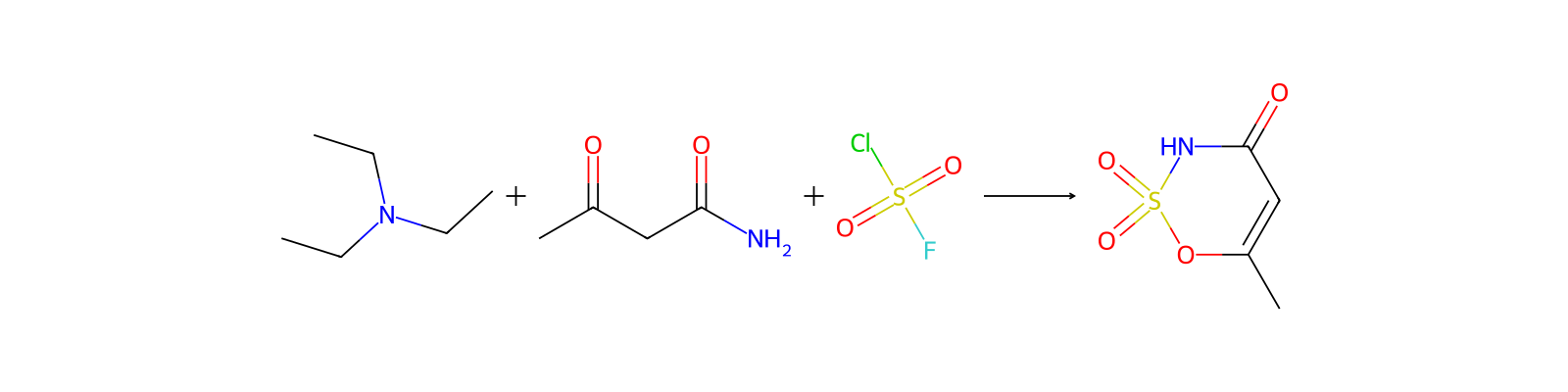
... Fluorosulfonyl isocyanate reacted with acetoacetic acid tert-butyl ester to form a labile addition compound. On heating, this intermediate releases CO2 and isobutene to form N-(fluorosulfonyl)acetoacetic acid amide; in the presence of bases, this compound cyclizes to the oxathiazinone dioxide ring.
An alternative synthesis route has been described in which diketene and amidosulfonic acid are reacted to acetoacetamide-N-sulfonic acid. In the presence of suitable dehydrating agents, acesulfame acid is formed, which can be neutralized with potassium hydroxide to acesulfame K. /Acesulfame K/
Preparation: K. Clauss, H. Jensen, German patent 2001017; eidem, United States of America patent 3689486 (1971, 1972 to Hoechst).
Formulations/PreparationsAcesulfame-K (trade name: Sunette) ... /Acesulfame potassium/
General Manufacturing Information
Commonly used synergistic sweetener blends are acesulfame-aspartame, aspartame-saccharin, and cyclamate-saccharin, acesulfame-sucralose or even tertiary and quaternary blends of these.
Compared with 3% sucrose solution, the sweetness intensity of acesulfame K is approximately 200. /Acesulfame potassium, from table/
Owing to its aftertaste at higher concentrations and its synergistic characteristics acesulfame K is often used in intense sweetener blends, and in combination with bulk sweeteners in products requiring good stability, e.g., confectionery or bakery products. /Acesulfame potassium/
Acesulfame-K, the potassium salt of acesulfame (6-methyl-1,2,3-oxathiazin-4(3H)-one 2,2-dioxide), is a sweetener that resembles saccharin in structure and taste profile. /Acesulfame potassium/
응용 분야
용도Acesulfame-K is a non-nutritive sweetener also termed acesulfame potassium. it is a white, crystalline product that is 200 times sweeter than sucrose. it is not metabolized in the body. it has some metallic off-tastes. it is readily soluble and heat and acid stable. it provides a synergistic sweetening effect combined with other sweeteners. it is used in beverages, desserts, confectionery, and bakery products.
상·하류 제품 정보
상류 원료
하류 제품
공급사50 곳
湖北永阔科技有限公司027-59223108 15972152991 · [email protected]
Shandong chuangyingchemical Co., Ltd.18853181302 · [email protected]
南通润丰石油化工有限公司66017690 19952660367 · [email protected]
合肥翰刚医药科技有限公司+8618062405514 · [email protected]
河北创之源生物科技有限公司13012111162
陕西帕尼尔生物科技有限公司029-84385017-8003 13259417953 · [email protected]
陕西富聚源生物科技有限公司17319979867
河北创海生物科技有限公司+86-86-13131129325 · [email protected]
陕西帕尼尔生物科技有限公司029-84385017; +8613259417953 · [email protected]
河北展药生物科技有限公司15369953316 +8615369953316 · [email protected]
陕西帕尼尔生物科技有限公司029-84385017-8007 17602929471
Baoji Guokang Healthchem co.,ltd+8615604608665 15604608665 · [email protected]
Syntechem Co.,Ltd[email protected]
上海晶抗生物工程有限公司021-54721350 13524668266 · [email protected]
合肥天健化工有限公司551-65418679 15856988503;15837135945 · [email protected]
湖北中科新辰科技有限公司18827688560 · [email protected]
南京晟宣生物科技有限公司025-86189919,025-86189929 13814179829 · [email protected]
西安康诺化工有限公司029-86107037-8009 13279399072
四川库利南科技有限公司400-1166-196 18981987031 · [email protected]
斯洋(辽宁)生化制品有限公司+86-15221114306; +86-15221114306 · [email protected]
陕西康多普生物科技有限公司184-2900-1220 18429001220 · [email protected]
艾科试剂4008-755-333 18080918076 · [email protected]
青岛保税区鲁联国际贸易有限公司0532-83893697 18561902820 · [email protected]
深圳振强药物研发有限公司0755-66853366 13670046396 · [email protected]
潍坊沃腾进出口有限公司0536-2456718
武汉普洛夫生物科技有限公司17612776928 · [email protected]
广州爱纯医药科技有限公司020-39119399 18927568969 · [email protected]
陕西帕尼尔生物科技有限公司13720616393;029-84385017-8003 13720616393 · [email protected]
安徽科迪达化工有限公司0554-2106669 · [email protected]
日照力德士化工有限公司010-51268198 · [email protected]
美岚实业(上海)有限公司021-58958189 · [email protected]
上海爱蝶实业有限公司021-58957966 18930537195 · [email protected]
成都零六生物科技有限公司400-1166-196 13458535857 · [email protected]
广拓化学(上海)有限公司021-60899189-8001 18918189673 · [email protected]
上海兴鲁化工科技有限公司02120970332 · [email protected]
湖北巨胜科技有限公司027-59599241 18871490274 · [email protected]
桦特昇生物科技(武汉)有限公司027-59207879 1972026995 18140587686 · [email protected]
西安康诺化工有限公司029-86107037 15829389671 · [email protected]
Henan Alfa Chemical Co., Ltd+8618339805032 · [email protected]
武汉鑫儒化工有限公司15927387915 15337108568
厦门志信化学有限公司+86-5922680277 +86-13806087780 · [email protected]
上海容棠高分子材料有限公司18701991744
西安天广源生物科技有限公司+86-029-86333380 +86-18829239519 · [email protected]
上海珈得尔化学技术有限公司021-4007787-550 400-7787-550 · [email protected]
Qiuxian Baitai New Material Co., LTD+86-19932103556 · [email protected]
陕西缔都医药化工有限公司+86-29-81139210 +86-17392587031 · [email protected]
南京择优新材料科技有限公司173-40521416 17340521416 · [email protected]
南京三六六药业有限公司+86-25-87797880 · [email protected]
上海前衍生物科技有限公司02781293128 · [email protected]
武汉克米克生物医药技术有限公司027-13163388153 13163388153 · [email protected]
추가 설명
정의ChEBI: Acesulfame is a sulfamate ester that is 1,2,3-oxathiazin-4(3H)-one 2,2-dioxide substituted by a methyl group at position 6. It has a role as a xenobiotic, a sweetening agent and an environmental contaminant. It is an organic heteromonocyclic compound, an organonitrogen heterocyclic compound, an oxacycle and a sulfamate ester.
관련 반응
4건


연결된 노트
불러오는 중…