기본 정보
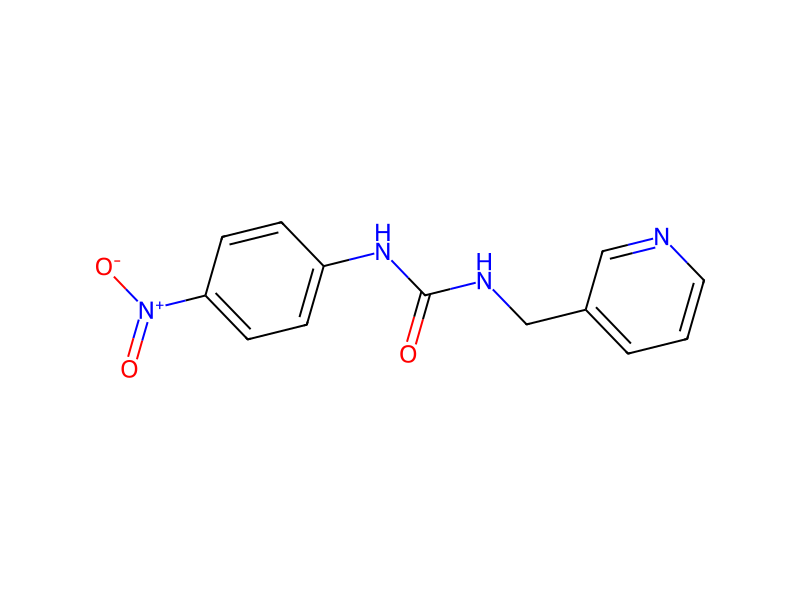
- 표준 SMILES
O=C(NCc1cccnc1)Nc1ccc([N+](=O)[O-])cc1- InChIKey
CLKZWXHKFXZIMA-UHFFFAOYSA-N- 분자식
- C13H12N4O3
- 평균 분자량
- 272.26 g/mol
- 단동위원소 질량
- 272.09094024
개요
Pyriminil is a yellow, resembling corn meal. Used as a single-dose, acute rodenticide. Not registered as a pesticide in the U.S. (EPA, 1998)
이름 및 식별자
- 우선 이름
- Pyrinuron
- IUPAC
- 1-(4-nitrophenyl)-3-(pyridin-3-ylmethyl)urea
- 현지명
- 피리미닐
- 영어명
- VACOR
- 분자식
- C13H12N4O3
- 분자량
- 272.26
이름 및 동의어
PyrinuronPYRIMINIL53558-25-1PyriminylOne TimeRH-7871-(3-Pyridylmethyl)-3-(4-nitrophenyl)ureaCaswell No. 718BDLP 787N-3-Pyridylmethyl-N'-p-nitrophenylureaQ7BGS137YPUrea, 1-nitrophenyl-3-(3-pyridylmethyl)-
이름 더 보기
피리미닐1-(3-피리딜메틸)-3-(4-니트로페닐)우레아1-(4-나이트로페닐)-3-(3-피리딜메틸)유레아N-(4-나이트로페닐)-N'-(3-피리딘일메틸)유레아N-(니트로페닐)-N'-(3-피리디닐메틸)우레아N-3-피리딜메틸-N'-p-나이트로페닐유레아N-3-피리딜메틸-N'-파라-니트로페닐우레아바콜유레아, N-(4-나이트로페닐)-N'-(3-피리딘일메틸)-피리누론피리딜메틸-N'-파라-니트로페닐우레아Vacotdlp787dlp-87lh 105pnu[qr]PyriminlPhriminil
1-(4-Nitrophenyl)-N'-(3-pyridinylmethyl)ureaDLP-787RefChem:177770N-(3-pyridylmethyl)-N'-(p-nitrophenyl)ureaVacorN-(4-Nitrophenyl)-N'-(3-pyridinylmethyl)urea1-(4-Nitrophenyl)-3-(3-pyridylmethyl)ureaDTXSID1042360
데이터베이스 식별자
- CAS
53558-25-1- PubChem CID
- 40813
- DTXSID
DTXSID1042360- ChEMBL
CHEMBL1528242- UNII
- Q7BGS137YP
- EC Number
- 258-626-7
- Nikkaji
- J3.517C
물성
구조 계산 물성
- XLogP
- 1.2
- 극성 표면적
- 99.8 Ų
- 수소 결합 공여자 수
- 2
- 수소 결합 수용자 수
- 4
- 회전 가능 결합 수
- 3
- 무거운 원자 수
- 20
- 형식 전하
- 0
- 복잡도
- 337
실험 및 물리화학적 성질
PesticidesPesticides -> Rodenticides
LogPlog Kow = 2.09 /Estimated/
Color/FormYellow, resembles cornmeal or yellow-green powder
Solubility
In water, 4.81X10+2 mg/L at 25 °C /Estimated/
>40.8 [ug/mL] (The mean of the results at pH 7.4)
DecompositionWhen heated to decomposition it emits toxic fumes of /nitrogen oxides/.
Melting Point
Decomposes at 433 °F (EPA, 1998)
223-225 °C (decomp)
Vapor Pressure
3.39X10⁻⁹ mm Hg at 25 °C /Estimated/
0.00001 [mm Hg] @25 °C
Henry's Law ConstantHenry's Law constant = 1.84X10⁻¹⁶ atm-cu m/mol at 25 °C /Estimated/
Physical Description
Pyriminil is a yellow, resembling corn meal. Used as a single-dose, acute rodenticide. Not registered as a pesticide in the U.S. (EPA, 1998)
Yellow or yellow-green solid; [HSDB] Light yellow flakes; [MSDSonline]
Dissociation ConstantspKa1 = 3.5 (pyridine ring); pKa2 = 7.6 (benzyl amide) /Estimated/
Collision Cross Section174.3 Ų [M+H]+ [CCS Type: DT; Buffer gas: N2; Ionization: ESI+; Dataset: TOXCAST; Source Identifier: DTXSID1042360]
Other Experimental PropertiesHydroxyl radical reaction rate constant = 1.11X10⁻¹¹ cu cm/molecule-sec at 25 °C /Estimated/
물리화학적 성질
- 녹는점
- 223 · 223-225° (dec)
- 끓는 점
- 415.32 °C · 415.32°C (rough estimate)
- 밀도
- 1.2545 · 1.2545 (rough estimate)
- 굴절률
- 1.612 · 1.6120 (estimate)
- 산도 계수 (pKa)
- 12.25 · 12.25±0.46(Predicted)
- Henry's Law Constant
- 5.4 · 5.4×1010 mol/(m3Pa) at 25℃, HSDB (2015)
- EPA
- Pyrinuron (53558-25-1)
화학적 성질
Pyriminil is a yellow crystalline solid, resem- bling corn meal.
안전 및 규제
GHS 분류
GHS Classification
Danger
H302 (100%): Harmful if swallowed [Warning Acute toxicity, oral]
P261, P264, P264+P265, P270, P271, P280, P301+P317, P302+P352, P304+P340, P305+P354+P338, P317, P319, P321, P330, P332+P317, P362+P364, P403+P233, P405, and P501 (click each P-code to see the statement)
Aggregated GHS information provided per 39 reports by companies from 2 notifications to the ECHA C&L Inventory. Each notification may be associated with multiple companies.
Danger
H300: Fatal if swallowed [Danger Acute toxicity, oral]
유해성 정보
Regulatory InformationThe New Jersey Worker and Community Right to Know Act requires public and private employers to provide information about hazardous substances at their workplaces. (N.J.S.A. 34:5A-1 et. seq.)
DOT LabelPoison
Fire HazardsExcerpt from ERG Guide 151 [Substances - Toxic (Non-Combustible)]:
Health Hazards
This chemical may cause death by cardiovascular collapse and respiratory failure. It may cause diabetes. Also it affects the central nervous system. Human survivors regularly develop an insulin-deficient, ketosis-prone form of diabetes millitus. (EPA, 1998)
Hazards Summary
Destroys pancreatic beta cells; In human poisoning cases after ingestion, caused orthostatic hypotension, autonomic dysfunction, encephalopathy, peripheral neuropathy, hyperglycemia, and ketoacidosis; Systemic poisoning not reported after inhalation or skin absorption; A dose as low as 19 grams may be fatal; [HSDB] Humans who survive poisoning have developed insulin-dependent diabetes mellitus; [CAMEO]
Reactive GroupAmides and Imides
Reactivity Profile
An organic compound with a nitroaromatic component as well as a pyridine ring and an amide linker. Amines are chemical bases. They neutralize acids to form salts plus water. These acid-base reactions are exothermic. The amount of heat that is evolved per mole of amine in a neutralization is largely independent of the strength of the amine as a base. Amines may be incompatible with isocyanates, halogenated organics, peroxides, phenols (acidic), epoxides, anhydrides, and acid halides. Flammable gaseous hydrogen is generated by amines in combination with strong reducing agents, such as hydrides. Organic amides/imides react with azo and diazo compounds to generate toxic gases. Flammable gases are formed by the reaction of organic amides/imides with strong reducing agents. Amides are very weak bases (weaker than water). Imides are less basic yet and in fact react with strong bases to form salts. That is, they can react as acids. Mixing amides with dehydrating agents such as P2O5 or SOCl2 generates the corresponding nitrile. The combustion of these compounds generates mixed oxides of nitrogen (NOx).
Air and Water ReactionsNo rapid reaction with air. No rapid reaction with water.
CERCLA Reportable Quantities
Releases of CERCLA hazardous substances are subject to the release reporting requirement of CERCLA section 103, codified at 40 CFR part 302, in addition to the requirements of 40 CFR part 355. Pyriminil is an extremely hazardous substance (EHS) subject to reporting requirements when stored in amounts in excess of its threshold planning quantity (TPQ) of 100 or 10,000 lbs. Extremely hazardous substances that are solids are subject to either of two threshold planning quantities ... The lower quantity applies only if the solid exists in powdered form and has a particle size less than 100 microns; or is handled in solution or in molten form; or meets the criteria for a National Fire Protection Association (NFPA) rating of 2, 3 or 4 for reactivity. If the solid does not meet any of these criteria, it is subject to the upper ... threshold planning quantity ... .
Hazard Classes and Categories
Acute Tox. 4 (100%)
Acute toxicity (Oral) - Category 1
안전 및 보호
Fire Fighting
This compound is a solid pesticide. Keep unnecessary people away; isolate hazard area and deny entry. Stay upwind; keep out of low areas. Ventilate closed spaces before entering them. Wear positive pressure breathing apparatus and special protective clothing. Remove and isolate contaminated clothing at the site.
First AidWarning: Acute ingestion of pyriminil may result in development of insulin-deficient, ketosis-prone diabetes millitus.
Nonfire Spill Response
This compound is a solid pesticide. Keep unnecessary people away; isolate hazard area and deny entry. Stay upwind; keep out of low areas. Ventilate closed spaces before entering them. Remove and isolate contaminated clothing at the site. Do not touch spilled material; stop leak if you can do so without risk. Use water spray to reduce vapors.
Disposal Methods
SRP: The most favorable course of action is to use an alternative chemical product with less inherent propensity for occupational exposure or environmental contamination. Recycle any unused portion of the material for its approved use or return it to the manufacturer or supplier. Ultimate disposal of the chemical must consider: the material's impact on air quality; potential migration in soil or water; effects on animal, aquatic, and plant life; and conformance with environmental and public health regulations.
Isolation and EvacuationExcerpt from ERG Guide 151 [Substances - Toxic (Non-Combustible)]:
Protective Action Criteria (PAC)
0.52 [mg/m3]
5.8 [mg/m3]
35 [mg/m3]
Personal Protective Equipment (PPE)
For emergency situations, wear a positive pressure, pressure-demand, full facepiece self-contained breathing apparatus (SCBA) or pressure- demand supplied air respirator with escape SCBA and a fully-encapsulating, chemical resistant suit. (EPA, 1998)
독성 정보
Interactions
Whatever microsomal enzymes are responsible for metabolism of pyriminil are induced by pretreatment with 3-methylcholanthrene, which increases biliary excretion of the metabolites and decreases pyriminil toxicity 50-fold.
... The antidotal efficacy of nicotinamide (p.o. or i.p.) was greatest when administered within 1 hr of Vacor, or when pre-fed in diet. Nicotinic acid was less effective. Rats fed high levels of L-tryptophan or acutely pretreated were protected against Vacor, while D-tryp. and other amino acids were less effective. Agents such as atropine, PAM or nikethamide delayed but did not prevent death. Vacor or 2,4-DNP caused similar symptoms, suggesting interference with mitochondrial respiration. While mild Vacor-induced hyperglycemia was seen in rats and reversed by insulin, its role in ultimate toxicity is unclear. Vacor biotransformation appears to be more significant in detoxication, but prior bioactivation was not necessarily excluded. Cyt. P-448 induction by 3-MC pretreatment decreased Vacor toxicity 50-fold, while other classes of MFO inducers (PB, DMSO, PCN) did not significantly alter its potency. Reduction of P-450 complex activity by starvation or CS2 pretreatment potentiated the toxicity, but SKF-525A delayed death. Pretreatment with diethyl maleate, cobaltous chloride, or neomycin did not significantly alter Vacor toxicity.
Ecotoxicity ValuesLC50 Cyprinus carpio >100 mg/L/48 hr /Conditions of bioassay not specified in source examined/
Environmental Fate
TERRESTRIAL FATE: Based on a classification scheme(1), an estimated Koc value of 1,990(SRC), determined from a structure estimation method(2), indicates that pyriminil is expected to have low mobility in soil(SRC). Volatilization of pyriminil from moist soil surfaces is not expected to be an important fate process(SRC) given an estimated Henry's Law constant of 1.84X10⁻¹⁶ atm-cu m/mole(SRC), using a fragment constant estimation method(3). Pyriminil is not expected to volatilize from dry soil surfaces(SRC) based upon an estimated vapor pressure of 3.39X10⁻⁹ mm Hg(SRC), determined from a fragment constant method(4). Biodegradation data are not available for pyriminil(SRC, 2005).
AQUATIC FATE: Based on a classification scheme(1), an estimated Koc value of 1,990(SRC), determined from a structure estimation method(2), indicates that pyriminil is expected to adsorb to suspended solids and sediment(SRC). Volatilization from water surfaces is not expected(3) based upon an estimated Henry's Law constant of 1.84X10⁻¹⁶ atm-cu m/mole(SRC), developed using a fragment constant estimation method(4). The estimated pKa values of pyriminil are 3.5 for the conjugate acid of the pyriding ring nitrogen and 7.6 for the benzyl amide acting as an acid(5). The pKa of 3.5 indicates that the pyridine nitrogen will not be ionized at environmental pHs(6). However, the pKa of 7.6 indicates that the benzyl amide group will partially exist in anion form in the environment and anions generally do not adsorb more strongly to organic carbon and clay than their neutral counterparts(6). According to a classification scheme(7), an estimated BCF of 8(SRC), from an estimated log Kow of 2.09(8) and a regression-derived equation(9), suggests the potential for bioconcentration in aquatic organisms is low(SRC). Biodegradation data are not available for pyriminil(SRC, 2005).
ATMOSPHERIC FATE: According to a model of gas/particle partitioning of semivolatile organic compounds in the atmosphere(1), pyriminil, which has an estimated vapor pressure of 3.39X10⁻⁹ mm Hg at 25 °C(SRC), determined from a fragment constant method(2), is expected to exist solely in the particulate phase in the ambient atmosphere. Particulate-phase pyriminil may be removed from the air by wet and dry deposition(SRC).
Adverse EffectsNeurotoxin - Other CNS neurotoxin
Ecotoxicity Excerpts
/BIRDS and MAMMALS/ The toxicity of the rodenticidal product Pyriminyl (Vacor) was tested in 4 dogs, 9 cats, 11 coypus, and 16 ducks . In the tested dogs the 1000mg dose per kg l. w. was lethal only in 17% of cases. The results demonstrate that the LD50 for the dog is higher than stated in the literature (1000 mg/kg l. w.). Dogs show a high variability in their sensitivity to the product, since some of them died at lower doses. It can be assumed that 1 to 2% field bait will not induce any lethal intoxication in dogs. Doses of 300 mg/kg l. w. and higher were lethal for cats. The dose of 200 mg/kg killed 66% of the cats tested. There is a high possibility of poisoning cats in field deratization campaigns with Vacor. Coypus show clinical symptoms of intoxication after ingesting a Vacor bait at a 100 mg dose per kg l. w.; however, they remain alive. Doses of 300 mg/kg l.w. and higher kill all the animals tested. The high sensitivity of coypus to Vacor suggests that Cpypus can be poisoned during Vacor deratization of coypus farms. Ducks were highly resistant to Vacor. Doses from 710 to 3000 mg per kg l. w. were endured without clinical changes, and the same was the case when the birds were given a diet with 2% concentration of Vacor for six days. The toxicological examination demonstrated the different amounts of Vacor in liver for different periods of time from the ingestion of the toxic agent, including the dependence on the animal species.
Soil Adsorption/Mobility
Using a structure estimation method based on molecular connectivity indices(1), the Koc for pyriminil can be estimated to be 1,990(SRC). According to a classification scheme(2), this estimated Koc value suggests that pyriminil is expected to have low mobility in soil. The estimated pKa values of pyriminil are 3.5 for the conjugate acid of the pyriding ring nitrogen and 7.6 for the benzyl amide acting as an acid(3). The pKa of 3.5 indicates that the pyridine nitrogen will not be ionized at environmental pHs(4). However, the pKa of 7.6 indicates that the benzyl amide group will partially exist in anion form in the environment and anions generally do not adsorb more strongly to organic carbon and clay than their neutral counterparts(4).
Human Toxicity Excerpts
/SIGNS AND SYMPTOMS/ Accidental ingestion of pyriminil by a 25-mo-old boy resulted in acute vomiting, lethargy, seizures, hypoglycemia (followed by hyperglycemia and glucose intolerance), and autonomic and peripheral neuropathy.
/SIGNS AND SYMPTOMS/ ... involvement of the eyes ... has been limited to miosis with asymmetrical & sluggishly reactive pupils, sometimes ptosis of the lids, & occasionally nystagmus. In one extraordinary case a patient was found to have homonymous hemianopia, presumably from occipital infarct after intestinal perforation, hemorrhaging, & emergency surgery. This patient, like most patients with Vacor poisoning, had low blood pressure with persistent severe disabling orthostatic hypotension.
/SIGNS AND SYMPTOMS/ Clinical findings. The principal manifestations of poisoning with vacor are hypotension & hyperglycemia. Symptoms & signs: (From ingestion.) ... diffuse abdominal pain, lightheadedness, chest pain, weakness, blurred vision, polyuria, thirst, numbness of legs, lethargy, ataxia ... tremor, muscle cramps, sluggish pupillary responses, areflexia, loss of muscle stretch reflexes, dysphagia, postural hypotension ... bladder atony, impaired intellect, disturbances of balance, & delirium or stupor. B. Lab findings: The ECG shows ischemic changes in the myocardium. Blood analysis reveals hyperglycemia & hyponatremia. Ketotic acidosis may be present.
/SIGNS AND SYMPTOMS/ Other manifestations of the autonomic neuropathy include ... impotence, urinary retention, & constipation or diarrhea. A distal motor & sensory peripheral ... /nervous system disease/ was reported after PNU /N-3-pyridylmethyl-N-p-nitrophenylurea/ exposure; it began within 1 day of ingestion & persisted with ataxia. A metabolic encephalopathy without seizure activity occurred after PNU (Vacor) ingestion. Decreased gastrointestinal motility may result in nausea, vomiting, & an ileus. A peanut odor may aid the diagnosis of PNU poisoning.
For more Human Toxicity Excerpts (Complete) data for PYRIMINIL (12 total), please visit the HSDB record page.
Artificial Pollution SourcesPyriminil's former production and use as a rodenticide(1) may have resulted in its direct release to the environment(SRC).
Environmental Bioconcentration
An estimated BCF of 8 was calculated for pyriminil(SRC), using an estimated log Kow of 2.09(1) and a regression-derived equation(2). According to a classification scheme(3), this BCF suggests the potential for bioconcentration in aquatic organisms is low(SRC).
Volatilization from Water/Soil
The Henry's Law constant for pyriminil is estimated as 1.84X10⁻¹⁶ atm-cu m/mole(SRC) using a fragment constant estimation method(1). This Henry's Law constant indicates that pyriminil is expected to be essentially nonvolatile from moist soil or water surfaces(2). Pyriminil is not expected to volatilize from dry soil surfaces(SRC) based upon an estimated vapor pressure of 3.39X10⁻⁹ mm Hg(SRC), determined from a fragment constant method(3).
Non-Human Toxicity Excerpts
/LABORATORY ANIMALS: Acute Exposure/ Signs & symptoms of intoxication in dogs ... include abdominal pain, nausea & vomiting, central nervous depression, visual disturbances, anorexia, painful paresthesias, autonomic nervous system dysfunction with dystonia, & orthostatic hypotension. Ataxia, hyporeflexia, tremors & muscular weakness develop later. Death may be delayed for several days.
/LABORATORY ANIMALS: Acute Exposure/ ...Single dose of 1 mg produced signs of paralysis in rats.
/LABORATORY ANIMALS: Acute Exposure/ ... however, these same animals showed increased hexobarbital sleeping times & other evidence of inhibition of certain liver microsomal enzymes, especially p-nitro-anisole O-demethylase.
/LABORATORY ANIMALS: Acute Exposure/ ... in an animal model, the Dutch Belted rabbit. The electroretinogram b wave was especially susceptible to the effects of the rodenticide, and the target tissue appeared to be the retinal pigment epithelium. Injection of PNU itself did not produce ocular toxicity. The poison had to be administered orally. Gentamicin administered orally with PNU prevented the ocular toxicity. Presumably this antibiotic killed those gastrointestinal bacteria responsible for PNU's metabolism into an ocular toxin. L-tryptophan, a known antidote for the lethal effects of PNU, was an antidote for the ocular toxicity when administered orally but not when administered parenterally.
For more Non-Human Toxicity Excerpts (Complete) data for PYRIMINIL (14 total), please visit the HSDB record page.
Environmental Abiotic Degradation
The rate constant for the vapor-phase reaction of pyriminil with photochemically-produced hydroxyl radicals has been estimated as 1.11X10⁻¹¹ cu cm/molecule-sec at 25 °C(SRC) using a structure estimation method(1). This corresponds to an atmospheric half-life of about 3.5 hours at an atmospheric concentration of 5X10+5 hydroxyl radicals per cu cm(1). Pyriminil is not expected to undergo hydrolysis in the environment due to the lack of functional groups that will hydrolyze under environmental conditions(2) nor to directly photolyze due to the lack of absorption in the environmental UV spectrum (>290 nm).
규제 정보
CERCLA Reportable Quantities
Releases of CERCLA hazardous substances are subject to the release reporting requirement of CERCLA section 103, codified at 40 CFR part 302, in addition to the requirements of 40 CFR part 355. Pyriminil is an extremely hazardous substance (EHS) subject to reporting requirements when stored in amounts in excess of its threshold planning quantity (TPQ) of 100 or 10,000 lbs. Extremely hazardous substances that are solids are subject to either of two threshold planning quantities ... The lower quantity applies only if the solid exists in powdered form and has a particle size less than 100 microns; or is handled in solution or in molten form; or meets the criteria for a National Fire Protection Association (NFPA) rating of 2, 3 or 4 for reactivity. If the solid does not meet any of these criteria, it is subject to the upper ... threshold planning quantity ... .
안전 데이터
- tsca
- TSCA listed
- ridadr
- 2588
- 독성
- LD50 orally in male, female rats: 6.2, 7.2 mg/kg (Brooks, Htun)
- 포장분류
- I
- 위험 등급
- 6.1(a)
- 기존화학 물질
- KE-05-0918
- 유해 물질 데이터
- 53558-25-1(Hazardous Substances Data)
- 함량 및 규제정보
- 물질구분: 유독물질; 혼합물(제품)함량정보: 피리미닐 및 이를 1% 이상 함유한 혼합물
- 유해화학물질 필터링
- 97-1-390;06-4-44
화학 및 산업
약리 정보
Mechanism of Action
PNU probably produces toxic effects by reducing intracellular synthesis of NAD & NADH (oxidized & reduced nicotinamide adenine dinucleotide). Extensive destruction of pancreatic beta cells appears histologically on autopsy, & marked insulinopenia in presence of normal glucagon levels suggests a specific beta cell cytotoxic effect.
A possible mechanism for PNU-induced postural hypotension was reported ... /& it was/ found that baseline norepinephrine level was abnormally low & that levels remained low after induction of postural hypotension in a poisoned patient. It was suggested that PNU produced a selective sympathectomy similar to that produced by 6-hydroxydopamine.
... It /has been/ shown that pyriminil specifically inhibits the NADH:ubiquinone reductase activity of complex I in mammalian mitochondria. The activity of other respiratory enzymes of mitochonrai is unaffected at concentrations that completely inhibit the redox and energetic function of complex I. Inhibition of complex I activity quantitatively correlates with the inhibition of insulin release in insulinoma cells and pancreatic islets and is also consistent with the doses reported in cases of human poisoning. The results indicate that the toxic and diabetogenic action of pyriminil primarily derives from the inhibition of mitochondrial respiration of NAD-linked substrates in the high energy demanding pancreatic islets.
It has been reported that Vacor, a rodenticide containing N-3-pyridylmethyl-N'-p-nitrophenyl urea, causes insulin-dependent diabetes mellitus. The pathomechanism of Vacor-induced diabetes mellitus has not been clarified yet. The effect of Vacor, therefore, was studied in terms of insulin release from isolated rat pancreatic islets. Vacor suppressed glucose-stimulated insulin release, but did not affect the insulin release induced by theophylline or 12-o-tetra-decanoylphorbol 13-acetate. It is suspected that the suppression of insulin release from pancreatic islets by Vacor may contribute to the pathogenesis of Vacor-induced diabetes mellitus and that this suppression might not be related to cAMP and C-kinase.
Metabolism/Metabolites
Several metabolites of pyriminil have been identified including aminopyriminil, acetamidopyriminil, p-aminophenyl urea, p-acetamidophenyl urea, p-nitroaniline, p-phenylenediamine, p-acetamidoaniline, nicotinic acid, nicotinuric acid & nicotenamide. Most of these metabolites were found in the urine of poisoned rats, dogs & people, but in different concentrations.
Repeated, sublethal doses of pyriminil incr the urinary & fecal excretion of latter dose of the cmpd tagged with (14)C; however, these same animals showed increased hexobarbital sleeping times & other evidence of inhibition of certain liver microsomal enzymes, especially p-nitro-anisole O-demethylase.
Analysis of liver from a human poisoning case demonstrated the presence of PNU & p-nitroaniline. It was suggested that p-nitroaniline was formed by amide hydrolysis of PNU.
Hepatic metabolism of the rodenticide RH-787 (N-3-pyridyl- methyl-N'- p-nitrophenyl urea) plays a key role in species sensitivity differences. 3-MC pretreatment of rats enhanced their hepatic extraction of 14C-787, increased biliary secretion of its metabolites and protected them against 787 toxicity. Dogs natively showed more efficient hepatic extraction of 787, leading to its rapid metabolic degradation. Rats tolerated chronic sublethal 787 levels, but most tissues showed 14C accumulation after multiple 14C-787 doses. Since this was more pronounced for pyridyl- than nitrophenyl-14C, metabolic cleavage products were suspected. Pretreatment of rats with multiple 787 doses enhanced urinary and fecal 14C excretion after pulse doses of 14C-787, but prolonged hexobarbital sleeping times and strongly inhibited hepatic p-nitroanisole O-demethylation in vitro; the latter was also inhibited by direct in vitro 787 addition. Antidotal levels of nicotinamide (NA) did not prevent MFO inhibition by 787, but altered 14C-787 disposition. Higher NA levels also inhibited the MFO. High affinity for microsomal enzymes may explain NAD-antagonism by 787 via glycohydrolase and make it useful as a model compound. Concentrates of urinary and biliary 787 metabolites and synthetic metabolites (amino-787, p-nitroaniline, p-nitrophenyl urea) were less toxic than 787.
Species selectivity of RH-787 (N-3-pyridylmethyl- N'-p-nitrophenyl urea) seems to depend on biotransformation. These studies compared fates of Py- and NP-14C-787 in rats and dogs. Human Vacor (pyriminil) metabolites were examined in poisoning cases. Although single oral 30 mg/kg doses of 787 were lethal to rats but not dogs, they produced higher blood levels in dogs. However, most 14C in rat blood was due to 787, while dog blood contained primarily p-nitrophenyl urea. Rat urine contained large amounts of 787 while dog urine had < 1%. Dog urine contained 40-60% unidentified polar material, but rat urine only 5-20%; this material from rats, but not dogs, was partially hydrolyzed by beta-glucuronidase to 787. Other identified metabolites include amino-787, acetamido-787, p-aminophenyl urea, p-acetamidophenyl urea, p-nitroaniline, p-phenylenediamine, p-acetamidoaniline, nicotinic acid, nicotinuric acid and nicotinamide. Most were found in all three species, but concentrations varied. The presence of parent compound in rat and human urine suggests that they may be more sensitive to Vacor because of inefficient metabolism. Tolerance in dogs is probably due to rapid detoxication.
MeSH Pharmacological ClassificationSubstances used to destroy or inhibit the action of rats, mice, or other rodents.
Absorption, Distribution and Excretion
Rats tolerated, metabolized, & eliminated single or multiple sublethal dosages (5 mg/kg) but were less efficient than dogs in detoxifying dosages in excess of 20 mg/kg. It was concluded that the tolerance of dogs for the cmpd depended on their efficient hepatic extraction, metabolism, & excretion of it. The urine of poisoned rats & people contained the parent cmpd but the urine of dogs that had received it contained < 1%.
These studies compared the disposition of pyridyl- and nitrophenyl-1 [14C]RH-787 in tolerant and susceptible species. The compound was rapidly absorbed by rats, mice, and dogs after oral administration. Blood levels peaked in 1 to 6 hr, depending on species and label, and were higher after NP- than Py[14C] administration in each species. Doses of 30 mg/kg produced higher 14C levels in dogs than in rats-yet such dose levels are lethal to rats, but not dogs. G.I. transit of 14C was more rapid in dogs than in rats. Urinary and fecal excretion were of similar importance in all three species; NP label was more rapidly eliminated. Tissue distribution of two 14C labels varied, especially in dogs-suggesting more extensive metabolism. Liver contained more of the dose than any other single organ. Most hepatic 14C was located in the cytosol of each species, but rats and dogs differed in nuclear and microsomal fractions. Label differences in subcellular distribution were small when expressed as percentages of total liver 14C. Most 14C was reversibly bound to various organelle pellets. Rats tolerated, metabolized, and eliminated single or multiple sublethal RH-787 doses (5 mg/kg), but their metabolic systems were less efficient thant those of dogs for detoxifying larger doses (> 20 mg/kg). Pretreatment of rats with 3-MC enhanced their hepatic extraction of RH-787, increased biliary secretion of its metabolites, and protected rats against RH-787 toxicity. Thus, RH-787 tolerance in dogs seems to be related to effiicient hepatic extraction, followed by rapid metabolic degradation and excretion.
용도 및 제조
Uses
Used as rodenticide; Very effective on rodents resistant to anticoagulants; Commercial distribution voluntarily suspended by Rohm and Haas Co. in 1979 following many reported human poisonings; [HSDB]
No longer registered with the EPA for use in the US; [HSDB]
Farming (Pesticides) [Category: Industry]
For pyriminil (USEPA/OPP Pesticide Code: 104501) there are 0 labels match. /SRP: Not registered for current use in the U.S., but approved pesticide uses may change periodically and so federal, state and local authorities must be consulted for currently approved uses./
Rodenticide used to control Norway rats, roof rats, and house mice; it was especially effective against rodents resistant to anticoagulant poisons /SRP 2005: Former use/
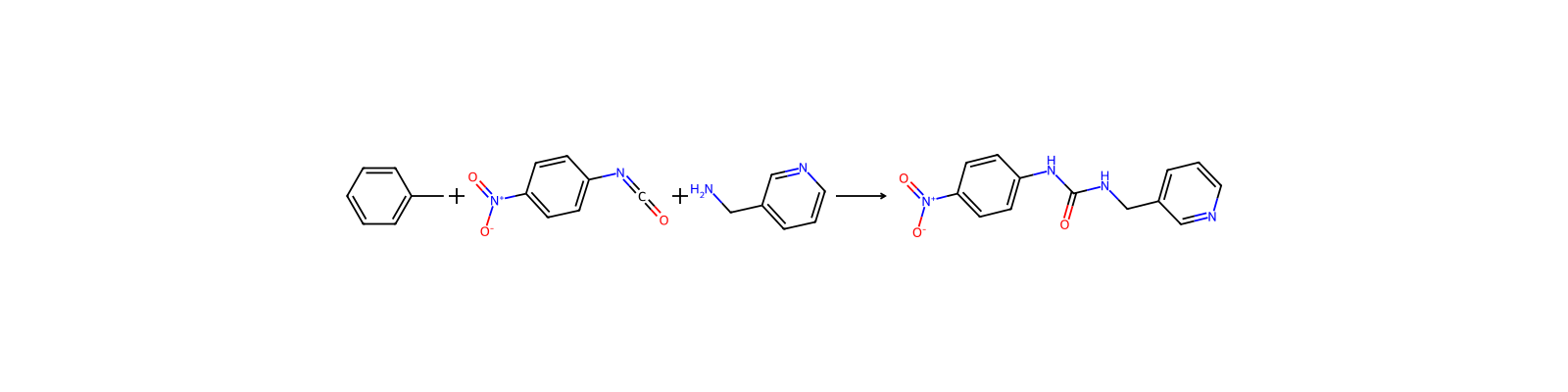
Methods of ManufacturingPreparation: J.E. Ware et al, DE 2409686 (1974 to Rohm & Haas).
Formulations/Preparations
Baits contain between 0.5-2.0 wt % active ingredient.
It was sold under the trade mark DLP 787 as 10% House Mouse Tracking Powder ...
... it was formerly marketed in 39-g packets containing 2% vacor in a dry bait.
General Manufacturing Information
Urea, N-(4-nitrophenyl)-N'-(3-pyridinylmethyl)-: ACTIVE
Originally, Rohm & Haas Co marketed Vacor Rat Killer ... but commercial distribution was voluntarily suspended in 1979.
Sales were discontinued after reports of many severe human poisonings ...
Pyriminil was sold for indoor use only ...
House mouse tracking powder
응용 분야
개요Pyriminil was used formerly as a rodenticide in products such as DLP 787 as a 10% house mouse tracking powder or Vacor. It is now banned in the United States and Europe for use as a rodenticide and is listed as an extremely hazardous substance by the US Environmental Protection Agency (EPA). Toxic effects of pyriminil include neurotoxicity and pancreatic beta-cell death, which, if not immediately lethal, will lead to prolonged autonomic dysfunction and permanent insulin-dependent diabetes mellitus in most species, including humans.
용도Rodenticide.
일반 설명Yellow, resembling corn meal. Used as a single-dose, acute rodenticide. Not registered as a pesticide in the U.S.
상·하류 제품 정보
상류 원료
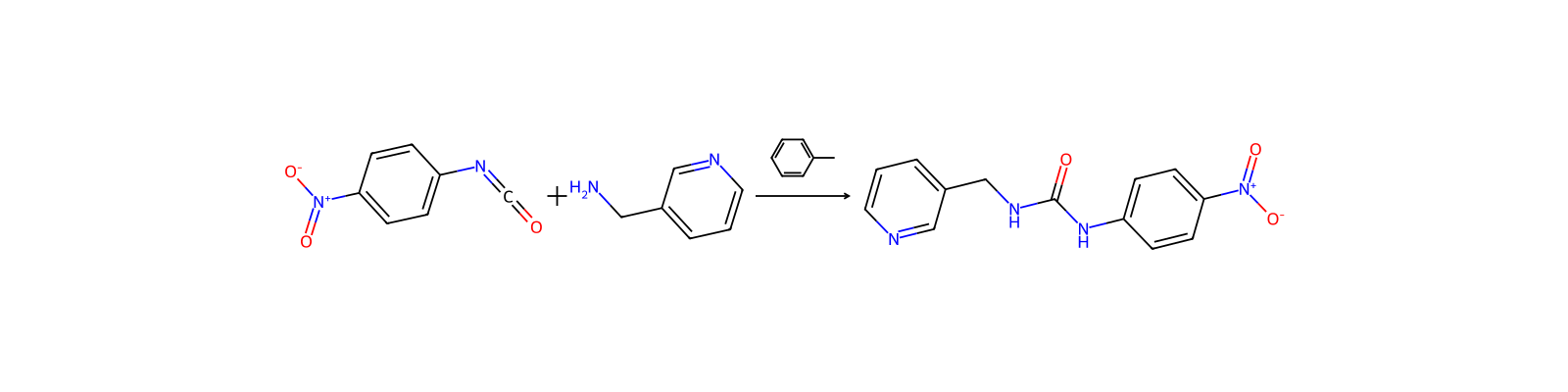
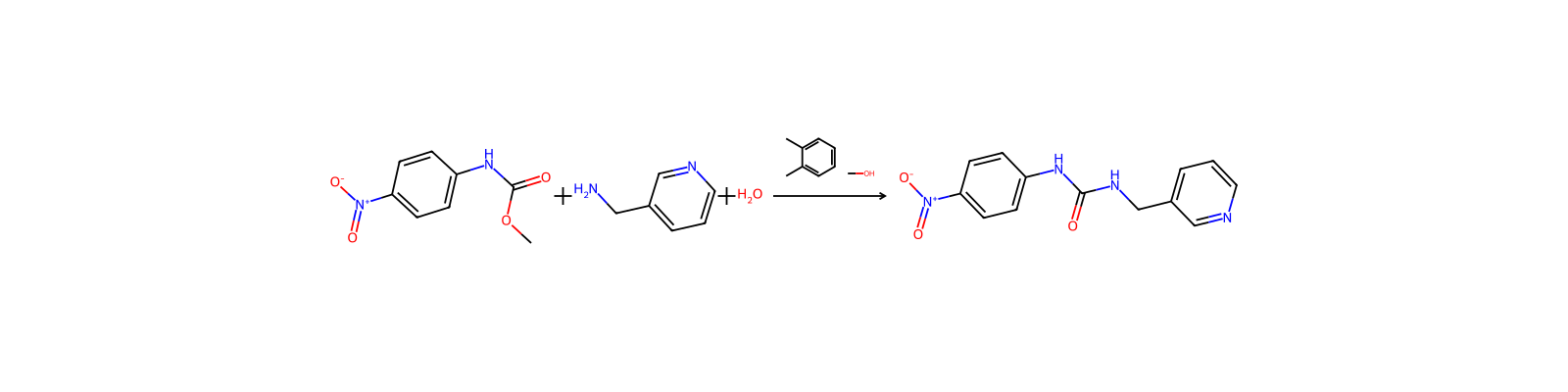
관련 반응
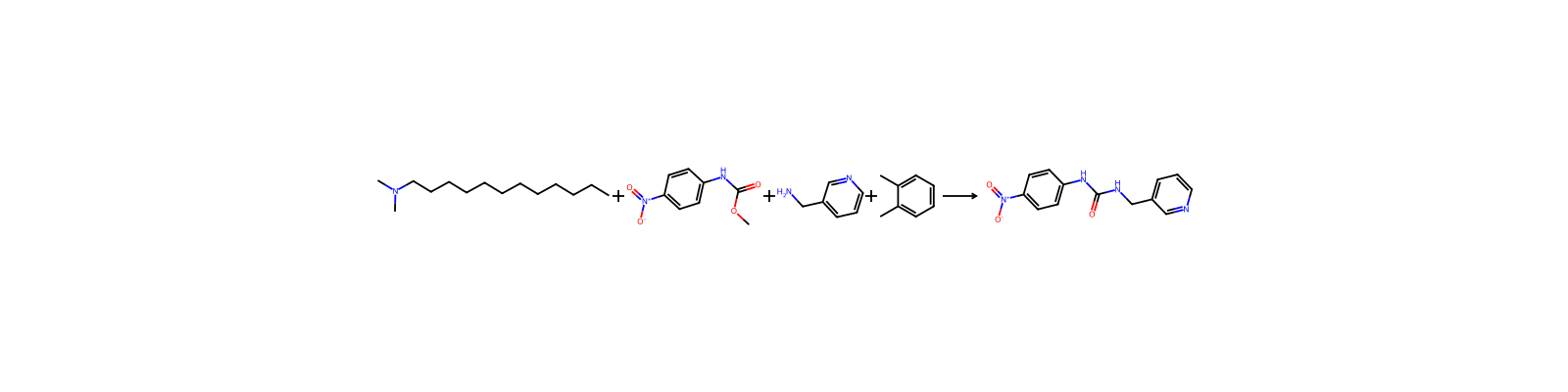
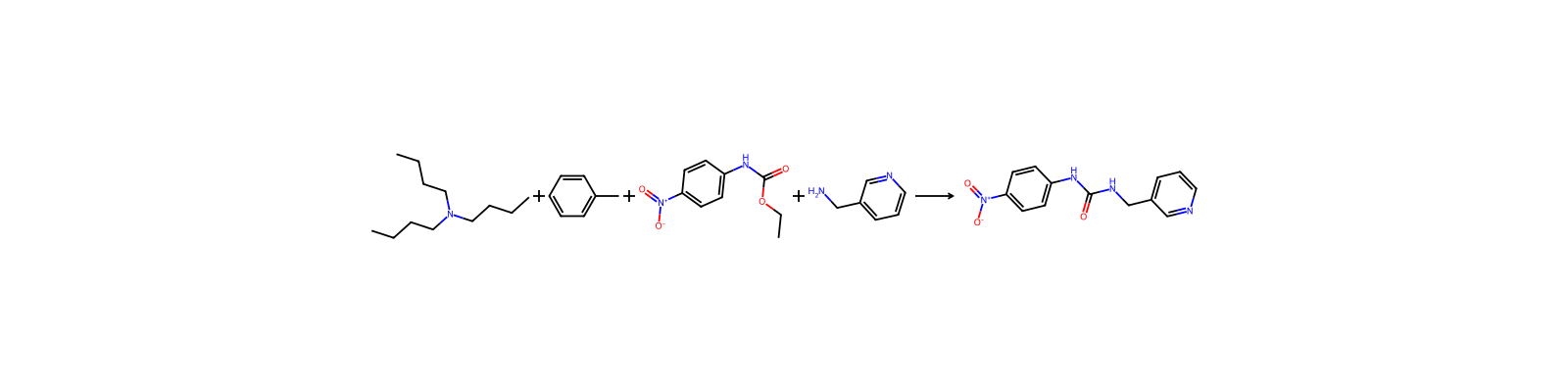
16건


연결된 노트
불러오는 중…