
O-메틸하이드록실아민
O-Methylhydroxylamine
데이터를 보충하는 중입니다. 잠시 후 페이지를 새로 고치면 최신 내용을 볼 수 있습니다
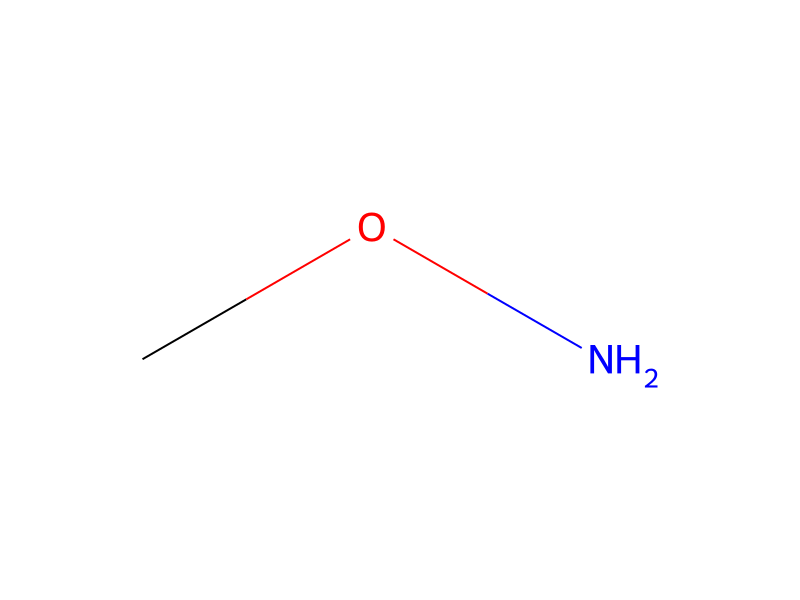
기본 정보
- CAS
67-62-9- 표준 SMILES
CON- InChIKey
GMPKIPWJBDOURN-UHFFFAOYSA-N- 분자식
- CH5NO
- 평균 분자량
- 47.057 g/mol
- 단동위원소 질량
- 47.03711378
개요
Methoxyamine is an organooxygen compound.
이름 및 식별자
- 우선 이름
- O-Methylhydroxylamine
- IUPAC
- O-methylhydroxylamine
- 현지명
- O-메틸하이드록실아민
- 영어명
- O-methylhydroxylamine
- 분자식
- CH5NO
- 분자량
- 47.06
이름 및 동의어
O-METHYLHYDROXYLAMINEMethoxyamine67-62-9Hydroxylamine, O-methyl-MethoxylamineHydroxylamine methyl etheralpha-MethylhydroxylamineNCI-C600609TZH4WY30JDTXSID8043862TRC102 BaseRefChem:157067
이름 더 보기
O-메틸하이드록실아민NCI-C-60060(Aminooxy)methaneRelugoli Impurity 94ORTHO-METHYLHYDROXYLAMINEHydroxylamine, O-methyl- (8CI,9CI)
DTXCID6023862200-660-1CH3ONH2methane, O-aminohydroxy-HSDB 2883CH5NOEINECS 200-660-1UNII-9TZH4WY30J
데이터베이스 식별자
- CAS
67-62-9- PubChem CID
- 4113
- DTXSID
DTXSID8043862- ChEMBL
CHEMBL1213633- ChEBI
CHEBI:192842- UNII
- 9TZH4WY30J
- EC Number
- 200-660-1
- Nikkaji
- J349B
물성
구조 계산 물성보충 중
- XLogP
- -0.7
- 극성 표면적
- 35.3 Ų
- 수소 결합 공여자 수
- 1
- 수소 결합 수용자 수
- 2
- 회전 가능 결합 수
- 0
- 무거운 원자 수
- 3
- 형식 전하
- 0
- 복잡도
- 4.8
실험 및 물리화학적 성질
Chemical ClassesNitrogen Compounds -> Hydroxylamines
SpringerMaterials PropertiesSchoenflies notation
OdorFISHY, AMINE ODOR
Color/FormMOBILE LIQUID
Solubility
SLIGHTLY SOL IN BENZENE, PETROLEUM ETHER /N-METHYLHYDROXYLAMINE/
MISCIBLE WITH WATER, ALCOHOL, ETHER
Boiling Point49-50 °C @ 760 MM HG
Vapor Pressure291.0 [mmHg]
Physical DescriptionColorless liquid with an unpleasant odor; [Hawley]
Other Experimental PropertiesINDEX OF REFRACTION: 1.4164 @ 20 °C/D; MELTING POINT: 42 °C WITH RAPID HEATING; DENSITY: 1.0003 G/ML @ 20 °C/4 °C /N-METHYLHYDROXYLAMINE/
물리화학적 성질
- 녹는점
안전 및 규제
안전 정보는 참고용이며, 공급업체의 물질안전보건자료(SDS), 관련 법규 및 전문가 평가를 대체하지 않습니다.
GHS 분류
GHS Classification
Danger
H302+H312+H332 (96.6%): Harmful if swallowed, in contact with skin or if inhaled [Warning Acute toxicity, oral; acute toxicity, dermal; acute toxicity, inhalation]
P260, P261, P264, P264+P265, P270, P271, P280, P301+P317, P301+P330+P331, P302+P352, P302+P361+P354, P304+P340, P305+P354+P338, P316, P317, P321, P330, P362+P364, P363, P405, and P501 (click each P-code to see the statement)
Aggregated GHS information provided per 29 reports by companies from 2 notifications to the ECHA C&L Inventory. Each notification may be associated with multiple companies.
유해성 정보
Hazards SummaryHighly irritating; [Merck Index] A strong skin irritant; [Hawley] Emergency treatment: Corrosives-alkaline; [HSDB] Mutagenic; [RTECS] See Hydroxylamine.
Hazard Classes and CategoriesAcute Tox. 4 (100%)
Skin, Eye, and Respiratory Irritations...CORROSIVE TO SKIN & HIGHLY IRRITANT TO EYES & MUCOUS MEMBRANES... /HYDROXYLAMINE/
독성 정보
Adverse EffectsDermatotoxin - Skin burns.
Human Toxicity Excerpts
...CORROSIVE TO SKIN & HIGHLY IRRITANT TO EYES & MUCOUS MEMBRANES. REPEATED EXPOSURE MAY ENHANCE ALLERGIC REACTION PARTICULARLY OF BACK OF HANDS & FOREARMS FROM 1-2 WK TO 2-5 YR AFTER COMMENCEMENT OF EXPOSURE & CASES OF ECZEMA...FOLLOWING PROLONGED CONTACT. ... NO CASES OF SYSTEMIC POISONING...IN WORKERS. /HYDROXYLAMINE/
/HYDROXYLAMINE IS/ ABOUT EQUIPOTENT TO NITRITE AS METHEMOGLOBIN FORMER, BUT IT HAS GREATER TENDENCY TO PRODUCE SULFHEMOGLOBIN, HEINZ BODIES & OTHER IRREVERSIBLE RED CELL DAMAGE. ... SYSTEMIC POISONING CHARACTERIZED BY CYANOSIS, CONVULSIONS & COMA. /HYDROXYLAMINE/
화학 및 산업
약리 정보
Mechanism of Action
Methoyxamine is investigated for use as an adjunct to alkylating agents, reverse resistance to chemotherapy, and enhancing radiation therapy. Methoxyamine’s proposed mechanism of action is through blocking of the abasic sites (apurinic/apyrimidinic - AP sites) created by the cleavage of base excision repair (BER) glycoslyates. DNA alkylating agents cause cell death through excessive DNA damage by adduct formation. The human mechanism for DNA repair is very efficient and cancer therapeutics which use this mechanism are often ineffective due to resistance by efficient repair mechanisms such as base excision repair (BER). Alkylating agents such as tezmozolomide form methylated DNA adducts such as O6-methylguanine (O6mG), 7-methylguanine (N7mG) and 3-methyladenine (N3mA). O6mG is a cytotoxic and genotoxic adduct which is repaired by O6-methylguanine DNA-methyltransferase (MGMT). O6mG’s cytotoxicity is due to the mismatch repair mechanism (MMR), but cell induced defects in this repair pathway can lead to drug resistance. The N7mG (dominant lesions caused by methylating agents) and N3mA adducts are both repaired by the BER mechanism. Methoxyamine disrupts the BER pathway, increasing the amount of cytotoxic adducts, which results in cell death. Methoxyamine inhibits BER by stabilizing the AP sites created by cleavage of BER glysosylates, forming MX-AP lesions. Methoxyamine may be an effective adjunct to iododeoxyuridine(IUdR) induced radiosensitization and radiation treatment. IUdR is a halogenated pyrimidine which is incorporated into cellular DNA instead of thymidine, which enhances radiotumor sensitivity. Methoxyamine is proposed to have a dual action in this treatment as it alters cell cycle kinetics as well as prevents repair of DNA by BER, allowing increased sensitivity of tumor cells to DNA damage by radiation therapy. The efficiency of cell cycle repair has been shown to be cell cycle dependent, with the G1 phase being second most sensitive to ionizing radiation (the mitotic, M, phase is the most sensitive). Methoxyamine increases the amount of protein 53 (P53) and protein Rb (pRB), senescence factors which cause the cell to remain in the G1 phase. Methoxyamine also creates a stringent checkpoint at the G1/S boundary as well as an insufficient checkpoint at the G2 stage, preventing cells from going into the S phase. The increased number of G1 cells makes methoxyamine treated tumors more susceptible to ionizing radiation. The temozolomide and methoxyamine created lesion MX-AP not only disrupts the BER pathway but inhibits topoisomerase II alpha (topo II), an enzyme necessary for DNA replication, recombination and chromosome segregation. MX-AP sites block DNA replication and interfere with choromosome splitting. It is currently uncertain how what the interaction between topoisomerase II and methoxyamine causes cytotoxicity, but several mechanisms have been proposed, such as MX-AP sites binding to topo II, thus reducing their functionality by forming a toxic complex.
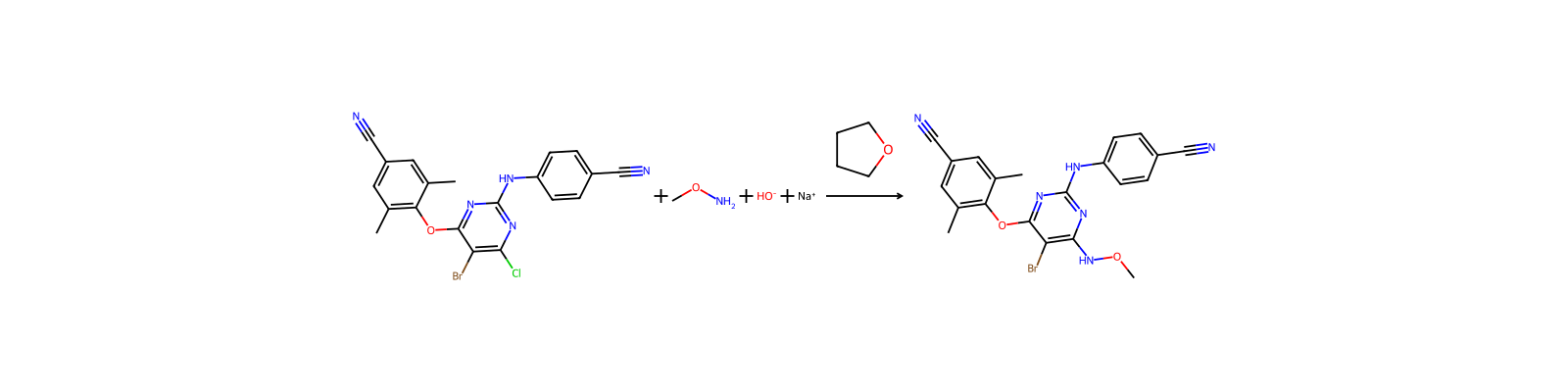
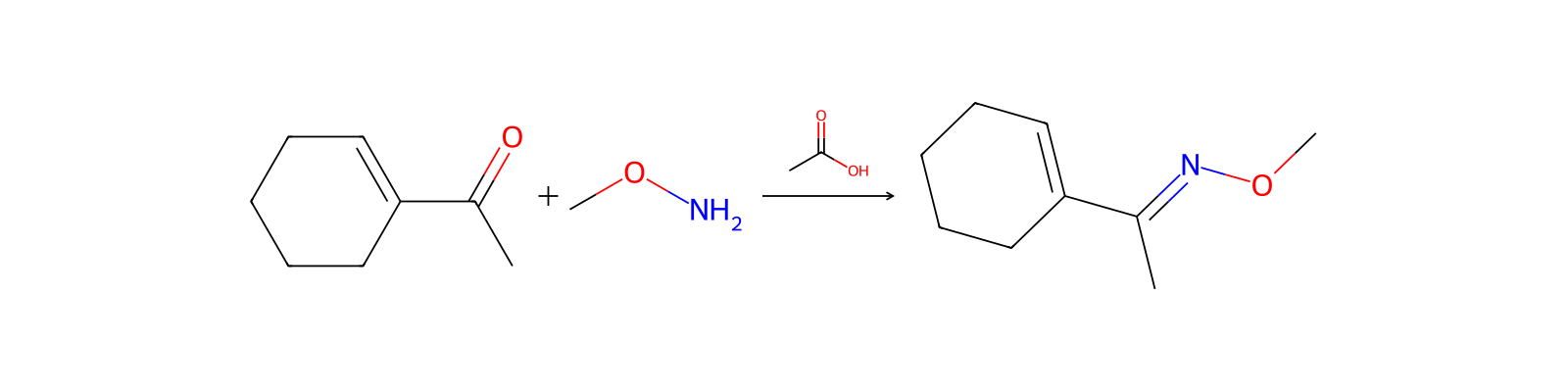
관련 반응
620건



화합물 노트
불러오는 중…