사이클로덱스트린
beta-Cyclodextrin
HCID 444041
데이터를 보충하는 중입니다. 잠시 후 페이지를 새로 고치면 최신 내용을 볼 수 있습니다

기본 정보
- CAS
7585-39-9- 표준 SMILES
OC[C@H]1O[C@@H]2O[C@H]3[C@H](O)[C@@H](O)[C@@H](O[C@H]4[C@H](O)[C@@H](O)[C@@H](O[C@H]5[C@H](O)[C@@H](O)[C@@H](O[C@H]6[C@H](O)[C@@H](O)[C@@H](O[C@H]7[C@H](O)[C@@H](O)[C@@H](O[C@H]8[C@H](O)[C@@H](O)[C@@H](O[C@H]1[C@H](O)[C@H]2O)O[C@@H]8CO)O[C@@H]7CO)O[C@@H]6CO)O[C@@H]5CO)O[C@@H]4CO)O[C@@H]3CO- InChIKey
WHGYBXFWUBPSRW-FOUAGVGXSA-N- 분자식
- C42H70O35
- 평균 분자량
- 1,135 g/mol
- 단동위원소 질량
- 1,134.3697639
개요
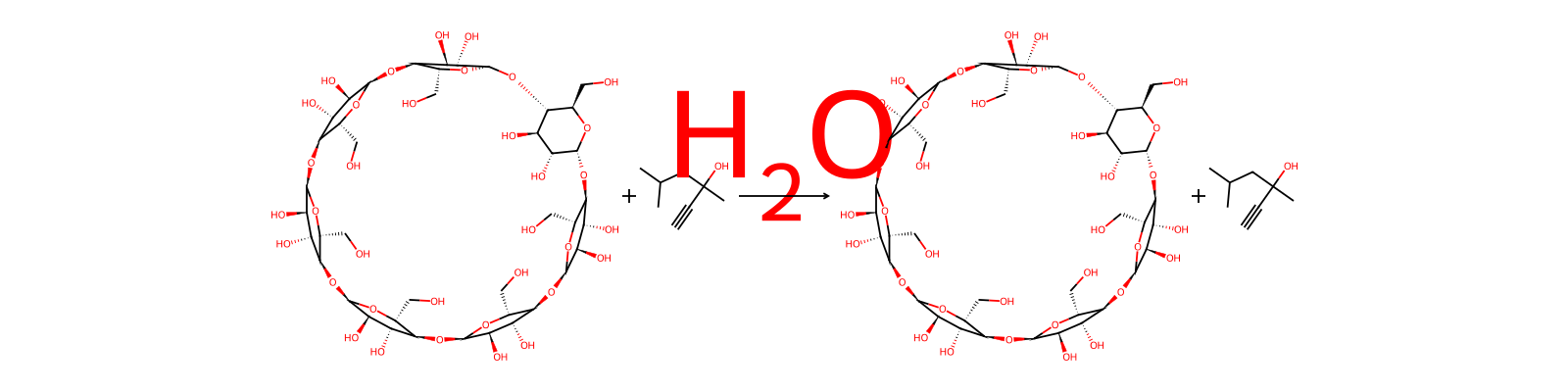
Beta-cyclodextrin is a cyclodextrin composed of seven alpha-(14) linked D-glucopyranose units.
이름 및 식별자
- 우선 이름
- beta-Cyclodextrin
- IUPAC
- (1S,3R,5R,6S,8R,10R,11S,13R,15R,16S,18R,20R,21S,23R,25R,26S,28R,30R,31S,33R,35R,36R,37R,38R,39R,40R,41R,42R,43R,44R,45R,46R,47R,48R,49R)-5,10,15,20,25,30,35-heptakis(hydroxymethyl)-2,4,7,9,12,14,17,19,22,24,27,29,32,34-tetradecaoxaoctacyclo[31.2.2.23,6.28,11.213,16.218,21.223,26.228,31]nonatetracontane-36,37,38,39,40,41,42,43,44,45,46,47,48,49-tetradecol
- 현지명
- 사이클로덱스트린
- 영어명
- β-Cyclodextrin
- 분자식
- C42H70O35
- 분자량
- 1134.99
이름 및 동의어
beta-CYCLODEXTRIN7585-39-9BetadexCycloheptaamyloseCyclomaltoheptaoseCycloheptaglucanCycloheptaglucosanKleptosebeta-Cycloamylosebeta-DextrinKleptose BRhodocap N
이름 더 보기
사이클로덱스트린β-CyclodextrinB-CyclodextrinCyclodextrinsBCDCARAWAYBETA BYCLODEXTRINBETA-CYCLODEXTRINE
Ringdex BRingdex BLbeta-CycloheptaamyloseBetacdOristar bcdRingdex-bBeta cyclodextrinDTXSID1020358
데이터베이스 식별자
- CAS
7585-39-9- PubChem CID
- 444041
- DTXSID
DTXSID1020358- ChEMBL
CHEMBL415690
물성
구조 계산 물성보충 중
- XLogP
- -15
- 극성 표면적
- 554 Ų
- 수소 결합 공여자 수
- 21
- 수소 결합 수용자 수
- 35
- 회전 가능 결합 수
- 7
- 무거운 원자 수
- 77
- 형식 전하
- 0
- 복잡도
- 1,480
실험 및 물리화학적 성질
PolymersBiological Agents -> Polysaccharides
CosmeticsChelating; Absorbent
Food AdditivesFLAVORING AGENT OR ADJUVANT, FORMULATION AID -> FDA Substance added to food
SolubilitySparingly soluble in water; freely soluble in hot water; slightly soluble in ethanol
Optical Rotation[α]D/25 + 160° to + 164° (1 % solution)
Physical Description
Dry Powder
Virtually odourless white or almost white crystalline solid
White virtually odorless solid; [JECFA] White powder; [Sigma-Aldrich MSDS]
Collision Cross Section320.3 Ų [M+K]+ [CCS Type: DT; Method: stepped-field]
물리화학적 성질
- 녹는점
- 290 · 290-300 °C (dec.) (lit.)
- 끓는 점
- 844.96 °C · 844.96°C (rough estimate)
- 밀도
- 1.2296 · 1.2296 (rough estimate)
안전 및 규제
안전 정보는 참고용이며, 공급업체의 물질안전보건자료(SDS), 관련 법규 및 전문가 평가를 대체하지 않습니다.
GHS 분류
GHS Classification
This chemical does not meet GHS hazard criteria for 99.3% (151 of 152) of all reports.
Not Classified
Aggregated GHS information provided per 152 reports by companies from 3 notifications to the ECHA C&L Inventory.
유해성 정보
Regulatory Information
Chemical: .beta.-Cyclodextrin
Regulation (EC) No 257/2010
.beta.-Cyclodextrin is listed on the EPA's Chemical Data Reporting (CDR) system. Manufacturers and importers of .beta.-Cyclodextrin are required to report information about their production and use of this chemical to the EPA under the Toxic Substances Control Act (TSCA). (40 eCFR Part 711)
REACH registered substance: Cycloheptapentylose (EC: 231-493-2)
Beta-cyclodextrin: Does not have an individual approval but may be used under an appropriate group standard
Other Safety InformationIMAP assessments - .beta.-Cyclodextrin: Human health tier I assessment
Hazards Summary
Composed of 7 glucose units joined together; Acceptable daily intake (ADI) of 0-5 mg/kg; [JECFA] Causes zonal hepatitis and acute tubular necrosis in 52-week constant oral studies of rats; Causes diffuse and zonal hepatitis in 7-week constant oral studies of rats; [RTECS] Causes mild skin and eye irritation in rabbits; Not a skin sensitizer in guinea pigs; [Sigma-Aldrich MSDS] See alpha-Cyclodextrin.
EPA Safer ChemicalChemical: Cyclodextrin
Hazard Classes and CategoriesNot Classified
독성 정보
Adverse Effects
화학 및 산업
약리 정보
MeSH Pharmacological Classification
Substances used in the processing or storage of foods or animal feed including ANTIOXIDANTS; FOOD PRESERVATIVES; FOOD COLORING AGENTS; FLAVORING AGENTS; ANTI-INFECTIVE AGENTS; EXCIPIENTS and other similarly used substances. Many of the same substances are used as PHARMACEUTIC AIDS.
Compounds that bind to and reduce the biological availability of a chemical or pharmaceutical agent.
용도 및 제조
UsesPermitted for use as an inert ingredient in non-food pesticide products; [EPA] Used as flavoring agent and formulation aid; [FDA] Used as a thickening agent and an encapsulation agent for food additives, flavoring, and vitamins; [JECFA]
U.S. Production2023: 1,000,000 - <8,500,000 lb
Consumer UsesDeodorizer
Industry UsesDispersing agent
Use Classification
EPA Safer Chemical Functional Use Classes -> Uncategorized
Safer Chemical Classes -> Green circle - The chemical has been verified to be of low concern
Food additives
Food Additives -> ADJUVANT -> JECFA Functional Classes
Food Additives -> ADJUVANT -> JECFA Functional Classes
Food Additives -> ADJUVANT -> JECFA Functional Classes
General Manufacturing Information
All Other Chemical Product and Preparation Manufacturing
.beta.-Cyclodextrin: ACTIVE
응용 분야
출처A derivative of naturally occurring starch.
β-Cyclodextrin is a cyclic oligosaccharide produced from starch via enzymatic conversion. β-Cyclodextrin is commonly used to produce HPLC columns allowing chiral enantiomers separation.
관련 반응
70건


