

기본 정보
- 표준 SMILES
COc1ccc(CN(CCN(C)C)c2ccccn2)cc1- InChIKey
YECBIJXISLIIDS-UHFFFAOYSA-N- 분자식
- C17H23N3O
- 평균 분자량
- 285.4 g/mol
- 단동위원소 질량
- 285.18411236
개요
Pyrilamine is a viscous brown liquid. (NTP, 1992)
이름 및 식별자
- 우선 이름
- Pyrilamine
- IUPAC
- N'-[(4-methoxyphenyl)methyl]-N,N-dimethyl-N'-pyridin-2-ylethane-1,2-diamine
- 현지명
- 피리라민
- 영어명
- Pyrilamine
- 분자식
- C17H23N3O
- 분자량
- 285.38
이름 및 동의어
Mepyraminepyrilamine91-84-9PyranisamineDorantaminMepiramineNeoanterganAnhistabsAnhistolAntalerganAntallerganAntamine
이름 더 보기
피리라민TriaminicPyraDipaneHistanIsaminParmalrd2786rp2786Nisaval
CopsamineHarvamineHistacapHistalonHistapyranHistasanMaranhistParaminyl
데이터베이스 식별자
- CAS
91-84-9- PubChem CID
- 4992
- DTXSID
DTXSID9023542- ChEMBL
CHEMBL511- ChEBI
CHEBI:6762- UNII
- HPE317O9TL
- EC Number
- 202-102-2
- Nikkaji
- J4.645K
물성
구조 계산 물성
- XLogP
- 3.3
- 극성 표면적
- 28.6 Ų
- 수소 결합 공여자 수
- 0
- 수소 결합 수용자 수
- 4
- 회전 가능 결합 수
- 7
- 무거운 원자 수
- 21
- 형식 전하
- 0
- 복잡도
- 277
실험 및 물리화학적 성질
DrugsPharmaceuticals -> Listed in ZINC15
LogP2.85
Density1.074 at 70.5 °F (NTP, 1992) - Denser than water; will sink
Color/FormOILY LIQUID
Solubility
less than 1 mg/mL at 68 °F (NTP, 1992)
1 G DISSOLVES IN ABOUT 0.4 ML WATER; SLIGHTLY SOL IN BENZENE, ETHER; 1 G DISSOLVES IN ABOUT 15 ML ABS ALCOHOL /MALEATE/
1 G DISSOLVES IN ABOUT 2 ML CHLOROFORM
7.81e-01 g/L
Human DrugsBreast Feeding; Lactation; Milk, Human; Antihistamines
Boiling Point
334 to 342 °F at 0.06 mmHg (NTP, 1992)
201 °C @ 5 MM HG
Melting PointMELTING POINT: 143-143.5 °C /HYDROCHLORIDE/, 100-101 °C /MALEATE/
Refractive IndexINDEX OF REFRACTION: 1.5760-1.5765 @ 25 °C/D
Physical Description
Pyrilamine is a viscous brown liquid. (NTP, 1992)
Solid
Stability/Shelf Life
STABLE IN AIR /MALEATE/
SENSITIVE TO LIGHT /MALEATE/
Dissociation Constants8.85 (at 20 °C)
물리화학적 성질
- 녹는점
- 131 · 131-132 °C
- 끓는 점
- 5 · bp5 201°; bp0.06 168-172°
- 밀도
- 1.0141 · 1.0141 (rough estimate)
- 굴절률
- 25 · nD25 1.5760-1.5765
- 산도 계수 (pKa)
- 4.02 · pKa 4.02(H2O t=25 c=0.002 to 0.01) (Uncertain);8.92 (Uncertain)
- 수용성
- 3.425 g/L · 3.425g/L(37.5ºC)
- EPA
- Mepyramine (91-84-9)
안전 및 규제
GHS 분류
GHS Classification
Danger
H302 (100%): Harmful if swallowed [Warning Acute toxicity, oral]
P233, P260, P264, P270, P271, P284, P301+P317, P304+P340, P330, P342+P316, P403, and P501 (click each P-code to see the statement)
Aggregated GHS information provided per 44 reports by companies from 3 notifications to the ECHA C&L Inventory. Each notification may be associated with multiple companies.
유해성 정보
Regulatory InformationREACH registered substance: Mepyramine (EC: 202-102-2)
Fire HazardsFlash point data for this chemical are not available; however, it is probably combustible. (NTP, 1992)
Health Hazards
SYMPTOMS: Exposure to this compound may cause somnolence, central nervous system depression and gastrointestinal disturbances. It may also cause drowsiness, dryness of the mouth, headache, nausea, tachycardia, urinary retention, nervousness, disorientation, staggering gait, hallucinations, stupor, coma, hyperflexia, tremors, excitement, nystagmus, hyperthermia, convulsions, agranulocytosis and aplastic anemia. (NTP, 1992)
FDA Requirements
Manufacturers, packers, and distributors of drug and drug products for human use are responsible for complying with the labeling, certification, and usage requirements as prescribed by the Federal Food, Drug, and Cosmetic Act, as amended (secs 201-902, 52 Stat. 1040 et seq., as amended; 21 U.S.C. 321-392).
Reactive GroupAmines, Phosphines, and Pyridines
Reactivity Profile
PYRILAMINE neutralizes acids to form salts plus water in exothermic reactions. May be incompatible with isocyanates, halogenated organics, peroxides, phenols (acidic), epoxides, anhydrides, and acid halides. May generate flammable gaseous hydrogen in combination with strong reducing agents, such as hydrides.
Air and Water ReactionsMay be sensitive to light. Insoluble in water.
Hazard Classes and CategoriesAcute Tox. 4 (100%)
안전 및 보호
Fire FightingFires involving this material can be controlled with a dry chemical, carbon dioxide or Halon extinguisher. (NTP, 1992)
First Aid
EYES: First check the victim for contact lenses and remove if present. Flush victim's eyes with water or normal saline solution for 20 to 30 minutes while simultaneously calling a hospital or poison control center. Do not put any ointments, oils, or medication in the victim's eyes without specific instructions from a physician. If symptoms (such as redness or irritation) develop, immediately transport the victim to a hospital.
Nonfire Spill Response
SMALL SPILLS AND LEAKAGE: If you spill this chemical, FIRST REMOVE ALL SOURCES OF IGNITION. Then, use absorbent paper to pick up all liquid spill material. Your contaminated clothing and absorbent paper should be sealed in a vapor-tight plastic bag for eventual disposal. Solvent wash all contaminated surfaces with 60-70% ethanol followed by washing with a soap and water solution. Do not reenter the contaminated area until the Safety Officer (or other responsible person) has verified that the area has been properly cleaned.
Disposal Methods
SRP: At the time of review, criteria for land treatment or burial (sanitary landfill) disposal practices are subject to significant revision. Prior to implementing land disposal of waste residue (including waste sludge), consult with environmental regulatory agencies for guidance on acceptable disposal practices.
Personal Protective Equipment (PPE)
RECOMMENDED RESPIRATOR: Where the neat test chemical is weighed and diluted, wear a NIOSH-approved half face respirator equipped with an organic vapor/acid gas cartridge (specific for organic vapors, HCl, acid gas and SO2) with a dust/mist filter. (NTP, 1992)
독성 정보
Interactions
Concurrent use /of ototoxic medications/ with antihistamines may mask the symptoms of ototoxicity such as tinnitus, dizziness, or vertigo. /Antihistamines/
Concurrent use of monoamine oxidase (MAO) inhibitors with antihistamines may prolong and intensify the anticholinergic and CNS depressant effects of antihistamines; concurrent use is not recommended. /Antihistamines/
Concurrent use /with alcohol or other CNS depression-producing medications/ may potentiate the CNS depressant effects of either these medications or antihistamines; also, concurrent use of maprotiline or tricyclic antidepressants may potentiate the anticholinergic effects of either antihistamines or these medications. /Antihistamines/
Anticholinergic effects may be potentiated when /anticholinergics or other medications with anticholinergic activity/ are used concurrently with antihistamines; patients should be advised to report occurrence of gastrointestinal problems promptly since paralytic ileus may occur with concurrent therapy. /Antihistamines/
Concurrent use /of other photosensitizing medications/ with antihistamines may cause additive photosensitizing effects. /Antihistamines/
Ongoing Test Status
The following link will take the user to the National Toxicology Program (NTP) Test Agent Search Results page, which tabulates all of the "Standard Toxicology & Carcinogenesis Studies", "Developmental Studies", and "Genetic Toxicity Studies" performed with this chemical. Clicking on the "Testing Status" link will take the user to the status (i.e., in review, in progress, in preparation, on test, completed, etc.) and results of all the studies that the NTP has done on this chemical. [http://ntp-apps.niehs.nih.gov/ntp_tox/index.cfm?fuseaction=ntpsearch.searchresults&searchterm=91-84-9]
Human Toxicity Excerpts
In acute poisoning with H1 antagonists, their central excitatory effects constitute the greatest danger. The syndrome includes hallucinations, excitement, ataxia, incoordination, athetosis, and convulsions. Fixed, dilated pupils with a flushed face, together with sinus tachycardia, urinary retention, dry mouth, and fever, lend the syndrome a remarkable similarity to that of atropine poisoning. Terminally, there is deepening coma with cardiorespiratory collapse and death, usuallY within 2 to 18 hours. Treatment is along general symptomatic and supportive lines. /Histamine Antagonists: H1 Antagonists/
... SIDE EFFECTS INCL DRYNESS OF ... RESP PASSAGES, SOMETIMES INDUCING COUGH; URINARY FREQUENCY & DYSURIA; PALPITATION; HYPOTENSION; HEADACHE; TIGHTNESS OF CHEST; TINGLING, HEAVINESS, & WEAKNESS OF HANDS. ... ALLERGIC DERMATITIS IS NOT UNCOMMON. /ANTIHISTAMINES/
IN SMALL CHILD ... SYNDROME OF POISONING INCL ... ATAXIA, INCOORDINATION, ATHETOSIS ... FIXED, DILATED PUPILS WITH FLUSHED FACE ... ARE COMMON. /ANTIHISTAMINES/
ALTHOUGH H1-BLOCKING DRUGS HAVE RELATIVELY HIGH MARGIN OF SAFETY, ACUTE POISONING WITH THEM IS COMMON. ... IN CHILDREN, 20 TO 30 TABLETS OR CAPSULES OF MOST COMMERCIALLY AVAILABLE ANTIHISTAMINES REPRESENTS LETHAL OR NEAR-LETHAL DOSE. /ANTIHISTAMINES/
Non-Human Toxicity Excerpts
Mepyramine (Pyrilamine) ... applied as 2.5% solutions to the eyes of rabbits have caused rapid clouding of the corneal epithelium, local-anesthesia, and transitory swelling of the cornea, with recovery in a few days.
ORAL OVERDOSAGE USUALLY PRODUCES DROWSINESS OR ATAXIA, PARENTERAL OVERDOSAGE MAY PRODUCE CNS STIMULATION.
... Including ... mepyramine maleate (Anthisan) ... have undesirable side-effects, although none is highly toxic. All, but to varying degrees, produce spasmolysis and local anaesthesia and have an antifibrillatory action on the myocardium. Small doses of some antihistamines produce depression, drowsiness, salivation and vomiting. Intravenous therapeutic doses of mepyramine may cause transient nervous signs, with incoordination and apparent visual disturbances, in horses and cattle.
Populations at Special Risk
Use is not recommended in newborn or premature infants because this age group has an increased susceptibility to anticholinergic side effects, such as central nervous system excitation, and an increased tendency toward convulsions. A paradoxical reaction characterized by hyperexcitability may occur in children taking antihistamines. /Antihistamines/
Dizziness, sedation, confusion, and hypotension may be more likely to occur in geriatric patients taking antihistamines. Geriatric patients are especially susceptible to the anticholinergic side effects, such as dryness of mouth and urinary retention (especially in males), of the antihistamines. If these side effects occur and continue or are severe, medication should probably be discontinued. /Antihistamines/
Antidote and Emergency Treatment
THERE IS NO SPECIFIC THERAPY FOR ANTIHISTAMINE POISONING, AND TREATMENT IS ALONG GENERAL SYMPTOMATIC AND SUPPORTIVE LINES. ... SHOULD BREATHING FAIL, MECH SUPPORT OF VENTILATION OFFER SAFER AND ... EFFECTIVE MEANS OF MAINTAINING RESP THAN USE OF ANALEPTICS WHICH ARE PRONE TO INITIATE OR INTENSIFY CONVULSIVE PHASE. /ANTIHISTAMINES/
Effects During Pregnancy and Lactation◉ Summary of Use during Lactation
규제 정보
FDA Requirements
Manufacturers, packers, and distributors of drug and drug products for human use are responsible for complying with the labeling, certification, and usage requirements as prescribed by the Federal Food, Drug, and Cosmetic Act, as amended (secs 201-902, 52 Stat. 1040 et seq., as amended; 21 U.S.C. 321-392).
안전 데이터
- 독성
- LD50 orally in mice: 312 mg/kg (Schlichtergroll)
- 유해 물질 데이터
- 91-84-9(Hazardous Substances Data)
화학 및 산업
약리 정보
ATC Code
D - Dermatologicals
R - Respiratory system
QD - Dermatologicals
QR - Respiratory system
Mechanism of Action
Mepyramine is a histamine H1 receptor inverse agonist. It binds to a G protein-coupled form of the receptor and promotes a G protein-coupled inactive state of the H1 receptor that interferes with the Gq/11-mediated signaling. Mepyramine competes with histamine for binding at H<sub>1</sub>-receptor sites on the effector cell surface, resulting in suppression of histaminic edema, flare, and pruritus. The sedative properties of Mepyramine occur at the subcortical level of the CNS.
Antihistamines used in the treatment of allergy act by competing with histamine for H1-receptor sites on effector cells. They thereby prevent, but do not reverse, responses mediated by histamine alone. Antihistamines antagonize, in varying degrees, most of the pharmacological effects of histamine, including urticaria and pruritus. Also, the anticholinergic actions of most antihistamines provide a drying effect on the nasal mucosa. /Antihistamines/
H1 antagonists inhibit most responses of smooth muscle to histamine. Antagonism of the constrictor action of histamine on respiratory smooth muscle is easily shown in vivo and in vitro. /Histamine Antagonists: H1 Antagonists/
H1 antagonists strongly block the action of histamine that results in increased permeability and formation of edema and wheal. /Histamine Antagonists: H1 Antagonists/
Some H1 antagonists possess local anesthetic activity ... . /Histamine Antagonists: H1 Antagonists/
For more Mechanism of Action (Complete) data for PYRILAMINE (6 total), please visit the HSDB record page.
Metabolism/Metabolites
MAIN SITE OF METABOLIC TRANSFORMATION IS LIVER. /ANTIHISTAMINES/
H1 blockers are among the many drugs that induce hepatic microsomal enzymes, and they may facilitate their own metabolism. /Histamine Antagonists: H1 Antagonists/
MeSH Pharmacological Classification
Drugs used to induce SLEEP, prevent SLEEPLESSNESS, or treat SLEEP INITIATION AND MAINTENANCE DISORDERS.
Drugs that selectively bind to but do not activate histamine H1 receptors, thereby blocking the actions of endogenous histamine. Included here are the classical antihistaminics that antagonize or prevent the action of histamine mainly in immediate hypersensitivity. They act in the bronchi, capillaries, and some other smooth muscles, and are used to prevent or allay motion sickness, seasonal rhinitis, and allergic dermatitis and to induce somnolence. The effects of blocking central nervous system H1 receptors are not as well understood.
Agents that are used to treat allergic reactions. Most of these drugs act by preventing the release of inflammatory mediators or inhibiting the actions of released mediators on their target cells. (From AMA Drug Evaluations Annual, 1994, p475)
Absorption, Distribution and Excretion
The H1 antagonists are well absorbed from the gi tract. Following oral administration, peak plasma concn are achieved in 2 to 3 hr and effects usually last 4 to 6 hr; however, some of the drugs are much longer acting ... . /Histamine Antagonists: H1 Antagonists/
... H1 antagonists are eliminated more rapidly by children than by adults and more slowly in those with severe liver disease. /Histamine Antagonists: H1 Antagonists/
Cellular LocationsMembrane
Metabolite PathwaysMepyramine H1-Antihistamine Action
용도 및 제조
Uses
MEDICATION
MEDICATION (VET)
U.S. Imports
(1977) 4.7X10+6 G-PRINCPL CUSTMS DISTS-MALEATE
(1979) 3.2X10+7 G-PRINCPL CUSTMS DISTS-MALEATE
U.S. Production
(1977) PROBABLY MORE THAN 4.54X10+5 G-MALEATE
(1979) PROBABLY MORE THAN 4.54X10+5 G-MALEATE
Methods of Manufacturing
PREPARED BY CONDENSING 2-(N-P-METHOXYBENZYL)-AMINOPYRIDINE WITH DIMETHYLAMINOETHYL CHLORIDE, OR BY CONDENSING N,N-DIMETHYLAMINOETHYL-ALPHA-AMINOPYRIDINE WITH P-METHOXYBENZYL CHLORIDE IN THE PRESENCE OF SODAMIDE OR LITHAMIDE.
TREATMENT OF THE PURE BASE WITH AN EQUIMOLAR QUANTITY OF MALEIC ACID YIELDS THE MALEATE. /MALEATE/
Formulations/Preparations
Antisan, Dorantamin, Enrumay, Hisan, Histatex, Histosol, Paraminyl maleate, Stamine. /maleate/
PYRILAMINE MALEATE IS ALSO EMPLOYED IN A NUMBER OF PROPRIETARY ANTITUSSIVE FORMULATIONS. /MALEATE/
AMONG OTHER POTENTIALLY HYPNOTIC INGREDIENTS IN SUCH PRODUCTS /NONPRESCRIPTION SLEEP AIDS IS/...THE ANTIHISTAMINE PYRILAMINE...
PYRILAMINE MALEATE (ALLERTOC, NEO-ANTERGAN). USUAL PREPARATION: TABLETS, 25 AND 50 MG; OTHER PREPARATIONS AVAILABLE: VARIOUS (IN COMBINATIONS). /MALEATE, FROM TABLE/
응용 분야
용도Pyrilamine is also used for allergy symptoms and rhinitis.
일반 설명Viscous brown liquid.
공급사17 곳
上海麦克林生化科技股份有限公司021-50706066 15221275939 · [email protected]
西安泽邦生物科技有限公司[email protected]
北京博奥森生物技术有限公司400-901-9800 18611424007 · [email protected]
武汉丰泰威远科技有限公司+86-27-8746-5837 +86-18627785180 · [email protected]
武汉丰泰威远科技有限公司027-87465837 19945049750 · [email protected]
深圳振强药物研发有限公司0755-66853366 13670046396 · [email protected]
上海陶术生物科技股份有限公司+1-781-999-5354; +1-00000000000 · [email protected]
陕西缔都医药化工有限公司029-029-81120477 17792793610 · [email protected]
陕西缔都医药化工有限公司+86-29-81139210 +86-17392587031 · [email protected]
成都标样生物科技有限公司028-81700200 13308200041 · [email protected]
江苏艾康生物医药研发有限公司025-58851090 13913916777 · [email protected]
成都圣美凯生物科技有限公司028-85157043 15882256948 · [email protected]
XIAMEN AMITY INDUSTRY AND TRADE CO., LTD.+8618950047208 · [email protected]
TargetMol中国(陶术生物)4008200310 15002144251 · [email protected]
BOC Sciences+1-631-485-4226 · [email protected]
上海一飞生物科技有限公司021-65675885 18964387627 · [email protected]
AFINE CHEMICALS LIMITED+86-571-85134551 +86-18958018566 · [email protected]
추가 설명
정의ChEBI: An ethylenediamine derivative that is ethylenediamine in which one of the amino nitrogens is substituted by two methyl groups and the remaining amino nitrogen is substituted by a 4-methoxybenzyl and a pyridin-2-yl group.
관련 반응
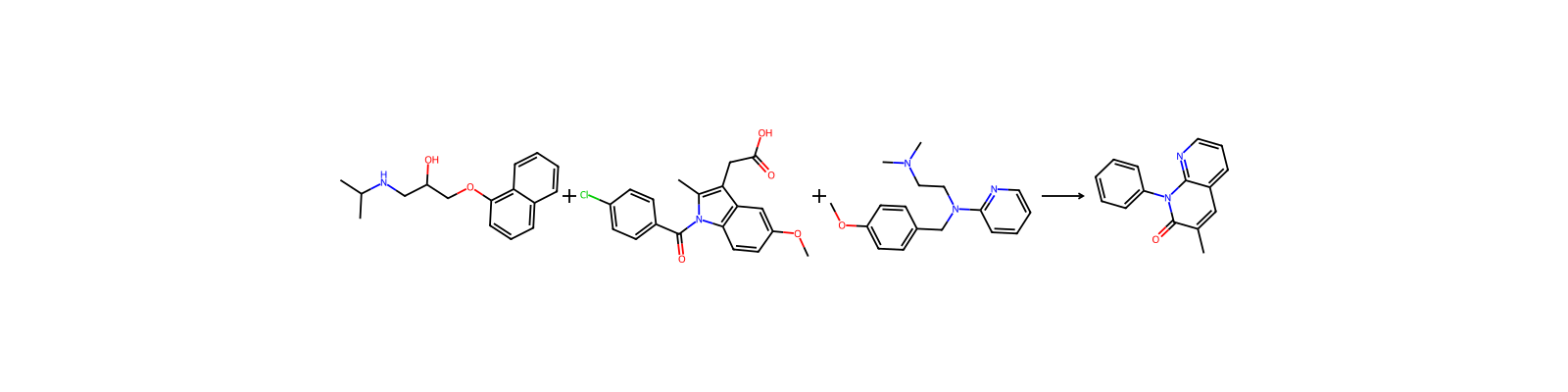
3건

연결된 노트
불러오는 중…