
이황산 나트륨
Sodium Bisulfate
데이터를 보충하는 중입니다. 잠시 후 페이지를 새로 고치면 최신 내용을 볼 수 있습니다
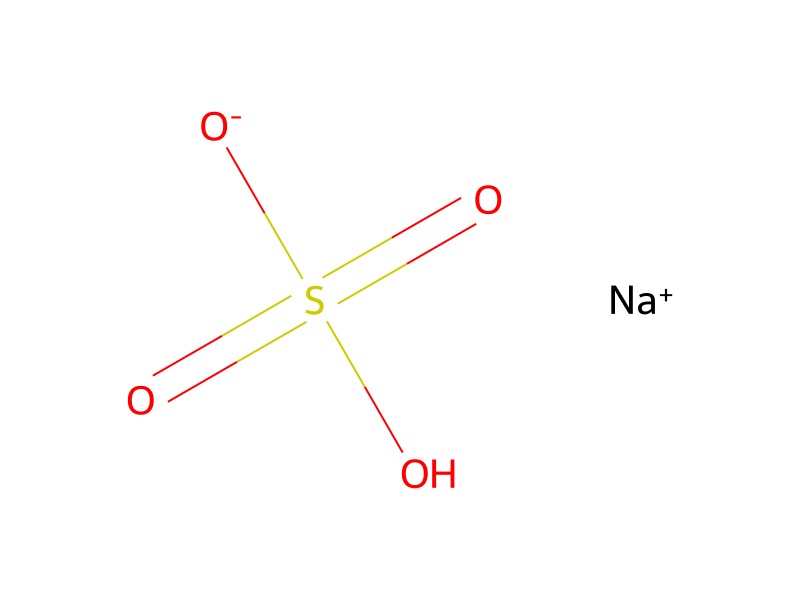
기본 정보
- CAS
7681-38-1- 표준 SMILES
O=S(=O)([O-])O.[Na+]- InChIKey
WBHQBSYUUJJSRZ-UHFFFAOYSA-M- 분자식
- HNaSO4
- 평균 분자량
- 120.06 g/mol
- 단동위원소 질량
- 119.94932379
개요
Bisulfate, aqueous solution is a white crystalline solid dissolved in water. It is corrosive to metals and tissue.
이름 및 식별자
- 우선 이름
- Sodium Bisulfate
- IUPAC
- sodium hydrogen sulfate
- 현지명
- 이황산 나트륨
- 영어명
- Sodium bisulfate
- 분자식
- NaHSO4
- 분자량
- 121.07
이름 및 동의어
Sodium hydrogen sulfate7681-38-1SODIUM BISULFATESodium acid sulfateNitre cakeBisulfate of sodaSodium hydrogensulphateSodium hydrosulfateNiter cakesodium bisulphateWC-PerfectMonosodium sulfate
이름 더 보기
산성황산나트륨이황산나트륨칠레초석케이크황산수소나트륨중황산나트륨나트륨비황산염칠레초석케이크파날나트륨하이드로황산염황산수소나트륨산성황산나트륨소듐바이설페이트이황산나트륨(SODIUMBISULFATE)SODIUM HYDROGEN SULPHATESodium bisulfate anhydrousgbsSodium bisufateSodium pyrosulfurateFanal
WC-SuperWC-KlosettreinigerSodium bisulfate, fusedSodium sulfate, NaHSO4Sulfuric acid, monosodium saltMonosodium hydrogen sulfateSodium bisulfate, solid(DOT)BU8V88OWIQ
데이터베이스 식별자
- CAS
7681-38-1- PubChem CID
- 516919
- DTXSID
DTXSID3033983- ChEMBL
CHEMBL1200488- UNII
- BU8V88OWIQ
- EC Number
- 231-665-7
- Nikkaji
- J44.044B
물성
구조 계산 물성보충 중
- 극성 표면적
- 85.8 Ų
- 수소 결합 공여자 수
- 1
- 수소 결합 수용자 수
- 4
- 회전 가능 결합 수
- 0
- 무거운 원자 수
- 6
- 형식 전하
- 0
- 복잡도
- 93.2
실험 및 물리화학적 성질
Chemical ClassesOther Classes -> Sulfur Compounds
CosmeticsBuffering
pHSolutions are strongly acidic
Density2.43513 @25 °C
Melting PointMelting point equals 315 °C
Food Contact SubstancesFCS -> FDA Inventory of Food Contact Substances Listed in 21 CFR
Physical Description
Bisulfate, aqueous solution is a white crystalline solid dissolved in water. It is corrosive to metals and tissue.
Other Solid; Dry Powder; Liquid; Other Solid; Liquid
White, odourless crystals or granules
White crystals dissolved in water; [CAMEO] Hygroscopic crystals; [CHEMINFO]
물리화학적 성질
- 녹는점
- 315 °C · 315 °C
- 밀도
- 2.1 · 2.1
- 물리적 상태
- 과립
- 산도 계수 (pKa)
- 1.99 · 1.99
- 색상
- 흰색에서 밝은 노란색
안전 및 규제
안전 정보는 참고용이며, 공급업체의 물질안전보건자료(SDS), 관련 법규 및 전문가 평가를 대체하지 않습니다.
GHS 분류
GHS Classification
Danger
H318: Causes serious eye damage [Danger Serious eye damage/eye irritation]
P264+P265, P280, P305+P354+P338, and P317 (click each P-code to see the statement)
This chemical does not meet GHS hazard criteria for 0.3% (2 of 794) of reports.
Danger
H318 (99.6%): Causes serious eye damage [Danger Serious eye damage/eye irritation]
유해성 정보
Regulatory Information
Chemical: Sulfuric acid, monosodium salt
Regulation (EC) No 1333/2008 (amended)
Sulfuric acid, sodium salt (1:1) is listed on the EPA's Chemical Data Reporting (CDR) system. Manufacturers and importers of Sulfuric acid, sodium salt (1:1) are required to report information about their production and use of this chemical to the EPA under the Toxic Substances Control Act (TSCA). (40 eCFR Part 711)
Status: Active Update: 24-02-2020 https://echa.europa.eu/registration-dossier/-/registered-dossier/14458
Sodium hydrogen sulphate: Does not have an individual approval but may be used under an appropriate group standard
DOT LabelCorrosive
Fire Hazards
Excerpt from ERG Guide 154 [Substances - Toxic and/or Corrosive (Non-Combustible)]:
· Non-combustible, substance itself does not burn but may decompose upon heating to produce corrosive and/or toxic fumes.
Health Hazards
Excerpt from ERG Guide 154 [Substances - Toxic and/or Corrosive (Non-Combustible)]:
· TOXIC and/or CORROSIVE; inhalation, ingestion or skin contact with material may cause severe injury or death.
Hazards Summary
Corrosive to metals and tissues; Toxic by ingestion, inhalation, or skin contact; [CAMEO] Aqueous solutions are strong acids; [Merck Index] Harmful if swallowed; Do not inhale dust or aerosol; may cause acute lung edema if inhaled; [MSDSonline] Based on animal studies, not a skin irritant; [CHEMINFO]
화학 및 산업
약리 정보
MeSH Pharmacological ClassificationAgents that are used to stimulate evacuation of the bowels.
용도 및 제조
Uses
Used as a bactericide and disinfectant; [ChemIDplus] Used to pickle metals, carbonize wool, bleach leather, and manufacture magnesia cements; [Merck Index]
Acid and Alkali Cleaning of Metals [Category: Clean]
U.S. Production2023: 250,000,000 - <400,000,000 lb
Consumer UsesProcessing aids not otherwise specified
Industry UsesBleaching agent
Household ProductsInformation on 18 consumer products that contain Sodium acid sulfate in the following categories is provided:
Use Classification
EPA Safer Chemical Functional Use Classes -> Antimicrobial Actives;Processing Aids and Additives
Safer Chemical Classes -> Green circle - The chemical has been verified to be of low concern
Food additives
Food Additives -> ACID -> JECFA Functional Classes
Cosmetics -> Buffering
General Manufacturing Information
Miscellaneous Manufacturing
Sulfuric acid, sodium salt (1:1): ACTIVE
응용 분야
용도sodium bisulfate is an inorganic salt used as an anti-septic and a pH adjuster in cosmetic creams. Concentrated solutions can produce strong irritation.
일반 설명Bisulfate, aqueous solution is a white crystalline solid dissolved in water. Sodium bisulfate is corrosive to metals and tissue.
관련 반응
522건





화합물 노트
불러오는 중…