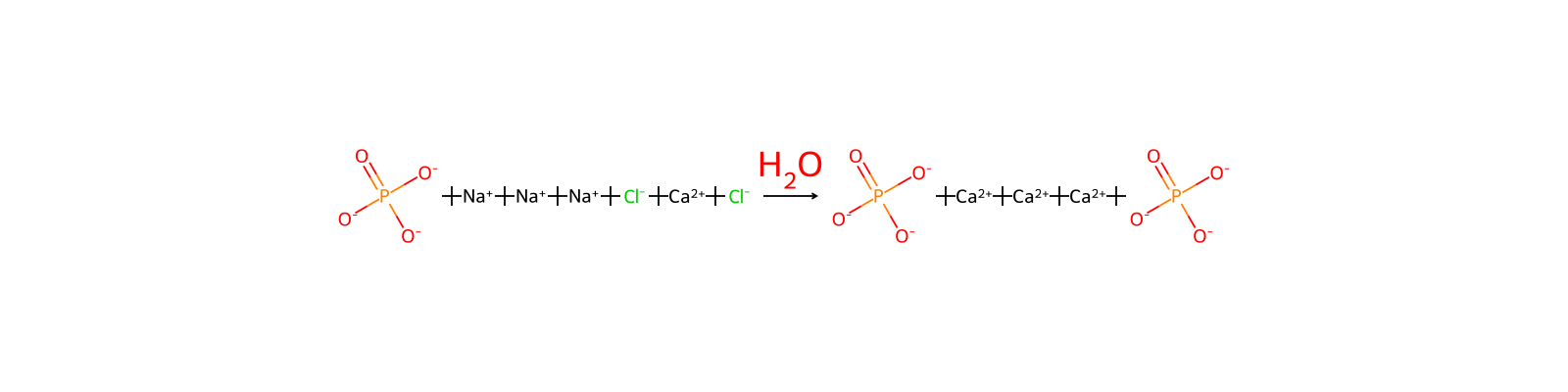

기본 정보
- 표준 SMILES
[Ca+2].[Cl-].[Cl-]- InChIKey
UXVMQQNJUSDDNG-UHFFFAOYSA-L- 분자식
- CaCl2
- 평균 분자량
- 110.98 g/mol
개요
Calcium chloride is a white to off-white solid. Sinks and mixes with water. (USCG, 1999)
이름 및 식별자
- 우선 이름
- Calcium Chloride
- IUPAC
- calcium dichloride
- 현지명
- 염화칼슘
- 영어명
- Calcium chloride
- 분자식
- CaCl2
- 분자량
- 110.98
이름 및 동의어
CALCIUM CHLORIDE10043-52-4Calcium dichlorideCalcium chloride anhydrousCaCl2DowflakeLiquidowPeladowBovikalcCalcium chloride (CaCl2)Calcium Chloride, AnhydrousIntergravin-orales
이름 더 보기
염화석회우르아민MC칼슘이염화물CALCOSAN칼코산염화칼슘염화칼슘(건조용)클로로칼슘클로로칼슘염화석회칼코산우르아민MC칼슘이염화물염화칼슘(CALCIUMCHLORIDE)칼슘클로라이드염화 칼슘이염화 칼슘Anhydrous calcium chlorideCalciuM ClorideCalciumchloridCalcium chloride fusedCALCIUM CHLORIDE 2-HYDRATECALCIUM CHLORIDE DEHYDRATEDcalciumdichlorideCALCIUM CHLORIDE POWDER
Uramine MCCacl2 (anhydrous)Calcium(2+) chlorideDTXSID5020235Calcarea muriaticaCHEBI:3312INS NO.509INS-509
데이터베이스 식별자
- CAS
10043-52-4、14639-81-7- PubChem CID
- 5284359
- DTXSID
DTXSID5020235- ChEMBL
CHEMBL1200668- ChEBI
CHEBI:3312- UNII
- OFM21057LP
- EC Number
- 233-140-8
- Nikkaji
- J43.724G
물성
구조 계산 물성
- 극성 표면적
- 0 Ų
- 수소 결합 공여자 수
- 0
- 수소 결합 수용자 수
- 2
- 회전 가능 결합 수
- 0
- 무거운 원자 수
- 3
- 형식 전하
- 0
- 복잡도
- 0
실험 및 물리화학적 성질
Chemical ClassesMetals -> Metals, Inorganic Compounds
CosmeticsViscosity controlling
SpringerMaterials Propertiesdielectric constant
Pesticides
Fungicides, Plant Growth Regulators
Active substance -> EU Pesticides database: Not approved
OdorODORLESS
TasteTaste threshold ... in potable water is 150-350 ppm ... however ... concentrations as low as 50 ppm can be ojectionable
Density
2.15 at 68 °F (USCG, 1999) - Denser than water; will sink
2.15 g/cu cm at 25 °C
Hygroscopic granules, flakes or powder. Apparent (bulk) density: 0.835. Freely soluble in water, alcohol /Calcium chloride dihydrate/
Density (at 25 °C): 2.2 g/cm³
2.152 @25 °C
ViscosityIn 40.0% aqueous solution, 8.997 mPa.s at 20 °C
Color/Form
White cubic crystals or powder
Cubic crystals, granules or fused masses
White .. lumps of flakes
Solubility
Soluble in water and in ethanol
Soluble in methyl carbonate and acetic acid
Very soluble in ethanol
Freely soluble in water with liberation of much heat
81.3 g/100 g water at 25 °C
Human Drugs
FDA approved drugs -> Active ingredient
FDA approved drugs -> Active ingredient
Boiling Point
1935 °C
1670 °C
1935 °C @760 [mm Hg]
물리화학적 성질
- 녹는점
- 772 °C · 772 °C (lit.)
- 끓는 점
- 1935 °C/1 · 1935 °C/1 atm (lit.)
- 밀도
- 1.086 g/mL · 1.086 g/mL at 20 °C
- 증기압
- 0.01 mm · 0.01 mm Hg ( 20 °C)
- 굴절률
- 20 · n20/D 1.358
- 인화점
- 1600 °C · >1600°C
- 저장 조건
- 5 °C · Store at +5°C to +30°C.
- 용해도
- 2 O: · H2O: 용해성
- 물리적 상태
- 가루
- 색상
- 흰색에서 회색으로
- Specific Gravity
- 2.15 · 2.15
- 냄새
- Odorless
- Flame Color
- Redish
- 수소이온지수(pH)
- 8 · 8-10 (100g/l, H2O, 20℃)
- 수용성
- 740 g/L · 740 g/L (20 ºC)
- 비열
- 0.66 J/ · Cp(crystal): 0.66 J/(g·K), at 25℃
- Merck
- 14 · 14,1659
- 안정성
- 안정적인. 아연, 물, 강산, 메틸 비닐 에테르, 삼불화 브롬, 산화 붕소, 산화 칼슘과 혼합되지 않습니다. 흡습성.
- 화장품 원료 기능
- 점도 조절수렴제
- InChI
- 1S/Ca.2ClH/h;2*1H/q+2;;/p-2
- InChIKey
- UXVMQQNJUSDDNG-UHFFFAOYSA-L
- SMILES
- [Cl-].[Cl-].[Ca++]
- NIST
- Calcium dichloride(10043-52-4)
- EPA
- Calcium chloride (10043-52-4)
화학적 성질
Calcium chloride, CaC12, is colorless deliquescent solid that is soluble in water and ethanol. It is formed from the reaction of calcium carbonate and hydrochloric acid or calcium hydroxide and ammonium chloride. It is used in medicine, as an antifreeze, and as a coagulant.
안전 및 규제
GHS 분류
GHS Classification
Warning
H319: Causes serious eye irritation [Warning Serious eye damage/eye irritation]
P264+P265, P280, P305+P351+P338, and P337+P317 (click each P-code to see the statement)
This chemical does not meet GHS hazard criteria for 0.3% (12 of 3505) of reports.
Warning
H319 (99.7%): Causes serious eye irritation [Warning Serious eye damage/eye irritation]
유해성 정보
Regulatory Information
Chemical: Calcium chloride (CaCl2)
Regulation (EC) No 178/2002 (amended)
Regulation (EC) No 1333/2008 (amended)
Calcium chloride (CaCl2) is listed on the EPA's Chemical Data Reporting (CDR) system. Manufacturers and importers of Calcium chloride (CaCl2) are required to report information about their production and use of this chemical to the EPA under the Toxic Substances Control Act (TSCA). (40 eCFR Part 711)
Status: Active Update: 01-12-2021 https://echa.europa.eu/registration-dossier/-/registered-dossier/33144
Calcium chloride: Does not have an individual approval but may be used under an appropriate group standard
Other Safety InformationIMAP assessments - Calcium chloride (CaCl2): Environment tier I assessment
Fire HazardsNot combustible. Gives off irritating or toxic fumes (or gases) in a fire.
Health Hazards
Inhalation causes irritation of nose and throat. Ingestion causes irritation of mouth and stomach. Contact with eyes (particularly by dust) causes irritation and possible transient corneal injury. Contact of solid with dry skin causes mild irritation; strong solutions can cause marked irritation, even a superficial burn. (USCG, 1999)
Hazards Summary
A skin and respiratory tract irritant; May cause ulcerations to nasal mucous membranes; May cause dry skin and redness; [ICSC] A skin, eye, and mucous membrane irritant; May cause lacrimation; [HSDB] May cause serious damage to eyes; [CHEMINFO] A severe irritant that may cause burns; [MSDSonline] See Calcium.
FDA Requirements
Substance added directly to human food affirmed as generally recognized as safe (GRAS).
Calcium chloride used as a general purpose food additive in animal drugs, feeds, and related products is generally recognized as safe when used in accordance with good manufacturing or feeding practice.
Calcium chloride used as a sequestrant in animal drugs, feeds, and related products is generally recognized as safe when used in accordance with good manufacturing or feeding practice.
The Approved Drug Products with Therapeutic Equivalence Evaluations identifies currently marketed prescription drug products, including calcium chloride, approved on the basis of safety and effectiveness by FDA under sections 505 of the Federal Food, Drug, and Cosmetic Act.
Reactive GroupSalts, Acidic
EC ClassificationSymbol: Xi; R: 36; S: (2)-22-24
Special ReportsEnvironment Canada; Tech Info for Problem Spills: Calcium Chloride (Draft) (1981)
EPA Safer ChemicalChemical: Calcium chloride, anhydrous
FIFRA Requirements
Residues of calcium chloride are exempted from the requirement of a tolerance when used in accordance with good agricultural practice as inert (or occasionally active) ingredients in pesticide formulations applied to animals. Use: stabilizer. Limit: none.
Residues of the following chemical substances are exempted from the requirement of a tolerance when used in accordance with good manufacturing practice as ingredients in an antimicrobial pesticide formulation, provided that the substance is applied on a semi-permanent or permanent food-contact surface (other than being applied on food packaging) with adequate draining before contact with food. ... (b) The following chemical substances when used as ingredients in an antimicrobial pesticide formulation may be applied to: Dairy processing equipment, and food-processing equipment and utensils. Calcium chloride is included on this list. Limit: When ready for use, the end-use concentration is not to exceed 17 ppm.
Residues of the following chemical substances are exempted from the requirement of a tolerance when used in accordance with good manufacturing practice as ingredients in an antimicrobial pesticide formulation, provided that the substance is applied on a semi-permanent or permanent food-contact surface (other than being applied on food packaging) with adequate draining before contact with food. ... (c) The following chemical substances when used as ingredients in an antimicrobial pesticide formulation may be applied to: Food-processing equipment and utensils. Calcium chloride is included on this list. Limit: When ready for use, the end-use concentration is not to exceed 17 ppm.
As the federal pesticide law FIFRA directs, EPA is conducting a comprehensive review of older pesticides to consider their health and environmental effects and make decisions about their continued use. Under this pesticide reregistration program, EPA examines newer health and safety data for pesticide active ingredients initially registered before November 1, 1984, and determines whether the use of the pesticide does not pose unreasonable risk in accordance to newer saftey standards, such as those described in the Food Quality Protection Act of 1996. Pesticides for which EPA had not issued Registration Standards prior to the effective date of FIFRA '88 were divided into three lists based upon their potential for human exposure and other factors, with List B containing pesticides of greater concern than those on List C, and with List C containing pesticides of greater concern than those on List D. Calcium chloride is found on List D. Case No: 4051; Pesticide type: Insecticide (Molluscicide), Fungicide, Herbicide, Antimicrobial; Case Status: RED Approved 09/93; OPP has made a decision that some/all uses of the pesticide are eligible for reregistration, as reflected in a Reregistration Eligibility Decision (RED) document.; Active ingredient (AI): Calcium chloride; AI Status: The active ingredient is no longer contained in any registered pesticide products ... "cancelled."
Reactivity Profile
Bromine trifluoride rapidly attacks calcium chloride [Mellor 2 Supp. 1:164, 165 1956]. Long term exposure of calcium chloride solution upon a zinc coated galvanized iron vessel caused slow evolution of hydrogen which ignited and exploded [Bretherick, 5th Ed., 1995].
안전 및 보호
Fire FightingIn case of fire in the surroundings, use appropriate extinguishing media.
First Aid Measures
Fresh air, rest. Refer for medical attention.
Remove contaminated clothes. Rinse skin with plenty of water or shower. Refer immediately for medical attention.
Rinse with plenty of water for several minutes (remove contact lenses if easily possible). Refer immediately for medical attention.
Rinse mouth. Do NOT induce vomiting. Give one or two glasses of water to drink. Refer immediately for medical attention.
First AidINHALATION: move to fresh air; if discomfort persists, get medical attention.
Safe StorageSeparated from zinc. Dry. Well closed.
Fire Fighting ProceduresFire Control: Use water, dry chemical, carbon dioxide or foam to extinguish. Do not extinguish fire unless release can be stopped. Cool fire-exposed containers with water.
Storage Conditions
Storage space should be well ventilated.
Dry bulk calcium chloride can be stored in bins fabricated from most construction-grade steel materials. Care should be taken to minimize moisture. Venting should be limited to times of filling and discharging calcium chloride from the storage bin.
Liquid calcium chloride can be stored in either horizontal or vertical cylindrical tanks constructed of steel. Fiberglass and plastic may also be used within limits of strength and temperature.
Cleanup Methods
Spill Control: Restrict access to spill site, call fire department and notify manufacturer, stop the flow and contain spill if safe to do so, keep contaminated water from entering sewers or water courses, and avoid contact with liquid and solid.
Emergency control Procedures: Soil; Construct barriers to contain spill and remove material by manual or mechanical means. Water; Contain by damming, water diversion or natural barriers.
When solid calcium chloride is spilled on land, shovel into containers (avoid dusting) for recovery or disposal.
Disposal Methods
SRP: The most favorable course of action is to use an alternative chemical product with less inherent propensity for occupational harm/injury/toxicity or environmental contamination. Recycle any unused portion of the material for its approved use or return it to the manufacturer or supplier. Ultimate disposal of the chemical must consider: the material's impact on air quality; potential migration in soil or water; effects on animal and plant life; and conformance with environmental and public health regulations.
Waste calcium chloride must never be discharged directly into sewers or surface waters.
Spillage DisposalPersonal protection: complete protective clothing including self-contained breathing apparatus. Sweep spilled substance into covered containers. If appropriate, moisten first to prevent dusting. Wash away remainder with plenty of water.
Preventive Measures
SRP: The scientific literature for the use of contact lenses by industrial workers is inconsistent. The benefits or detrimental effects of wearing contact lenses depend not only upon the substance, but also on factors including the form of the substance, characteristics and duration of the exposure, the uses of other eye protection equipment, and the hygiene of the lenses. However, there may be individual substances whose irritating or corrosive properties are such that the wearing of contact lenses would be harmful to the eye. In those specific cases, contact lenses should not be worn. In any event, the usual eye protection equipment should be worn even when contact lenses are in place.
SRP: Local exhaust ventilation should be applied wherever there is an incidence of point source emissions or dispersion of regulated contaminants in the work area. Ventilation control of the contaminant as close to its point of generation is both the most economical and safest method to minimize personnel exposure to airborne contaminants. Ensure that the local ventilation moves the contaminant away from the worker.
WHERE POSSIBLE, PROCESSES SHOULD BE MECHANISED & ENCLOSED TO PREVENT DUST FORMATION ... ADEQUATE VENTILATION SHOULD BE INSTALLED TO COLLECT AIRBORNE DUST. ... SMOKING, DRINKING & EATING PROHIBITED @ WORKPLACE.
Eye PreventionWear safety goggles in combination with breathing protection.
Inhalation RiskA harmful concentration of airborne particles can be reached quickly when dispersed.
독성 정보
Interactions
In the early growth phase of Sesamum indicum cv. PB-1, the decrease in fresh and dry mass was higher with 1.0 mM Cd2+ than with the same level of Pb2+ and Cu2+. Recovery from the metal stress was considerable in the root fresh weight and almost completely in the root dry weight when 10.0 mM (1.9 EC), calcium chloride was supplied to the growing seedlings along with the metal salts in various combinations. Accumulation of /divalent/ Pb, Cd and Cu was differential to the metals and the plant parts when supplied without or with 10.0 mM calcium chloride. The order of endogenous metal accumulation was Cu Cd Pb and roots accumulated more metal than the leaves in the absence, as well as in the presence, of calcium chloride. Calcium chloride could recover loss of in vivo NRA in roots caused by either of the metal combinations, whereas the salt could recover the loss in leaf NRA caused only by Pb---Cd (1.0 mM each). Response of root and leaf NRA was on the other hand, different when the enzyme was assayed directly using an in vitro assay method, and the salt accelerated the loss in enzyme activity drastically. The organic-N content of root and leaf was, however, increased significantly (p < 0.001) with calcium chloride alone and with the metals supplied in various combinations. /The/ data indicate that instead of a high endogenous accumulation of /divalent/ Cu, Cd and Pb in roots and leaves the metal toxicity is recovered to a great extent in the presence of 10.0 mM calcium chloride in the root environment regarding growth and nitrate reduction of the roots and leaves of young sesame seedlings.
Diltiazem is commonly used to treat atrial fibrillation or flutter (AFF) with rapid ventricular response (RVR). Although it is very effective for rate control, up to an 18% prevalence of reported diltiazem-induced hypotension (defined by systolic blood pressure (SBP) < 90 mm Hg), and a mean of 9.7% hypotension have been reported from several studies totaling over 450 patients. This hypotension may complicate therapy. /This study/ objective was to determine if calcium chloride (CaCl2) pre-treatment would blunt a SBP drop after i.v. diltiazem, while allowing diltiazem to maintain its efficacy. A prospective, randomized, double-blind, placebo-controlled study was conducted. Seventy-eight patients with AFF and a ventricular rate of > or = 120 beats per minute were enrolled. Half received i.v. CaCl2 pre-treatment; the other half received placebo. All patients then received i.v. diltiazem in a standard, weight-based dose. A second dose of CaCl2 pre-treatment or placebo and diltiazem was given if clinically indicated for additional rate control. Both CaCl2 and placebo pre-treatment groups had equal lowering of heart rate (p < 0.001). There were no adverse events in the calcium pre-treatment study arm. One patient in the placebo group became paradoxically more tachycardic and apneic after the diltiazem infusion. Although i.v. CaCl2 seems to be equally safe compared to placebo as a pre-treatment in the management of AFF with RVR, /the researchers/ were unable to find a statistically significant blunting of SBP drop with CaCl2 i.v. pre-treatment.
Catharanthus roseus (L.) G. Don. plants were grown with NaCl and CaCl2 in order to study the effect of CaCl2 on NaCl-induced oxidative stress in terms of lipid peroxidation (TBARS content), H2O2 content, osmolyte concentration, proline (PRO)-metabolizing enzymes, antioxidant enzyme activities, and indole alkaloid accumulation. The plants were treated with solutions of 80 mM NaCl, 80 mM NaCl with 5 mM CaCl2 and 5 mM CaCl2 alone. Groundwater was used for irrigation of control plants. Plants were uprooted randomly on 90 days after sowing (DAS). NaCl-stressed plants showed increased TBARS, H2O2, glycine betaine (GB) and PRO contents, decreased proline oxidase (PROX) activity, and increased gamma-glutamyl kinase (gamma-GK) activity when compared to control. Addition of CaCl2 to NaCl-stressed plants lowered the PRO concentration by increasing the level of PROX and decreasing the gamma-GK activities. Calcium ions increased the GB contents. CaCl2 appears to confer greater osmoprotection by the additive role with NaCl in GB accumulation. The antioxidant enzymes superoxide dismutase (SOD), peroxidase (POX) and catalase (CAT) were increased under salinity and further enhanced due to CaCl2 treatment. The NaCl-with-CaCl2-treated C. roseus plants showed an increase in total indole alkaloid content in shoots and roots when compared to NaCl-treated and untreated plants.
/This study was conducted/ to evaluate the hemodynamic effects of calcium chloride in a canine model of acute propranolol toxicity. Two minutes after the completion of a propranolol infusion (10 mg/kg), a bolus of 0.125 mL/kg 10% CaCl solution followed by an infusion of 0.375 mL/kg over the next 30 minutes or a bolus and subsequent infusion of an equivalent volume of normal saline solution was administered to each dog. CaCl yielded significant improvements in propranolol-induced decreases in cardiac index and stroke volume compared with saline solution-treated control animals (overall alpha = 0.05). Furthermore, CaCl administration resulted in earlier improvement in propranolol-induced alterations in mean arterial pressure, maximal left ventricular pressure change over time, and peripheral vascular resistance compared with saline solution (overall alpha = 0.05). We observed no difference between treatment groups in response to propranolol-induced bradycardia or QRS-interval prolongation. In this model of acute propranolol toxicity, CaCl therapy improved depressed hemodynamic status, mainly by a positive inotropic action.
For more Interactions (Complete) data for CALCIUM CHLORIDE (16 total), please visit the HSDB record page.
Ecotoxicity Values
EC50; Species: Daphnia magna (Water Flea); Conditions: freshwater, static, 11.5-14.5 °C, pH 7.2-7.8, dissolved oxygen 5.2-6.5 mg/L; Concentration: 573060 ug/L for 24 hr (95% confidence interval: 448700-699000 ug/L); Effect: intoxication, immobilization /total Ca ion/
EC50; Species: Daphnia magna (Water Flea) age 4 hr; Conditions: freshwater, static, 25 °C; Concentration: 920000 ug/L for 64 hr; Effect: intoxication, immobilization
LC50; Species: Americamysis bahia (Opossum Shrimp) age 4-5 days; Conditions: saltwater, static, 25-27 °C, salinity 10 ppt; Concentration: 270000 ug/L for 48 hr
LC50; Species: Americamysis bahia (Opossum Shrimp) age 4-5 days; Conditions: saltwater, static, 25-27 °C, salinity 20 ppt; Concentration: 530000 ug/L for 48 hr
For more Ecotoxicity Values (Complete) data for CALCIUM CHLORIDE (27 total), please visit the HSDB record page.
Environmental FateIn general, the environmental effects of calcium chloride are quite similar to those of rock salt (sodium chloride).
Adverse EffectsDermatotoxin - Skin burns.
Exposure RoutesSerious local effects by all routes of exposure.
Ecotoxicity Excerpts
/AQUATIC SPECIES/ Rock bass were killed by /calcium chloride/ concentration of 555 mg/L for 168 hr in tap water.
/PLANTS/ Catharanthus roseus (L.) G. Don. plants were grown with NaCl and CaCl2 in order to study the effect of CaCl2 on NaCl-induced oxidative stress in terms of lipid peroxidation (TBARS content), H2O2 content, osmolyte concentration, proline (PRO)-metabolizing enzymes, antioxidant enzyme activities, and indole alkaloid accumulation. The plants were treated with solutions of 80 mM NaCl, 80 mM NaCl with 5 mM CaCl2 and 5 mM CaCl2 alone. Groundwater was used for irrigation of control plants. Plants were uprooted randomly on 90 days after sowing (DAS). NaCl-stressed plants showed increased TBARS, H2O2, glycine betaine (GB) and PRO contents, decreased proline oxidase (PROX) activity, and increased gamma-glutamyl kinase (gamma-GK) activity when compared to control. Addition of CaCl2 to NaCl-stressed plants lowered the PRO concentration by increasing the level of PROX and decreasing the gamma-GK activities. Calcium ions increased the GB contents. CaCl2 appears to confer greater osmoprotection by the additive role with NaCl in GB accumulation. The antioxidant enzymes superoxide dismutase (SOD), peroxidase (POX) and catalase (CAT) were increased under salinity and further enhanced due to CaCl2 treatment. The NaCl-with-CaCl2-treated C. roseus plants showed an increase in total indole alkaloid content in shoots and roots when compared to NaCl-treated and untreated plants.
/PLANTS/ In the early growth phase of Sesamum indicum cv. PB-1, the decrease in fresh and dry mass was higher with 1.0 mM Cd(2+) than with the same level of Pb(2+) and Cu(2+). Recovery from the metal stress was considerable in the root fresh weight and almost completely in the root dry weight when 10.0 mM (1.9 EC), calcium chloride was supplied to the growing seedlings along with the metal salts in various combinations. Accumulation of Pb(2+), Cd(2+) and Cu(2+) was differential to the metals and the plant parts when supplied without or with 10.0 mM calcium chloride. The order of endogenous metal accumulation was Cu(2+), Cd(2+), Pb(2+) and roots accumulated more metal than the leaves in the absence, as well as in the presence, of calcium chloride. Calcium chloride could recover loss of in vivo NRA in roots caused by either of the metal combinations, whereas the salt could recover the loss in leaf NRA caused only by Pb(2+) - Cd(2+) (1.0 mM each). Response of root and leaf NRA was on the other hand, different when the enzyme was assayed directly using an in vitro assay method, and the salt accelerated the loss in enzyme activity drastically. The organic-N content of root and leaf was, however, increased significantly (p<0.001) with calcium chloride alone and with the metals supplied in various combinations. Our data indicate that instead of a high endogenous accumulation of Cu(2+), Cd(2+) and Pb(2+) in roots and leaves the metal toxicity is recovered to a great extent in the presence of 10.0 mM calcium chloride in the root environment regarding growth and nitrate reduction of the roots and leaves of young sesame seedlings.
/PLANTS/ The present investigation was conducted to determine whether CaCl2 increases Catharanthus roseus drought tolerance and if such tolerance is correlated with changes in oxidative stress, osmoregulation and indole alkaloid accumulation. C. roseus plants were grown under water deficit environments with or without CaCl2. Drought induced oxidative stress was measured in terms of lipid peroxidation (LPO) and H2O2 contents, osmolyte concentration, proline (PRO) metabolizing enzymes and indole alkaloid accumulation. The plants under pot culture were subjected to 10, 15 and 20 days interval drought (DID) stress and drought stress with 5 mM CaCl2 and 5 mM CaCl2 alone from 30 days after planting (DAP) and regular irrigation was kept as control. The plants were uprooted on 41 DAS (10 DID), 46 DAS (15 DID) and 51 DAS (20 DID). Drought stressed plants showed increased LPO, H2O2, glycine betaine (GB) and PRO contents and decreased proline oxidase (PROX) activity and increased gamma-glutamyl kinase (gamma-GK) activity when compared to control. Addition of CaCl2 to drought stressed plants lowered the PRO concentration by increasing the level of PROX and decreasing the gamma-GK activities. Calcium ions increased the GB contents. CaCl2 appears to confer greater osmoprotection by the additive role with drought in GB accumulation. The drought with CaCl2-treated C. roseus plants showed an increase in total indole alkaloid content in shoots and roots when compared to drought stressed and well-watered plants.
Signs and Symptoms
Cough. Sore throat. Burning sensation.
Redness. Dry skin. Skin burns.
Redness. Pain. Burns.
Burns in mouth and throat. Nausea. Vomiting.
Effluent Concentrations
Estimated emissions of calcium chloride as one of the typical pollutants released from the synthetic organic chemical manufacturing industry (production/processing) may range from (unit process, product): halogenation, perchloroethylene, trace to 344; polymerization, acrylonitrile-butadiene-styrene resins, 0.25 to 8.8 (all in g/kg produced)(1).
Natural Pollution SourcesCalcium chloride may be found in nature as the mineral techhydrite, CaCl2.2MgCl2.12H2O. It is also found in other minerals. Its concentration in sea water is about 0.15%.
Human Toxicity Excerpts
/SIGNS AND SYMPTOMS/ This product contains aluminum that may be toxic. Aluminum may reach toxic levels with prolonged parenteral administration if kidney function is impaired. Premature neonates are particularly at risk because their kidneys are immature, and they require large amounts of calcium and phosphate solutions, which contain aluminum. Research indicates that patients with impaired kidney function, including premature neonates, who receive parenteral levels of aluminum at greater than 4 to 5 ug/kg/day accumulate aluminum at levels associated with central nervous system and bone toxicity. Tissue loading may occur at even lower rates of administration.
/SIGNS AND SYMPTOMS/ Calcium chloride is contraindicated for cardiac resuscitation in the presence of ventricular fibrillation or in patients with the risk of existing digitalis toxicity.
/SIGNS AND SYMPTOMS/ SIDE EFFECTS RESULT FROM TOO RAPID INJECTION; THESE INCL VASODILATION AND BURNING SENSATION IN SKIN. OVERDOSAGE CAN CAUSE HYPERCALCEMIA. ... EXTRAVASATION CAN CAUSE TISSUE NECROSIS.
/SIGNS AND SYMPTOMS/ INJECTED SC OR IM, SOL CALCIUM SALTS ARE INTENSELY IRRITATING ... INJECTED IV IONIZED CALCIUM SALTS MAY CAUSE SLOWING OF THE HEART RATE AND SINUS ARRHYTHMIA; IN TOXIC DOSES HEART BLOCK, EXTRASYSTOLES, AND VENTRICULAR FIBRILLATION ARE DESCRIBED. INJECTED CALCIUM MAY ALSO STIMULATE IN VIVO EPINEPHRINE RELEASE. /CALCIUM SALTS/
For more Human Toxicity Excerpts (Complete) data for CALCIUM CHLORIDE (11 total), please visit the HSDB record page.
Environmental BiodegradationCalcium chloride does not biodegrade.
Environmental Bioconcentration/Calcium chloride/ does not bioaccumulate.
규제 정보
FDA Requirements
Substance added directly to human food affirmed as generally recognized as safe (GRAS).
Calcium chloride used as a general purpose food additive in animal drugs, feeds, and related products is generally recognized as safe when used in accordance with good manufacturing or feeding practice.
Calcium chloride used as a sequestrant in animal drugs, feeds, and related products is generally recognized as safe when used in accordance with good manufacturing or feeding practice.
The Approved Drug Products with Therapeutic Equivalence Evaluations identifies currently marketed prescription drug products, including calcium chloride, approved on the basis of safety and effectiveness by FDA under sections 505 of the Federal Food, Drug, and Cosmetic Act.
FIFRA Requirements
Residues of calcium chloride are exempted from the requirement of a tolerance when used in accordance with good agricultural practice as inert (or occasionally active) ingredients in pesticide formulations applied to animals. Use: stabilizer. Limit: none.
Residues of the following chemical substances are exempted from the requirement of a tolerance when used in accordance with good manufacturing practice as ingredients in an antimicrobial pesticide formulation, provided that the substance is applied on a semi-permanent or permanent food-contact surface (other than being applied on food packaging) with adequate draining before contact with food. ... (b) The following chemical substances when used as ingredients in an antimicrobial pesticide formulation may be applied to: Dairy processing equipment, and food-processing equipment and utensils. Calcium chloride is included on this list. Limit: When ready for use, the end-use concentration is not to exceed 17 ppm.
Residues of the following chemical substances are exempted from the requirement of a tolerance when used in accordance with good manufacturing practice as ingredients in an antimicrobial pesticide formulation, provided that the substance is applied on a semi-permanent or permanent food-contact surface (other than being applied on food packaging) with adequate draining before contact with food. ... (c) The following chemical substances when used as ingredients in an antimicrobial pesticide formulation may be applied to: Food-processing equipment and utensils. Calcium chloride is included on this list. Limit: When ready for use, the end-use concentration is not to exceed 17 ppm.
As the federal pesticide law FIFRA directs, EPA is conducting a comprehensive review of older pesticides to consider their health and environmental effects and make decisions about their continued use. Under this pesticide reregistration program, EPA examines newer health and safety data for pesticide active ingredients initially registered before November 1, 1984, and determines whether the use of the pesticide does not pose unreasonable risk in accordance to newer saftey standards, such as those described in the Food Quality Protection Act of 1996. Pesticides for which EPA had not issued Registration Standards prior to the effective date of FIFRA '88 were divided into three lists based upon their potential for human exposure and other factors, with List B containing pesticides of greater concern than those on List C, and with List C containing pesticides of greater concern than those on List D. Calcium chloride is found on List D. Case No: 4051; Pesticide type: Insecticide (Molluscicide), Fungicide, Herbicide, Antimicrobial; Case Status: RED Approved 09/93; OPP has made a decision that some/all uses of the pesticide are eligible for reregistration, as reflected in a Reregistration Eligibility Decision (RED) document.; Active ingredient (AI): Calcium chloride; AI Status: The active ingredient is no longer contained in any registered pesticide products ... "cancelled."
안전 데이터
- wgk
- 1
- tsca
- TSCA listed
- rtecs
- EV9810000
- 독성
- LD50 i.v. in mice: 42.2 mg/kg (Syed, Hosain)
- HS 번호
- 28272000
- risk_code
- 36/37/38-36-36/38-41-22
- hazard_code
- Xi
- safety_code
- 26-39-24-22-36
- 기존화학 물질
- KE-04496
- F 고인화성물질
- 3
- Hazard Classifications
- Eye Irrit. 2
- 스토리지 클래스
- 11 - Combustible Solids
- 유해 물질 데이터
- 10043-52-4(Hazardous Substances Data)
화학 및 산업
약리 정보
ATC Code
A - Alimentary tract and metabolism
G - Genito urinary system and sex hormones
B - Blood and blood forming organs
QB - Blood and blood forming organs
QA - Alimentary tract and metabolism
QG - Genito urinary system and sex hormones
BionecessityIT IS NECESSARY IN ANIMAL AND HUMAN NUTRITION; VITAMIN D AIDS IN THE DEPOSITION OF CALCIUM IN BONES. /CALCIUM ION/
Pharmacodynamics
Calcium is the fifth most abundant element in the body and the major fraction is in the bony structure. Calcium plays important physiological roles, many of which are poorly understood. It is essential for the functional integrity of the nervous and muscular systems. It is necessary for normal cardiac function and is one of the factors that operates in the mechanisms involved in the coagulation of blood.
Mechanism of Action
Calcium chloride in water dissociates to provide calcium (Ca<sup>2+</sup>) and chloride (Cl<sup>-</sup>) ions. They are normal constituents of the body fluids and are dependent on various physiological mechanisms for maintenance of balance between intake and output. For hyperkalemia, the influx of calcium helps restore the normal gradient between threshold potential and resting membrane potential.
Metabolism/MetabolitesApproximately 80% of body calcium is excreted in the feces as insoluble salts; urinary excretion accounts for the remaining 20%.
FDA Pharmacological Classification
CALCAREA MURIATICA
Calcium [CS]; Cations, Divalent [CS]; Blood Coagulation Factor [EPC]; Increased Coagulation Factor Activity [PE]
CALCIUM CHLORIDE
Increased Coagulation Factor Activity [PE]; Phosphate Binder [EPC]; Blood Coagulation Factor [EPC]; Calcium [CS]; Phosphate Chelating Activity [MoA]; Cations, Divalent [CS]
Absorption, Distribution and Excretion
Approximately 80% of body calcium is excreted in the feces as insoluble salts; urinary excretion accounts for the remaining 20%.
A rat placenta was dually perfused in situ with modified Krebs fluid. Perfusion was carried out through the femoral artery on the maternal side and through the umbilical artery on the fetal side. Transfer of 45Ca2+ and 3(H)L-glucose across the placenta was measured in the maternal-fetal direction. The transcellular component of the maternal-fetal transport of Ca2+, Jmf,tc, was estimated from transfer rates of the two tracers and from Ca2+ concentration in maternal perfusate, [Ca2+]m. At [Ca2+]m of l.l mM (physiological concentration of Ca2+ in plasma) Jmf,tc was 92.4 + or - 13.7 nM min-l (mean + or - SD), which is about 90% of the transport expected in an intact placenta. The permeability-surface area product (PS) of the placenta to 3(H)L-glucose was 13.8 + or - 3.9 uL min-l, about 4 times higher than that expected in intact placenta. Transport of 45Ca2+ chanced rapidly when [Ca2+]m was varied. Kinetic constants of the transcellular transport of Ca2+ are the Michaelis constant~ Km, = 0.45 mM and the maximum rate of transport, Vmax, = 116 nM min-l. It follows from this that at physiological levels of Ca2+, transport of Ca2+ to the fetus is relatively independent of changes in [Ca2+]m. Strontium and barium (SrCl2 and BaC12, l mM) decreased Jmf,tc; the response was prompt and reversible. Magnesium (2 mM) had no effect. Maternal-fetal transport of 85Sr2+ and 133Ba2+ was decreased rapidly and reversibly by elevating [Ca2+]m from 0.35 to 2 mM. These observations suggest that Sr2+ and Ba2+ are transported across tile placenta by the Ca2+ transport system. This means that the transport is not substrate specific. Cadrium (1 mM-CdCl2) decreased Jmf,tc irreversibly with some latency. The slowness of the response suggests a non-competitive inhibition. Cadmium (0.02 mM-CdCl2) was without effect on Jmf,tc. 7. A Ca2+ channel blocker, nifedipine (10 uM), administered to the maternal side had no effect on Jmf,tc. /calcium salts/
The paracellular and trancellular components of Ca+2 transfer across the perfused human placental cotyledon was dissected and the nature of the transcellular component was explored. Transfer of 45 Ca+2 and ethylenediaminetetraacetic acid labeled with chromiun (51)CR was measured across the in vitro perfused cotyledon of the human placenta and paracellular and transcellular components of the transfer of Ca+2 were calculated from the transfer of the two tracers. The transcellular component of the Ca+2 transfer in the maternal-fetal direction represented about one third of the total maternal-fetal transfer. It was saturable sensitive to cyanide and insensitive to verapamil. The transcellular component in the fetal-maternal direction was not different from zero. The in vitro transfer rates correlated well with the transfer rates estimated for the in vivo situation from data published in the literature. There is a significant active transport of Ca+2 across the human placenta in the maternal-fetal direction. /calcium salts/
용도 및 제조
Uses
Used as a pavement deicer, a drying and dehydrating agent for organic liquids and gases; a drainage aid in pulp and paper processing, a sizing and finishing agent for cotton fabrics, a desiccant in hydrocarbon processing, a coal thawing agent, a component of oil well drilling muds, a set accelerator in concrete, a tire ballast; a firming agent for fruits, a fire retardant, an additive to control scaffolding in blast furnaces, a humectant in adhesives, an additive in herbicides, an additive in plastics to control particle size, a component of blood and electrolyte replacements, and other medical and veterinary uses; [HSDB]
Petroleum Production and Refining [Category: Industry]
Both oil base and water base fracturing fluids are being used in the fracturing industry. Water base, which includes alcohol-water mixtures and low strength acids, make up the majority of treating fluids. The common chemicals added to these fluids are polymers for viscosity development, crosslinkers for viscosity enhancement, pH control chemicals, gel breakers for polymer degradation following the treatment, surfactants, clay stabilizers, alcohol, bactericides, fluid loss additives and friction reducer. /Hydraulic fracturing/
Hydraulic fracturing uses a specially blended liquid which is pumped into a well under extreme pressure causing cracks in rock formations underground. These cracks in the rock then allow oil and natural gas to flow, increasing resource production. ... Chemical Name: Calcium chloride; Chemical Purpose: Product Stabilizer; Product Function: Breaker.
For calcium chloride (USEPA/OPP Pesticide Code: 075605) there are 0 labels match. /SRP: Not registered for current use in the U.S., but approved pesticide uses may change periodically and so federal, state and local authorities must be consulted for currently approved uses./
The active ingredient is no longer contained in any registered pesticide products ... "cancelled."
Impurities
The commercial product is about 94-97% calcium chloride, the chief impurity being Ca(OH)2 /calcium hydroxide/.
Includes alkali chlorides (as NaCl) and magnesium chloride
U.S. Exports
(1977) 36X10+9 G
(1982) 50X10+9 G
131,000 tons (1989)
U.S. Imports
(1977) 18X10+9 G
(1982) 55X10+9 G
U.S. Production
2023: 1,000,000,000 - <5,000,000,000 lb
(1977) 6.58X10+11 G
(1982) 5.81X10+11 G
(1990) 1.38 billion lb
(1991) 1.29 billion lb
For more U.S. Production (Complete) data for CALCIUM CHLORIDE (8 total), please visit the HSDB record page.
Consumption Patterns
PAVEMENT DEICER, 35%; DUST CONTROLLER, 20%; INDUSTRIAL PROCESSING, EG, HYDROCARBON, 20%; OIL & GAS WELL FLUIDS, 12%; SET ACCELERATOR IN CONCRETE, 5%; TIRE BALLAST, 4%; OTHER USES, EG, REFRIGERATION BRINES, FEED ADDITIVES, 4% (1980)
CHEMICAL PROFILE: Calcium chloride. Pavement de-icing, 40%; dust control and roadway base stabilization, 22%; industrial processing (including coal freeze-proofing), 20% oil and gas well fluids, 5%; concrete, 5%; tire ballast, 4%; miscellaneous.
CHEMICAL PROFILE: Calcium chloride. Demand: 1986: 750,000 tons; 1987: 760,000 tons; 1991 /projected/: 790,000.
Pavement deicing, 35%; dust control and roadway base stabilization, 22%; industrial processing (including coal freeze-proofing), 21%; oil and gas well fluids, 10%; concrete, 5%; miscellaneous, including tire ballast, 4%; export, 3%
Calcium chloride end uses in the United States:
Consumer UsesAnti-freeze agent
Industry UsesFreeze-thaw additive
Methods of Manufacturing
PREPN: ACTION OF HYDROCHLORIC ACID ON CALCIUM CARBONATE & SUBSEQUENT CRYSTALLIZATION.
... Produced in commercial quantities by several processes: (1) refining of natural brines, (2) the reaction of calcium hydroxide with ammonium chloride in the Solvay (synthetic) soda ash production, and (3) the reaction of hydrochloric acid with calcium carbonate.
Formulations/Preparations
Parenteral: Injection: 10% (1.36-1.4 mEq of Ca++ and Cl- per mL), Calcium Chloride Injection (NOTE: Available from one or more manufacturer, distributor, and/or repackager by generic (nonproprietary) name)
Bulk: Powder: Calcium Chloride Powder (NOTE: Available from one or more manufacturer, distributor, and/or repackager by generic (nonproprietary) name)
The commercial product is about 94-97% calcium chloride, the chief impurity being Ca(OH)2 /calcium hydroxide/.
Calcium chloride is shipped in three basic forms: (1) flake, pebble and powdered form containing 77 to 80% calcium chloride, (2) solid, crystallized form containing 73 to 75% calcium chloride and (3) water solutions or liquors in any percentage with most common being 71%, 45%, and 32%.
ASTM D98-80 77%, 90% and 94% grades contains a minimum of 77, 90 and 94% calcium chloride with 6.8-8% max of alkali chlorides (as NaCl), 0.43-0.5% max magnesium chloride and 0.85-1.0% max other impurities excluding water
Household ProductsInformation on 208 consumer products that contain Calcium chloride anhydrous in the following categories is provided:
Use Classification
EPA Safer Chemical Functional Use Classes -> Enzymes and Enzyme Stabilizers;Processing Aids and Additives
Safer Chemical Classes -> Green circle - The chemical has been verified to be of low concern
Food additives
Food Additives -> FIRMING_AGENT -> JECFA Functional Classes
Cosmetics -> Viscosity controlling
응용 분야
개요무수물(無水物, anhydride. 분자 중에서 산소와 수소가 물의 비율대로 떨어져 나간 무기 화합물)은 습기를 흡수하는 성질이 있다. 그리고 조해성(습기를 흡수한 후 스스로 녹는 성질)이 있다. 따라서 무수물은 건조한 환경에서 밀봉하여 보관해야 한다. 물과 알코올, 아세톤에 잘 녹는다. 전기 분해하면 칼슘과 염소로 나뉜다.
용도무수염 및 2수 화염은 각종 물질의 건조제로 사용 되며 수용액은 냉동기용 및 얼음 제조용의 냉매로 쓰인다. 또 콘크리트에 혼합하여 동결 방지에 사용되며 집진제, 목재, 직물의 방화제,식품, 목제의 방부제등에 사용 된다
출처Calcium chloride may be found in nature as the mineral tachhydrite, CaCl22MgCl212H2O. It also is found in other minerals. Its concentration in sea water is about 0.15%.Calcium chloride has several industrial applications. The major applications of this compound are in deicing of roads, dust control, imparting stability to roads and buildings, and to improve traction in tractor tires. It is mixed with ice to make freezing mixtures. Hexahydrate mixed with crushed ice can lower the temperature of the cooling bath to below -50°C. It also is used as a desiccant for dehydrating gases and liquids. It is added to cement in various proportions to manufacture different types of concrete. Other uses are in adhesives, to lower gel temperatures, and as a calcium source in liquid feed supplements for dairy cattle. Also, the compound is used to control particle size development and reduce coalescence in plastics.
용도Calcium chloride is highly hygroscopic and is often used as a desiccant.
일반 설명Calcium Chloride (CaCl2) is a water soluble ionic crystal with a high enthalpy change of solution. It is majorly derived from limestone and is a by-product of the Solvay process. It is an anhydrous salt that has a hygroscopic nature and can be used as a desiccant.
제조 방법
생산 방법Calcium chloride is a principal byproduct from the Solvay process.
Calcium chloride is obtained as a by-product in the manufacture of sodium carbonate (soda ash) by ammonia-soda (Solvay) process. The process involves the reaction of sodium chloride with calcium carbonate and ammonia. Calcium chloride is currently produced in bulk amounts by evaporation of natural underground brines. In the laboratory, calcium chloride can be prepared by treating limestone with hydrochloric acid followed by evaporation of solution to obtain crystals. The crystals are dehydrated to obtain anhydrous salt. Calcium oxide or hydroxide may be used instead of carbonate.
상·하류 제품 정보
상류 원료
하류 제품
공급사50 곳
国药集团化学试剂有限公司86-21-63210123 · [email protected]
北京华美互利生物化工010-56205725 · [email protected]
上海阿拉丁生化科技股份有限公司400-6206333 13167063860 · [email protected]
Jai Radhe Sales+(91)-(79)-26431096/65255722 · [email protected]
上海将来实业股份有限公司400-0066400 13621662912 · [email protected]
上海迈瑞尔生化科技有限公司4006356688 18621169109 · [email protected]
武汉易泰科技有限公司上海分公司18930552037 · [email protected]
天津中信凯泰化工有限公司022-66880623 · [email protected]
大连美仑生物技术有限公司0411-62910999 13889544652 · [email protected]
阿法埃莎(中国)化学有限公司400-6106006 · [email protected]
安耐吉化学&3A(安徽泽升科技股份有限公司)400-0056266 · [email protected]
北京绿百草科技发展有限公司010-61136123 · [email protected]
上海瀚鸿科技股份有限公司021-54306202 13764082696 · [email protected]
上海景颜化工科技有限公司13817811078 · [email protected]
上海泰坦科技股份有限公司400-6009262 15618770481 · [email protected]
合肥天健化工有限公司551-65418679 15856988503;15837135945 · [email protected]
沈阳依莱普克斯化工有限公司024-31124838 15840046119
天津金汇太亚化学试剂有限公司022-59582624 18622766592 · [email protected]
BOC Sciences1-631-485-4226; 16314854226 · [email protected]
山东西亚化学有限公司13355009207 13355009207 · [email protected]
玛雅试剂+86 (573) 82222445 (0)18006601000 452520369 · [email protected]
四川库利南科技有限公司400-1166-196 18981987031 · [email protected]
斯百全化学(上海)有限公司021-021-021-67601398-809-809-809 15221380277 · [email protected]
上海源叶生物科技有限公司13636370518 · [email protected]
赛默飞世尔科技(中国)有限公司800-810-5118 · [email protected]
北京伊诺凯科技有限公司400-810-7969 010-59572699 · [email protected]
上海遐瑞医药科技有限公司+86 21 61551611
上海健超生物科技有限公司150-2103-5486 18017383231 · [email protected]
北京环宇世纪化学科技有限公司hysj_bj.com
上海将来实业股份有限公司021-61552785 · [email protected]
安徽科迪达化工有限公司0554-2106669 · [email protected]
HBCChem, Inc.+1-510-219-6317 · [email protected]
日照力德士化工有限公司010-51268198 · [email protected]
美岚实业(上海)有限公司021-58958189 · [email protected]
大连瑞闻科技有限公司86-0411-62789512 · [email protected]
上海爱蝶实业有限公司021-58957966 18930537195 · [email protected]
成都零六生物科技有限公司400-1166-196 13458535857 · [email protected]
广拓化学(上海)有限公司021-60899189-8001 18918189673 · [email protected]
上海德榜化工有限公司021-61531158 · [email protected]
上海麦克林生化科技股份有限公司15221275939 15221275939 · [email protected]
杭州杰恒化工有限公司0571-87396432 · [email protected]
上海嵩爰化工科技有限公司010-1234567 18521000990 · [email protected]
上海孚一生物科技有限公司+86 (21) 61124340
成都润泽本土化工有限公司13096311329 028-88469284 616445927 · [email protected]
池州凯隆进出口贸易有限公司[email protected]
Sigma-Aldrich西格玛奥德里奇(上海)贸易有限公司021-61415566 800-8193336 · [email protected]
江苏倍达医药科技有限公司0512-63009836 18994340901 · [email protected]
TargetMol中国(陶术生物)021-021-33632979 15002134094 · [email protected]
九鼎化学(上海)科技有限公司4009209199 · [email protected]
廊坊乾耀科技有限公司0316-2132008 19932680339 · [email protected]
추가 설명
순도시험(1) 용상 : 이 품목 1g을 물 20mL에 녹일 때, 그 탁도는 약간 미탁 이하이어야 한다. (2) 유리산 및 유리알칼리 : 이 품목 1g을 새로 끓여서 식힌 물 20mL에 녹이고 페놀프탈레인시액 2방울을 가하여 이 액에 대하여 다음의 시험을 한다. ① 액이 무색이면 0.02N 수산화나트륨용액 2mL를 가할 때, 홍색을 나타내어야 한다. ② 액이 홍색이면 그 색은 0.02N 염산 2mL를 가할 때, 없어져야 한다. (3) 비소 : 이 품목을 비소시험법에 따라 시험할 때, 그 양은 4.0ppm 이하이어야 한다. (4) 납 : 「메타인산나트륨」의 순도시험 (2)에 따라 시험한다(2.0ppm 이하). (5) 수은 : 이 품목을 수은시험법에 따라 시험할 때, 그 양은 1.0ppm 이하이어야 한다. (6) 불소화물 : 이 품목 1g을 정밀히 달아 「구연산칼슘」의 순도시험 (8)에 따라 시험한다(40ppm 이하). (7) 알칼리금속 및 마그네슘 : 이 품목 1g을 물 50mL에 녹이고 염화암모늄 500mg을 혼화하고 1분간 가열한다. 이에 수산용액(3→50) 40mL를 신속히 가하여 격렬히 흔들어 섞고 침전을 생성시킨 다음 즉시 메틸레드시액 2방울 및 암모니아시액을 적가하여 미알칼리성으로 한 다음 냉각한다. 이 액을 100mL 메스실린더에 옮겨 물을 가하여 100mL로 하고 4시간 내지 하룻밤 방치시키고 상등액은 건조여과지로 여과한 다음 여액 50mL를 취하고 이에 황산 0.5mL를 가해주고 증발건고시킨 후 항량이 될 때까지 강열할 때, 그 잔류물은 25mg 이하이어야 한다(5% 이하).
확인시험이 품목은 확인시험법 중 염화물 및 칼슘염의 반응을 나타낸다.
정량법이 품목 약 5g을 정밀히 달아 물에 녹여 500mL로 하고 그 중 25mL에 물을 가하여 약 100mL로 하고 10% 수산화나트륨용액 15mL를 가하여 약 1분간 방치하여 2-옥시-1-(2''-옥시-4''-설포-1''-나프틸아조)-3-나프토에산시약 약 0.1g을 가하고 즉시 0.05M 이.디.티.에이.용액으로 적정한다. 종말점은 적색이 완전히 없어지고 청색으로 된 때로 한다.0.05M 이.디.티.에이.용액 1mL = 5.550mg CaCl2
정의calcium chloride: A white deliquescentcompound, CaCl2, which issoluble in water; r.d. 2.15; m.p.782°C; b.p. >1600°C. There are anumber of hydrated forms, includingthe monohydrate, CaCl2.H2O, the dihydrate,CaCl2.2H2O (r.d. 0.84), andthe hexahydrate, CaCl2.6H2O (trigonal;r.d. 1.71; the hexahydrate loses4H2O at 30°C and the remaining2H2O at 200°C). Large quantities of itare formed as a byproduct of theSolvay process and it can be preparedby dissolving calcium carbonateor calcium oxide in hydrochloricacid. Crystals of the anhydrous saltcan only be obtained if the hydratedsalt is heated in a stream of hydrogenchloride. Solid calcium chloride isused in mines and on roads to reducedust problems, whilst the molten saltis the electrolyte in the extraction ofcalcium. An aqueous solution of calciumchloride is used in refrigerationplants.
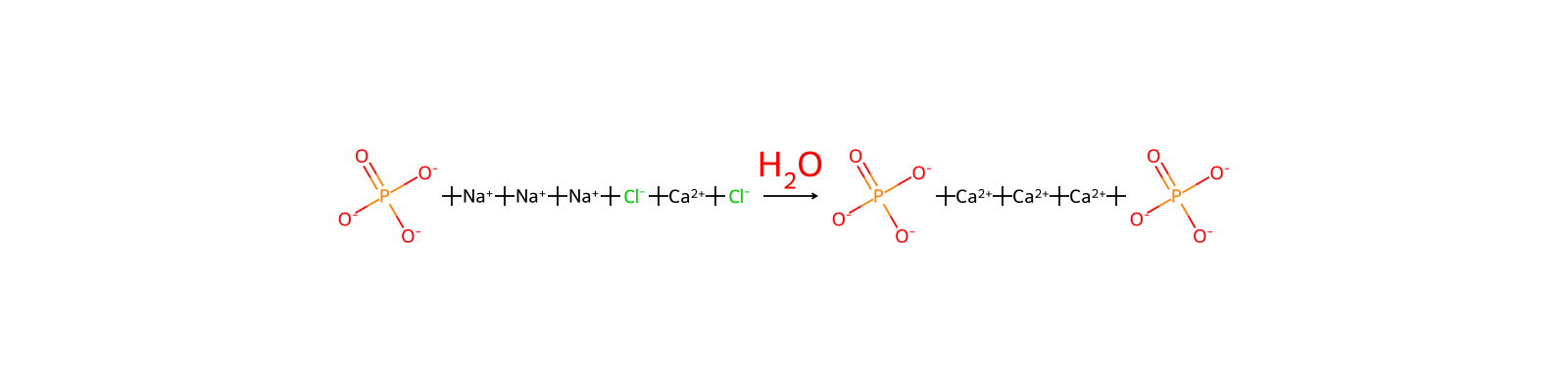
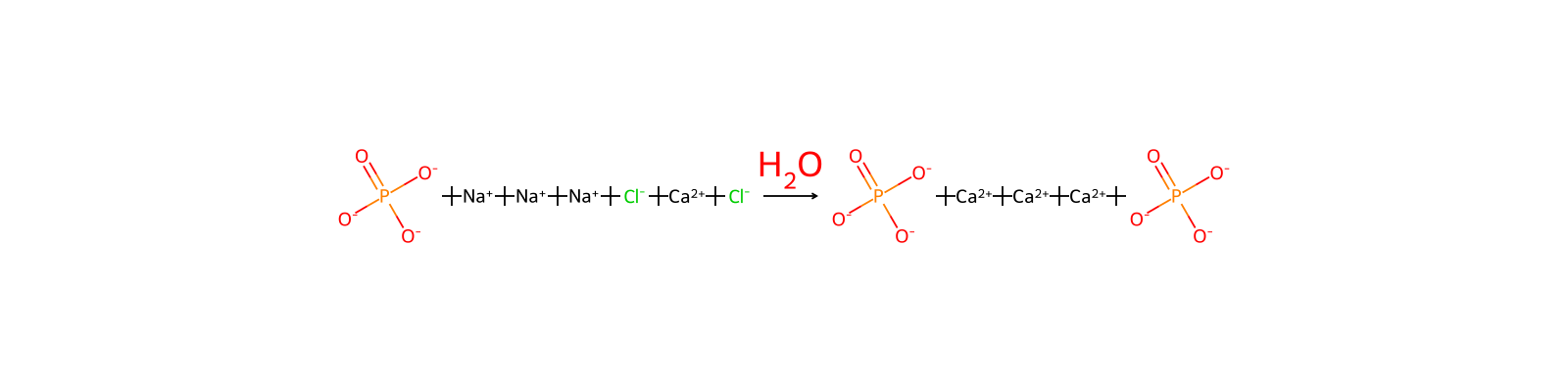
관련 반응
1,207건





연결된 노트
불러오는 중…