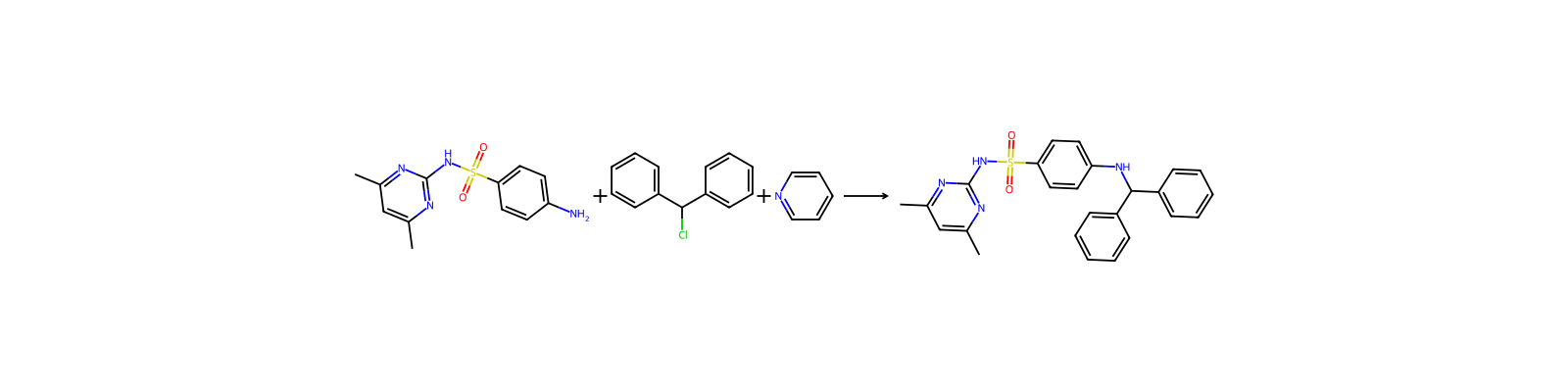
Sulfamethazine
57-68-1Cc1cc(C)nc(NS(=O)(=O)c2ccc(N)cc2)n1ASWVTGNCAZCNNR-UHFFFAOYSA-NSulfamethazine appears as odorless sticky, white or creamy-white crystalline powder. Slightly bitter taste. An antibacterial.
57-68-1DTXSID6021290CHEMBL446CHEBI:102265Pharmaceuticals -> Antibiotics (Sulfonamide)
Pharmaceuticals -> Antibiotics
Pharmaceuticals -> Listed in ZINC15
log Kow = 0.14
0.89
0.21
Crystals from dioxane-water
Creamy-white powder or crystals from dioxan
White or yellowish-white powder
less than 1 mg/mL at 68.9 °F (NTP, 1992)
In water, 1.50X10+3 mg/L at 29 °C and 1.92X10+3 mg/L at 37 °C; solubility increases with increasing pH
Soluble in acetone; slightly soluble in alcohol; very slightly soluble in ether
Soluble in acid, alkali; slightly soluble in dimethylsulfoxide
Soluble in acetone, ether; slightly soluble in alcohol
FDA approved animal drugs -> Active ingredient
안전 정보는 참고용이며, 공급업체의 물질안전보건자료(SDS), 관련 법규 및 전문가 평가를 대체하지 않습니다.
This chemical does not meet GHS hazard criteria for 18.8% (9 of 48) of reports.
Warning
H315 (75%): Causes skin irritation [Warning Skin corrosion/irritation]
P264, P264+P265, P280, P302+P352, P305+P351+P338, P321, P332+P317, P337+P317, and P362+P364 (click each P-code to see the statement)
Aggregated GHS information provided per 48 reports by companies from 5 notifications to the ECHA C&L Inventory. Each notification may be associated with multiple companies.
REACH registered substance: Sulfadimidine (EC: 200-346-4)
Sulphamethazine: Does not have an individual approval but may be used under an appropriate group standard
SYMPTOMS: Exposure to this compound may cause alkalosis, hemolytic anemia, nausea, fever, vertigo, jaundice, pallor, hepatosplenomegaly, shock, leukocytosis, reticulocytosis, bilirubinemia, urobilinuria, renal tubular necrosis, aplastic anemia, agranulocytosis, thrombocytopenia, eosinophilia, periarteritis nodosa, morbilliform, scarlitinial, urticarial, erysipeloid, pemphigoid, purpuric, petechial rashes, erythemia multiforme of the Stevens-Johnson type, Behcet's syndrome, exfoliative dermatitis, malaise, photosensitivity, pruritus, serum sickness, hepatomegaly, acute yellow atrophy, arthritis, peripheral neuritis and anorexia. It may also cause vomiting, cyanosis, skin rashes, sensitization of the skin, hematuria, granulocytopenia and anuria.
J01EB03
J - Antiinfectives for systemic use
QP - Antiparasitic products, insecticides and repellents
QJ - Antiinfectives for systemic use
Sulfamethazine is a sulfonamide drug that inhibits bacterial synthesis of dihydrofolic acid by competing with para-aminobenzoic acid (PABA) for binding to dihydropteroate synthetase (dihydrofolate synthetase). Sulfamethazine is bacteriostatic in nature. Inhibition of dihydrofolic acid synthesis decreases the synthesis of bacterial nucleotides and DNA.
Sulfonamides inhibit the enzymatic conversion of pteridine and p-aminobenzoic acid (PABA) to dihydropteroic acid by competing with PABA for binding to dihydrofolate synthetase, an intermediate of tetrahydrofolic acid (THF) synthesis. THF is required for the synthesis of purines and dTMP and inhibition of its synthesis inhibits bacterial growth. Pyrimethamine and trimethoprim inhibit dihydrofolate reductase, another step in THF synthesis, and therefore act synergistically with the sulfonamides.
After 10 male and two female healthy volunteers were given oral doses of sulfamethazine of 12-17 mg/kg bw, 10-20% of the dose was excreted in the urine as free and conjugated hydroxylated metabolites and 61-81% as N4-acetylsulfamethazine. Six of the individuals were considered to be fast acetylators and six slow acetylators. The plasma concentration-time curve for sulfamethazine in the fast acetylators was biphasic, with half-times of 1.7 and 5.4 hr, respectively, whereas in the slow acetylators it was monophasic, with a half-time of 7.6 hr.
Sulfadimidine is acetylated and hydroxylated in humans. ... The plasma concentration-time curve of sulfadimidine in fast acetylators is biphasic, with half-lives of 1.7 and 5.4 hr, whereas that in slow acetylators is monophasic, with a half-life of 7.6 hr. ...
... /Following oral administration to swine,/ the mean half-life for sulfamethazine, the N4-glucose conjugate of sulfamethazine, and N4-acetylsulfamethazine was estimated to be 0.8 day. ...
불러오는 중…
Pharmaceuticals -> Animal Drugs -> Approved in Taiwan
387 to 392 °F (NTP, 1992)
176 °C (also reported as mp 178-179 °C; mp 198-199 °C; mp 205-207 °C)
198.5 °C
Sulfamethazine appears as odorless sticky, white or creamy-white crystalline powder. Slightly bitter taste. An antibacterial.
Solid
Stable under recommended storage conditions.
MAY DARKEN ON EXPOSURE TO LIGHT
White to Off-Solid
Oral dosage form new animal drugs. Sulfamethazine oblet, tablet and bolus. (a)(1) ... Indications for use: For treatment of diseases caused by organisms susceptible to sulfamethazine. (A) Beef cattle and nonlactating dairy cattle. Treatment of bacterial pneumonia and bovine respiratory disease complex (shipping fever complex) (Pasteurella spp.), colibacillosis (bacterial scours) (Escherichia coli), necrotic pododermatitis (foot rot) (Fusobacterium necrophorum), calf diphtheria (Fusobacterium necrophorum), acute mastitis (Streptococcus spp.), acute metritis (Streptococcus spp.), coccidiosis (Eimeria bovis and Eimeria zurnii). (B) Horses. Treatment of bacterial pneumonia (secondary infections associated with Pasteurella spp.), strangles (Streptococcus equi), and bacterial enteritis (Escherichia coli). ... (b)(1) ... Indications for use: Ruminating beef and dairy calves. For treatment of the following diseases caused by organisms susceptible to sulfamethazine: bacterial scours (colibacilloosis) caused by E. coli; necrotic pododermatitis (foot rot) and calf diphtheria caused by F. necrophorum; bacterial pneumonia associated with Pasteurella spp.; and coccidiosis caused by E. bovis and E. zurnii.
Oral dosage for new animal drugs. Sulfamethazine sustained-release boluses. ... (a)(1) ... Indications for use. Beef and nonlactating cattle for sustained treatment of shipping fever pneumonia caused or complicated by Pasteurella multocida; as an aid in the treatment of foot rot, mastitis, pneumonia, metritis, bacterial enteritis, calf diphtheria, and septicemia when caused or complicated by bacteria susceptible to sulfamethazine. ... (b)(1) ... Indications for use. For nonlactating cattle for the treatment of infections caused by organisms sensitive to sulfamethazine such as hemorrhagic septicemia (shipping fever complex), bacterial pneumonia, foot rot, and calf diphtheria and as an aid in the control of bacterial diseases usually associated with shipping and handling of cattle. ... (c)(1) ... Indications for use. For beef and nonlactating dairy cattle for the treatment of diseases caused by sulfamethazine-sensitive organisms as follows: bacterial pneumonia and bovine respiratory disease complex (shipping fever complex) caused by Pasteurella spp., colibacillosis (bacterial scours) caused by E. coli, necrotic pododermatitis (foot rot) and calf diphtheria caused by Fusobacterium necrophorum, and acute mastitis and acute metritis caused by Streptococcus spp.) ... (d)(1) ... Indications for use. Beef and nonlactating dairy cattle for the prolonged treatment of the following diseases when caused by one or more of the listed pathogenic organisms sensitive to sulfamethazine: bovine respiratory disease complex (shipping fever complex) (Pasteurella spp.), bacterial pneumonia (Pasteurella spp.), necrotic pododermatitis (foot rot) (Fusobacterium necrophorum), colibacillosis (bacterial scours) (Escherichia coli), calf diphtheria (Fusobacterium necrophorum), acute mastitis (Streptococcus spp.) and acute metritis (Streptococcus spp.). ... (e)(1) ... Indications for use. Administer orally to ruminating calves for the prolonged treatment of the following diseases when caused by one or more of the listed pathogenic organisms sensitive to sulfamethazine: bacterial pneumonia (Pasteurella spp.), colibacillosis (bacterial scours) (E. coli), and calf diptheria (Fusobacterium necrophorum). ... (f)(1) ... Indications for use. Administer orally to beef cattle and nonlactating dairy cattle for the treatment of the following diseases when caused by one or more of the listed pathogenic organisms sensitive to sulfamethazine: bovine respiratory disease complex (shipping fever complex) associated with Pasteurella spp.; bacterial pneumonia associated with Pasteurell spp.; necrotic pododermatitis (foot rot) and calf diphtheria caused by Fusobacterium necrophorum; colibacillosis (bacterial scours) caused by Escherichia coli; coccidiosis caused by Eimeria bovis and E. zurnii; acute mastitis and metritis caused by Streptococcus spp. ... (h)(1) ... Administer orally to ruminating beef and dairy calves for treatment of the following diseases when caused by one or more of the listed pathogenic organisms susceptible to sulfamethazine: bacterial pneumonia associated with Pasteurella spp.; colibacillosis (bacterial scours) caused by Escherichia coli; coccidiosis caused by Eimeria bovis and E. zurnii; and calf diphtheria caused by Fusobacterium necrophorum.
Oral dosage form new animal drugs. Sulfamethazine sustained-release tablets. ... Indications for use. In calves for sustained treatment of pneumonia caused by Pasteurella spp., colibacillosis (bacterial scours) caused by Escherichia coli; and calf diptheria caused by Fusobacterium necrophorum.
Oral dosage form new animal drug. Sulfamethazine solution. ... Indications for use: For treatment and control of diseases caused by organisms sensitive to sulfamethazine. (i) Beef and nonlactating dairy cattle. Treatment of bacterial pneumonia and bovine respiratory disease complex (shipping fever complex) (Pasteurella spp.), colibacillosis (bacterial scours) (Escherichia coli), necrotic pododermatitis (foot rot) (Fusobacterium necrophorum), calf diphtheria (Fusobacterium necrophorum), acute mastitis (Streptococcus spp.), and acute metritis (Streptococcus spp.).. (ii) Swine. Treatment of porcine colibacillosis (bacterial scours) (Escherichia coli), and bacterial pneumonia (Pasteurella spp.). (iii) Chickens and turkeys. In chickens for control of infectious coryza (Avibacterium paragallinarum), coccidiosis (Eimeria tenella, Eimeria necatrix), acute fowl cholera (Pasteurella multocida), and pullorum disease (Salmonella Pullorum). In turkeys for control of coccidiosis (Eimeria meleagrimitis, Eimeria adenoeides). /Sulfamethazine sodium/
For more FDA Requirements (Complete) data for SULFAMETHAZINE (9 total), please visit the HSDB record page.
EYES: First check the victim for contact lenses and remove if present. Flush victim's eyes with water or normal saline solution for 20 to 30 minutes while simultaneously calling a hospital or poison control center. Do not put any ointments, oils, or medication in the victim's eyes without specific instructions from a physician. If symptoms (such as redness or irritation) develop, immediately transport the victim to a hospital.
Suitable extinguishing media: Use water spray, alcohol-resistant foam, dry chemical or carbon dioxide.
Advice for firefighters: Wear self contained breathing apparatus for fire fighting if necessary.
Keep container tightly closed in a dry and well-ventilated place. Recommended storage temperature: 2 - 8 °C. Keep in a dry place.
Store at or below 25 °C (77 °F). Protect from freezing.
ACCIDENTAL RELEASE MEASURES: Personal precautions, protective equipment and emergency procedures: Avoid dust formation. Avoid breathing vapors, mist or gas; Environmental precautions: Do not let product enter drains; Methods and materials for containment and cleaning up: Sweep up and shovel. Keep in suitable, closed containers for disposal.
SMALL SPILLS AND LEAKAGE: Should a spill occur while you are handling this chemical, FIRST REMOVE ALL SOURCES OF IGNITION, then you should dampen the solid spill material with 60-70% ethanol and transfer the dampened material to a suitable container. Use absorbent paper dampened with 60-70% ethanol to pick up any remaining material. Seal the absorbent paper, and any of your clothes, which may be contaminated, in a vapor-tight plastic bag for eventual disposal. Solvent wash all contaminated surfaces with 60-70% ethanol followed by washing with a soap and water solution. Do not reenter the contaminated area until the Safety Officer (or other responsible person) has verified that the area has been properly cleaned.
SRP: Expired or waste pharmaceuticals shall carefully take into consideration applicable DEA, EPA, and FDA regulations. It is not appropriate to dispose by flushing the pharmaceutical down the toilet or discarding to trash. If possible return the pharmaceutical to the manufacturer for proper disposal being careful to properly label and securely package the material. Alternatively, the waste pharmaceutical shall be labeled, securely packaged and transported by a state licensed medical waste contractor to dispose by burial in a licensed hazardous or toxic waste landfill or incinerator.
Product: Offer surplus and non-recyclable solutions to a licensed disposal company; Contaminated packaging: Dispose of as unused product.
SRP: At the time of review, criteria for land treatment or burial (sanitary landfill) disposal practices are subject to significant revision. Prior to implementing land disposal of waste residue (including waste sludge), consult with environmental regulatory agencies for guidance on acceptable disposal practices.
Precautions for safe handling: Provide appropriate exhaust ventilation at places where dust is formed.
Appropriate engineering controls: General industrial hygiene practice.
Gloves must be inspected prior to use. Use proper glove removal technique (without touching glove's outer surface) to avoid skin contact with this product. Dispose of contaminated gloves after use in accordance with applicable laws and good laboratory practices. Wash and dry hands.
SRP: Local exhaust ventilation should be applied wherever there is an incidence of point source emissions or dispersion of regulated contaminants in the work area. Ventilation control of the contaminant as close to its point of generation is both the most economical and safest method to minimize personnel exposure to airborne contaminants. Ensure that the local ventilation moves the contaminant away from the worker.
RECOMMENDED RESPIRATOR: Where the neat test chemical is weighed and diluted, wear a NIOSH-approved half face respirator equipped with an organic vapor/acid gas cartridge (specific for organic vapors, HCl, acid gas and SO2) with a dust/mist filter. (NTP, 1992)
Eye/face protection: Use equipment for eye protection tested and approved under appropriate government standards such as NIOSH (US) or EN 166(EU).
Skin protection: Handle with gloves.
Body Protection: Choose body protection in relation to its type, to the concentration and amount of dangerous substances, and to the specific work-place. The type of protective equipment must be selected according to the concentration and amount of the dangerous substance at the specific workplace.
Respiratory protection: Respiratory protection is not required. Where protection from nuisance levels of dusts are desired, use type N95 (US) or type P1 (EN 143) dust masks. Use respirators and components tested and approved under appropriate government standards such as NIOSH (US) or CEN (EU).
Sixteen healthy volunteers took part in a cross-over study examining the effect of ethanol on the rate of sulphadimidine acetylation (blood ethanol concentration about 1 g/1). In both rapid and slow acetylators the apparent half life of the drug decreased by about 20% after ethanol (mean reduction 39 +/- SE 8 min) and the amount of drug acetylated, measured in blood and urine, increased. In three slow acetylators the rate of acetylation in blood increased so noticeably after ethanol that they would otherwise have been classified as rapid acetylators. Suspensions of isolated rat liver cells showed an increase of about 30% in the rate of sulphadimidine acetylation after the addition of ethanol (2 g/1). Patients' usual alcohol consumption should be taken into account in determining their acetylator status.
Sulfonamides may interact with other drugs, including warfarin, methanamine, dapsone, and etodolac. They may potentiate adverse effects caused by methotrexate and pyrimethamine. Sulfonamdies will increase metabolism of cyclosporine resulting in decreased plasma concentrations. Methanamine is metabolized to formaldehyde, which may form a complex and precipitate with sulfonamides. Sulfonamdies administered to horses that are receiving detomidine may develop cardiac arrhythmias. This precaution is only listed for intravenous forms of trimethoprim-sulfonamides. /Sulfonamides/
The pharmacokinetic aspects of sulphadimidine were studied in clinically healthy (control) and Flunixin-medicated horses after a single intravenous and oral administration of 100 mg/kg body weight. Plasma sulphadimidine concentration was determined by high-performance liquid chromatography (HPLC). Following the intravenous injection, all plasma sulphadimidine data were best approximated by a two-compartment open model using sequential, weight non-linear regression. Flunixin induced a 67% increase in the rate of sulphadimidine return to the central compartment from peripheral tissues (K21) and there were a trend to a 30% increase in K12. The sulphadimidine elimination half-life was decreased 21%, the Vdss was reduced by 18% and MRT was decreased by 20%. Following the oral administration, sulphadimidine was rapidly absorbed in control and Flunixin-medicated horses with absorption half-lives (t1/2 ab) of 0.5 and 0.43 hours respectively. The peak plasma concentration (Cmax) were 93.7 and 109 micrograms/ml attained at (tmax) 2.36 and 1.9 hours respectively. The elimination half-life after oral administration (t1/2 ab) was shorter in flunixin pre-medicated horses than in control ones. The systemic bioavalability percentages (F%) of sulphadimidine after oral administration of 100 mg/kg body weight was 79.3 and 71.2% in control and flunixin medicated horses, respectively. Therefore care should be exercised in the use of sulphadimidine in equine patients concurrently treated with flunixin.
EC50; Species: Chlorella fusca var. vacuolata (Green Algae) strain 211-15 SAG, 500000 cells/mL, young algal cells, autospores; Conditions: freshwater, static, 28 °C, pH 6.4; Concentration: 19520 ug/L for 24 hr; Effect: decreased population growth rate /formulation/
EC50; Species: Daphnia magna (Water flea) age <24 hr; Conditions: freshwater, renewal, 20 °C; Concentration: 93900 ug/L for 96 hr (95% confidence interval: 85300-103300 ug/L); Effect: intoxication, immobilization />99% purity/
EC50; Species: Daphnia magna (Water flea) age <24 hr; Conditions: freshwater, renewal, 20 °C, continuous UV-B light; Concentration: 109500 ug/L for 48 hr (95% confidence interval: 103800-115500 ug/L); Effect: intoxication, immobilization />99% purity/
EC50; Species: Daphnia magna (Water flea) age <24 hr; Conditions: freshwater, renewal, 20 °C, continuous UV-B light; Concentration: >3000000 ug/L for 24 hr; Effect: intoxication, immobilization />99% purity/
For more Ecotoxicity Values (Complete) data for SULFAMETHAZINE (22 total), please visit the HSDB record page.
TERRESTRIAL FATE: Based on a classification scheme(1), Koc values ranging from 45.1 to 174(2,3) indicate that sulfamethazine is expected to have high to moderate mobility in soil(SRC). The pKa of sulfamethazine is 7.65(3), indicating that this compound will exist partially in the anion form in the environment and anions generally do not adsorb more strongly to soils containing organic carbon and clay than their neutral counterparts(4). Volatilization of the neutral speices from moist soil surfaces is not expected to be an important fate process(SRC) given an estimated Henry's Law constant of 1.93X10⁻¹⁰ atm-cu m/mole(SRC), using a fragment constant estimation method(5). Sulfamethazine is not expected to volatilize from dry soil surfaces(SRC) based upon an estimated vapor pressure of 6.8X10⁻⁹ mm Hg at 25 °C(SRC), determined from a fragment constant method(6). Biodegradation values of 0.3% in loamy sand and 0.7% in clay silt after 64 days incubation(2) suggest that biodegradation is not an important environmental fate process in soil(SRC).
AQUATIC FATE: Based on a classification scheme(1), Koc values ranging from 45.1 to 174(2,3) indicate that sulfamethazine is not expected to adsorb to suspended solids and sediment(SRC). Volatilization from water surfaces is not expected(4) based upon an estimated Henry's Law constant of 1.93X10⁻¹⁰ atm-cu m/mole(SRC), developed using a fragment constant estimation method(5). Aquatic photodegradation half-lives in natural water were reported as 28-31 and 72-180 days in summer and winter, respectively(6), suggestion that photodegradation may be an important environmental process in water(SRC). A pKa of 7.65(3) indicates sulfamethazine will exist partially in the anion form at pH values of 5 to 9 and, therefore, volatilization of the ionic form from water surfaces is not expected to be an important fate process(SRC). According to a classification scheme(7), a BCF of 1.19(8) suggests the potential for bioconcentration in aquatic organisms is low(SRC). A 23% biodegradation in 2 weeks using a batch bioreactor(9) suggests that biodegadation is not an important environmental fate process in water(SRC).
FIELD: The antibiotic sulfamethazine can be transported from manured fields to surface water bodies. We investigated the degradation and fate of sulfamethazine in pond water using (14)C-phenyl-sulfamethazine in small pond water microcosms containing intact sediment and pond water. We found a 2.7-day half-life in pond water and 4.2-day half-life when sulfamethazine was added to the water (5 mg L(-1) initial concentration) with swine manure diluted to simulate runoff. Sulfamethazine dissipated exponentially from the water column, with the majority of loss occurring via movement into the sediment phase. Extractable sulfamethazine in sediment accounted for 1.9-6.1% of the applied antibiotic within 14 days and then declined thereafter. Sulfamethazine was transformed mainly into nonextractable sediment-bound residue (40-60% of applied radioactivity) and smaller amounts of photoproducts. Biodegradation, as indicated by metabolite formation and (14)CO2 evolution, was less significant than photodegradation. Two photoproducts accounted for 15-30% of radioactivity in the water column at the end of the 63-day study; the photoproducts were the major degradates in the aqueous and sediment phases. Other unidentified metabolites individually accounted for <7% of radioactivity in the water or sediment. Less than 3% of applied radioactivity was mineralized to (14)CO2. Manure input significantly increased sorption and binding of sulfamethazine residues to the sediment. These results show concurrent processes of photodegradation and sorption to sediment control aqueous concentrations and establish that sediment is a sink for sulfamethazine and sulfamethazine-related residues. Accumulation of the photoproducts and sulfamethazine in sediment may have important implications for benthic organisms.
During a study of drug residues in domestic and imported eggs in Canada, sulfamides (including sulfamethazine) were detected above 5 ng/g in less than 3% of 383 egg samples(1).
Sulfamethazine was stable in aqueous solution and in milk even after boiling for 15 minutes. Sulfamethazine was stable in kidney (100 mg/g) and in incurred pork meat (300 mg/kg) after boiling, frying, baking, roasting, and grilling(1). The stability of sulfamethazine in raw minced pork was compared with that in minced pork boiled for 60 minutes(1). After 3 weeks, the initial and final concentrations of sulfamethazine were 0.42 and 0.271 mg/g, respectively, in the raw meat; 0.359 and 0.345 mg/g, respectively, in the cooked meat; and 0.159 and 0.15 mg/g, respectively, in the cooking water(1).
IDENTIFICATION AND USE: Sulfamethazine (SMZ) is a creamy-white powder or crystals. It is anti-infective agent used in veterinary medicine. Sulfamethazine is used as a broad-spectrum antimicrobial to treat or prevent infections caused by susceptible organisms. Infections treated may include pneumonia, intestinal infections (especially coccidia), soft tissue infections and urinary tract infections. HUMAN EXPOSURE AND TOXICITY: Sulfamethazine did not induce unscheduled DNA synthesis in human fibroblasts in culture. ANIMAL STUDIES: In rats fed diets containing 600 mg/kg sulfadimidine, hyperplasia and limited hypertrophy of thyroid were seen in some rats at weeks 4 and 8 but not at week 13. There was complete recovery of the changes noted in the thyroid after the recovery period. Absolute and relative thyroid weights increased significantly in normal rats consuming diets containing 2400 and 4800 mg sulfadimidine/kg feed. In the hypophysectomized rats, relative thyroid weights tended to be slightly less than those of normal controls, but no effects of sulfadimidine treatment were found. Follicular-cell hypertrophy and hyperplasia were observed in normal sulfadimidine-treated rats. Hypophysectomized rats (with no TSH) administered SMZ did not develop morphologic changes in the thyroid. Sulfamethazine did not increase thyroid cell proliferation in vitro in the absence of TSH and there was no effect on thyroid structure/function in cynomolgus monkeys administered sulfamethazine. Nonhuman primates and human beings are known to be more resistant than rodents to the inhibition of thyroperoxidase. Female mice were fed either a control diet or a diet containing 300, 600, 1200, 2400 or 3600 mg/kg sulfamethazine for 90 days. In the mice, no treatment-related lesions were seen grossly or by light microscopy. The incidence of thyroid tumors was increased in both male and female mice after 2 yr in the high-dose (4800 ppm) group but not in the lower-dose groups. Rats were given 10, 40, 600, 1200 or 2400 ppm SMZ in the diet to determine the toxicity and potential carcinogenicity of SMZ. A statistically significant dose-related increase in the incidence of follicular cell adenocarcinomas of the thyroid gland was observed in the animals killed after 24 months. The incidences of non-neoplastic lesions of the thyroid gland in treated animals were significantly higher among treated animals than among controls; these lesions included follicular cell hyperplasia, follicular cell focal cellular change and multilocular cysts. The incidences of retinal atrophy, atrophy of the acinar pancreas (males) also increased with increasing SMZ dose. In several avian species exposure to SMZ results in plasma elevation of gonadotropins and prolactin. No treatment-related histopathological effects were observed in the pituitary or reproductive organs of male or female mice in the group fed 1% sulfamethazine. Rats were dosed by gavage with 0, 540, 680, or 860 mg sulfadimidine/kg bw/day on days 6-15 of gestation. Maternal body-weight gain was decreased and relative liver weight was increased in all treated dams. In the high-dose group, fetuses had decreased body weights and the number of malformed fetuses/litter was increased. The incidence of gross or visceral malformations of fetuses/litter was increased with the predominant malformations being cleft palate, hydroureter, and hydronephrosis. The incidence of hydroureter and hydronephrosis was also elevated in the mid-dose group. Sulfamethazine was tested for mutagenicity in the Salmonella/microsome preincubation assay in 5 Salmonella typhimurium strains (TA 1535, TA 1537, TA 97, TA 98, and TA 100) in the presence and absence of metabolic activation. Sulfamethazine was negative in these tests and the highest ineffective dose tested was 1000 ug/plate (1.0 mg/plate).
/AQUATIC SPECIES/ The growth-inhibiting and binary joint effects of 12 antibacterial agents on the freshwater green alga Pseudokirchneriella subcapitata (Korschikov) Hindak were investigated over 72-hr exposures. The toxicity values (the median inhibitory concentration value, in micromoles) in decreasing order of sensitivity were triclosan (0.0018) > triclocarban (0.054) > roxithromycin (0.056) > clarithromycin (0.062) > tylosin (0.20) > tetracycline (2.25) > chlortetracycline (3.49) > norfloxacin (5.64) > sulfamethoxazole (7.50) > ciprofloxacin (20.22) > sulfamethazine (31.26) > trimethoprim (137.78). Several of these antibacterial compounds would be toxic at the micrograms per liter concentrations reported in surface waters and sewage effluents. Simple additive effects were observed in binary mixtures of sulfonamides, and most tylosin, triclosan, or triclocarban combinations. Potentially synergistic effects were observed in binary mixtures of the same class, such as macrolides, tetracyclines, and fluoroquinolones, as well as in some combined drugs, such as trimethoprim and sulfonamides or tylosin and tetracyclines. Potentially antagonistic effects were only observed between tylosin and triclocarban, triclosan and norfloxacin, and triclocarban and norfloxacin. Although present at low concentrations in the aquatic environment, mixtures of these antibacterial agents can potentially affect algal growth in freshwater systems due to their combined action.
Sulfamethazine was detected above 0.01 mg/kg in only 6 out of 2,363 samples from farm animals and fish from Slovenia between 1994 and 1998(1). During a study of drug residues in domestic and imported eggs in Canada, sulfamides (including sulfamethazine) were detected above 5 ng/g in less than 3% of 383 egg samples(2).
Sulfamethazine residues in calves on the same day of administration of 99 mg/kg were 30.40 ppm in muscle, 54.90 ppm in the liver, and 43.20 ppm in the kidneys(1). Sulfamethazine residues in sheep 6 hours after administration of 107 mg/kg were 54 ppm in muscle, 69 ppm in the liver, and 124 ppm in the kidneys(1). Sulfamethazine residues in chicken on the same day of administration of 0.1% in water were 5.70 ppm in muscle, 18.70 ppm in the liver, and 10.70 ppm in the kidneys(2). Sulfamethazine residues in chicken on the same day of administration of 0.4% in feed were 74.50 ppm in muscle, 78.00 ppm in the liver, and 103.0 ppm in the kidneys(2). Sulfamethazine residues were dissipated by 99% after 4 days in sheep and calves and after 10 days in chicken(2). Sulfamethazine residues were 45 ppm in egg yolk and 56 ppm in eggwhite from eggs of chickens that were administered a dose of 0.1% in water(2).
EPA has released the Interactive Chemical Safety for Sustainability (iCSS) Dashboard. The iCSS Dashboard provides an interactive tool to explore rapid, automated (or in vitro high-throughput) chemical screening data generated by the Toxicity Forecaster (ToxCast) project and the federal Toxicity Testing in the 21st century (Tox21) collaboration. /The title compound was tested by ToxCast and/or Tox21 assays/[USEPA; ICSS Dashboard Application; Available from, as of December 17, 2015: http://actor.epa.gov/dashboard/]
The following link will take the user to the National Toxicology Program (NTP) Test Agent Search Results page, which tabulates all of the "Standard Toxicology & Carcinogenesis Studies", "Developmental Studies", and "Genetic Toxicity Studies" performed with this chemical. Clicking on the "Testing Status" link will take the user to the status (i.e., in review, in progress, in preparation, on test, completed, etc.) and results of all the studies that the NTP has done on this chemical.[Available from: http://ntp-apps.niehs.nih.gov/ntp_tox/index.cfm?fuseaction=ntpsearch.searchresults&searchterm=57-68-1]
Sulfamethazine was analyzed for, but not detected in five water samples collected near the Norman Landfill in central Oklahoma in 2000(1). The concentrations of sulfamethazine were below the quantitation limit of 0.02 ug/L in 10 sewage treatment plant effluent samples collected in Germany(2). Sulfamethazine represented on average 50%, 52% and 38% of the total composition of antibiotics detected in sewage in Indonesia, Phillipines and Vietnam, respectively(3). Sulfamethazine was present in industrial waste water at a concentration range of 30-99 ng/L. The compound was not detected in sewage water effluents from the Netherlands sampled in 2002(4).
The estimated concentration of sulfamethazine in the flushwater of a swine confined feeding operation is 971 ug/L based on an average dose of 496 mg/day-animal, a herd of 2500 head of 100-260 pound swine, one thirty-minute flushing period daily, and assuming that up to 80% of the antibiotic is excreted unmetabolized(1). Sulfamethazine represented on average 18-48%, 38-62% and 52-56% of the total composition of antibiotics detected in pig, livestock and shrimp wastewater, respectively, in Vietnam. The compound represented 0-2% of the total composition of antibiotics detected in pig wastewater in Thailand; it was not reported in shrimp aquaculture wastewater in Thailand(2). Manure lagoon concentrations in samples from two California diary CAFOs (confined animal feeding operation) employing 8.8 and 10.8 g sulfamethaine/day ranged from 0.040 to 9.0 ug/L and 0.030 to 0.77 ug/L, respectively. Flush-lane water contained 0.62-7.5 and 0.035-0.25 ug/L, respectively(3).
A log Koc of 2.39 (Kd = 9 L/kg), corresponding to a Koc of 245, was measured using an agricultural soil (pH 6.3) from Corrstown, Co Dublin, Ireland(1). Koc values of 49.1 and 45.9 were measured for sulfamethazine in unfertilized silt loam soil (1.6% organic carbon) and in a soil-slurry mixture with a ratio of 50:1 (w/w; 1.6% organic carbon), respectively(2). A Koc value of 60 has been measured for sulfamethazine in clay loam soil(3,4). Koc values measured for sulfamethazine were 174 in sand (pH 5.2, 0.9% organic carbon), 125 in loamy sand (pH 5.6, 2.3% organic carbon), 208 in sandy loam (pH 6.3, 1.2% organic carbon), and 82 in clay silt (pH 6.9, 1.1% organic carbon)(4,5). According to a classification scheme(6), these Koc value suggest that sulfamethazine is expected to have high to moderate mobility in soil. However, aromatic amines are expected to bind strongly to humus or organic matter in soils due to the high reactivity of the aromatic amino group(6,7), suggesting that mobility may be much lower in some soils(SRC). Sulfonamides, which include sulfamethazine, are amphoteric and behave as weak organic acids(9). The pKa of sulfamethazine is 7.65(4), indicating that this compound will exist partially in the anion form in the environment and anions generally do not adsorb more strongly to soils containing organic carbon and clay than their neutral counterparts(10). Sorption coefficients of 6.75 and 4.21 were measured in silt loam (19.9% sand, 56.5% silt, 23.6% clay, pH 7.5, 1.8 organic carbon) and sand (93.5% sand, 2.7% silt, 3.8% clay, pH 7.2, 0.94 organic carbon) soils, respectively, from Minnesota, suggesting high mobility in these soils(11). A Kd value of 15 L/kg was measured using digester sludge from wastewater treatment plant, Dublin, Ireland (pH 6.3)(1).
/GENOTOXICITY/ Sulfamethazine ... did not induce unscheduled DNA synthesis in human fibroblasts in culture.
/OTHER TOXICITY INFORMATION/ /Sulfamethazine causes/ alteration in thyroid homeostasis, decreased thyroid hormone production, sustained increase in thyroid stimulating hormone (TSH) /and/ thyroid tumors in rodents. /But/ lack of thyroid-binding protein in rodents versus humans, and decreased half-life for thyroxin (T4) and increased TSH levels in rodents make rodent bioassay data lack relevance for human risk evaluation /for the/ mechanistic considerations for carcinogens. /From table/
/OTHER TOXICITY INFORMATION/ Human beings, nonhuman primates, guinea pig and chicken /are resistant to/ thyroperoxidase (TPO) inhibition by sulfonamides; rat, mouse, dog and pig /are sensitive to/ TPO inhibition by sulfonamides. /From table/
Sulfamethazine was tested for but not detected at in Australian farmed Yellowtail Kingfish (Seriola lalandi) and Mulloway (Argyrosomus hololepidotus)(1). Sulfamethazine presence in seafood inspected by the European Union, United States, Canada, and Japan from 2000 to 2009 was reported. 1% of finfish samples from Japan were in violation of the presence of sulfamethazine(2).
Oral dosage form new animal drugs. Sulfamethazine oblet, tablet and bolus. (a)(1) ... Indications for use: For treatment of diseases caused by organisms susceptible to sulfamethazine. (A) Beef cattle and nonlactating dairy cattle. Treatment of bacterial pneumonia and bovine respiratory disease complex (shipping fever complex) (Pasteurella spp.), colibacillosis (bacterial scours) (Escherichia coli), necrotic pododermatitis (foot rot) (Fusobacterium necrophorum), calf diphtheria (Fusobacterium necrophorum), acute mastitis (Streptococcus spp.), acute metritis (Streptococcus spp.), coccidiosis (Eimeria bovis and Eimeria zurnii). (B) Horses. Treatment of bacterial pneumonia (secondary infections associated with Pasteurella spp.), strangles (Streptococcus equi), and bacterial enteritis (Escherichia coli). ... (b)(1) ... Indications for use: Ruminating beef and dairy calves. For treatment of the following diseases caused by organisms susceptible to sulfamethazine: bacterial scours (colibacilloosis) caused by E. coli; necrotic pododermatitis (foot rot) and calf diphtheria caused by F. necrophorum; bacterial pneumonia associated with Pasteurella spp.; and coccidiosis caused by E. bovis and E. zurnii.
Oral dosage for new animal drugs. Sulfamethazine sustained-release boluses. ... (a)(1) ... Indications for use. Beef and nonlactating cattle for sustained treatment of shipping fever pneumonia caused or complicated by Pasteurella multocida; as an aid in the treatment of foot rot, mastitis, pneumonia, metritis, bacterial enteritis, calf diphtheria, and septicemia when caused or complicated by bacteria susceptible to sulfamethazine. ... (b)(1) ... Indications for use. For nonlactating cattle for the treatment of infections caused by organisms sensitive to sulfamethazine such as hemorrhagic septicemia (shipping fever complex), bacterial pneumonia, foot rot, and calf diphtheria and as an aid in the control of bacterial diseases usually associated with shipping and handling of cattle. ... (c)(1) ... Indications for use. For beef and nonlactating dairy cattle for the treatment of diseases caused by sulfamethazine-sensitive organisms as follows: bacterial pneumonia and bovine respiratory disease complex (shipping fever complex) caused by Pasteurella spp., colibacillosis (bacterial scours) caused by E. coli, necrotic pododermatitis (foot rot) and calf diphtheria caused by Fusobacterium necrophorum, and acute mastitis and acute metritis caused by Streptococcus spp.) ... (d)(1) ... Indications for use. Beef and nonlactating dairy cattle for the prolonged treatment of the following diseases when caused by one or more of the listed pathogenic organisms sensitive to sulfamethazine: bovine respiratory disease complex (shipping fever complex) (Pasteurella spp.), bacterial pneumonia (Pasteurella spp.), necrotic pododermatitis (foot rot) (Fusobacterium necrophorum), colibacillosis (bacterial scours) (Escherichia coli), calf diphtheria (Fusobacterium necrophorum), acute mastitis (Streptococcus spp.) and acute metritis (Streptococcus spp.). ... (e)(1) ... Indications for use. Administer orally to ruminating calves for the prolonged treatment of the following diseases when caused by one or more of the listed pathogenic organisms sensitive to sulfamethazine: bacterial pneumonia (Pasteurella spp.), colibacillosis (bacterial scours) (E. coli), and calf diptheria (Fusobacterium necrophorum). ... (f)(1) ... Indications for use. Administer orally to beef cattle and nonlactating dairy cattle for the treatment of the following diseases when caused by one or more of the listed pathogenic organisms sensitive to sulfamethazine: bovine respiratory disease complex (shipping fever complex) associated with Pasteurella spp.; bacterial pneumonia associated with Pasteurell spp.; necrotic pododermatitis (foot rot) and calf diphtheria caused by Fusobacterium necrophorum; colibacillosis (bacterial scours) caused by Escherichia coli; coccidiosis caused by Eimeria bovis and E. zurnii; acute mastitis and metritis caused by Streptococcus spp. ... (h)(1) ... Administer orally to ruminating beef and dairy calves for treatment of the following diseases when caused by one or more of the listed pathogenic organisms susceptible to sulfamethazine: bacterial pneumonia associated with Pasteurella spp.; colibacillosis (bacterial scours) caused by Escherichia coli; coccidiosis caused by Eimeria bovis and E. zurnii; and calf diphtheria caused by Fusobacterium necrophorum.
Oral dosage form new animal drugs. Sulfamethazine sustained-release tablets. ... Indications for use. In calves for sustained treatment of pneumonia caused by Pasteurella spp., colibacillosis (bacterial scours) caused by Escherichia coli; and calf diptheria caused by Fusobacterium necrophorum.
Oral dosage form new animal drug. Sulfamethazine solution. ... Indications for use: For treatment and control of diseases caused by organisms sensitive to sulfamethazine. (i) Beef and nonlactating dairy cattle. Treatment of bacterial pneumonia and bovine respiratory disease complex (shipping fever complex) (Pasteurella spp.), colibacillosis (bacterial scours) (Escherichia coli), necrotic pododermatitis (foot rot) (Fusobacterium necrophorum), calf diphtheria (Fusobacterium necrophorum), acute mastitis (Streptococcus spp.), and acute metritis (Streptococcus spp.).. (ii) Swine. Treatment of porcine colibacillosis (bacterial scours) (Escherichia coli), and bacterial pneumonia (Pasteurella spp.). (iii) Chickens and turkeys. In chickens for control of infectious coryza (Avibacterium paragallinarum), coccidiosis (Eimeria tenella, Eimeria necatrix), acute fowl cholera (Pasteurella multocida), and pullorum disease (Salmonella Pullorum). In turkeys for control of coccidiosis (Eimeria meleagrimitis, Eimeria adenoeides). /Sulfamethazine sodium/
For more FDA Requirements (Complete) data for SULFAMETHAZINE (9 total), please visit the HSDB record page.
Plasma disposition of sulfadimidine (SDM) and its metabolites was studied in laying hens after 100 mg SDM kg-1 doses were administered as a single intravenous dose, a single oral dose and multiple oral doses once daily for five consecutive days. SDM was extensively metabolized by acetylation and hydroxylation. In plasma, the metabolite observed with the highest concentration was N4-acetylsulfadimidine (N4-SDM) followed by hydroxymethylsulfadimidine (CH2OH) and 5-hydroxysulfadimidine. Following intravenous administration a biphasic elimination (as seen for a capacity limited reaction) pattern for SDM and its metabolites was observed. Multiple (5x) SDM dosing revealed plasma SDM concentrations ranging between 7 and 108 ug mL-1; within 96 hours of termination of the multiple SDM dosing, the plasma SDM concentration was below 0.01 ug mL-1. The renal clearances of N4-SDM and the hydroxy metabolites were approximately 10 times greater than that of SDM. The SDM mass balance (fecal/urinary recovery) showed a loss of 56 per cent after intravenous dosage and of 67 per cent after a single oral dosage; the hydroxy metabolites accounted for the highest percentage in feces/urine. Thus additional metabolic pathways must exist in laying hens.
After 10 male and two female healthy volunteers were given oral doses of sulfamethazine of 12-17 mg/kg bw, 10-20% of the dose was excreted in the urine as free and conjugated hydroxylated metabolites and 61-81% as N4-acetylsulfamethazine. Six of the individuals were considered to be fast acetylators and six slow acetylators. The plasma concentration-time curve for sulfamethazine in the fast acetylators was biphasic, with half-times of 1.7 and 5.4 hr, respectively, whereas in the slow acetylators it was monophasic, with a half-time of 7.6 hr.
Sulfamethazine is metabolized similarly in animals and humans, with N4-acetylation dominating. A trimodal pattern of sulfamethazine acetylation is seen in humans. Differences in acetylation rates were observed between male and female rats and among females of different strains.
The pharmacokinetics of sulfamethizole, sulfamethoxazole, sulfadiazine, sulfapyridine and sulfadimidine have been studied in man. Renal clearance values of the metabolite N4-acetylsulphonamide are 6 to 20 times higher than those of the corresponding parent compound. The renal clearance of sulfonamides is dependent on the urine flow. N4-Acetylsulfonamide concentration-time profiles for plasma and urine have been constructed for the sulfonamides. The percentage N4-acetylsulfonamide-time profiles for plasma are excellent tools for establishing the acetylator phenotype, while those constructed from urine samples are less useful. Evidence is obtained that sulfadimidine is metabolically processes by 2 different isoenzymes, while sulfadiazine, sulfapyridine and sulfamethoxazole are processes by 1 acetylating isoenzyme. Sulfamethizole is acetylated to very little extent.
For more Metabolism/Metabolites (Complete) data for SULFAMETHAZINE (9 total), please visit the HSDB record page.
Rapidly absorbed following oral administration.
The pharmacokinetics and metabolism of sulfadimidine (SDM) following intravenous administration of 100 mg/kg were studied in seven dwarf preruminant kids at 12 weeks of age, and again at the ruminant stage, when the animals were 18 weeks old. The persistence of SDM in 18-week-old kids was prolonged in comparison to the 12-week-old animals: a lower total body clearance and a prolonged elimination of SDM were obtained in the older animals. The renal clearance values of SDM and its metabolites were the same at both ages. The decrease of SDM clearance is related to the significant reduction in SDM hydroxylation at the older age. The reduced oxidative hepatic metabolism may result from the sexual maturation of the kids.
Sulfamethazine acetylation phenotypes were determined in 19 healthy adults (aged 17-46 years; 15 men, four women; nine white, nine oriental, one black) given a single oral dose of 20 mg/kg bw sulfamethazine in 200 mL of water. The results showed a welldefined trimodal pattern for acetylation clearance and for overall elimination or metabolic rate constants and confirmed that the fast acetylator phenotype can be subdivided into intermediate and rapid acetylator groups. The average acetylation clearance rate for rapid acetylators (1.34 mL/min per kg bw) was 8.8 times the estimated clearance for slow acetylators (0.15 mL/min per kg bw) and 1.8 times that for intermediate acetylators (0.75 mL/min per kg bw). The average percentage of an absorbed dose excreted as acetylsulfamethazine in 72-hr urine was 93.7 for rapid acetylators, 87.7 for intermediate acetylators and 65.6 for slow acetylators.
The depletion of sulfadimidine (SDM) and its N4-acetyl and hydroxy metabolites was studied in eggs laid by hens after administration of either a single or multiple oral dosages of 100 mg SDM/kg. During medication and until 1 day after the last dose, the SDM and its metabolite concentrations in the egg white exceeded those in the egg yolk and reflected the plasma levels. In the period starting 2 days after the (last) dosage, the SDM concentration in the yolk became higher than in the egg white, and the drug depletion curves ran parallel. The mean maximum amount of SDM found in the whole egg was 1500 micrograms after a single and 1280 ug after multiple dosage. In eggs, traces of the N4-acetyl and 6-methylhydroxy metabolites could be detected (mainly in the egg white), and their concentrations were approximately 40 times lower than those of the parent drug. A highly significant correlation (P less than 0.005) was found between the development stage of the oocyte at the time of (last) medication and the amount of SDM found in the egg that developed from it. A period of 7 or 8 days after the (last) dosage of 100 mg SDM/kg/day is required to obtain SDM levels below 0.1 ug/g egg.
Relatively strong blood-brain barrier to sulfamethazine was observed in rats. Passage of sulfamethazine from blood to brain was slow and difficult.
For more Absorption, Distribution and Excretion (Complete) data for SULFAMETHAZINE (12 total), please visit the HSDB record page.
MEDICATION (VET)
Anti-Infective agents
(1977) 4.92X10+8 GRAMS (PRINCPL CUSTMS DISTS)
(1979) 1.01X10+9 GRAMS (PRINCPL CUSTMS DISTS)
(1977) PROBABLY GREATER THAN 1.36X10+6 GRAMS
(1979) 6.16X10+8 GRAMS
Sulfamethazine can be prepared by reacting acetylsulfanilyl chloride with 2-amino- 4,6-dimethylpyrimidine suspended in dry pyridine or in acetone and pyridine, followed by alkaline hydrolysis of the 2-(N4-acetylsulfanilamido)-4,6-dimethylpyrimidine; the resulting salt is neutralized with SO2. The 2-amino-4,6-dimethylpyrimidine is prepared by condensing acetylacetone with guanidine carbonate in toluene. It can also be prepared by condensation of equimolar amounts of sulfanilylguanidine and acetylacetone directly. It is precipitated in the presence of water in the form of very pale yellow crystals.
THERE IS NO OFFICIAL DOSE FORM FOR SULFAMETHAZINE ALONE BECAUSE IT IS OFFICIAL ONLY FOR USE IN TRISULFAPYRIMIDINES COMBINATION. HOWEVER, IT MAY BE USED SEPARATELY FROM TRISULFAPYRIMIDINES COMBINATION. /SRP: Former/
Oral: Sustain III Calf (Sulfamethazine), Formulated in a sustained release base), 123.8 grains (8.02 grams)
Oral: Sulmet (Sulfamethazine sodium), Drinking Water Solution, 12.5% /Sulfamethazine sodium/
Oral: SMZ-Med 454 (Sodium sulfamethazine) soluble powder; once a day dosage in drinking water or as a drench. /Sodium sulfamethazine/
For more Formulations/Preparations (Complete) data for SULFAMETHAZINE (8 total), please visit the HSDB record page.
Veterinary Drug -> ANTIMICROBIAL_AGENT -> JECFA Functional Classes
Pharmaceuticals -> Animal Drugs -> Approved in Taiwan
Pharmaceuticals -> Antiinfectives for systemic use -> Antibacterials for systemic use -> Sulfonamides and trimethoprims -> Short-acting sulfonamides -> Antibiotics
Benzenesulfonamide, 4-amino-N-(4,6-dimethyl-2-pyrimidinyl)-: ACTIVE
Sulfamethazine is frequently found as an illegal residue in meats in the United States.
개요Sulfamethazine is an antibacterial sulfonamide. Like other sulfonamides, sulfamethazine is bacteriostatic, competitively inhibiting dihydropteroate synthase to block folate synthesis and inhibit growth and multiplication. Sulfamethazine is metabolized by cytochrome P450 isoforms and arylamine N-acetyltransferase 2 in a sex-dependent manner.
용도Sulfamethazine is an antibacterial.This compound is a contaminant of emerging concern (CECs).
일반 설명Sulfamethazine’splasma half-life is 7 hours. This compound is similar inchemical properties to sulfamerazine and sulfadiazine butdoes have greater water solubility than either. Its pKa is 7.2.Because it is more soluble in acid urine than sulfamerazineis, the possibility of kidney damage from use of the drug isdecreased. The human body appears to handle the drugunpredictably; hence, there is some disfavor to its use in thiscountry except in combination sulfa therapy (in trisulfapyrimidines,USP) and in veterinary medicine.
정의ChEBI: A sulfonamide consisting of pyrimidine with methyl substituents at the 4- and 6-positions and a 4-aminobenzenesulfonamido group at the 2-position.
ATMOSPHERIC FATE: According to a model of gas/particle partitioning of semivolatile organic compounds in the atmosphere(1), sulfamethazine, which has an estimated vapor pressure of 6.8X10⁻⁹ mm Hg at 25 °C(SRC), determined from a fragment constant method(2), is expected to exist solely in the particulate phase in the ambient atmosphere. Particulate-phase sulfamethazine may be removed from the air by wet and dry deposition(SRC). Sulfamethazine absorbs light at wavelengths >290 nm(3) and, therefore, may be susceptible to direct photolysis by sunlight(SRC).