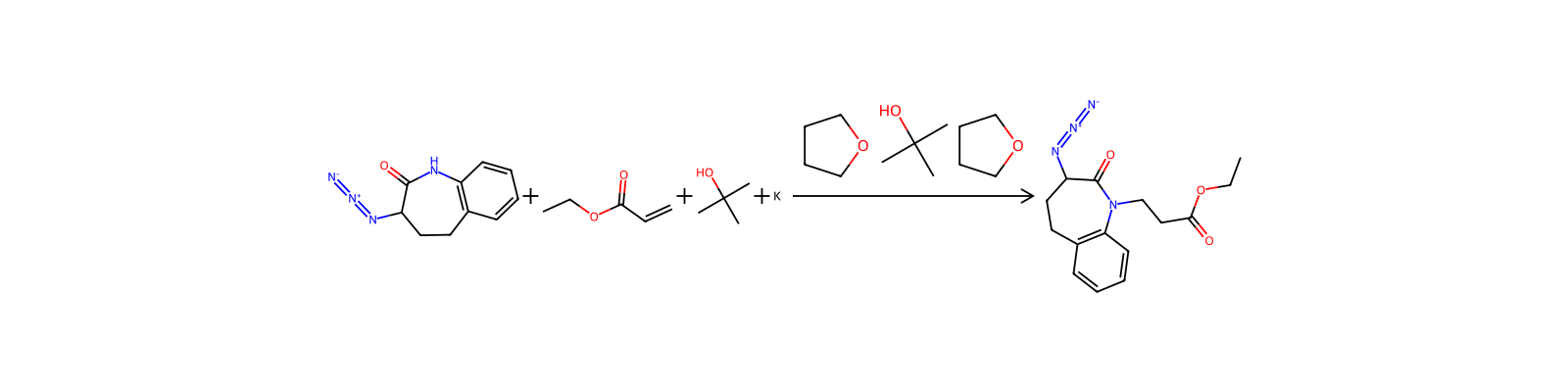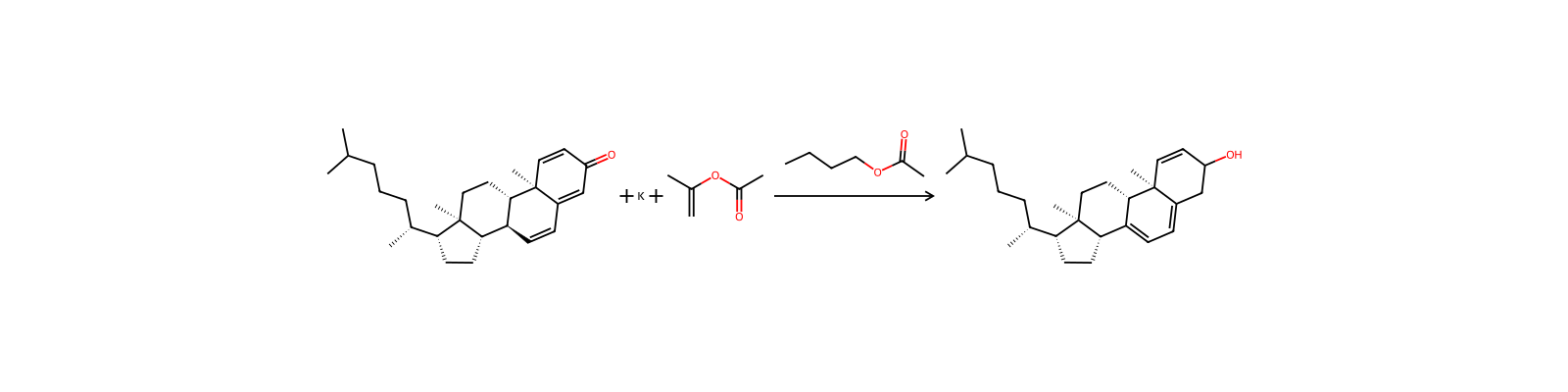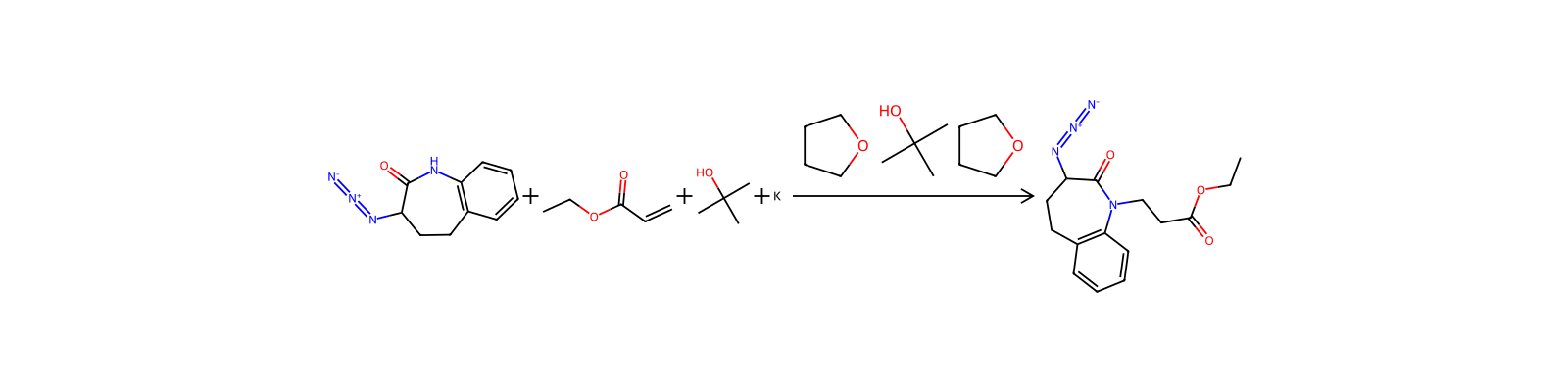
HRID 1193반응물로
Potassium

7440-09-7[K]ZLMJMSJWJFRBEC-UHFFFAOYSA-NPotassium is a soft silvery metal though normally grayish white due to oxidation.
7440-09-7DTXSID9049748CHEMBL1201290CHEBI:26216Metals -> Elements, Metallic
Flammable agents - 3rd degree
Major ion
0.86 at 68 °F (USCG, 1999) - Less dense than water; will float
0.862 at 20 °C
0.856 g/cm³
0.89 @25 °C
Soluble in liquid ammonia, ethylenediamine, aniline; soluble in several metals; forms liquid alloys with other alkali metals
SOL IN ACID, MERCURY
Solubility in water: reaction
1425 °F at 760 mmHg (USCG, 1999)
759 °C
765.5 °C
759 °C @760 [mm Hg]
145 °F (USCG, 1999)
안전 정보는 참고용이며, 공급업체의 물질안전보건자료(SDS), 관련 법규 및 전문가 평가를 대체하지 않습니다.
Danger
H260: In contact with water releases flammable gases which may ignite spontaneously [Danger Substances and mixtures which in contact with water, emit flammable gases]
P223, P231+P232, P260, P264, P280, P301+P330+P331, P302+P335+P334, P302+P361+P354, P304+P340, P305+P354+P338, P316, P321, P363, P370+P378, P402+P404, P405, and P501 (click each P-code to see the statement)
Danger
H260 (100%): In contact with water releases flammable gases which may ignite spontaneously [Danger Substances and mixtures which in contact with water, emit flammable gases]
P223, P231+P232, P260, P264, P264+P265, P280, P301+P330+P331, P302+P335+P334, P302+P361+P354, P304+P340, P305+P354+P338, P316, P317, P321, P363, P370+P378, P402+P404, P405, and P501 (click each P-code to see the statement)
Chemical: Potassium
REACH registered substance: Potassium (EC: 231-119-8)
Potassium: HSNO Approval: HSR001290 Approved with controls
The New Jersey Worker and Community Right to Know Act requires public and private employers to provide information about hazardous substances at their workplaces. (N.J.S.A. 34:5A-1 et. seq.)
Dangerous When Wet
Dangerous When Wet
Combustible. IGNITES WHEN EXPOSED TO WATER OR MOISTURE. Flammable gas is produced on contact with water. Reacts violently with water, forming flammable and explosive hydrogen gas. May ignite spontaneously in air. (USCG, 1999)
Excerpt from ERG Guide 138 [Substances - Water-Reactive (Emitting Flammable Gases)]:
· Produce flammable gases on contact with water.
Highly flammable. Many reactions may cause fire or explosion. Gives off irritating or toxic fumes (or gases) in a fire. Risk of fire and explosion on contact with acids, halogens or water.
Potassium maintains an electrolyte gradient on cell surfaces, keeping at specific concentrations inside and outside of the cell; this impacts fluid and electrolyte balance, nerve transmission, muscle contraction, as well as cardiac and kidney function. Clinical evidence has associated potassium intake with lower blood pressure in adults, reducing the risk stroke and heart disease. Dietary potassium may exert beneficial effects on bone loss in the elderly and kidney stones. Consumption of white vegetables, which are normally high in potassium, is associated with a lower risk of stroke. **A note on gastrointestinal lesions** Potassium in solid oral preparations (for example, tablets) can cause ulcerative or stenotic lesions in the esophagus and stomach. Use diluted liquid potassium preparations or injection preparations if there are concerns about gastrointestinal health.
Potassium ion is the primary intracellular cation found in virtually all body tissues. The total amount of body potassium in adults is estimated at 45 millimole (mmol)/kg body weight (about 140 g for an adult weighing 175 pounds; 1 mmol = 1 milliequivalent or 39.1 mg of potassium). Potassium mainly stays in cells, and a small amount can be found in the extracellular fluid. The amount of potassium that stays in the cell (intracellular) is 30 times that of extracellular concentration, creating a transmembrane gradient, regulated by the sodium-potassium (Na+/K+) ATPase transporter. This is an important gradient for nerve conduction, muscle contractions, and renal function. Vomiting, diarrhea, renal disease, medications, and other conditions that alter potassium excretion or shift it inside or outside of cells. In healthy patients individuals with normal renal function, markedly high or low potassium levels are rare. **Effect on blood pressure** Potassium decreases reduces intravascular volume, by reducing sodium reabsorption through an increase in urinary sodium excretion. This short-term effect, however, does not explain the long-term effects of potassium on blood pressure. Increased plasma potassium levels that occur through intake are associated with vasodilation occurring via stimulation of the sodium-potassium adenosine triphosphatase pump (Na+/-K+ATPase) and opening of potassium channels of the sodium-potassium adenosine triphosphatase pump. Other possible mechanisms of action for potassium may include alterations in barroreflex sensitivity and hormone sensitivity in vascular smooth muscle and cells of the sympathetic nervous system. **Effect on electrolyte balance and body systems** The potassium gradient across the membrane of a cell regulates cell membrane potential, maintained predominantly by the sodium-potassium (Na+/-K+ ATPase pump). Transmembrane electro-chemical gradients encourage diffusion of Na+ extracellularly and K+ intracellularly. Potassium supplementation prevents hypokalemia to maintain this balance and is often used in an oral solution or injection form in the clinical setting, preventing harmful effects such as arrhythmias, abnormal muscle function, and neurological disturbances. When activated, the Na+/-K+ ATPase pump exchanges two extracellular K+ ions for three intracellular sodium (Na+) ions, impacting membrane potential via either excitation or inhibition. This is especially important in the homeostasis of the nervous system, kidney, and cardiac muscle tissue. The body and cell distributions of potassium in normal conditions are known as internal and external balance, respectively. Reduced serum potassium (or imbalance) increases the risk of ventricular arrhythmia, heart failure and left ventricular hypertrophy (LVH).
63.5 °C
63.2 °C
63.5 °C
8 mm Hg at 432 °C
Vapor pressure at 20 °C: negligible
Potassium is a soft silvery metal, tarnishing upon exposure to air.
Extremely dangerous in contact with moisture or water, releasing hydrogen with sufficient heat to cause ignition or explosion. May ignite spontaneously in air or oxygen. Burns violently, accompanied by explosions which cause spattering...
Air contact causes spontaneous ignition. Violent reaction with water, forming heat, spattering, corrosive potassium hydroxide and explosive hydrogen. The heat from the reaction can ignite the hydrogen that is generated.
May ignite combustible materials if they are damp.
SOLID: Will burn skin and eyes. (USCG, 1999)
Excerpt from ERG Guide 138 [Substances - Water-Reactive (Emitting Flammable Gases)]:
· Inhalation or contact with vapors, substance or decomposition products may cause severe injury or death.
Metals, Alkali, Very Active
Metals, Alkali, Very Active
Strong Reducing Agent
Strong Reducing Agent
Excerpt from ERG Guide 138 [Substances - Water-Reactive (Emitting Flammable Gases)]:
Excerpt from ERG Guide 138 [Substances - Water-Reactive (Emitting Flammable Gases)]:
Use special powder, dry sand. NO other agents. Combat fire from a sheltered position.
Fresh air, rest. Half-upright position. Artificial respiration may be needed. Refer for medical attention.
Remove contaminated clothes. Rinse skin with plenty of water or shower. Refer for medical attention .
First rinse with plenty of water for several minutes (remove contact lenses if easily possible), then refer for medical attention.
Rinse mouth. Refer for medical attention .
· CALL 911. Then call emergency response telephone number on shipping paper. If shipping paper not available or no answer, refer to appropriate telephone number listed on the inside back cover.
· ELIMINATE all ignition sources (no smoking, flares, sparks or flames) from immediate area.
EYES or SKIN: flush with water; treat caustic burns. (USCG, 1999)
Excerpt from ERG Guide 138 [Substances - Water-Reactive (Emitting Flammable Gases)]:
General First Aid:
PROTECT AGAINST PHYSICAL DAMAGE. KEEP AWAY FROM WATER OR LOCATION WHERE WATER MAY BE NEEDED FOR FIGHTING FIRE... AVOID HIGH TEMP. STORE UNDER NITROGEN OR KEROSINE. NEVER STORE UNDER HALOGENATED HYDROCARBONS. DETACHED FIRE-RESISTIVE BUILDING RECOMMENDED FOR QUANTITY STORAGE.
Potassium must be stored to avoid contact with carbon monoxide and moisture, compounds of heavy metals (such as silver oxide and silver chloride) and carbon tetrachloride since violent reactions occur. Store under nitrogen, mineral oil, or kerosene. Sources of ignition such as smoking and create a potential fire or explosion hazard. Protect containers against physical damage. Wherever potassium is used, handled, manufactured, or stored, use explosion-proof electrical equipment and fittings.
Keep under liquid containing no oxygen, e.g., liquid petrolatum, petroleum, etc.
Spill Handling: Evacuate persons not wearing protective equipment from area of spill or leak until clean-up is complete. Remove all ignition sources. Collect powdered material in the most convenient and safe manner and deposit in sealed containers. Ventilate area after clean-up is complete. Keep potassium out of a confined space, such as a sewer, because of the possibility of an explosion, unless the sewer is designed to prevent the build-up of explosive concentrations. ...
OXIDE COATED K SHOULD BE DESTROYED BY BURNING. ... LARGE QUANTITIES OF K CAN BE DISPOSED OF BY SIMPLY CUTTING IT INTO SMALL PIECES & PLACING IT IN OPEN WASTE SPACE TO REACT WITH MOISTURE IN AIR & GRADUALLY TURN TO POTASSIUM HYDROXIDE. POTASSIUM MAY BE REACTED WITH ETHANOL TO GIVE STABLE PRODUCT. DO NOT DISPOSE OF IT... IT SHOULD BE STORED IN DETACHED BUILDING WHICH IS FIREPROOF & NOT WHERE IT CAN COME IN CONTACT WITH MOISTURE, POWERFUL OXIDIZING MATERIALS OR HIGH TEMP.
Excerpt from ERG Guide 138 [Substances - Water-Reactive (Emitting Flammable Gases)]:
Excerpt from ERG Guide 138 [Substances - Water-Reactive (Emitting Flammable Gases)]:
SRP: The most favorable course of action is to use an alternative chemical product with less inherent propensity for occupational exposure or environmental contamination. Recycle any unused portion of the material for its approved use or return it to the manufacturer or supplier. Ultimate disposal of the chemical must consider: the material's impact on air quality; potential migration in soil or water; effects on animal, aquatic, and plant life; and conformance with environmental and public health regulations.
Dermatotoxin - Skin burns.
Hyperkalemia is the most common and life-threatening adverse effect of potassium administration and can develop rapidly. This condition can manifest as potentially fatal bradycardia, asystole, and ventricular fibrillation.
Hyperkalemia is the most prevalent and life-threatening hazard of potassium therapy. ECG changes are the most critical indicator of asymptomatic potassium toxicity. They include tall, peaked T waves, ST-segment depression, the disappearance of the P wave, QT interval prolongation, and widening the QRS complex with slurring. Clinical signs and symptoms of hyperkalemia include paresthesias, drowsiness, mental confusion, flaccid paralysis, gray pallor, cold skin, peripheral vascular collapse with a fall in blood pressure, critical cardiac arrhythmias, and heart block.
Cough. Sore throat. Burning sensation.
Pain. Blisters. Serious skin burns.
Severe deep burns. Loss of vision.
Burning sensation. Shock or collapse.
... does not occur in nature as a free metal
The abundance of potassium in the earth's crust is 2.59% ... Its extent in seawater is almost as great due to the weathering of potassium-containing minerals. /Potassium in nature/
Potassium is present in the composition of the kernel of Black Walnut /Potassium in nature/
Potassium in seawater at a concentration of 3.8X10⁻⁵ ug/L /Potassium in nature/
For more Natural Pollution Sources (Complete) data for POTASSIUM, ELEMENTAL (6 total), please visit the HSDB record page.
/SIGNS AND SYMPTOMS/ Harmful Effects and Symptoms Short Term Exposure: Potassium can affect you when breathed in. Inhalation of dusts or mists can irritate the eyes, nose, throat and lungs with sneezing, coughing and sore throat. Higher exposures may cause a build-up of fluid in the lungs (pulmonary edema). This can cause death. Skin and eye contact can cause severe burns leading to permanent damage. Long Term Exposure: Prolonged exposure to fumes can cause sores of the inner nose and nasal septum. Fumes can irritate the lungs; bronchitis may develop.
Basic treatment: Establish a patent airway (oropharyngeal or nasopharyngeal airway, if needed). Suction if necessary. Watch for signs of respiratory insufficiency and assist ventilations if needed. Administer oxygen by nonrebreather mask at 10 to 15 L/min. Monitor for pulmonary edema and treat if necessary ... . Monitor for shock and treat if necessary ... . Anticipate seizures and treat if necessary ... . For eye contamination, flush eyes immediately with water. Irrigate each eye continuously with 0.9% saline (NS) during transport ... . Do not use emetics. For ingestion, rinse mouth and administer 5 ml/kg up to 200 ml of water for dilution if the patient can swallow, has a strong gag reflex, and does not drool ... . Cover skin burns with dry sterile dressings after decontamination ... . /Poisons A and B/
Advanced treatment: Consider orotracheal or nasotracheal intubation for airway control in the patient who is unconscious, has severe pulmonary edema, or is in severe respiratory distress. Positive-pressure ventilation techniques with a bag valve mask device may be beneficial. Consider drug therapy for pulmonary edema ... . Consider administering a beta agonist such as albuterol for severe bronchospasm ... . Monitor cardiac rhythm and treat arrhythmias as necessary ... . Start IV administration of D5W /SRP: "To keep open", minimal flow rate/. Use 0.9% saline (NS) or lactated Ringer's if signs of hypovolemia are present. For hypotension with signs of hypovolemia, administer fluid cautiously. Watch for signs of fluid overload ... . Treat seizures with diazepam or lorazepam ... . Use proparacaine hydrochloride to assist eye irrigation ... . /Poisons A and B/
Potassium
Major ion
Smith, C.D. and Nowell, L.H., 2024. Health-Based Screening Levels for evaluating water-quality data (3rd ed.). DOI:10.5066/F71C1TWP
When taken orally from a dietary source, potassium is mainly absorbed via passive diffusion in the small intestine. Approximately 90% of potassium is absorbed, and maintains concentrations both inside and outside cells. The kidneys can adapt to variable potassium intake in healthy individuals, but a minimum of 5 mmol (about 195 mg) dietary potassium is measured to be excreted in the urine. Some studies have measured the absorption various forms of potassium from dietary supplements. Results from a clinical trial in 2016 showed that potassium gluconate supplements are 94% absorbed, which is similar to the absorption rate from potatoes. An older study advised that liquid forms of potassium are absorbed a few hours post-administration. Enteric coated tablets of potassium chloride are not absorbed as rapidly as liquid forms, due to their delayed release design.
Potassium is excreted primarily in the urine, excreted in small amounts in the stool, and negligibly in perspiration (sweat). The renal system regulates potassium excretion according to dietary intake. Potassium excretion rises quickly in healthy patients after ingestion unless body stores have been depleted. Potassium undergoes glomerular filtration, tubular reabsorption, and distal tubular secretion. Renal clearance of potassium shifts between net tubular secretion and reabsorption, depending on the clinical circumstances.
Potassium is present in almost all body tissues. Approximately 98% of potassium is maintained intracellularly in muscular tissue, the liver, and red blood cells. The remainder is distributed extracellularly.
Potassium is freely filtered in the kidney with most of an ingested amount being reabsorbed into the circulation (70%–80%) by the proximal tubule and loop of Henle. Secretion of potassium by the distal nephron in the kidney varies and dependent on the intracellular potassium concentration, luminal potassium concentration concentration, in addition to cellular permeability.
In synthesis of inorganic potassium compds; inorganic syntheses involving condensation, dehalogenation, reduction, and polymerization reactions.
Laboratory reagent; seeding of combustion gases in magnetohydrodynamic generators
Use of the vaporized metal in turbines has been reported
Impurities: oxygen, carbon, hydrogen, alkali metals, aluminum, calcium, copper, boron and silicon, along with iron, nickel and chromium which are leached from container materials
High purity potassium /potentially/ has the following impurities: <30 ppm O2, <100 ppm transition metals and <50 ppm other alkali metals
(1982) <5.00X10+8 g
(1986) No Data
A continuous process currently in use depends upon the equilibrium that is rapidly established at high temperatures between sodium and potassium metals and sodium and potassium chlorides. The potassium is removed by distillation and, with a constant feed of molten potassium chloride, a continuous process results
Grades: Technical; 99.95% pure
High purity potassium /potentially/ has the following impurities: <30 ppm O2, <100 ppm transition metals and <50 ppm other alkali metals
Potassium: ACTIVE
First prepd in free form by Davy in 1807 by electrolysis of fused potassium hydroxide.
개요Potassium has atomic number 19 and the chemical symbol K, which is derived from its Latin name kalium . Potassium was first isolated from potash, which is potassium carbonate (K2CO3). Potassium occurs in nature only in the form of its ion (K+) either dissolved in the ocean or coordinated in minerals because elemental potassium reacts violently with water . Potassium ions are essential for the human body and are also present in plants. The major use of K+ can be found in fertilisers, which contains a variety of potassium salts such as potassium chloride (KCl), potassium sulfate (K2SO4) and potassium nitrate (KNO3).
출처Potassium is the eighth most abundant element in the Earth’s crust, which contains about2.6% potassium, but not in natural elemental form. Potassium is slightly less abundant thansodium. It is found in almost all solids on Earth, in soil, and in seawater, which contains 380ppm of potassium in solution. Some of the potassium ores are sylvite, carnallite, and polyhalite. Ore deposits are found in New Mexico, California, Salt Lake in Utah, Germany, Russia,and Israel. Potassium metal is produced commercially by two processes. One is thermochemical distillation, which uses hot vapors of gaseous NaCl (sodium chloride) and KCl (potassiumchloride); the potassium is cooled and drained off as molten potassium, and the sodium chloride is discharged as a slag. The other procedure is an electrolytic process similar to that used toproduce lithium and sodium, with the exception that molten potassium chloride (which meltsat about 770°C) is used to produce potassium metal at the cathode.
용도In synthesis of inorganic potassium Compounds; in organic syntheses involving condensation, dehalogenation, reduction, and polymerization reactions. As heat transfer medium together with sodium: Chem. Eng. News 33, 648 (1955). Radioactive decay of 40K to 40Ar used as tool for geological dating.
일반 설명Potassium is potassium mixed with some other metal, usually sodium. Potassium is a liquid under normal conditions. Potassium reacts vigorously with water to form potassium hydroxide, a corrosive material and hydrogen, a flammable gas. The heat from this reaction may be sufficient to ignite the hydrogen. Potassium alloy may ignite spontaneously in contact with air. Once ignited, potassium burns quite violently. Potassium is used as a heat exchange fluid.
Potassium metal is not produced commercially by a fused salt electrolysis of the chloride —as is sodium—for several reasons: the metal is too soluble in the molten chloride to separate and float on top of the bath; potassium metal vapors may also issue from the molten bath, thus creating hazardous conditions; and potassium superoxide may form in the cell and react explosively with potassium metal. Consequently, the established method of preparing potassium metal commercially involves the reduction of molten potassium chloride by metallic sodium at elevated temperatures (850°C). Molten potassium chloride is fed into the midpoint of a steel vessel provided with a fractionating tower packed with stainless steel rings. Sodium is vaporized at the bottom and rises countercurrent to the molten potassium chloride with which it reacts according to the equilibrium expression. Although the left-hand side of the equation is favored thermodynamically, the escape of the potassium vapors causes the reaction to proceed very efficiently to the right. The potassium vapors are condensed and the product normally contains sodium metal as the only major impurity up to about 1 % by weight. This product is sometimes purified by fractionating it in a 38 ft high 316 stainless steel tower equipped with a reflux return reservoir. The condensate is potassium metal of 99.99 % purity.
생산 방법Potassium superoxide (KO2) can create oxygen from water vapor (H2O) and carbon dioxide (CO2) and is used in respiratory equipment and is produced by burning potassium metal in dry air.
정의potassium: Symbol K. A soft silverymetallic element belonging to group1 (formerly IA) of the periodic table(see alkali metals); a.n. 19; r.a.m.39.098; r.d. 0.86; m.p. 63.7°C; b.p.774°C. The element occurs in seawaterand in a number of minerals,such as sylvite (KCl), carnallite(KCl·MgCl2·6H2O), and kainite(MgSO4·KCl·3H2O). It is obtained byelectrolysis. The metal has few usesbut potassium salts are used for awide range of applications. Potassiumis an essential element for livingorganisms. The potassium ion,K+, is the most abundant cation inplant tissues, being absorbed throughthe roots and being used in suchprocesses as protein synthesis. In animalsthe passage of potassium andsodium ions across the nerve-cellmembrane is responsible for thechanges of electrical potential thataccompany the transmission of impulses.Chemically, it is highly reactive,resembling sodium in itsbehaviour and compounds. It alsoforms an orange-coloured superoxide,KO2, which contains the O2- ion.Potassium was discovered by SirHumphry Davy in 1807.