기본 정보
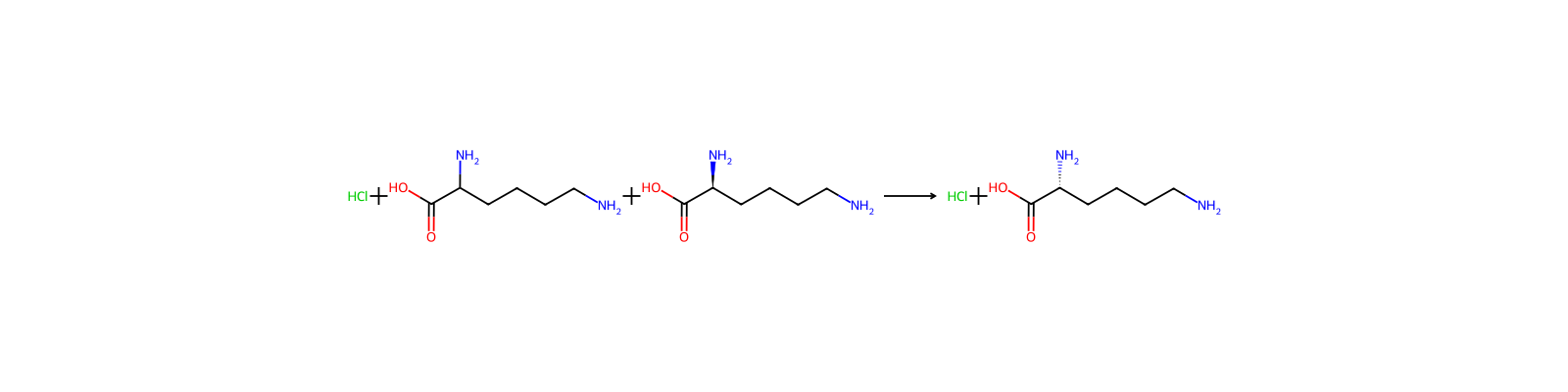
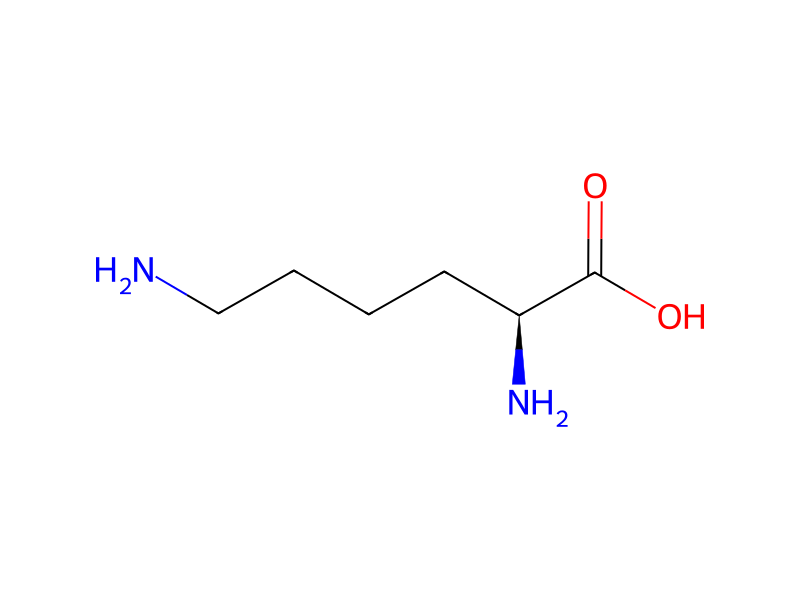
- 표준 SMILES
NCCCC[C@H](N)C(=O)O- InChIKey
KDXKERNSBIXSRK-YFKPBYRVSA-N- 분자식
- C6H14N2O2
- 평균 분자량
- 146.19 g/mol
- 단동위원소 질량
- 146.10552769
이름 및 식별자
- 우선 이름
- L-Lysine
- IUPAC
- (2S)-2,6-diaminohexanoic acid
- 현지명
- L-라이신-(4·5-3H(N))
- 영어명
- L-LYSINE-(4 5-3H(N))
- 분자식
- C6H14N2O2
- 분자량
- 146.18756
이름 및 동의어
L-lysinelysine56-87-1lysine acidh-Lys-oh(S)-LysineAminutrinalpha-Lysine(S)-2,6-Diaminohexanoic acidL-lysLisinaLysinum
이름 더 보기
L-라이신-(4·5-3H(N))L-LYSINE, [4,5-3H(N)]- 40-100 CI(1.48-3.7 TBQ)/MMOL, MORPURE HPLC PURIFIED, DELIVERED >= 97% PURE WITH HPLC RADIOCHROMATOGRAM
(S)-alpha,epsilon-Diaminocaproic acidLYS (IUPAC abbreviation)L-2,6-Diaminocaproic acid(+)-S-LysineDTXSID6023232CHEBI:180192,6-diaminohexanoate6-ammonio-L-norleucine
데이터베이스 식별자
- CAS
20166-34-1、56-87-1- PubChem CID
- 5962
- DTXSID
DTXSID6023232- ChEMBL
CHEMBL8085- ChEBI
CHEBI:18019- UNII
- K3Z4F929H6
- EC Number
- 200-294-2
- Nikkaji
- J9.176F
물성
구조 계산 물성
- XLogP
- -3
- 극성 표면적
- 89.3 Ų
- 수소 결합 공여자 수
- 3
- 수소 결합 수용자 수
- 4
- 회전 가능 결합 수
- 5
- 무거운 원자 수
- 10
- 형식 전하
- 0
- 복잡도
- 106
실험 및 물리화학적 성질
LogP
-3.05
log Kow = -3.05
-3.05
TasteSweet/bitter
Color/Form
Needles from water, hexagonal plates from dilute alcohol
Colorless crystals
Solubility
1000000
Insoluble in ethanol, ethyl ether, acetone, benzene
Insolulble in common neutral solvents
Very freely soluble in water.
Water solubility: >100 g/100 g H20 at 25 °C
In water, 5.84X10+5 mg/L at 27 °C
DecompositionWhen heated to decomposition it emits toxic fumes of /nitric oxide/.
Melting Point
224.5
224 °C, decomposes
224.5 °C
Vapor Pressure5.28X10+9 mm Hg at 25 °C /extrapolated/
Optical Rotation
Crystals from ethanol + ether, mp 193 °C. Specific optical rotation: +15.3 deg at 20 °C/D (C = 2) /Lysine dihydrochloride/
Specific optical rotation: +14.6 at 20 °C/D (c = 6.5); +25.9 at 23 °C/D (c = 2 in 6.0N HCl)
Physical Description
Solid; [Merck Index]
Solid
White crystals or crystalline powder; odourless
Ionization Efficiency
Positive
2.58
2.7
Agilent XCT
Electrospray ionization
formic acid (5.3nM)
Dissociation Constants
3.12 (at 0 °C)
pK1 = 2.18; pK2 = 8.95; pK3 = 10.53 at 38 °C
Collision Cross Section
130.7 Ų [M+H]+ [CCS Type: DT; Method: single field calibrated with Agilent tune mix (Agilent)]
131.2 Ų [M+H]+ [CCS Type: DT; Method: single field calibrated with ESI Low Concentration Tuning Mix (Agilent)];133.5 Ų [M-H]- [CCS Type: DT; Method: single field calibrated with ESI Low Concentration Tuning Mix (Agilent)];135.5 Ų [M+Na]+ [CCS Type: DT; Method: single field calibrated with ESI Low Concentration Tuning Mix (Agilent)];133.7 Ų [M-H]- [CCS Type: DT; Method: single field calibrated with ESI Low Concentration Tuning Mix (Agilent)];131.4 Ų [M+H]+ [CCS Type: DT; Method: single field calibrated with ESI Low Concentration Tuning Mix (Agilent)]
131.62 Ų [M+H]+ [CCS Type: DT; Method: stepped-field]
141.76 Ų [M-H]- [CCS Type: DT; Method: stepped-field];131.8 Ų [M+H]+ [CCS Type: DT; Method: stepped-field]
127 Ų [M+H]+ [CCS Type: TW; Method: calibrated with polyalanine]
135.9 Ų [M-H]-;135.2 Ų [M+Na]+;131.1 Ų [M+H]+;131.5 Ų [M+H]+
물리화학적 성질
- 저장 조건
- 2 · 2-8°C
안전 및 규제
GHS 분류
GHS Classification
This chemical does not meet GHS hazard criteria for 98.3% (117 of 119) of all reports.
Not Classified;Reported as not meeting GHS hazard criteria by 117 of 119 companies (only 1.7% companies provided GHS information). For more detailed information, please visit ECHA C&L website.
Aggregated GHS information provided per 119 reports by companies from 3 notifications to the ECHA C&L Inventory.;Reported as not meeting GHS hazard criteria per 117 of 119 reports by companies.;There are 2 notifications provided by 2 of 119 reports by companies with hazard statement code(s).;Information may vary between notifications depending on impurities, additives, and other factors. The percentage value in parenthesis indicates the notified classification ratio from companies that provide hazard codes. Only hazard codes with percentage values above 10% are shown. For more detailed information, please visit ECHA C&L website.
유해성 정보
Regulatory Information
Chemical: L-Lysine
Regulation (EC) No 1831/2003 (amended)
L-Lysine: Does not have an individual approval but may be used under an appropriate group standard
Other Safety InformationIMAP assessments - L-Lysine: Environment tier I assessment;IMAP assessments - L-Lysine: Human health tier I assessment
Hazards SummarySafe when used as a flavoring agent in food; [JECFA] May cause irritation; [Sigma-Aldrich MSDS]
FDA Requirements
L-Lysine is a food additive permitted for direct addition to food for human consumption, as long as 1) the quantity of the substance added to food does not exceed the amount reasonably required to accomplish its intended physical, nutritive, or other technical effect in food, and 2) any substance intended for use in or on food is of appropriate food grade and is prepared and handled as a food ingredient.
Drug products containing certain active ingredients offered over-the-counter (OTC) for certain uses. A number of active ingredients have been present in OTC drug products for various uses, as described below. However, based on evidence currently available, there are inadequate data to establish general recognition of the safety and effectiveness of these ingredients for the specified uses: lysine hydrochloride is included in digestive aid drug products. /Lysine hydrochloride/
Drug products containing certain active ingredients offered over-the-counter (OTC) for certain uses. A number of active ingredients have been present in OTC drug products for various uses, as described below. However, based on evidence currently available, there are inadequate data to establish general recognition of the safety and effectiveness of these ingredients for the specified uses: lysine is included in weight control drug products.
Drug products containing certain active ingredients offered over-the-counter (OTC) for certain uses. A number of active ingredients have been present in OTC drug products for various uses, as described below. However, based on evidence currently available, there are inadequate data to establish general recognition of the safety and effectiveness of these ingredients for the specified uses: lysine hydrochloride is included in weight control drug products. /Lysine hydrochloride/
Lysine used as a nutrient and/or dietary supplement in animal drugs, feeds, and related products is generally recognized as safe when used in accordance with good manufacturing or feeding practice.
Special Reports
NAS, Food and Nutrition Board, Institute of Medicine; Dietary Reference Intakes for Energy, Carbohydrate, Fiber, Fat, Fatty Acids, Cholesterol, Protein, and Amino Acids (Macronutrients). National Academy Press, Washington, D.C. (2005). [Table#3863];[Available from, as of March 10, 2010: http://www.nap.edu/catalog/10490.html]
Hazard Classes and CategoriesNot Classified
안전 및 보호
Disposal Methods
SRP: Criteria for land treatment or burial (sanitary landfill) disposal practices are subject to significant revision. Prior to implementing land disposal of waste residue (including waste sludge), consult with environmental regulatory agencies for guidance on acceptable disposal practices.
독성 정보
Interactions
Lysine 10 mmol/kq given to mice for 1 to 10 days significantly increased clonic and tonic seizure latencies caused by 60 mg/kg pentylenetetrazol (PTZ). On day 1 the clonic and tonic seizure latencies were increased from 160.4 +/- 26.3 and 828.6 +/- 230.8 s to 286.1 +/- 103.3 and 982.3 +/- 98.6 respectively. Both clonic and tonic seizure latencies increased steadily with additional L-lysine treatment without significant change in survival rate. On day 10, the anticonvulsant effect reached its highest level with a block of tonic seizures and survival rate of 100% without tolerance developing. Acute L-lysine significantly increased the mean clonic latency from 85.8 +/- 5.24 to 128.2 +/- 9.0 s and the mean tonic seizure from 287.2 +/- 58.7 to 313.5 +/- 42.2 s with 80 mg/kg of PTZ. On day 10 of treatment, the anticonvulsant effect of L-lysine was highest, with a significant incr of 155 and 184% in clonic and tonic latencies over control, respectively. After 15 and 20 day treatment, clonic and tonic seizure latencies and survival rate decreased, suggesting development of tolerance ...
Acute intake of high levels of lysine interferes with dietary protein metabolism and competes with the transport of arginine, suggesting that adverse effects from high levels of lysine are more likely to occur if protein intake or dietary arginine intake is low.
Intravenous L-lysine (16.5 to 41.3 g/day in young men) has been shown to inhibit renal tubular protein reabsorption. L-Lysine shares an intestinal transport system with L-arginine, and competes with L-arginine for reabsorption from renal tubules.
Increased liver total lipids, triacylglycerol, and cholesterol concentrations were seen in rats fed 5% L-lysine and 15% casein for 2 weeks, an effect that can be reversed by feeding arginine.
... The aim of the present study was to study the effects of L-arginine transport inhibition, using acute and repeated L-lysine treatment, on phencyclidine (PCP)-induced disruption of PPI in mice. RESULTS: Subchronic, and to some extent acute, pretreatment with L-lysine blocked a PCP-induced deficit in PPI without affecting basal PPI. CONCLUSIONS: L-lysine has been shown to block L-arginine transport in vitro, most likely via a competitive blockade and down regulation of cationic amino acid transporters. However, the importance of L-arginine transport as a regulatory mechanism in NO production in vivo is still not clear. The present results lend further support to the notion that some of the effects of PCP in the central nervous system are mediated via NO and that L-arginine transport may play a role in the regulation of NO production in the brain.
Health EffectsChronically high levels of lysine are associated with at least 5 inborn errors of metabolism including: D-2-Hydroxyglutaric Aciduria, Familial Hyperlysinemia I, Hyperlysinemia II, Pyruvate carboxylase deficiency and Saccharopinuria.
Ecotoxicity ValuesLC50; Species: Eisenia fetida (earthworm, mature) direct application using filter paper 100-1000 ug/sq cm for 48 hr
Exposure RoutesAbsorbed from the lumen of the small intestine into the enterocytes by an active transport process
Milk Concentrations
EXPERIMENTAL: Available lysine content is an indicator of protein quality and nutritional value of milk. Many studies have examined the effects of extraction, treatment and storage of human milk upon its components, though no references are found regarding the possible changes in milk quality as defined by its content in essential amino acids such as lysine. The present study investigates the available lysine content in human milk and the variations in lysine resulting from milk manipulation as follows: (a) Cold storage (refrigeration at 4 °C for 48 hours, and frozen for 15 days at -20 °C); (b) Thermal treatment under conditions of low (Holder)(63 °C/30 minutes) and high pasteurization (75 °C/15 seconds). The results obtained show a decrease in milk lysine concentration after storage in both refrigerated and frozen samples. Pasteurization causes a highly significant loss of available lysine. The lysine losses were greater on applying low pasteurization versus the more gentle conditions of high pasteurization. Conclusions: While manipulation through cold storage or thermal treatment does not affect the protein content of human milk, its protein quality is modified. When human milk must be subjected to hygienization, it is preferable to apply high temperature treatment (75 °C, 15 seconds) than habitual pasteurization (63 °C, 30 minutes).
Toxicity Summary
Safe in the present practices of use and concentration. Ingredient, concentration, and use information are available in documents discoverable at https://cir-reports.cir-safety.org
Proteins of the herpes simplex virus are rich in L-arginine, and tissue culture studies indicate an enhancing effect on viral replication when the amino acid ratio of L-arginine to L-lysine is high in the tissue culture media. When the ratio of L-lysine to L-arginine is high, viral replication and the cytopathogenicity of herpes simplex virus have been found to be inhibited. L-lysine may facilitate the absorption of calcium from the small intestine.
Ecotoxicity Excerpts
/AQUATIC SPECIES/ /This/ study aimed to test whether lysine (Lys) intake at low (LL = 2.85 g/16 gN), medium (ML = 4.91 g/16 gN) and high levels (HL=9.19 g/16 gN) affected the expression of genes related to the GH-IGF system (i.e. GH receptor, GH-R, IGF-I, IGF-II, IGF binding protein 1, IGFBP-1, IGF-I receptor IGF-IR) in Atlantic salmon during seawater growth phase. Salmon fed the HL diet significantly up-regulated hepatic IGF-I mRNA level by a factor of 2.2 as compared to those with medium Lys intake. In addition a significant up-regulation of 2.7-fold in muscle IGF-II mRNA was present. Low Lys intake decreased the nitrogen deposition and muscle protein accretion in fish and significantly down-regulated hepatic IGFBP-1 as well as muscle GH-R and IGF-II, as compared to those fed the ML diet. mRNA of IGF-IR on the other hand was not affected by Lys intake. High Lys intake resulted in a 7-fold up-regulation of muscle IGF-II mRNA level as compared to low Lys intake, and thus might be an important local anabolic regulator in fast muscle tissue. The single indispensable amino acid Lys indeed affected signalling through the genes of IGF-I, IGFBP-1 in hepatic tissue and GH-R, IGF-II in fast muscle in Atlantic salmon. Concomitantly the higher Lys intake increased nitrogen deposition to a certain level.
Plant ConcentrationsPlants with the highest amount of Lysine(1). [Table#3861]
Natural Pollution Sources
Lysine is an essential amino acid for human development; probably the most limited in the food chain(1). It is a natural constituent in: beans, peas, lentils, red meat, pork, poultry, brewer's yeast, cheese (especially parmesan), cod fish, sardines, nuts, eggs, soy beans, spirulina, fenugreek seeds and dairy products(2).
Human Toxicity Excerpts
/HUMAN EXPOSURE STUDIES/ Studies of lysine tolerance of human infants have not found adverse effects. In one study, six infants (4 to 11 months of age) were given 60 to 1,080 mg of lysine monohydrochloride per 8 ounces of milk in a series of seven incremental doses for 3 to 4 days at each dose. No behavioral effects were observed, nor was there anorexia, diarrhea, or other signs of gastrointestinal upset, and no evidence of cystinuria. Similarly, no adverse effects were reported when 1- to 5-month-old infants were given up to 220 mg/kg body weight of lysine for 15 days.
/HUMAN EXPOSURE STUDIES/ Higher plasma and urinary concentrations of carnitine were found in six healthy adult males given a single 5-g oral dose of lysine.
/HUMAN EXPOSURE STUDIES/ In another study of eight healthy males (15 to 20 years of age) given a single oral dose of 1.2 g of L-lysine hydrochloride, growth hormone release was not significantly stimulated and no side effects were reported. /L-lysine hydrochloride/
/ALTERNATIVE and IN VITRO TESTS/ Essential amino acids, such as L-Arginine (Arg) and L-Lysine (Lys), are involved in bone metabolism and growth. ... Primary human osteoblast cultures were divided into four groups: the Arg Group received 0.625 mg/mL per day of Arg, the Lys Group 0.587 mg/ml per day of Lys, the Arg-Lys Group received both amino acids, whereas the Control Group was sham-treated. After 7 days, the following parameters were tested in all groups: alkaline phosphatase (ALP), nitric oxide (NO), calcium (Ca), phosphorus (P), osteocalcin (OC), type I collagen (PICP), interleukin-6 (IL-6), transforming growth factor-beta 1 (TGF-beta 1) on culture supernatant, platelet derived growth factor (PDGF), insulin-like growth factor-I (IGF-I), and MTT proliferation test on cells. Arg administration significantly increased ALP, NO, PICP and IGF-I production and reduced the level of IL-6. Lys administration over the same time interval mainly affected cell proliferation, as evidenced by the MTT test and immunostaining for PDGF. The same positive effects evidenced by the single administrations of the two amino acids resulted from their simultaneous administration. However, synergism could be demonstrated only for the decrease in the level of IL-6. Arg and Lys show a positive effect on human osteoblasts, which is related partly to the production of those factors required for matrix synthesis, and partly to the direct or mediated activation of cell proliferation.
/ALTERNATIVE and IN VITRO TESTS/ The retrovirus human T-cell lymphotrophic virus type-1 (HTLV-1) causes adult T-cell leukemia (ATL), which remains with no cure. This study evaluates the effects of l-lysine on proliferation and induction of apoptosis using non-cytotoxic concentrations of the test compound against HTLV-1 positive and negative malignant cell lines. The anti-proliferative effect of lysine was established and confirmed by studying the effects of the test compound on the expression of TGF mRNA expression by RT-PCR. To investigate the effect of l-lysine on the induction of apoptosis, DNA flow cytometry analyses was done and the results verified by cell death ELISA. The results indicated that a significant increase in the preG(1) phase and a decrease in the S phase of the cell cycle in all of the ATL cells tested. l-Lysine up-regulated p53, p21, and Bax protein levels and a down-regulation of Bcl-2alpha in all the cell lines tested. l-Lysine was found to exert its effect through the NF-kappaB pathway by inhibiting the p65 subunit specifically. Also l-lysine caused a decrease in the levels MMP-2 and MMP-9 as well as their enzymatic activity.
Carcinogen ClassificationNo indication of carcinogenicity to humans (not listed by IARC).
Non-Human Toxicity Excerpts
/LABORATORY ANIMALS: Developmental or Reproductive Toxicity/ Administration of lysine to pregnant rats does not appear to result in gross morphological changes, but higher fetal mortality and decreases in maternal and fetal body and brain weights have been found.
/GENOTOXICITY/ Of 20 amino acid pyrolysates tested, those of tryptophan, ornithine, glutamic acid, serine, lysine, and creatine showed strong mutagenicity by the modified Ames test.
/ALTERNATIVE and IN VITRO TESTS/ Accumulation of lysine (Lys) in tissues and biochemical fluids is the biochemical hallmark of patients affected by familial hyperlysinemia (FH) and also by other inherited neurometabolic disorders. ... The in vitro effect of Lys on various parameters of energy metabolism in cerebral cortex of 30-day-old Wistar rats/was investigated/ ... Total (tCK) and cytosolic creatine kinase activities were significantly inhibited by Lys, in contrast to the mitochondrial isoform which was not affected by this amino acid. Furthermore, the inhibitory effect of Lys on tCK activity was totally prevented by reduced glutathione, suggesting a possible role of reactive species oxidizing critical thiol groups of the enzyme. In contrast, Lys did not affect (14)CO2 production from U-(14)C- glucose (aerobic glycolytic pathway) and 1-(14)C-acetic acid (citric acid cycle activity), neither the various activities of the electron transfer chain and synaptic Na(+)K(+)-ATPase at concentrations as high as 5.0 mM. Considering the importance of creatine kinase (CK) activity for brain energy metabolism homeostasis and especially ATP transfer and buffering, the results suggest that inhibition of this enzyme by Lys may contribute to the neurological signs presented by symptomatic patients affected by FH and other neurodegenerative disorders in which Lys accumulates.
/ALTERNATIVE and IN VITRO TESTS/ ... L-lysine increased force of contraction in a concentration- and time-dependent manner in isolated electrically paced left atrium of mouse ... It further increased heart rate and left ventricular pressure in the isolated perfused mouse heart. In isolated adult mouse cardiomyocytes, the contractility as assessed by edge detection was increased as well as the Ca(2+) transients after electrically pacing by field stimulation. However, using the patch clamp technique, no effect of L-lysine on action potential duration from a constant holding potential or on current through L-type calcium channels could be observed. However, L-lysine led to a depolarization of unclamped cells. Furthermore, effects of L-lysine were stereospecific, as they were not elicited by D-lysine. The inotropic effects of L-lysine were not abrogated by additionally applied L-ornithine or L-arginine (known inhibitors of lysine transport). However, L-lysine (5 mM) shifted the concentration-response curve for a positive inotropic effect of 5-hydroxytryptamine (5-HT; serotonin) in atrium of transgenic mice (with cardiac specific overexpression of 5-HT(4) receptors) to higher concentrations ...
For more Non-Human Toxicity Excerpts (Complete) data for L-Lysine (7 total), please visit the HSDB record page.
규제 정보
Regulatory Information
Chemical: L-Lysine
Regulation (EC) No 1831/2003 (amended)
L-Lysine: Does not have an individual approval but may be used under an appropriate group standard
FDA Requirements
L-Lysine is a food additive permitted for direct addition to food for human consumption, as long as 1) the quantity of the substance added to food does not exceed the amount reasonably required to accomplish its intended physical, nutritive, or other technical effect in food, and 2) any substance intended for use in or on food is of appropriate food grade and is prepared and handled as a food ingredient.
Drug products containing certain active ingredients offered over-the-counter (OTC) for certain uses. A number of active ingredients have been present in OTC drug products for various uses, as described below. However, based on evidence currently available, there are inadequate data to establish general recognition of the safety and effectiveness of these ingredients for the specified uses: lysine hydrochloride is included in digestive aid drug products. /Lysine hydrochloride/
Drug products containing certain active ingredients offered over-the-counter (OTC) for certain uses. A number of active ingredients have been present in OTC drug products for various uses, as described below. However, based on evidence currently available, there are inadequate data to establish general recognition of the safety and effectiveness of these ingredients for the specified uses: lysine is included in weight control drug products.
Drug products containing certain active ingredients offered over-the-counter (OTC) for certain uses. A number of active ingredients have been present in OTC drug products for various uses, as described below. However, based on evidence currently available, there are inadequate data to establish general recognition of the safety and effectiveness of these ingredients for the specified uses: lysine hydrochloride is included in weight control drug products. /Lysine hydrochloride/
Lysine used as a nutrient and/or dietary supplement in animal drugs, feeds, and related products is generally recognized as safe when used in accordance with good manufacturing or feeding practice.
안전 데이터
- ridadr
- UN 2910 7
- hazard_code
- R
화학 및 산업
약리 정보
ATC Code
B - Blood and blood forming organs;B05 - Blood substitutes and perfusion solutions;B05X - I.v. solution additives;B05XB - Amino acids;B05XB03 - Lysine
QB - Blood and blood forming organs;QB05 - Blood substitutes and perfusion solutions;QB05X - I.v. solution additives;QB05XB - Amino acids;QB05XB03 - Lysine
Bionecessity
Lysine is an essential amino acid involved in many biological processes, including receptor affinity, protease-cleavage points, retention of endoplasmic reticulum, nuclear structure and function, muscle elasticity, and chelation of heavy metals.
Calculation of Estimated Average Requirement (EAR) and Recommended Dietary Allowance (RDA) for Lysine for Children Ages 7 Months Through 18 Years [Table#3856]
Older views of the nutritional classification of amino acids categorized them into two groups: indispensable (essential) and dispensable (nonessential). The nine indispensable amino acids /(histidine, isoleucine, leucine, lysine, methionine, phenylalanine, threonine, tryptophan, and valine)/ are those that have carbon skeletons that cannot be synthesized to meet body needs from simpler molecules in animals, and therefore must be provided in the diet. ...The definition of dispensable amino acids has become blurred as more information on the intermediary metabolism and nutritional characteristics of these compounds has accumulated. ...Dispensable amino acids /have been divided/ into two classes: truly dispensable and conditionally indispensable. Five amino acids /(alanine, aspartic acid, asparagine, glutamic acid, and serine)/ are termed dispensable as they can be synthesized in the body from either other amino acids or other complex nitrogenous metabolites. In addition, six other amino acids, including /arginine, cysteine, glutamine, glycine, proline, and tyrosine/, are conditionally indispensable as they are synthesized from other amino acids or their synthesis is limited under special pathophysiological conditions. This is even more of an issue in the neonate where it has been suggested that only alanine, aspartate, glutamate, serine, and probably asparagine are truly dietarily dispensable.
Table: Comparison of the Pool Sizes of Free and Protein-Bound Amino Acids in Rat Muscle [Table#3857]
For more Bionecessity (Complete) data for L-Lysine (16 total), please visit the HSDB record page.
Pharmacodynamics
Insures the adequate absorption of calcium; helps form collagen ( which makes up bone cartilage & connective tissues); aids in the production of antibodies, hormones & enzymes. Recent studies have shown that Lysine may be effective against herpes by improving the balance of nutrients that reduce viral growth. A deficiency may result in tiredness, inability to concentrate, irritability, bloodshot eyes, retarded growth, hair loss, anemia & reproductive problems.
Mechanism of Action
Proteins of the herpes simplex virus are rich in L-arginine, and tissue culture studies indicate an enhancing effect on viral replication when the amino acid ratio of L-arginine to lysine is high in the tissue culture media. When the ratio of L-lysine to L-arginine is high, viral replication and the cytopathogenicity of herpes simplex virus have been found to be inhibited. L-lysine may facilitate the absorption of calcium from the small intestine.
Amino acids are selected for protein synthesis by binding with transfer RNA (tRNA) in the cell cytoplasm. The information on the amino acid sequence of each individual protein is contained in the sequence of nucleotides in the messenger RNA (mRNA) molecules, which are synthesized in the nucleus from regions of DNA by the process of transcription. The mRNA molecules then interact with various tRNA molecules attached to specific amino acids in the cytoplasm to synthesize the specific protein by linking together individual amino acids; this process, known as translation, is regulated by amino acids (e.g., leucine), and hormones. Which specific proteins are expressed in any particular cell and the relative rates at which the different cellular proteins are synthesized, are determined by the relative abundances of the different mRNAs and the availability of specific tRNA-amino acid combinations, and hence by the rate of transcription and the stability of the messages. From a nutritional and metabolic point of view, it is important to recognize that protein synthesis is a continuing process that takes place in most cells of the body. In a steady state, when neither net growth nor protein loss is occurring, protein synthesis is balanced by an equal amount of protein degradation. The major consequence of inadequate protein intakes, or diets low or lacking in specific indispensable amino acids relative to other amino acids (often termed limiting amino acids), is a shift in this balance so that rates of synthesis of some body proteins decrease while protein degradation continues, thus providing an endogenous source of those amino acids most in need. /Amino acids/
The mechanism of intracellular protein degradation, by which protein is hydrolyzed to free amino acids, is more complex and is not as well characterized at the mechanistic level as that of synthesis. A wide variety of different enzymes that are capable of splitting peptide bonds are present in cells. However, the bulk of cellular proteolysis seems to be shared between two multienzyme systems: the lysosomal and proteasomal systems. The lysosome is a membrane-enclosed vesicle inside the cell that contains a variety of proteolytic enzymes and operates mostly at acid pH. Volumes of the cytoplasm are engulfed (autophagy) and are then subjected to the action of the protease enzymes at high concentration. This system is thought to be relatively unselective in most cases, although it can also degrade specific intracellular proteins. The system is highly regulated by hormones such as insulin and glucocorticoids, and by amino acids. The second system is the ATP-dependent ubiquitin-proteasome system, which is present in the cytoplasm. The first step is to join molecules of ubiquitin, a basic 76-amino acid peptide, to lysine residues in the target protein. Several enzymes are involved in this process, which selectively targets proteins for degradation by a second component, the proteasome. /Amino acids/
Metabolism/Metabolites
Hepatic
Like other amino acids, the metabolism of free lysine follows two principal paths: protein synthesis and oxidative catabolism. It is required for biosynthesis of such substances as carnitine, collage, and elastin.
Oxidative deamination or transamination of l-lysine /yields/ alpha-keto-epsilon-aminocaproic acid; decarboxylation of l-lysine /yields/ cadaverine. /From table/
Once the amino acid deamination products enter the tricarboxylic acid (TCA) cycle (also known as the citric acid cycle or Krebs cycle) or the glycolytic pathway, their carbon skeletons are also available for use in biosynthetic pathways, particularly for glucose and fat. Whether glucose or fat is formed from the carbon skeleton of an amino acid depends on its point of entry into these two pathways. If they enter as acetyl-CoA, then only fat or ketone bodies can be formed. The carbon skeletons of other amino acids can, however, enter the pathways in such a way that their carbons can be used for gluconeogenesis. This is the basis for the classical nutritional description of amino acids as either ketogenic or glucogenic (ie, able to give rise to either ketones [or fat] or glucose). Some amino acids produce both products upon degradation and so are considered both ketogenic and glucogenic. /Amino acids/
... Rates of lysine metabolism in fetal sheep during chronic hypoglycemia and following euglycemic recovery /were compared with/ results with normal, age-matched euglycemic control fetuses to explain the adaptive response of protein metabolism to low glucose concentrations. Restriction of the maternal glucose supply to the fetus lowered the net rates of fetal (umbilical) glucose (42%) and lactate (36%) uptake, causing compensatory alterations in fetal lysine metabolism. The plasma lysine concentration was 1.9-fold greater in hypoglycemic compared with control fetuses, but the rate of fetal (umbilical) lysine uptake was not different. In the hypoglycemic fetuses, the lysine disposal rate also was higher than in control fetuses due to greater rates of lysine flux back into the placenta and into fetal tissue. The rate of CO2 excretion from lysine decarboxylation was 2.4-fold higher in hypoglycemic than control fetuses, indicating greater rates of lysine oxidative metabolism during chronic hypoglycemia. No differences were detected for rates of fetal protein accretion or synthesis between hypoglycemic and control groups, although there was a significant increase in the rate of protein breakdown (p < 0.05) in the hypoglycemic fetuses, indicating small changes in each rate. This was supported by elevated muscle specific ubiquitin ligases and greater concentrations of 4E-BP1. Euglycemic recovery after chronic hypoglycemia normalized all fluxes and actually lowered the rate of lysine decarboxylation compared with control fetuses (p < 0.05). These results indicate that chronic hypoglycemia increases net protein breakdown and lysine oxidative metabolism, both of which contribute to slower rates of fetal growth over time. Furthermore, euglycemic correction for 5 days returns lysine fluxes to normal and causes an overcorrection of lysine oxidation.
Hepatic
Absorption, Distribution and Excretion
Absorbed from the lumen of the small intestine into the enterocytes by an active transport process
Although the free amino acids dissolved in the body fluids are only a very small proportion of the body's total mass of amino acids, they are very important for the nutritional and metabolic control of the body's proteins. ... Although the plasma compartment is most easily sampled, the concentration of most amino acids is higher in tissue intracellular pools. Typically, large neutral amino acids, such as leucine and phenylalanine, are essentially in equilibrium with the plasma. Others, notably glutamine, glutamic acid, and glycine, are 10- to 50-fold more concentrated in the intracellular pool. Dietary variations or pathological conditions can result in substantial changes in the concentrations of the individual free amino acids in both the plasma and tissue pools. /Amino acids/
After ingestion, proteins are denatured by the acid in the stomach, where they are also cleaved into smaller peptides by the enzyme pepsin, which is activated by the increase in stomach acidity that occurs on feeding. The proteins and peptides then pass into the small intestine, where the peptide bonds are hydrolyzed by a variety of enzymes. These bond-specific enzymes originate in the pancreas and include trypsin, chymotrypsins, elastase, and carboxypeptidases. The resultant mixture of free amino acids and small peptides is then transported into the mucosal cells by a number of carrier systems for specific amino acids and for di- and tri-peptides, each specific for a limited range of peptide substrates. After intracellular hydrolysis of the absorbed peptides, the free amino acids are then secreted into the portal blood by other specific carrier systems in the mucosal cell or are further metabolized within the cell itself. Absorbed amino acids pass into the liver, where a portion of the amino acids are taken up and used; the remainder pass through into the systemic circulation and are utilized by the peripheral tissues. /Amino acids/
Protein secretion into the intestine continues even under conditions of protein-free feeding, and fecal nitrogen losses (ie, nitrogen lost as bacteria in the feces) may account for 25% of the obligatory loss of nitrogen. Under this dietary circumstance, the amino acids secreted into the intestine as components of proteolytic enzymes and from sloughed mucosal cells are the only sources of amino acids for the maintenance of the intestinal bacterial biomass. ... Other routes of loss of intact amino acids are via the urine and through skin and hair loss. These losses are small by comparison with those described above, but nonetheless may have a significant impact on estimates of requirements, especially in disease states. /Amino acids/
About 11 to 15 g of nitrogen are excreted each day in the urine of a healthy adult consuming 70 to 100 g of protein, mostly in the form of urea, with smaller contributions from ammonia, uric acid, creatinine, and some free amino acids. These are the end products of protein metabolism, with urea and ammonia arising from the partial oxidation of amino acids. Uric acid and creatinine are indirectly derived from amino acids as well. The removal of nitrogen from the individual amino acids and its conversion to a form that can be excreted by the kidney can be considered as a two-part process. The first step usually takes place by one of two types of enzymatic reactions: transamination or deamination. Transamination is a reversible reaction that uses ketoacid intermediates of glucose metabolism (e.g., pyruvate, oxaloacetate, and alpha-ketoglutarate) as recipients of the amino nitrogen. Most amino acids can take part in these reactions, with the result that their amino nitrogen is transferred to just three amino acids: alanine from pyruvate, aspartate from oxaloacetate, and glutamate from alpha-ketoglutarate. Unlike many amino acids, branched-chain amino acid transamination occurs throughout the body, particularly in skeletal muscle. Here the main recipients of amino nitrogen are alanine and glutamine (from pyruvate and glutamate, respectively), which then pass into the circulation. These serve as important carriers of nitrogen from the periphery (skeletal muscle) to the intestine and liver. In the small intestine, glutamine is extracted and metabolized to ammonia, alanine, and citrulline, which are then conveyed to the liver via the portal circulation. Nitrogen is also removed from amino acids by deamination reactions, which result in the formation of ammonia. A number of amino acids can be deaminated, either directly (histidine), by dehydration (serine, threonine), by way of the purine nucleotide cycle (aspartate), or by oxidative deamination (glutamate). ... Glutamate is
For more Absorption, Distribution and Excretion (Complete) data for L-Lysine (7 total), please visit the HSDB record page.
Tissue LocationsAll Tissues;Placenta;Prostate
Cellular LocationsCytoplasm;Extracellular;Mitochondria;Nucleus;Peroxisome
Metabolite Pathways
2-aminoadipic 2-oxoadipic aciduria;Biotin Metabolism;Biotinidase Deficiency;Carnitine Synthesis;Glutaric Aciduria Type I;Hyperlysinemia I, Familial;Hyperlysinemia II or Saccharopinuria;Lysine degradation;Multiple carboxylase deficiency, neonatal or early onset form;Pyridoxine dependency with seizures;Total 12 pathways, visit the HMDB page for details
용도 및 제조
Uses
CIR ingredient: Lysine
An essential amino acid; Added to cereals and feeds; [Merck Index] Used in biochemical and nutritional research, pharmaceuticals, culture media, dietary supplements, and animal feeds; [HSDB] Used as a flavoring agent for foods; [FDA]
Farming (Feed Additives) [Category: Industry]
Enrichment of cereals and feeds.
Biochemical and nutritional research, pharmaceuticals, culture media, fortification of foods and feed (wheat flour), nutrient and dietary supplement, animal feed additive
Reported uses;Table: Reported uses (ppm): (Flavor and Extract Manufacturers' Association) [Table#3864]
U.S. Production
World market for L-lysine in 1982: 34,000 tons, in 1984: 32,000 tons /free acid and hydrochloride/
World market for L-lysine in 1987: 100,000 tons /free acid and hydrochloride/
Production volumes for non-confidential chemicals reported under the Inventory Update Rule. [Table#3862]
Consumption PatternsL-Lysine /hydrochloride/ is used almost exclusively to improve the nutritive value of animal feeds
Methods of Manufacturing
Isolation from acid-hydrolyzed proteins (casein, fibrin or blood corpuscle paste)
Extraction of natural proteins, synthetically by fermentation of glucose or other carbohydrates and by synthesis from caprolactum
The usual raw material for the fermentation production of L-lysine is molasses...high performance microbes belong to the species Corynebacterium glutamicum or Brevibactrium lactofermentum
A process combining chemical and microbiological techniques for the production of L-lysine was introduced by Toray Industries; /in this process/, alpha-amino-e-caprolactam (ACL) is formed from cyclohexanol... this intermediate is then hydrolyzed with L-ACL-hydrolase to yield L-lysine
Formulations/Preparations
As DL- and L-lysine monohydrochloride.
USP and FCC grades /lysine hydrochloride/
Household ProductsInformation on 28 consumer products that contain Lysine in the following categories is provided:;• Personal Care
Use Classification
Flavouring Agent -> FLAVOURING_AGENT -> JECFA Functional Classes
Flavoring Agents -> JECFA Flavorings Index
Cosmetics -> Antistatic; Skin conditioning; Hair conditioning
General Manufacturing Information
L-Lysine: ACTIVE
Supplementation of wheat-based foods with lysine improves their protein quality and results in improved growth and tissue synthesis: Feldberg, Hetzel, Food Technol 12, 496 (1958). Method or incorporation: Hause, Todd, US Patent 3,015,567 (1962 to Du Pont).
Lysine composition in g/100 g of protein: gelatins: 5.1; milk: 8.7 g/lb g total nitrogen; casein: 8.2; serum albumin: 12.7 g/lb g total nitrogen; gamma globulin: 8.1; horse hemoglobin: 8.5; insulin: 2.5; clostridium botulinum toxin: 7.7 /From table/
Stability of added lysine during baking of white bread depends primarily on the reducing sugar content of the product. In the ... addition of 25% nonfat milk powder, 40% of the lysine is nutritionally lost. At the usual rate of skim milk powder in bread, 4-6%, retention of lysine is 80-95%.
Processes requiring severe heat treatments of cereal-based foods to gelatinize starch and denature protein may cause severe losses of lysine. ... Analysis of protein hydrolysates of bread indicated that lysine ... /was/ degraded 5-17% during baking.
For more General Manufacturing Information (Complete) data for L-Lysine (6 total), please visit the HSDB record page.
공급사3 곳
관련 반응
331건


연결된 노트
불러오는 중…