홈MCP워크벤치Skills
홈워크벤치알림마이페이지
llms.txt · MCP 가이드개인정보처리방침 · 이용약관 · 지원v1.8.0
  1. 홈
  2. /화합물

메틸히드리진

Methylhydrazine
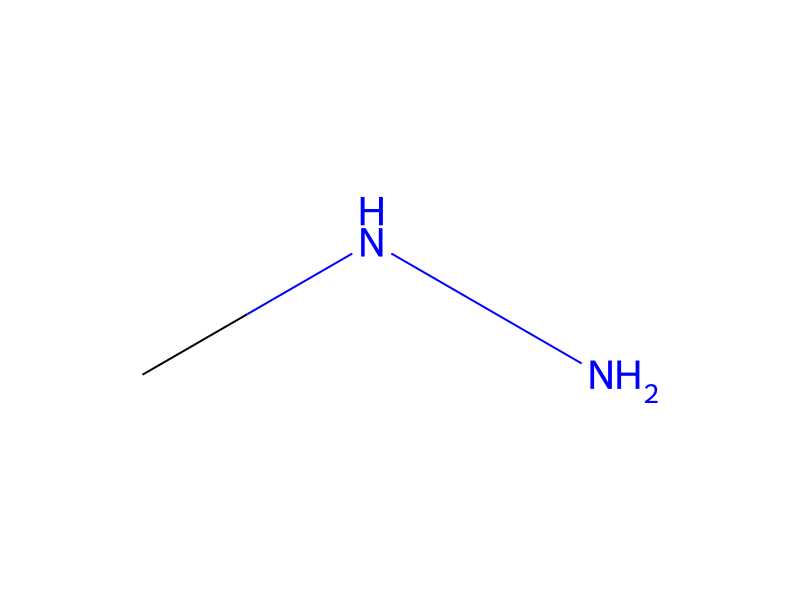
HCID 6061
새 노트새 반응견적 요청하기
인쇄 미리보기
기본 정보개요이름 및 식별자물성안전 및 규제화학 및 산업관련 반응화합물 노트
부분 구조 검색유사 구조 찾기

기본 정보

CAS
60-34-4
표준 SMILES
CNN
InChIKey
HDZGCSFEDULWCS-UHFFFAOYSA-N
분자식
CH6N2
평균 분자량
46.072 g/mol
단동위원소 질량
46.0530982

개요

Methylhydrazine and its salts can cause cancer according to The National Institute for Occupational Safety and Health (NIOSH).

이름 및 식별자

우선 이름
Methylhydrazine
IUPAC
methylhydrazine
현지명
메틸히드리진
영어명
Methylhydrazine
분자식
CH6N2
분자량
46.07

이름 및 동의어

METHYLHYDRAZINEHydrazine, methyl-60-34-4Methyl HydrazineMonomethylhydrazine1-MethylhydrazineMetylohydrazynaMethyl-hydrazineRCRA waste number P068DTXSID4020874UWA30B5Z1JRefChem:818623
이름 더 보기
메틸하이드라진메틸히드라진메틸히드리진메틸하이드라진히드라조메탄N-METHYLHYDRAZINEJJJMONOMETHYL HYDRAZINEMethylhydrazine, 40wt.% in H2OHydrazomethanemethyl-hydrazinMethylhydrazine,40% aq
DTXCID40874200-471-42-methylhydrazineMethylhydrazine (mono)methl hydrazineRCRA waste no. P068MMHCH3NHNH2

데이터베이스 식별자

CAS
60-34-4
PubChem CID
6061
DTXSID
DTXSID4020874
ChEMBL
CHEMBL160520
UNII
UWA30B5Z1J
EC Number
200-471-4
Nikkaji
J2.338H

물성

구조 계산 물성

XLogP
-0.9
극성 표면적
38.1 Ų
수소 결합 공여자 수
2
수소 결합 수용자 수
2
회전 가능 결합 수
0
무거운 원자 수
3
형식 전하
0
복잡도
2.8

실험 및 물리화학적 성질

Chemical Classes · 3건

Hazardous Air Pollutants (HAPs)

Toxic Gases & Vapors -> Other Toxic Gases & Vapors

Carcinogens

pHMildly alkaline base
SpringerMaterials PropertiesCoriolis coupling
LogP · 2건

log Kow= -1.05

-1.05

Odor · 2건

Odor characteristic of short chain, organic amines

Ammonia-like odor

Density · 6건

0.874 at 77 °F (EPA, 1998) - Less dense than water; will float

0.874 at 25 °C

Relative density (water = 1): 0.87

0.874 at 77 °F

0.874 @25 °C

(77 °F): 0.87

Viscosity0.775 cP at 25 °C
Color/Form · 2건

Clear liquid

Fuming, colorless liquid.

Solubility · 6건

Insoluble (<1 mg/ml at 75 °F) (NTP, 1992)

>10% in ethyl ether

>10% in ethanol

>10% in water

SOL IN PETROLEUM ETHER

안전 및 규제

안전 정보는 참고용이며, 공급업체의 물질안전보건자료(SDS), 관련 법규 및 전문가 평가를 대체하지 않습니다.

GHS 분류

GHS Classification · 6건

Danger

H350: May cause cancer [Danger Carcinogenicity]

P203, P280, P318, P405, and P501 (click each P-code to see the statement)

Danger

H225 (86.1%): Highly Flammable liquid and vapor [Danger Flammable liquids]

P203, P210, P233, P240, P241, P242, P243, P260, P261, P262, P264, P264+P265, P270, P271, P272, P273, P280, P284, P301+P316, P301+P330+P331, P302+P352, P302+P361+P354, P303+P361+P353, P304+P340, P305+P354+P338, P316, P317, P318, P320, P321, P330, P333+P317, P342+P316, P361+P364, P362+P364, P363, P370+P378, P391, P403, P403+P233, P403+P235, P405, and P501 (click each P-code to see the statement)

유해성 정보

Hazards IdentificationToxic/poison by inhalation (TIH/PIH)
Regulatory Information · 3건

Chemical: Hydrazine, methyl-

REACH registered substance: Methylhydrazine (EC: 200-471-4)

The New Jersey Worker and Community Right to Know Act requires public and private employers to provide information about hazardous substances at their workplaces. (N.J.S.A. 34:5A-1 et. seq.)

Other Safety InformationIMAP assessments - Hydrazine, methyl-: Human health tier II assessment
DOT LabelPoison Inhalation Hazard Flammable Liquid Corrosive
Fire Hazards · 3건

Extremely flammable; ignites spontaneously under almost all normal temperature conditions. Water used to extinguish a fire may cause pollution and should be diked for later disposal. Water may be ineffective in extinguishing fires due to the chemical's low flash point. Because of the wide flammability limits, low flash point, and reignition hazard, dry chemicals, carbon dioxide, water spray, and foam may not be as effective as water dilution of fire area. The vapor is heavier than air; thus it may accumulate sufficiently to flash back. Methylhydrazine fires produce irritating nitrogen oxides. Ignites spontaneously in air when in contact with porous materials (e.g., earth, asbestos, wood, or cloth). Also ignites spontaneously on contact with strong oxidizing agents (e.g., fluorine, chlorine trifluoride, fuming nitric acid, and nitrogen tetroxide). Heat or flame should be avoided because chemical is extremely flammable and explosive. (EPA, 1998)

화학 및 산업

약리 정보

Mechanism of Action · 2건

The enzyme systems in rat liver and lung responsible for the oxidative metabolism of hydrazine derivatives were studied to determine whether these enzymes, cytochrome P450 and monoamine oxidase, were responsible for metabolically activating hydrazines to carcinogenic/toxic metabolites. Cytochrome P450 preferentially oxidized the nitrogen to nitrogen bond of 1,2-disubstituted hydrazines and hydrazides, while monoamine oxidase oxidized the nitrogen to nitrogen bond of all the classes of hydrazine derivatives that were tested. Oxidation of the nitrogen to nitrogen bond led to the formation of stable azo intermediates in the case of 1,2-disubstituted hydrazines and to unstable monoazo (diazene) metabolites in the case of monosubstituted hydrazines and hydrazides. /Substituted hydrazines/

Radio respirometric data from rats continuously infused with specifically 14C-labeled glucose and other substrates indicates that monomethyl hydrazine (MMH) inhibits glycolysis. The effect is evidently at the phosphofructokinase step. ...

Biological Half-Life · 2건

Methylhydrazine shows first-order kinetics in blood following iv or oral dosing. The course of elimination in the digestive tract was nonlinear. The half-life in the digestive tract was only 1.74 min, and the absorption rate was 50-60%. Methylhydrazine in the digestive tract could be totally eliminated. The time for eliminating half of the oral dose was <5 min. Methylhydrazine was widely distributed in the murine body, and the half-life of the distribution phase was only 1.08-1.5 min, whereas that of the elimination phase was 37-52 min.

The /half life/ for elimination /in rabbits following inhalation exposure/ was 2.4 and 4.4 hr.

Metabolism/Metabolites · 4건

The n-oxidation of methylhydrazine catalyzed by purified mouse liver microsomal mixed function amine oxidase is shown. At pH 7.7 and 25 °C, methylhydrazine has nearly the same maximal n-oxidation rate as dimethylaniline. Although methane can be detected as a product of n-oxidation of methylhydrazine, it may represent the chemical decomposition product of a n-oxidized intermediate.

Flavoprotein n-oxygenase... catalyzes formation of... n-oxides of methylhydrazine /and/ 1,1-dimethylhydrazine... .

Isolated hepatocytes and liver microsomes incubated with monomethylhydrazine, 1,1-dimethylhydrazine and 1,2-dimethylhydrazine produced free radical intermediates which were detected by ESR spectroscopy by using 4-pyridyl-1-oxide-t-butyl nitrone as spin trapping agent. The spectral features of the spin adducts derived from all three hydrazine derivatives corresponded to the values reported for the methyl free radical adduct of 4-pyridyl-1-oxide-t-butyl nitrone. In the microsomal preparations, inhibitors of the mixed function oxidase system and the destruction of cytochrome P450 by pretreating the rats with cobalt chloride all decreased the free radical formation. Methimazole, an inhibitor of FAD-containing monoxygenase system, similarly decreased the activation of 1,1-dimethylhydrazine, but not that of monomethylhydrazine and 1,2-dimethylhydrazine. The addition to liver microsomes of physiological concentrations of glutathione (GSH) lowered by approx 80% the intensities of the ESR signals. Consistently, incubation of isolated hepatocytes with methylhydrazine decreased the intracellular GSH content, suggesting that GSH can effectively scavenge the methyl free radicals. The results obtained suggest that methyl free radicals could be the alkylating species responsible for the toxic and/or carcinogenic effect of methylhydrazines.

관련 반응

1,301건
반응 기록 만들기
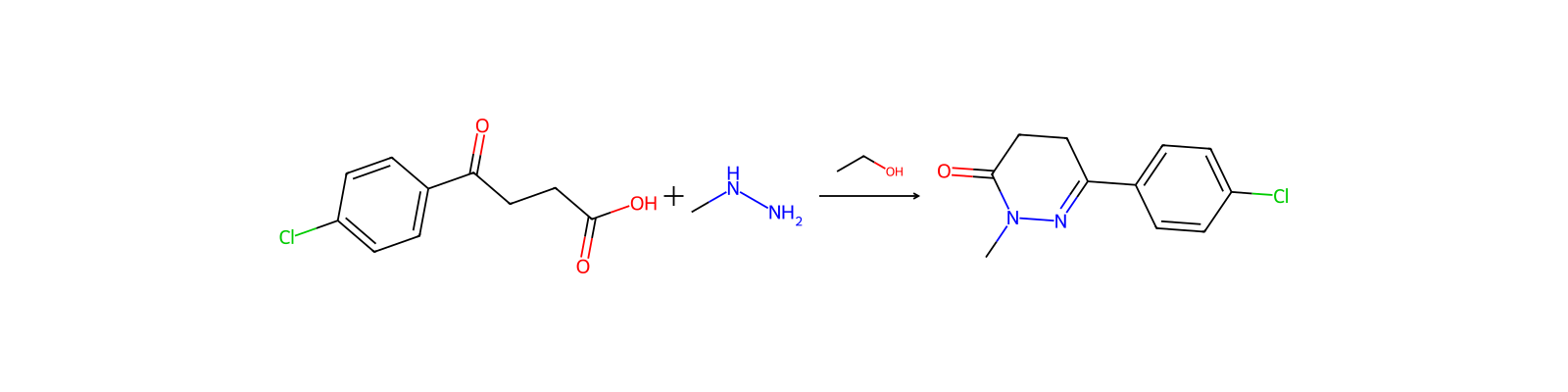
HRID 1154 반응식
HRID 1154반응물로uspto-grants-1998_03
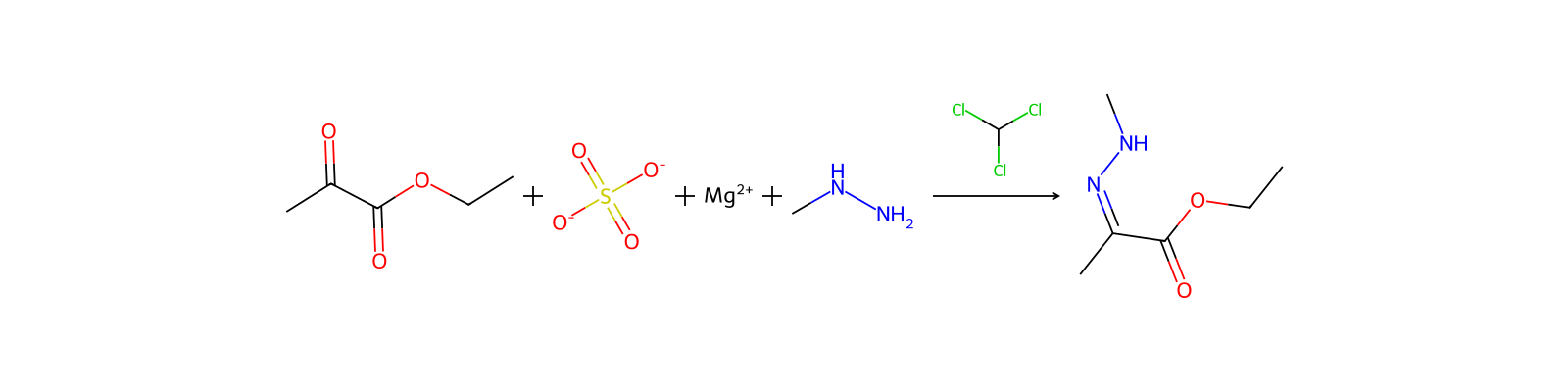
HRID 1584 반응식
HRID 1584반응물로uspto-grants-1998_03
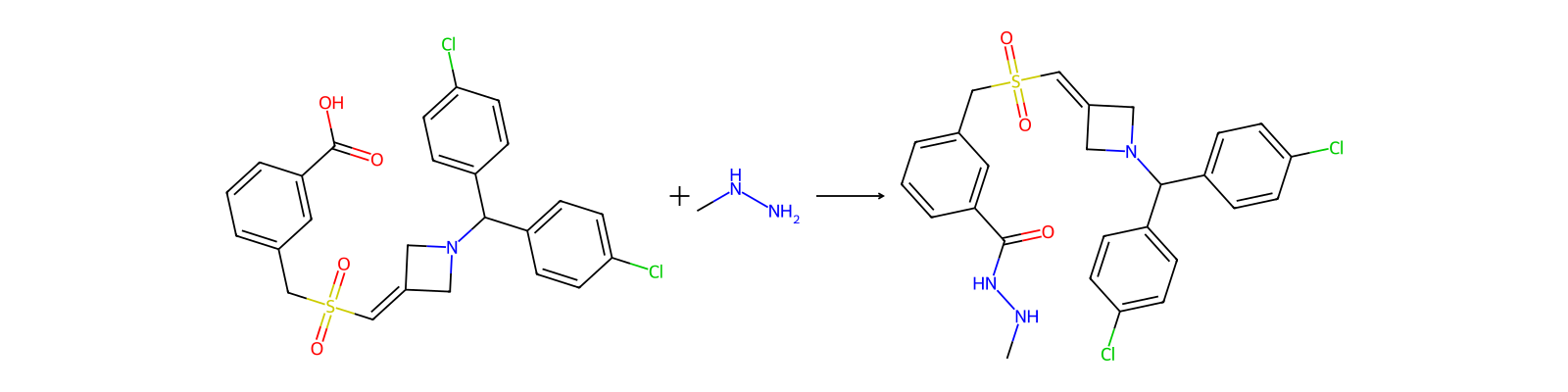
HRID 2089 반응식
HRID 2089반응물로uspto-grants-1998_03
HRID 2130 반응식
HRID 2130반응물로uspto-grants-1998_03
HRID 2188 반응식
HRID 2188반응물로uspto-grants-1998_03
HRID 15955 반응식
HRID 15955반응물로uspto-grants-2010_06
HRID 17243 반응식
HRID 17243반응물로uspto-grants-2010_06
HRID 25213 반응식
HRID 25213반응물로uspto-grants-2005_02
1 / 163 페이지

화합물 노트

불러오는 중…

이 페이지에서기본 정보개요이름 및 식별자물성안전 및 규제화학 및 산업관련 반응화합물 노트
더보기
새 노트새 반응견적 요청하기

For more Solubility (Complete) data for METHYLHYDRAZINE (6 total), please visit the HSDB record page.

Flash Point · 5건

158 °F (EPA, 1998)

-8 °C, 17 °F (closed cup)

-8.3 °C c.c.

70 °F

17 °F

Boiling Point · 6건

190 °F at 760 mmHg (EPA, 1998)

87.5 °C

87.5 °C

190 °F

87.5 °C @760 [mm Hg]

190 °F

DecompositionWhen heated to decomposition it emits toxic fumes of /nitrogen oxide/.

물리화학적 성질

녹는점
-21 °C · -21 °C
끓는 점
88 · 88-90 °C(lit.)
밀도
0.875 g/mL · 0.875 g/mL at 20 °C(lit.)
증기 밀도
1.6 · 1.6 (vs air)
증기압
37.5 mm · 37.5 mm Hg ( 20 °C)
굴절률
20 · n20/D 1.4325(lit.)
인화점
70 °F · 70 °F
저장 조건
Flammables area
용해도
알코올과 에테르에 용해됨(Weast, 1986)
산도 계수 (pKa)
8.84 · 8.84±0.70(Predicted)
물리적 상태
액체
색상
무색~담황색
폭발한계
97 % · 97%
수용성
녹는
비열
2.93 J/ · Cp(liquid): 2.93 J/(g·K); Cp(gas): 1.54 J/(g·K), at 25℃
Merck
13 · 13,6109
BRN
635645 · 635645
Henry's Law Constant
3.3 · 3.3×100 mol/(m3Pa) at 25℃, HSDB (2015)
안정성
안정적인. 가연성. 흡습성. 강한 산화제, 구리, 철 및 그 합금과 호환되지 않습니다.
NIST
Hydrazine, methyl-(60-34-4)
EPA
Methyl hydrazine (60-34-4)

화학적 성질

colourless liquid with an ammonia-like odour

· HIGHLY FLAMMABLE: Will be easily ignited by heat, sparks or flames.

Highly flammable. Many reactions may cause fire or explosion. Gives off irritating or toxic fumes (or gases) in a fire. Vapour/air mixtures are explosive. Risk of fire and explosion on contact with oxidizing agents or metal oxides.

Fire PotentialVery dangerous fire hazard when exposed to heat or flame.
Health Hazards · 2건

Methyl hydrazine vapors are extremely toxic and the liquid is corrosive to skin. Methyl hydrazine is the strongest convulsant and the most toxic of methyl-substituted hydrazine derivatives. It is more toxic than hydrazine. At high doses, it is a strong central nervous system poison that can lead to convulsions and death. Skin rash may be aggravated by skin exposure. (EPA, 1998)

· TOXIC; may be fatal if inhaled, ingested or absorbed through skin.

Hazards Summary · 2건

Methylhydrazine is used as a high-energy fuel in military applications. Acute (short-term) inhalation exposure to high levels of methylhydrazine may cause lacrimation, eye redness, nasal and respiratory irritation, headache, malaise, vomiting, diarrhea, ataxia, anoxia, cyanosis, tremors, and convulsions in humans. Acute exposure to methylhydrazine in humans has also been observed to affect the blood, kidneys, and liver. Methylhydrazine is highly corrosive and irritating to the skin, eyes, and mucous membranes of the respiratory system in humans and animals. Chronic (long-term) inhalation exposure to methylhydrazine has been observed to impair function of the kidneys and liver, affect the blood and spleen, and cause convulsions in animals. EPA has not classified methylhydrazine for carcinogenicity.

Liquid causes second or third degree burns after short contact; [CHRIS] Toxic effects resemble those of hydrazine with mucous membrane irritation, methemoglobinemia, hemolytic anemia, and central nervous system injury; [ACGIH] May produce pulmonary edema after high inhalation exposure; [ICSC] In high-dose reproductive studies of animals, hydrazine derivatives (hydrazine, MMH, and UDMH) cause testicular damage and fetal loss, and hydrazine causes birth defects. [Frazier, p. 341-2] Hydrazines antagonize GABA in the CNS causing excitation and seizures. Pyridoxine, vitamin B6, is a specific antidote for this effect. [AHLS, p. 426]

DOT ID and Guide · 2건

1244 131

1244 131

Reactive GroupAzo, Diazo, Azido, Hydrazine, and Azide Compounds
UN ClassificationUN Hazard Class: 6.1; UN Subsidiary Risks: 3 and 8; UN Pack Group: I
Special ReportsKeller WC; Toxicity Assessment of Hydrazine Fuels; Aviation, Space, and Environ Medicine 59 (11): A100-A106 (1988)

안전 및 보호

Fire Fighting · 2건

Wear positive pressure breathing apparatus and special (full) protective clothing. No skin surface should be exposed. Isolate area for 1/2-mile in all directions if a tank car or truck is involved in a fire.

Use water in large amounts, powder, alcohol-resistant foam, carbon dioxide. In case of fire: keep drums, etc., cool by spraying with water. Combat fire from a sheltered position.

First Aid Measures · 4건

Fresh air, rest. Artificial respiration may be needed. Refer for medical attention.

First rinse with plenty of water for at least 15 minutes, then remove contaminated clothes and rinse again. Refer for medical attention .

First rinse with plenty of water for several minutes (remove contact lenses if easily possible), then refer for medical attention.

Rinse mouth. Do NOT induce vomiting. Give one or two glasses of water to drink. Refer for medical attention .

Accidental Release Measures · 2건

· CALL 911. Then call emergency response telephone number on shipping paper. If shipping paper not available or no answer, refer to appropriate telephone number listed on the inside back cover.

· ELIMINATE all ignition sources (no smoking, flares, sparks or flames) from immediate area.

First Aid · 3건

Warning: Symptoms may be delayed from hours to days. Caution is advised.

General First Aid:

(General first aid procedures)

Safe StorageFireproof. Separated from strong oxidants, strong acids, metal oxides, porous materials and food and feedstuffs. Dry. Well closed. Keep under inert gas.
Firefighting Hazards · 2건

Vapors are heavier than air and may travel to a source of ignition and flash back.

Prolonged exposure of the containers of the material to fire or heat may result in the spontaneous decomposition of the material & violent rupture of the container.

Exposure Control and Personal Protection · 2건

· Wear positive pressure self-contained breathing apparatus (SCBA).

TIH (Toxic Inhalation Hazard) - Term used to describe gases and volatile liquids that are toxic when inhaled. Some are TIH materials themselves, e.g., chlorine, and some release TIH gases when spilled in water, e.g., chlorosilanes. [ERG 2016].

Fire Fighting Procedures · 2건

Use flooding quantities of water. Use water spray to keep fire-exposed containers cool. Fight fire from protected location or maximum possible distance. Approach fire from upwind to avoid hazardous vapors and toxic decomposition products.

If material on fire or involved in fire: Do not extinguish fire unless flow can be stopped. Use water in flooding quantities as fog. Cool all affected containers with flooding quantities of water. Apply water from as far a distance as possible. Solid streams of water may be ineffective. Use "alcohol" foam, dry chemical or carbon dioxide.

Storage ConditionsStore in a cool, dry, well-ventilated location. Separate from acids, oxidizing materials, halogens, & air. Outside or detached storage is preferred.
Cleanup Methods · 1건

Wear butyl rubber gloves, self-contained breathing apparatus, eye protection and impervious clothing. Body shield should be available. Eliminate all sources of ignition and flammables. On skin or clothing. Wash skin immediately. Remove contaminated clothing at once. Spills: Cover spill with a 1:1:1 mixture by weight of sodium carbonate or calcium carbonate, clay cat litter (bentonite) and sand. Scoop the solid into a container, transport to the fume hood and slowly add to water allowing 20 ml water for each 1 g of methylhydrazine. Filter off the clay and sand. For each 1 g of methylhydrazine, place 41 ml (about 25% excess) of commercial laundry bleach (containing about 5.25% sodium hypochlorite) into a 3-necked round-bottom flask equipped with a stirrer, thermometer and dropping funnel. Add the aqueous methylhydrazine dropwise to the stirred hypochlorite solution, monitoring the rate of addition by rise in temperature. The temperature is maintained at 45-50 °C and addition takes about 1 hour. Stirring is continued for 2 hours until the temperature gradually falls to room temperature.

Nonfire Spill ResponseExcerpt from ERG Guide 131 [Flammable Liquids - Toxic]:
Disposal Methods · 4건

Generators of waste (equal to or greater than 100 kg/mo) containing this contaminant, EPA hazardous waste number P068, must conform with USEPA regulations in storage, transportation, treatment and disposal of waste.

Methyl hydrazine is a good candidate for liquid injection incineration with a temperature range of 650 to 1600 °C and a residence time of 0.1 to 2 seconds. Also a good candidate for rotary kiln incineration with a temperature range of 820 to 1,600 °C and residence times of seconds for liquids and gases; for solids hours. Also a good candidate fluidized bed incineration with a temperature range of 450 to 980 °C and residence times of seconds for liquids and gases; longer for solids.

Small Quantities. Wear butyl rubber gloves, laboratory coat and eye prolection. Work in the fume hood. Prepare a dilute (5%) aqueous solution of methylhydrazine by adding slowly to the appropriate volume of water. For each 1 g of methylhydrazine, place 41 ml (about 25% excess) of household laundry bleach (5.25% sodium hypochlorite) into a 3-necked round-bottom flask equipped with a stirrer, thermometer and dropping funnel. Add the aqueous methylhydrazine dropwise to the stirred hypochlorite solution, monitoring the rate of addition by rise in temperature. The temperature is maintained at 45-50 °C and addition takes about 1 hour. Stirring is continued for 2 hours until the temperature gradually falls to room temperature.

Incomplete reaction of hypochlorite with the methylated hydrazine fuels monomethylhydrazine and unsymmetrical dimethylhydrazine leads to a wide variety of byproducts, including N-nitrosoamines, which are believed to be highly carcinogenic.

독성 정보

Cancer Sites[in animals: lung, liver, blood vessel & intestine tumors]
Interactions · 5건

Administration of methylhydrazine to mice decreases survival of animals after x-irradiation, inhibited growth of Ehrlich ascites tumor, and increased number of cells with chromosome aberrations.

Methylhydrazine was tested for synergism in promoting in vitro oncogenic transformation of Swiss mouse 3T3 cells by herpes simplex type 2 virus (hsv-2). Methylhydrazine enhanced level of oncogenic transformation approx 2-fold.

Several inhibitors of the FAD-containing monooxygenase (FAD-MO) system from rat liver microsomes (imipramine, chloropromazine, mercaptoethylamine, dithiothreitol, naphthylthiourea, phenylthiocarbamide) and one inhibitor of the liver microsomal cytochrome P450-mediated biotransformations, were tested as possible inhibitors of monomethylhydrazine (MMH) biotransformation to carbon dioxide and to reactive metabolites that bind covalently to nucleic acids and proteins. Results confirm previous suggestions that both FAD-containing monooxygenase system and P450 are involved in monomethylhydrazine metabolism to carbon dioxide and suggest a similar participation of both systems for production of reactive metabolites interacting with macromolecules.

Single sc injections of substituted hydrazines were given alone and jointly with pyridoxine hydrochloride to Swiss mice. The convulsive, toxic and lethal effects of methylhydrazine were successfully prevented by administration of pyridoxine hydrochloride before and/or after injection.

For more Interactions (Complete) data for METHYLHYDRAZINE (7 total), please visit the HSDB record page.

Target OrgansEyes, skin, respiratory system, central nervous system, liver, blood, cardiovascular system
Ecotoxicity Values · 5건

LC50 Hyalella azteca (amphipod) 1.2 mg/L/48 hr /Conditions of bioassay not specified/

LC50 Lebistes reticulatus (Guppy) 5.3; 6.7 mg/L/24 hr; 3.7; 4.0 mg/L/48 hr; 2.7; 3.7 mg/L/72 hr; 2.6; 3.3 mg/L/96 hr; static

LC50 Asellus sp. (Aquatic sowbug) 820 ug/L/48 hr (95% confidence interval: 300-2300 ug/L); static

LC50 Ictalurus punctatus (Channel catfish) 3540 ug/L/96 hr (95% confidence interval: 2510-4970 ug/L); static

For more Ecotoxicity Values (Complete) data for METHYLHYDRAZINE (6 total), please visit the HSDB record page.

Environmental Fate · 3건

TERRESTRIAL FATE: Based on a classification scheme(1), an estimated Koc value of 18(SRC), determined from a structure estimation method(2), indicates that methylhydrazine is expected to have very high mobility in soil(SRC). Methylhydrazine is a weak base with a pKa of 7.87(3). This pKa value indicates that this compound will partially exist as a cation in moist soils, and cations may adsorb to soil more than neutral compounds(SRC). Volatilization of the protonated species from moist soils will not occur since cations do not volatilize. Volatilization of the free base may occur, based on an estimated Henry's Law constant of 3X10⁻⁶ atm-cu m/mole(SRC), calculated from its vapor pressure, 50 mm Hg(4), and water solubility, 1X10+6 mg/L(5). Volatilization from dry soils may occur based on the vapor pressure of this compound(4). Approximately 0%, 5%, 20%, and 8% degradation of methylhydrazine was observed in a 1 hour soil column study using a cleaned sand (100% sand), sandy soil (99.1% sand, 0.4% clay, pH 6.1), organic soil (96.1% sand, 1% clay, 1% carbon, pH 6.4) and clay (69.3% sand, 27.95% clay, pH 3.7)(6).

AQUATIC FATE: Based on a classification scheme(1), an estimated Koc value of 18(SRC), determined from a structure estimation method(2), indicates that methylhydrazine is not expected to adsorb to suspended solids and sediment(SRC). Methylhydrazine is a weak base with a pKa of 7.87(3). This pKa value indicates that this compound will partially exist as a cation in water, and cations may adsorb to suspended solids and sediment more than neutral compounds(SRC). Volatilization of the protonated species will not occur since cations do not volatilize. Volatilization of the free base may occur(4), based on an estimated Henry's Law constant of 3X10⁻⁶ atm-cu m/mole(SRC), calculated from its vapor pressure, 50 mm Hg(5), and water solubility, 1X10+6 mg/L(6). Based on this Henry's Law constant, the volatilization half-life from a model river (1 m deep, flowing 1 m/sec, wind velocity of 3 m/sec)(3) is estimated as 5 days(SRC). The volatilization half-life from a model lake (1 m deep, flowing 0.05 m/sec, wind velocity of 0.5 m/sec)(4) is estimated as 62 days(SRC). According to a classification scheme(7), an estimated BCF of 3(SRC), from a log Kow of -1.05(8) and a regression-derived equation(9), suggests the potential for bioconcentration in aquatic organisms is low(SRC). The estimated half-lives of methylhydrazine present at 9.5 mM in pond and sea water are 18.0 and 24.1 days, respectively, and at 19.0 mM are 13.1 days in both pond and sea water(10).

ATMOSPHERIC FATE: According to a model of gas/particle partitioning of semivolatile organic compounds in the atmosphere(1), methylhydrazine, which has a measured vapor pressure of 50 mm Hg at 25 °C(2), will exist solely as a vapor in the ambient atmosphere. Vapor-phase methylhydrazine is degraded in the atmosphere by reaction with photochemically-produced hydroxyl radicals(SRC); the half-life for this reaction in air is estimated to be about 6 hours(SRC) calculated from its rate constant of 6.50X10⁻¹¹ cu cm/molecule-sec at 25 °C(3). Assuming an ozone concentration of 7X10+11 molecules/cu cm, a maximum half-life of about 3.3 min for the reaction of methylhydrazine with ozone was estimated from a minimum rate constant of 5X10-15 cu cm/molecule sec(4,SRC). The half-life for the reaction between ozone and methylhydrazine was estimated to be <1 min during ozone pollution episodes and <12 min in the 'natural' troposphere(5). Reaction of methylhydrazine with ozone is expected to be the predominant fate of methylhydrazine in the atmosphere(SRC).

Adverse EffectsNeurotoxin - Other CNS neurotoxin
Exposure Routes · 2건

The substance can be absorbed into the body by inhalation of its vapour, through the skin and by ingestion.

inhalation, skin absorption, ingestion, skin and/or eye contact

Signs and Symptoms · 5건

Burning sensation. Cough. Nausea. Vomiting. Blue lips, fingernails and skin. Dizziness. Headache. Shortness of breath. Laboured breathing. Convulsions. Symptoms may be delayed.

MAY BE ABSORBED! Redness. Skin burns. Pain. Further see Inhalation.

Redness. Pain. Severe deep burns.

Abdominal cramps. Burning sensation. Shock or collapse. Further see Inhalation.

irritation eyes, skin, respiratory system; vomiting, diarrhea, tremor, ataxia; anoxia, cyanosis; convulsions; [potential occupational carcinogen]

ICSC Environmental DataThe substance is toxic to aquatic organisms.
Medical Surveillance · 1건

Placement medical examinations shall include at least: comprehensive medical and work histories; comprehensive physical examination; specific clinical tests including complete and differential blood count; liver function tests including serum glutamic-pyruvic transaminase (SGPT), urinalysis including specific gravity, glucose, protein, and microscopic examination, and a 14 x 17 inch posteroanterior chest roentenogram; a judgement of the worker's ability to use positive pressure respirators; and urobilinogen and serum bilirubin tests shall be considered by the responsible physician. Periodic examinations shall be made available at least annually to those working with hydrazines. /Hydrazines/

Soil Adsorption/Mobility · 2건

Using a structure estimation method based on molecular connectivity indices(1), the Koc for methylhydrazine can be estimated to be 18(SRC). According to a classification scheme(2), this estimated Koc value suggests that methylhydrazine is expected to have very high mobility in soil. The pKa of methylhydrazine is 7.87(3). This pKa value indicates that this compound will partially exist as a cation in moist soils and cations generally adsorb more strongly to organic carbon and clay than the corresponding free base(4).

Of the initial amount of methylhydrazine in sand, Vandenburg Air Force Base (VAFB) soil (99.1% sand, 0.4% clay, pH 6.1), organic soil (96.1% sand, 1% clay, 1% carbon, pH 6.4) and clay (69.3% sand, 27.95% clay, pH 3.7), 3%, 46%, 26%, and 64% was adsorbed, respectively(1). Passage of 2 liters of distilled, deionized water through columns containing sand, VAFB soil, organic soil and clay (10% clay plus 90% pure sand) treated with 10 ml of a 0.1 v/v solution of methylhydrazine resulted in 86.9%, 5.5%, 6.5%, 6.3% recovery of methylhydrazine, respectively(1).

Natural Pollution SourcesMethylhydrazine has been identified as a constituent in the mushroom Gyrimitia esculenta(1-3), considered poisonous and probably should not be eaten in most parts of the world(3).

규제 정보

RCRA Requirements · 1건

P068; As stipulated in 40 CFR 261.33, when methyl hydrazine, as a commercial chemical product or manufacturing chemical intermediate or an off-specification commercial chemical product or a manufacturing chemical intermediate, becomes a waste, it must be managed according to federal and/or state hazardous waste regulations. Also defined as a hazardous waste is any container or inner liner used to hold this waste or any residue, contaminated soil, water, or other debris resulting from the cleanup of a spill, into water or on dry land, of this waste. Generators of small quantities of this waste may qualify for partial exclusion from hazardous waste regulations (40 CFR 261.5(e)).

Atmospheric Standards · 1건

Listed as a hazardous air pollutant (HAP) generally known or suspected to cause serious health problems. The Clean Air Act, as amended in 1990, directs EPA to set standards requiring major sources to sharply reduce routine emissions of toxic pollutants. EPA is required to establish and phase in specific performance based standards for all air emission sources that emit one or more of the listed pollutants. Methyl hydrazine is included on this list.

CERCLA Reportable Quantities · 2건

Persons in charge of vessels or facilities are required to notify the National Response Center (NRC) immediately, when there is a release of this designated hazardous substance, in an amount equal to or greater than its reportable quantity of 10 lb or 4.54 kg. The toll free number of the NRC is (800) 424-8802; In the Washington D.C. metropolitan area (202) 426-2675. The rule for determining when notification is required is stated in 40 CFR 302.4 (section IV. D.3.b).

Releases of CERCLA hazardous substances are subject to the release reporting requirement of CERCLA section 103, codified at 40 CFR part 302, in addition to the requirements of 40 CFR part 355. Methyl hydrazine is an extremely hazardous substance (EHS) subject to reporting requirements when stored in amounts in excess of its threshold planning quantity (TPQ) of 500 lbs.

DHS Chemicals of Interest (COI) · 4건

Methyl hydrazine

1

15000

Toxic chemical that can be released at a facility.

State Drinking Water Guidelines(FL) FLORIDA 10 ug/l

안전 데이터

OEL
Ceiling: 0.04 ppm (0.08 mg/m3) [2-hr]
wgk
3
IDLA
20 ppm
tsca
TSCA listed
rtecs
MV5600000
ridadr
UN 1244
독성
LD50 orally in mice, rats: 33.0, 32.5 mg/kg (Witkin); orally in rats: 70.7 mg/kg (Gregory)
HS 번호
29280000
risk_code
11-24/25-26-34-40-51/53-45-23/24/25-50/53
hazard_code
F,T+,N,T
safety_code
16-26-28-36/37/39-45-60-53-24/25-61
포장분류
I
위험 등급
6.1
기존화학 물질
KE-05-0835
자연 발화 온도
385 °F
유해 물질 데이터
60-34-4(Hazardous Substances Data)
함량 및 규제정보
물질구분: 유독물질; 혼합물(제품)함량정보: 메틸히드라진 및 이를 1% 이상 함유한 혼합물
유해화학물질 필터링
97-1-84
사고대비 물질 필터링
2

Methylhydrazine can be metabolized to carbon dioxide by rat liver slices. Reactive metabolites that were capable of binding covalently to nucleic acids were detected. Biotransformation of methylhydrazine might not be a detoxification process but may produce metabolites that are themselves active. No liver DNA guanine could be methylated in hamsters given the highest feasible doses of methylhydrazine. This does not appear to be an important intermediate in the methylation of DNA guanine seen in hydrazine-treated animals. Monoalkylhydrazines, including methylhydrazine, were converted to the corresponding hydrocarbons in the presence of liver microsomes, oxygen, and energy-producing co-factors. Mixed-function aminooxidases in the liver can oxidize alkylhydrazines in the presence of oxygen and NADPH. The formation of methane from methylhydrazine may be due to the decomposition of an N-oxidation intermediate. ...Methylhydrazine is oxidized by neutrophils (from rat peritoneal exudates) leading to the formation of alkyl radicals. Azide could inhibit this step.

Absorption, Distribution and Excretion · 5건

Methylhydrazine is absorbed from the lung, GI tract, injection sites, and skin.

(14)C labeled methylhydrazine was administered to mice, dogs, and monkeys. All species excreted 25-40% of the dose in urine within 24 hr. In mice ... approx the same amount was excreted in respired air. Both carbon dioxide and radioactive methane were found.

The respiratory and urinary excretion of ip administered monomethylhydrazine (MMH) by rats was studied by means of radiotracer technique. Rats given 0.12 mM/kg respired approx 45% of the labeled carbon during the following 24 hr. Of the respired radioactivity, 20-25% was (14)C labeled carbon dioxide and the remainder was (14)C-methane. At the subconvulsive dose, 40% of the administered radioactivity was excreted in the urine. The percentage of urinary excretion of (14)C from higher doses was less, but the net amount excreted was slightly higher.

Undiluted methyl hydrazine applied to dog skin at doses of 14.7-264.5 mg/kg was detected in the blood within 30 sec following application.

For more Absorption, Distribution and Excretion (Complete) data for METHYLHYDRAZINE (7 total), please visit the HSDB record page.

용도 및 제조

Uses · 6건

Methylhydrazine is primarily used as a high-energy fuel in military applications, as a rocket propellant and fuel for thrusters, and as fuel for small electrical power generating units. Methylhydrazine is also used as a chemical intermediate and as a solvent.

Used as a rocket fuel, solvent, and chemical intermediate; [ACGIH]

Solvent

In synthesis of ceftriaxone, an antibiotic

In rocket fuel; intermediate in chemical syntheses

Used as a chemical intermediate for the synthesis of difenzoquat methosulphate; procarbazine.

U.S. Production · 2건

(1977) AT LEAST 4.54X10+7 G

(1982) NOT PRODUCED COMMERCIALLY IN USA

Methods of Manufacturing · 3건

Monomethylhydrazine is prepared from primary amines through substituted ureas by treatment with nitrous acid, reduction and hydrolysis with concentrated hydrochloric acid.

Monomethylhydrazine is produced commercially in the Raschig process by reaction of chloramine with methylamine. /In the Raschig process sodium hypochlorite (obtained by reaction of chlorine with sodium hydroxide) is used to oxidize ammonia. Two steps are involved in the oxidation. In the first, carried out at about 5 °C, chloramine is formed by a fast reaction. ...The reaction mixture is then mixed with methylamine/... .

Ammonia + methylamine (chlorination/dehydrochlorination)

General Manufacturing Information · 2건

Hydrazine, methyl-: ACTIVE

PREPN OF SULFATE: ... AUDRIETH, DIAMOND; J AM CHEM SOC 76: 4869 (1954). /METHYLHYDRAZINE SULFATE/

응용 분야 · 2건

개요Methyl hydrazine, CH3NHNH2, is a colorless, hygroscopic liquid with an ammonia-like odor. It is soluble in water, with a specific gravity of 0.87, which is lighter than water. Methyl hydrazine is toxic by inhalation and ingestion, and is a suspected human carcinogen. The TLV ceiling is 0.2 ppm in air, and the IDLH is 50 ppm. The target organs are the central nervous system, respiratory system, liver, blood, eyes, and cardiovascular system. The four-digit UN identification number is 1244. The NFPA 704 designation is health 4, flammability 3, and reactivity 2. The primary uses are as a missile propellant and a solvent.

용도Methylhydrazine is used in missile propellants and as a solvent and chemical intermediate.

제조 방법

생산 방법Methylhydrazine ignites spontaneously on contact with strong oxidizing agents. It is prepared commercially from the reaction of monochloroamine and monomethylamine.

상·하류 제품 정보

상류 원료

Benzaldehyde azine메틸아민염소(기체)Benzene클로르아민 TMethylhydrazine sulfate수산화나트륨암모니아(가스)디메틸설페이트

하류 제품

1-메틸-3-페닐-1H-피라졸-5-카발데하이드Ethyl 1-methyl-5-propyl-1H-pyrazole-3-carboxylate(5-(Trifluoromethyl)-1-methyl-1H-pyrazol-4-yl)methanamine1-Methyl-5-propyl-1H-pyrazole-3-carboxylic acid amide ,97%1-Methyl-4-nitro-3-propyl-1H-pyrazole-5-carboxylic acid1-메틸-5-(트리플루오로메틸)-1H-피라졸-3-OL1,5-디메틸-1H-피라졸-3-카르복실산5-(Trifluoromethyl)-1-methyl-1H-pyrazole1-Methyl-3-propyl-1H-pyrazole-5-carboxamide ,97%5-(Trifluoromethyl)-1-methyl-1H-pyrazole-4-carbonyl chloride2,2,2-Trifluoro-1-(3-(trifluoromethyl)-1-methyl-1H-pyrazol-4-yl)ethanone4-클로로-1,3-디메틸피라졸로[3,4-B]피리딘-5-카르복실산1,4,6-Trimethyl-1H-pyrazolo[3,4-b]pyridin-3-ylamine ,97%1-메틸-1H-피라졸로[3,4-B]피리딘-3-일라민1-메틸-3-(트리플루오로메틸)-1H-피라졸Ethyl 2-methyl-3-(trifluoromethyl)pyrazole-4-carboxylate1-Methyl-3-propyl-1H-pyrazole-5-carbohydrazide ,97%1,5-디메틸-1H-피라졸-3-카르보닐염화물5-(Trifluoromethyl)-1-methyl-1H-pyrazol-4-amine1,3-디메틸-1H-티에노[2,3-C]피라졸-5-카르복실산5-Amino-3-methyl-1H-pyrazole-4-carboxylic acid ethyl ester3-ETHYL-1-METHYL-1H-PYRAZOLE-5-CARBOXYLICACIDETHYL에스테르5-(Trifluoromethyl)-1-methyl-1H-pyrazole-4-carbonitrile1-메틸-3-프로피롤라졸-5-카복실산프로카바진 수화염화물1-Methyl-5-(1H-pyrrol-1-yl)-1H-pyrazole-4-carboxylic acid5-클로로-1,3-디메틸-1H-피라졸-4-카브알데히드Ethyl 1-methyl-5-(1H-pyrrol-1-yl)-1H-pyrazole-4-carboxylate4-브로모-1,3,5-트리메틸-1H-피라졸1,3,5-트리메틸피라졸1-메틸-5-(트리플루오로메틸)-1H-피라졸-4-카르복실산1-메틸-3-프로필-1H-피라졸-5-카르복실산에틸에스테르(5-(Trifluoromethyl)-1-methyl-1H-pyrazol-4-yl)methanol1,3-디메틸-5-히드록시피라졸안티피린1-Methyl-5-propyl-1H-pyrazole-3-carboxylic acid4-브로모-1-메틸-3-(트리플루오로메틸)-1H-피라졸5-(Trifluoromethyl)-1-methyl-1H-pyrazole-4-carbaldehyde5-(Trifluoromethyl)-1-methyl-1H-pyrazole-4-carboxamide아짐설푸론