

기본 정보
- 표준 SMILES
COC(=O)CBr- InChIKey
YDCHPLOFQATIDS-UHFFFAOYSA-N- 분자식
- C3H5BrO2
- 평균 분자량
- 152.97 g/mol
- 단동위원소 질량
- 151.9472915
개요
Methyl bromoacetate appears as a colorless to straw-colored liquid with a sharp penetrating odor. Denser than water and soluble in water. Severly irritates skin and eyes. Toxic by ingestion and inhalation. Used to make vitamins and pharmaceuticals.
이름 및 식별자
- 우선 이름
- Methyl bromoacetate
- IUPAC
- methyl 2-bromoacetate
- 현지명
- 메틸브로모아세드산
- 영어명
- Methyl bromoacetate
- 분자식
- C3H5BrO2
- 분자량
- 152.97
이름 및 동의어
Methyl bromoacetatemethyl 2-bromoacetateBromoacetic acid methyl esterMethyl monobromoacetateACETIC ACID, BROMO-, METHYL ESTERMethyl alpha-bromoacetateNSC 2642Acetic acid, 2-bromo-, methyl esterMethylester kyseliny bromoctove2-bromoacetic acid methyl esterMethyl .alpha.-bromoacetateEINECS 202-499-2
이름 더 보기
메틸브로모아세테이트메틸브로모아세트산메틸브로모아세드산메틸브로모아세트산메틸 브로모아세테이트BAMBROMO METHYLACETATEMethyl bomoacetate2-BROMOMETHYL ACETATEBromicacidmethylesterBroMine Methyl acetate
UN2643Methylester kyseliny bromoctove [Czech]LI6481MCM6methyl 2-bromoethanoatecarbomethoxymethyl bromideUNII-LI6481MCM6DTXSID7052737HSDB 8463
데이터베이스 식별자
- CAS
96-32-2- PubChem CID
- 60984
- DTXSID
DTXSID7052737- UNII
- LI6481MCM6
- EC Number
- 202-499-2
- Nikkaji
- J2.844D
물성
구조 계산 물성
- XLogP
- 0.9
- 극성 표면적
- 26.3 Ų
- 수소 결합 공여자 수
- 0
- 수소 결합 수용자 수
- 2
- 회전 가능 결합 수
- 2
- 무거운 원자 수
- 6
- 형식 전하
- 0
- 복잡도
- 52.8
실험 및 물리화학적 성질
Chemical Classes
Other Classes -> Halogenated Esters
Flammable agents - 2nd degree
SpringerMaterials PropertiesChemical shift
OdorSharp penetrating odor
Density
1.6350 g/cu cm at 20 °C
1.616 @25 °C
Color/FormColorless to straw-colored liquid
SolubilitySoluble in ethanol, ether, acetone, benzene
CorrosivityCorrosive
Boiling Point
141 °C
BP: 145.0-146.7 °C
BP: 51-52 °C at 15 mm Hg
145 °C @760 [mm Hg]
Decomposition
Hazardous decomposition products formed under fire conditions: Carbon oxides, hydrogen bromide gas.
When heated to decomposition it emits toxic fumes of Br(-)
Melting PointFreezing point: -50 °C
Refractive IndexIndex of refraction: 1.4520 at 20 °C/D
Physical Description
Methyl bromoacetate appears as a colorless to straw-colored liquid with a sharp penetrating odor. Denser than water and soluble in water. Severly irritates skin and eyes. Toxic by ingestion and inhalation. Used to make vitamins and pharmaceuticals.
Colorless to straw-colored liquid with a penetrating odor; [CAMEO] Clear light yellow liquid; [Sigma-Aldrich MSDS]
물리화학적 성질
- 녹는점
- -50 °C · -50°C
- 끓는 점
- 51 · 51-52 °C/15 mmHg (lit.)
- 밀도
- 1.616 g/mL · 1.616 g/mL at 25 °C (lit.)
- 증기압
- 18 hPa · 18 hPa (50 °C)
- 굴절률
- 20 · n20/D 1.458(lit.)
- 인화점
- 145 °F · 145 °F
- 저장 조건
- 30 °C · Store below +30°C.
- 물리적 상태
- 액체
- 색상
- 무색투명~미황색
- Specific Gravity
- 1.416 · 1.416
- 수용성
- 메탄올, 에테르, 아세톤과 혼합 가능. 물과 약간 섞임
- BRN
- 506256 · 506256
- InChI
- 1S/C3H5BrO2/c1-6-3(5)2-4/h2H2,1H3
- InChIKey
- YDCHPLOFQATIDS-UHFFFAOYSA-N
- SMILES
- COC(=O)CBr
- LogP
- 0.71 at · 0.71 at 25℃
- NIST
- Acetic acid, bromo-, methyl ester(96-32-2)
- EPA
- Acetic acid, bromo-, methyl ester (96-32-2)
화학적 성질
Colorless liquid
안전 및 규제
GHS 분류
GHS Classification
Danger
H301 (98.3%): Toxic if swallowed [Danger Acute toxicity, oral]
P260, P261, P262, P264, P270, P271, P272, P280, P301+P316, P301+P330+P331, P302+P352, P302+P361+P354, P304+P340, P305+P354+P338, P316, P319, P321, P330, P333+P317, P361+P364, P362+P364, P363, P403+P233, P405, and P501 (click each P-code to see the statement)
Aggregated GHS information provided per 58 reports by companies from 13 notifications to the ECHA C&L Inventory. Each notification may be associated with multiple companies.
Danger
H227: Combustible liquid [Warning Flammable liquids]
유해성 정보
Regulatory Information
Chemical: Acetic acid, bromo-, methyl ester
Status: Active Update: 17-04-2018 https://echa.europa.eu/registration-dossier/-/registered-dossier/5590
Restricted substance: Methyl bromoacetate
Methyl bromoacetate: Does not have an individual approval but may be used under an appropriate group standard
The New Jersey Worker and Community Right to Know Act requires public and private employers to provide information about hazardous substances at their workplaces. (N.J.S.A. 34:5A-1 et. seq.)
Other Safety InformationIMAP assessments - Acetic acid, bromo-, methyl ester: Human health tier I assessment
DOT LabelPoison
Fire Hazards
Excerpt from ERG Guide 153 [Substances - Toxic and/or Corrosive (Combustible)]:
· Combustible material: may burn but does not ignite readily.
Health Hazards
Excerpt from ERG Guide 153 [Substances - Toxic and/or Corrosive (Combustible)]:
· TOXIC and/or CORROSIVE; inhalation, ingestion or skin contact with material may cause severe injury or death.
Hazards Summary
A severe skin and eye irritant; Toxic by ingestion and inhalation; [CAMEO] Causes burns and lachrymation; Inhalation may cause corrosive injuries to upper respiratory tract and lungs; Toxic by ingestion; [Sigma-Aldrich MSDS] See Ethyl bromoacetate.
DOT ID and Guide2643 153
Reactive GroupEsters, Sulfate Esters, Phosphate Esters, Thiophosphate Esters, and Borate Esters
Reactivity AlertsHighly Flammable
Reactivity Profile
METHYL BROMOACETATE is a halogenated ester. Esters react with acids to liberate heat along with alcohols and acids. Strong oxidizing acids may cause a vigorous reaction that is sufficiently exothermic to ignite the reaction products. Heat is also generated by the interaction of esters with caustic solutions. Flammable hydrogen is generated by mixing esters with alkali metals and hydrides.
DOT Emergency Guidelines
/GUIDE 155 SUBSTANCES - TOXIC and/or CORROSIVE (Flammable/Water-Sensitive)/ Fire or Explosion: HIGHLY FLAMMABLE: Will be easily ignited by heat, sparks or flames. Vapors form explosive mixtures with air: indoors, outdoors and sewers explosion hazards. Most vapors are heavier than air. They will spread along ground and collect in low or confined areas (sewers, basements, tanks). Vapors may travel to source of ignition and flash back. Those substances designated with a (P) may polymerize explosively when heated or involved in a fire. Substance will react with water (some violently) releasing flammable, toxic or corrosive gases and runoff. Contact with metals may evolve flammable hydrogen gas. Containers may explode when heated or if contaminated with water.
/GUIDE 155 SUBSTANCES - TOXIC and/or CORROSIVE (Flammable/Water-Sensitive)/ Health: TOXIC; inhalation, ingestion or contact (skin, eyes) with vapors, dusts or substance may cause severe injury, burns or death. Bromoacetates and chloroacetates are extremely irritating/lachrymators. Reaction with water or moist air will release toxic, corrosive or flammable gases. Reaction with water may generate much heat that will increase the concentration of fumes in the air. Fire will produce irritating, corrosive and/or toxic gases. Runoff from fire control or dilution water may be corrosive and/or toxic and cause pollution.
/GUIDE 155 SUBSTANCES - TOXIC and/or CORROSIVE (Flammable/Water-Sensitive)/ Public Safety: CALL Emergency Response Telephone Number on Shipping Paper first. If Shipping Paper not available or no answer, refer to appropriate telephone number listed on the inside back cover. As an immediate precautionary measure, isolate spill or leak area in all directions for at least 50 meters (150 feet) for liquids and at least 25 meters (75 feet) for solids. Keep unauthorized personnel away. Stay upwind, uphill and/or upstream. Ventilate enclosed areas.
/GUIDE 155 SUBSTANCES - TOXIC and/or CORROSIVE (Flammable/Water-Sensitive)/ Protective Clothing: Wear positive pressure self-contained breathing apparatus (SCBA). Wear chemical protective clothing that is specifically recommended by the manufacturer. It may provide little or no thermal protection. Structural firefighters' protective clothing provides limited protection in fire situations ONLY; it is not effective in spill situations where direct contact with the substance is possible.
For more DOT Emergency Guidelines (Complete) data for Methyl bromoacetate (8 total), please visit the HSDB record page.
DOT Hazard Classification
Methyl bromoacetate
UN2643
Div 6.1 Poisonous materials (49 eCFR § 173.132)
PG II: the degree of danger presented by the material is medium
안전 및 보호
Fire FightingExcerpt from ERG Guide 153 [Substances - Toxic and/or Corrosive (Combustible)]:
Accidental Release Measures
· CALL 911. Then call emergency response telephone number on shipping paper. If shipping paper not available or no answer, refer to appropriate telephone number listed on the inside back cover.
· ELIMINATE all ignition sources (no smoking, flares, sparks or flames) from immediate area.
First Aid
Excerpt from ERG Guide 153 [Substances - Toxic and/or Corrosive (Combustible)]:
General First Aid:
Exposure Control and Personal Protection· Wear positive pressure self-contained breathing apparatus (SCBA).
Fire Fighting Procedures
Suitable extinguishing media: Use water spray, alcohol-resistant foam, dry chemical or carbon dioxide. Advice for firefighters: Wear self-contained breathing apparatus for firefighting if necessary. Further information: Use water spray to cool unopened containers.
Storage ConditionsKeep container tightly closed in a dry and well-ventilated place. Containers which are opened must be carefully resealed and kept upright to prevent leakage.
Cleanup Methods
ACCIDENTAL RELEASE MEASURES; Personal precautions, protective equipment and emergency procedures: Wear respiratory protection. Avoid breathing vapors, mist or gas. Ensure adequate ventilation. Remove all sources of ignition. Evacuate personnel to safe areas. Beware of vapors accumulating to form explosive concentrations. Vapors can accumulate in low areas. Environmental precautions: Prevent further leakage or spillage if safe to do so. Do not let product enter drains. Methods and materials for containment and cleaning up: Contain spillage, and then collect with an electrically protected vacuum cleaner or by wet-brushing and place in container for disposal according to local regulations (see section 13). Keep in suitable, closed containers for disposal.
Nonfire Spill ResponseExcerpt from ERG Guide 153 [Substances - Toxic and/or Corrosive (Combustible)]:
Disposal Methods
SRP: Recycle any unused portion of the material for its approved use or return it to the manufacturer or supplier. Ultimate disposal of the chemical must consider: the material's impact on air quality; potential migration in air, soil or water; effects on animal, aquatic and plant life; and conformance with environmental and public health regulations. If it is possible or reasonable use an alternative chemical product with less inherent propensity for occupational harm/injury/toxicity or environmental contamination.
Product: This combustible material may be burned in a chemical incinerator equipped with an afterburner and scrubber. Offer surplus and non-recyclable solutions to a licensed disposal company. Contact a licensed professional waste disposal service to dispose of this material. Contaminated packaging: Dispose of as unused product
Preventive Measures
Gloves must be inspected prior to use. Use proper glove removal technique (without touching glove's outer surface) to avoid skin contact with this product. Dispose of contaminated gloves after use in accordance with applicable laws and good laboratory practices. Wash and dry hands.
Avoid contact with skin and eyes. Avoid inhalation of vapor or mist. Keep away from sources of ignition - No smoking. Take measures to prevent the build up of electrostatic charge.
ACCIDENTAL RELEASE MEASURES; Personal precautions, protective equipment and emergency procedures: Wear respiratory protection. Avoid breathing vapors, mist or gas. Ensure adequate ventilation. Remove all sources of ignition. Evacuate personnel to safe areas. Beware of vapors accumulating to form explosive concentrations. Vapors can accumulate in low areas. Environmental precautions: Prevent further leakage or spillage if safe to do so. Do not let product enter drains.
Avoid contact with skin, eyes and clothing. Wash hands before breaks and immediately after handling the product.
Isolation and Evacuation
Excerpt from ERG Guide 153 [Substances - Toxic and/or Corrosive (Combustible)]:
Immediate precautionary measure
Protective Action Criteria (PAC)
0.90 [mg/m3]
9.9 [mg/m3]
59 [mg/m3]
독성 정보
Environmental Fate
TERRESTRIAL FATE: Based on a classification scheme(1), an estimated Koc value of 6(SRC), determined from a structure estimation method(2), indicates that methyl bromoacetate is expected to have very high mobility in soil(SRC). Volatilization of methyl bromoacetate from moist soil surfaces is expected to be an important fate process(SRC) given an estimated Henry's Law constant of 3.5X10⁻⁵ atm-cu m/mole(SRC), developed using a fragment constant estimation method(2). Methyl bromoacetate is expected to volatilize from dry soil surfaces(SRC) based upon an estimated vapor pressure of 6.1 mm Hg at 25 °C(SRC), determined from a fragment constant method(2). Biodegradation data in soil were not available(SRC, 2018).
AQUATIC FATE: Based on a classification scheme(1), an estimated Koc value of 6(SRC), determined from a structure estimation method(2), indicates that methyl bromoacetate is not expected to adsorb to suspended solids and sediment(SRC). Volatilization from water surfaces is expected(3) based upon an estimated Henry's Law constant of 3.5X10⁻⁵ atm-cu m/mole(SRC), developed using a fragment constant estimation method(2). Using this Henry's Law constant and an estimation method(3), volatilization half-lives for a model river and model lake are 1.4 and 14 days, respectively(SRC). According to a classification scheme(4), an estimated BCF of 3(SRC), from an estimated log Kow of 0.72(2) and a regression-derived equation(2), suggests the potential for bioconcentration in aquatic organisms is low(SRC). Hydrolysis may be an important environmental fate based on base-catalyzed half-lives of 7 days and 17 hours at pH 7 and 8, respectively(2). Biodegradation data in water were not available(SRC, 2018).
ATMOSPHERIC FATE: According to a model of gas/particle partitioning of semivolatile organic compounds in the atmosphere(1), methyl bromoacetate, which has an estimated vapor pressure of 6.1 mm Hg at 25 °C(SRC), determined from a fragment constant method(2), is expected to exist solely as a vapor in the ambient atmosphere. Vapor-phase methyl bromoacetate is degraded in the atmosphere by reaction with photochemically-produced hydroxyl radicals(SRC); the half-life for this reaction in air is estimated to be 74 days(SRC), calculated from its rate constant of 2.2X10⁻¹³ cu cm/molecule-sec at 25 °C(SRC) that was derived using a structure estimation method(2). Methyl bromoacetate does not contain chromophores that absorb at wavelengths >290 nm(3) and, therefore, is not expected to be susceptible to direct photolysis by sunlight(SRC).
Adverse EffectsDermatotoxin - Skin burns.
Toxicity Summary
IDENTIFICATION AND USE: Methyl bromoacetate is a colorless to straw-colored liquid. It is used as a chemical intermediate. HUMAN STUDIES: There are no data available. ANIMAL STUDIES: Fifty chemicals were experimentally screened for toxicity. Mice and rabbits were used in the tests. Chemicals were given iv, dermally, in the eye, or ip. Methyl bromoacetate was one of the most toxic of these chemicals.
Soil Adsorption/Mobility
Using a structure estimation method based on molecular connectivity indices(1), the Koc of methyl bromoacetate can be estimated to be 6(SRC). According to a classification scheme(2), this estimated Koc value suggests that methyl bromoacetate is expected to have very high mobility in soil(SRC).
Artificial Pollution Sources
Methyl bromoacetate's production and use as a chemical intermediate for weed killers, dyes, vitamins and drugs(1) may result in its release to the environment through various waste streams(SRC). Its use as a lachrymator(1) will result in its direct release to the environment(SRC).
Environmental Bioconcentration
An estimated BCF of 3 was calculated in fish for methyl bromoacetate(SRC), using an estimated log Kow of 0.72(1) and a regression-derived equation(1). According to a classification scheme(2), this BCF suggests the potential for bioconcentration in aquatic organisms is low(SRC).
Volatilization from Water/Soil
The Henry's Law constant for methyl bromoacetate is estimated as 3.5X10⁻⁵ atm-cu m/mole(SRC) developed using a fragment constant estimation method(1). This Henry's Law constant indicates that methyl bromoacetate is expected to volatilize from water surfaces(2). Based on this Henry's Law constant, the volatilization half-life from a model river (1 m deep, flowing 1 m/sec, wind velocity of 3 m/sec)(2) is estimated as 1.4 days(SRC). The volatilization half-life from a model lake (1 m deep, flowing 0.05 m/sec, wind velocity of 0.5 m/sec)(2) is estimated as 14 days(SRC). Methyl bromoacetate's Henry's Law constant indicates that volatilization from moist soil surfaces may occur(SRC). Methyl bromoacetate is expected to volatilize from dry soil surfaces(SRC) based upon an estimated vapor pressure of 6.1 mm Hg(SRC), determined from a fragment constant method(1).
Non-Human Toxicity Excerpts
/OTHER TOXICITY INFORMATION/ Fifty chemical compounds were experimentally screened for toxicity, part of them being so determined as a routine procedure for estimating a chronic dose for the Sarcoma 180 assay. Mice and rabbits were used in the tests. Dosages were given intravenously, dermally, in the eye, or intraperitoneally. The more toxic substances included methyl-bromoacetate...
Environmental Abiotic Degradation
The rate constant for the vapor-phase reaction of methyl bromoacetate with photochemically-produced hydroxyl radicals has been estimated as 2.2X10⁻¹³ cu cm/molecule-sec at 25 °C(SRC) using a structure estimation method(1). This corresponds to an atmospheric half-life of about 74 days at an atmospheric concentration of 5X10+5 hydroxyl radicals per cu cm(1). A base-catalyzed second-order hydrolysis rate constant of 11 L/mole-sec(SRC) was estimated using a structure estimation method(1); this corresponds to half-lives of 7 days and 17 hours at pH values of 7 and 8, respectively(1). Methyl bromoacetate does not contain chromophores that absorb at wavelengths >290 nm(2) and, therefore, is not expected to be susceptible to direct photolysis by sunlight(SRC).
Other Environmental Concentrations
Occupational exposure to methyl bromoacetate may occur through inhalation and dermal contact with this compound at workplaces where methyl bromoacetate is produced or used. The general population is not likely to be exposed to methyl bromoacetate. (SRC)
Environmental Fate/Exposure Summary
Methyl bromoacetate's production and use as a chemical intermediate for weed killers, dyes, vitamins and drugs may result in its release to the environment through various waste streams. Its use as a lachrymator will result in its direct release to the environment. If released to air, an estimated vapor pressure of 6.1 mm Hg at 25 °C indicates methyl bromoacetate will exist solely as a vapor in the atmosphere. Vapor-phase methyl bromoacetate will be degraded in the atmosphere by reaction with photochemically-produced hydroxyl radicals; the half-life for this reaction in air is estimated to be 74 days. Methyl bromoacetate does not contain chromophores that absorb at wavelengths >290 nm and, therefore, is not expected to be susceptible to direct photolysis by sunlight. If released to soil, methyl bromoacetate is expected to have very high mobility based upon an estimated Koc of 6. Volatilization from moist soil surfaces is expected to be an important fate process based upon an estimated Henry's Law constant of 3.5X10⁻⁵ atm-cu m/mole. Methyl bromoacetate may volatilize from dry soil surfaces based upon its vapor pressure. Biodegradation data in soil or water where not available. If released into water, methyl bromoacetate is not expected to adsorb to suspended solids and sediment based upon the estimated Koc. Volatilization from water surfaces is expected to be an important fate process based upon this compound's estimated Henry's Law constant. Estimated volatilization half-lives for a model river and model lake are 1.4 and 14 days, respectively. An estimated BCF of 3 suggests the potential for bioconcentration in aquatic organisms is low. Hydrolysis may be an important environmental fate based on base-catalyzed half-lives of 7 days and 17 hours at pH 7 and 8, respectively. Occupational exposure to methyl bromoacetate may occur through inhalation and dermal contact with this compound at workplaces where methyl bromoacetate is produced or used. The general population is not likely to be exposed to methyl bromoacetate. (SRC)
Antidote and Emergency Treatment
/SRP:/ Immediate fist aid: ensure that adequate decontamination has been carried out. If patient is not breathing, start artificial respiration, preferably with a demand-valve resuscitator, bag-valve-mask device, or pocket mask, as trained. Perform CPR as necessary. Immediately flush contaminated eyes with gently flowing water. Do not induce vomiting. If vomiting occurs, lean patient forward or place on left side (head-down position, if possible) to maintain an open airway and prevent aspiration. keep patient quiet and maintain normal body temperature. Obtain medical attention. /Esters and Related compounds/
/SRP:/ Basic treatment: Establish a patent airway. Suction if necessary. Watch for signs of respiratory insufficiency and assist ventilations if necessary. Administer oxygen by nonrebreather mask at 10 to 15 L/min. Monitor for pulmonary edema and treat if necessary ... . Monitor for shock and treat if necessary ... . For eye contamination, flush eyes immediately with water. Irrigate each eye continuously with normal saline during transport ... . Do not use emetics. For ingestion, rinse mouth and administer 5 mL/kg up to 200 mL of water for dilution if the patient can swallow, has a strong gag reflex, and does not drool. Administer activated charcoal ... . /Esters and related compounds/
/SRP:/ Advanced treatment: Consider orotracheal or nasotracheal intubation for airway control in the patient who is unconscious. Positive pressure ventilation techniques with a bag valve mask device may be beneficial. Monitor cardiac rhythm and treat arrhythmias if necessary ... . Start an IV with D5W /SRP: "To keep open", minimal flow rate/. Use lactated Ringer's if signs of hypovolemia are present. Watch for signs of fluid overload. For hypotension with signs of hypovolemia, administer fluid cautiously. Consider vasopressors if patient is hypotensive with a normal fluid volume. Watch for signs of fluid overload ... . Consider drug therapy for pulmonary edema ... . Use proparacaine hydrochloride to assist eye irrigation ... . /Esters and related compounds/
안전 데이터
- wgk
- 3
- tsca
- TSCA listed
- rtecs
- AF6300000
- ridadr
- UN 2643
- HS 번호
- 29159080
- risk_code
- 25-34-37-23/24/25-40-36/37/38-38
- hazard_code
- T,Xi,F
- safety_code
- 26-36/37/39-45-28A-36-16
- 포장분류
- II
- 위험 등급
- 6.1
- F 고인화성물질
- 19
- Hazard Classifications
- Acute Tox. 3 OralEye Dam. 1Skin Corr. 1CSkin Sens. 1
- 스토리지 클래스
- 6.1A - Combustible acute toxic Cat. 1 and 2very toxic hazardous materials
- 유해 물질 데이터
- 96-32-2(Hazardous Substances Data)
화학 및 산업
용도 및 제조
Uses
Used to make pharmaceuticals and vitamins; [CAMEO]
Synthesis of weed killers, dyes, vitamins, pharmaceuticals; lachrymator
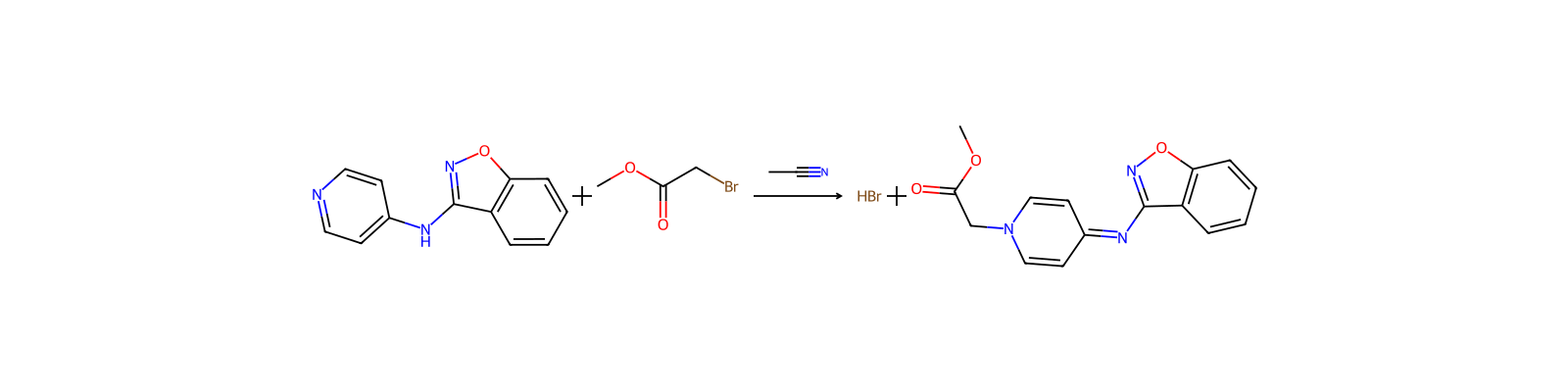
Methyl bromoacetate was used in the synthesis of novel coumarins. It was also employed in the synthesis of cis-cyclopropanes.
General Manufacturing InformationAcetic acid, 2-bromo-, methyl ester: ACTIVE
응용 분야
용도Methyl bromoacetate was used in the synthesis of novel coumarins. It was also employed in the synthesis of cis-cyclopropanes
일반 설명A colorless to straw-colored liquid with a sharp penetrating odor. Denser than water and soluble in water. Severly irritates skin and eyes. Toxic by ingestion and inhalation. Used to make vitamins and pharmaceuticals.
상·하류 제품 정보
상류 원료
하류 제품
공급사50 곳
国药集团化学试剂有限公司86-21-63210123 · [email protected]
梯希爱(上海)化成工业发展有限公司021-67121386 · [email protected]
上海阿拉丁生化科技股份有限公司400-6206333 13167063860 · [email protected]
VladaChem GmbH+49-7246-3082843 +86-18411632868 · [email protected]
河北创海生物科技有限公司+86-86-13131129325 · [email protected]
爱斯特(成都)生物制药股份有限公司+86-28-85122536 85324413 · [email protected]
Baoji Guokang Healthchem co.,ltd+8615604608665 15604608665 · [email protected]
Dayang Chem (Hangzhou) Co.,Ltd.+86-0571-88938639 17705817739 · [email protected]
南京兰亚化工贸易有限公司+86-25-8331-5620 · [email protected]
Hebei Yanxi Chemical Co., Ltd.+86-17531190177 · [email protected]
科瑞迪化学400-821-5857 021-64326257 · [email protected]
Syntechem Co.,Ltd[email protected]
上海迈瑞尔生化科技有限公司4006356688 18621169109 · [email protected]
宁波亿诺化学品有限公司86-574-27787657 · [email protected]
阿法埃莎(中国)化学有限公司400-6106006 · [email protected]
上海德默医药科技有限公司400-021-7337 2355568890 · [email protected]
安耐吉化学&3A(安徽泽升科技股份有限公司)400-0056266 · [email protected]
上海瀚鸿科技股份有限公司021-54306202 13764082696 · [email protected]
上海景颜化工科技有限公司13817811078 · [email protected]
嘉兴市艾森化工有限公司0573-85285100 18627885956 · [email protected]
上海隆盛化工有限公司58099637 13585536065 · [email protected]
山东天时利生物科技有限公司18663779269 18765889670 · [email protected]
山东西亚化学有限公司13355009207 13355009207 · [email protected]
武汉盈邦医药有限公司+86-13296627870; +86-13971566811 · [email protected]
玛雅试剂+86 (573) 82222445 (0)18006601000 452520369 · [email protected]
四川库利南科技有限公司400-1166-196 18981987031 · [email protected]
天津希恩思生化科技有限公司400 638 7771 · [email protected]
南京维奥化工有限公司Please Send Email 18652950785 · [email protected]
斯百全化学(上海)有限公司021-021-021-67601398-809-809-809 15221380277 · [email protected]
艾科试剂4008-755-333 18080918076 · [email protected]
上海思域化工科技有限公司86-21-34053660 · [email protected]
苏州思变化学技术有限公司0512-65617459 18915409046 · [email protected]
赛默飞世尔科技(中国)有限公司800-810-5118 · [email protected]
北京伊诺凯科技有限公司400-810-7969 010-59572699 · [email protected]
TCI AMERICA800-4238616 · [email protected]
TOKYO CHEMICAL INDUSTRY CO., LTD.03-36680489 · [email protected]
TCI Europe320-37350700 · [email protected]
上海贤鼎生物科技有限公司4009209199 · [email protected]
深圳康特腾科技有限公司86-0755-86635001 · [email protected]
越林试剂021-62960152 · [email protected]
无锡中坤生化科技有限公司+86 0510-85629785
上海湄水化工科技有限公司021-60549325 18616193163
安徽科迪达化工有限公司0554-2106669 · [email protected]
HBCChem, Inc.+1-510-219-6317 · [email protected]
江苏汇鸿国际集团鸿金贸易有限公司+86-025-84522992 84524602 13805186390 · [email protected]
美岚实业(上海)有限公司021-58958189 · [email protected]
上海石洋化工有限公司021-56795766 · [email protected]
上海爱蝶实业有限公司021-58957966 18930537195 · [email protected]
成都零六生物科技有限公司400-1166-196 13458535857 · [email protected]
雷丁试剂0510-85629785 18013409632 · [email protected]
관련 반응
2,470건



연결된 노트
불러오는 중…