루테늄(III) 염화물
Ruthenium trichloride

기본 정보
- CAS
10049-08-8- 표준 SMILES
[Cl][Ru]([Cl])[Cl]- InChIKey
YBCAZPLXEGKKFM-UHFFFAOYSA-K- 분자식
- Cl3Ru
- 평균 분자량
- 207.4 g/mol
- 단동위원소 질량
- 206.81090734
이름 및 식별자
- 우선 이름
- Ruthenium trichloride
- IUPAC
- trichlororuthenium
- 현지명
- 루테늄(III) 염화물
- 영어명
- Ruthenium(III) chloride
- 분자식
- RuCl3
- 분자량
- 207.43
이름 및 동의어
DTXSID101014308Ruthenium MuriaticumRefChem:57881DTXCID80227091233-167-510049-08-8Ruthenium chloride (RuCl3)Ruthenium trichlorideRY8V1UJV23TrichlororutheniumRuthenium chlorideruthenium (iii) chloride
이름 더 보기
루테늄(III)염화물루테늄(III)염화물(RUTHENIUM(III)CHLORIDE)RUTHENIUM(III) CHLORIDE ANHYDROUSRuthenic chlorideRuthenium(III) chLRuthenium(III) chlorRuthenium triehlorideRuthenium (Ⅲ) chlorideRUTHENIUM(III) CHLORIDE
Cl3Ru12648-62-3MFCD00011208RuCl3Ruthenium trichiorideRuCl3.xH2ORuthenium (III)chlorideRuthenium Chloride Powder
데이터베이스 식별자
- CAS
10049-08-8、14898-67-0- PubChem CID
- 61850
- DTXSID
DTXSID101014308- EC Number
- 233-167-5
물성
구조 계산 물성
- 극성 표면적
- 0 Ų
- 수소 결합 공여자 수
- 0
- 수소 결합 수용자 수
- 0
- 회전 가능 결합 수
- 0
- 무거운 원자 수
- 4
- 형식 전하
- 0
- 복잡도
- 8
실험 및 물리화학적 성질
Chemical ClassesMetals -> Metals, Inorganic Compounds
SpringerMaterials Propertiescrystal structure
Density3.11 @25 °C
Physical Descriptionalpha form: Black lustrous solid; beta form: Dark brown solid; [Merck Index] Black hygroscopic crystals with a pungent odor; [Alfa Aesar MSDS]
물리화학적 성질
- 녹는점
- 500 °C · 500 °C
- 밀도
- 3.11 g/mL · 3.11 g/mL at 25 °C (lit.)
- 저장 조건
- Keep in dark place,Inert atmosphere,Room temperature
- 용해도
- 2 O; · insoluble in H2O; slightly soluble in ethanol
- 물리적 상태
- 분말 또는 결정
- 색상
- 검은색
- 수소이온지수(pH)
- 1 · 1-2
- 수용성
- 불용성
- Merck
- 14 · 14,8302
- 안정성
- 안정적인. 아연과 호환되지 않습니다. 습기로부터 보호하십시오.
- 주요 응용
- PEM 연료 전지균일 촉매재료 합성 전구체
- InChI
- InChI=1S/3ClH.Ru/h3*1H;/q;;;+3/p-3
- InChIKey
- YBCAZPLXEGKKFM-UHFFFAOYSA-K
- SMILES
- [Ru](Cl)(Cl)Cl
- EPA
- Ruthenium chloride (RuCl3) (10049-08-8)
안전 및 규제
안전 정보는 참고용이며, 공급업체의 물질안전보건자료(SDS), 관련 법규 및 전문가 평가를 대체하지 않습니다.
GHS 분류
GHS Classification
Danger
H290 (18.5%): May be corrosive to metals [Warning Corrosive to Metals]
P234, P260, P264, P264+P265, P270, P273, P280, P301+P317, P301+P330+P331, P302+P361+P354, P304+P340, P305+P354+P338, P316, P317, P321, P330, P363, P390, P391, P405, P406, and P501 (click each P-code to see the statement)
Aggregated GHS information provided per 205 reports by companies from 18 notifications to the ECHA C&L Inventory. Each notification may be associated with multiple companies.
유해성 정보
Regulatory Information
Chemical: Ruthenium chloride (RuCl3)
Ruthenium chloride (RuCl3): Does not have an individual approval but may be used under an appropriate group standard
Ruthenium (III) chloride: Does not have an individual approval but may be used under an appropriate group standard
Other Safety InformationIMAP assessments - Ruthenium chloride (RuCl3): Human health tier I assessment
Hazards SummaryIntraperitoneal LD50 (rat) = 360 mg/kg; [RTECS] Causes burns; Inhalation may cause corrosive injuries to upper respiratory tract and lungs; [Alfa Aesar MSDS]
Hazard Classes and CategoriesMet. Corr. 1 (18.5%)
안전 및 보호
Protective Action Criteria (PAC)
2.2 [mg/m3]
24 [mg/m3]
140 [mg/m3]
독성 정보
Adverse EffectsDermatotoxin - Skin burns.
안전 데이터
- wgk
- 2
- tsca
- TSCA listed
- rtecs
- VM2650000
- ridadr
- UN 3260 8/PG 2
- HS 번호
- 28439000
- risk_code
- 34-52/53-22
- hazard_code
- C
- safety_code
- 26-36/37/39-45-61
- 포장분류
- III
- 위험 등급
- 8
- 기존화학 물질
- KE-30678
- Hazard Classifications
- Acute Tox. 4 OralAquatic Chronic 2Eye Dam. 1Skin Corr. 1B
- 스토리지 클래스
- 8A - Combustible corrosive hazardous materials
화학 및 산업
용도 및 제조
General Manufacturing InformationRuthenium chloride (RuCl3): ACTIVE
응용 분야
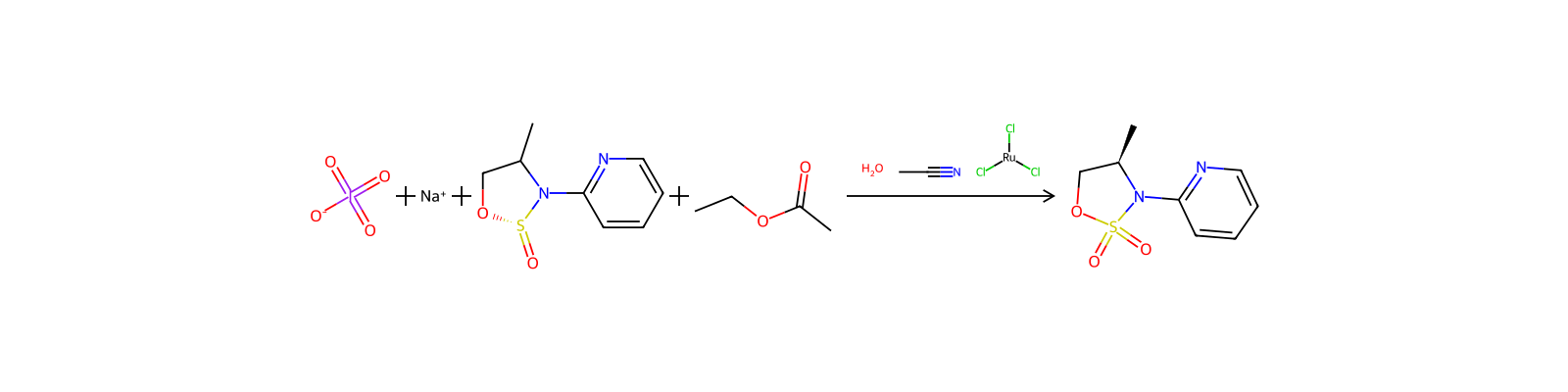
용도Ruthenium(III) chloride is widely used as a starting material of ruthenium complexes. It acts as a catalyst used in the oxidative cyclization of 1,7-dienes to oxepane diols. It is used in the hydroxylation of tertiary hydrocarbons in combination of periodate or bromate. It is involved as a catalyst in the synthesis of 2,3-pyridinedicarboxylic acid-13C3, 15N, where the unlabelled analog is an inhibitor of glucose synthesis.
제조 방법
생산 방법RuCl3, is made by direct chlorination of the metal at 700 °C (1,292 °F). Two allotropic forms result. The trihydrate is made by evaporating an HCl solution of ruthenium (III) hydroxide to dryness or reducing ruthenium (VIII) oxide in a HCl solution.
상·하류 제품 정보
상류 원료
하류 제품
관련 반응
177건







화합물 노트
불러오는 중…