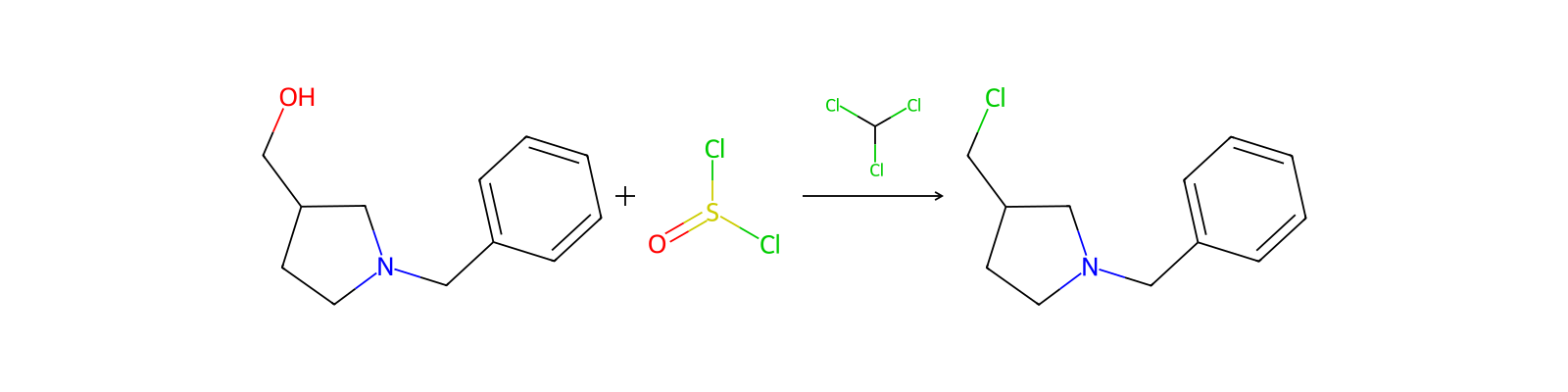

기본 정보
- 표준 SMILES
ClC(Cl)Cl- InChIKey
HEDRZPFGACZZDS-UHFFFAOYSA-N- 분자식
- CHCl3
- 평균 분자량
- 119.37 g/mol
- 단동위원소 질량
- 117.914383
이름 및 식별자
- 우선 이름
- Chloroform
- IUPAC
- chloroform
- 현지명
- 클로로포름
- 영어명
- Chloroform
- 분자식
- CHCl3
- 분자량
- 119.38
이름 및 동의어
CHLOROFORMTrichloromethane67-66-3TrichlormethanTrichloroformFormyl trichlorideMethane, trichloro-Methenyl trichlorideMethyl trichlorideMethane trichlorideChloroformeCHCl3
이름 더 보기
클로로포름R20(냉각제)메탄트리염화물(METHANETRICHLORIDE)메틸트리염화물메테닐트리염화물클로로폼트리클로로메탄트리클로로메탄,클로로포롬트리클로로포름프레온20메테닐트리클로라이드삼염화메탄TCMFisher Chemicalr20Chloroform 5g [67-66-3]
R 20 (Refrigerant)TriclorometanoCloroformioTrichloormethaanFreon 201,1,1-TrichloromethaneMethenyl chlorideRCRA waste number U044
데이터베이스 식별자
- CAS
67-66-3- PubChem CID
- 6212
- DTXSID
DTXSID1020306- ChEMBL
CHEMBL44618- ChEBI
CHEBI:35255- UNII
- 7V31YC746X
- EC Number
- 200-663-8
- Nikkaji
- J2.366C
물성
구조 계산 물성
- XLogP
- 2.3
- 극성 표면적
- 0 Ų
- 수소 결합 공여자 수
- 0
- 수소 결합 수용자 수
- 0
- 회전 가능 결합 수
- 0
- 무거운 원자 수
- 4
- 형식 전하
- 0
- 복잡도
- 8
실험 및 물리화학적 성질
LogP
log Kow = 1.97
1.97
1.97
Odor
Pleasant, etheric, nonirritating
Pleasant odor
Odor threshold: 205-307 ppm
Characteristic odor
TasteSweet taste
Density
1.4832 at 68 °F (EPA, 1998) - Denser than water; will sink
1.4788 g/cu cm at 25 °C
Density: 1.484 at 20 °C/20 °C
An alcholic solution of chloroform containing 6% by volume of chloroform, corresponding to 10.5% by weight and approximately 89% absolute alcohol by volume. Colorless, clear liquid. Chloroform odor. Density: approximately 0.85 /Spirit of chloroform/
Density (at 20 °C): 1.48 g/ml
Relative density of the vapour/air-mixture at 20 °C (air = 1): 1.7
Viscosity5.63 millipoises at 20 °C; 5.10 millipoises at 30 °C
Color/Form
Highly refractive, nonflammable, heavy, very volatile liquid
Clear, colorless liquid
Colorless, highly refractive, heavy volatile liquid.
Solubility
less than 1 mg/mL at 66 °F (NTP, 1992)
In water, 7.95X10+3 mg/L at 25 °C
Highly soluble in water
One mL dissolves in about 200 mL water at 25 °C
Miscible with alcohol, benzene, ether, petroleum ether, carbon tetrachloride, carbon disulfide, oils
For more Solubility (Complete) data for Chloroform (6 total), please visit the HSDB record page.
CorrosivityLiquid chloroform will attack some forms of plastics, rubber, and coatings.
Flash PointNone (EPA, 1998)
Boiling Point
143 °F at 760 mmHg (EPA, 1998)
61.12 °C
61.00 to 62.00 °C. @ 760.00 mm Hg
62 °C
143 °F
61.17 °C @760 [mm Hg]
Decomposition
When heated to decomposition forms phosgene gas.
The products of oxidative breakdown include phosgene, hydrogen chloride, chlorine, carbon dioxide, and water.
On prolonged heating with water at 225 °C, decomp to formic acid, carbon monoxide, and hydrogen chloride occurs.
Hazardous decomposition products formed under fire conditions. - Carbon oxides, Hydrogen chloride gas
...If involved in a fire, reacts to produce hydrogen chloride and phosgene.
Melting Point
-82.3 °F (EPA, 1998)
-63.47 °C
-63.2 °C
-64 °C
-82 °F
-63.41 °C
물리화학적 성질
- 녹는점
- -63 °C · -63 °C
- 끓는 점
- 61 °C · 61 °C
- 밀도
- 1.492 g/mL · 1.492 g/mL at 25 °C(lit.)
- 증기 밀도
- 4.1 · 4.1 (vs air)
- 증기압
- 160 mm · 160 mm Hg ( 20 °C)
- 굴절률
- 20 · n20/D 1.445(lit.)
- 인화점
- 60.5 · 60.5-61.5°C
- 저장 조건
- 2 · 2-8°C
- 용해도
- 디에틸 에테르, 오일, 리그로인, 알코올, 사염화탄소 및 이황화탄소와 혼합 가능합니다.
- 산도 계수 (pKa)
- 15 · 15,5(at 25℃)
- 물리적 상태
- 액체
- 색상
- 10 · ≤10(APHA)
- 냄새
- 133 · 133~276ppm(평균 = 192ppm)에서 감지 가능한 미묘하고 달콤한 냄새
- Odor Threshold
- 3.8 ppm · 3.8ppm
- 수용성
- 8 g/L · 8g/L(20℃)
- 비열
- 0.96 J/ · Cp(liquid): 0.96 J/(g·K); Cp(gas): 0.55 J/(g·K), at 25℃
- Merck
- 14 · 14,2141
- BRN
- 1731042 · 1731042
- Henry's Law Constant
- 1.07 at · 1.07 at 2 °C, 1.49 at 6 °C, 1.79 at 10 °C, 3.02 at 18 °C, 4.02 at 25 °C, 5.20 at 30 °C, 7.60 at 40 °C, 11.1 at 50 °C, 14.8 at 60 °C (EPICS-SPME-GC, Grgényi et al., 2002))
- Dielectric constant
- 5.5 · 5.5(0℃)
- 안정성
- 휘발성 물질
- 화장품 원료 기능
- 용제
- InChI
- 1S/CHCl3/c2-1(3)4/h1H
- InChIKey
- HEDRZPFGACZZDS-UHFFFAOYSA-N
- SMILES
- ClC(Cl)Cl
- LogP
- 1.97 · 1.970
- 표면장력
- 27.5 mN/m · 27.5mN/m at 20°C
- NIST
- Chloroform(67-66-3)
- EPA
- Chloroform (67-66-3)
화학적 성질
Chloroform is a noncombustible, clear, colorless liquid with a pleasant, sweet odor. The Odor Threshold is 12 ppm.
안전 및 규제
GHS 분류
GHS Classification
Danger
H302: Harmful if swallowed [Warning Acute toxicity, oral];H315: Causes skin irritation [Warning Skin corrosion/irritation];H319: Causes serious eye irritation [Warning Serious eye damage/eye irritation];H331: Toxic if inhaled [Danger Acute toxicity, inhalation];H351: Suspected of causing cancer [Warning Carcinogenicity];H361d: Suspected of damaging the unborn child [Warning Reproductive toxicity];H372: Causes damage to organs through prolonged or repeated exposure [Danger Specific target organ toxicity, repeated exposure]
P203, P260, P261, P264, P264+P265, P270, P271, P280, P301+P317, P302+P352, P304+P340, P305+P351+P338, P316, P318, P319, P321, P330, P332+P317, P337+P317, P362+P364, P403+P233, P405, and P501 (click each P-code to see the statement)
This chemical does not meet GHS hazard criteria for < 0.1% (1 of 1499) of reports.
유해성 정보
Regulatory Information
Chemical: Methane, trichloro-
Hazard Traits - Carcinogenicity; Cardiovascular Toxicity; Developmental Toxicity; Hepatotoxicity and Digestive System Toxicity; Nephrotoxicity and Other Toxicity to the Urinary System; Neurotoxicity; Reproductive Toxicity; Respiratory Toxicity;Authoritative List - ATSDR Neurotoxicants; CA TACs; CWA 303(c); CWA 303(d); IARC Carcinogens - 2B; IRIS Carcinogens - Likely Carcin.; NTP RoC - reasonable; OEHHA RELs; Prop 65;Report - regardless of intended function of ingredient in the product
Methane, trichloro- is listed on the EPA's Chemical Data Reporting (CDR) system. Manufacturers and importers of Methane, trichloro- are required to report information about their production and use of this chemical to the EPA under the Toxic Substances Control Act (TSCA). (40 eCFR Part 711)
Status: Active Update: 27-10-2022 https://echa.europa.eu/registration-dossier/-/registered-dossier/14963
Restricted substance: Chloroform;EC: 200-663-8;Restriction condition document: PDF link
Chloroform: HSNO Approval: HSR002937 Approved with controls
Other Safety InformationIMAP assessments - Methane, trichloro-: Human health tier II assessment
DOT LabelPoison
Fire Hazards
Container may explode in the heat of fire. When heated it liberates phosgene, hydrogen chloride, chlorine and toxic and corrosive oxides of carbon and chlorine. Chloroform explodes when in contact with aluminum powder or magnesium powder or with alkali metals (e.g., lithium, sodium, and potassium) and dinitrogen tetroxide. It reacts vigorously with acetone in the presence of potassium hydroxide or calcium hydroxide. It is oxidized by strong oxidizers such as chromic acid forming phosgene and chlorine. It reacts vigorously with triisopropylphosphine. It develops acidity from prolonged exposure to air and light. (EPA, 1998)
· Non-combustible, substance itself does not burn but may decompose upon heating to produce corrosive and/or toxic fumes.;· Containers may explode when heated.;· Runoff may pollute waterways.
Not combustible. Gives off irritating or toxic fumes (or gases) in a fire. Risk of fire and explosion on contact with incompatible substances. See Chemical Dangers.
Fire PotentialNot combustible.
Health Hazards
It is classified as moderately toxic. Probable oral lethal dose for humans is 0.5 to 5 g/kg (between 1 ounce and 1 pint) for a 150 lb. person. The mean lethal dose is probably near 1 fluid ounce (44 g). It is a human suspected carcinogen. Also, it is a central nervous system depressant and a gastrointestinal irritant. It has caused rapid death attributable to cardiac arrest and delayed death from liver and kidney damage. (EPA, 1998)
· Highly toxic, may be fatal if inhaled, ingested or absorbed through skin.;· Avoid any skin contact.;· Fire may produce irritating, corrosive and/or toxic gases.;· Runoff from fire control or dilution water may be corrosive and/or toxic and cause environmental contamination.
Hazards Summary
Chloroform is a colorless liquid with a pleasant, nonirritating odor and a slightly sweet taste. It will burn only when it reaches very high temperatures. In the past, chloroform was used as an inhaled anesthetic during surgery, but it isn't used that way today. Today, chloroform is used to make other chemicals and can also be formed in small amounts when chlorine is added to water. Other names for chloroform aretrichloromethaneandmethyl trichloride.
Chloroform may be released to the air as a result of its formation in the chlorination of drinking water, wastewater and swimming pools. Other sources include pulp and paper mills, hazardous waste sites, and sanitary landfills. The major effect from acute (short-term) inhalation exposure to chloroform is central nervous system depression. Chronic (long-term) exposure to chloroform by inhalation in humans has resulted in effects on the liver, including hepatitis and jaundice, and central nervous system effects, such as depression and irritability. Chloroform has been shown to be carcinogenic in animals after oral exposure, resulting in an increase in kidney and liver tumors. EPA has classified chloroform as a Group B2, probable human carcinogen.
Anesthesia is produced at concentrations of 10,000 ppm. Laboratory animals develop dose-dependent hepatic necrosis. Chloroform is embryotoxic in high-dose inhalation studies of pregnant rats. [ACGIH] Chloroform is in the list of Some volatile substances which may be abused by inhalation published on the web site of the U.N. International Drug Control Programme, indicating its potential to cause narcosis in workers. [Reference #1] Acute exposure to high concentrations of chloroform can cause liver and kidney injury, but much less than that caused by carbon tetrachloride. [Rosenstock, p. 575]
The major hazards encountered in the use and handling of chloroform stem from its toxicologic properties. Toxic effects may be exerted from all routes of exposure (ie, ingestion, dermal, or inhalation). Aside from possible contact burns or irritation to the skin and eyes, the range of acute effects from exposure to chloroform include dizziness, headache, nausea, CNS depression, cardiac arrhythmia, and death. Chronic exposure may result in damage (sometimes fatal) to the liver and kidneys. OSHA has set the PEL at 50 ppm, while the ACGIH recommends a TLV of 10 ppm. These levels notwithstanding, contact with chloroform also should be protected against by wearing impervious clothing (PVC and rubber are not suitable), and a full facepiece self-contained breathing apparatus operated in positive pressure mode. Non-impervious clothing which becomes wet with chloroform should be promptly removed and any contaminated skin washed with soap and water. Only authorized personnel should be permitted in areas where chloroform exposure may occur. Chloroform will not ignite easily, but it may burn with the emission of highly toxic (eg, phosgene) and irritating gases. If chloroform is involved in a fire, extinguish the fire using an agent suitable for the type surrounding material. Wear protective equipment as stated above. Fire-control water should be diked, as necessary, to prevent chloroform from entering water sources and sewers. Chloroform reacts explosively with chemically-reactive metals (eg, aluminum or magnesium powder, sodium, and lithium), strong oxidizers, and strong caustics (eg, alkalis), and decomposes in sunlight. Therefore, chloroform should be stored away from such materials and in a dark, cool, dry, well-ventilated area. While chloroform has a pleasant, etheric odor, this clear, colorless liquid also has the ability to cause olfactory fatigue and, therefore, warning of its presence is not assured. For this reason, and because its decomposition by prolonged exposure
DOT ID and Guide
1888 151
1888 151
FDA Requirements
The following drug products were withdrawn or removed from the market because such drug products or components of such drug products have been found to be unsafe or not effective. The following drug products may not be compounded under the exemptions provided by section 503A(a) or section 503B(a) of the Federal Food, Drug, and Cosmetic Act. All drug products containing chloroform is included on this list.
Use of chloroform as an ingredient in cosmetic products. (a) Chloroform has been used as an ingredient in cosmetic products. Recent information has become available associating chloroform with carcinogenic effects in animals. Studies conducted by the National Cancer Institute have demonstrated that the oral administration of chloroform to mice and rats induced hepatocellular carcinomas (liver cancer) in mice and renal tumors in male rats. Scientific literature indicates that chloroform is absorbed from the gastrointestinal tract, through the respiratory system, and through the skin. The Commissioner concludes that, on the basis of these findings, chloroform is a deleterious substance which may render injurious to users any cosmetic product that contains chloroform as an ingredient. (b) Any cosmetic product containing chloroform as an ingredient is adulterated and is subject to regulatory action under sections 301 and 601(a) of the Federal Food, Drug, and Cosmetic Act. Any cosmetic product containing chloroform in residual amounts from its use as a processing solvent during manufacture, or as a byproduct from the synthesis of an ingredient, is not, for the purpose of this section, considered to contain chloroform as an ingredient.
Chloroform is an indirect food additive for use only as a component of adhesives.
Reactive GroupHalogenated Organic Compounds
UN ClassificationUN Hazard Class: 6.1; UN Pack Group: III
Special Reports
USEPA; Locating and Estimating Air Emissions from Sources of Chloroform (1984) EPA 450/4-84-007c
USEPA; Ambient Water Quality Criteria Doc: Chloroform (1980) EPA 440/5-80-033
WHO; Concise International Chemical Assessment Document 58-Chloroform. (2004).[Available from, as of January 2, 2018: http://www.inchem.org/documents/cicads/cicads/cicad58.htm]
World Health Organization; Environmental Health Criteria 216: Disinfectants and Disinfectant By-Products (2000).[Available from, as of January 2, 2018: http://www.inchem.org/documents/ehc/ehc/ehc216.htm]
For more Special Reports (Complete) data for Chloroform (7 total), please visit the HSDB record page.
안전 및 보호
Fire Fighting
Wear self-contained breathing apparatus and special protective clothing. Move container from fire area. Fight fire from maximum distance. Dike fire control water for later disposal; do not scatter the material.;Extinguish with dry chemical, carbon dioxide, water spray, fog or foam. (EPA, 1998)
In case of fire in the surroundings, use appropriate extinguishing media. In case of fire: keep drums, etc., cool by spraying with water.
First Aid Measures
Fresh air, rest. Artificial respiration may be needed. Refer for medical attention.
Remove contaminated clothes. Rinse skin with plenty of water or shower. Refer for medical attention .
First rinse with plenty of water for several minutes (remove contact lenses if easily possible), then refer for medical attention.
Do NOT induce vomiting. Rinse mouth. Give nothing to drink. Refer for medical attention .
Accidental Release Measures
· CALL 911. Then call emergency response telephone number on shipping paper. If shipping paper not available or no answer, refer to appropriate telephone number listed on the inside back cover.;· Keep unauthorized personnel away.;· Stay upwind, uphill and/or upstream.
· Do not touch damaged containers or spilled material unless wearing appropriate protective clothing.;· Stop leak if you can do it without risk.;· Prevent entry into waterways, sewers, basements or confined areas.;· Cover with plastic sheet to prevent spreading.;· Absorb or cover with dry earth, sand or other non-combustible material and transfer to containers.;· DO NOT GET WATER INSIDE CONTAINERS.;· For solids, prevent dust cloud and avoid inhalation of dust.
First Aid
Signs and Symptoms of Chloroform Exposure: Signs and symptoms of acute exposure to chloroform vapor may include conjunctivitis and blepharospasm (twitching of the eyelid). Burning pain and corneal epithelium injury may occur from chloroform liquid splashed in the eye. Acute exposure may also lead to respiratory depression, chemical pneumonitis, pulmonary edema, metabolic acidosis, central nervous system depression, headache, fatigue, and dizziness. Gastrointestinal signs and symptoms include nausea, vomiting, salivation, anorexia, and gastrointestinal irritation. Cardiac arrhythmias and cardiac arrest have been reported.;Emergency Life-Support Procedures: Acute exposure to chloroform may require decontamination and life support for the victims. Emergency personnel should wear protective clothing appropriate to the type and degree of contamination. Air-purifying or supplied-air respiratory equipment should also be worn, as necessary. Rescue vehicles should carry supplies such as plastic sheeting and disposable plastic bags to assist in preventing spread of contamination.;Inhalation Exposure:;1. Move victims to fresh air. Emergency personnel should avoid self-exposure to chloroform.;2. Evaluate vital signs including pulse and respiratory rate, and note any trauma. If no pulse is detected, provide CPR. If not breathing, provide artificial respiration. If breathing is labored, administer oxygen or other respiratory support.;3. Obtain authorization and/or further instructions from the local hospital for performance of invasive procedures.;4. Transport to a health care facility.;Dermal/Eye Exposure:;1. Remove victims from exposure. Emergency personnel should avoid self-exposure to chloroform.;2. Evaluate vital signs including pulse and respiratory rate, and note any trauma. If no pulse is detected, provide CPR. If not breathing, provide artificial respiration. If breathing is labored, administer oxygen or other respiratory support.;3. Remove and isolate contaminated clothing as soon as possible.;4. If eye exposure has occurred, eyes must be flushed with lukewarm water for at least 30 minutes.;5. Wash exposed skin areas thoroughly with water.;6. Obtain authorization and/or further instructions from the local hospital for performance of other invasive procedures.;7. Transport to a health care facility.;Ingestion Exposure:;1. Evaluate vital signs including pulse and respiratory rate, and note any trauma. If no pulse is detected, provide CPR. If not breathing, provide artificial respiration. If breathing is labored, administer oxygen or other respiratory support.;2. DO NOT induce vomiting.;3. Obtain authorization and/or further instructions from the local hospital for administration of an antidote or performance of other invasive procedures.;4. Activated charcoal may be administered if victims are conscious and alert. Use 15 to 30 g (1/2 to 1 oz) for children, 50 to 100 g (1-3/4 to 3-1/2 oz) for adults, with 125 to 250 mL (1/2 to 1 cup) of water.
General First Aid:;· Call 911 or emergency medical service.;· Ensure that medical personnel are aware of the material(s) involved, take precautions to protect themselves and avoid contamination.;· Move victim to fresh air if it can be done safely.;· Administer oxygen if breathing is difficult.;· If victim is not breathing:;-- DO NOT perform mouth-to-mouth resuscitation; the victim may have ingested or inhaled the substance.;-- If equipped and pulse detected, wash face and mouth, then give artificial respiration using a proper respiratory medical device (bag-valve mask, pocket mask equipped with a one-way valve or other device).;-- If no pulse detected or no respiratory medical device available, provide continuous compressions. Conduct a pulse check every two minutes or monitor for any signs of spontaneous respirations.;· Remove and isolate contaminated clothing and shoes.;· For minor skin contact, avoid spreading material on unaffected skin.;· In case of contact with substance, remove immediately by flushing skin or eyes with running water for at least 20 minutes.;· For severe burns, immediate medical attention is required.;· Effects of exposure (inhalation, ingestion, or skin contact) to substance may be delayed.;· Keep victim calm and warm.;· Keep victim under observation.;· For further assistance, contact your local Poison Control Center.;· Note: Basic Life Support (BLS) and Advanced Life Support (ALS) should be done by trained professionals.;In Canada, an Emergency Response Assistance Plan (ERAP) may be required for this product. Please consult the shipping paper and/or the "ERAP" section.
(General first aid procedures);Eye: Irrigate immediately - If this chemical contacts the eyes, immediately wash (irrigate) the eyes with large amounts of water, occasionally lifting the lower and upper lids. Get medical attention immediately.;Skin: Soap wash promptly - If this chemical contacts the skin, promptly wash the contaminated skin with soap and water. If this chemical penetrates the clothing, promptly remove the clothing and wash the skin with soap and water. Get medical attention promptly.;Breathing: Respiratory support;Swallow: Medical attention immediately - If this chemical has been swallowed, get medical attention immediately.
Safe StorageStore only in original container. Separated from food and feedstuffs and incompatible materials. See Chemical Dangers. Ventilation along the floor. Store in an area without drain or sewer access.
Exposure Control and Personal Protection
· Wear positive pressure self-contained breathing apparatus (SCBA).;· Wear chemical protective clothing that is specifically recommended by the manufacturer when there is NO RISK OF FIRE.;· Structural firefighters' protective clothing provides thermal protection but only limited chemical protection.
0.5 [ppm]
Fire Fighting Procedures
Suitable extinguishing media: Use water spray, alcohol-resistant foam, dry chemical or carbon dioxide. Advice for firefighters: Wear self-contained breathing apparatus for firefighting if necessary.
Use water spray to keep fire-exposed containers cool. Extinguish fire using agent suitable for surrounding fire.
Storage Conditions
Keep in tightly closed containers; storage code: LI
Store in cool, dry, well-ventilated location. Separate from strong alkalis and strong mineral acids.
Glass containers should be dark green or amber. Technical-grade chloroform can be stored in lead-lined or mild steel containers of all-welded construction. When storage vessels are made of unlined steel, precautions are needed to prevent the entry of moisture.
Preserve ... at a temp not exceeding 30 °C.
For more Storage Conditions (Complete) data for Chloroform (6 total), please visit the HSDB record page.
Cleanup Methods
1. Ventilate area of spill or leak. 2. Collect for reclamation or absorb in vermiculite, dry sand, earth, or a similar material.
Do not touch spilled material. Use water spray to reduce vapors. For small spills, take up with absorbent material then flush area with water. For large spills, dike far ahead.
PRECAUTIONS FOR "CARCINOGENS": A high-efficiency particulate arrestor (HEPA) or charcoal filters can be used to minimize amt of carcinogen in exhausted air ventilated safety cabinets, lab hoods, glove boxes or animal rooms ... Filter housing that is designed so that used filters can be transferred into plastic bag without contaminating maintenance staff is avail commercially. Filters should be placed in plastic bags immediately after removal. ... The plastic bag should be sealed immediately. ... The sealed bag should be labelled properly ... Waste liquids ... should be placed or collected in proper containers for disposal. The lid should be secured & the bottles properly labelled. Once filled, bottles should be placed in plastic bag, so that outer surface ... is not contaminated. ... The plastic bag should also be sealed & labelled. ... Broken glassware ... should be decontaminated by solvent extraction, by chemical destruction, or in specially designed incinerators. /Chemical Carcinogens/
Approach release from upwind. Stop or control the leak, if this can be done without undue risk. Control runoff and isolate discharged material for proper disposal.
ACCIDENTAL RELEASE MEASURES; Personal precautions, protective equipment and emergency procedures: Wear respiratory protection. Avoid breathing vapors, mist or gas. Ensure adequate ventilation. Evacuate personnel to safe areas. Environmental precautions: Prevent further leakage or spillage if safe to do so. Do not let product enter drains. Discharge into the environment must be avoided. Methods and materials for containment and cleaning up: Soak up with inert absorbent material and dispose of as hazardous waste. Keep in suitable, closed containers for disposal.
Nonfire Spill Response
Excerpt from ERG Guide 151 [Substances - Toxic (Non-Combustible)]:;Do not touch damaged containers or spilled material unless wearing appropriate protective clothing. Stop leak if you can do it without risk. Prevent entry into waterways, sewers, basements or confined areas. Cover with plastic sheet to prevent spreading. Absorb or cover with dry earth, sand or other non-combustible material and transfer to containers. DO NOT GET WATER INSIDE CONTAINERS. For solids, prevent dust cloud and avoid inhalation of dust. (ERG, 2024)
Disposal Methods
Generators of waste (equal to or greater than 100 kg/mo) containing this contaminant, EPA hazardous waste number U044 and D022, must conform with USEPA regulations in storage, transportation, treatment and disposal of waste.
SRP: Wastewater from contaminant suppression, cleaning of protective clothing/equipment, or contaminated sites should be contained and evaluated for subject chemical or decomposition product concentrations. Concentrations shall be lower than applicable environmental discharge or disposal criteria. Alternatively, pretreatment and/or discharge to a permitted wastewater treatment facility is acceptable only after review by the governing authority and assurance that "pass through" violations will not occur. Due consideration shall be given to remediation worker exposure (inhalation, dermal and ingestion) as well as fate during treatment, transfer and disposal. If it is not practicable to manage the chemical in this fashion, it must be evaluated in accordance with EPA 40 CFR Part 261, specifically Subpart B, in order to determine the appropriate local, state and federal requirements for disposal.
Group I Containers: Combustible containers from organic or metallo-organic pesticides (except organic mercury, lead, cadmium, or arsenic compounds) should be disposed of in pesticide incinerators or in specified landfill sites. /Organic or metallo-organic pesticides/ product, or to a drum reconditioner for reuse with the same type of pesticide product, if such reuse is legal under Department of Transportation regulations (eg 49 CFR 173.28). Containers that are not to be reused should be punctured ... and transported to a scrap metal facility for recycling, disposal or burial in a designated landfill. /Organic or metallo-organic pesticides/
Group II Containers: Non-combustible containers from organic or metallo-organic pesticides (except organic mercury, lead, cadmium, or arsenic compounds) must first be triple-rinsed. Containers that are in good condition may be returned to the manufacturer or formulator of the pesticide product, or to a drum reconditioner for reuse with the same type of pesticide product, if such reuse is legal under Department of Transportation regulations (eg 49 CFR 173.28). Containers that are not to be reused should be punctured ... and transported to a scrap metal facility for recycling, disposal or burial in a designated landfill. /Organic or metallo-organic pesticides/
For more Disposal Methods (Complete) data for Chloroform (16 total), please visit the HSDB record page.
Spillage Disposal
Evacuate danger area! Consult an expert! Personal protection: complete protective clothing including self-contained breathing apparatus. Do NOT let this chemical enter the environment. Collect leaking liquid in sealable containers. Absorb remaining liquid in sand or inert absorbent. Then store and dispose of according to local regulations.
독성 정보
Toxicological InformationCDC-ATSDR Toxicological Profile
Body Burden
Chloroform was detected, not quantified, in 7 of 8 mothers' milk samples analyzed at four urban sites in the US(1). A median chloroform concentration of 0.55 ng/mL was reported in breast milk samples collected May to July 2005 from three residents within nonsmoking households in inner-city Baltimore, MD(2). Chloroform concentrations in body fat and various organs collected from eight English individuals were 5-68 and 1-10 ppb, respectively(3). In blood samples collected from 979 non-occupationally exposed people, chloroform was detected in 54% at levels greater than the detection limit of 0.021 ppb(4). Chloroform was found in the blood of bath attendants at 0.13-2.45 ug/L and in swimmers at 0.56-5.23 ug/L at pools located in Hessia, Germany(5). In an EPA Region 5 Survey (Illinois, Indiana, Ohio, Michigan, Minnesota, Wisconsin), taken July 1995 through May 1997, chloroform was found at a mean value of 0.07 ug/L in 40.9% of 125 blood samples(6). Chloroform was found in blood of women in Cobb County, Georgia at an average level of 25 ppb before showering and 57 ppb after showering(7). Chloroform was also found in blood of women from Corpus Christi, Texas at an average level of 70 ppb before showers and an after shower level of 280 ppb(7). Chloroform was found in blood of women in Cobb County, Georgia at levels of 0.037-0.170 ug/L before showering and 0.130->0.430 ug/L after showering(8). Chloroform was also found in blood of women from Corpus Christi, Texas at before shower levels of 0.009->0.430 ug/L and after shower levels from 0.025->0.430 ug/L(8). Chloroform was detected in 8 of 16 blood samples collected the spring of 1993 from residents of Brownsville, TX at a median concentration of 0.02 ug/L and 638 of 1100 blood samples collected by the Third National Health and Nutrition Examination Survey at 0.02 ug/L(9). Chloroform was detected in blood samples collected from 249 adults during the 1999-2000 US National Health and Nutrition Examination Survey at 0.006-0.455
In samples collected July 1978 from 9 individuals living near Old Love Canal, Niagara Falls, NY, chloroform was detected at the following concentrations(1):[Table#142]
The largest existing data set on chloroform concns in the body has been provided by the TEAM Study measurements of exhaled breath. About 800 people provided more than 1250 breath samples with mean concns generally in the range of 0.5-3 ug/cu m with generally lower levels in California compared with other sites (New Jersey, Maryland, North Dakota, and North Carolina). In a study of 163 people at indoor swimming pools, exposed individuals had a mean chloroform concn in the higher alveolar of 83 ug/cu m. Breath exposures were also studied from a single subject who swam for 30 mins on 3 occasions, rested in the water for the same length of time on one occasion and stayed near the pool but out of the water for 30 mins on the final occasion. Pre-exposure breath concns were less than 2 ug/cu m on all occasions, rising to 15 to 25 ug/cu m 2.5 mins after completing the swimming periods, but only to 11 mg/cu m after the poolside exposure period. A study of chloroform found in blood revealed that out of 979 people sampled between 1988-1992, the mean chloroform concn was 0.0444 ng/mL. This suggests that a large percentage of the U.S. population is exposed to chloroform, but that very large exposures are rare. Chloroform was also detected in 40 out of 42 breast milk samples at levels ranging from 0.1 to 65 ng/mL from nursing mothers in two New Jersey hospitals and from three other hospitals in Pennsylvania, Louisiana, and West Virginia(1).
Chloroform was detected at concentration ranges of 41-239, 49-354, 60-417 ug/L in alveolar air of 52 competitive swimmers after 15, 35 and 60 minutes exposure, respectively(1). In the breath of NJ residence, chloroform was detected at mean concentrations 4.0 and 54 ug/cu m <5 minutes after showering, at 1.5 and 134 ug/cu m between 5-20 minutes after showering, and at 1 and 20 ug/cu m at >20 minutes after showering using water with low and high chloroform concentrations, respectively(2). Chloroform was detected in alveolar air of swimmers before and after swimming at concentrations of 29.4 and 76.5 ug/cu m, respectively(3). Chloroform was detected in 32 of 32 alveolar air samples taken in swimmers at an average of 18.7 ug/cu m(4).
For more Body Burden (Complete) data for Chloroform (6 total), please visit the HSDB record page.
TreatmentThere is no known antidote for chloroform. Exposure is usually handled with symptomatic treatment. (L13)
Cancer Sites
Hepatic
[in animals: liver & kidney cancer]
Interactions
One serious drug interaction involves sensitization of myocardium to catecholamines by ... halogenated hydrocarbon anesthetics (eg, chloroform ...) In presence of these anesthetics, admin of epinephrine, isoproterenol, or levarterenol markedly incr incidence of cardiac arrhythmias.
Effects /of chloroform/ on liver & kidneys are exaggerated by ... ingestion of alcoholic beverages.
... DDT & phenobarbitone potentiated chloroform-induced liver damage in rats...
Admin of Kepone (chlordecone) resulted in marked potentiation of chloroform induced hepatotoxicity whereas pretreatment with Mirex had no effect on liver injury.
For more Interactions (Complete) data for Chloroform (34 total), please visit the HSDB record page.
Target Organs
Cancer, Dermal (Skin), Hepatic (Liver), Neurological (Nervous System), Renal (Urinary System or Kidneys)
Hepatic
Liver, kidneys, heart, eyes, skin, central nervous system
Health Effects
Chronic exposure to chloroform causes liver and kidney damage. It has also been shown to have detrimental reproductive and developmental effects. Skin contact with large amounts of chloroform results in sores. Inhaling large amounts of chloroform can cause central nervous system and respiratory depression, and may be fatal. (L13)
Ecotoxicity Values
LC50; Species: Eisenia fetida (Earthworm) adult, weight 300-500 mg; dermal (using filter paper) 111 ug/sq cm for 48 hr (95% confidence interval: 103-122 ug/sq cm) /> or =98% purity/
LC50; Species: Penaeus duorarum (Pink shrimp); Conditions: static; Concentration: 81,500 ug/L for 96 hr
EC50; Species: Scenedesmus subspicatus (Green algae) log growth phase; Conditions: freshwater, static, 24 °C, pH 8.0-9.3; Concentration: 560000 ug/L for 48 hr; Effect: decreased population biomass /formulation/
EC50; Species: Scenedesmus subspicatus (Green algae) log growth phase; Conditions: freshwater, static, 24 °C, pH 8.0-9.3; Concentration: 950000 ug/L for 48 hr; Effect: population changes, general /formulation/
For more Ecotoxicity Values (Complete) data for Chloroform (89 total), please visit the HSDB record page.
Environmental Fate
TERRESTRIAL FATE: Based on a classification scheme(1), Koc values of 34-196(2-3), indicate that chloroform is expected to have high to moderate mobility in soil(SRC). Volatilization of chloroform from moist soil surfaces is expected(SRC) given a Henry's Law constant of 3.67X10⁻³ atm-cu m/mole(4). Chloroform is expected to volatilize from dry soil surfaces(SRC) based upon a vapor pressure of 197 mm Hg(5). In a study of chloroform residence time in soils, chloroform was found to have a half-life of 0.3 days when applied 1 cm deep into soil and 1.4 days when applied 10 cm deep, classifying it as "very short lived", mostly due to volatilization(6). Under aerobic conditions, little or no degradation of chloroform is reported up to 25 wk(7-9). Studies have demonstrated that at low concentrations, chloroform can be anaerobically degraded by methanogenic bacteria in the presence of a primary substrate such as acetic acid(10) and even better under sulfate reducing conditions(11). A 0% of Theoretical BOD using activated sludge in the Japanese MITI test(12) suggests that biodegradation is not an important environmental fate process in soil(SRC).
AQUATIC FATE: Based on a classification scheme(1), Koc values of 34-196(2-3), indicate that chloroform is expected to adsorb to suspended solids and sediment(SRC). Volatilization from water surfaces is expected(3) based upon a Henry's Law constant of 3.67X10⁻³ atm-cu m/mole(4). Using this Henry's Law constant and an estimation method(3), volatilization half-lives for a model river and model lake are 3.5 hours and 4.4 days, respectively(SRC). In a field study of chloroform volatilization, it was found that the volatilization half-life from the Rhine River was 1.2 days while in a lake located in the Rhine basin the half-life was 31 days(5). Chloroform is not expected to undergo hydrolysis in the environment base upon estimated hydrolysis half-lives of 3400 and 340 years at pH values of 7 and 8, respectively(6). According to a classification scheme(7), BCFs of 1.4-10.35 measured in various fish(8-10), suggest the bioconcentration in aquatic organisms is low. Chloroform was not degraded aerobically or anaerobically in an aquifer storage and recovery site(11). Chloroform had influent concentrations of 15,250 and <5.0 ug/L and effluent concentrations of <14 and <5.0 ug/L using an activated sludge with a daily mass loading of COD/bacterial mass ratios of 0.3 and 0.6, respectively(12). [
ATMOSPHERIC FATE: According to a model of gas/particle partitioning of semivolatile organic compounds in the atmosphere(1), chloroform, which has a vapor pressure of 197 mm Hg at 25 °C(2), is expected to exist solely as a vapor in the ambient atmosphere. Vapor-phase chloroform is degraded in the atmosphere by reaction with photochemically-produced hydroxyl radicals(SRC); the half-life for this reaction in air is estimated to be 156 days(SRC), calculated from its rate constant of 1.03X10⁻¹³ cu cm/molecule-sec at 25 °C(3). The tropospheric half-life for chloroform has been estimated at 3 years(4).
Food Survey Values
In pilot market basket survey of 4 food groups at 5 sites, the results for chloroform were: dairy composite 17 ppb (1 of 5 sites), meat composite - not detected; oil and fat composite - trace (1 of 5 sites); beverage composite 6-32 ppb (4 of 5 sites); high values for individual foods were soft drinks 9-178 ppb; butter 56 ppb; cheese 15-17 ppb; mayonaise 34 ppb(1). England: various samples of food including dairy products, eggs, bread, meat, oils and fats, beverages, fruits and vegetables 0.4-33 ppb, cheese, butter and tea were high(2). Residues were found in fumigated sorghum, barley and corn but generally disappeared within 60 days when aired at 17 °C(3). Thirty-five of 61 beverage samples contained chloroform at a maximum concentration of 45.6 ug/L(4). Chloroform was detected at <0.1-53.5 ppb in bean-curd and <0.1-11.6 ppb in bean-curd and water in packaging(5). Food consumed by 30 Japanese housewives in summer and winter contained chloroform concentrations of 24.0 ng/g and 18.2 ng/g in Nagoya, and winter food concentrations consumed by 30 housewives from Yokohama contained 17.2 ng/g of chloroform(6). A median chloroform concentration of 0.55 ng/mL was reported in breast milk samples collected May to July 2005 from three residents within nonsmoking households in inner-city Baltimore, MD(7).
Chloroform concentrations in food in a five year study (1996-2000) from supermarkets across the US were(1):[Table#157]
A pilot study was conducted in 1980 to measure chloroform in five "Market Basket" food samples collected from grocery stores in New Jersey, North Carolina, and Washington, DC. Chloroform concns in cola soft drinks averaged 49 ug/L while in non-cola soft drinks 11 ug/L. A typical chloroform level in soft drinks is about 23 ug/L. One of the five dairy composites also contained chloroform: milk and cheese averaged 4 ng/g and one butter sample contained 12 ng/g. Ice cream and mayonnaise also contained chloroform at 12 and 23 ng/g, respectively. Another FDA study of VOCs in margarines detected chloroform in 5 of 18 samples collected at stores and in 13 of 19 finished products collected at manufacturing plants. It was determined that VOCs migrated from the packaging glues into the margarine. In a study of 18 table-ready food items, ten contained chloroform with the highest levels occurring in butter 670 ng/g, Cheddar cheese 80 ng/g, granola 57 ng/g, and peanut butter 29 ng/g. Mean values of 14 samples of butter was 364 ng/g; 8 samples of cheese 182 ng/g; 11 samples of cereal 60 ng/g; 7 samples of peanut butter 51.3 ng/g; and 12 samples of highly processed foods 122 ng/g. The sources of chloroform in food are not clearly understood; however, migration of chloroform from packaging solvents, glues, and inks has been documented(1).
Adverse Effects
Neurotoxin - Acute solvent syndrome;Occupational hepatotoxin - Secondary hepatotoxins: the potential for toxic effect in the occupational setting is based on cases of poisoning by human ingestion or animal experimentation.;Nephrotoxin - The chemical is potentially toxic to the kidneys in the occupational setting.;Reproductive Toxin - A chemical that is toxic to the reproductive system, including defects in the progeny and injury to male or female reproductive function. Reproductive toxicity includes developmental effects. See Guidelines for Reproductive Toxicity Risk Assessment.;IARC Carcinogen - Class 3: Chemicals are not classifiable by the International Agency for Research on Cancer.;NTP Carcinogen - Reasonably anticipated to be a human carcinogen.;ACGIH Carcinogen - Confirmed Animal.
Exposure Routes
The substance can be absorbed into the body by inhalation, through the skin and by ingestion.
inhalation, skin absorption, ingestion, skin and/or eye contact
Oral (L13) ; inhalation (L13)
규제 정보
Regulatory Information
Chemical: Methane, trichloro-
Hazard Traits - Carcinogenicity; Cardiovascular Toxicity; Developmental Toxicity; Hepatotoxicity and Digestive System Toxicity; Nephrotoxicity and Other Toxicity to the Urinary System; Neurotoxicity; Reproductive Toxicity; Respiratory Toxicity;Authoritative List - ATSDR Neurotoxicants; CA TACs; CWA 303(c); CWA 303(d); IARC Carcinogens - 2B; IRIS Carcinogens - Likely Carcin.; NTP RoC - reasonable; OEHHA RELs; Prop 65;Report - regardless of intended function of ingredient in the product
Methane, trichloro- is listed on the EPA's Chemical Data Reporting (CDR) system. Manufacturers and importers of Methane, trichloro- are required to report information about their production and use of this chemical to the EPA under the Toxic Substances Control Act (TSCA). (40 eCFR Part 711)
Status: Active Update: 27-10-2022 https://echa.europa.eu/registration-dossier/-/registered-dossier/14963
Restricted substance: Chloroform;EC: 200-663-8;Restriction condition document: PDF link
Chloroform: HSNO Approval: HSR002937 Approved with controls
FDA Requirements
The following drug products were withdrawn or removed from the market because such drug products or components of such drug products have been found to be unsafe or not effective. The following drug products may not be compounded under the exemptions provided by section 503A(a) or section 503B(a) of the Federal Food, Drug, and Cosmetic Act. All drug products containing chloroform is included on this list.
Use of chloroform as an ingredient in cosmetic products. (a) Chloroform has been used as an ingredient in cosmetic products. Recent information has become available associating chloroform with carcinogenic effects in animals. Studies conducted by the National Cancer Institute have demonstrated that the oral administration of chloroform to mice and rats induced hepatocellular carcinomas (liver cancer) in mice and renal tumors in male rats. Scientific literature indicates that chloroform is absorbed from the gastrointestinal tract, through the respiratory system, and through the skin. The Commissioner concludes that, on the basis of these findings, chloroform is a deleterious substance which may render injurious to users any cosmetic product that contains chloroform as an ingredient. (b) Any cosmetic product containing chloroform as an ingredient is adulterated and is subject to regulatory action under sections 301 and 601(a) of the Federal Food, Drug, and Cosmetic Act. Any cosmetic product containing chloroform in residual amounts from its use as a processing solvent during manufacture, or as a byproduct from the synthesis of an ingredient, is not, for the purpose of this section, considered to contain chloroform as an ingredient.
Chloroform is an indirect food additive for use only as a component of adhesives.
RCRA Requirements
U044; As stipulated in 40 CFR 261.33, when chloroform, as a commercial chemical product or manufacturing chemical intermediate or an off-specification commercial chemical product or a manufacturing chemical intermediate, becomes a waste, it must be managed according to Federal and/or State hazardous waste regulations. Also defined as a hazardous waste is any residue, contaminated soil, water, or other debris resulting from the cleanup of a spill, into water or on dry land, of this waste. Generators of small quantities of this waste may qualify for partial exclusion from hazardous waste regulations (40 CFR 261.5).
D022; A solid waste containing chloroform may or may not become characterized as a hazardous waste when subjected to the Toxicity Characteristic Leaching Procedure listed in 40 CFR 261.24, and if so characterized, must be managed as a hazardous waste.
TSCA Requirements
Pursuant to section 8(d) of TSCA, EPA promulgated a model Health and Safety Data Reporting Rule. The section 8(d) model rule requires manufacturers, importers, and processors of listed chemical substances and mixtures to submit to EPA copies and lists of unpublished health and safety studies. Methane, trichloro- is included on this list. Effective date 6/1/87; Sunset date: 6/1/97.
Atmospheric Standards
This action promulgates standards of performance for equipment leaks of Volatile Organic Compounds (VOC) in the Synthetic Organic Chemical Manufacturing Industry (SOCMI). The intended effect of these standards is to require all newly constructed, modified, and reconstructed SOCMI process units to use the best demonstrated system of continuous emission reduction for equipment leaks of VOC, considering costs, non air quality health and environmental impact and energy requirements. Chloroform is produced, as an intermediate or a final product, by process units covered under this subpart.
Listed as a hazardous air pollutant (HAP) generally known or suspected to cause serious health problems. The Clean Air Act, as amended in 1990, directs EPA to set standards requiring major sources to sharply reduce routine emissions of toxic pollutants. EPA is required to establish and phase in specific performance based standards for all air emission sources that emit one or more of the listed pollutants. Chloroform is included on this list.
The following list presents other substances for which a Federal Register notice has been published that included consideration of the serious health effects, including cancer, from ambient air exposure to the substance. Chloroform is included on this list.
CERCLA Reportable Quantities
Persons in charge of vessels or facilities are required to notify the National Response Center (NRC) immediately, when there is a release of this designated hazardous substance, in an amount equal to or greater than its reportable quantity of 10 lb or 4.54 kg. The toll free number of the NRC is (800) 424-8802. The rule for determining when notification is required is stated in 40 CFR 302.4 (section IV. D.3.b).
Releases of CERCLA hazardous substances are subject to the release reporting requirement of CERCLA section 103, codified at 40 CFR part 302, in addition to the requirements of 40 CFR part 355. Chloroform is an extremely hazardous substance (EHS) subject to reporting requirements when stored in amounts in excess of its threshold planning quantity (TPQ) of 10,000 lbs.
Clean Water Act Requirements
Based on the consumption of 2 L of drinking water and consumption of 6.5 g of fish and shellfish, the corresponding cancer risk levels and criteria are 1X10⁻⁷: 0.019 ug/l; 1X10⁻⁶: 0.19 ug/l; 1X10⁻⁵: 1.90 ug/l. Based on consumption of fish and shellfish only, the corresponding cancer risk levels and criteria are 1X10⁻⁷: 1.57 ug/l; 1X10⁻⁶: 15.7 ug/l; 1X10⁻⁵: 157 ug/l.
Toxic pollutant designated pursuant to section 307(a)(1) of the Federal Water Pollution Control Act and is subject to effluent limitations.
Chloroform is designated as a hazardous substance under section 311(b)(2)(A) of the Federal Water Pollution Control Act and further regulated by the Clean Water Act Amendments of 1977 and 1978. These regulations apply to discharges of this substance. This designation includes any isomers and hydrates, as well as any solutions and mixtures containing this substance.
DHS Chemicals of Interest (COI)
Chloroform
1
20000
Toxic chemical that can be released at a facility.
State Drinking Water Guidelines
(AZ) ARIZONA 0.49 ug/L
(FL) FLORIDA 6 ug/L
(MA) MASSACHUSETTS 70 ug/L
(ME) MAINE 70 ug/L
For more State Drinking Water Guidelines (Complete) data for Chloroform (7 total), please visit the HSDB record page.
Federal Drinking Water StandardsEPA 80 ug/L
Federal Drinking Water GuidelinesEPA 70 ug/L
안전 데이터
- OEL
- STEL: 2 ppm (9.78 mg/m3) [60-minute]
- wgk
- 3
- IDLA
- 500 ppm
- tsca
- TSCA listed
- rtecs
- FS9100000
- ridadr
- UN 1888
- 독성
- LD50 (14 day) orally in rats: 2.18 ml/kg (Smyth); 0.9 ml/kg (Kimura)
- HS 번호
- 29031300
- risk_code
- 45-46-11-23/24/25-36/37/38-48/20/22-40-38-22-67-66-36/38-41-37/38-39/23/24/25-20-63-20/22-36-48/20
- hazard_code
- Xn,F,T,Xi
- safety_code
- 9-16-26-36-36/37-45-36/37/39-25-23-53-33-7
- 포장분류
- III
- 위험 등급
- 6.1
- 기존화학 물질
- KE-34076
- Hazard Classifications
- Acute Tox. 3 InhalationAcute Tox. 4 OralCarc. 2Eye Irrit. 2Repr. 2Skin Irrit. 2STOT RE 1 OralSTOT SE 3
- 스토리지 클래스
- 6.1D - Non-combustible acute toxic Cat.3toxic hazardous materials or hazardous materials causing chronic effects
- 유해 물질 데이터
- 67-66-3(Hazardous Substances Data)
- 함량 및 규제정보
- 물질구분: 유독물질; 혼합물(제품)함량정보: 클로로포름 및 이를 85% 이상 함유한 혼합물
- 유해화학물질 필터링
- 97-1-281
- 중점관리물질 필터링
- 별표1-9
화학 및 산업
약리 정보
ATC Code
N - Nervous system;N01 - Anesthetics;N01A - Anesthetics, general;N01AB - Halogenated hydrocarbons;N01AB02 - Chloroform
QN - Nervous system;QN01 - Anesthetics;QN01A - Anesthetics, general;QN01AB - Halogenated hydrocarbons;QN01AB02 - Chloroform
Mechanism of Action
The feasibility of an oxygen-independent mechanism of chloroform bioactivation was indicated by the covalent binding to lipid and protein occurring in anaerobic incubations of chloroform and microsomes in the presence of NADPH. Under these conditions, the loss of cytochrome p450 and the inhibition of related mono-oxygenases were also observed. The chloroform anoxic biotransformation was negligible in uninduced microsomes and seemed to be catalyzed mainly by phenobarbital-inducible p450 isozymes. Biotransformation could also be supported by NADH as the source of reducing equivalents. Anaerobic metabolism of chloroform led to decreased levels of the main phenobarbital-induced p450 isozymes even at low chloroform concentration, and did not affect benzo(a)pyrene hydroxylase activity. These effects were not decreased by thiolic compounds. The oxidation products of chloroform caused a general impairment of the monoxygenase system, probably related to the formation of protein aggregates with very high molecular weight. In the presence of physiological concentrations of GSH, the targets of aerobically-produced metabolite were lipids, and, to a smaller extent, p450. At low chloroform concentrations and/or in the presence of GSH, the most changes to microsomal structures seemed to be produced by the reductively-formed intermediates.
Biological Half-Life
Whole body: 1.5 hours; [TDR, p. 318]
After inhalation of approximately 5 mg (38)Cl-chloroform, about 80% of the chloroform was found to have been absorbed ... . Eight volunteers expired 18 to 67% of an oral dose of 500 mg (13)C-chloroform (in capsules of olive oil) unchanged; in two subjects, about half of the dose was eliminated in the expired air as (13)CO2. The decline in the concentration of chloroform in blood was described by a two-compartment model, with initial and second-phase half-lives of 14 and 90 min, respectively, averaged over four subjects.
In humans given a single oral dose of 0.5 g chloroform, about 50-52% of the dose was absorbed, and virtually all of the absorbed dose was metabolized to carbon dioxide. Blood levels peaked after 1.5 hr and declined in line with a two-compartment model with half-lives of 13 and 90 min, respectively ...
Metabolism/Metabolites
When (14)C-chloroform was admin orally to mice, rats, & monkeys, radioactivity was found in expired air. Most of dose was excreted unchanged by monkeys, as (14)CO2 (carbon dioxide) by mice, & as both by rats. Three metabolites were detected in urine of rats & mice, one of which was identified as urea.
Haloforms are metabolized to carbon monoxide by hepatic microsomal mixed function oxidases & this reaction is markedly stimulated by sulfhydryl cmpd. Max stimulation occurred at 0.5 mmol glutathione. A mechanism for conversion to carbon monoxide is proposed.
Trihalomethanes (haloforms) were metab to carbon monoxide by rat liver microsomal fraction requiring nadph & molecular oxygen. Metabolism followed halide order; thus, chloroform yielded smallest amt. Results suggest cytochrome p450 dependent system.
Deuterium-labeled chloroform was less toxic and less readily metabolized than /normal/ chloroform, suggesting that the cleavage of the C-H bond is the rate-limiting step in the process resulting in hepatotoxicity.
For more Metabolism/Metabolites (Complete) data for Chloroform (22 total), please visit the HSDB record page.
Chloroform in absorbed mainly through the lungs. Once in the body it concentrates in lipid-containing organs such as the adipose tissue, the central nervous system, kidney and liver. It is eliminated unchanged in expired air or metabolized by the liver via a cytochrome P450 mechanism and excreted in the urine and faeces. (A11)
MeSH Pharmacological ClassificationLiquids that dissolve other substances (solutes), generally solids, without any change in chemical composition, as, water containing sugar. (Grant & Hackh's Chemical Dictionary, 5th ed)
Absorption, Distribution and Excretion
Chloroform can be absorbed through lung, from GI tract and to some extent through skin. Inhalation route is ... primary source of ... absorption in man.
Chloroform is rapidly absorbed & distributed to all organs, with relatively high concn in nervous tissue. After intraduodenal injection of (14)C-chloroform to rats, 70% ... was found unchanged in expired air & 4% as (14)CO2(carbon dioxide) during 24 hr. ... Liver and, to much lesser extent, kidney were main organs in which CO2 was formed.
In man, pulmonary excretions of chloroform and its CO2 (carbon dioxide) metab account substantially for single oral dose of 0.5 or 1.0 g. Amongst 9 subjects, up to 68% of dose is excreted unchanged & up to 51% of CO2; not more than 4% of dose is excreted unchanged after 8 hr.
... /Chloroform crosses/ placenta rapidly and enters fetal circulation.
For more Absorption, Distribution and Excretion (Complete) data for Chloroform (50 total), please visit the HSDB record page.
Cellular LocationsCytoplasm;Extracellular
용도 및 제조
Uses
The vast majority of the chloroform produced in the United States is used to make HCFC-22. The rest is produced for export and for miscellaneous uses.
Has been used mainly for extraction and spot cleaning; [LaDou, p. 552] Used mainly in production of chlorodifluoromethane; [CHEMINFO] Uses have included dry cleaning agent and solvent for resins, plasticizers, rubber chemicals, and flavors; [HSDB]
No longer used as a fumigant in the U.S. [EPA Pesticides]
Dry Cleaning [Category: Clean];Plastic Composites Manufacturing [Category: Industry]
Smoking cigarettes [Category: Food & Drugs]
For chloroform (USEPA/OPP Pesticide Code: 020701) there are 0 labels match. /SRP: Not registered for current use in the U.S., but approved pesticide uses may change periodically and so federal, state and local authorities must be consulted for currently approved uses./
Impurities
Contains the following stabilizer(s): 2-Methyl-2-butene (>/=0.001 to </=0.015%)
Reagent grade chloroform of several brands was reported to contain detectable amounts of methylene chloride and other chloromethanes.
The following impurities have been detected in chloroform: bromochloromethane, bromodichloroethane, bromodichloromethane, carbon tetrachloride, dibromodichloroethane, dibromodichloromethane, 1,1-dichloroethane, 1,2-dichloroethane, vinylidene chloride, cis-1,2-dichloroethene, trans-1,2-dichloroethylene, dichloromethane, diethyl carbonate, ethyl benzene, 2-methoxy ethanol, nitromethane, pyridine, 1,1,2,2-tetrachloroethane, trichloroethylene, meta-xylene, ortho-xylene, and para-xylene.
n-Nitrosomorpholine was found in 4/10 batches of analytical grade chloroform, at levels of 2-376 ug/L.
U.S. Exports
(1985) 1.99X10+10 g
CHEMICAL PROFILE: Chloroform. US Exports: 1991: 55 million pounds
CHEMICAL PROFILE: Chloroform. US Exports: Exports ... were up sharply to 184 million pounds last year /1996/, but averaged 103 million pounds per year in the 1992-1996 period.
CHEMICAL PROFILE: Chloroform. US Exports: 1998: 184 million pounds; 1999: 220 million pounds
For more U.S. Exports (Complete) data for Chloroform (6 total), please visit the HSDB record page.
U.S. Imports
(1985) 1.52X10+10 g
CHEMICAL PROFILE:Chloroform. US Imports: 1988: 24 million pounds
CHEMICAL PROFILE: Chloroform. US Imports: 1991: 25 million pounds
CHEMICAL PROFILE: Chloroform. US Imports: Imports have been negligible in recent years, but averaged 20 million pounds per year in the early 1990s.
For more U.S. Imports (Complete) data for Chloroform (7 total), please visit the HSDB record page.
U.S. Production
2023: 100,000,000 - <250,000,000 lb;2022: 250,000,000 - <400,000,000 lb;2021: 100,000,000 - <250,000,000 lb;2020: 100,000,000 - <250,000,000 lb
(1981) 1.82X10+11 G
CHEMICAL PROFILE: Chloroform. US Production Capacity: 1982: 402 million pounds/year
(1978) 1.58X10+11 G
(1983) 1.68X10+11 G
For more U.S. Production (Complete) data for Chloroform (26 total), please visit the HSDB record page.
Consumption Patterns
CHEM INT FOR FLUOROCARBON 22, 96%; OTHER, 4% (1981)
CHEMICAL PROFILE: Chlorform. End-use Pattern for Chloroform in 1986;Table: End-use Pattern for Chloroform in 1986 [Table#144]
CHEMICAL PROFILE: Chloroform. US Demand: 1985: 400 million pounds; 1986: 425 million pounds; 1990: 485 million pounds /projected/
CHEMICAL PROFILE: Chloroform. End-use Pattern for Chloroform in 1989;Table: End-use Pattern for Chloroform in 1989 [Table#145]
For more Consumption Patterns (Complete) data for Chloroform (17 total), please visit the HSDB record page.
Industry UsesLaboratory chemicals;Intermediate;Not Known or Reasonably Ascertainable;Solvent
Methods of Manufacturing
From the addition of sulfuric acid to acetone and bleaching powder: 2CH3COCH3 + 6CaOCl2.H2O /yields/ 2CHCl3 + (CH3COO)2Ca + 2Ca(OH)2 + 3CaCl2 + 6H2O. May also be prepared by carefully controlled chlorination of methane ... .
... Prepared exclusively and on a massive scale by the chlorination of methane and/or monochloromethane.
(1) Reaction of chlorinated lime with acetone, acetaldehyde, or ethanol; (2) by-product from the chlorination of methane.
Formulations/Preparations
Grade: Technical, CP, ACS, NF, reagent.
Very high purity grades; AR, NANOGRADE, ChromAR, SpectrAR, HPLC grades
At least one grain fumigant mixture contains chloroform (73.2%) with carbon disulfide (26.8%).
Chloroform emulsion: chloroform 5 mL, quillaia liquid extract 0.1 mL, tragacanth mucilage 5 mL, water to 100 mL.
For more Formulations/Preparations (Complete) data for Chloroform (10 total), please visit the HSDB record page.
Household ProductsInformation on 1 consumer products that contain Chloroform in the following categories is provided:;• Inside the Home
Use Classification
Chemical Classes -> Volatile organic compounds
Food Additives -> EXTRACTION_SOLVENT -> JECFA Functional Classes
General Manufacturing Information
Pharmaceutical and Medicine Manufacturing;Petrochemical Manufacturing;All Other Basic Organic Chemical Manufacturing
Methane, trichloro-: ACTIVE
Method of purification: Extraction with concentrated sulfuric acid and rectification.
Small quantities of ethyl alcohol stablilize chloroform during storage.
The most important reaction of trichloromethane is that with hydrogen fluoride in the presence of antimony pentahalides to give monochlorodifluoromethane (CFC 22), a precursor in the production of polytetrafluoroethylene (Teflon, Hostaflon, PTFE).
Pure chloroform is light sensitive and reagent grade chloroform usually conains 0.75% ethanol as stabilizer.
응용 분야
용도클로로포름이 사람에게 처음 마취제로서 투약되었고,마취 효과가 빠르고 강하게 나타나 수술용 마취제로 널리 사용되게 되었습니다.하지만 시간이 지나면서 마취용 클로로포름 사용에 의해 환자가 사망하는 사건들이 발생하고, 더욱 안전한 마취제들이 새롭게 등장하며 더 이상 마취제로 사용되지 않게 되었습니다. 클로로포름은 현재 주로 살충제와 곰팡이 제거제로 많이 사용되며,지방과 오일, 고무, 알칼로이드, 왁스 등의 용매제 및 분석 시약으로도 사용되고 있습니다.
개요Chloroform is a trichlorinated organic substance with the chemical formula of CHCl3. It is a clear liquid at room temperature and has a pleasant, sweet odor. Chloroform is only slightly soluble in water and evaporates quickly into surrounding air, increasing the risk of inhalation exposure. In addition, chloroform persists for a long time in both water and air. There are no natural sources of chloroform, but this contaminant enters the environment through a variety of industrial operations, including the chlorination of water. Humans can be exposed to chloroform through inhalation, ingestion, and dermal contact. Chloroform has a relatively narrow margin of safety and has been replaced by better inhalation anesthetics. In addition, it is believed to be toxic to the liver and kidneys and may cause liver cancer. Chloroform was once widely used as a solvent, but safety and environmental concerns have reduced this use as well. Nevertheless, chloroform has remained an important industrial chemical.
역사Chloroform (CHCl3) was first discovered in 1831 by American physician Samuel Guthrie; and independently a few months later by Frenchman Eugène Soubeiran and Justus von Liebig in Germany. Chloroform was named and chemically characterised in 1834 by Jean-Baptiste Dumas. Its anaesthetic properties were noted early in 1847 by Marie-Jean-Pierre Flourens. Unlike ether, chloroform's characteristically sweet odour isn't irritating, although inhalation of concentrated chloroform vapour may cause irritation of exposed mucous surfaces. Chloroform is a more effective anaesthetic than nitrous oxide. In 1864, the Report of Chloroform Committee of Royal Medical and Chirurgical Society endorsed chloroform as Britain's favourite anaesthetic. But ether was safer for patients. In 1871, leading anaesthetic manufacturer Edward E. Squibb of Brooklyn estimated [New York Medical Journal (April 1871) 13;389] that of 400,000 administrations of anaesthesia in the USA in 1870, chloroform was the agent used in some 50%, ether for 40%, and other gases and mixtures accounted for the rest.
용도Chloroform is a widely used industrial and laboratory solvent. It is a volatile chlorinated organic solvent whose vapors have a narcotic effect.Due to its light sensitivity, it may undergo degradation with time. This can be suppressed by adding ethanol as a stabilizer. The addition will increase the polarity of the solvent and potentially impact certain applications. Chloroform has been used as a solvent for dissolving lipids and also as a cleansing agent. It may also be used in solvent extraction process and also for recrystallization. Suitable for HPLC, spectrophotometry, environmental testing Facilitates recovery of the aqueous phase of PCRs which have been overlaid with mineral oil. Meets ACS specifications.
일반 설명A clear colorless liquid with a characteristic odor. Denser (12.3 lb / gal) than water and slightly soluble in water. Hence sinks in water. Nonflammable under most conditions, but burns under extreme conditions. May cause illness by inhalation, skin absorption or ingestion. Used as a solvent, to make other chemicals, as a fumigant.
제조 방법
생산 방법Chloroform was first synthesized by treating acetone or ethanol with calcium hypochlorite or sodium hypochlorite bleaching powder. Chlorination of ethanol produces acetaldehyde and then trichloroacetaldehyde. Acetaldehyde yields chloroform and the formate ion by action of hydroxide ion. Acetone is chlorinated to trichloroacetone, which then splits into chloroform and the acetateion. The modern industrial preparation of chloroform involves the chlorination of methane or methyl chloride, CH3Cl, using heat to substitute the chlorine atoms for hydrogen. The reaction is carried out at approximately 500°C. Hydrochlorination by reacting methanol and hydrogen chloride can also be used to produce chloroform.
상·하류 제품 정보
상류 원료
하류 제품
추가 설명
정의ChEBI: A one-carbon compound that is methane in which three of the hydrogens are replaced by chlorines.
관련 반응
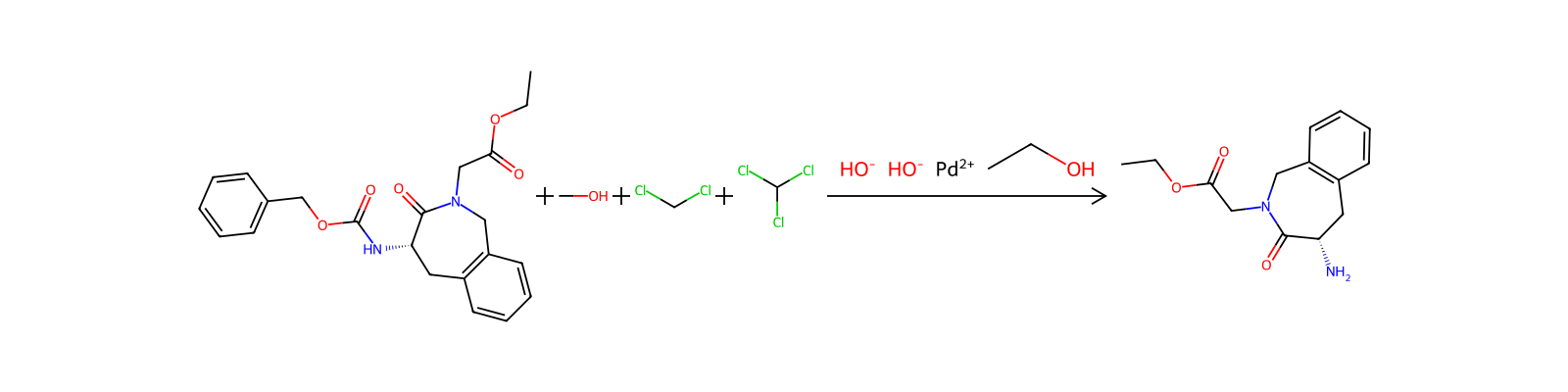
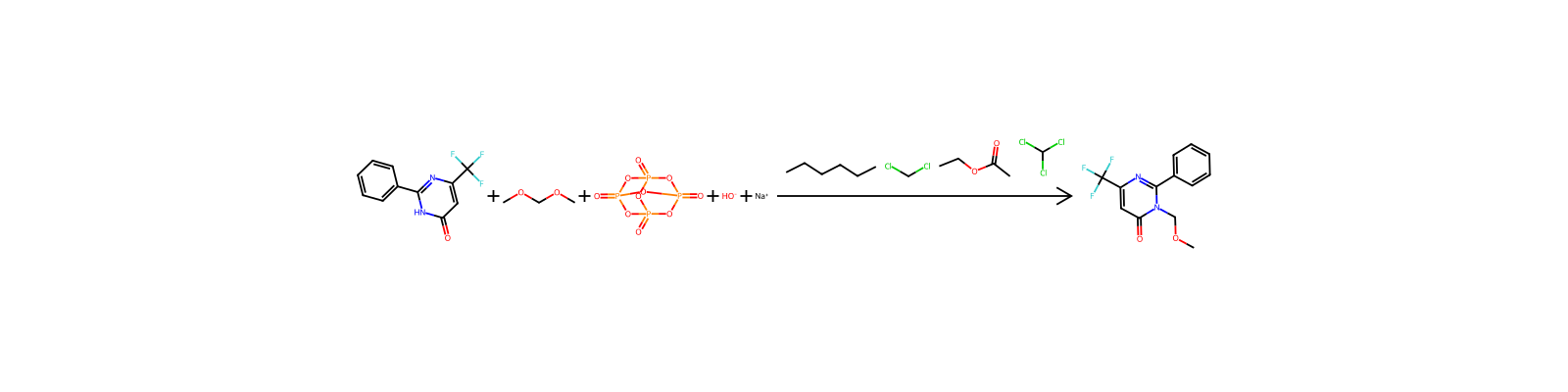
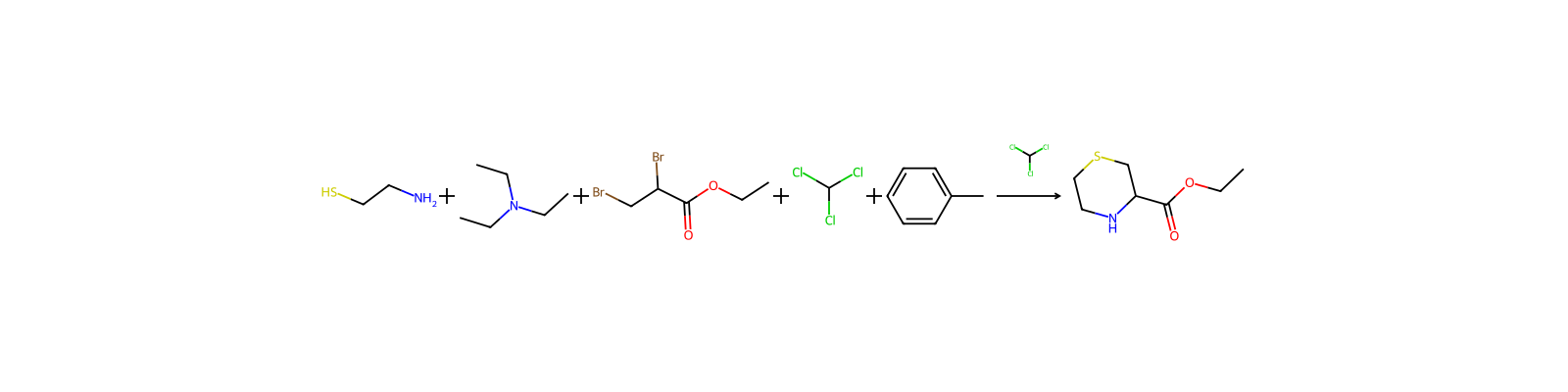
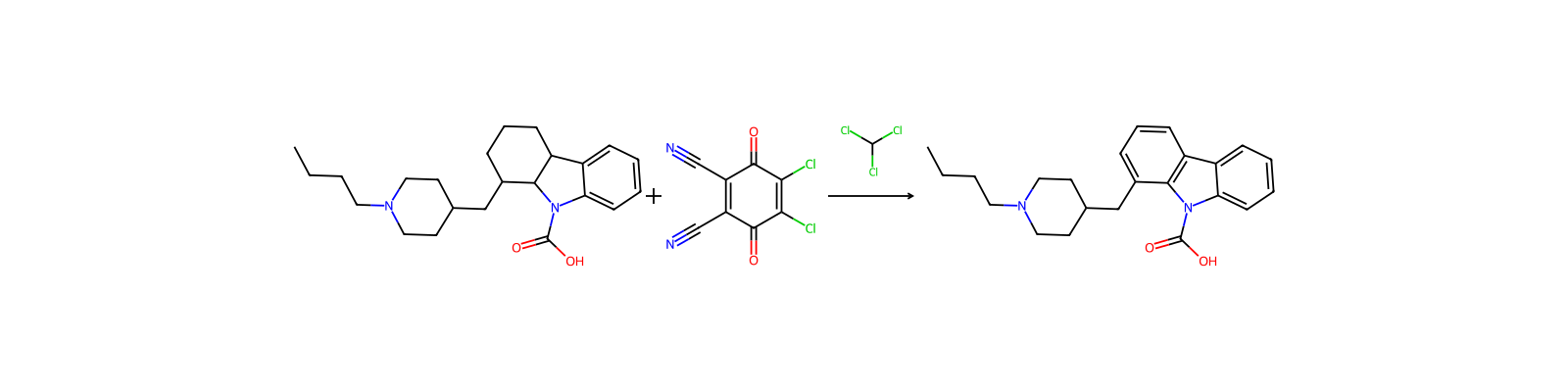
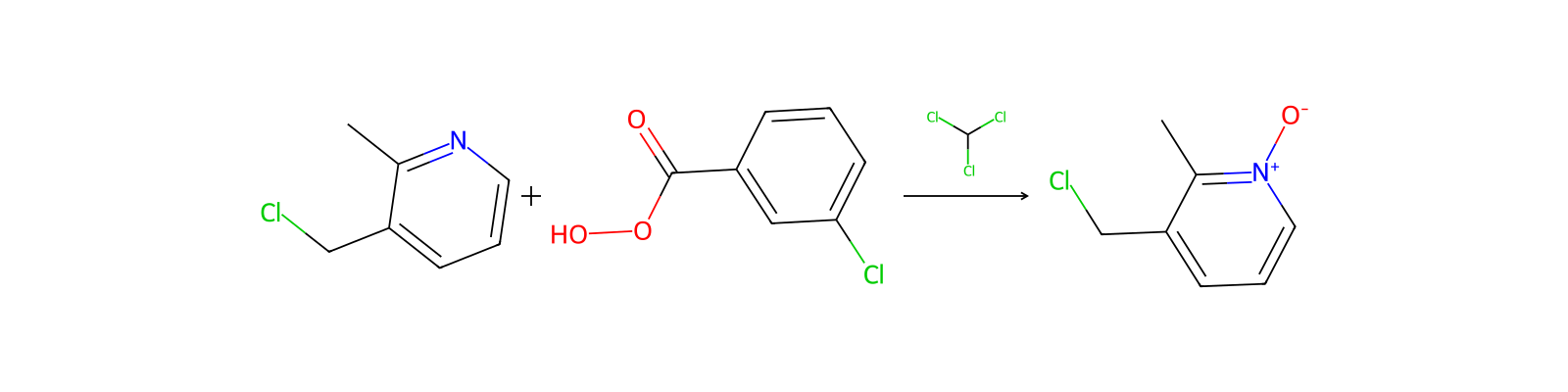
37,471건


연결된 노트
불러오는 중…