
구리 염화물
Cuprous chloride
데이터를 보충하는 중입니다. 잠시 후 페이지를 새로 고치면 최신 내용을 볼 수 있습니다

기본 정보
- CAS
1344-67-8- 표준 SMILES
[Cl][Cu]- InChIKey
OXBLHERUFWYNTN-UHFFFAOYSA-M- 분자식
- ClCu
- 평균 분자량
- 99 g/mol
개요
Copper(I) chloride is an inorganic chloride of copper in which the metal is in the +1 oxidation state. It has a role as an agrochemical and a molluscicide. It is a copper molecular entity and an inorganic chloride. It contains a copper(1+).
이름 및 식별자
- 우선 이름
- Cuprous chloride
- IUPAC
- chlorocopper
- 현지명
- 구리 염화물
- 영어명
- Cupric chloride
- 분자식
- Cl.Cu
- 분자량
- 0
이름 및 동의어
Cuprous chlorideCOPPER(I) CHLORIDE7758-89-6Copper monochlorideDicopper dichlorideCopper(1+) chlorideCopper chloride (CuCl)Chlorid mednyCuClCuproidCu-lytC955P95064
이름 더 보기
구리염화물구리염화물(COPPERCHLORIDE)COPPER CHLORIDECOPPER ATOMIC SPECTROSCOPY STANDARDUn2802HAMP-OLKirticopperCUPRIC CHLORIDEEinecs 215-704-5Copper, diaquadichloro-COPPER AA STANDARD CONCENTRATECopper chloride [un2802] [corrosive]
CHEBI:53472RefChem:128845DTXCID3015242231-842-9DTXSID5035242Copper (I) chlorideChlorid medny [Czech]EINECS 231-842-9
데이터베이스 식별자
- CAS
1344-67-8、7758-89-6- PubChem CID
- 62652
- ChEBI
CHEBI:53472
물성
구조 계산 물성보충 중
- 극성 표면적
- 0 Ų
- 수소 결합 공여자 수
- 0
- 수소 결합 수용자 수
- 0
- 회전 가능 결합 수
- 0
- 무거운 원자 수
- 2
- 형식 전하
- 0
- 복잡도
- 2
실험 및 물리화학적 성질
Chemical ClassesMetals -> Metals, Inorganic Compounds
SpringerMaterials Propertiesthermal expansion coefficient
Density4.14 @25 °C
Boiling Point1490 °C @760 [mm Hg]
Melting Point423 °C
Vapor Pressure1 [mm Hg] @546 °C
Physical Description
Dry Powder; Liquid
White solid; Turns green on exposure to moist air, and blue to brown on exposure to light; [Merck Index] Insoluble in water (0.1 g/L); [Ullmann] Grey-tan to light green odorless powder; [Reference #2]
물리화학적 성질
- 녹는점
- 620 °C · 620 °C(lit.)
- 끓는 점
- 993 °C · 993 °C
- 밀도
- 3.386 g/mL · 3.386 g/mL at 25 °C(lit.)
- 저장 조건
- 2 · 2-8°C
- 용해도
- 2 O: · H2O: 용해성
- 물리적 상태
안전 및 규제
안전 정보는 참고용이며, 공급업체의 물질안전보건자료(SDS), 관련 법규 및 전문가 평가를 대체하지 않습니다.
GHS 분류
GHS Classification
Warning
H302: Harmful if swallowed [Warning Acute toxicity, oral]
P264, P270, P273, P301+P317, P330, P391, and P501 (click each P-code to see the statement)
Warning
H317: May cause an allergic skin reaction [Warning Sensitization, Skin]
P260, P261, P272, P273, P280, P302+P352, P319, P321, P333+P317, P362+P364, P391, and P501 (click each P-code to see the statement)
유해성 정보
Regulatory Information
Chemical: Copper chloride (CuCl)
Copper chloride (CuCl) is listed on the EPA's Chemical Data Reporting (CDR) system. Manufacturers and importers of Copper chloride (CuCl) are required to report information about their production and use of this chemical to the EPA under the Toxic Substances Control Act (TSCA). (40 eCFR Part 711)
Copper (I) chloride: Does not have an individual approval but may be used under an appropriate group standard
Other Safety InformationIMAP assessments - Copper chloride (CuCl): Human health tier I assessment
Hazards Summary
Harmful if swallowed; [MSDSonline] Acute copper poisoning after ingestion can cause liver injury, methemoglobinemia, and hemolytic anemia. Acute renal failure may result, secondary to massive hemoglobinuria. [Goldfrank, p. 1259] Classified as category I for skin and eye irritation (corrosive); Category II for acute oral and dermal exposure (moderate toxicity); Category III for acute inhalation exposure (low toxicity); Positive results in dermal sensitization studies; [Reference #2] May cause irritation; Harmful by ingestion; [Alfa Aesar MSDS] See Copper.
DOT Hazard Classification
Cuprous chloride
Severe marine pollutant
Hazard Classes and Categories
화학 및 산업
약리 정보
Metabolism/Metabolites
Copper is mainly absorbed through the gastrointestinal tract, but it can also be inhalated and absorbed dermally. It passes through the basolateral membrane, possibly via regulatory copper transporters, and is transported to the liver and kidney bound to serum albumin. The liver is the critical organ for copper homoeostasis. In the liver and other tissues, copper is stored bound to metallothionein, amino acids, and in association with copper-dependent enzymes, then partitioned for excretion through the bile or incorporation into intra- and extracellular proteins. The transport of copper to the peripheral tissues is accomplished through the plasma attached to serum albumin, ceruloplasmin or low-molecular-weight complexes. Copper may induce the production of metallothionein and ceruloplasmin. The membrane-bound copper transporting adenosine triphosphatase (Cu-ATPase) transports copper ions into and out of cells. Physiologically normal levels of copper in the body are held constant by alterations in the rate and amount of copper absorption, compartmental distribution, and excretion. (L277, L279)
용도 및 제조
Uses
Used to produce other copper compounds and in the production of silicone polymers, ethylene-propene rubbers, dialkyl carbonates, and acrylonitrile; Also used to purify carbon monoxide and to produce phthalocyanine pigments; Occurs in nature as nantokite; [Ullmann] Used as a catalyst for organic reactions, decolorizer, catalyst, and desulfuring agent in the petroleum industry, in denitration of cellulose, as condensing agent for soaps, fats, and oils, and in gas analysis to absorb carbon monoxide; [Merck Index] Used in Korea as a raw material for coloring agents and as a catalyst for CO and H2 production; [Reference #1] Used to control plant root growth in nursery pots (incorporated into the plastic); [Reference #2]
Petroleum Production and Refining [Category: Industry]
Copper(I) chloride is as a precursor to the fungicide copper oxychloride. It is also used in organic and polymer chemistry. (L292)
U.S. Production2023: 2,500,000 - <4,000,000 lb
Consumer Uses
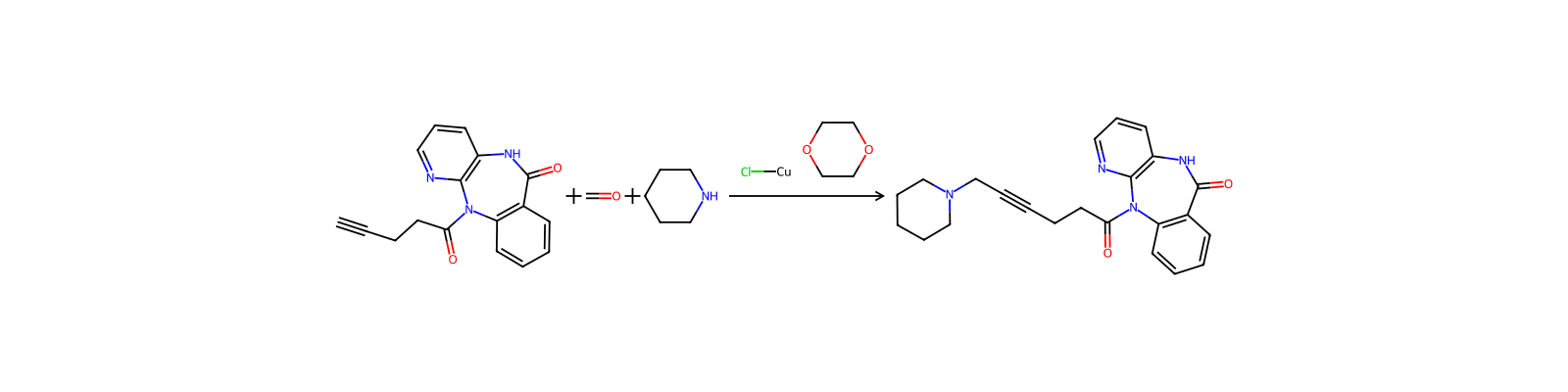
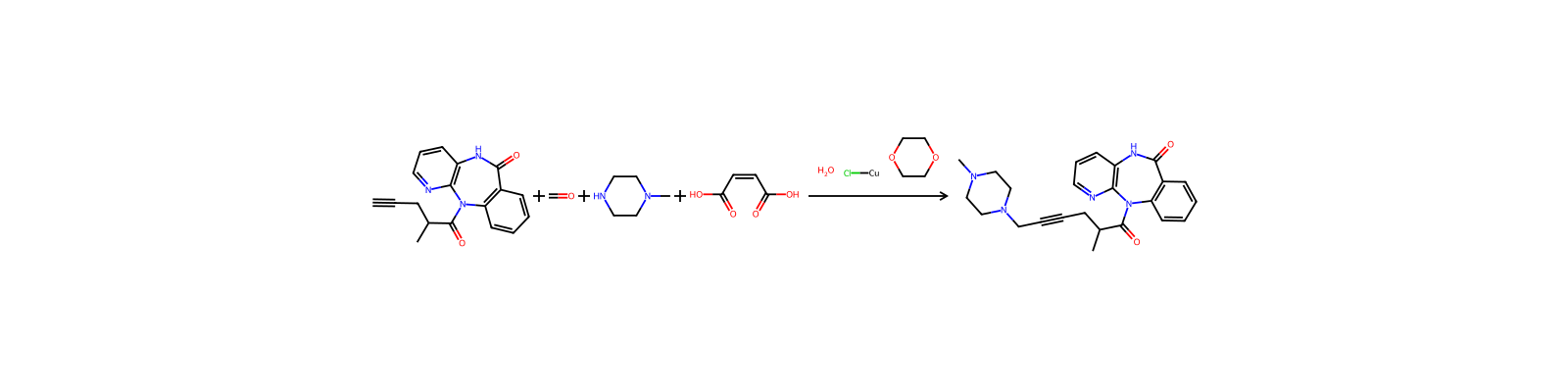
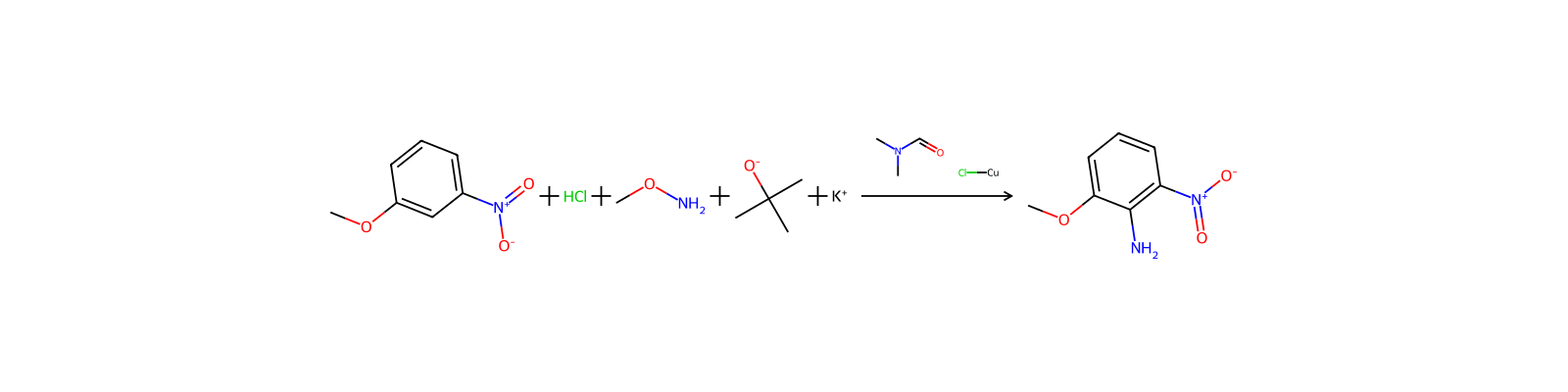
관련 반응
5,723건



화합물 노트
불러오는 중…