
기본 정보
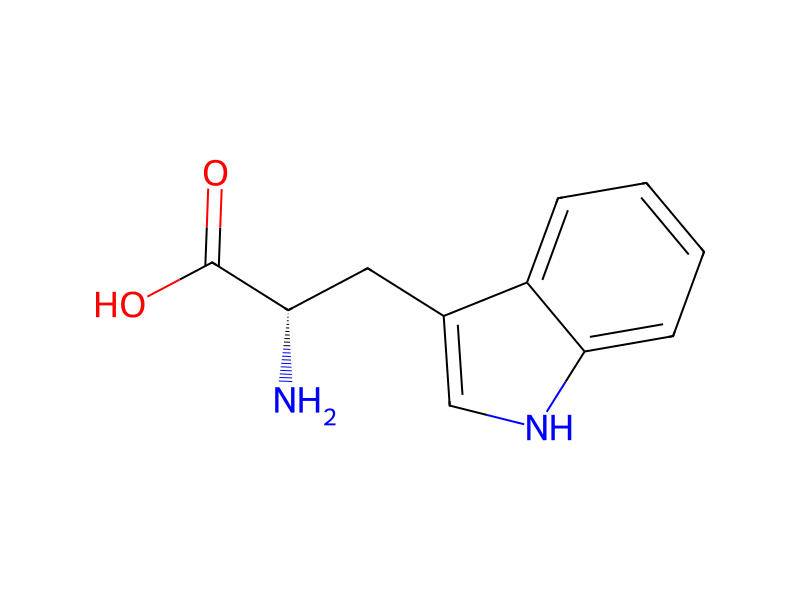
- 표준 SMILES
N[C@@H](Cc1c[nH]c2ccccc12)C(=O)O- InChIKey
QIVBCDIJIAJPQS-VIFPVBQESA-N- 분자식
- C11H12N2O2
- 평균 분자량
- 204.22 g/mol
- 단동위원소 질량
- 204.08987762
개요
L-tryptophan is a white powder with a flat taste. An essential amino acid; occurs in isomeric forms. (NTP, 1992)
이름 및 식별자
- 우선 이름
- L-Tryptophan
- IUPAC
- (2S)-2-amino-3-(1H-indol-3-yl)propanoic acid
- 현지명
- DL-트립토판
- 영어명
- DL-Tryptophan
- 분자식
- C11H12N2O2
- 분자량
- 204.23
이름 및 동의어
L-tryptophantryptophan73-22-3L-TryptophaneTryptophane(S)-Tryptophantrofantryptacin(2S)-2-amino-3-(1H-indol-3-yl)propanoic acidArdeytropinPacitronIndole-3-alanine
이름 더 보기
DL-트립토판트립토판DL-Trp-OHryptophanDL-TrpDL-3β-DL-TryptphanDL-TrytophanDL-TryptohanDL-TrytophaneDL-TryptophanDL-Tryptoplaan
L-TryptofanL-TrpL-(-)-TryptophanL-beta-3-Indolylalanine3-Indol-3-ylalaninetriptofano(-)-Tryptophan1-beta-3-Indolylalanine
데이터베이스 식별자
- CAS
54-12-6、73-22-3- PubChem CID
- 6305
- DTXSID
DTXSID5021419- ChEMBL
CHEMBL54976- ChEBI
CHEBI:16828- UNII
- 8DUH1N11BX
- EC Number
- 200-795-6
- Nikkaji
- J9.181B
물성
구조 계산 물성
- XLogP
- -1.1
- 극성 표면적
- 79.1 Ų
- 수소 결합 공여자 수
- 3
- 수소 결합 수용자 수
- 3
- 회전 가능 결합 수
- 3
- 무거운 원자 수
- 15
- 형식 전하
- 0
- 복잡도
- 245
실험 및 물리화학적 성질
Chemical ClassesBiological Agents -> Amino Acids and Derivatives
DrugsPharmaceuticals -> Listed in ZINC15
Cosmetics
Cosmetic ingredients (Tryptophan) -> CIR (Cosmetic Ingredient Review)
Antistatic
pHA 1% solution in water has a pH of 5.5 to 7.
LogP
log Kow = -1.06
-1.06
OdorOdorless
Taste
FLAT TASTE
Slightly bitter
Food AdditivesNUTRIENT SUPPLEMENT -> FDA Substance added to food
Color/Form
Leaflets or plates from dilute alcohol
White to slightly yellowish-white ... crystals or crystalline powder
Solubility
1 to 5 mg/mL at 68 °F (NTP, 1992)
Slightly soluble in acetic acid, ethanol; insoluble in ethyl ether
Solubility in water: 0.23 g/L at 0 °C, 11.4 g/L at 25 °C, 17.1 g/L at 50 °C, 27.95 g/L at 75 °C, 49.9 g/L at 100 °C
Soluble 1 in 100 of water; very slightly soluble in alcohol; practically insoluble chloroform and ether; soluble in hot alcohol and solutions of dilute acids and alkali hydroxides.
13.4 mg/mL at 25 °C
Dietary IngredientsL-tryptophan
DecompositionWhen heated to decomposition it emits toxic fumes of /nitric oxide/.
물리화학적 성질
- 녹는점
- 289 · 289-290 °C (dec.)(lit.)
- 끓는 점
- 342.72 °C · 342.72°C (rough estimate)
- 밀도
- 1.1754 · 1.1754 (rough estimate)
- 굴절률
- 1.52 · 1.5200 (estimate)
- 저장 조건
- Keep in dark place,Inert atmosphere,Room temperature
- 용해도
- 메탄올: 물(7:3): 용해성
- 산도 계수 (pKa)
- 2.3 · 2.30±0.10(Predicted)
- 물리적 상태
- 가루
- 색상
- 흰색에서 밝은 베이지색 또는 밝은 노란색까지
- 냄새
- 냄새 없는
- 수용성
- 10 g/L · 10g/L(20℃)
- BRN
- 86196 · 86196
- 안정성
- 안정적인. 강한 산화제, 강산과 호환되지 않습니다.
- 화장품 원료 기능
- 대전방지제헤어 컨디셔닝향기
- InChI
- 1S/C11H12N2O2/c12-9(11(14)15)5-7-6-13-10-4-2-1-3-8(7)10/h1-4,6,9,13H,5,12H2,(H,14,15)
- InChIKey
- QIVBCDIJIAJPQS-UHFFFAOYSA-N
- SMILES
- NC(Cc1c[nH]c2ccccc12)C(O)=O
- LogP
- 1.04 · 1.040 (est)
- NIST
- Tryptophane(54-12-6)
- EPA
- Tryptophan (54-12-6)
화학적 성질
White crystals. Slightly soluble in water; stable in alkaline solution; decomposed by strong acids.
안전 및 규제
GHS 분류
GHS Classification
This chemical does not meet GHS hazard criteria for 98.7% (222 of 225) of all reports.
Not Classified
Aggregated GHS information provided per 225 reports by companies from 5 notifications to the ECHA C&L Inventory.
유해성 정보
Regulatory Information
Chemical: Tryptophan
Chemical: L-Tryptophan
Regulation (EC) No 1831/2003 (amended)
Status: Active Update: 15-09-2022 https://echa.europa.eu/registration-dossier/-/registered-dossier/10835
Tryptophan: Does not have an individual approval but may be used under an appropriate group standard
l-Tryptophan: Does not have an individual approval but may be used under an appropriate group standard
Other Safety Information
IMAP assessments - DL-Tryptophan: Environment tier I assessment
IMAP assessments - L-Tryptophan: Environment tier I assessment
Fire HazardsFlash point data for this chemical are not available. It is probably combustible. (NTP, 1992)
Health HazardsACUTE/CHRONIC HAZARDS: When heated to decomposition this compound emits toxic fumes. (NTP, 1992)
Hazards Summary
Teratogenic effects observed in experimental animals at high doses; [Shepard's Catalog of Teratogenic Agents] No evidence of carcinogenicity in rats or mice; [NTP] May cause irritation; The FDA and CDC have established a possible link between L-tryptophan and eosinophilia-myalgia syndrome; [Sigma-Aldrich MSDS]
FDA Requirements
L-Tryptophan is a food additive permitted for direct addition to food for human consumption, as long as 1) the quantity of the substance added to food does not exceed the amount reasonably required to accomplish its intended physical, nutritive, or other technical effect in food, and 2) any substance intended for use in or on food is of appropriate food grade and is prepared and handled as a food ingredient.
Drug products containing certain active ingredients offered over-the-counter (OTC) for certain uses. A number of active ingredients have been present in OTC drug products for various uses, as described below. However, based on evidence currently available, there are inadequate data to establish general recognition of the safety and effectiveness of these ingredients for the specified uses: tryptophan is included in weight control drug products.
Reactive GroupSalts, Acidic
Special Reports
NAS, Food and Nutrition Board, Institute of Medicine; Dietary Reference Intakes for Energy, Carbohydrate, Fiber, Fat, Fatty Acids, Cholesterol, Protein, and Amino Acids (Macronutrients). National Academy Press, Washington, D.C. (2009).[Available from, as of March 10, 2010: http://www.nap.edu/catalog/10490.html]
DHEW/NCI; Bioassay of L-Tryptophan for Possible Carcinogenicity CAS No. 73-22-3 (NCI-CG-TR-71) (1978) Technical Report Series No. 71 DHEW Pub No. (NIH) 78-1321[Available from, as of March 29, 2010: http://ntp.niehs.nih.gov/ntp/htdocs/LT_rpts/tr071.pdf]
FIFRA Requirements
Residues of tryptophan are exempted from the requirement of a tolerance when used in accordance with good agricultural practice as inert (or occasionally active) ingredients in pesticide formulations applied to growing crops only. Use: synergist. Limit: maximum of 0.5% of formulation.
Reactivity Profile
Acidic salts, such as L-TRYPTOPHAN, are generally soluble in water. The resulting solutions contain moderate concentrations of hydrogen ions and have pH's of less than 7.0. They react as acids to neutralize bases. These neutralizations generate heat, but less or far less than is generated by neutralization of inorganic acids, inorganic oxoacids, and carboxylic acid. They usually do not react as either oxidizing agents or reducing agents but such behavior is not impossible. Many of these compounds catalyze organic reactions.
History and Incidents
In late 1989 the first notification linking the eosinophilia-myalgia syndrome with the use of tryptophan-containing products was made in the USA. There followed a number of similar published case reports from the USA, Europe, and Japan. Reviews of tryptophan-associated eosinophilia-myalgia syndrome have noted that by early 1990 over 1500 cases were known in the USA. In early 1990 the CDC in the USA summarized the features and known reports concerning the syndrome. As the name implies the characteristic features are an intense eosinophilia together with disabling fatigue and muscle pain, although multisystem organ involvement and inflammatory disorders affecting the joints, skin, connective tissue, lungs, heart, and liver have also been recorded. Symptoms have generally developed over several weeks and the syndrome has occurred in patients who had been receiving tryptophan for many years previously with no untoward effect. In most patients slow and gradual improvement in the degree of eosinophilia and other clinical manifestations has followed the withdrawal of tryptophan, but in some patients the disease has progressed despite withdrawal and there have been fatalities. The inflammatory condition has necessitated the use of corticosteroids in some patients. The eosinophilia-myalgia syndrome has been reported in patients taking both tryptophan-containing prescription products for depression and non-prescription dietary supplements for a number of disorders including insomnia, the premenstrual syndrome, and stress; it does not appear to have occurred in patients receiving amino-acid preparations containing tryptophan as part of total parenteral nutrition regimens. The recognition of this syndrome led to the withdrawal of tryptophan-containing products or severe restrictions being imposed upon their use in many countries during 1990. Various theories were proposed as to the reason for the association of tryptophan with this syndrome. Confusion existed because the reports implicated a very wide range of products from different manufacturers. However, later evidence appeared to have confirmed that contaminated tryptophan had originated from a single manufacturer in Japan. Bulk tryptophan was imported from Japan for manufacture into finished pharmaceutical dosage forms and it was noted in one of these reports that a single product was often found to contain two or more lots of powdered tryptophan that were blended together during the production of tablets or capsules. Many trace contaminants have been found in batches of tryptophan associated with the syndrome. One contaminant has been identified as 1,1'-ethylidenebis(tryptophan). Its inclusion in bulk tryptophan powder appeared to coincide with alterations in the manufacturing conditions that involved a change in the strain of Bacillus amyloliquefaciens used in the fermentation process and a reduction in the amount of charcoal used for purification. Other investigations indicated the presence of bacitracin-like peptides in batches of the contaminated tryptophan. However, further work has provided only weak support for an association between the syndrome and any one particular contaminant and the causative agent remains to be confirmed. Nonetheless, since the syndrome only appeared to be associated with tryptophan from one manufacturer, tryptophan preparations were reintroduced in the UK in 1994 for restricted use under carefully monitored conditions. In January 2005, the UK requirement for patient registration and monitoring was removed.[Sweetman SC (ed), Martindale: The Complete Drug Reference.
Air and Water ReactionsSlightly soluble in water.
안전 및 보호
Fire FightingFires involving this material should be controlled using a dry chemical, carbon dioxide or Halon extinguisher. (NTP, 1992)
First Aid
EYES: First check the victim for contact lenses and remove if present. Flush victim's eyes with water or normal saline solution for 20 to 30 minutes while simultaneously calling a hospital or poison control center. Do not put any ointments, oils, or medication in the victim's eyes without specific instructions from a physician. IMMEDIATELY transport the victim after flushing eyes to a hospital even if no symptoms (such as redness or irritation) develop.
Storage ConditionsProtect from light
Nonfire Spill Response
SMALL SPILLS AND LEAKAGE: If you spill this chemical, you should dampen the solid spill material with water, then transfer the dampened material to a suitable container. Use absorbent paper dampened with water to pick up any remaining material. Seal your contaminated clothing and the absorbent paper in a vapor-tight plastic bag for eventual disposal. Wash all contaminated surfaces with a soap and water solution. Do not reenter the contaminated area until the Safety Officer (or other responsible person) has verified that the area has been properly cleaned.
Disposal Methods
SRP: Criteria for land treatment or burial (sanitary landfill) disposal practices are subject to significant revision. Prior to implementing land disposal of waste residue (including waste sludge), consult with environmental regulatory agencies for guidance on acceptable disposal practices.
SRP: At the time of review, regulatory criteria for small quantity disposal are subject to significant revision, however, household quantities of waste pharmaceuticals may be managed as follows: Mix with wet cat litter or coffee grounds, double bag in plastic, discard in trash.
SRP: Expired or waste pharmaceuticals shall carefully take into consideration applicable DEA, EPA, and FDA regulations. It is not appropriate to dispose by flushing the pharmaceutical down the toilet or discarding to trash. If possible return the pharmaceutical to the manufacturer for proper disposal being careful to properly label and securely package the material. Alternatively, the waste pharmaceutical shall be labeled, securely packaged and transported by a state licensed medical waste contractor to dispose by burial in a licensed hazardous or toxic waste landfill or incinerator.
Allowable Tolerances
Residues of tryptophan are exempted from the requirement of a tolerance when used in accordance with good agricultural practice as inert (or occasionally active) ingredients in pesticide formulations applied to growing crops only. Use: synergist. Limit: maximum of 5% of formulation.
Personal Protective Equipment (PPE)
RECOMMENDED RESPIRATOR: Where the neat test chemical is weighed and diluted, wear a NIOSH-approved half face respirator equipped with an organic vapor/acid gas cartridge (specific for organic vapors, HCl, acid gas and SO2) with a dust/mist filter. (NTP, 1992)
독성 정보
Body Burden
Concentrations of tryptophan (free and protein bound) and its metabolites in plasma of maternal vein at delivery, umbilical vein, umbilical artery, neonatal vein and breast milk were determined by high performance liquid chromatography. The plasma levels of tryptophan and most of its metabolites in umbilical vein and artery were significantly higher than those in maternal vein. The concentration of total tryptophan in plasma of neonatal vein showed marked decrease at 24 h after birth in comparison with that at birth, but the total kynurenine concentration was not decreased in plasma of neonatal vein. The colostrum contained a high level of total tryptophan. There were high ratios of free to total tryptophan in colostrum, transitional and mature milk. In the blood, ratios of free to total of tryptophan and kynurenine were kept at constant level throughout the perinatal period.
Interactions
Acetylsalicylic acid reduced serum-protein binding of tryptophan in man, causing rise in free serum tryptophan. Changes in metabolic pattern also occurred, with increased urinary excretion of xanthurenic acid and 3-hydroxylkynurenine and decreased excretion of 3-hydroxyanthranilic acid.
Although tryptophan has been given to patients receiving MAOIs in the belief that clinical efficacy may be improved, it should be noted that the adverse effects may also be potentiated.
Use of tryptophan with drugs that inhibit the reuptake of serotonin may exacerbate the adverse effects of the latter and precipitate the serotonin syndrome.
There have been occasional reports of sexual disinhibition in patients taking tryptophan with phenothiazines or benzodiazepines.
For more Interactions (Complete) data for (L)-Tryptophan (16 total), please visit the HSDB record page.
Environmental Fate
TERRESTRIAL FATE: Based on a classification scheme(1), an estimated Koc value of 320(SRC), determined from a log Kow of -1.06(2) and a regression-derived equation(3), indicates that (L)-tryptophan is expected to have moderate mobility in soil(SRC). The pKa values of pKa1 2.38 (carboxylic acid) and pKa2 9.39 (primary amine)(4) indicate that this compound will exist as a zwitterion which may affect its adsorption to soils and sediments(SRC). Volatilization from moist soil is not expected because ions do not volatilize(SRC). Volatilization from moist soil is not expected because the acid/base exists as an anion/cation and anions/cations do not volatilize. (L)-Tryptophan is not expected to volatilize from dry soil surfaces(SRC) based upon an estimated vapor pressure of 2.1X10⁻⁹ mm Hg at 25 °C(SRC), determined from a fragment constant method(5). Using the Warburg respirometer test, a theoretical BOD value of 4.6% in 24 hours(6) suggests that biodegradation is not expected to be an important environmental fate process in soil(SRC).
AQUATIC FATE: Based on a classification scheme(1), an estimated Koc value of 320(SRC), determined from a log Kow of -1.06(2) and a regression-derived equation(3), indicates that (L)-tryptophan may adsorb to suspended solids and sediment(SRC). The pKa values of pKa1 2.38 (carboxylic acid) and pKa2 9.39 (primary amine)(4) indicate (L)-tryptophan will exist as a zwitterion at pH values of 5 to 9 and therefore volatilization from water surfaces is not expected to be an important fate process(5). According to a classification scheme(6), an estimated BCF of 3(SRC), from its log Kow(2) and a regression-derived equation(7), suggests the potential for bioconcentration in aquatic organisms is low(SRC). Using the Warburg respirometer test, a theoretical BOD value of 4.6% in 24 hours(8) suggests that biodegradation is not expected to be an important environmental fate process in water(SRC).
ATMOSPHERIC FATE: According to a model of gas/particle partitioning of semivolatile organic compounds in the atmosphere(1), (L)-tryptophan, which has an estimated vapor pressure of 2.1X10⁻⁹ mm Hg at 25 °C(SRC), determined from a fragment constant method(2), is expected to exist solely in the particulate phase in the ambient atmosphere. Particulate-phase (L)-tryptophan may be removed from the air by wet or dry deposition(SRC). Photooxidation proceeds primarily by a singlet-oxygen mechanism(3). The oxidation products kynurenine and N-formylkynurenine accumulated most readily at pH 4-7.5 following irradiation of solutions of tryptophan containing riboflavin(4).
Milk Concentrations
Concentrations of tryptophan (free and protein bound) and its metabolites in ... breast milk were determined by high performance liquid chromatography. ... The colostrum contained a high level of total tryptophan. There were high ratios of free to total tryptophan in colostrum, transitional and mature milk. ...
Toxicity Summary
Safe in the present practices of use and concentration. Ingredient, concentration, and use information are available in documents discoverable at https://cir-reports.cir-safety.org
A number of important side reactions occur during the catabolism of tryptophan on the pathway to acetoacetate. The first enzyme of the catabolic pathway is an iron porphyrin oxygenase that opens the indole ring. The latter enzyme is highly inducible, its concentration rising almost 10-fold on a diet high in tryptophan. Kynurenine is the first key branch point intermediate in the pathway. Kynurenine undergoes deamniation in a standard transamination reaction yielding kynurenic acid. Kynurenic acid and metabolites have been shown to act as antiexcitotoxics and anticonvulsives. A second side branch reaction produces anthranilic acid plus alanine. Another equivalent of alanine is produced further along the main catabolic pathway, and it is the production of these alanine residues that allows tryptophan to be classified among the glucogenic and ketogenic amino acids. The second important branch point converts kynurenine into 2-amino-3-carboxymuconic semialdehyde, which has two fates. The main flow of carbon elements from this intermediate is to glutarate. An important side reaction in liver is a transamination and several rearrangements to produce limited amounts of nicotinic acid, which leads to production of a small amount of NAD<sup>+</sup> and NADP<sup>+</sup>.
Plant ConcentrationsPlant species with highest amount of tryptophan(1). /Tryptophan/ [Table#4826]
Signs and Symptoms
Symptoms of overdose include agitation, confusion, diarrhea, fever, overactive reflexes, poor coordination, restlessness, shivering, sweating, talking or acting with excitement you cannot control, trembling or shaking, twitching, and vomiting.
Ongoing Test Status
The following link will take the user to the National Toxicology Program (NTP) Test Agent Search Results page, which tabulates all of the "Standard Toxicology & Carcinogenesis Studies", "Developmental Studies", and "Genetic Toxicity Studies" performed with this chemical. Clicking on the "Testing Status" link will take the user to the status (i.e., in review, in progress, in preparation, on test, completed, etc.) and results of all the studies that the NTP has done on this chemical.[Available from: http://ntp-apps.niehs.nih.gov/ntp_tox/index.cfm?fuseaction=ntpsearch.searchresults&searchterm=73-22-3]
Soil Adsorption/Mobility
The Koc of (L)-tryptophan is estimated as 320(SRC), using a log Kow of -1.06(1) and a regression-derived equation(2). According to a classification scheme(3), this estimated Koc value suggests that (L)-tryptophan is expected to have moderate mobility in soil. The pKa values of pKa1 2.38 (carboxylic acid) and pKa2 9.39 (primary amine)(4) indicate that this compound will exist as a zwitterion which may affect its adsorption to soils and sediments(SRC).
Natural Pollution Sources
(L)-Tryptophan is an essential amino acid for human development and a precursor of serotonin(1).
MILK & EGGS ... HAVE HIGH TRYPTOPHAN CONTENT.
Human Toxicity Excerpts
/HUMAN EXPOSURE STUDIES/ Serotonin and its metabolite 5-hydroxyindoleacetic acid (5-HIAA) in human blood and brain cerebrospinal fluid (CSF) increase /were found/ after tryptophan loading, which is similar to the effects of L-tryptophan in animals. ... Elevations in blood and 5-HIAA and CSF serotonin after single doses of 3 or 6 g of L-tryptophan. However, ... a double-blind, placebo-controlled trial in six normal men fed 3 g/day of L-tryptophan in divided doses with meals for 3 days, found a 113% elevation in plasma tryptophan, but no changes in platelet or plasma serotonin or in plasma catecholamines. ... No changes in urinary catecholamines /were found/. Additionally, no changes in blood pressure, heart rate, plasma sodium levels or 24-hour sodium excretion in urine /were found/.
/HUMAN EXPOSURE STUDIES/ L-Tryptophan administration (2 g) as a single dose before a meal has been found to decrease subjective hunger ratings, food intake, and alertness in men, but not women.
/HUMAN EXPOSURE STUDIES/ 15 humans /were tested/ only once with 0, 1, 2, and 3 g of L-tryptophan. Individuals receiving 2 and 3 g of L-tryptophan had decreased hunger and alertness and increased faintness and dizziness. Administration of 1 g of L-tryptophan with 10 g of carbohydrates before each meal (3 g L-tryptophan/d) for 3 months did not affect body weight of obese humans.
/HUMAN EXPOSURE STUDIES/ Daily doses of 2.4 g of L-tryptophan for 2 weeks did not produce a significant reduction in the consumption of carbohydrate snacks in the majority of the 24 individuals.
For more Human Toxicity Excerpts (Complete) data for (L)-Tryptophan (19 total), please visit the HSDB record page.
Artificial Pollution Sources(L)-Tryptophan's production and use in nutrition and research, in medicine, as a dietary supplement, and in cereal enrichment(1) may result in its release to the environment through various waste streams(SRC).
규제 정보
FDA Requirements
L-Tryptophan is a food additive permitted for direct addition to food for human consumption, as long as 1) the quantity of the substance added to food does not exceed the amount reasonably required to accomplish its intended physical, nutritive, or other technical effect in food, and 2) any substance intended for use in or on food is of appropriate food grade and is prepared and handled as a food ingredient.
Drug products containing certain active ingredients offered over-the-counter (OTC) for certain uses. A number of active ingredients have been present in OTC drug products for various uses, as described below. However, based on evidence currently available, there are inadequate data to establish general recognition of the safety and effectiveness of these ingredients for the specified uses: tryptophan is included in weight control drug products.
FIFRA Requirements
Residues of tryptophan are exempted from the requirement of a tolerance when used in accordance with good agricultural practice as inert (or occasionally active) ingredients in pesticide formulations applied to growing crops only. Use: synergist. Limit: maximum of 0.5% of formulation.
안전 데이터
- wgk
- 1
- tsca
- TSCA listed
- rtecs
- YN6129200
- HS 번호
- 29339990
- risk_code
- 22-36/37/38-37/38-41
- hazard_code
- Xi
- safety_code
- 24/25-36/37/39-36-26
- 기존화학 물질
- 2014-3-5933
- F 고인화성물질
- 8
- 스토리지 클래스
- 11 - Combustible Solids
화학 및 산업
약리 정보
ATC Code
N - Nervous system
QN - Nervous system
Bionecessity
... Skin is an optically inhomogeneous medium; reflection, refraction, scattering, and absorption all modify the radiation that reaches deeper structures. Important UV absorbers within the epidermis incl melanin, which varies greatly in content and location between individuals and races; urocanic acid, a deamination product of histidine found in sweat; and for shorter wavelengths, proteins containing tryptophan and tyrosine. The net optical effect is that shorter wavelengths are selectively absorbed in the superficial layers, although a biologically significant amt of UV-B reaches the dermis ... .
An essential amino acid for human development; precursor of serotonin.
...Tryptophan is a significant precursor of niacin for humans. It is for this reason that high corn diets result in clinical deficiency (pellagra) of niacin, corn being particularly deficient in tryptophan.
Corn and cereal grains contain fairly adequate quantities of niacin, but the vitamin is in a bound and unavailable form. They are also low in tryptophan. The combination of low tryptophan and unavailable dietary niacin results in a niacin deficiency. In current feeding practice in intensive agriculture situations, niacin or tryptophan should be added to high-concentrate diets of poultry and pigs.
For more Bionecessity (Complete) data for (L)-Tryptophan (30 total), please visit the HSDB record page.
Pharmacodynamics
Tryptophan is critical for the production of the body's proteins, enzymes and muscle tissue. It is also essential for the production of niacin, the synthesis of the neurotransmitter serotonin and melatonin. Tryptophan supplements can be used as natural relaxants to help relieve insomnia. Tryptophan can also reduce anxiety and depression and has been shown to reduce the intensity of migraine headaches. Other promising indications include the relief of chronic pain, reduction of impulsivity or mania and the treatment of obsessive or compulsive disorders. Tryptophan also appears to help the immune system and can reduce the risk of cardiac spasms. Tryptophan deficiencies may lead to coronary artery spasms. Tryptophan is used as an essential nutrient in infant formulas and intravenous feeding. Tryptophan is marketed as a prescription drug (Tryptan) for those who do not seem to respond well to conventional antidepressants. It may also be used to treat those afflicted with seasonal affective disorder (a winter-onset depression). Tryptopan serves as the precursor for the synthesis of serotonin (5-hydroxytryptamine, 5-HT) and melatonin (N-acetyl-5-methoxytryptamine).
Mechanism of Action
A number of important side reactions occur during the catabolism of tryptophan on the pathway to acetoacetate. The first enzyme of the catabolic pathway is an iron porphyrin oxygenase that opens the indole ring. The latter enzyme is highly inducible, its concentration rising almost 10-fold on a diet high in tryptophan. Kynurenine is the first key branch point intermediate in the pathway. Kynurenine undergoes deamniation in a standard transamination reaction yielding kynurenic acid. Kynurenic acid and metabolites have been shown to act as antiexcitotoxics and anticonvulsives. A second side branch reaction produces anthranilic acid plus alanine. Another equivalent of alanine is produced further along the main catabolic pathway, and it is the production of these alanine residues that allows tryptophan to be classified among the glucogenic and ketogenic amino acids. The second important branch point converts kynurenine into 2-amino-3-carboxymuconic semialdehyde, which has two fates. The main flow of carbon elements from this intermediate is to glutarate. An important side reaction in liver is a transamination and several rearrangements to produce limited amounts of nicotinic acid, which leads to production of a small amount of NAD<sup>+</sup> and NADP<sup>+</sup>.
Findings indicate that enhanced rates of serotonin turnover produced by (L)-tryptophan and physical restraint are associated with inhibition of thyroid-stimulating hormone (TSH) and stimulation of prolactin release from anterior pituitary in rats.
L-Tryptophan, an indispensable amino acid, serves as a precursor for several small molecules of functional significance including the vitamin niacin, the neurotransmitter serotonin, the metabolite tryptamine, and the pineal hormone melatonin. Increases in tryptophan have been shown to increase synthesis of the neurotransmitters in brain, blood, and other body organs.
Amino acids are selected for protein synthesis by binding with transfer RNA (tRNA) in the cell cytoplasm. The information on the amino acid sequence of each individual protein is contained in the sequence of nucleotides in the messenger RNA (mRNA) molecules, which are synthesized in the nucleus from regions of DNA by the process of transcription. The mRNA molecules then interact with various tRNA molecules attached to specific amino acids in the cytoplasm to synthesize the specific protein by linking together individual amino acids; this process, known as translation, is regulated by amino acids (e.g., leucine), and hormones. Which specific proteins are expressed in any particular cell and the relative rates at which the different cellular proteins are synthesized, are determined by the relative abundances of the different mRNAs and the availability of specific tRNA-amino acid combinations, and hence by the rate of transcription and the stability of the messages. From a nutritional and metabolic point of view, it is important to recognize that protein synthesis is a continuing process that takes place in most cells of the body. In a steady state, when neither net growth nor protein loss is occurring, protein synthesis is balanced by an equal amount of protein degradation. The major consequence of inadequate protein intakes, or diets low or lacking in specific indispensable amino acids relative to other amino acids (often termed limiting amino acids), is a shift in this balance so that rates of synthesis of some body proteins decrease while protein degradation continues, thus providing an endogenous source of those amino acids most in need. /Amino acids/
The mechanism of intracellular protein degradation, by which protein is hydrolyzed to free amino acids, is more complex and is not as well characterized at the mechanistic level as that of synthesis. A wide variety of different enzymes that are capable of splitting peptide bonds are present in cells. However, the bulk of cellular proteolysis seems to be shared between two multienzyme systems: the lysosomal and proteasomal systems. The lysosome is a membrane-enclosed vesicle inside the cell that contains a variety of proteolytic enzymes and operates mostly at acid pH. Volumes of the cytoplasm are engulfed (autophagy) and are then subjected to the action of the protease enzymes at high concentration. This system is thought to be relatively unselective in most cases, although it can also degrade specific intracellular proteins. The system is highly regulated by hormones such as insulin and glucocorticoids, and by amino acids. The second system is the ATP-dependent ubiquitin-proteasome system, which is present in the cytoplasm. The first step is to join molecules of ubiquitin, a basic 76-amino acid peptide, to lysine residues in the target protein. Several enzymes are involved in this process, which selectively targets proteins for degradation by a second component, the proteasome.
For more Mechanism of Action (Complete) data for (L)-Tryptophan (7 total), please visit the HSDB record page.
Biological Half-LifeThe biological half-life of tryptophan was reported to be 15.8 hr.
Metabolism/Metabolites
Hepatic.
In Hartnup disease ... tryptophane appear/s/ in urine due to defective renal and intestinal absorption of tryptophane ... It is an intermediary metabolite in the synthesis of serotonin (5-hydroxytryptamine) and 5-hydroxyindole acetic acid (HIAA).
Patients with bladder cancer excreted significantly more kynurenic acid, acetylkynurenine, kynurenine, and 3-hydroxykynurenine after ingesting a loading dose of L-tryptophan than did control subjects with no known disease.
Tryptophan is metabolized in the liver by tryptophan pyrrolase and tryptophan hydroxylase. Metabolites include hydroxytryptophan, which is then converted to serotonin, and kynurenine derivatives. Some tryptophan is converted to nicotinic acid and nicotinamide. Pyridoxine and ascorbic acid are cofactors in the decarboxylation and hydroxylation, respectively, of tryptophan; pyridoxine apparently prevents the accumulation of the kynurenine metabolites.
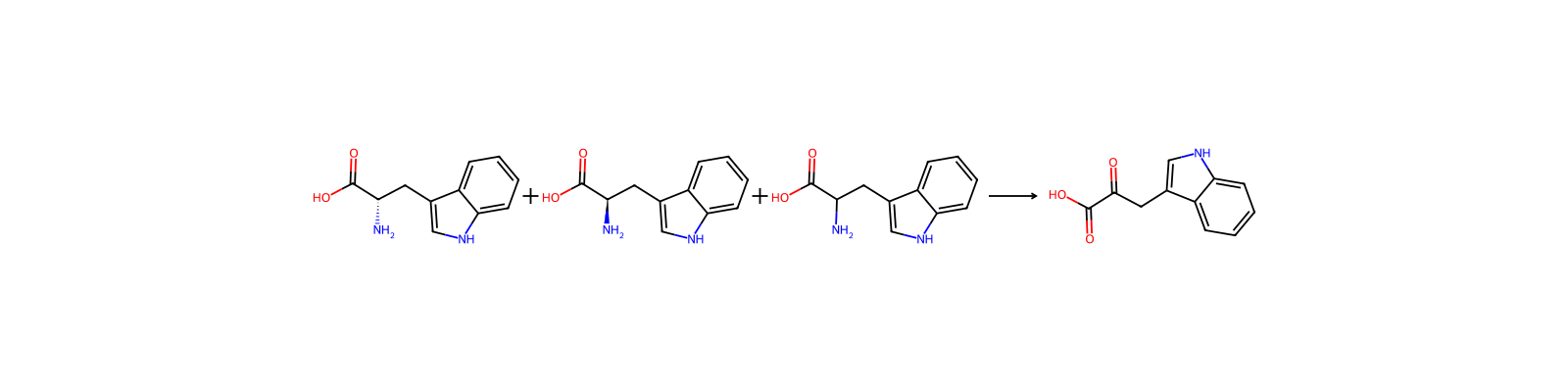
Yields indole-3-pyruvic acid in man ... and in rats; yields tryptamine in guinea pigs. /From table/
For more Metabolism/Metabolites (Complete) data for (L)-Tryptophan (21 total), please visit the HSDB record page.
MeSH Pharmacological ClassificationA structurally and mechanistically diverse group of drugs that are not tricyclics or monoamine oxidase inhibitors. The most clinically important appear to act selectively on serotonergic systems, especially by inhibiting serotonin reuptake.
Absorption, Distribution and Excretion
(L)-Tryptophan with plant oils in soft gelatin capsules permitted lower dosage than with usual dosage form. Max of free tryptophan in serum was achieved in 1st hr whereas 4-5 times as much would be required with tablets or hard gelatin capsules.
Absorption and Fate. Tryptophan is readily absorbed from the gastro-intestinal tract. Tryptophan is extensively bound to serum albumin. It is metabolized to serotonin and other metabolites, incl kynurenine derivatives, and excreted in the urine. Pyridoxine and ascorbic acid appear to be concerned in its metabolism.
Although the free amino acids dissolved in the body fluids are only a very small proportion of the body's total mass of amino acids, they are very important for the nutritional and metabolic control of the body's proteins. ... Although the plasma compartment is most easily sampled, the concentration of most amino acids is higher in tissue intracellular pools. Typically, large neutral amino acids, such as leucine and phenylalanine, are essentially in equilibrium with the plasma. Others, notably glutamine, glutamic acid, and glycine, are 10- to 50-fold more concentrated in the intracellular pool. Dietary variations or pathological conditions can result in substantial changes in the concentrations of the individual free amino acids in both the plasma and tissue pools. /Amino acids/
After ingestion, proteins are denatured by the acid in the stomach, where they are also cleaved into smaller peptides by the enzyme pepsin, which is activated by the increase in stomach acidity that occurs on feeding. The proteins and peptides then pass into the small intestine, where the peptide bonds are hydrolyzed by a variety of enzymes. These bond-specific enzymes originate in the pancreas and include trypsin, chymotrypsins, elastase, and carboxypeptidases. The resultant mixture of free amino acids and small peptides is then transported into the mucosal cells by a number of carrier systems for specific amino acids and for di- and tri-peptides, each specific for a limited range of peptide substrates. After intracellular hydrolysis of the absorbed peptides, the free amino acids are then secreted into the portal blood by other specific carrier systems in the mucosal cell or are further metabolized within the cell itself. Absorbed amino acids pass into the liver, where a portion of the amino acids are taken up and used; the remainder pass through into the systemic circulation and are utilized by the peripheral tissues. /Amino acids/
For more Absorption, Distribution and Excretion (Complete) data for (L)-Tryptophan (9 total), please visit the HSDB record page.
Tissue LocationsFibroblasts
Cellular LocationsExtracellular
Metabolite PathwaysTranscription/Translation
용도 및 제조
Uses
CIR ingredient: Tryptophan
An essential amino acid; Used in biochemical research; [Merck Index] Used as a nutritional supplement for foods; [FDA] Used as a dietary supplement, for research, cereal enrichment, and as a medication; [HSDB] Permitted for use as an inert ingredient in non-food pesticide products; [EPA]
Nutrition and research; medicine; dietary supplement; cereal enrichment /Tryptophan/
Probe for studying protein structure and dynamics
Nutritional supplement (amino acid) in drugs and foods
BIOLOGICAL ACTIVITIES: Analgesic; Antidementia; Antidepressant; Antidyskinetic; Antihypertensive; Antiinsomniac; Antimanic; Antimenopausal; Antimigraine; Antioxidant; Antiparkinsonian; Antiphenylketonuric; Antiprostaglandin; Antipsychotic; Antirheumatic; Antiscolioticn;;Carcinogenic; Essential; Hypnotic; Hypoglycemic; Hypotensive; Insulinase-Inhibitor; Insulinotonic;Monoamine-Precursor; Prolactinogenic; Sedative; Serotoninergic; Tumor-Promoter /Tryptophan/
U.S. Imports
(1977) 2.34 X 10+7 g (Princpl Custms Dists)
(1979) 2.47 X 10+7 g (Princpl Custms Dists)
U.S. Production
(1977) Not produced commercially in USA
(1979) Not produced commercially in USA
Production volumes for non-confidential chemicals reported under the Inventory Update Rule. [Table#4827]
Methods of Manufacturing
Fermentation of natural or biologically available substances with Corynebacterium glutamicum; enzymatically from indole, pyruvic acid, and ammonia using microbial tryptophanase
Synthesis starting with beta-indolylaldehyde and hippuric acid; ... from hydantoin; alternate route starting with 3-indoleacetonitrile.
Formulations/Preparations
Grades: Reagent; Technical; Food Chemicals Codex /Tryptophan/
(L)-Tryptophan with plant oils in soft gelatin capsules.
Use ClassificationCosmetics -> Antistatic
General Manufacturing Information
Tryptophan: ACTIVE
L-Tryptophan: ACTIVE
An essential amino acid for human development; precursor of serotonin.
60 mg of tryptophan is approx equiv to 1.0 mg of niacin. /Tryptophan/
The amino acids that are incorporated into mammalian protein are alpha-amino acids, with the exception of proline, which is an alpha-imino acid. This means that they have a carboxyl group, an amino nitrogen group, and a side chain attached to a central alpha-carbon. Functional differences among the amino acids lie in the structure of their side chains. In addition to differences in size, these side groups carry different charges at physiological pH (e.g., nonpolar, uncharged but polar, negatively charged, positively charged); some groups are hydrophobic (e.g., branched chain and aromatic amino acids) and some hydrophilic (most others). These side chains have an important bearing on the ways in which the higher orders of protein structure are stabilized and are intimate parts of many other aspects of protein function.
응용 분야
용도DL-Tryptophan is an amino acid precursor of serotonin and melatonin. It is a dietary supplement for use as an antidepressant, anxiolytic, and sleep aid. DL-tryptophan also can be used as feed nutrition enhancer, antioxidants.
일반 설명Tryptophan is the precursor for 5-hydroxy-tryptamin and an essential α-amino acid. DL-Tryptophan exists as a zwitterion during crystallization.
상·하류 제품 정보
상류 원료
하류 제품
공급사50 곳
国药集团化学试剂有限公司86-21-63210123 · [email protected]
梯希爱(上海)化成工业发展有限公司021-67121386 · [email protected]
上海阿拉丁生化科技股份有限公司400-6206333 13167063860 · [email protected]
爱斯特(成都)生物制药股份有限公司+86-28-85122536 85324413 · [email protected]
上海如吉生物科技发展有限公司+86-21-65211385-8001 36031160 · [email protected]
韶远科技(上海)有限公司021-50795510 4000665055 · [email protected]
上海迈瑞尔生化科技有限公司4006356688 18621169109 · [email protected]
宁波亿诺化学品有限公司86-574-27787657 · [email protected]
大连美仑生物技术有限公司0411-62910999 13889544652 · [email protected]
阿法埃莎(中国)化学有限公司400-6106006 · [email protected]
上海德默医药科技有限公司400-021-7337 2355568890 · [email protected]
安耐吉化学&3A(安徽泽升科技股份有限公司)400-0056266 · [email protected]
北京绿百草科技发展有限公司010-61136123 · [email protected]
上海瀚鸿科技股份有限公司021-54306202 13764082696 · [email protected]
上海景颜化工科技有限公司13817811078 · [email protected]
张家港市思普生化有限公司512-0512-58992291,58992287 18606280718 · [email protected]
孝感深远化工有限公司15527621225; 15527621225 · [email protected]
山东西亚化学有限公司13355009207 13355009207 · [email protected]
南京红杉生物科技有限公司158-05183379 15805183379 · [email protected]
玛雅试剂+86 (573) 82222445 (0)18006601000 452520369 · [email protected]
上海耐士化工科技有限公司400-188-0725 +86 21 34310725 13611771617
天津希恩思生化科技有限公司400 638 7771 · [email protected]
湖南汇百侍生物科技有限公司0731-85526065 13308475853 · [email protected]
河南多贝化工有限公司0370-2785118 17550508557 · [email protected]
斯百全化学(上海)有限公司021-021-021-67601398-809-809-809 15221380277 · [email protected]
上海源叶生物科技有限公司13636370518 · [email protected]
艾科试剂4008-755-333 18080918076 · [email protected]
上海思域化工科技有限公司86-21-34053660 · [email protected]
赛默飞世尔科技(中国)有限公司800-810-5118 · [email protected]
上海遐瑞医药科技有限公司+86 21 61551611
江苏艾康生物医药研发有限公司025-66113011 13913916777 · [email protected]
TOKYO CHEMICAL INDUSTRY CO., LTD.03-36680489 · [email protected]
深圳振强药物研发有限公司0755-66853366 13670046396 · [email protected]
越林试剂021-62960152 · [email protected]
Clearsynth Labs Limited+91-22-26355700 · [email protected]
苏州爱玛特生物科技有限公司0512-56316828 4008675858 · [email protected]
北京环宇世纪化学科技有限公司hysj_bj.com
上海将来实业股份有限公司400-0066400 13621662912 · [email protected]
上海笛柏生物科技有限公司400-008-9730,021-54359730 400-008-9730 · [email protected]
日照力德士化工有限公司010-51268198 · [email protected]
郑州鸿晟医药科技有限公司0371-0371-13526885213 15637198702 · [email protected]
上海爱蝶实业有限公司021-58957966 18930537195 · [email protected]
成都零六生物科技有限公司400-1166-196 13458535857 · [email protected]
广拓化学(上海)有限公司021-60899189-8001 18918189673 · [email protected]
上海创赛科技有限公司400-6087598 15021221957 · [email protected]
上海御略医药科技有限公司021-60345187 13671753212 · [email protected]
上海麦克林生化科技股份有限公司15221275939 15221275939 · [email protected]
杭州杰恒化工有限公司0571-87396432 · [email protected]
上海寰川实业有限公司021-61478794 · [email protected]
上海永叶生物科技有限公司86-021-61559134 15921386130 · [email protected]
추가 설명
순도시험(1) 용상 : 이 품목 0.5g을 0.5N 수산화나트륨용액 10mL에 녹일 때, 그 색은 비색표준용액 C보다 진하여서는 아니 된다. 또한 그 탁도는 거의 징명 이하이어야 한다. (2) 액성 : 이 품목의 수용액(1→50)의 pH는 5.5~7.0이어야 한다. (3) 비소 : 이 품목을 비소시험법에 따라 시험할 때, 그 양은 4.0ppm 이하이어야 한다. (4) 납 : 이 품목 5.0g을 취하여 원자흡광광도법 또는 유도결합플라즈마발광광도법에 따라 시험할 때, 그 양은 5.0ppm 이하이어야 한다 (5) 염화물 : 이 품목 0.5g을 취하여 염화물시험법에 따라 시험할 때, 그 양은 0.01N 염산 0.3mL에 대응하는 양 이하이어야 한다.
확인시험(1) 이 품목의 수용액(1→500)은 선광성을 가지고 있지 않다. (2) 이 품목 0.1g에 물 50mL를 가하여 가열하여 녹이고 식힌 다음 그 중 10mL에 p-디메틸아미노벤즈알데히드시액 5mL 및 묽은염산 2mL를 가하여 수욕 중에서 5분간 가열하면 적자~청자색을 나타낸다. (3) 이 품목의 수용액(1→1,000) 5mL에 닌히드린용액(1→1,000) 1mL를 가하여 3분간 가열할 때, 자색을 나타낸다.
정량법이 품목을 건조한 다음 약 0.3g을 정밀히 달아 빙초산 50mL를 가하여 가열하여 녹이고 식힌 다음 0.1N 과염소산용액으로 적정한다(지시약 : α-나프톨벤제인시액 10방울). 종말점은 액의 갈색이 녹색으로 변하는 점으로 한다.0.1N 과염소산용액 1mL = 20.42mg C11H12O2N2
정의ChEBI: An alpha-amino acid that is alanine bearing an indol-3-yl substituent at position 3.
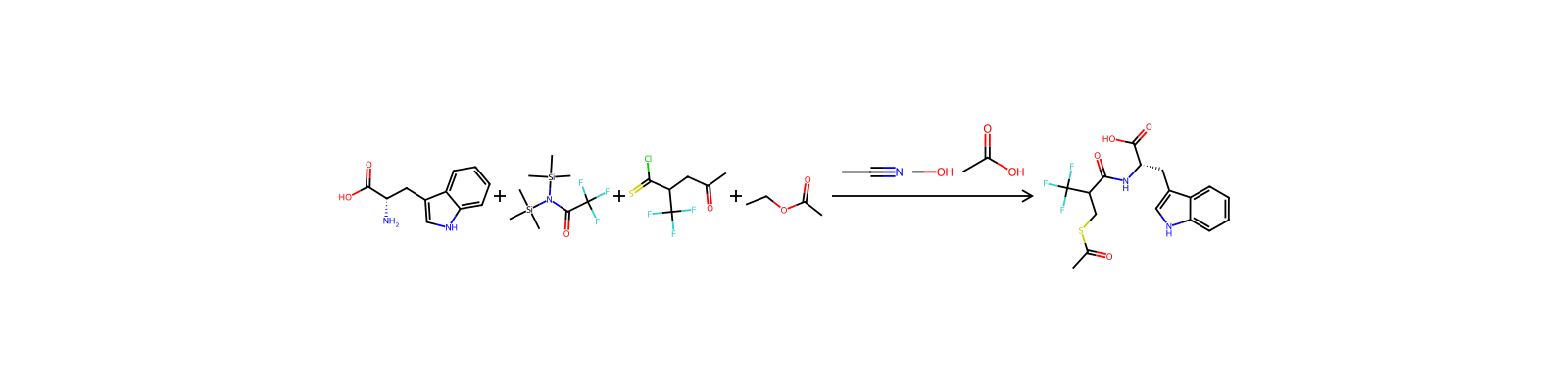
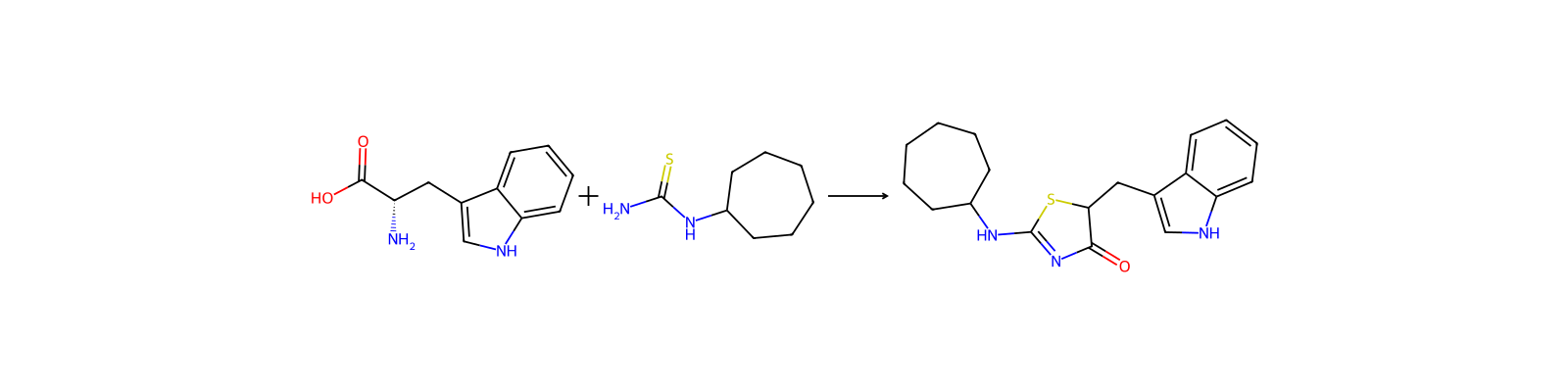
관련 반응
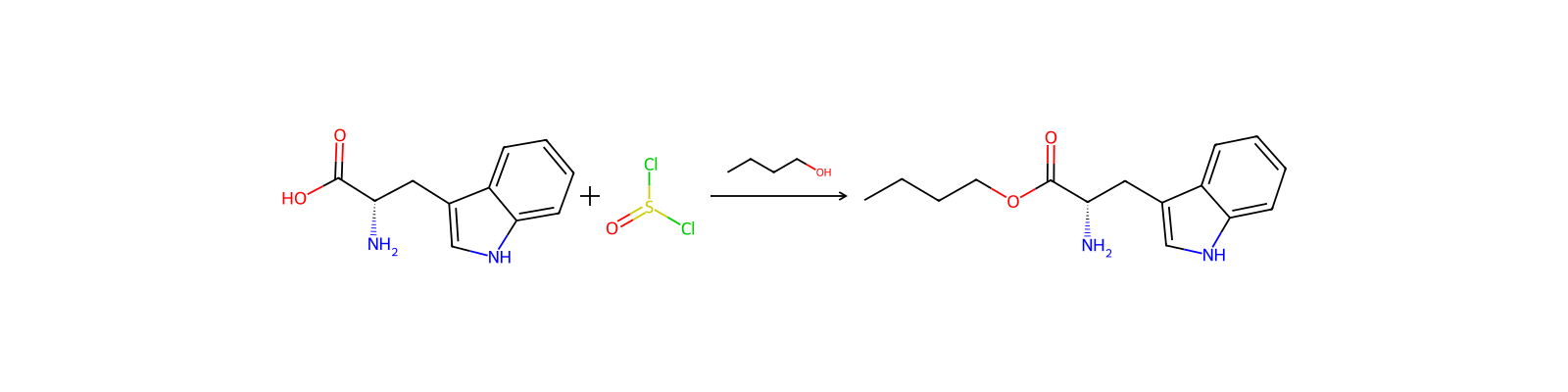
190건



연결된 노트
불러오는 중…