
Diiodomethane
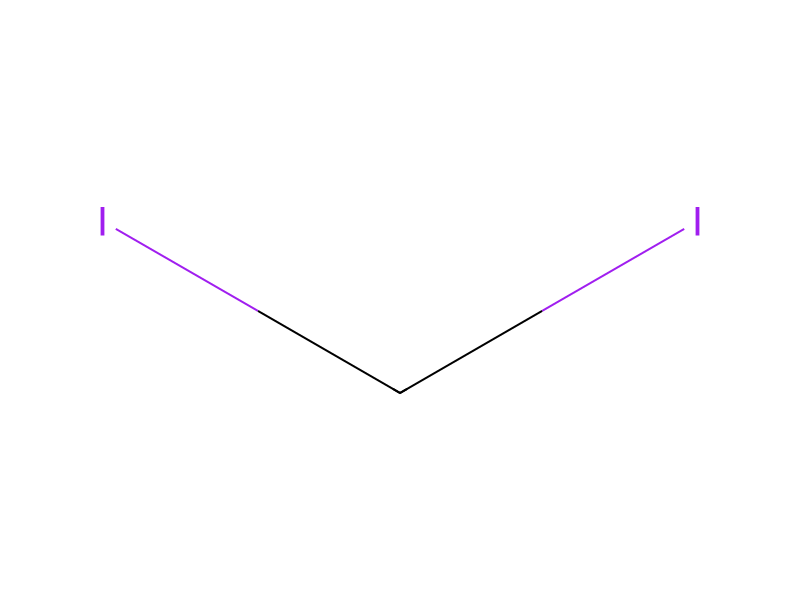
기본 정보
- CAS
75-11-6- 표준 SMILES
ICI- InChIKey
NZZFYRREKKOMAT-UHFFFAOYSA-N- 분자식
- CH2I2
- 평균 분자량
- 267.835 g/mol
- 단동위원소 질량
- 267.82459606
개요
methylene iodide has been reported in Ascophyllum nodosum and Mastocarpus stellatus with data available.
이름 및 식별자
- 우선 이름
- Diiodomethane
- IUPAC
- diiodomethane
- 영어명
- Diiodomethane
- 분자식
- CH2I2
- 분자량
- 267.83552
이름 및 동의어
DIIODOMETHANE75-11-6Methylene iodideMethane, diiodo-Methylene diiodideMethylenjodidDijodmethanNSC-358043J731705OXDTXSID4058784RefChem:920271DTXCID6047731
이름 더 보기
200-841-5MI-Geediiodo-methaneCH2I2di-iodomethaneNSC 35804MFCD00001079Methylene iodide-13C,d2
데이터베이스 식별자
- CAS
75-11-6- PubChem CID
- 6346
- DTXSID
DTXSID4058784- UNII
- 3J731705OX
- EC Number
- 200-841-5
- Nikkaji
- J1.440K
물성
구조 계산 물성
- XLogP
- 2.3
- 극성 표면적
- 0 Ų
- 수소 결합 공여자 수
- 0
- 수소 결합 수용자 수
- 0
- 회전 가능 결합 수
- 0
- 무거운 원자 수
- 3
- 형식 전하
- 0
- 복잡도
- 2.8
실험 및 물리화학적 성질
Chemical ClassesOther Classes -> Halogenated Aliphatics, Saturated
SpringerMaterials PropertiesSchoenflies notation
Density3.33 @ 15°C
Boiling Point181 °C @760 [mm Hg]
Vapor Pressure1.2 [mmHg]
Physical DescriptionHighly refractive liquid; Darkens on contact with light, air, and moisture; mp = 6 deg C; [Merck Index] Yellow liquid; [Hawley] Pale light yellow liquid; mp 5-6 deg C; [MSDSonline]
물리화학적 성질
- 녹는점
- 5 · 5.0-8.0
- 끓는 점
- 67 · 67.0-69.0
- 밀도
- 3.325 · 3.325
- 증기 밀도
- 9.25 · 9.25 - (Air = 1.0) (vs air)
- 인화점
- 110 · 110.0
- 물리적 상태
- 액체
- 색상
- 적갈색 액체
안전 및 규제
안전 정보는 참고용이며, 공급업체의 물질안전보건자료(SDS), 관련 법규 및 전문가 평가를 대체하지 않습니다.
GHS 분류
GHS Classification
This chemical does not meet GHS hazard criteria for 2.8% (5 of 176) of reports.
Danger
H302 (93.2%): Harmful if swallowed [Warning Acute toxicity, oral]
P261, P264, P264+P265, P270, P271, P273, P280, P301+P317, P302+P352, P304+P340, P305+P354+P338, P317, P319, P321, P330, P332+P317, P362+P364, P403+P233, P405, and P501 (click each P-code to see the statement)
Aggregated GHS information provided per 176 reports by companies from 13 notifications to the ECHA C&L Inventory. Each notification may be associated with multiple companies.
Not Classified
유해성 정보
Regulatory Information
Chemical: Methane, diiodo-
Status: Active Update: 24-01-2018 https://echa.europa.eu/registration-dossier/-/registered-dossier/22227
Methylene iodide: Does not have an individual approval but may be used under an appropriate group standard
Hazards Summary
May cause irritation and narcotic effects; [Hawley] Inhalation or skin absorption of high concentrations may cause CNS depression; May cause mild irritation; Repeated exposure may cause liver and kidney injury and CNS disorders; [CHEMINFO] A skin and eye irritant; [eChemPortal: ERMA] An irritant; [MSDSonline]
Hazard Classes and CategoriesAcute Tox. 4 (93.2%)
CSL Reaction Information
CSL00019
DIIODOMETHANE + DIETHYLZINC
Warning - This combination of reagents is known to have a latent exotherm that can lead to an uncontrollable reaction and an explosion may result. Please follow the link below for additional guidance on reaction setup.
Explosive
User-Reported
7/8/18
안전 및 보호
Protective Action Criteria (PAC)
2.4 [mg/m3]
27 [mg/m3]
160 [mg/m3]
독성 정보
Adverse EffectsNeurotoxin - Acute solvent syndrome
안전 데이터
- 신호 어
- Danger
- 유해·위험 문구
- 암호 유해·위험 문구 위험 등급 범주 신호 어 그림 문자 P- 코드 H315
화학 및 산업
용도 및 제조
UsesUsed to make X-ray contrast media; [Merck Index] Used in organic synthesis; [Hawley] Used to determine refractive indices of minerals and to separate minerals based on density; [Ullmann]
General Manufacturing InformationMethane, diiodo-: ACTIVE
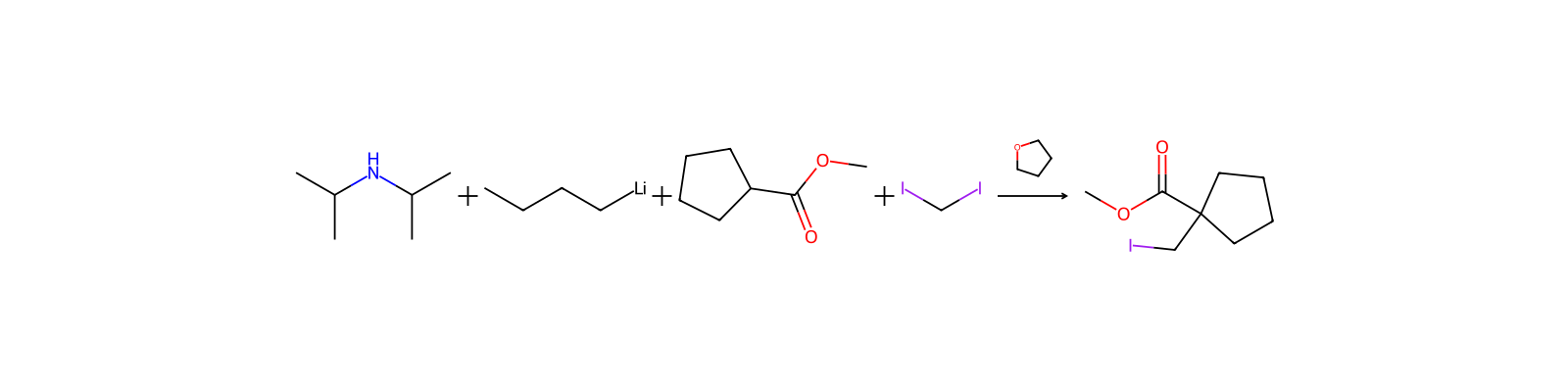
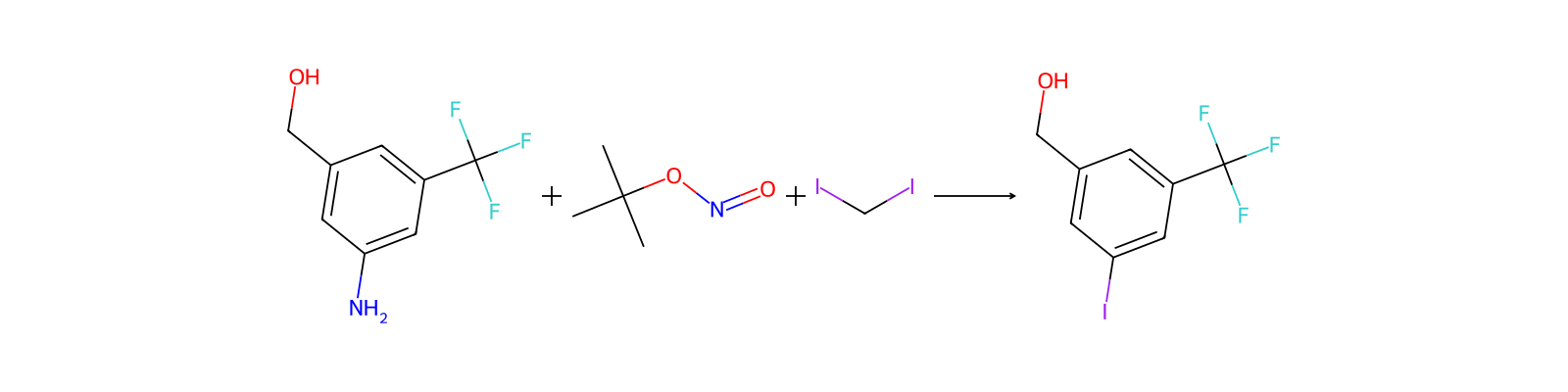
관련 반응
690건





화합물 노트
불러오는 중…