

기본 정보
- 표준 SMILES
CC(Cl)Cl- InChIKey
SCYULBFZEHDVBN-UHFFFAOYSA-N- 분자식
- C2H4Cl2
- 평균 분자량
- 98.96 g/mol
- 단동위원소 질량
- 97.9690055
이름 및 식별자
- 우선 이름
- 1,1-Dichloroethane
- IUPAC
- 1,1-dichloroethane
- 현지명
- 이염화에탄
- 영어명
- Dichloroethane
- 분자식
- C2H4Cl2
- 분자량
- 98.96
이름 및 동의어
1,1-DICHLOROETHANE75-34-3Ethylidene chlorideEthane, 1,1-dichloro-Ethylidene dichloride1,1-DichlorethaneDichloromethylmethaneAethylidenchlorid1,1-Dicloroetano1,1-DichloraethanCloruro di etilidene1,1-Dichloorethaan
이름 더 보기
이염화에탄DichloroethaneEthane, dichloro-(8CI,9CI)
1,1-Ethylidene dichlorideRCRA waste number U076Chlorure D'ethylideneNCI-C04535Dichloroethane, 1,1-alpha,alpha-DichloroethaneDTXSID10204370S989LNA44
데이터베이스 식별자
- CAS
1300-21-6、75-34-3- PubChem CID
- 6365
- DTXSID
DTXSID1020437- ChEMBL
CHEMBL45079- ChEBI
CHEBI:81599- UNII
- 0S989LNA44
- EC Number
- 200-863-5、215-077-8
- Nikkaji
- J1.452D
물성
구조 계산 물성
- XLogP
- 1.9
- 극성 표면적
- 0 Ų
- 수소 결합 공여자 수
- 0
- 수소 결합 수용자 수
- 0
- 회전 가능 결합 수
- 0
- 무거운 원자 수
- 4
- 형식 전하
- 0
- 복잡도
- 11
실험 및 물리화학적 성질
pHNeutral
LogP
log Kow = 1.79
1.8
Odor
Aromatic ethereal odor
Chloroform-like odor
Ether-like odor
Taste
As of chloroform
Saccharin taste
Density
1.174 at 68 °F (USCG, 1999) - Denser than water; will sink
1.175 at 20 °C/4 °C; 1.1680 at 25 °C/4 °C
Liquid thermal conductivity at 35 °F: 0.804 BTU-in/hr-sq ft-deg F; saturated vapor density 0.07032 lb/cu ft at 20 °C
Relative density (water = 1): 1.2
1.18
1.757 @ 20°C
Viscosity0.464 mPa s at 25 °C; 0.362 mPa s at 50 °C
Color/Form
Colorless, oily liquid
Colorless, neutral, mobile liquid
Solubility
less than 1 mg/mL at 68 °F (NTP, 1992)
For more Solubility (Complete) data for 1,1-Dichloroethane (11 total), please visit the HSDB record page.
In water, 5,040 mg/L at 25 °C
Soluble in alcohol, ether, fixed and volatile oils.
Soluble in acetone; very soluble in ethanol, ethyl ether
Miscible with oxygenated and chlorinated solvents.
Corrosivity
Will attack some forms of plastics, rubber, and coatings.
Corrosion rates for dry 1,1-dichloroethane are marginal but increase with water content and temperature. Aluminum is easily attacked.
Flash Point
22 °F (NTP, 1992)
-17 °C
-10.0 °C (14.0 °F) - closed cup
2 °F (-17 °C) (closed cup)
14 °C (open cup); -8.33 °C (closed cup)
22 def F /open cup/
Boiling Point
135.1 °F at 760 mmHg (NTP, 1992)
57.4 °C
57 °C
135 °F
57.3 °C @760 [mm Hg]
135 °F
Decomposition
Hazardous decomposition products formed under fire conditions - Carbon oxides, Hydrogen chloride gas.
When heated to decomposition, it emits toxic fumes of carbon monoxide, carbon dioxide, hydrogen chloride gas, and phosgene.
When heated to decomposition, it emits highly toxic fumes of phosgene and /chloride/.
When heated to decomposition it emits very toxic fumes of /chloride/.
물리화학적 성질
- 끓는 점
- 82 · 82-84 °C
- 밀도
- 1.2521 g/cm3 · 1.2521 g/cm3(Temp: 204 °C)
- Dielectric constant
- 16.7 · 16.7(20.0℃)
- InChI
- InChI=1S/C2H4Cl2/c1-2(3)4/h2H,1H3
- InChIKey
- SCYULBFZEHDVBN-UHFFFAOYSA-N
- SMILES
- C(Cl)(Cl)C
- EPA
- Dichloroethane (1300-21-6)
안전 및 규제
GHS 분류
GHS Classification
Danger
H225: Highly Flammable liquid and vapor [Danger Flammable liquids];H302: Harmful if swallowed [Warning Acute toxicity, oral];H319: Causes serious eye irritation [Warning Serious eye damage/eye irritation];H335: May cause respiratory irritation [Warning Specific target organ toxicity, single exposure; Respiratory tract irritation];H412: Harmful to aquatic life with long lasting effects [Hazardous to the aquatic environment, long-term hazard]
P210, P233, P240, P241, P242, P243, P261, P264, P264+P265, P270, P271, P273, P280, P301+P317, P303+P361+P353, P304+P340, P305+P351+P338, P319, P330, P337+P317, P370+P378, P403+P233, P403+P235, P405, and P501 (click each P-code to see the statement)
Danger
유해성 정보
Regulatory Information
Chemical: Ethane, 1,1-dichloro-
Hazard Traits - Carcinogenicity; Cardiovascular Toxicity; Dermatotoxicity; Hepatotoxicity and Digestive System Toxicity; Nephrotoxicity and Other Toxicity to the Urinary System; Neurotoxicity; Other Toxicological Hazard Traits;Authoritative List - ATSDR Neurotoxicants; CA MCLs; CA TACs; CWA 303(c); CWA 303(d); Prop 65;Report - regardless of intended function of ingredient in the product
Ethane, 1,1-dichloro- is listed on the EPA's Chemical Data Reporting (CDR) system. Manufacturers and importers of Ethane, 1,1-dichloro- are required to report information about their production and use of this chemical to the EPA under the Toxic Substances Control Act (TSCA). (40 eCFR Part 711)
T - indicates a substance that is the subject of a final TSCA section 4 test rule.
Ethane, 1,1-dichloro-: HSNO Approval: HSR001250 Approved with controls
The New Jersey Worker and Community Right to Know Act requires public and private employers to provide information about hazardous substances at their workplaces. (N.J.S.A. 34:5A-1 et. seq.)
Other Safety InformationIMAP assessments - Ethane, 1,1-dichloro-: Human health tier II assessment
DOT LabelFlammable Liquid
Fire Hazards
Special Hazards of Combustion Products: When heated to decomposition emits highly toxic fumes to phosgene.;Behavior in Fire: Explosion hazard (USCG, 1999)
· HIGHLY FLAMMABLE: Will be easily ignited by heat, sparks or flames.;· Vapors may form explosive mixtures with air.;· Vapors may travel to source of ignition and flash back.;· Most vapors are heavier than air. They will spread along the ground and collect in low or confined areas (sewers, basements, tanks, etc.).;· Vapor explosion hazard indoors, outdoors or in sewers.;· Those substances designated with a (P) may polymerize explosively when heated or involved in a fire.;· Runoff to sewer may create fire or explosion hazard.;· Containers may explode when heated.;· Many liquids will float on water.
Highly flammable. Gives off irritating or toxic fumes (or gases) in a fire. Vapour/air mixtures are explosive.
Fire PotentialA very dangerous fire hazard ... when exposed to heat or flame; can react vigorously with oxidizing materials.
Health Hazards
INHALATION: Irritation of respiratory tract. Salivation, sneezing, coughing, dizziness, nausea, and vomiting. EYES: Irritation, lacrimation, and reddening of conjunctiva. SKIN: Irritation. Prolonged or repeated skin contact can produce a slight burn. INGESTION: Ingestion incidental to industrial handling is not considered to be a problem. Swallowing of substantial amounts could cause nausea, vomiting, faintness, drowsiness, cyanosis, and circulatory failure. (USCG, 1999)
· May cause toxic effects if inhaled or absorbed through skin.;· Inhalation or contact with material may irritate or burn skin and eyes.;· Fire will produce irritating, corrosive and/or toxic gases.;· Vapors may cause dizziness or asphyxiation, especially when in closed or confined areas.;· Runoff from fire control or dilution water may cause environmental contamination.
Hazards Summary
1,1-Dichloroethane is a colorless, oily liquid with a sweet odor. It evaporates easily at room temperature and burns easily. It does not occur naturally in the environment.In the past, 1,1-dichloroethane was used as a surgical anesthetic, but it is no longer used this way. Today it is used primarily to make other chemicals, to dissolve substances such as paint, varnish, and finish removers, and to remove grease.
Ethylidene dichloride is primarily used as an intermediate in chemical synthesis. Acute (short-term) inhalation exposure to high levels of ethylidene dichloride in humans results in central nervous system (CNS) depression and a cardiostimulating effect resulting in cardiac arrhythmias. Studies in animals have reported effects on the kidney. No information is available on the chronic (long-term), reproductive, developmental, or carcinogenic effects of ethylidene dichloride in humans. An oral animal study reported a significantly positive dose-related trend in hemangiosarcomas, mammary tumors, liver tumors, and endometrial stromal polyps. EPA has classified ethylidene dichloride as a Group C, possible human carcinogen.
1,1-Dichoroethane is less toxic to the liver than other chlorinated solvents. [ACGIH] The halogenated solvents are CNS depressants; A 14 year old boy developed fatal hepatorenal syndrome after ingesting about 50 ml of dichloroethane; [Sullivan, p. 739-40] May have CNS effects, causing unconsciousness at high exposure levels; May cause liver and kidney injury; [ICSC] An eye and respiratory tract irritant; Prolonged or repeated exposure can cause skin burns; Inhalation may cause CNS depression; May cause liver and kidney injury; [HSDB] An eye and respiratory tract irritant; Harmful by ingestion; [Acros Organics MSDS]
DOT ID and Guide
2362 130
2362 130
Reactive GroupHalogenated Organic Compounds
EC ClassificationSymbol: F, Xn; R: 11-22-36/37-52/53; S: (2)-16-23-61
UN ClassificationUN Hazard Class: 3; UN Pack Group: II
Special Reports
HHS/ATSDR; Toxicological Profile for 1,1-Dichloroethane (August 2015)[Available from, as of March 16, 2018: https://www.atsdr.cdc.gov/toxprofiles/index.asp]
USEPA; Health and Environmental Effects Profile for Dichloroethane (1985) ECAO-CIN-P139
DHHS/ATSDR; Toxicological Profile for 1,1-Dichloroethane (1990) ATSDR/TP-90/12
안전 및 보호
Fire Fighting
Excerpt from ERG Guide 130 [Flammable Liquids (Water-Immiscible / Noxious)]:;CAUTION: The majority of these products have a very low flash point. Use of water spray when fighting fire may be inefficient.;SMALL FIRE: Dry chemical, CO2, water spray or regular foam. If regular foam is ineffective or unavailable, use alcohol-resistant foam.;LARGE FIRE: Water spray, fog or regular foam. If regular foam is ineffective or unavailable, use alcohol-resistant foam. Avoid aiming straight or solid streams directly onto the product. If it can be done safely, move undamaged containers away from the area around the fire.;FIRE INVOLVING TANKS, RAIL TANK CARS OR HIGHWAY TANKS: Fight fire from maximum distance or use unmanned master stream devices or monitor nozzles. Cool containers with flooding quantities of water until well after fire is out. Withdraw immediately in case of rising sound from venting safety devices or discoloration of tank. ALWAYS stay away from tanks in direct contact with flames. For massive fire, use unmanned master stream devices or monitor nozzles; if this is impossible, withdraw from area and let fire burn. (ERG, 2024)
Use water spray, foam, powder, carbon dioxide. In case of fire: keep drums, etc., cool by spraying with water.
First Aid Measures
Fresh air, rest. Refer for medical attention.
Remove contaminated clothes. Rinse skin with plenty of water or shower.
First rinse with plenty of water for several minutes (remove contact lenses if easily possible), then refer for medical attention.
Rinse mouth. Refer for medical attention .
Accidental Release Measures
· CALL 911. Then call emergency response telephone number on shipping paper. If shipping paper not available or no answer, refer to appropriate telephone number listed on the inside back cover.;· Keep unauthorized personnel away.;· Stay upwind, uphill and/or upstream.;· Ventilate closed spaces before entering, but only if properly trained and equipped.
· ELIMINATE all ignition sources (no smoking, flares, sparks or flames) from immediate area.;· All equipment used when handling the product must be grounded.;· Do not touch or walk through spilled material.;· Stop leak if you can do it without risk.;· Prevent entry into waterways, sewers, basements or confined areas.;· A vapor-suppressing foam may be used to reduce vapors.;· Absorb or cover with dry earth, sand or other non-combustible material and transfer to containers.;· Use clean, non-sparking tools to collect absorbed material.;Large Spill;· Dike far ahead of liquid spill for later disposal.;· Water spray may reduce vapor, but may not prevent ignition in closed spaces.
First Aid
EYES: First check the victim for contact lenses and remove if present. Flush victim's eyes with water or normal saline solution for 20 to 30 minutes while simultaneously calling a hospital or poison control center. Do not put any ointments, oils, or medication in the victim's eyes without specific instructions from a physician. IMMEDIATELY transport the victim after flushing eyes to a hospital even if no symptoms (such as redness or irritation) develop.;SKIN: IMMEDIATELY flood affected skin with water while removing and isolating all contaminated clothing. Gently wash all affected skin areas thoroughly with soap and water. If symptoms such as redness or irritation develop, IMMEDIATELY call a physician and be prepared to transport the victim to a hospital for treatment.;INHALATION: IMMEDIATELY leave the contaminated area; take deep breaths of fresh air. If symptoms (such as wheezing, coughing, shortness of breath, or burning in the mouth, throat, or chest) develop, call a physician and be prepared to transport the victim to a hospital. Provide proper respiratory protection to rescuers entering an unknown atmosphere. Whenever possible, Self-Contained Breathing Apparatus (SCBA) should be used; if not available, use a level of protection greater than or equal to that advised under Protective Clothing.;INGESTION: DO NOT INDUCE VOMITING. Volatile chemicals have a high risk of being aspirated into the victim's lungs during vomiting which increases the medical problems. If the victim is conscious and not convulsing, give 1 or 2 glasses of water to dilute the chemical and IMMEDIATELY call a hospital or poison control center. IMMEDIATELY transport the victim to a hospital. If the victim is convulsing or unconscious, do not give anything by mouth, ensure that the victim's airway is open and lay the victim on his/her side with the head lower than the body. DO NOT INDUCE VOMITING. IMMEDIATELY transport the victim to a hospital. (NTP, 1992)
General First Aid:;· Call 911 or emergency medical service.;· Ensure that medical personnel are aware of the material(s) involved, take precautions to protect themselves and avoid contamination.;· Move victim to fresh air if it can be done safely.;· Administer oxygen if breathing is difficult.;· If victim is not breathing:;-- DO NOT perform mouth-to-mouth resuscitation; the victim may have ingested or inhaled the substance.;-- If equipped and pulse detected, wash face and mouth, then give artificial respiration using a proper respiratory medical device (bag-valve mask, pocket mask equipped with a one-way valve or other device).;-- If no pulse detected or no respiratory medical device available, provide continuous compressions. Conduct a pulse check every two minutes or monitor for any signs of spontaneous respirations.;· Remove and isolate contaminated clothing and shoes.;· For minor skin contact, avoid spreading material on unaffected skin.;· In case of contact with substance, remove immediately by flushing skin or eyes with running water for at least 20 minutes.;· For severe burns, immediate medical attention is required.;· Effects of exposure (inhalation, ingestion, or skin contact) to substance may be delayed.;· Keep victim calm and warm.;· Keep victim under observation.;· For further assistance, contact your local Poison Control Center.;· Note: Basic Life Support (BLS) and Advanced Life Support (ALS) should be done by trained professionals.;Specific First Aid:;· Wash skin with soap and water.
(General first aid procedures);Eye: Irrigate immediately - If this chemical contacts the eyes, immediately wash (irrigate) the eyes with large amounts of water, occasionally lifting the lower and upper lids. Get medical attention immediately.;Skin: Soap flush promptly - If this chemical contacts the skin, promptly flush the contaminated skin with soap and water. If this chemical penetrates the clothing, promptly remove the clothing and flush the skin with water. If irritation persists after washing, get medical attention.;Breathing: Respiratory support;Swallow: Medical attention immediately - If this chemical has been swallowed, get medical attention immediately.
Safe StorageFireproof. See Chemical Dangers. Cool.
Firefighting Hazards
Vapors are heavier than air and will collect in low areas. Vapors may travel long distances to ignition sources and flashback. Vapors in confined areas may explode when exposed to fire. Containers may explode in fire. Storage containers and parts of containers may rocket great distances, in many directions.
Exposure Control and Personal Protection
· Wear positive pressure self-contained breathing apparatus (SCBA).;· Structural firefighters' protective clothing provides thermal protection but only limited chemical protection.
51.88 [ppm]
Fire Fighting Procedures
Suitable extinguishing media: Use water spray, alcohol-resistant foam, dry chemical or carbon dioxide.
Advice for firefighters: Wear self contained breathing apparatus for fire fighting if necessary.
Use water spray to cool unopened containers.
To fight fire use alcohol foam, water, foam, /carbon dioxide/, dry chemical.
For more Fire Fighting Procedures (Complete) data for 1,1-Dichloroethane (7 total), please visit the HSDB record page.
Storage Conditions
Keep container tightly closed in a dry and well-ventilated place. Containers which are opened must be carefully resealed and kept upright to prevent leakage.
Store in a flammable liquid storage area or approved cabinet away from ignition sources and corrosive and reactive materials. ... Before entering confined space where this chemical may be present, check to make sure that an explosive concentration does not exist. 1,1-Dichloroethane must be stored to avoid contact with strong oxidizers, such as chlorine, bromine, and fluorine, since violent reactions occur. Store in tightly closed containers in a cool, well-ventilated area away from heat. Sources of ignition, such as smoking and open flames are prohibited where 1,1-dichloroethane is used, handled, or stored in a manner that could create a potential fire or explosion hazard. Metal containers used in the transfer of 5 gallons or more of 1,1-dichloroethane should be grounded and bonded. Drums must be equipped with self-closing valves, pressure vacuum bungs, and flame arresters. Use only nonsparking tools and equipment, especially when opening and closing containers of 1,1-dichloroethane.
Cleanup Methods
ACCIDENTAL RELEASE MEASURES: Personal precautions, protective equipment and emergency procedures: Use personal protective equipment. Avoid breathing vapors, mist or gas. Ensure adequate ventilation. Remove all sources of ignition. Evacuate personnel to safe areas. Beware of vapors accumulating to form explosive concentrations. Vapors can accumulate in low areas. Environmental precautions: Prevent further leakage or spillage if safe to do so. Do not let product enter drains. Discharge into the environment must be avoided. Methods and materials for containment and cleaning up: Contain spillage, and then collect with an electrically protected vacuum cleaner or by wet-brushing and place in container for disposal according to local regulations.
1. Remove all ignition sources. 2. Ventilate area of spill or leak. 3. For small quantities, absorb on paper towels. Evaporate in a safe place (such as a fume hood). Allow sufficient time for evaporating vapors to completely clear the hood ductwork. Burn the paper in a suitable location away from combustible materials. Large quantities can be reclaimed or collected and atomized in a suitable combustion chamber equipped with an appropriate effluent gas cleaning device. 1,1-Dichloroethane should not be allowed to enter a confined space, such as a sewer, because of the possibility of an explosion. Sewers designed to preclude the formation of explosive concn of 1,1-dichloroethane vapors are permitted.
Evacuate and restrict persons not wearing protective equipment from area of spill or leak until cleanup is complete. Remove all ignition sources. Establish forced ventilation to keep levels below explosive limit. Absorb liquids in vermiculite, dry sand, earth, peat, carbon, or a similar material and deposit in sealed containers. Keep this chemical out of confined space, such as a sewer, because of the possibility of an explosion, unless the sewer is designed to prevent the buildup of explosive concentrations. It may be necessary to contain and dispose of this chemical as a hazardous waste. If material or contaminated runoff enters waterways, notify downstream users of potentially contaminated waters.
Nonfire Spill Response
Excerpt from ERG Guide 130 [Flammable Liquids (Water-Immiscible / Noxious)]:;ELIMINATE all ignition sources (no smoking, flares, sparks or flames) from immediate area. All equipment used when handling the product must be grounded. Do not touch or walk through spilled material. Stop leak if you can do it without risk. Prevent entry into waterways, sewers, basements or confined areas. A vapor-suppressing foam may be used to reduce vapors. Absorb or cover with dry earth, sand or other non-combustible material and transfer to containers. Use clean, non-sparking tools to collect absorbed material.;LARGE SPILL: Dike far ahead of liquid spill for later disposal. Water spray may reduce vapor, but may not prevent ignition in closed spaces. (ERG, 2024)
Disposal Methods
Generators of waste (equal to or greater than 100 kg/mo) containing this contaminant, EPA hazardous waste number U076, must conform with USEPA regulations in storage, transportation, treatment and disposal of waste.
Product: Burn in a chemical incinerator equipped with an afterburner and scrubber but exert extra care in igniting as this material is highly flammable. Offer surplus and non-recyclable solutions to a licensed disposal company. Contact a licensed professional waste disposal service to dispose of this material; Contaminated packaging: Dispose of as unused product.
Potential candidate for liquid injection incineration, with a temperature range of 650 to 1,600 °C and a residence time of 0.1 to 2 seconds. Also a potential candidate for rotary kiln incineration, with a temperature range of 820 to 1600 °C and a residence time of seconds. Also a potential candidate for fluidized bed incineration, with a temperature range of 450 to 980 °C and a residence time of seconds.
The following wastewater treatment technologies have been investigated for 1,1-dichloroethane: Concentration process: Stripping.
For more Disposal Methods (Complete) data for 1,1-Dichloroethane (10 total), please visit the HSDB record page.
SRP: Recycle any unused portion of the material for its approved use or return it to the manufacturer or supplier. Ultimate disposal of the chemical must consider: the material's impact on air quality; potential migration in air, soil or water; effects on animal, aquatic and plant life; and conformance with environmental and public health regulations. If it is possible or reasonable use an alternative chemical product with less inherent propensity for occupational harm/injury/toxicity or environmental contamination.
독성 정보
Toxicological InformationCDC-ATSDR Toxicological Profile
Body Burden
A trace of 1,1-dichloroethane was found in exhaled air from 1 of 9 Love Canal, NY residents tested(1). A trace of 1,1-dichloroethane was found on the breath of 8 healthy volunteers employed at the US Air Force School of Aerospce Medicine, TX that had no special exposure to chemicals(2).
A National Health and Nutrition Survey (NHANES) of the U.S. population in 2003-2004 screened for 1,1-dichloroethane in blood from 1,367 participants (670 males and 679 females) in the age range of 20-59 years old; the portion of the data below the limit of detection (LOD of 0.01 ug/L) was too high to provide valid results for a background level in blood(1). The geometric mean of the 2005-2006 NHANES sampling of blood from 3,193 participants was <0.01 ug/L (limit of detection(1).
Treatment
Following oral exposure, immediately dilute with 4 to 8 ounces (120 to 240 mL) of water or milk and administer charcoal as a slurry (240 mL water/30 g charcoal). Consider insertion of a small, flexible nasogastric or orogastric tube to suction gastric contents after recent large ingestions (the risk of further mucosal injury must be weighed against potential benefits). Following inhalation exposure, Move patient to fresh air. Monitor for respiratory distress. If cough or difficulty breathing develops, evaluate for respiratory tract irritation, bronchitis, or pneumonitis. After eye exposure, irrigate exposed eyes with copious amounts of room temperature water for at least 15 minutes. If the exposure occurs through dermal contact, remove contaminated clothing and wash exposed area thoroughly with soap and water. In any case, a physician may need to examine the area if irritation or pain persists. (T36)
Interactions
Drinking water chlorination results in numerous chlorinated byproducts. We evaluated the developmental and embryo toxicity of 1,3-dichloropropane (1,3DP), 2,2-dichloropropane (2,2DP), 1,1-dichloroethane (1,1DE) and 1,1,2,2-tetrachloroethane (TCE) in rat whole embryo culture (WEC) due to their presence in chlorinated drinking water, their structural similarities, and a lack of developmental toxicity data for these compounds. Humans could be exposed to these four chlorinated propanes and ethanes (CPEs) simultaneously in drinking water and hence we evaluated them alone and in combination. Toxicity profiles were generated by exposing gestational day (GD) 9.5 rat embryos in WEC to the CPEs for 48 hours. The individual CPEs were all dysmorphogenic in WEC and embryonic exposure resulted primarily in rotation and heart defects. The embryonic effects from exposure were compared based on developmental score (DEVSC), death and dysmorphology as the parameters of comparison. Concentrations of individual CPEs chosen for the mixture studies were predicted to produce DEVSCs 25% below control values. These equipotent mM concentrations (14.5 1,1DE, 1.5 TCE, 16 2,2DP, 5.5 1,3DP) were then used to determine the toxicity of all possible combinations, based on a dose-additivity model, of the four CPEs. Eight of mixture combinations gave experimental DEVSCs which were not significantly different from the predicted scores while three of the mixtures (1,3DP/2,2DP; TCE/1,3DP/2,2DP; TCE/1,3DP/2,2DP/1,1DE) gave scores which were significantly lower than predicted. Embryo mortality was additive in ten of the eleven treatment groups, with one mixture significantly more embryotoxic (27% mortality) than predicted. Dysmorphology was significantly elevated in all treatment groups compared to controls and was neither significantly different between the groups nor different from dysmorphology seen in embryos following exposure to the individual compounds. These data suggest that the developmental toxi
Laboratory investigations were carried out on 280 workers exposed to vinyl chloride and dichloroethane. Some hematological indices and liver function were examined. ... A ... case of vinyl chloride disease was diagnosed in which the combined effect of vinyl chloride and dichloroethane was apparent.
Target Organs
Neurological (Nervous System), Renal
Skin, liver, kidneys, lungs, central nervous system
Health Effects
1,1-dichloroethane can cause kidney disease after long-term, high-level exposure in the air. It is also known to cause liver damage, as well as central nervous system depression. 1,1-Dichloroethane can cause dermatitis on prolonged dermal exposure. (L403, T65)
Ecotoxicity Values
LC50; Species: Poecilia reticulata (guppies); Concentration: 202 ppm for 7 days /Conditions of bioassay not specified/
EC50; Species: Pseudokirchneriella subcapitata (Green Algae) 15000 cells/mL; Conditions: freshwater, static, 24 °C; Concentration: 42920 ug/L for 48 hr; Effect: decreased population growth rate
Environmental Fate
Aquatic and Atmospheric Fate: Chloroethanes are expected to be present in industrial air and water emissions. They volatilize rapidly from surface water and persist in urban atmospheres. Hydrolysis and biodegradation are expected to be slow. /Chloroethanes/
TERRESTRIAL FATE: Based on a classification scheme(1), measured Koc values of 30(2) and 9.2(3) indicate that 1,1-dichloroethane is expected to have very high mobility in soil(SRC). Volatilization of 1,1-dichloroethane from moist soil surfaces is expected to be an important fate process(SRC) given a Henry's Law constant of 5.62X10⁻³ atm-cu m/mole(4). 1,1-Dichloroethane is expected to volatilize from dry soil surfaces(SRC) based upon a vapor pressure of 227 mm Hg at 25 °C(5). The half-life of 1,1-dichloroethane under sulfate-reducing conditions was approximately 115 days using well monitoring data from a landfill with a contamination history(6), indicating that biodegradation is a slow environmental fate process in soil(SRC).
AQUATIC FATE: Based on a classification scheme(1), measured Koc values of 30(2) and 9.2(3) indicate that 1,1-dichloroethane is not expected to adsorb to suspended solids and sediment(SRC). Volatilization from water surfaces is expected(4) based upon a Henry's Law constant of 5.62X10⁻³ atm-cu m/mole(5). Using this Henry's Law constant and an estimation method(4), volatilization half-lives for a model river and model lake are 3 hrs and 4 days, respectively(SRC). According to a classification scheme(6), an estimated BCF of 7(SRC), from its log Kow of 1.79(7) and a regression-derived equation(8), suggests the potential for bioconcentration in aquatic organisms is low(SRC). The half-life of 1,1-dichloroethane under sulfate-reducing conditions was approximately 115 days using well monitoring data from a landfill with a contamination history(9), indicating that biodegradation is a slow environmental fate process in water(SRC). Hydrolysis is not expected to be an important environmental fate process(SRC) given a hydrolysis half-life of 61.3 years at 25 °C and pH 7(10).
ATMOSPHERIC FATE: According to a model of gas/particle partitioning of semivolatile organic compounds in the atmosphere(1), 1,1-dichloroethane, which has a vapor pressure of 227 mm Hg at 25 °C(SRC), is expected to exist solely as a vapor in the ambient atmosphere. Vapor-phase 1,1-dichloroethane is degraded in the atmosphere by reaction with photochemically-produced hydroxyl radicals(SRC); the half-life for this reaction in air is estimated to be 59 days(SRC), calculated from its rate constant of 2.74X10⁻¹³ cu cm/molecule-sec at 25 °C(3). 1,1-Dichloroethane does not contain chromophores that absorb at wavelengths >290 nm(4) and, therefore, is not expected to be susceptible to direct photolysis by sunlight(SRC).
Aquatic and Atmospheric Fate: Chloroethanes are expected to be present in industrial air and water emissions. They volatilize rapidly from surface water and persist in urban atmospheres. Hydrolysis and biodegradation are expected to be slow. /Chloroethanes/
Food Survey Values
1,1-Dichloroethane was not detected in 234 table-ready food items from the US FDA's Total Diet Study (10.7 ppb limit of detection)(1). 1,1-Dichloroethane was detected in three peanut butter samples at levels of 1.1, 1.9, and 3.7 g/kg, however, the compound was not found in several other foods that were analyzed(2).
Adverse Effects
Neurotoxin - Acute solvent syndrome;Occupational hepatotoxin - Secondary hepatotoxins: the potential for toxic effect in the occupational setting is based on cases of poisoning by human ingestion or animal experimentation.;Nephrotoxin - The chemical is potentially toxic to the kidneys in the occupational setting.;ACGIH Carcinogen - Not Classifiable.
Exposure Routes
The substance can be absorbed into the body by inhalation and by ingestion.
inhalation, ingestion, skin and/or eye contact
Inhalation (L404) ; oral (L404) ; dermal (L404) ; eye contact (L404)
Toxicity Summary
IDENTIFICATION AND USE: 1,1-Dichloroethane is a colorless, oily liquid. It is used as a chemical intermediate in the production of vinyl chloride and of 1,1,1-trichloroethane. It is also a grain fumigant and has limited use as a solvent for plastics, oils, fats, paint, and varnishes. 1,1-Dichloroethane is used in the manufacture of high vacuum rubber and silicone grease. The chemical can also be used as a coupling agent in antiknock gasoline, for metal degreasing, organic synthesis, and ore floatation. It was formerly used as an anesthetic but it is of no importance in this field today. HUMAN STUDIES: Symptoms of exposure to this compound may include liver and kidney damage, skin and eye irritation, dermatitis, skin burns, unconsciousness, CNS depression, drowsiness, nausea, vomiting, faintness, irritation of the respiratory tract, salivation, sneezing, coughing, dizziness, lacrimation, reddening of the conjunctiva, cyanosis, and circulatory failure. ANIMAL STUDIES: No toxic effects were observed in rabbits dermally exposed to an upper limit dose of 2 mL 1,1-dichloroethane/kg bw for 24 hr during a 14-day observation period. In a study of acute toxicity to adult male rats, there was significant mortality at a concentration of 8.0 g/kg. Intraperitoneal doses of 1000 mg/kg produced no renal necrosis in mice but some evidence of tubular swelling was reported. Urinary protein was increased after injection of 2000 mg/kg and urinary glucose increased after 4000 mg/kg. Rats survived an 8 hr inhalation exposure to 4000 ppm but were killed at 16,000 ppm. Anesthetic effects in mice that inhaled 8,000-10,000 ppm 1,1-dichloroethane for 2 hours were observed, with a minimal lethal dose of 17,300 ppm. Single intraperitoneal injections of 150, 300, 500, and 750 mg 1,1-dichloroethane/kg bw to guinea pigs failed to elicit a change in serum ornithine carbamoyl transferase activity and produced no histological changes in the liver. Pregnant female rats were exposed on days 6 to 15 of g
IDENTIFICATION AND USE: Dichloroethane is most commonly used in the production of vinyl chloride monomer (1,2-dichloroethane). HUMAN STUDIES: Laboratory investigations were carried out on 280 workers exposed to vinyl chloride and dichloroethane. Some hematological indices and liver function were examined. A case of vinyl chloride disease was reported in which the combined effect of vinyl chloride and dichloroethane was apparent. The acute and subacute toxicity of dichloroethane increased when it was administered under conditions of high temperature. ANIMAL STUDIES: There are no data available.
The limited information available about 1,1-dichloroethane suggests that it may be nephrotoxic, fetotoxic, and possibly carcinogenic. 1,1-Dichloroethane has been observed to enhance cell transformation and results suggest that 1,1-dichloroethane or a metabolite can bind to cellular macromolecules such as DNA. It had been reported that 1,1-dichloroethane binds to nucleic acids and proteins in vivo and in vitro. This binding is also mediated by the liver cytochrome-P-450 system. Phenobarbital enhances the extent of covalent macromolecular binding. Hence, metabolites of 1,1-dichloroethane bind to the DNA, RNA, and tissue proteins. (L403)
규제 정보
Regulatory Information
Chemical: Ethane, 1,1-dichloro-
Hazard Traits - Carcinogenicity; Cardiovascular Toxicity; Dermatotoxicity; Hepatotoxicity and Digestive System Toxicity; Nephrotoxicity and Other Toxicity to the Urinary System; Neurotoxicity; Other Toxicological Hazard Traits;Authoritative List - ATSDR Neurotoxicants; CA MCLs; CA TACs; CWA 303(c); CWA 303(d); Prop 65;Report - regardless of intended function of ingredient in the product
Ethane, 1,1-dichloro- is listed on the EPA's Chemical Data Reporting (CDR) system. Manufacturers and importers of Ethane, 1,1-dichloro- are required to report information about their production and use of this chemical to the EPA under the Toxic Substances Control Act (TSCA). (40 eCFR Part 711)
T - indicates a substance that is the subject of a final TSCA section 4 test rule.
Ethane, 1,1-dichloro-: HSNO Approval: HSR001250 Approved with controls
The New Jersey Worker and Community Right to Know Act requires public and private employers to provide information about hazardous substances at their workplaces. (N.J.S.A. 34:5A-1 et. seq.)
RCRA Requirements
U076; As stipulated in 40 CFR 261.33, when 1,1-dichloroethane, as a commercial chemical product or manufacturing chemical intermediate or an off-specification commercial chemical product or a manufacturing chemical intermediate, becomes a waste, it must be managed according to Federal and/or State hazardous waste regulations. Also defined as a hazardous waste is any residue, contaminated soil, water, or other debris resulting from the cleanup of a spill, into water or on dry land, of this waste. Generators of small quantities of this waste may qualify for partial exclusion from hazardous waste regulations (40 CFR 261.5).
TSCA Requirements
Pursuant to section 8(d) of TSCA, EPA promulgated a model Health and Safety Data Reporting Rule. The section 8(d) model rule requires manufacturers, importers, and processors of listed chemical substances and mixtures to submit to EPA copies and lists of unpublished health and safety studies. 1,1-Dichloroethane is included on this list. Effective date: 6/1/87; Sunset date: 6/1/97.
Section 8(a) of TSCA requires manufacturers of this chemical substance to report preliminary assessment information concerned with production, exposure, and use to EPA as cited in the preamble in 51 FR 41329. Effective date: 3/11/94; Reporting date: 5/10/94.
Atmospheric Standards
Listed as a hazardous air pollutant (HAP) generally known or suspected to cause serious health problems. The Clean Air Act, as amended in 1990, directs EPA to set standards requiring major sources to sharply reduce routine emissions of toxic pollutants. EPA is required to establish and phase in specific performance based standards for all air emission sources that emit one or more of the listed pollutants. 1,1-Dichloroethane is included on this list.
CERCLA Reportable Quantities
Persons in charge of vessels or facilities are required to notify the National Response Center (NRC) immediately, when there is a release of this designated hazardous substance, in an amount equal to or greater than its reportable quantity of 1000 lb or 454 kg. The toll free number of the NRC is (800) 424-8802. The rule for determining when notification is required is stated in 40 CFR 302.4 (section IV.D.3.b).
State Drinking Water Standards
(CA) CALIFORNIA 5 ug/L
(NJ) NEW JERSEY 50 ug/L
State Drinking Water Guidelines
(CT) CONNECTICUT 80 ug/L
(FL) FLORIDA 70 ug/L
(MA) MASSACHUSETTS 70 ug/L
(ME) MAINE 70 ug/L
For more State Drinking Water Guidelines (Complete) data for 1,1-Dichloroethane (7 total), please visit the HSDB record page.
안전 데이터
- 유해 물질 데이터
- 1300-21-6(Hazardous Substances Data)
화학 및 산업
약리 정보
Biological Half-LifeBased on information from its use as an anesthetic in the past: completely removed within 2 days; [TDR, p. 490]
Metabolism/Metabolites
The metabolism of 1,1-dichloroethane after chronic oral dosing of adult mice and rats at maximum tolerated doses /was studied/. The maximum tolerated dose was 700 mg/kg for rats and 1800 mg/kg for mice. Animals were treated 5 d/wk for 4 wk with unlabeled 1,1-dichloroethane prior to a single gavage dose of labeled material in corn oil. The animals were placed in metabolism cages for 2 d following treatment. Rats excreted 86% as unchanged 1,1-dichloroethane and mice 70%. Total metabolism (primarily CO2) was 7.5 and 29% respectively, and the metabolic products were similar in the two species. Although the investigators report radioactivity as "bound", the "binding" may have been due to incorporation as metabolites rather than due to alkylation.
.... In vitro studies confirmed that little 1,1-dichloroethane is metabolized. Cytochrome P450 appears to play a major role in metabolism and the addition of substances that increase P450 increase metabolism of 1,1-dichloroethane. Addition of glutathione had a protective effect.
The covalent binding of 1,1-dichloroethane to nucleic acids and protein was investigated by treating male Wistar rats and BALBC/c mice with radiolabeled 1,1-dichloroethane through intraperitoneal doses of 127 uCi/kg body weight. The animals were sacrificed 22 hours postinjection, and the liver, kidneys, stomach, and lungs were were processed for DNA-, RNA-, and protein-associated radioactivity measurements. RNA binding was greater than DNA binding in both species and all organs examined. The highest level of DNA binding occurred in the rat stomach and mouse liver. RNA binding was greatest in rat liver and mouse lung.
The binding of 1,1-dichloroethane to the substrate binding site of hepatic microsomal cytochrome P-450 and the stimulation of hepatic microsomal carbon monoxide-inhibitable NADPH oxidation by 1,1-dichloroethane were enhanced by induction with phenobarbital but not with beta-naphthoflavone. Incubation of 1,1-dichloroethane with hepatic microsomes from phenobarbital-treated Long Evans rats, a NADPH-generating system, and EDTA resulted in the conversion of 1,1-dichloroethane to acetic acid, and to a lesser extent to 2,2-dichloroethanol, and probably also to mono- and dichloroacetic acids. The authors concluded that 1,1-dichloroethane is metabolized by hepatic microsomal cytochrome P-450 in vitro. This metabolism appears important in mediating toxicity of the compound.
For more Metabolism/Metabolites (Complete) data for 1,1-Dichloroethane (10 total), please visit the HSDB record page.
The susceptibility of polychlorinated ethanes to reductive metabolism was evaluated by measuring the amount of each compound consumed during anaerobic incubations with rat liver microsomes. ... The dichloroethanes were not metabolized at a detectable rate. ...
Absorption, Distribution and Excretion
Chlorinated hydrocarbons /were/ found in a bioassay to be carcinogenic to both B6C3F1 mice and Osborne-Mendel rats (1,2-dichloroethane), carcinogenic only to mice (1,1,2-trichloroethane, 1,1,2,2-tetrachloroethane, hexachloroethane, trichloroethylene, and tetrachloroethylene), and noncarcinogenic to either species. 1,1-Dichloroethane and 1,1,1-trichloroethane were used to investigate the biochemical bases for tumorigenesis. Studies were conducted after chronic oral dosing of adult mice and rats with the MTD and 1/4 MTD of each compound. ... The noncarcinogens 1,1-dichloroethane and 1,1,1-trichloroethane exhibited 2 to 18 times more binding in mice than did the carcinogens 1,2-dichloroethane and 1,1,2-trichloroethane. ...
/1,1-Dichloroethane/ can be absorbed into the body by inhalation and by ingestion.
The serum-air partition coefficient of 1,1-dichloroethane (ratio of the concentration in serum to the concentration of the vapor in air) had a value of 8. This value was found to fill an inverse linear correlation between the logarithm of the threshold limit value (TLV) for various halogenated hydrocarbons.
22% of an inhalation dose of (38)Cl 1,1-dichloroethane initially absorbed by the lung is exhaled in the expired air after 1 hr.
용도 및 제조
Uses
Ethylidene dichloride is primarily used as an intermediate in the manufacture of other chemicals such as vinyl chloride and 1,1,1-trichloroethane, and to manufacture high vacuum rubber. In the past, ethylidene dichloride was used as an anesthetic, but that use has been discontinued.
Used as a chemical intermediate, grain fumigant, and solvent for plastics and oils; in the past, used as an anesthetic; [ACGIH] Used as a cleaning agent, in metal degreasing, rubber cementing, in fabric spreading, ore flotation, fire extinguishing, as an insecticide spray, extraction solvent, coupling agent in antiknock gasoline, paint, varnish, and finish remover, and to make high vacuum rubber; [HSDB] Used as a reagent and solvent for paint and varnishes; [Merck Index]
Metal Degreasing [Category: Clean];Textiles (Fiber & Fabric Manufacturing) [Category: Industry];Painting (Solvents) [Category: Paint];Farming (Pesticides) [Category: Industry];Metal Extraction and Refining [Category: Industry]
Reagent and chemical intermediate. Solvent for paint, varnishes; degreaser.
1,1-Dichlorethane is used as a chemical intermediate and grain fumigant /SRP: former use/ and has limited use as a solvent for plastics, oils, and fats. It was formerly used as an anesthetic but it is of no importance in this field today.
Used in the manufacture of high vacuum rubber and silicone grease.
ImpuritiesReagent grade 99.7% pure with the following impurities: ethyl chloride 0.02%; butylene oxide 0.08%; trichloroethylene 0.08%; ethylene dichloride 0.01%; unknown 0.14%, (expressed as volume percentage by weight of sample).
U.S. Production
2023: 75,000,000 - <150,000,000 lb;2022: 75,000,000 - <150,000,000 lb;2021: 75,000,000 - <150,000,000 lb;2020: 75,000,000 - <150,000,000 lb
NO DATA (1992)
Non-confidential 2012 Chemical Data Reporting (CDR) information on the production and use of chemicals manufactured or imported into the United States. Chemical: Ethane, 1,1-dichloro-. National Production Volume: 1,000,000 - 10,000,000 lb/yr.
Non-confidential 2016 Chemical Data Reporting (CDR) information on the production and use of chemicals manufactured or imported into the United States. Chemical: 1,1-Dichloroethane:;Table: National Aggregate Production Volume (pounds) [Table#183]
Industry UsesIntermediate
Methods of Manufacturing
Prepared by the action of PCl5 /phosphorus pentachloride/ on acetaldehyde.
1,1-Dichloroethane may ... be obtained by ethane or chloroethane chlorination. This chlorination can be carried out as thermal chlorination, photochlorination, or oxychlorination. These processes, however, are impaired by a lack of selectivity.
... 1,1-Dichloroethane can be produced from acetylene by adding 2 mol of hydrogen chloride. For the first reaction sequence, i.e., the formation of vinyl chloride, mercury catalyst is typically used, although other nonmercuric catalysts are claimed in the literature.
1,1-Dichloroethane via the 1,2-Dichloroethane-Vinyl Chloride Route. Hydrogen chloride and vinyl chloride obtained from 1,2-dichloroethane cracking are reacted in a boiling-bed-type reactor in the presence of a Friedel-Crafts catalyst, preferably ferric chloride (FeCl3).
Acetaldehyde reacts with phosphorus pentachloride to produce 1,1-dichloroethane.
Made from ethylene and chlorine; also from acetylene and hydrogen chloride. /1,2-dichloroethane/
Formulations/PreparationsReagent grade 99.7% pure.
Household ProductsCosmetics product ingredient: 1,1-Dichloroethane;Product count: 17
Use Classification
Chemical Classes -> Volatile organic compounds
Food Additives -> EXTRACTION_SOLVENT -> JECFA Functional Classes
General Manufacturing Information
All Other Chemical Product and Preparation Manufacturing;All Other Basic Organic Chemical Manufacturing
Ethane, 1,1-dichloro-: ACTIVE
For the synthesis of 1,1-dichloroethane as an intermediate in the production of 1,1,1-trichloroethane only the vinyl chloride route is important and industrially used.
It occurs, often as an unwanted byproduct, in many chlorination and oxychlorination processes of C2 hydrocarbons.
상·하류 제품 정보
상류 원료
하류 제품
공급사50 곳
南通润丰石油化工有限公司66017690 19952660367 · [email protected]
湖北鑫杰成化工科技有限公司13554075426 · [email protected]
邹平创新药业有限公司13561560789 · [email protected]
济南金邦环保科技有限公司13127153349 · [email protected]
山东益聚化工有限公司18806441525 · [email protected]
常州市紫东联化进出口有限公司0519-85560282 13656141470 · [email protected]
山东金悦源新材料有限公司18615186228 · [email protected]
河北创海生物科技有限公司+86-86-13131129325 · [email protected]
Hebei Yanxi Chemical Co., Ltd.+86-17531190177 · [email protected]
济南创世化工有限公司0531-88770911 18888332244;15154153272
山东乐立新材料有限公司18906359122 · [email protected]
山东信恒化工有限公司15269160602 15269160602
江苏普乐司生物科技有限公司0513-66017706 18551496367 · [email protected]
武汉市聚舜化工有限公司027-02783261126 18971318572 · [email protected]
铜陵立事达化学科技有限公司19064063435 18606623089 · [email protected]
广东方信生物科技有限公司0751-2838688 13376594225 · [email protected]
济南世纪通达化工有限公司15605418165
上海景颜化工科技有限公司13817811078 · [email protected]
山东信恒化工有限公司152-15269160605-0605 15269160605 · [email protected]
沈阳依莱普克斯化工有限公司024-31124838 15840046119
河北茹麒科技有限公司176-03256889 17603256889 · [email protected]
四川库利南科技有限公司400-1166-196 18981987031 · [email protected]
上海克森伯格化工科技有限公司13681668984 微信同号 13681668984 · [email protected]
艾科试剂4008-755-333 18080918076 · [email protected]
济南远祥化工有限公司0531-18668907577 18853181302
北京环宇世纪化学科技有限公司hysj_bj.com
成都零六生物科技有限公司400-1166-196 13458535857 · [email protected]
陕西缔都医药化工有限公司+86-029-81138252 +86-173 9270 1263 · [email protected]
康迪斯化工(湖北)有限公司13125172151 · [email protected]
武汉弘德悦欣医药科技有限公司027-83855396 15271852016
山东百洋生物科技有限公司0533-13505335043 13505335043 · [email protected]
池州凯隆进出口贸易有限公司[email protected]
山东晶晨化工有限公司0546-6887666 13864763947 · [email protected]
湖北中隆康盛精细化工有限公司027-027-83850368 18140587623 · [email protected]
荆州市尹杰化工有限公司18008658728 · [email protected]
陕西缔都医药化工有限公司029-029-81120477 17792793610 · [email protected]
上海炎泽化工有限公司15345144255 19901447308 · [email protected]
上海前衍生物科技有限公司02781293128 · [email protected]
武汉市承天精细化工有限公司18164098996 · [email protected]
陕西拓宇星化科技有限公司0913-2123492 · [email protected]
山东西亚化学有限公司4009903999 13395398332 · [email protected]
北京天宇康宏化工科技有限公司13552605092 13552605092 · [email protected]
河北贞佳新材料有限公司0319-5925599 13315915972
成都华纯科技有限公司400-1166-196 15982826727 · [email protected]
上海康曼生物科技有限公司18800375331 · [email protected]
山东小野化学股份有限公司0539-6362799 20)
金锦乐(湖南)化学有限公司18001959627(微信同号) 18001959627 · [email protected]
上海溶和化工有限公司13589555680 13475517679 · [email protected]
山东谦诚新材料有限公司15615255556 · [email protected]
湖北东曹化学科技有限公司027-83238443 13343438265 · [email protected]
관련 반응
5,164건


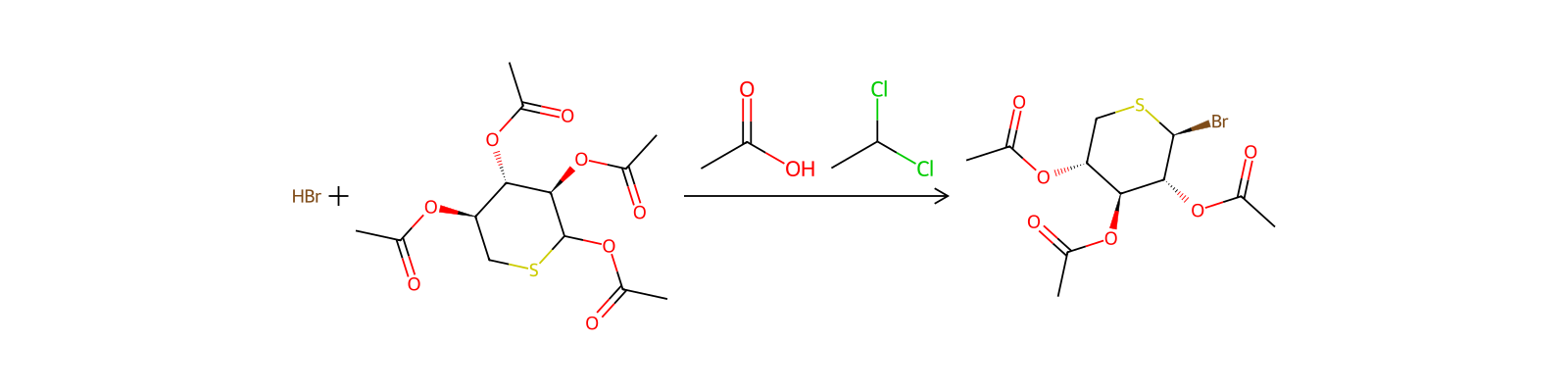

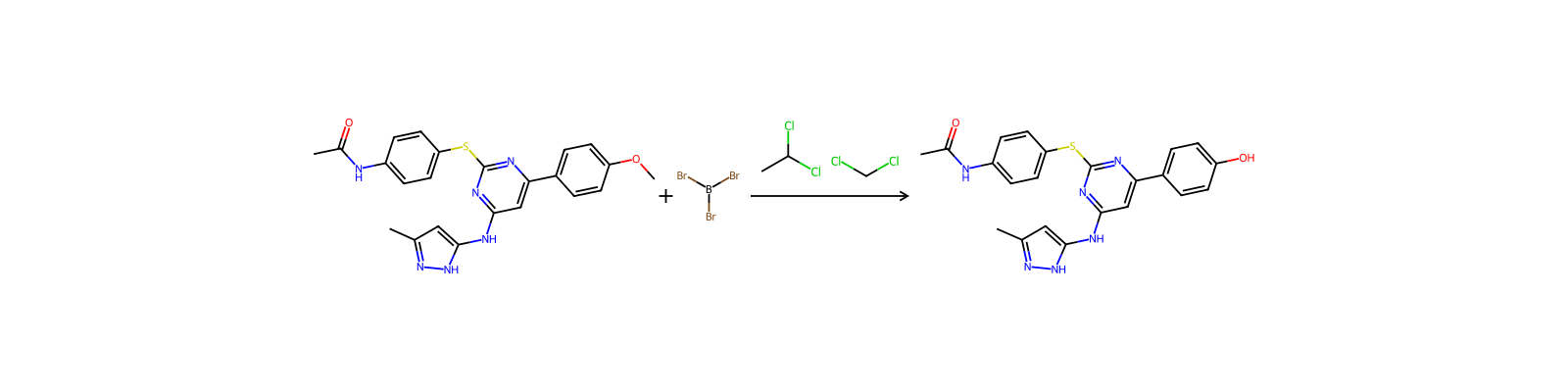
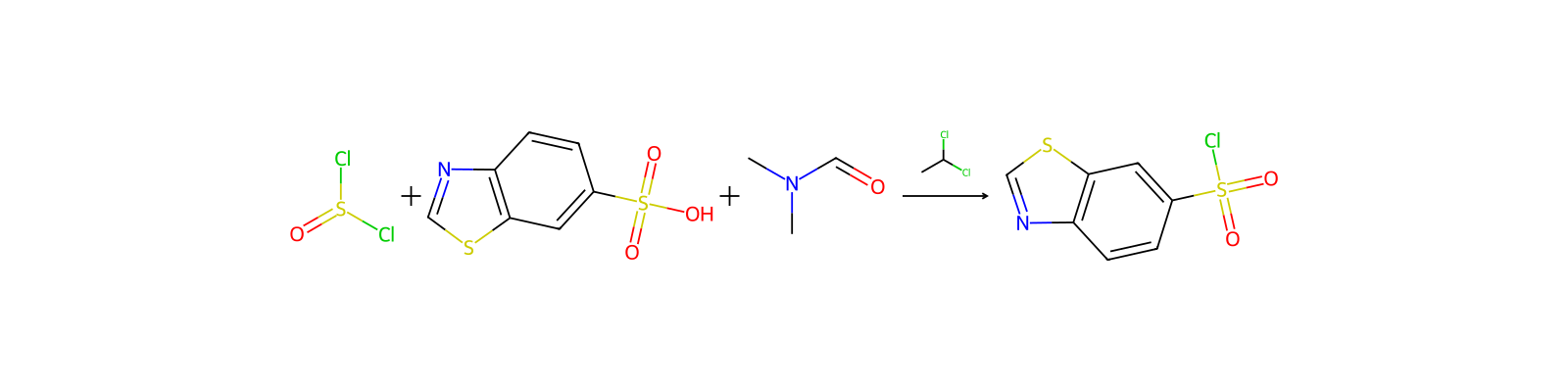

연결된 노트
불러오는 중…