홈MCP워크벤치Skills
홈워크벤치알림마이페이지
llms.txt · MCP 가이드개인정보처리방침 · 이용약관 · 지원v1.8.0
  1. 홈
  2. /화합물

Bis(1,5-cyclooctadiene)nickel

HCID 6433264
새 노트새 반응견적 요청하기
인쇄 미리보기

데이터를 보충하는 중입니다. 잠시 후 페이지를 새로 고치면 최신 내용을 볼 수 있습니다

기본 정보개요이름 및 식별자물성안전 및 규제화학 및 산업관련 반응화합물 노트
부분 구조 검색유사 구조 찾기

기본 정보

CAS
1295-35-8
표준 SMILES
C1=C\CC/C=C\CC/1.C1=C\CC/C=C\CC/1.[Ni]
InChIKey
JRTIUDXYIUKIIE-KZUMESAESA-N
분자식
C16H24Ni
평균 분자량
275.05 g/mol

개요

Bis(1,5-cyclooctadiene)nickel appears as yellow crystals or yellowish green solid. (NTP, 1992)

이름 및 식별자

우선 이름
Bis(1,5-cyclooctadiene)nickel
IUPAC
bis((1Z,5Z)-cycloocta-1,5-diene);nickel
영어명
Bis(1,5-cyclooctadiene)nickel(0)
분자식
C16H24Ni
분자량
275.06

이름 및 동의어

Bis(1,5-cyclooctadiene)nickel(0)1295-35-8Bis(1,5-cyclooctadiene)nickelCCRIS 5973Nickel, bis(1,5-cyclooctadiene)-EINECS 215-072-0Bis(cyclooctadiene)nickel(0)Bis((1,2,5,6-eta)-1,5-cyclooctadiene)nickelbis((1Z,5Z)-cycloocta-1,5-diene) nickelRefChem:120008bis(1,5-cyclooctadiene)-NickelNickel, bis(1,5cyclooctadiene)
이름 더 보기
NI(COD)2Bis(cyclooctadiene)nickelBis(1,5-cycLNICKEL(COD)2ooctadiene)nickeLNickel dicyclooctadieneDicyclooctadiene nickelBis(1,5-cyclooctadiene)nickDi(1,5-cyclooctadiene)nickel
JRTIUDXYIUKIIE-UHFFFAOYSA-NNICKEL BIS(CYCLOOCATADIENE)1,5-CYCLOOCTADIENE, NICKEL COMPLEXBIS(ETA4-1,5-CYCLOOCTADIENE)NICKELBis((1,2,5,6eta)1,5cyclooctadiene)nickelNickel, bis((1,2,5,6eta)1,5cyclooctadiene)BIS((1,2,5,6,ETA)-1,5-CYCLOOCTADIENE)NICKEL215-072-0

데이터베이스 식별자

CAS
1295-35-8
PubChem CID
6433264
EC Number
215-072-0

물성

구조 계산 물성보충 중

극성 표면적
0 Ų
수소 결합 공여자 수
0
수소 결합 수용자 수
0
회전 가능 결합 수
0
무거운 원자 수
17
형식 전하
0
복잡도
72.6

실험 및 물리화학적 성질

Chemical ClassesMetals -> Metals, Organic Compounds
SolubilityDecomposes (NTP, 1992)
Boiling PointDecomposes (NTP, 1992)
Melting Point284 to 288 °F (NTP, 1992)
Physical Description · 2건

Bis(1,5-cyclooctadiene)nickel appears as yellow crystals or yellowish green solid. (NTP, 1992)

Yellow or yellowish-green solid; [CAMEO] Yellow crystalline solid; [MSDSonline]

물리화학적 성질

녹는점
60 °C · 60 °C (dec.)(lit.)
저장 조건
-20 °C · -20°C
용해도
Benzene (Partially Dissolved), THF (Slightly)
물리적 상태
반짝이는 결정성 분말
색상
골드
수용성
벤젠, 톨루엔, 테라히드로푸란, 에테르, 디메틸 포름아미드, 헥사메틸포스포르아미드, N-메틸피롤리디논에 용해됩니다. 물에 불용성.
안정성
공기에 민감한
InChI
InChI=1S/2C8H12.Ni/c2*1-2-4-6-8-7-5-3-1;/h2*1-2,7-8H,3-6H2;/b2*2-1-,8-7-;
InChIKey

안전 및 규제

안전 정보는 참고용이며, 공급업체의 물질안전보건자료(SDS), 관련 법규 및 전문가 평가를 대체하지 않습니다.

GHS 분류

GHS Classification · 4건

Danger

H228 (100%): Flammable solid [Danger Flammable solids]

P203, P210, P233, P240, P241, P260, P261, P271, P272, P280, P284, P302+P352, P304+P340, P318, P321, P333+P317, P342+P316, P362+P364, P370+P378, P403, P405, and P501 (click each P-code to see the statement)

Aggregated GHS information provided per 49 reports by companies from 7 notifications to the ECHA C&L Inventory. Each notification may be associated with multiple companies.

유해성 정보

Regulatory InformationRestricted substance: Bis(1,5-cyclooctadiene)nickel
DOT LabelFlammable Solid
Fire HazardsFlash point data for this chemical are not available. It is probably combustible. (NTP, 1992)
Health HazardsSYMPTOMS: Similar compounds cause irritation of the eyes, nose, throat and skin.
Hazards Summary · 1건

A strong reducing agent; Reacts with air and water; Similar compounds are skin, eye, nose, and throat irritants; [CAMEO] Spontaneously flammable on exposure to air; An irritant; May cause skin sensitization; [MSDSonline] See Nickel and the linked occupational diseases.

Reactive GroupHydrocarbons, Aliphatic Unsaturated
Reactivity AlertsStrong Reducing Agent
Reactivity ProfileBIS(1,5-CYCLOOCTADIENE)NICKEL is extremely air and moisture sensitive. It is sensitive to exposure to light. This compound is incompatible with oxidizing agents, acids and acid fumes. (NTP, 1992)

화학 및 산업

약리 정보

Metabolism/Metabolites · 1건

Nickel is absorbed mainly through the lungs and gastrointestinal tract. Once in the body it enters the bloodstream, where it binds to albumin, L-histidine, and _2-macroglobulin. Nickel tends to accumulate in the lungs, thyroid, kidney, heart, and liver. Absorbed nickel is excreted in the urine, wherease unabsorbed nickel is excreted in the faeces. (L41)

용도 및 제조

UsesBis(cyclooctadiene)nickel(0) is a common source of Ni(0) in chemical synthesis. (L498)
응용 분야 · 2건

용도Bis(1,5-cyclooctadiene)nickel(0) is used as a catalyst for the cycloaddition of 1,3-dienes and is used to catalyze the addition of allyl phenyl sulfide to alkynes leading to 1,4-dienes. Also, it is involved as a catalyst for asymmetric alpha-arylation and heteroarylation of ketones with chloroarenes, stereoselective borylative ketone-diene coupling, cycloaddition of benzamides with internal alkynes and methyl carboxylation of homopropargylic alcohols.

일반 설명Yellow crystals or yellowish green solid.

제조 방법 · 1건

Bis(1,5-cyclooctadiene)nickel(0) is prepared by reduction of anhydrous nickel(II) acetylacetonate in the presence of the diolefin:Ni(acac)2 + 2 cod + 2 AlEt3 → Ni(cod)2 + 2 acacAlEt2 + C2H6 + C2H4Ni(cod)2 is moderately soluble in several organic solvents. One or both 1,5-cyclooctadiene ligands are readily displaced by phosphines, phosphites, bipyridine, and isocyanides. If exposed to air, the solid oxidizes to nickel(II) oxide. As a result, this compound is generally handled in a glovebox.

관련 반응

700건
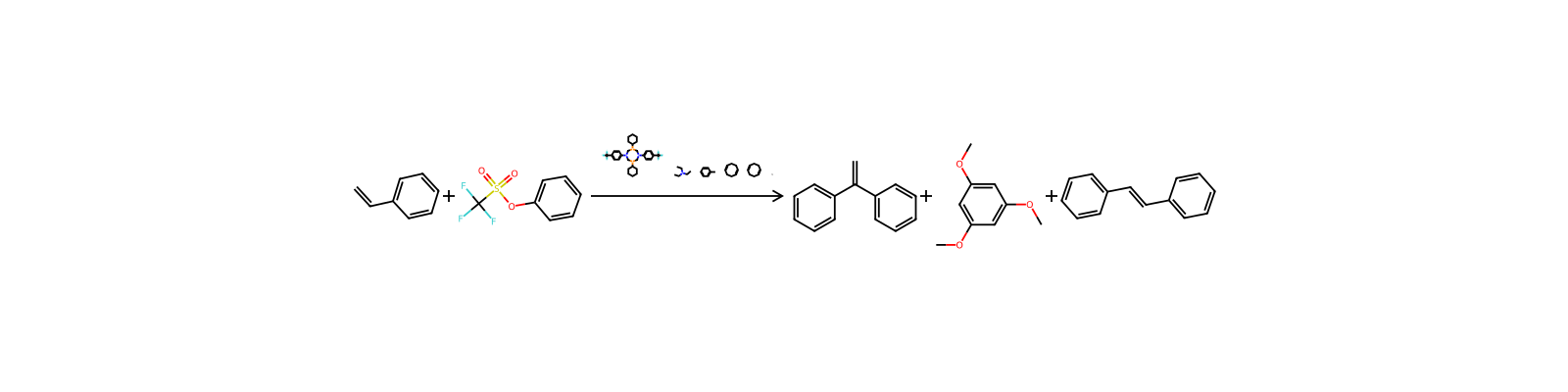
반응 기록 만들기
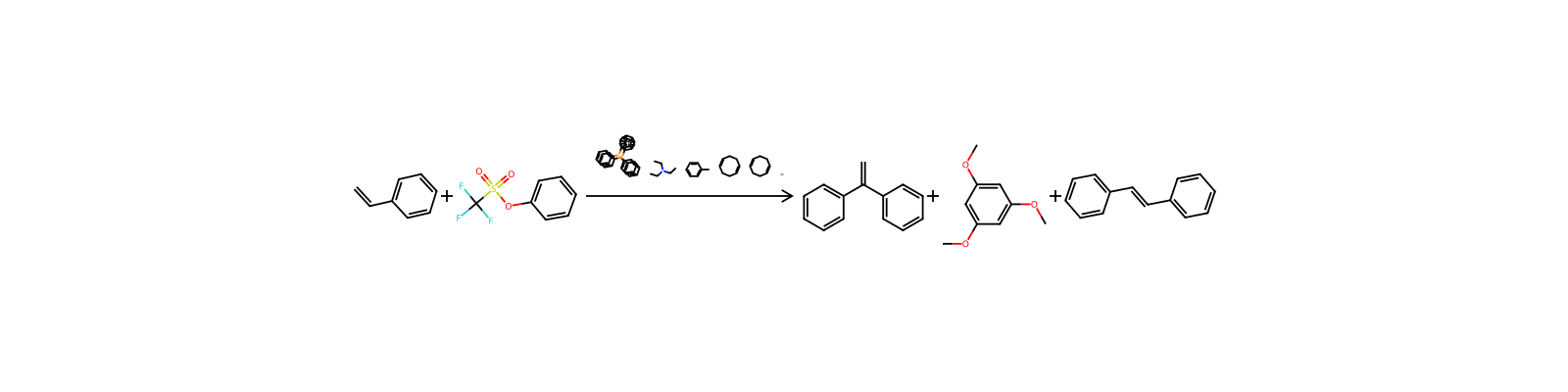
HRID 68030 반응식
HRID 68030UNKNOWNStyrene Mizoroki-Heck
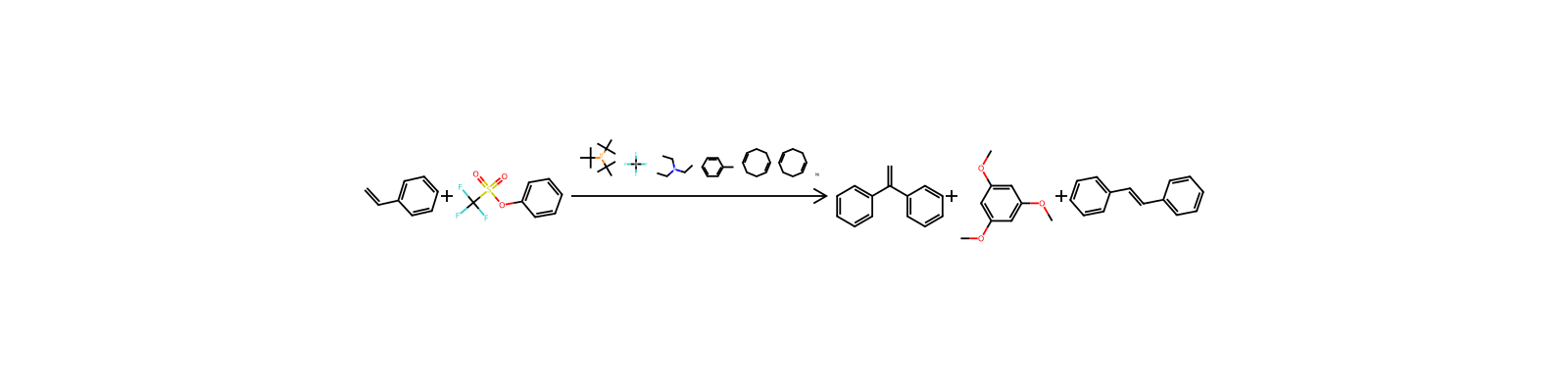
HRID 68031 반응식
HRID 68031UNKNOWNStyrene Mizoroki-Heck
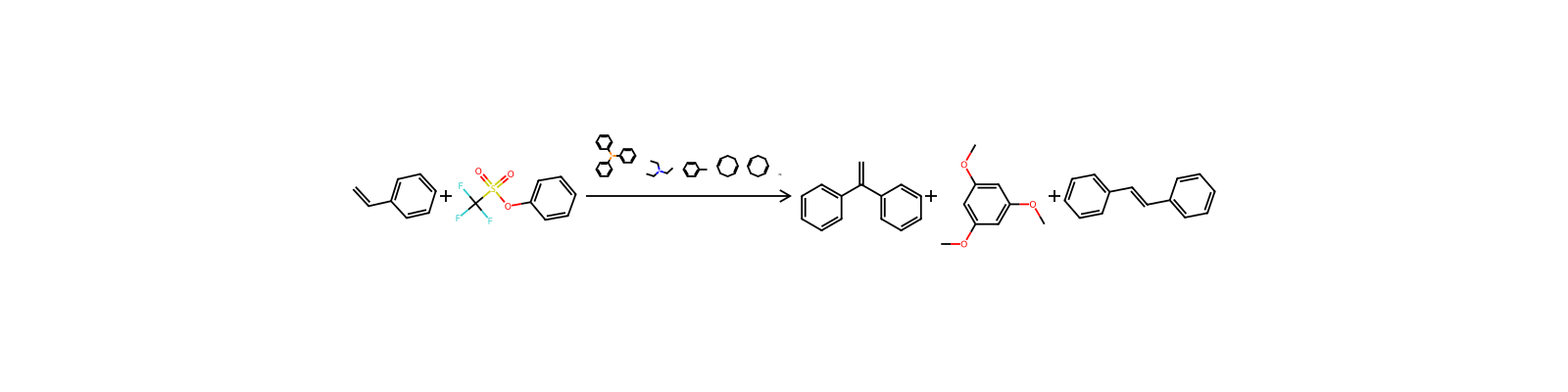
HRID 68032 반응식
HRID 68032UNKNOWNStyrene Mizoroki-Heck
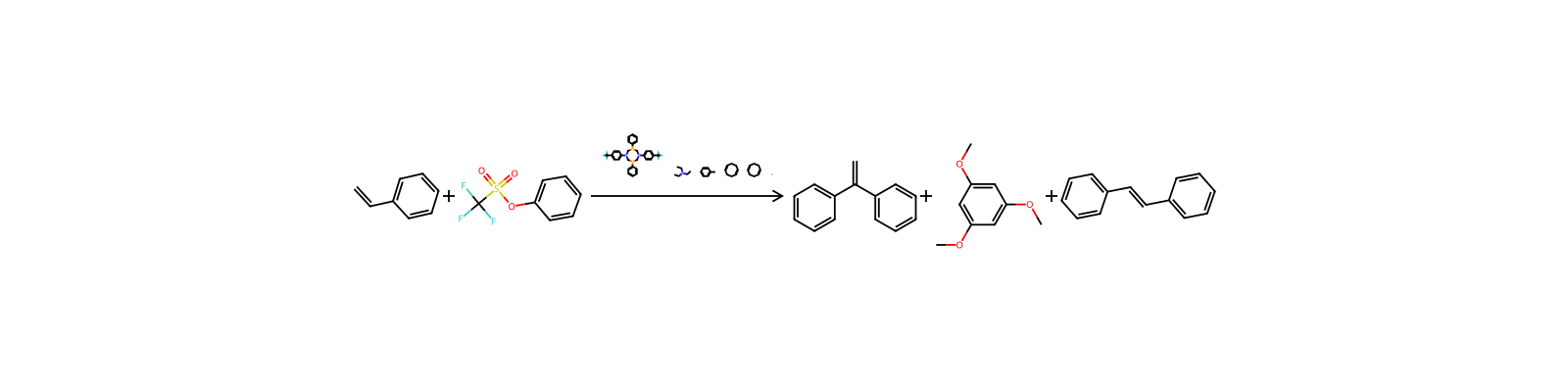
HRID 68033 반응식
HRID 68033UNKNOWNStyrene Mizoroki-Heck
HRID 68034 반응식
HRID 68034UNKNOWNStyrene Mizoroki-Heck
HRID 68035 반응식
HRID 68035UNKNOWNStyrene Mizoroki-Heck
HRID 68036 반응식
HRID 68036UNKNOWNStyrene Mizoroki-Heck
HRID 68037 반응식
HRID 68037UNKNOWNStyrene Mizoroki-Heck
1 / 88 페이지

화합물 노트

불러오는 중…

이 페이지에서기본 정보개요이름 및 식별자물성안전 및 규제화학 및 산업관련 반응화합물 노트
더보기
새 노트새 반응견적 요청하기
JRTIUDXYIUKIIE-KZUMESAESA-N
SMILES
C1C=CCCC=CC1.C1C=CCCC=CC1.[Ni] |c:1,5,9,13|
NIST
1 · Nickel, bis[(1,2,5,6-«eta»)-1,5-cyclooctadiene]-(1295-35-8)
EPA
1 · Bis[(1,2,5,6-.eta.)-1,5-cyclooctadiene]nickel (1295-35-8)

화학적 성질

Light yellow to Brown powder to crystal.

Air and Water Reactions
This compound is extremely air and moisture sensitive. Decomposes in water (NTP, 1992)
Hazard Classes and CategoriesFlam. Sol. 1 (100%)

안전 및 보호

Fire FightingFires involving this compound can be controlled using a dry chemical, carbon dioxide or Halon extinguisher. (NTP, 1992)
First Aid · 1건

EYES: First check the victim for contact lenses and remove if present. Flush victim's eyes with water or normal saline solution for 20 to 30 minutes while simultaneously calling a hospital or poison control center. Do not put any ointments, oils, or medication in the victim's eyes without specific instructions from a physician. IMMEDIATELY transport the victim after flushing eyes to a hospital even if no symptoms (such as redness or irritation) develop.

Nonfire Spill Response · 1건

SMALL SPILLS AND LEAKAGE: If a spill of this chemical occurs, FIRST REMOVE ALL SOURCES OF IGNITION, then you should dampen the solid spill material with acetone and transfer the dampened material to a suitable container. Use absorbent paper dampened with acetone to pick up any remaining material. Seal your contaminated clothing and the absorbent paper in a vapor-tight plastic bag for eventual disposal. Solvent wash all contaminated surfaces with acetone followed by washing with a soap and water solution. Do not reenter the contaminated area until the Safety Officer (or other responsible person) has verified that the area has been properly cleaned.

Isolation and EvacuationExcerpt from ERG Guide 133 [Flammable Solids]:
Minimum Risk LevelChronic Inhalation: 0.0001 mg/m3 (L134) Intermediate Oral: 0.01 mg/kg/day (L134)
Permissible Exposure Limit (PEL)1.0 [mg/m3], as Ni
Personal Protective Equipment (PPE) · 1건

RECOMMENDED RESPIRATOR: Where the neat test chemical is weighed and diluted, wear a NIOSH-approved half face respirator equipped with an organic vapor/acid gas cartridge (specific for organic vapors, HCl, acid gas and SO2) with a dust/mist filter. (NTP, 1992)

Immediately Dangerous to Life or Health (IDLH)10 mg Ni/m3 ; A potential occupational carcinogen. (NIOSH, 2024)

독성 정보

TreatmentExcess exposure to nickel is usually handled by preventing further exposure and symptomatic treatment. Nickel poisoning may also be treated using chelation therapy with sodium diethyldithiocarbamate. (L42)
Health Effects · 1건

The most common harmful health effect of nickel in humans is an allergic reaction. This usually manifests as a skin rash, although some people experience asthma attacks. Long term inhahation of nickel causes chronic bronchitis and reduced lung function, as well as damage to the naval cavity. Ingestion of excess nickel results in damage to the stomach, blood, liver, kidneys, and immune system, as well as having adverse effects on reproduction and development. (L41)

Adverse EffectsSkin Sensitizer - An agent that can induce an allergic reaction in the skin.
Exposure RoutesInhalation (L41) ; oral (L41) ; dermal (L41)
Toxicity Summary · 1건

Nickel is known to substitute for other essential elements in certain enzmes, such as calcineurin. It is genotoxic, and some nickel compounds have been shown to promote cell proliferation. Nickel has a high affinity for chromatin proteins, particularly histones and protamines. The complexing of nickel ions with heterochromatin results in a number of alterations including condensation, DNA hypermethylation, gene silencing, and inhibition of histone acetylation, which have been shown to disturb gene expression. Nickel has also been shown to alter several transcription factors, including hypoxia-inducible transcription factor, activating transcription factor, and NF-KB transcription factor. There is also evidence that nickel ions inhibit DNA repair, either by directly inhibiting DNA repair enzymes or competing with zinc ions for binding to zinc-finger DNA binding proteins, resulting in structural changes in DNA that prevent repair enzymes from binding. Nickel ions can also complex with a number of cellular ligands including amino acids, peptides, and proteins resulting in the generation of oxygen radicals, which induce base damage, DNA strand breaks, and DNA protein crosslinks. (L41, A40)

Signs and SymptomsSymptoms of nickel poisoning include headache, nausea, vomiting, dizziness, irritability, and difficulty sleeping, followed by chest pains, sweating, rapid heart beat, and a dry cough. (L42)
Carcinogen Classification1, carcinogenic to humans. (L135)

안전 데이터

wgk
3
tsca
No
rtecs
QR6135000
ridadr
UN 1325 4.1/PG 2
HS 번호
29319090
risk_code
11-40-45
hazard_code
F,Xn,T
safety_code
36/37-45-16-53
포장분류
I
위험 등급
4.2
Hazard Classifications
Carc. 2Flam. Sol. 1Skin Sens. 1STOT RE 1
스토리지 클래스
4.1B - Flammable solid hazardous materials