
기본 정보
- 표준 SMILES
COS(=O)(=O)OC- InChIKey
VAYGXNSJCAHWJZ-UHFFFAOYSA-N- 분자식
- C2H6O4S
- 평균 분자량
- 126.13 g/mol
- 단동위원소 질량
- 125.99867967
개요
Dimethyl Sulfate can cause cancer according to an independent committee of scientific and health experts.
이름 및 식별자
- 우선 이름
- Dimethyl Sulfate
- IUPAC
- dimethyl sulfate
- 영어명
- Dimethyl sulfate-13C2,d6
- 분자식
- C2D6O4S
- 분자량
- 134.186610668
이름 및 동의어
DIMETHYL SULFATE77-78-1dimethylsulfateDimethyl sulphateDimethyl monosulfateSulfuric acid, dimethyl esterDimethylsulfatSulfuric acid dimethyl esterSulfate dimethyliqueDimethylsulfaatDimetilsolfatoDMS (methyl sulfate)
이름 더 보기
Dimethyl sulfate-13C2,d6Dimethyl sulfate-13C2,d6
Dwumetylowy siarczanSulfato de dimetiloMethyle (sulfate de)Sulfate de dimethyleRCRA waste number U103Dimethylester kyseliny siroveDTXSID5024055Sulfate de methyle
데이터베이스 식별자
- CAS
1216599-58-4、286013-18-1、77-78-1- PubChem CID
- 6497
- DTXSID
DTXSID5024055- ChEMBL
CHEMBL162150- ChEBI
CHEBI:59050- UNII
- JW5CW40Z50
- EC Number
- 201-058-1、685-236-8、694-313-5
- Nikkaji
- J2.823A
물성
구조 계산 물성
- XLogP
- -0.3
- 극성 표면적
- 61 Ų
- 수소 결합 공여자 수
- 0
- 수소 결합 수용자 수
- 4
- 회전 가능 결합 수
- 2
- 무거운 원자 수
- 7
- 형식 전하
- 0
- 복잡도
- 107
실험 및 물리화학적 성질
Chemical Classes
Hazardous Air Pollutants (HAPs)
Toxic Gases & Vapors -> Other Toxic Gases & Vapors
Carcinogens
SpringerMaterials PropertiesSchoenflies notation
PesticidesPesticide -> EPA IRIS
LogP
0.16
0.03
Odor
Essentially odorless
Faint, onion-like odor
Density
1.3283 at 68 °F (EPA, 1998) - Denser than water; will sink
1.3322 g/cu cm at 20 °C/4 °C
Relative density (water = 1): 1.3
1.33
1.3322 @ 20°C
1.33
Color/FormColorless oily liquid
Solubility
3 % at 64 °F (NIOSH, 2024)
Sol in ether, dioxane, acetone, aromatic hydrocarbons.
Sparingly sol in carbon disulfide, aliphatic hydrocarbons.
Miscible in ethanol; soluble in ethyl ether, carbon tetrachloride and benzene; insoluble in carbon disulfide
Solubility in water 2.8 g/100 ml at 18 °C. Hydrolysis is rapid at or above this temperature.
In water, 2,8X10+4 mg/L at 18 °C
CorrosivityCorrosive
Flash Point
182 °F (EPA, 1998)
182 °F
182 °F (83 °C) (open cup)
83 °C c.c.
182 °F
182 °F
Boiling Point
About 370 °F (with decomposition) (EPA, 1998)
About 188 °C with decomposition
BP: 76 °C at 15 mm Hg
370 °F (decomposes)
370 °F (Decomposes)
Decomposition
Note: Decomposes in water to sulfuric acid; corrosive to metals.
188 °C
물리화학적 성질
- 녹는점
- -32 °C · -32 °C(lit.)
- 끓는 점
- 188 °C · 188 °C(lit.)
- 밀도
- 1.417 g/mL · 1.417 g/mL at 25 °C
- 인화점
- 83 °C · 83 °C
- InChI
- 1S/C2H6O4S/c1-5-7(3,4)6-2/h1-2H3/i1+1D3,2+1D3
- InChIKey
- VAYGXNSJCAHWJZ-KLFIIISESA-N
- SMILES
- [2H][13C]([2H])([2H])OS(=O)(=O)O[13C]([2H])([2H])[2H]
안전 및 규제
GHS 분류
GHS Classification
Danger
H301: Toxic if swallowed [Danger Acute toxicity, oral]
P203, P260, P261, P264, P270, P271, P272, P280, P284, P301+P316, P301+P330+P331, P302+P352, P302+P361+P354, P304+P340, P305+P354+P338, P316, P318, P320, P321, P330, P333+P317, P362+P364, P363, P403+P233, P405, and P501 (click each P-code to see the statement)
This chemical does not meet GHS hazard criteria for < 0.1% (1 of 1004) of reports.
Danger
H301 (> 99.9%): Toxic if swallowed [Danger Acute toxicity, oral]
유해성 정보
Hazards IdentificationToxic/poison by inhalation (TIH/PIH)
Regulatory Information
Chemical: Sulfuric acid, dimethyl ester
Hazard Traits - Carcinogenicity; Ocular Toxicity; Respiratory Toxicity
Sulfuric acid, dimethyl ester is listed on the EPA's Chemical Data Reporting (CDR) system. Manufacturers and importers of Sulfuric acid, dimethyl ester are required to report information about their production and use of this chemical to the EPA under the Toxic Substances Control Act (TSCA). (40 eCFR Part 711)
Status: Active Update: 05-02-2015 https://echa.europa.eu/registration-dossier/-/registered-dossier/11778
Substance: Dimethyl sulphate
Dimethyl sulphate: HSNO Approval: HSR002977 Approved with controls
Other Safety InformationIMAP assessments - Sulfuric acid, dimethyl ester: Human health tier II assessment
DOT LabelPoison Inhalation Hazard Corrosive
Fire Hazards
Material is normally stable even under fire exposure conditions and is not hazardously reactive with water. It is incompatible with strong oxidizers and strong ammonia solutions. (EPA, 1998)
· Combustible material: may burn but does not ignite readily.
Combustible. Gives off irritating or toxic fumes (or gases) in a fire. Above 83 °C explosive vapour/air mixtures may be formed.
Fire PotentialMODERATE, WHEN EXPOSED TO HEAT OR FLAME.
Health Hazards
Acute: extremely toxic vapors and liquid -- a few whiffs or contact on skin could be fatal. Also acutely toxic if ingested. Delayed effects which are ultimately fatal may also occur. Lethal concentrations as low as 97 ppm/10 min have been reported in humans. DNA inhibition and damage to human somatic cells, and sister chromatid exchange in human fibroblast cells were observed. Delayed appearance of symptoms may permit unnoticed exposure to lethal quantities. (EPA, 1998)
· TOXIC and/or CORROSIVE; inhalation, ingestion or contact (skin, eyes) with vapors, dusts or substance may cause severe injury, burns or death.
Hazards Summary
Exposure to dimethyl sulfate is primarily occupational. Acute (short-term) exposure of humans to the vapors of dimethyl sulfate may cause severe inflammation and necrosis of the eyes, mouth, and respiratory tract. Acute oral or inhalation exposure to dimethyl sulfate primarily damages the lungs but also injures the liver, kidneys, heart, and central nervous system (CNS), while dermal contact with dimethyl sulfate may produce severe blistering in humans. Human data on the carcinogenic effects of dimethyl sulfate are inadequate. Tumors have been observed in the nasal passages, lungs, and thorax of animals exposed to dimethyl sulfate by inhalation. EPA has classified dimethyl sulfate as a Group B2, probable human carcinogen.
Dimethyl sulfate causes blistering and ulceration of the skin. In cases of industrial poisoning, workers experienced burning eyes first and then respiratory symptoms, including irritation of the nose and throat, chest pain, cough, and dyspnea. Persistent abnormalities in liver function following exposure have been reported. Death is due to circulatory failure. In the presence of water vapor, dimethyl sulfate readily hydrolyzes into methanol and sulfuric acid. [ACGIH] Causes second or third degree burns after short skin exposure; [CHRIS] In a textile plant using dimethyl sulfate to produce surfactants, air levels were low but workers in one building had high blood levels secondary to skin absorption. [Schettgen T, Broding HC, Angerer J, Drexler H. Dimethyl sulphate; a hidden problem in occupational medicine. Occup Environ Med 2004;61:73-75] Dimethyl sulfate causes no known injury to the liver in experimental animals or humans. [Zimmerman, p. 368] A corrosive substance that can cause pulmonary edema; Can cause effects on the liver, kidneys, and CNS; [ICSC]
DOT ID and Guide
1595 156
1595 156
Reactive GroupEsters, Sulfate Esters, Phosphate Esters, Thiophosphate Esters, and Borate Esters
EC ClassificationSymbol: T+; R: 45-25-26-34-43-68; S: 53-45; Note: E
UN ClassificationUN Hazard Class: 6.1; UN Subsidiary Risks: 8; UN Pack Group: I
안전 및 보호
Fire Fighting
Wear positive pressure breathing apparatus and special protective clothing. Dike fire control water for later disposal. Do not scatter material.
Use powder, foam, carbon dioxide, water spray.
First Aid Measures
Fresh air, rest. Half-upright position. Artificial respiration may be needed. Refer immediately for medical attention.
Remove contaminated clothes. Rinse skin with plenty of water or shower. Refer immediately for medical attention.
Rinse with plenty of water (remove contact lenses if easily possible). Refer immediately for medical attention.
Rinse mouth. Give one or two glasses of water to drink. Do NOT induce vomiting. Refer immediately for medical attention.
Accidental Release Measures
· CALL 911. Then call emergency response telephone number on shipping paper. If shipping paper not available or no answer, refer to appropriate telephone number listed on the inside back cover.
· ELIMINATE all ignition sources (no smoking, flares, sparks or flames) from immediate area.
First Aid
Warning: Symptoms may be delayed up to 12 hours.
General First Aid:
(General first aid procedures)
Safe StorageSeparated from food and feedstuffs and incompatible materials. See Chemical Dangers. Cool. Dry. Well closed. Ventilation along the floor. Store in an area without drain or sewer access.
Exposure Control and Personal Protection
· Wear positive pressure self-contained breathing apparatus (SCBA).
TIH (Toxic Inhalation Hazard) - Term used to describe gases and volatile liquids that are toxic when inhaled. Some are TIH materials themselves, e.g., chlorine, and some release TIH gases when spilled in water, e.g., chlorosilanes. [ERG 2016].
Fire Fighting Procedures
Water, foam, carbon dioxide, dry chemical ... .
If material on fire or involved in fire: Use dry chemical, dry sand, or carbon dioxide. Do not use water on material itself. If large quantities of combustibles are involved, use water in flooding quantities as spray and fog. Use water spray to knock down vapors. Cool all affected containers with flooding quantities of water. Apply water from as far a distance as possible.
Use dry chemical., foam, carbon dioxide, or water spray. Use water spray to keep fire-exposed containers cool. Approach fire from upwind to avoid hazardous vapors and toxic decomposition products.
Storage Conditions
PRECAUTIONS FOR "CARCINOGENS": Storage site should be as close as practicable to lab in which carcinogens are to be used, so that only small quantities required for ... expt need to be carried. Carcinogens should be kept in only one section of cupboard, an explosion-proof refrigerator, or freezer (depending on chemicophysical properties ...) that bears appropriate label. An inventory ... should be kept, showing quantity of carcinogen & date it was acquired ... . Facilities for dispensing ... should be contiguous to storage area. /Chemical Carcinogens/
Store in a cool, dry, well-ventilated location. Separate from bases, oxidizing materials, water and metal.
Cleanup Methods
Spillage should only be dealt with by trained personnel wearing full protective clothing, a full-face mask, and positive-pressure breathing apparatus. Soda ash or 3% ammonia solution may be applied to liquid spills. Sprays of 3% ammonia solution may be used to "knock down" the vapor over spillages. After complete neutralization, spillages may be washed away... If dimethyl sulfate has entered a watercourse ... or contaminated soil or vegetation, advise the police and public authorities.
Evacuate and restrict persons not wearing protective equipment from area of spill or leak until cleanup is complete. Remove all ignition sources. Ventilate area of spill or leak. Absorb liquids in vermiculite, dry sand, earth, peat, carbon, or similar material and deposit in sealed containers. Keep this chemical out of a confined space ... because of the possibility of an explosion ... It may be necessary to contain and dispose of this chemical as a hazardous waste. If material or contaminated runoff enters waterways, notify downstream users of potentially contaminated waters. Contact your Department of Environmental Protection or your regional office of the federal EPA for specific recommendations. If employees are required to clean up spills, they must be properly trained and equipped. OSHA 1910.120(q) may be applicable.
PRECAUTIONS FOR "CARCINOGENS": A high-efficiency particulate arrestor (HEPA) or charcoal filter can be used to minimize amt of carcinogen in exhausted air, ventilated safety cabinets, lab hoods, glove boxes, or animal rooms. ... Filter housing that is designed so that used filters can be transferred into plastic bags without contaminating maintenance staff is avail commercially. Filters should be placed in plastic bags immediately after removal. ... The plastic bag should be sealed immediately .... The sealed bag should be labelled properly. Waste liquids ... should be placed or collected in proper containers for disposal. The lid should be secured & the bottles properly labelled. Once filled, bottles should be placed in plastic bags, so that outer surface ... is not contaminated. ... The plastic bag should also be sealed & labelled. ... Broken glassware ... should be decontaminated by solvent extraction, by chemical destruction, or in specially designed incinerators. /Chemical Carcinogens/
1. Ventilate areas of spill or leak. 2. For small quantities, absorb on paper towels. Evaporate in a safe place (such as fume hood). Allow sufficient time for evaporating vapors to completely clear the hood ductwork. Burn the paper in a suitable location away from combustible materials. Large quantities can be collected and atomized in a suitable combustion chamber equipped with an appropriate effluent gas cleaning device.
For more Cleanup Methods (Complete) data for DIMETHYL SULFATE (8 total), please visit the HSDB record page.
Nonfire Spill ResponseExcerpt from ERG Guide 156 [Substances - Toxic and/or Corrosive (Combustible / Water-Sensitive)]:
Disposal Methods
For the treatment and disposal of waste, the recommended methods are alkaline hydrolysis, incineration, and landfill. Do not use open burning (e.g., as a boiler fuel) or evaporation for waste disposal. For incineration, dimethyl sulfate should be dissolved in a combustible solvent and sprayed into a furnace with an afterburner and an alkali scrubber. Dimethyl sulfate may be decomposed by adding a dilute alkaline solution; the mixture should be stirred and then allowed to settle. The resulting solution is then neutralized by acid or alkali as appropriate and drained into a sewer. When rapid decomposition is needed the waste may be warmed. It may also be adsorbed on vermiculite, packed in drums, buried and covered immediately.
It has been reported that dimethyl sulfate (DMS) can be degraded with sodium hydroxide solution (1 mol/L), sodium carbonate solution (1 mol/L), or ammonium hydroxide solution (1.5 mol/L). ... Complete destruction of undiluted dimethyl sulfate (DMS) in solvents miscible with water (methanol, ethanol, DMSO, DMF, acetone) or solvents partially miscible or immiscible with water (toluene, p-xylene, benzene, 1-pentanol, ethyl acetate, chloroform, carbon tetrachloride, acetonitrile) could be obtained using any of the above methods. Reaction times were 15 min after homogeneity was obtained for undiluted DMS, 15 min for solutions in methanol, ethanol, DMSO, and DMF, one hour for solutions in acetone, three hours for acetonitrile, and one day for the other solvents listed above. The final reaction mixtures were tested for mutagenicity, and when the solutions were not cytotoxic, no mutagenic response was obtained. DMS in solution was determined by a colorimetric method. The products of the reactions were found to be methanol when NaOH and Na2CO3 were used and methylamine, dimethylamine, trimethylamine, and methanol when ammonium hydroxide was used. ...
Destruction procedures for dimethylsulfate (DMS), diethylsulfate (DES), methyl methanesulfonate (MMS), and ethyl methanesulfonate (EMS) have been investigated using treatment by 1 N NaOH, 1 N NH4OH, 1 M Na2CO3, and 1 M Na2S2O3. During the kinetic study of the destruction process, the determination of remaining concentrations of the alkylating agents was performed by the derivatization of p-nitrophenoxide to p-nitroanisole and p-nitrophenetole, which were separated by high performance liquid chromatography. The mutagenic activity of the destruction products was evaluated by the Ames test using Salmonella tester strains TA97, TA98, TA100, and TA102. The kinetics of destruction in every case followed a time-dependent exponential relationship. Solutions of 1 M Na2S2O3 showed the highest capacity for destruction of the four alkylating agents, half-lives of DMS, DES, MMS, and EMS being 0.14 min, 1.26 min, 0.60 min, and 5.26 min, respectively. No mutagenic activity was detected following complete destruction in 1 M Na2S2O3.
PRECAUTIONS FOR "CARCINOGENS": There is no universal method of disposal that has been proved satisfactory for all carcinogenic compounds & specific methods of chem destruction ... published have not been tested on all kinds of carcinogen-containing waste. ... Summary of avail methods & recommendations ... /given/ must be treated as guide only. /Chemical Carcinogens/
For more Disposal Methods (Complete) data for DIMETHYL SULFATE (11 total), please visit the HSDB record page.
Spillage Disposal
Evacuate danger area! Consult an expert! Personal protection: complete protective clothing including self-contained breathing apparatus. Ventilation. Do NOT let this chemical enter the environment. Collect leaking liquid in sealable containers. Absorb remaining liquid in dry sand or inert absorbent. Then store and dispose of according to local regulations.
독성 정보
Cancer Sites[in animals: nasal & lung cancer]
Target OrgansEyes, skin, respiratory system, liver, kidneys, central nervous system
Ecotoxicity Values
LC50 Leuciscus idus (orfe) 14 mg/L/48 hr; static
LC50 Leuciscus idus (orfe) 14 mg/L/96 hr; static
LC50; Species: Lepomis macrochirus (Bluegill, length 33-75 mm); Conditions: freshwater, static, 23 °C, pH 7.6-7.9, hardness 55 mg/L CaCO3; Concentration: 7500 ug/L for 96 hr /99% purity/
LC50; Species: Menidia beryllina (Inland silverside, length 40-100 mm); Conditions: saltwater, static, 20 °C, pH 7.6-7.9, hardness 55 mg/L CaCO3; Concentration: 15000 ug/L for 96 hr /99% purity/
Environmental Fate
TERRESTRIAL FATE: If released to moist soil, dimethyl sulfate is expected to hydrolyze rapidly as indicated by a measured rate constant in water of 1.66X10⁻⁴/sec at 25 °C(1), corresponding to a half-life of 1.15 hours at pH 7(SRC). Volatilization from water surfaces, adsorption to suspended solids and sediments, biodegradation, and bioconcentration are not expected to be important fate processes in moist terrestrial systems because of hydrolysis(SRC). Dimethyl sulfate may volatilize slightly from dry soil surfaces(SRC) based upon a vapor pressure of 0.677 mm Hg(2).
AQUATIC FATE: If released to water, dimethyl sulfate is expected to hydrolyze rapidly as indicated by a measured rate constant of 1.66X10⁻⁴/sec at 25 °C(1); this corresponds to a half-life of 1.15 hours at pH 7(SRC). The rate of hydrolysis will increase in both acidic and basic waters as the reaction is catalyzed under these conditions(2). Volatilization from water surfaces, adsorption to suspended solids and sediments, biodegradation, and bioconcentration are not expected to be important fate processes in aquatic systems because of hydrolysis(SRC).
ATMOSPHERIC FATE: According to a model of gas/particle partitioning of semivolatile organic compounds in the atmosphere(1), dimethyl sulfate, which has a vapor pressure of 0.677 mm Hg at 25 °C(2), is expected to exist solely as a vapor in the ambient atmosphere. Vapor-phase dimethyl sulfate is degraded in the atmosphere by reaction with photochemically-produced hydroxyl radicals(SRC); the half-life for this reaction in air is estimated to be 84 days(SRC), calculated from its rate constant of 5.0X10⁻¹³ cu cm/molecule-sec at 25 °C(3). Vapor-phase dimethyl sulfate is degraded in the atmosphere by reaction with water (estimated atmospheric lifetime of >2 days)(4). Dimethyl sulfate is likely to become incorporated into fog and cloudwater, in which case it will hydrolyze to monomethyl hydrogen sulfate (and finally sulfuric acid) and methanol, with a half-life on the order of 30 to 60 min(4). Dimethyl sulfate does not contain chromophores that absorb at wavelengths >290 nm(5) and therefore is not expected to be susceptible to direct photolysis by sunlight(SRC).
Adverse EffectsOccupational hepatotoxin - Secondary hepatotoxins: the potential for toxic effect in the occupational setting is based on cases of poisoning by human ingestion or animal experimentation.
Exposure Routes
The substance can be absorbed into the body by inhalation of its vapour, through the skin and by ingestion.
inhalation, skin absorption, ingestion, skin and/or eye contact
Signs and Symptoms
Cough. Sore throat. Burning sensation. Shortness of breath. Headache. Symptoms may be delayed.
MAY BE ABSORBED! Redness. Pain. Blisters. Skin burns.
Redness. Pain. Burns. Permanent loss of vision.
Burns in mouth and throat. Burning sensation in the throat and chest. Abdominal cramps. Vomiting. Convulsions. Shock or collapse. Further see Inhalation.
irritation eyes, nose; headache; dizziness; conjunctivitis; photophobia (abnormal visual intolerance to light); periorbital (situated around the eye) edema; dysphonia, aphonia, dysphagia, productive cough; chest pain; dyspnea (breathing difficulty), cyanosis; vomiting, diarrhea; dysuria; analgesia; fever; proteinuria, hematuria (blood in the urine); eye, skin burns; delirium; [potential occupational carcinogen]
Effluent Concentrations
Dimethyl sulfate was detected in airborne particulate matter from a coal-fired power plant (125 m from the stack and 30 m below the top of the stack) using low sulfur (0.5%), high ash (14%) coal - 0.07 to 0.34 umol/g, upper limit because of hydrolysis loss during extraction(1). Dimethyl sulfate was detected in emissions from a coal-fired and an oil-fired power plant at concentrations of 0.28, 0.21 and 0.95 mmol dimethyl sulfate/mol of total sulfur in the stack, at the top of the stack and in the plume of the coal-fired power plant, respectively, and 0.07, 0.08, and 3.1 mmol dimethyl sulfate/mol of total sulfur in the flue line, at the top of the stack, and in the plume of the oil-fired power plant, respectively(2).
ICSC Environmental DataThe substance is harmful to aquatic organisms.
EPA IRIS InformationDimethyl sulfate
Medical Surveillance/Protect from exposure/ workers with diseases of central nervous system, liver, and kidneys.
Soil Adsorption/MobilityBased upon the hydrolysis of dimethyl sulfate in aqueous environments(1), adsorption to soil and leaching are not expected to be important processes(SRC).
규제 정보
RCRA Requirements
U103; As stipulated in 40 CFR 261.33, when dimethyl sulfate, as a commercial chemical product or manufacturing chemical intermediate or an off-specification commercial chemical product or a manufacturing chemical intermediate, becomes a waste, it must be managed according to Federal and/or State hazardous waste regulations. Also defined as a hazardous waste is any residue, contaminated soil, water, or other debris resulting from the cleanup of a spill, into water or on dry land, of this waste. Generators of small quantities of this waste may qualify for partial exclusion from hazardous waste regulations (40 CFR 261.5).
TSCA Requirements
Section 8(a) of TSCA requires manufacturers of this chemical substance to report preliminary assessment information concerned with production, use, and exposure to EPA as cited in the preamble in 51 FR 41329. Effective date 3/11/1994; Reporting date 5/10/1994.
Pursuant to section 8(d) of TSCA, EPA promulgated a model Health and Safety Data Reporting Rule. The section 8(d) model rule requires manufacturers, importers, and processors of listed chemical substances and mixtures to submit to EPA copies and lists of unpublished health and safety studies. Dimethyl sulfate is included on this list. Effective date 3/11/1994; Sunset date 6/30/1998.
Atmospheric Standards
This action promulgates standards of performance for equipment leaks of Volatile Organic Compounds (VOC) in the Synthetic Organic Chemical Manufacturing Industry (SOCMI). The intended effect of these standards is to require all newly constructed, modified, and reconstructed SOCMI process units to use the best demonstrated system of continuous emission reduction for equipment leaks of VOC, considering costs, non air quality health and environmental impact and energy requirements. Dimethyl sulfate is produced, as an intermediate or final product, by process units covered under this subpart.
Listed as a hazardous air pollutant (HAP) generally known or suspected to cause serious health problems. The Clean Air Act, as amended in 1990, directs EPA to set standards requiring major sources to sharply reduce routine emissions of toxic pollutants. EPA is required to establish and phase in specific performance based standards for all air emission sources that emit one or more of the listed pollutants. Dimethyl sulfate is included on this list.
CERCLA Reportable Quantities
Persons in charge of vessels or facilities are required to notify the National Response Center (NRC) immediately, when there is a release of this designated hazardous substance, in an amount equal to or greater than its reportable quantity of 100 lb or 45.4 kg. The toll free number of the NRC is (800) 424-8802; The rule for determining when notification is required is stated in 40 CFR 302.4 (section IV. D.3.b).
Releases of CERCLA hazardous substances are subject to the release reporting requirement of CERCLA section 103, codified at 40 CFR part 302, in addition to the requirements of 40 CFR part 355. Dimethyl sulfate is an extremely hazardous substance (EHS) subject to reporting requirements when stored in amounts in excess of its threshold planning quantity (TPQ) of 500 lbs.
안전 데이터
- wgk
- WGK 3
- ridadr
- UN 1595
- risk_code
- 45-25-26-34-43-68
- hazard_code
- T+
- safety_code
- 53-45
- 포장분류
- I
- 위험 등급
- 6.1
- Hazard Classifications
- Acute Tox. 2 InhalationAcute Tox. 3 OralCarc. 1BEye Dam. 1Muta. 2Skin Corr. 1BSkin Sens. 1
- 스토리지 클래스
- 6.1A - Combustible acute toxic Cat. 1 and 2very toxic hazardous materials
화학 및 산업
약리 정보
Mechanism of Action
Pathogenesis ... may be explained by substance's alkylating properties and fact that it hydrolyzes to form sulfuric acid and methyl alcohol which enter bloodstream. ... /in/ animal experimentation ... methyl alcohol was found in blood and viscera.
Methylazoxymethanol (MAM) and dimethyl sulfate (DMS) are mutagens whose genetic effects can be ascribed to the methylation of DNA. While both methylate the N7 position of guanine heavily, only MAM strongly methylates the O(6) position of guanine. ... The relative effectiveness and specificity of MAM and DMS in bacterial assays /were evaluated/ for the induction of point mutations and the formation of chromosomal duplications by genetic recombination. Salmonella typhimurium strain TS1121 was used to measure the formation of genetic duplications on the basis of the aroC321 allele and mutations by reversion of the hisG46 allele. Specific base pair substitutions and frameshift mutations were measured in a reversion assay based on lacZ alleles of Escherichia coli. The results show MAM to be the more potent mutagen and DMS the stronger recombinagen in the Salmonella assay. In the lacZ assay DMS induced several classes of base pair substitutions (GC to AT transitions, GC to TA transversions and AT to TA transversions), as well as lower frequencies of +1, -1 and -2 frameshift mutations. The activity of MAM as a base pair substitution mutagen was more specific than that of DMS, inducing only GC to AT transitions. It also induced +G, -G, -A and -CG frameshift mutations, though more weakly than it induced GC to AT transitions. Long known as a base pair substitution mutagen, the induction of frameshifts by MAM was unexpected. ....
Biological Half-LifeFollowing a single iv injection of 75 mg/kg body weight in 0.5 ml of 0.1 M sodium citrate buffer (pH 7.4) ... /the BHL/ of dimethyl sulfate in the blood of the rat ... /was less than/ 5 min after the injection.
Metabolism/Metabolites
Dimethyl sulfate is absorbed readily through mucous membranes, the intestinal tract, and the skin. It is rapidly metabolized in mammalian tissues and when injected intravenously into rats is undetectable in the plasma after 3 minutes. It is possible that the hydrolysis of dimethyl sulfate and the subsequent methylation of component molecules of the cells and tissues, including DNA, are responsible for its local effects, systemic toxic effects, and possible carcinogenicity. On the eye, dimethyl sulfate produces toxic effects similar to those of methanol and it is probable that its toxicity is in part a direct result of the dissolved methanol moiety of the molecule as well as being a result of alkylation reactions. The ultimate metabolites in the human body are sulfate and carbon dioxide, and these are excreted by the kidneys and released by the lungs, respectively.
... To establish whether urinary 7-methyladenine (7-MA) might serve as a marker of exposure to exogenous and carcinogenic methylating agents, the excretion of 7-MA following injection of methylating agents was measured. ... Increasing the i.p. dose of N-methylnitrosourea (MNU) from 2 to 80 mg/kg/rat resulted in a linear increase in urinary 7-MA, which at the highest dose was 1.6 ug during the first day and another 0.4 ug during day 2. Doses of 5 mg/kg MNU led to elevated urinary levels of 7-MA (144 ng) compared to controls (26 ng). Other methylating agents, such as dimethylnitrosamine, N-methyl-N'-nitro-N-nitrosoguanidine and dimethyl sulfate, also provided urinary 7-MA. To determine the fate of injected 7-MA, the administration of 2 ug 7-[3H-methyl]adenine led to an 80% recovery of radioactivity in the urine, almost all of it during the first 24 hr. No other labeled metabolites were detected. At least for the rat, urinary 7-MA serves as an indicator of exposure to methylating agents.
Eye effects are probably attributable to metabolism of dimethyl sulfate to methanol and sulfuric acid.
Investigators found a maximum level of methanol of 18.7 mg/L in blood samples taken from 5 guinea pigs, at intervals, following an 18 min inhalation exposure to air containing dimethyl sulfate at a concentration of 393 mg/cu m (75 ppm). During the first 2 days following exposure, 0.064 to 0.156 mg methanol per day was excreted in the urine; if all the dimethyl sulfate inhaled had been absorbed and hydrolyzed, a maximum of 0.9 mg methanol would have been found.
For more Metabolism/Metabolites (Complete) data for DIMETHYL SULFATE (6 total), please visit the HSDB record page.
MeSH Pharmacological Classification
Highly reactive chemicals that introduce alkyl radicals into biologically active molecules and thereby prevent their proper functioning. Many are used as antineoplastic agents, but most are very toxic, with carcinogenic, mutagenic, teratogenic, and immunosuppressant actions. They have also been used as components in poison gases.
Agents that suppress immune function by one of several mechanisms of action. Classical cytotoxic immunosuppressants act by inhibiting DNA synthesis. Others may act through activation of T-CELLS or by inhibiting the activation of HELPER CELLS. While immunosuppression has been brought about in the past primarily to prevent rejection of transplanted organs, new applications involving mediation of the effects of INTERLEUKINS and other CYTOKINES are emerging.
Chemical agents that increase the rate of genetic mutation by interfering with the function of nucleic acids. A clastogen is a specific mutagen that causes breaks in chromosomes.
Absorption, Distribution and Excretion
Following a single iv injection of 75 mg/kg body weight in 0.5 ml of 0.1 M sodium citrate buffer (pH 7.4), there was a rapid fall in the concentration of dimethyl sulfate in the blood of the rat to 1/6 of the amount that would be expected if the compound had been evenly distributed ... No detectable dimethyl sulfate was found, 5 min after the injection.
Dimethyl sulfate is readily absorbed through the intact skin ... .
In all iv studies, the lung and the brain exhibited a much higher degree of nucleic acid alkylation than the liver and kidney. Since the first 2 organs receive a relatively larger proportion of the cardiac output, it was proposed that dimethyl sulfate does not equilibrate throughout the body but breaks down in the organs that it penetrates first ...
용도 및 제조
Uses
Dimethyl sulfate is used as a methylating agent in the manufacture of many organic chemicals. It is also used in the manufacture of dyes and perfumes, for the separation of mineral oils, and for the analysis of auto fluids. Formerly, dimethyl sulfate was used as a war gas.
Used as a methylating agent in the synthesis of many organic compounds; [ACGIH]
Dimethyl sulfate (DMS) is used both as a methylating agent in industrial chemical synthesis and in medical laboratories for chemical cleavage of DNA.
Methylating agent for amines and phenols, polyurethane-based adhesives.
Methylating and sulfating agent for agrichemicals, fabric softeners, dyes, synthetic drugs, and various intermediates.
... Used as a sulfating and sulfonating agent.
Impurities
... AVAILABLE AS TECHNICAL GRADE PRODUCT WHICH CONTAINS SMALL AMT OF ACID IMPURITIES.
Commercial dimethyl sulfate may contain trace amounts of sulfuric acid.
Technical grade dimethyl sulfate contains small amounts of dimethyl ether.
U.S. Imports
(1978) 4.90X10+8 G (INCLUDES DIETHYL SULFATE)
(1982) 5.62X10+8 G (INCLUDES DIETHYL SULFATE)
U.S. Production
2023: 10,000,000 - <50,000,000 lb
(1978) PROBABLY GREATER THAN 2.27X10+6 G
(1982) PROBABLY GREATER THAN 2.27X10+6 G
Sulfuric acid, dimethyl ester is listed as a High Production Volume (HPV) chemical (65FR81686). Chemicals listed as HPV were produced in or imported into the U.S. in >1 million pounds in 1990 and/or 1994. The HPV list is based on the 1990 Inventory Update Rule. (IUR) (40 CFR part 710 subpart B; 51FR21438).
Production volumes for non-confidential chemicals reported under the Inventory Update Rule. [Table#2470]
Consumption PatternsESSENTIALLY 100% AS A CHEM INTERMEDIATE.
Consumer UsesOther
Industry UsesOther
Methods of Manufacturing
Prepared by distillation of a mixture of oleum and methanol.
BY INTERACTION OF METHYL ALCOHOL & CHLOROSULFONIC ACID, WITH DISTILLATION UNDER REDUCED PRESSURE.
... By adding fuming sulfuric acid to methanol and distilling in vacuo.
... /By/ a continuous process that involves the concurrent bubbling of gaseous dimethyl ether into the bottom of an aluminum tower and the introduction of liquid sulfur trioxide at the top. The tower fills with the reaction products (96-97% dimethyl sulfate, sulfuric acid, and monomethyl sulfate), which are continuously withdrawn and purified by vacuum distillation over sodium sulfate.
The addition of sulfur trioxide to dimethyl ether is used industrially for the production of dimethyl sulfate.
Formulations/PreparationsTechnical grade
General Manufacturing Information
Pharmaceutical and Medicine Manufacturing
Sulfuric acid, dimethyl ester: ACTIVE
... listed as an Extremely Hazardous Substance
Because it can cause severe blistering after skin contact, ATSDR has determined that dimethyl sulfate has a potential for use in a terrorist event.
... Dimethyl sulfate ... identified as an impurity in ... Stepan Agent 291-83. ... Discovered during air sampling of the "head space" of a retained sample. ... Formed at temp > 100 °C under anhydrous conditions. ... Appears that the dimethyl sulfate impurity can be eliminated by digestion of the agent with small vol of water. ... Neutralization of sulfo methyl esters with caustic is an effective way of destroying dimethyl sulfate.
공급사50 곳
国药集团化学试剂有限公司86-21-63210123 · [email protected]
梯希爱(上海)化成工业发展有限公司021-67121386 · [email protected]
上海伟聂化工科技有限公司13046668259 · [email protected]
南通润丰石油化工有限公司66017690 19952660367 · [email protected]
聊城信立新材料有限公司18963527911 18006357927 · [email protected]
合肥翰刚医药科技有限公司+8618062405514 · [email protected]
山东利尔邦新材料有限公司15253390963 15853386234 · [email protected]
河北创海生物科技有限公司+86-86-13131129325 · [email protected]
Baoji Guokang Healthchem co.,ltd+8615604608665 15604608665 · [email protected]
Hebei Yanxi Chemical Co., Ltd.+86-17531190177 · [email protected]
科瑞迪化学400-821-5857 021-64326257 · [email protected]
安耐吉化学&3A(安徽泽升科技股份有限公司)400-0056266 · [email protected]
武汉卡诺斯科技有限公司027-83238443 15327105076 · [email protected]
Cangzhou Wanyou New Material Technology Co.,Ltd18631714998 · [email protected]
上海柯维化学技术有限公司021-64609169 18901607656 · [email protected]
山东洛克化工有限公司17653113209 13065062079 · [email protected]
上海沃化化工有限公司021-57681602-802 17302146015 · [email protected]
上海景颜化工科技有限公司13817811078 · [email protected]
嘉兴市艾森化工有限公司0573-85285100 18627885956 · [email protected]
池州捷峰生物科技有限公司0566-8928158 · [email protected]
上海广赞化工科技有限公司021-50426528 50426030 · [email protected]
山东艺鸿化工有限公司15253143303 15269100373
上海凌凯医药科技有限公司021-5895 0110/ 133 9119 2982 · [email protected]
HONG KONG IPURE BIOLOGY CO.,LIMITED86 18062405514 18062405514 · [email protected]
四川库利南科技有限公司400-1166-196 18981987031 · [email protected]
Xiamen AmoyChem Co., Ltd+86-86-5926051114 · [email protected]
河南萬象化工有限公司(优势生产供应!)0371-56669001 13949088811 · [email protected]
南京维奥化工有限公司Please Send Email 18652950785 · [email protected]
斯百全化学(上海)有限公司021-021-021-67601398-809-809-809 15221380277 · [email protected]
艾科试剂4008-755-333 18080918076 · [email protected]
乐陵创利科技有限公司0534-8101711 13606437406
赛默飞世尔科技(中国)有限公司800-810-5118 · [email protected]
TOKYO CHEMICAL INDUSTRY CO., LTD.03-36680489 · [email protected]
深圳康特腾科技有限公司86-0755-86635001 · [email protected]
上海陶素生化科技有限公司021-33632979 · [email protected]
上海汇凯化学科技有限公司021-61995394 18916691159 · [email protected]
北京环宇世纪化学科技有限公司hysj_bj.com
成都迈斯克医药科技有限公司028-84552636 18084815636 · [email protected]
上海石洋化工有限公司021-56795766 · [email protected]
成都零六生物科技有限公司400-1166-196 13458535857 · [email protected]
雷丁试剂0510-85629785 18013409632 · [email protected]
上海麦克林生化科技股份有限公司15221275939 15221275939 · [email protected]
上海嵩爰化工科技有限公司010-1234567 18521000990 · [email protected]
成都润泽本土化工有限公司13096311329 028-88469284 616445927 · [email protected]
凯试(上海)科技有限公司021-50135380 · [email protected]
南京协尊医药科技有限公司025-85629050 13912997845 · [email protected]
石家庄通洋进出口有限公司[email protected]
大连易得瑞化工有限公司15141125520 15141125520 · [email protected]
杭州鼎燕化工有限公司0571-87157530-8003 18267553885 · [email protected]
山东智尚新材料有限公司+8617653113209 · [email protected]
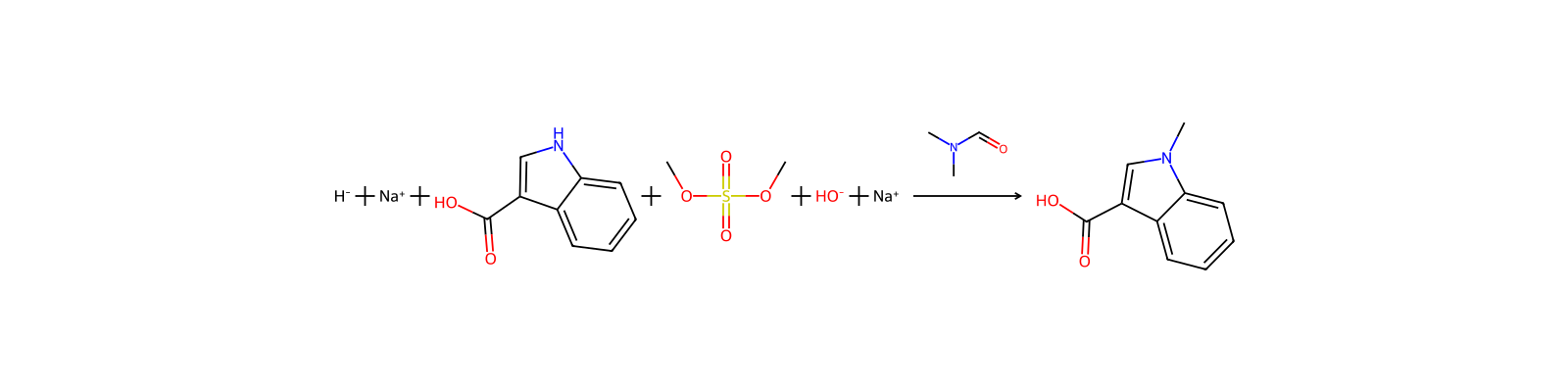
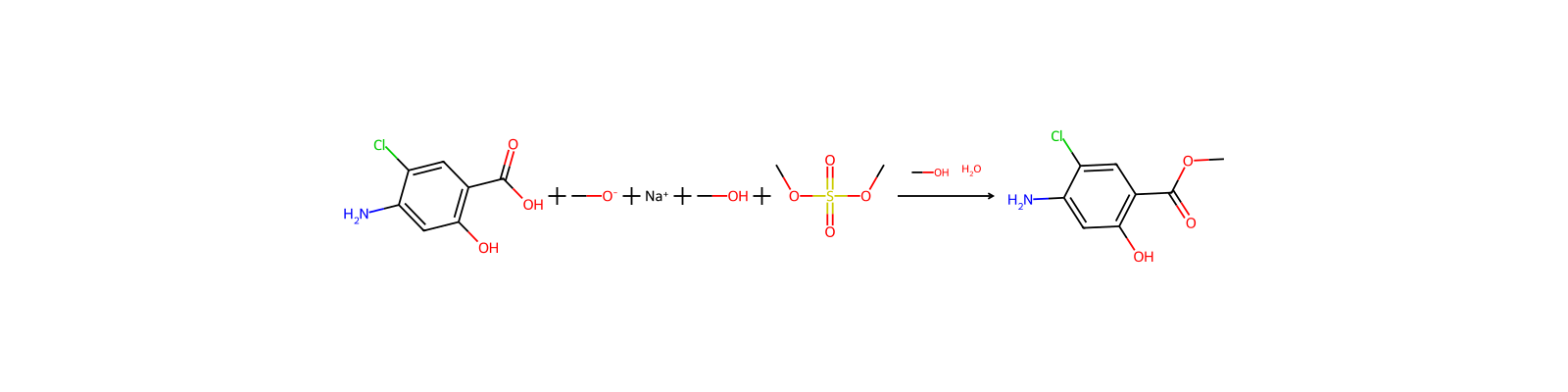
관련 반응
3,971건


연결된 노트
불러오는 중…