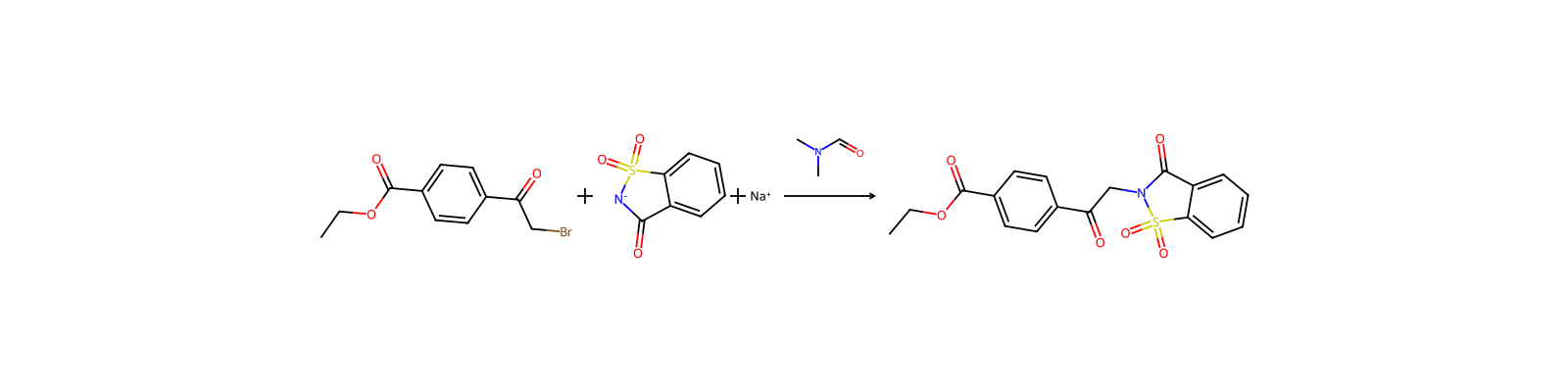
HRID 864896반응물로
Sodium saccharin
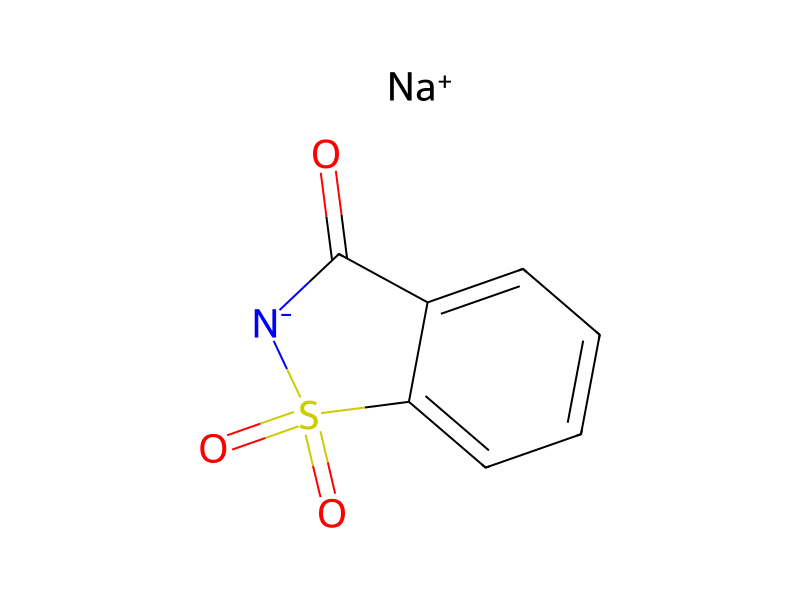
128-44-9O=C1[N-]S(=O)(=O)c2ccccc21.[Na+]WINXNKPZLFISPD-UHFFFAOYSA-MSaccharin, sodium salt appears as odorless white crystals or crystalline powder. Aqueous solution is neutral or alkaline to litmus, but not alkaline to phenolphthalein. Effloresces in dry air. Intensely sweet taste. (NTP, 1992)
128-44-9DTXSID5021253CHEMBL2105416、CHEMBL2219743CHEBI:32112FCS -> FDA Inventory of Food Contact Substances Listed in 21 CFR
FCS -> FDA Inventory of Effective Food Contact Substance (FCS) Notifications
Saccharin, sodium salt appears as odorless white crystals or crystalline powder. Aqueous solution is neutral or alkaline to litmus, but not alkaline to phenolphthalein. Effloresces in dry air. Intensely sweet taste. (NTP, 1992)
Dry Powder; Liquid; Other Solid; Liquid
White odorless solid; Effloresces in dry air; [CAMEO] White odorless crystals; [Mallinckrodt Baker MSDS]
Saccharin sodium occurs as a white, odorless or faintly aromatic, efflorescent, crystalline powder. It has an intensely sweet taste, with a metallic or bitter aftertaste that at normal levels of use can be detected by approximately 25% of the population. The aftertaste can be masked by blending saccharin sodium with other sweeteners. Saccharin sodium can contain variable amounts of water.
안전 정보는 참고용이며, 공급업체의 물질안전보건자료(SDS), 관련 법규 및 전문가 평가를 대체하지 않습니다.
This chemical does not meet GHS hazard criteria for 95.6% (328 of 343) of all reports.
Not Classified
Aggregated GHS information provided per 343 reports by companies from 9 notifications to the ECHA C&L Inventory.
Chemical: 1,2-Benzisothiazol-3(2H)-one, 1,1-dioxide, sodium salt (1:1)
Regulation (EC) No 1831/2003 (amended)
1,2-Benzisothiazol-3(2H)-one, 1,1-dioxide, sodium salt (1:1) is listed on the EPA's Chemical Data Reporting (CDR) system. Manufacturers and importers of 1,2-Benzisothiazol-3(2H)-one, 1,1-dioxide, sodium salt (1:1) are required to report information about their production and use of this chemical to the EPA under the Toxic Substances Control Act (TSCA). (40 eCFR Part 711)
TP - indicates a substance that is the subject of a proposed TSCA section 4 test rule.
Status: Active Update: 29-03-2022 https://echa.europa.eu/registration-dossier/-/registered-dossier/14605
Sodium saccharin: Does not have an individual approval but may be used under an appropriate group standard
Causes changes in psychophysiological tests in acute oral studies of monkeys; Causes kidney and bladder changes in 36-week constant oral studies of rats; [RTECS] Usually contains about 5% water; [NTP] Acceptable daily intake (ADI) of 0-5 mg/kg; [JECFA] The dihydrate is CAS# 6155-57-3; Contains 5-6% water; May cause mechanical eye irritation; [Mallinckrodt Baker MSDS]
EYES: First check the victim for contact lenses and remove if present. Flush victim's eyes with water or normal saline solution for 20 to 30 minutes while simultaneously calling a hospital or poison control center. Do not put any ointments, oils, or medication in the victim's eyes without specific instructions from a physician. IMMEDIATELY transport the victim after flushing eyes to a hospital even if no symptoms (such as redness or irritation) develop.
SMALL SPILLS AND LEAKAGE: If you spill this chemical, you should dampen the solid spill material with water, then transfer the dampened material to a suitable container. Use absorbent paper dampened with water to pick up any remaining material. Seal your contaminated clothing and the absorbent paper in a vapor-tight plastic bag for eventual disposal. Wash all contaminated surfaces with a soap and water solution. Do not reenter the contaminated area until the Safety Officer (or other responsible person) has verified that the area has been properly cleaned.
RECOMMENDED RESPIRATOR: Where the neat test chemical is weighed and diluted, wear a NIOSH-approved half face respirator equipped with a combination filter cartridge, i.e. organic vapor/acid gas/HEPA (specific for organic vapors, HCl, acid gas, SO2 and a high efficiency particulate filter). (NTP, 1992)
Used as a non-nutritive sweetener, flavor, and in formulations for electroplating-bath brighteners; [Merck Index] Permitted for use as an inert ingredient in non-food pesticide products; [EPA] Used as an antimicrobial agent, flavor enhancer/agent/adjuvant, non-nutritive sweetener, and solvent or vehicle; [FDA] Used to stabilize drugs with a phenothiazine nucleus; [NTP]
Electroplating [Category: Plate]
Fragrance Ingredients
Food Additives -> SWEETENER -> JECFA Functional Classes
Food Additives -> SWEETENER -> JECFA Functional Classes
Cosmetics -> Oral care; Masking
Wholesale and Retail Trade
1,2-Benzisothiazol-3(2H)-one, 1,1-dioxide, sodium salt (1:1): ACTIVE
용도Saccharin Sodium is a flavoring agent and non-nutritive sweetener. It is a salt of saccharin widely used as sweetener in food and beverage. As a high-intensity sweetener, Saccharin Sodium can be used in a wide variety of industries including: food production, beverage, cosmetics, agriculture/animal feed, and various other industries. Saccharin Sodium Salt Hydrate can be used for the purification of recombinant polypeptides, such as antibodies.
일반 설명Saccharin sodium appears as odorless white crystals or crystalline powder. Aqueous solution is neutral or alkaline to litmus, but not alkaline to phenolphthalein. Effloresces in dry air. Intensely sweet taste. (NTP, 1992)
생산 방법Saccharin is produced by the oxidation of o-toluene sulfonamide by potassium permanganate in a solution of sodium hydroxide. Acidification of the solution precipitates saccharin, which is then dissolved in water at 50℃ and neutralized by addition of sodium hydroxide. Rapid cooling of the solution initiates crystallization of saccharin sodium from the liquors.