홈MCP워크벤치Skills
홈워크벤치알림마이페이지
llms.txt · MCP 가이드개인정보처리방침 · 이용약관 · 지원v1.8.0
  1. 홈
  2. /화합물

(+/-)-2-부탄올

(+-)-2-Butanol

HCID 6568
새 노트새 반응견적 요청하기
인쇄 미리보기

데이터를 보충하는 중입니다. 잠시 후 페이지를 새로 고치면 최신 내용을 볼 수 있습니다

기본 정보개요이름 및 식별자물성안전 및 규제화학 및 산업관련 반응화합물 노트
부분 구조 검색유사 구조 찾기

기본 정보

CAS
15892-23-6
표준 SMILES
CCC(C)O
InChIKey
BTANRVKWQNVYAZ-UHFFFAOYSA-N
분자식
C4H10O
평균 분자량
74.12 g/mol
단동위원소 질량
74.07316494

개요

Sec-butyl alcohol appears as a clear colorless liquid with an alcohol odor. Flash point below 0 °F. Less dense than water. Vapors heavier than air. Soluble in water. Moderately irritates the eyes and skin. Prolonged and repeated contact may cause defatting and drying of the skin. Vapors may irritate the nose, throat and respiratory tract. May be harmful by ingestion.

이름 및 식별자

우선 이름
(+-)-2-Butanol
IUPAC
butan-2-ol
현지명
(+/-)-2-부탄올
영어명
2-Butanol
분자식
C4H10O
분자량
74.12

이름 및 동의어

2-ButanolButan-2-olsec-Butanol78-92-2SEC-BUTYL ALCOHOL2-Butyl alcoholButylene hydrate1-Methyl-1-propanolMethyl ethyl carbinol1-Methylpropyl alcoholEthyl methyl carbinolButanol secondaire
이름 더 보기
(+/-)-2-부탄올(+/-)-2-부탄올((+/-)-2-BUTANOL)2-부탄올rac-(R*)-2-ButanolS-BUTYL ALCOHOL2-HYDROXYBUTANE(+/-)-2-butanolETHYLMETHYLCARBINOLrac-(2R*)-2-Butanol
Butanol-21-Methyl propanolMethylethylcarbinolEthylmethyl carbinolButyl alcohol, sec-Alcool butylique secondaireMethylethyl carbinolCCS 301

데이터베이스 식별자

CAS
15892-23-6、78-92-2
PubChem CID
6568
DTXSID
DTXSID9021762
ChEMBL
CHEMBL45462
ChEBI
CHEBI:35687
UNII
0TUL3ENK62
EC Number
201-158-5、240-029-8
Nikkaji
J2.832K

물성

구조 계산 물성보충 중

XLogP
0.6
극성 표면적
20.2 Ų
수소 결합 공여자 수
1
수소 결합 수용자 수
1
회전 가능 결합 수
1
무거운 원자 수
5
형식 전하
0
복잡도
19.6

실험 및 물리화학적 성질

Chemical ClassesFlammable agents - 3rd degree
SolventsSolvents -> Alcohols (<C12)
FragrancesFragrance Ingredient (2-Butanol) -> IFRA transparency List
LogP · 3건

log Kow= 0.61

0.61

0.6

Odor · 4건

HAS A STRONG VINOUS ODOR

Sweet

Wine odor liquid

Strong, pleasant odor

Food AdditivesFLAVOR ENHANCER, FLAVORING AGENT OR ADJUVANT -> FDA Substance added to food
Density · 6건

0.81 (NIOSH, 2024) - Less dense than water; will float

0.8063 at 20 °C/4 °C

1 MG/L IS EQUIVALENT TO 330 PPM & 1 PPM IS EQUIVALENT TO 3.03 MG/CU M AT 25 °C, 760 MM HG; DENSITY OF SATURATED AIR 1.05 (AIR = 1); 3.14% IN SATURATED AIR @ 30 °C

Ratio of specific heats of vapor: 1.080; Saturated liquid density: 50.190 lb/cu ft at 70 °F; Latent heat of vaporization: 243 BTU/lb= 135 cal/g= 5.65X10+5 J/kg; Reid vapor pressure: 0.2 psia

Relative density (water = 1): 0.81

0.81

Flavoring AgentsEU Flavoring substances

안전 및 규제

안전 정보는 참고용이며, 공급업체의 물질안전보건자료(SDS), 관련 법규 및 전문가 평가를 대체하지 않습니다.

GHS 분류

GHS Classification · 6건

Warning

H226: Flammable liquid and vapor [Warning Flammable liquids]

P210, P233, P240, P241, P242, P243, P261, P264+P265, P271, P280, P303+P361+P353, P304+P340, P305+P351+P338, P319, P337+P317, P370+P378, P403+P233, P403+P235, P405, and P501 (click each P-code to see the statement)

Warning

H226: Flammable liquid and vapor [Warning Flammable liquids]

P210, P233, P240, P241, P242, P243, P261, P264+P265, P271, P280, P303+P361+P353, P304+P340, P305+P351+P338, P319, P337+P317, P370+P378, P403+P233, P403+P235, P405, and P501 (click each P-code to see the statement)

유해성 정보

Regulatory Information · 5건

Chemical: 2-Butanol

2-Butanol is listed on the EPA's Chemical Data Reporting (CDR) system. Manufacturers and importers of 2-Butanol are required to report information about their production and use of this chemical to the EPA under the Toxic Substances Control Act (TSCA). (40 eCFR Part 711)

Status: Active Update: 23-09-2021 https://echa.europa.eu/registration-dossier/-/registered-dossier/14353

2-Butanol: HSNO Approval: HSR001098 Approved with controls

The New Jersey Worker and Community Right to Know Act requires public and private employers to provide information about hazardous substances at their workplaces. (N.J.S.A. 34:5A-1 et. seq.)

DOT LabelFlammable Liquid
Fire Hazards · 2건

Excerpt from ERG Guide 129 [Flammable Liquids (Water-Miscible / Noxious)]:

Flammable. Above 24 °C explosive vapour/air mixtures may be formed.

Fire Potential · 3건

DANGEROUS FIRE HAZARD WHEN EXPOSED TO HEAT OR FLAME.

... Flammable liquid ... .

Ignites on contact with chromium trioxide.

Health HazardsExcerpt from NIOSH Pocket Guide for sec-Butyl alcohol:

화학 및 산업

약리 정보

Metabolism/Metabolites · 5건

SOME ... IS CONVERTED IN BODY TO METHYL ETHYL KETONE ... PHASE II METABOLISM OF BUTANOL-2 RESULTED IN URINARY EXCRETION OF ITS GLUCURONIDE CONJUGATE (APPROX 14% OF THE DOSE IN THE RABBIT). ... IN MAN GLUCURONIDATION PLAYS ONLY A MINOR ROLE IN THE DISPOSITION OF BUTANOL-2: THE GLUCURONIDE CONJUGATE ACCOUNTED FOR ONLY 0.5% OF THE INGESTED DOSE.

... /BIOTRANSFORMATIONS OF/ 2-BUTANOL ... RESEMBLE THOSE OF ISOPROPANOL; 2-BUTANOL IS ... METABOLIZED TO A KETONE (2-BUTANONE ...).

In vitro reactions with liver microsomes of mice produced sec-butanol from n-butane.

METABOLISM OF ETHANOL, PROPANOL, ISOPROPANOL, BUTANOL, ISOBUTANOL, SEC-BUTANOL, & TERT-BUTANOL WAS STUDIED AFTER ORAL ADMIN IN RABBITS. BLOOD PH WAS ON THE ACID SIDE WITH PROPANOL, BUTANOL, & ISOBUTANOL, AND ON THE ALKALINE SIDE WITH ISOPROPANOL & SEC-BUTANOL, BUT NO CHANGE WAS OBSERVED WITH ETHANOL & TERT-BUTANOL. BUTANOL & ISOBUTANOL HAD THE LOWEST RATE OF URINARY EXCRETION. ACETALDEHYDE AND ACETIC ACID WERE DETECTED AS THE URINARY METABOLITES OF ETHANOL AND PROPANOL, WHEREAS ISOBUTYRALDEHYDE & ISOVALERIC ACID WERE THE METABOLITES OF ISOBUTANOL.

For more Metabolism/Metabolites (Complete) data for SEC-BUTYL ALCOHOL (7 total), please visit the HSDB record page.

Absorption, Distribution and Excretion · 5건

ABOUT 77% OF BUTANOL-2 IS EXHALED BY LUNG. ... /ITS/ SEC-BUTYLGLUCURONIDE /CONJUGATE HAS BEEN/ ISOLATED FROM URINE ...

It is absorbed through the lungs, gastrointestinal tract, and skin.

Low molecular weight alcohols are absorbed through the skin. /Low molecular weight alcohols/

Urine was analyzed immediately, 1, 2, 8, and 9 hr after drinking (during 2 hr) 3.75 ml/kg of beverages containing orange juice, 15 or 40% ethanol, and 1 g/l of 1-propanol, 2-propanol, 1-butanol, 2-butanol, isobutyl alcohol or a mixture of 1-propanol & isobutyl alcohol. Maximum urine levels /in mg/l/ were found 1 hr after drinking ended: 1-propanol 5.04, 2-propanol 3.36, 1-butanol 0.43, 2-butanol 2.55, isobutyl alcohol ... 1.7-2.03 mg/l. Urine treatment with beta-glucuronidase before analysis indicated that significant amounts of the alcohols were excreted as glucuronides, esp isobutyl alcohol. 2-Propanol and 2-butanol were the slowest to be metabolized. When mixtures of alcohols were given, the concentrations of isobutyl alcohol glucuronides were high with the mixtures containing 5 and 15% ethanol, and decreased at 40% ethanol.

For more Absorption, Distribution and Excretion (Complete) data for SEC-BUTYL ALCOHOL (6 total), please visit the HSDB record page.

관련 반응

472건
반응 기록 만들기
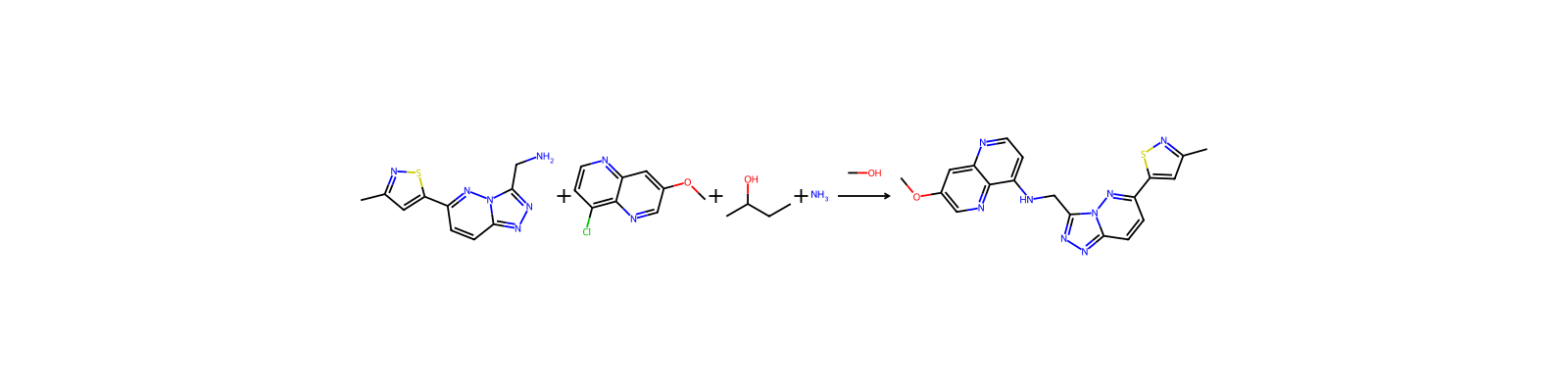
HRID 6445 반응식
HRID 6445반응물로uspto-grants-1993_09
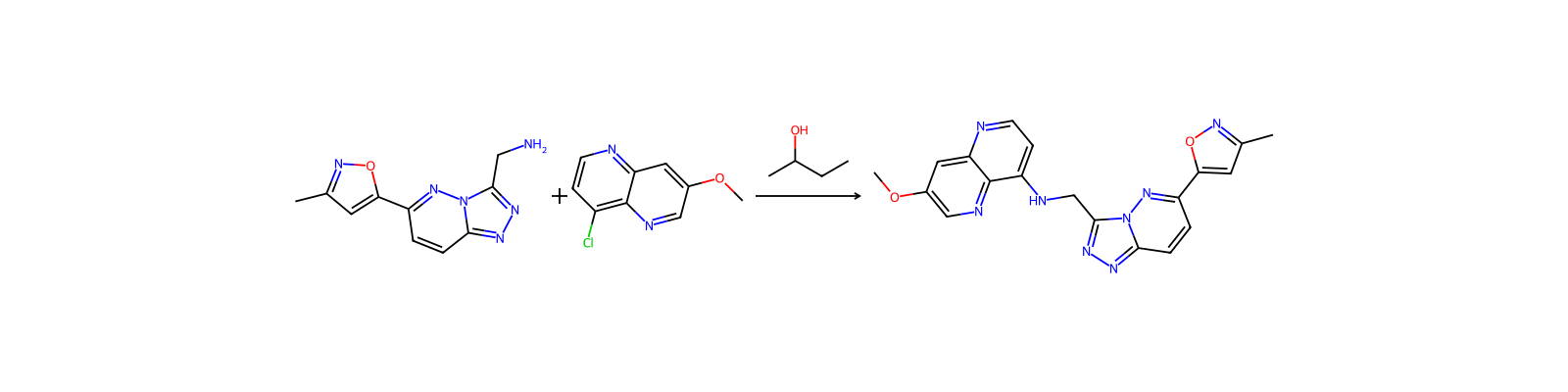
HRID 19495 반응식
HRID 19495용매로uspto-grants-2010_06
HRID 22610 반응식
HRID 22610용매로uspto-grants-2005_02
HRID 22611 반응식
HRID 22611용매로uspto-grants-2005_02
HRID 35165 반응식
HRID 35165반응물로uspto-grants-1988_08
HRID 40181 반응식
HRID 40181반응물로uspto-grants-2013_09
HRID 40207 반응식
HRID 40207용매로uspto-grants-2013_09
HRID 40214 반응식
HRID 40214반응물로uspto-grants-2013_09
1 / 59 페이지

화합물 노트

불러오는 중…

이 페이지에서기본 정보개요이름 및 식별자물성안전 및 규제화학 및 산업관련 반응화합물 노트
더보기
새 노트새 반응견적 요청하기
Viscosity · 2건

4.21 cP at 15 °C

3.8 mm²/s at 25 °C

Color/FormColorless liquid
Solubility · 5건

16 % (NIOSH, 2024)

125,000 mg/l water at 20 °C

Sol in 12 parts water; miscible with alcohol and ether

Very soluble in acetone; miscible in ethanol and ethyl ether

In water, 181,000 mg/l @ 25 °C

Corrosivitysec-Butyl alcohol will attack some forms of plastics, rubber, and coatings.

물리화학적 성질

녹는점
115 °C · −115 °C(lit.)
끓는 점
98 °C · 98 °C(lit.)
밀도
0.808 g/mL · 0.808 g/mL at 25 °C(lit.)
증기 밀도
2.6 · 2.6 (vs air)
증기압
12.5 mm · 12.5 mm Hg ( 20 °C)
굴절률
20 · n20/D 1.397(lit.)
인화점
80 °F · 80 °F
Hazards SummaryA skin, eye, and respiratory tract irritant; Inhalation of high concentrations can cause CNS depression; [ICSC]
DOT ID and Guide1120 129
FDA Requirements · 1건

2-butanol is a food additive permitted for direct addition to food for human consumption, as long as 1) the quantity added to food does not exceed the amount reasonably required to accomplish its intended physical, nutritive, or other technical effect in food, and 2) when intended for use in or on food it is of appropriate food grade and is prepared and handled as a food ingredient.

Reactive GroupAlcohols and Polyols
EC ClassificationSymbol: Xi; R: 10-36/37-67; S: (2)-7/9-13-24/25-26-46; Note: C
UN ClassificationUN Hazard Class: 3; UN Pack Group: III
Special Reports · 1건

Brusewitz S, Wennberg A; Criteria Document for Setting Exposure Limits for Butanol and Butyl Acetate. Arbetarskyddsstryelsen, Publikationsservice, 45 pp. (1984). Contents of this critical literature survey include: uses; activities involving exposure to the title substances; toxicology (metabolic models of isobutanol isomers and butyl acetate), toxicological mechanisms, effects on various organs (in particular the central nervous system), reproductive effects; allergies; genotoxic effects; carcinogenic effects; exposure indicators; dose-effect relations; definitions.

안전 및 보호

Fire Fighting · 2건

Excerpt from ERG Guide 129 [Flammable Liquids (Water-Miscible / Noxious)]:

Use water spray, powder, foam, carbon dioxide. In case of fire: keep drums, etc., cool by spraying with water.

First Aid Measures · 4건

Fresh air, rest. Refer for medical attention.

Remove contaminated clothes. Rinse skin with plenty of water or shower.

First rinse with plenty of water for several minutes (remove contact lenses if easily possible), then refer for medical attention.

Rinse mouth. Give one or two glasses of water to drink. Do NOT induce vomiting. Refer for medical attention .

First Aid · 2건

Excerpt from NIOSH Pocket Guide for sec-Butyl alcohol:

(General first aid procedures)

Safe StorageFireproof. Separated from strong oxidants and aluminium.
Fire Fighting Procedures · 2건

WATER SPRAY, ALCOHOL FOAM, CARBON DIOXIDE, DRY CHEMICAL

Do not extinguish fire unless flow can be stopped. Use water in flooding quantities as fog. Solid streams of water may be ineffective. Cool all affected containers with flooding quantities of water. Apply water from as far a distance as possible.

Storage Conditions · 1건

... STORE IN PLACES THAT ARE COOL ... PROVIDE ADEQUATE VENTILATION ... LOCATE ... STORAGE AREA WELL AWAY FROM AREAS OF FIRE HAZARD ... KEEP ... FROM POWERFUL OXIDIZING AGENTS ... EXPLOSIVES, OR MATERIALS WHICH REACT WITH AIR OR MOISTURE TO EVOLVE HEAT.

Cleanup Methods · 1건

1. REMOVE ALL IGNITION SOURCES. 2. VENTILATE AREA OF SPILL OR LEAK. 3. FOR SMALL QUANTITIES ABSORB ON PAPER TOWELS. EVAPORATE IN SAFE PLACE (SUCH AS FUME HOOD). ALLOW SUFFICIENT TIME FOR EVAPORATING VAPORS TO ... CLEAR HOOD DUCTWORK. BURN PAPER IN SUITABLE LOCATION AWAY FROM COMBUSTIBLE MATERIALS. LARGE QUANTITIES CAN BE COLLECTED AND ATOMIZED IN A SUITABLE COMBUSTION CHAMBER.

Nonfire Spill ResponseExcerpt from ERG Guide 129 [Flammable Liquids (Water-Miscible / Noxious)]:
Disposal Methods · 4건

SRP: At the time of review, criteria for land treatment or burial (sanitary landfill) disposal practices are subject to significant revision. Prior to implementing land disposal of waste residue (including waste sludge), consult with environmental regulatory agencies for guidance on acceptable disposal practices.

1. BY ABSORBING IT IN VERMICULITE, DRY SAND, EARTH OR SIMILAR MATERIAL & DISPOSING IN SECURED SANITARY LANDFILL. 2. BY ATOMIZING IN SUITABLE COMBUSTION CHAMBER.

s-Butyl alcohol is a waste chemical stream constituent which may be subjected to ultimate disposal by controlled incineration.

Incineration: Spray waste material into the firebox of an incinerator. Combustion may be improved by mixing with a more flammable solvent.

Spillage Disposal · 1건

Personal protection: filter respirator for organic gases and vapours adapted to the airborne concentration of the substance. Collect leaking and spilled liquid in sealable containers as far as possible. Absorb remaining liquid in sand or inert absorbent. Then store and dispose of according to local regulations. Wash away remainder with plenty of water.

Preventive Measures · 5건

SRP: Contaminated protective clothing should be segregated in such a manner so that there is no direct personal contact by personnel who handle, dispose, or clean the clothing. Quality assurance to ascertain the completeness of the cleaning procedures should be implemented before the decontaminated protective clothing is returned for reuse by the workers. Contaminated clothing should not be taken home at end of shift, but should remain at employee's place of work for cleaning.

VENTILATION CONTROL: THE BASIC VENTILATION METHODS ARE LOCAL EXHAUST VENTILATION AND DILUTION OR GENERAL VENTILATION. ... SUBSTITUTION OF LESS IRRITATING SUBSTANCES ... REDESIGN OF OPERATIONS ... PREVENT CONTACT, PROVISION OF A PHYSICAL BARRIER AGAINST CONTACT, PROPER WASHING FACILITIES, WORK CLOTHING AND STORAGE FACILITIES, PROTECTIVE CLOTHING, AND BARRIER CREAMS. MEDICAL CONTROL ...

Respirators may be used when engineering and work practice controls are not technically feasible, when such controls are in the process of being installed, or when they fail and need to be supplemented. Respirators may also be used for operations which require entry into tanks or closed vessels, and in emergency situations. ... Clothing wet with liquid sec-butyl alcohol should be placed in closed containers for storage until it can be discarded or until provision is made for the removal of sec-butyl alcohol from the clothing. If the clothing is to be laundered or otherwise cleaned to remove the sec-butyl alcohol, the person performing the operation should be informed of sec-butyl alcohol's hazardous properties. Any clothing which becomes wet with liquid sec-butyl alcohol should be removed immediately and not reworn until the sec-butyl alcohol is removed from the clothing.

SRP: The scientific literature for the use of contact lenses in industry is conflicting. The benefit or detrimental effects of wearing contact lenses depend not only upon the substance, but also on factors including the form of the substance, characteristics and duration of the exposure, the uses of other eye protection equipment, and the hygiene of the lenses. However, there may be individual substances whose irritating or corrosive properties are such that the wearing of contact lenses would be harmful to the eye. In those specific cases, contact lenses should not be worn. In any event, the usual eye protection equipment should be worn even when contact lenses are in place.

For more Preventive Measures (Complete) data for SEC-BUTYL ALCOHOL (9 total), please visit the HSDB record page.

Isolation and EvacuationExcerpt from ERG Guide 129 [Flammable Liquids (Water-Miscible / Noxious)]:

독성 정보

Body Burdensec-Butyl alcohol was identified, not quantified, in human blood(1).
Interactions · 3건

... Ethanol, isopropanol, n-butanol, sec-butanol, and tert-butanol ... exert a ... potentiating effect on the acute inhalation toxicity of carbon tetrachloride. ... Interaction between isopropanol & carbon tetrachloride was documented in an industrial accident ... where workers exposed to both agents exhibited hepatotoxicity. With ethanol the potentiation seems to be due to the presence of the unmetabolized alcohol; however, with isopropanol the effect seems to be caused by the presence of both unmetabolized alcohol and acetone. The results obtained with n-butanol resemble those of ethanol, whereas with 2-butanol they resemble those of isopropanol ... .

ADDING 1 G/L OF PROPAN-1-OL, PROPAN-2-OL, BUTAN-1-OL, BUTAN-2-OL, ISOBUTANOL TO 40% ETHANOL IN ORANGE JUICE LOWERED AND DELAYED BLOOD ETHANOL MAX IN TEN 20-30 YR OLD MEN WHO DRANK 3.75 ML/KG OF SYNTHETIC BEVERAGE.

2-Butanol at high concentrations potentiated carbon tetrachloride liver toxicity in rodents, probably due to the enhancement of the biotransformation of carbon tetrachloride to cytotoxic metabolites by activation of selective cytochrome p450 isozymes.

Target OrgansEyes, skin, respiratory system, central nervous system
Ecotoxicity Values · 5건

LD50 Carassius auratus (Goldfish) 4300 mg/l/24 hr /Conditions of bioassay not specified/

LC50 Pimephales promelas (fathead minnows) 3670 g/l/96 hr (95% confidence limit 3380-3990 g/l); age 30 days old, water hardness 43.6 mg/l (CaCO3), temp 24.4 °C, pH 7.82, dissolved oxygen 7.5 mg/l, alkalinity 41.4 mg/l (CaCO3) /Type of bioassay not specified/ /dl-2-Butanol/

Toxicity Threshold (Cell Multiplication Inhibition Test) Entosiphon sulcatum (protozoa) 1280 mg/l

Toxicity Threshold (Cell Multiplication Inhibition Test) Uronema parduczi Chatton-Lwoff (protozoa) 1416 mg/l

For more Ecotoxicity Values (Complete) data for SEC-BUTYL ALCOHOL (7 total), please visit the HSDB record page.

Environmental Fate · 3건

TERRESTRIAL FATE: Based on a classification scheme(1), an estimated Koc value of 50(SRC), determined from a log Kow of 0.61(2) and a regression-derived equation(3), indicates that sec-butyl alcohol is expected to have high mobility in soil(SRC). Volatilization of sec-butyl alcohol from moist soil surfaces is expected to be an important fate process(SRC) given a Henry's Law constant of 9.06X10⁻⁶ atm-cu m/mole(4). The potential for volatilization of sec-butyl alcohol from dry soil surfaces may exist based upon a vapor pressure of 18.3 mm Hg(5). Biodegradation is expected to be an important fate process for this compound in soil surfaces(SRC). sec-Butyl alcohol achieved 44.2 and 72.3% of its theoretical BOD after 10 and 20 day incubation periods, respectively using a domestic sewage sludge inoculum(6).

AQUATIC FATE: Based on a classification scheme(1), an estimated Koc value of 50(SRC), determined from a log Kow of 0.61(2) and a regression- derived equation(3), indicates that sec-butyl alcohol is not expected to adsorb to suspended solids and sediment in water(SRC). Volatilization from water surfaces is expected to be an important fate process(3) based upon a Henry's Law constant of 9.06X10⁻⁶ atm-cu m/mole(4). Using this Henry's Law constant and an estimation method(3), volatilization half-lives for a model river and model lake are 2 and 29, days respectively(SRC). According to a classification scheme(5), an estimated BCF of 3(SRC), from its log Kow(2) and a regression-derived equation(6), suggests the potential for bioconcentration in aquatic organisms is low. In a river die-away test, sec-butyl alcohol achieved 55% of its theoretical BOD in 5 days(7), suggesting biodegradation will be an important fate process(SRC).

ATMOSPHERIC FATE: According to a model of gas/particle partitioning of semivolatile organic compounds in the atmosphere(1), sec-butyl alcohol, which has a vapor pressure of 18.3 mm Hg at 25 °C(2), is expected to exist solely as a vapor in the ambient atmosphere. Vapor-phase sec-butyl alcohol is degraded in the atmosphere by reaction with photochemically-produced hydroxyl radicals(SRC). The half-life for the reaction in air with hydroxyl radicals is estimated to be 40 hours(SRC), calculated from its rate constant of 9.6X10⁻¹² cu cm/molecule-sec at 25 °C(3).

Food Survey Values · 1건

sec-Butyl alcohol is found in many diverse food items. It has been identified as a volatile component of baked potatoes(1), apples and pears(2), a gruyere-type cheese, fried bacon, roasted filberts(3), and dry legumes(4). sec-Butyl alcohol was detected in soybeans at concns of 406.3 to 3458.3 ug/kg(5). sec-Butyl alcohol was identified, not quantified, in grain(6).

Adverse EffectsNeurotoxin - Acute solvent syndrome
Exposure Routes · 2건

The substance can be absorbed into the body by inhalation of its vapour and by ingestion.

inhalation, ingestion, skin and/or eye contact

Signs and Symptoms · 5건

Headache. Dizziness. Drowsiness.

Dry skin.

Redness. Pain.

Dizziness. Drowsiness.

irritation eyes, skin, nose, throat; narcosis

Effluent Concentrations · 1건

In a comprehensive survey of wastewater from 4,000 industrial and publicly owned treatment works (POTWs) sponsored by the Effluent Guidelines Division of the U.S. EPA, sec-Butyl alcohol was identified in discharges of the following industrial category (positive occurrences, median concn in ppb): leather tanning (1; 46.7), petroleum refining (1; 149.3), paint and ink (1; 324.7), organics and plastics (2; 35.4), pesticides manufacture (1; 36.2), pharmaceuticals (1; 4.6), foundries (1; 41.0), electronics (1; 19.9), mechanical products (3; 90.6), publicly owned treatment works (3; 12.4)(1). The highest effluent concn was 920.1 ppb in the mechanical products industry(1). sec-Butyl alcohol was found in landfill leachate from 1 of 5 sites in Connecticut(2). The concentration of sec-butyl alcohol in this leachate ranged from 6.2 to 14.9 ppm(2). Trench leachate from the Maxey Flats, KY and West Valley, NY disposal sites also contained sec-butyl alcohol(3). sec-Butyl alcohol was identified, not quantified, in the volatile emissions of furniture coatings(4). sec-Butyl alcohol was detected at concns ranging from 1 to 272 mg/cu m in landfill gas from 7 waste disposal sites in the United Kingdom(5). sec-Butyl alcohol was identified, not quantified, in the volatile emissions of common garden waste(6).

Medical Surveillance · 1건

... Employee who is exposed to sec-butyl alcohol at potentially hazardous levels ... should be screened for history of certain medical conditions ... /skin disease, liver disease, kidney disease, eye disease, chronic resp disease/ which might place the employee at incr risk from sec-butyl alcohol exposure. ... Any employee developing these ... conditions should be referred for further medical exam.

Soil Adsorption/Mobility · 1건

The Koc of sec-butyl alcohol is estimated as 50(SRC), using a log Kow of 0.61(1) and a regression-derived equation(2). According to a classification scheme(3), this estimated Koc value suggests that sec-butyl alcohol is expected to have high mobility in soil(SRC).

규제 정보

FDA Requirements · 1건

2-butanol is a food additive permitted for direct addition to food for human consumption, as long as 1) the quantity added to food does not exceed the amount reasonably required to accomplish its intended physical, nutritive, or other technical effect in food, and 2) when intended for use in or on food it is of appropriate food grade and is prepared and handled as a food ingredient.

TSCA Requirements · 2건

Section 8(a) of TSCA requires manufacturers of this chemical substance to report preliminary assessment information concerned with production, use, and exposure to EPA as cited in the preamble in 51 FR 41329.

Pursuant to section 8(d) of TSCA, EPA promulgated a model Health and Safety Data Reporting Rule. The section 8(d) model rule requires manufacturers, importers, and processors of listed chemical substances and mixtures to submit to EPA copies and lists of unpublished health and safety studies. s-Butyl alcohol is included on this list.

Atmospheric Standards · 1건

This action promulgates standards of performance for equipment leaks of Volatile Organic Compounds (VOC) in the Synthetic Organic Chemical Manufacturing Industry (SOCMI). The intended effect of these standards is to require all newly constructed, modified, and reconstructed SOCMI process units to use the best demonstrated system of continuous emission reduction for equipment leaks of VOC, considering costs, non air quality health and environmental impact and energy requirements. s-Butyl alcohol is produced, as an intermediate or a final product, by process units covered under this subpart.

안전 데이터

OEB
A
OEL
TWA: 100.0 ppm; 305.0 mg/m3, STEL: 150.0 ppm; 455.0 mg/m3
wgk
1
rtecs
EO1750000
ridadr
UN 1120 3/PG 3
독성
dog,LDLo,oral,2400mg/kg (2400mg/kg),National Technical Information Service. Vol. OTS0572377,
HS 번호
29051420
risk_code
10-36/37-67
hazard_code
Xi
safety_code
13-24/25-26-46-7/9
기존화학 물질
KE-03869

용도 및 제조

Uses · 6건

Used as a solvent, paint remover, and cleaner; also used to manufacture other organic compounds; [ACGIH]

Painting (Solvents) [Category: Paint]

For Sec-butyl alcohol (USEPA/OPP Pesticide Code: 001502) there are 0 labels match. /SRP: Not registered for current use in the U.S., but approved pesticide uses may change periodically and so federal, state and local authorities must be consulted for currently approved uses./

In synth of flotation agents, flavors, perfumes, dyestuffs, wetting agents; in industr cleaners, paint removers; solvent for many natural resins, linseed and castor oils

... Used as a solvent and chemical intermediate, & is found in hydraulic brake fluids, industrial cleaning compounds, polishes, paint removers, ore-flotation agents, fruit essences, perfumes dye-stuffs, & as a chemical intermediate.

Preparation of methyl ethyl ketone

U.S. Exports · 2건

(1972) NEGLIGIBLE

(1975) 1.65X10+9 G (ISOMER UNSPECIFIED)

U.S. Imports · 3건

(1972) NEGLIGIBLE

(1975) 1.48X10+10 G (ISOMER UNSPECIFIED)

(1984) 3.69X10+8 G /ALL BUTYL ALCOHOLS EXCEPT N-BUTYL AND ISOBUTYL ALCOHOL/

U.S. Production · 3건

2023: 10,000,000 - <50,000,000 lb

(1972) 1.89X10+11 G

(1975) 1.66X10+11 G

Consumption Patterns95% FOR SYNTHESIS OF METHYL ETHYL KETONE; 5% AS SOLVENT FOR LACQUERS, PAINT REMOVERS, AND ADHESIVES (1972)
Consumer UsesNot Known or Reasonably Ascertainable
Industry UsesIntermediate
Methods of Manufacturing · 2건

Sec-butyl alcohol is produced commercialy entirely from butenes using indirect hydration with sulfuric acid. ... Typical feed to the commercial process is refinery or steam cracker B-B (butane-butylene) from which butadiene and isobutylene have been removed, to leave a mixture of 1-butene, 2-butene, butane, and isobutane. This feed is extracted with 75-85% sulfuric acid at 35-50 °C to yield butyl hydrogen sulfate. This ester is then diluted with water and stripped with steam to yield the alcohol. (Both 1-butene and 2-butene give sec-butyl alcohol.) The sulfuric acid is generally concentrated and recycled.

By reduction of 2-butanone: Chaikin, Brown, J Am Chem Soc 71, 122 (1949) ... by hydration of 2-butene or hydrocarbons containing butene: Dale et al, Ind Eng Chem 48, 913 (1956); Archibald, Mottern, US patent 2,543,820 (1951 to Standard Oil); Limerick, Wylie, US patent 2,776,324 (1957 to Shell). Prepn of L-form or D-form by hydroboration of cis-butene: Brown, US patent 3,078,313 (1963); Brown et al, J Am Chem Soc 86, 397 (1964).

Formulations/PreparationsGrades: technical
Use Classification · 4건

Fragrance Ingredients

Flavouring Agent -> FLAVOURING_AGENTFood Additives -> EXTRACTION_SOLVENT -> JECFA Functional Classes

Flavouring Agent -> FLAVOURING_AGENTFood Additives -> EXTRACTION_SOLVENT -> JECFA Functional Classes

Flavouring Agent -> FLAVOURING_AGENTFood Additives -> EXTRACTION_SOLVENT -> JECFA Functional Classes

General Manufacturing Information · 2건

All Other Basic Inorganic Chemical Manufacturing

2-Butanol: ACTIVE

상·하류 제품 정보

상류 원료

sec-부탄올Di-n-butyl sulfate1,3-부타디엔고무시멘트 희석제부탄트랜스-2-부텐시스-2-부텐

하류 제품

탄산디-sec-부틸에스테르Sec-부틸메타크릴레이트O,O-디-sec-부틸수소디티오포스페이트