
에틸 P-톨루엔설포네이트
Ethyl p-methylbenzenesulfonate
데이터를 보충하는 중입니다. 잠시 후 페이지를 새로 고치면 최신 내용을 볼 수 있습니다
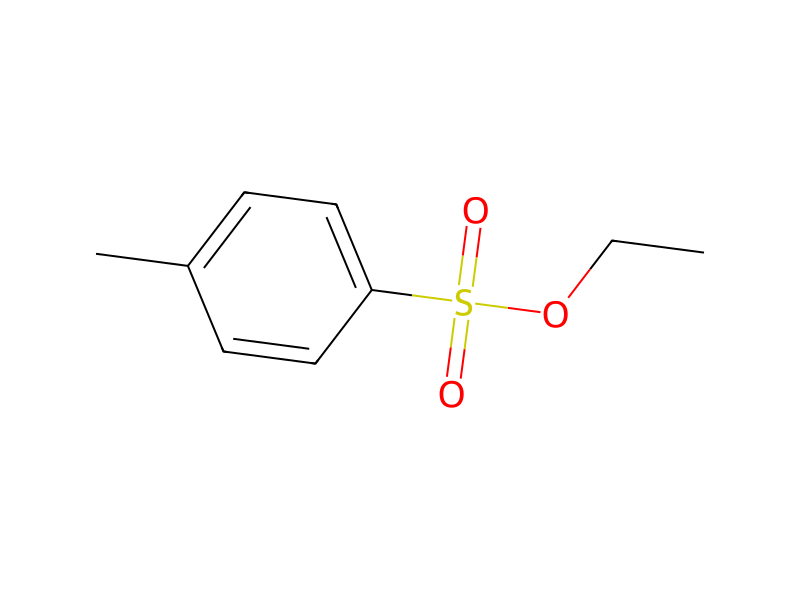
기본 정보
- CAS
80-40-0- 표준 SMILES
CCOS(=O)(=O)c1ccc(C)cc1- InChIKey
VRZVPALEJCLXPR-UHFFFAOYSA-N- 분자식
- C9H12O3S
- 평균 분자량
- 200.26 g/mol
- 단동위원소 질량
- 200.05071524
이름 및 식별자
- 우선 이름
- Ethyl p-methylbenzenesulfonate
- IUPAC
- ethyl 4-methylbenzenesulfonate
- 현지명
- 에틸 P-톨루엔설포네이트
- 영어명
- Ethyl p-toluenesulfonate
- 분자식
- C9H12O3S
- 분자량
- 200.25
이름 및 동의어
Ethyl p-toluenesulfonate80-40-0Ethyl 4-methylbenzenesulfonateEthyl tosylateEthyl p-tosylateETHYL P-METHYLBENZENESULFONATEBenzenesulfonic acid, 4-methyl-, ethyl esterEthyl p-TSp-Toluenesulfonic acid, ethyl esterEthyl-p-toluenesulfonateEthyl PTSEthyl 4-toluenesulfonate
이름 더 보기
에틸P-메틸벤젠설포네이트에틸P-톨루엔설포네이트에틸P-톨루엔설포네이트에틸 P-메틸벤젠설포네이트Ethyl para-toluenesulfonateMittel AEP4-METHYLBENZENESULFONIC ACID, ETHYL ESTERethylpts
p-Toluolsulfonsaeure aethyl esterNSC 8887toluene-4-sulfonic acid ethyl esterEthyl p-methyl benzenesulfonateCCRIS 10284-Methylbenzenesulfonic acid ethyl esterHSDB 5235EINECS 201-276-7
데이터베이스 식별자
- CAS
80-40-0- PubChem CID
- 6638
- DTXSID
DTXSID2058833- UNII
- 2160N0YURF
- EC Number
- 201-276-7
- Nikkaji
- J3.853I
물성
구조 계산 물성보충 중
- XLogP
- 1.8
- 극성 표면적
- 51.8 Ų
- 수소 결합 공여자 수
- 0
- 수소 결합 수용자 수
- 3
- 회전 가능 결합 수
- 3
- 무거운 원자 수
- 13
- 형식 전하
- 0
- 복잡도
- 232
실험 및 물리화학적 성질
Chemical ClassesOther Classes -> Benzenesulfonic Acid Derivatives
SpringerMaterials PropertiesDiamagnetic susceptibility
LogPLog kow = 1.81
Density1.17
Color/Form
MONOCLINIC CRYSTALS
MONOCLINIC PRISMS FROM ACETIC ACID, ETHYL ACETATE
Solubility
INSOL IN WATER; SOL IN ALC, ETHER, HOT ACETIC ACID
SOL IN HOT ETHYL ACETATE
Flash Point316 °F
Boiling Point173 °C @ 15 MM HG
Melting Point33 °C
Vapor Pressure0.000241 [mmHg]
Physical DescriptionUnstable solid; mp = 33 deg C; [Hawley] White solid; mp = 32-34 deg C; [MSDSonline]
안전 및 규제
안전 정보는 참고용이며, 공급업체의 물질안전보건자료(SDS), 관련 법규 및 전문가 평가를 대체하지 않습니다.
GHS 분류
GHS Classification
This chemical does not meet GHS hazard criteria for 0.6% (1 of 169) of reports.
Danger
H301 (65.1%): Toxic if swallowed [Danger Acute toxicity, oral]
P261, P264, P264+P265, P270, P271, P280, P301+P316, P302+P352, P304+P340, P305+P351+P338, P319, P321, P330, P332+P317, P337+P317, P362+P364, P403+P233, P405, and P501 (click each P-code to see the statement)
Aggregated GHS information provided per 169 reports by companies from 15 notifications to the ECHA C&L Inventory. Each notification may be associated with multiple companies.
유해성 정보
Regulatory Information
Chemical: Benzenesulfonic acid, 4-methyl-, ethyl ester
Benzenesulfonic acid, 4-methyl-, ethyl ester: Does not have an individual approval but may be used as a component in a product covered by a group standard. It is not approved for use as a chemical in its own right.
Hazards SummaryAn irritant; [MSDSonline]
Hazard Classes and CategoriesAcute Tox. 3 (65.1%)
안전 및 보호
Disposal Methods
SRP: At the time of review, criteria for land treatment or burial (sanitary landfill) disposal practices are subject to significant revision. Prior to implementing land disposal of waste residue (including waste sludge), consult with environmental regulatory agencies for guidance on acceptable disposal practices.
독성 정보
Non-Human Toxicity Excerpts
화학 및 산업
용도 및 제조
Uses
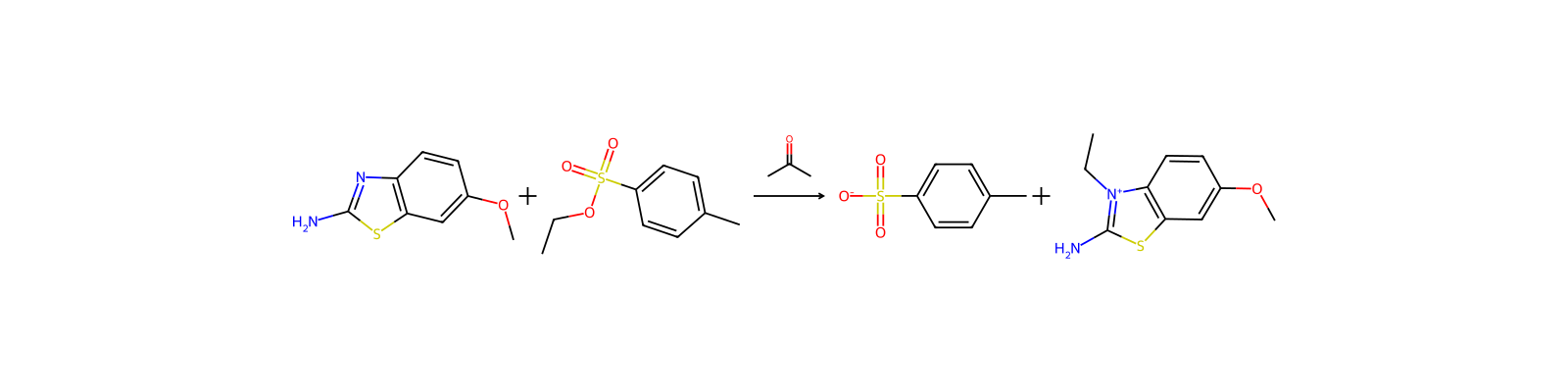
Used as plasticizer for cellulose acetate and as an ethylating agent; [Hawley]
PLASTICIZER FOR CELLULOSE ACETATE; ETHYLATING AGENT
General Manufacturing InformationBenzenesulfonic acid, 4-methyl-, ethyl ester: ACTIVE
응용 분야
용도Ethyl p-toluenesulfonate can be used in the manufacture of organic synthesis, and also can be used as intermediate of methylation reagent and sensitive material. It also is flexibilizer of cellulose acetate.
일반 설명Ethyl p-toluenesulfonate (EPTS), used as a potent alkylating agent in the modern pharmaceutical industry, is classified as a potential genotoxic impurity. It is an alkyl sulfonate formed by the reaction of ethanol with p-toluenesulfonic acid during the production of active pharmaceutical ingredients. Because EPTS has the ability to alkylate DNA, it may pose risks such as carcinogenicity and teratogenicity; therefore, its content must be strictly controlled[1].
상·하류 제품 정보
상류 원료
하류 제품
관련 반응
39건


화합물 노트
불러오는 중…