
메틸메타크릴레이트
Methyl Methacrylate
데이터를 보충하는 중입니다. 잠시 후 페이지를 새로 고치면 최신 내용을 볼 수 있습니다

기본 정보
- CAS
80-62-6- 표준 SMILES
C=C(C)C(=O)OC- InChIKey
VVQNEPGJFQJSBK-UHFFFAOYSA-N- 분자식
- C5H8O2
- 평균 분자량
- 100.12 g/mol
- 단동위원소 질량
- 100.05242949
이름 및 식별자
- 우선 이름
- Methyl Methacrylate
- IUPAC
- methyl 2-methylprop-2-enoate
- 현지명
- 메틸메타크릴레이트
- 영어명
- Methyl methacrylate
- 분자식
- C5H8O2
- 분자량
- 100.12
이름 및 동의어
METHYL METHACRYLATE80-62-6methyl 2-methylprop-2-enoateMethylmethacrylatePegalanMethacrylic acid methyl esterMethyl methylacrylateMethyl 2-methylpropenoateAcryester MDiakonMethyl-methacrylatMethyl 2-methyl-2-propenoate
이름 더 보기
메타크릴산메틸2-메틸프로펜오익산,메틸에스테르메타크릴산메틸에스테르메타크릴산,메틸에스테르메틸2-메틸아크릴레이트메틸메타크릴레이트단량체메틸메타크릴레이트,억제된2-(메톡시카르보닐)-1-프로펜2-메틸-2-프로펜오익산메틸에스테르메틸2-메틸프로펜오에이트메틸메틸아크릴산메틸메타크릴레이트메틸 메타크릴에이트MMAMmeMethylmetacrylateMETHYL METACRYLAT
2-Propenoic acid, 2-methyl-, methyl esterMetakrylan metyluMetil metacrilatoMethylmethacrylaat2-(Methoxycarbonyl)-1-propene2-Methyl-2-propenoic acid methyl esterMethacrylate de methyleMethyl 2-methylacrylate
데이터베이스 식별자
- CAS
80-62-6- PubChem CID
- 6658
- DTXSID
DTXSID2020844- ChEMBL
CHEMBL49996- ChEBI
CHEBI:34840- UNII
- 196OC77688
- EC Number
- 201-297-1
- Nikkaji
- J3.532G
물성
구조 계산 물성보충 중
- XLogP
- 1.4
- 극성 표면적
- 26.3 Ų
- 수소 결합 공여자 수
- 0
- 수소 결합 수용자 수
- 2
- 회전 가능 결합 수
- 2
- 무거운 원자 수
- 7
- 형식 전하
- 0
- 복잡도
- 94
물리화학적 성질
- 녹는점
- 48 °C · −48 °C (−54 °F; 225 K)
- 끓는 점
- 101 °C · 101 °C (214 °F; 374 K)
- 밀도
- 0.94 g/cm3 · 0.94 g/cm3
- 증기 밀도
- 3.5 · 3.5 (vs air)
- 증기압
- 29 mm · 29 mm Hg ( 20 °C)
- FEMA
- 4002 · 4002 | METHYL 2-METHYL-2-PROPENOATE
- 굴절률
- 1.41 · 1.41
- 인화점
- 2 °C · 2 °C (36 °F; 275 K)
- 저장 조건
- 2 · 2-8°C
- 용해도
- 15 g/L · 15g/L
- 물리적 상태
- liquid
- 색상
- Colorless
- 냄새
- 0.1 % · 디프로필렌 글리콜 중 0.10%. 아크릴 방향족 과일향
- 냄새 유형
- 아크릴레이트
- Odor Threshold
- 0.21 ppm · 0.21ppm
- 폭발한계
- 2.1 · 2.1-12.5%(V)
- 생물학적 소스
- synthetic
- 수용성
- 15.9 g/L · 15.9g/L(20℃)
- 비열
- 1.91 J/ · Cp(liquid): 1.91 J/(g·K), at 25℃
- JECFA Number
안전 및 규제
안전 정보는 참고용이며, 공급업체의 물질안전보건자료(SDS), 관련 법규 및 전문가 평가를 대체하지 않습니다.
안전 데이터
- OEB
- A
- OEL
- TWA: 100 ppm (410 mg/m3)
- wgk
- 1
- IDLA
- 1,000 ppm
- tsca
- TSCA listed
- rtecs
- OZ5075000
- ridadr
- UN 1247 (METHYL METHACRYLATE MONOMER, STABILIZED)
- 독성
- The acute toxicity of methyl methacrylate is low. Irritation of the skin, eye, and nasal cavity has been observed in rodents and rabbits exposed to relatively high concentrations of methyl methacrylate. The chemical is a mild skin sensitizer in animals. The effect observed most frequently at lowest concentration after repeated inhalation exposure to methyl methacrylate is irritation of the nasal cavity. Effects on the kidney and liver at higher concentrations have also been reported.
- HS 번호
- 29161410
- risk_code
- 11-37/38-43-39/23/24/25-23/24/25
- hazard_code
- F,Xi,T
- safety_code
- 24-37-46-45-36/37-16-7
- 포장분류
- II
- 위험 등급
- 3
- 기존화학 물질
- KE-25050
- 자연 발화 온도
- 815 °F
- Hazard Classifications
- Flam. Liq. 2Skin Irrit. 2Skin Sens. 1STOT SE 3
- 스토리지 클래스
- 3 - Flammable liquids
- 유해 물질 데이터
- 80-62-6(Hazardous Substances Data)
화학 및 산업
응용 분야
용도PMMA(Poly Methyl Methacrylate) 원료, 인조 대리석, 페인트, 접착제
용도주요 용도는 polymethyl methacrylate acrylic plastics (PMMA)의 제조입니다. 메틸 메타 크릴 레이트 (MMA)는 PVC 용 개질제로 사용되는 공중 합체 메틸 메타 크릴 레이트 - 부타디엔 - 스티렌 (MBS)의 생산에도 사용됩니다. 또 다른 응용 분야는 전체 무릎 보충뿐만 아니라 총 고관절 보충에도 사용되는 시멘트입니다.
개요Methyl methacrylate is an organic compound with the formula CH2=C(CH3)COOCH3. This colourless liquid, the methyl ester of methacrylic acid (MAA) is a monomer produced on a large scale for the production of poly(methyl methacrylate) (PMMA).
용도The principal application, consuming approximately 80% of the MMA, is the manufacture of poly methyl methacrylate acrylic plastics (PMMA). Methyl methacrylate is also used for the production of the co-polymer methyl methacrylate-butadiene-styrene (MBS), used as a modifier for PVC. Another application is as cement used in total hip replacements as well as total knee replacements. Used as the "grout" by orthopedic surgeons to make the bone inserts fix into bone, it greatly reduces post-operative pain from the insertions but has a finite lifespan. Typically the lifespan of methyl methacrylate as bone cement is 20 years before revision surgery is required. Cemented implants are usually only done in elderly populations that require more immediate short term replacements. In younger populations, cementless implants are used because their lifespan is considerably longer. Also used in fracture repair in small exotic animal species using internal fixation.
일반 설명A clear colorless liquid. Slightly soluble in water and floats on water. Vapors heavier than air. Vapors irritate the eyes and respiratory system. Containers must be heavily insulated or shipped under refrigeration. An inhibitor such as hydroquinone, hydroquinone methyl ester and dimethyl t-butylphenol is added to keep the chemical from initiating polymerization. The chemical may polymerize exothermically if heated or contaminated with strong acid or base. If the polymerization takes place inside a container, the container may rupture violently. Used to make plastics.
제조 방법
생산 방법The compound is manufactured by several methods, the principal one being the acetone cyanohydrin (ACH) route, using acetone and hydrogen cyanide as raw materials. The intermediate cyanohydrin is converted with sulfuric acid to a sulfate ester of the methacrylamide, methanolysis of which gives ammonium bisulfate and MMA. Although widely used, the ACH route coproduces substantial amounts of ammonium sulfate. Some producers start with an isobutylene or, equivalently, tert-butanol, which is sequentially oxidized first to methacrolein and then to methacrylic acid, which is then esterified with methanol. Propene can be carbonylated in the presence of acids to iso butyric acid, which undergoes subsequent dehydrogenation . The combined technologies afford more than 3 billion kilograms per year. MMA can also be prepared from methyl propionate and formaldehyde.
관련 반응
586건
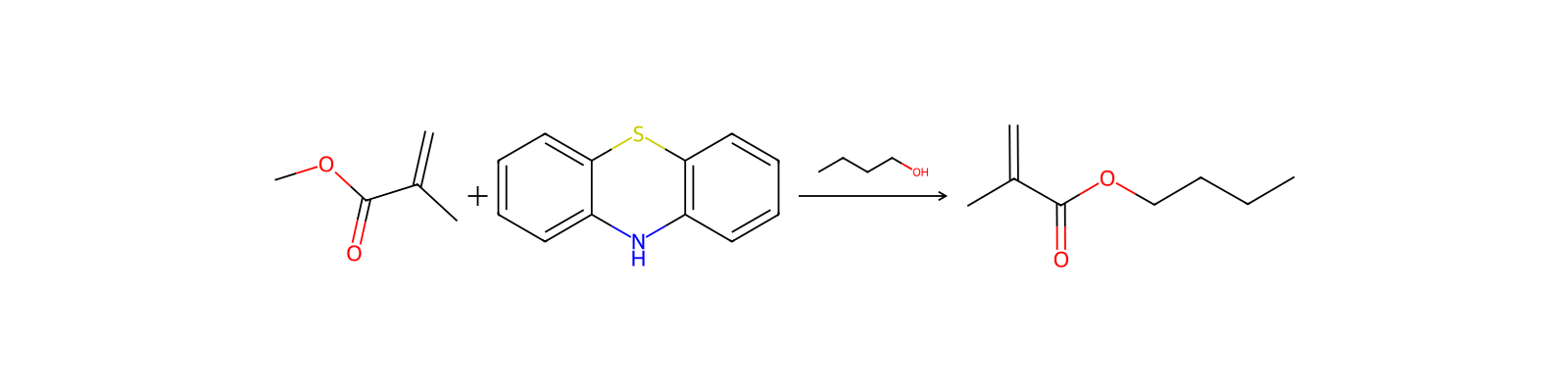

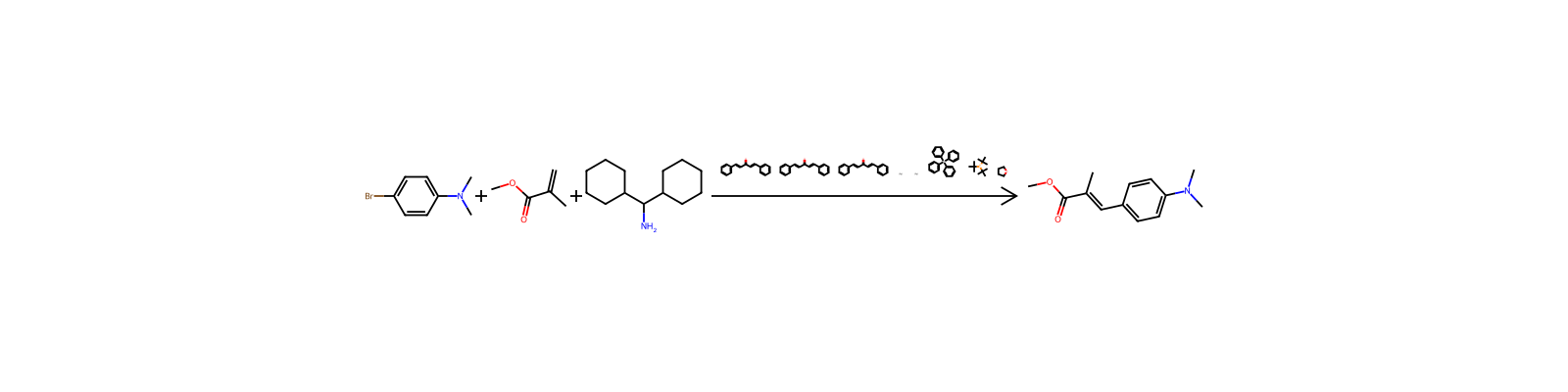
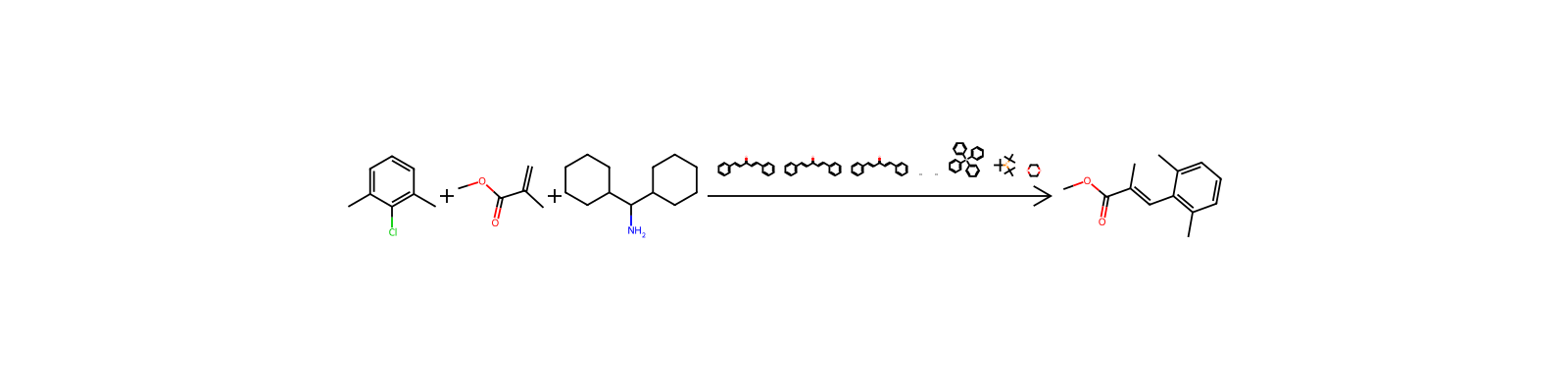
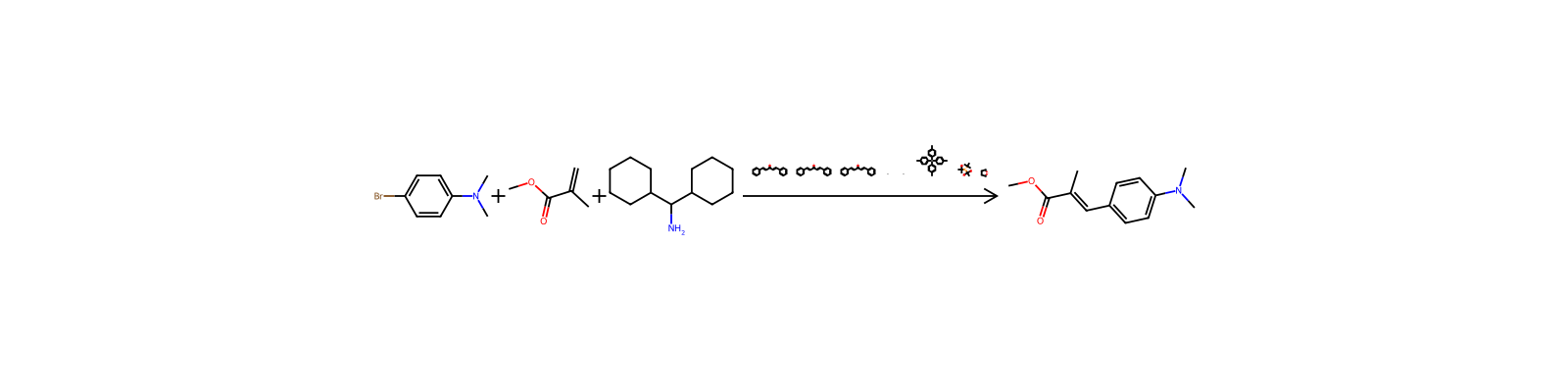


화합물 노트
불러오는 중…