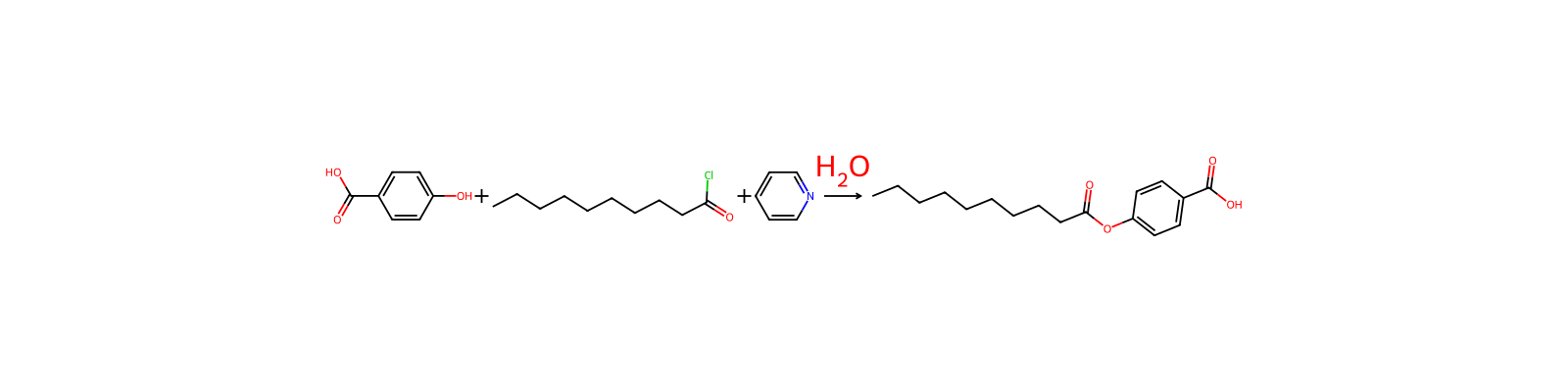
데카노일(노르말)클로라이드
Decanoyl chloride
데이터를 보충하는 중입니다. 잠시 후 페이지를 새로 고치면 최신 내용을 볼 수 있습니다
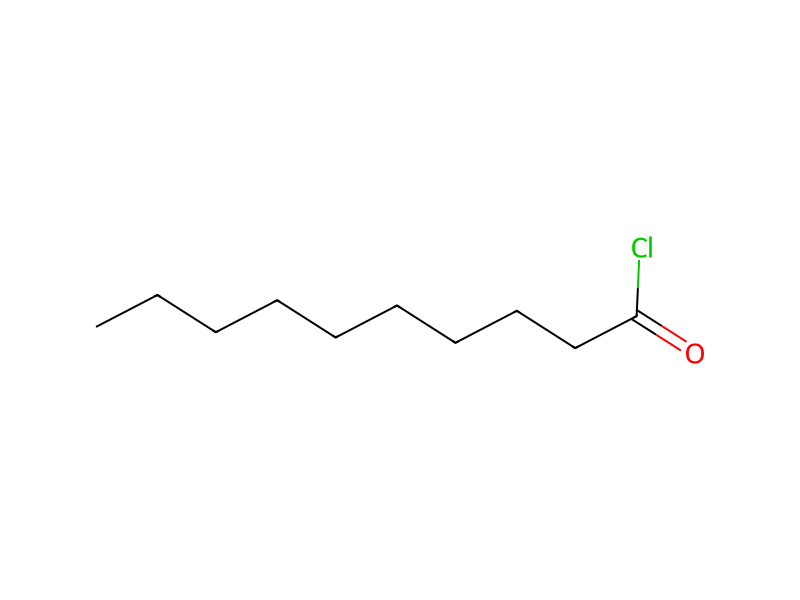
기본 정보
- CAS
112-13-0- 표준 SMILES
CCCCCCCCCC(=O)Cl- InChIKey
IPIVAXLHTVNRBS-UHFFFAOYSA-N- 분자식
- C10H19ClO
- 평균 분자량
- 190.71 g/mol
- 단동위원소 질량
- 190.11244291
이름 및 식별자
- 우선 이름
- Decanoyl chloride
- IUPAC
- decanoyl chloride
- 현지명
- 데카노일(노르말)클로라이드
- 영어명
- Decanoyl chloride
- 분자식
- C10H19ClO
- 분자량
- 190.71
이름 및 동의어
Decanoyl chloride112-13-0decanoylchlorideCapric acid chloriden-Decanoyl chloridedecanoic acid chlorideMFCD00000771FJ16IN0UIMCaprinoyl chlorideEINECS 203-938-0Capric Acid Chloride; Capric Chloride; Caprinoyl Chloride; Decanoic Acid Chloride; n-Decanoyl Chloridecaprinic acid chloride
이름 더 보기
데카노일(노르말)클로라이드데칸오일클로라이드데카노일클로라이드데칸오일 클로라이드DecanoyLN-CAPROYL CHLORIDECAPRIC CHLORIDECAPRYL CHLORIDECaprylic chlorideN-HEXANOYL CHLORIDE
n-decanoic acid chlorideDecanoyl chloride, 98%UNII-FJ16IN0UIMEC 203-938-0SCHEMBL234531orb1737499DTXSID4059413SBB060015
데이터베이스 식별자
- CAS
112-13-0- PubChem CID
- 66982
- DTXSID
DTXSID4059413- UNII
- FJ16IN0UIM
- EC Number
- 203-938-0
- Nikkaji
- J79.449J
물성
구조 계산 물성보충 중
- XLogP
- 5.1
- 극성 표면적
- 17.1 Ų
- 수소 결합 공여자 수
- 0
- 수소 결합 수용자 수
- 1
- 회전 가능 결합 수
- 8
- 무거운 원자 수
- 12
- 형식 전하
- 0
- 복잡도
- 112
실험 및 물리화학적 성질
Chemical ClassesToxic Gases & Vapors -> Acid Halides
SpringerMaterials PropertiesOptical coefficient
Physical DescriptionClear light yellow liquid; [Sigma-Aldrich MSDS]
물리화학적 성질
- 녹는점
- -87 °C · -87 °C
- 끓는 점
- 94 · 94-96 °C/5 mmHg (lit.)
- 밀도
- 0.919 g/mL · 0.919 g/mL at 25 °C (lit.)
- 증기 밀도
- 6.57 · 6.57 (vs air)
- 굴절률
- 20 · n20/D 1.441(lit.)
- 인화점
- 223 °F · 223 °F
- 저장 조건
- 30 °C · Store below +30°C.
- 물리적 상태
- 가루
- 색상
- 흰색에서 노란색-베이지색에서 갈색까지
- 수용성
- 100 mg/L · 100mg/L(20℃)
- BRN
- 507055 · 507055
- InChI
- 1S/C10H19ClO/c1-2-3-4-5-6-7-8-9-10(11)12/h2-9H2,1H3
- InChIKey
안전 및 규제
안전 정보는 참고용이며, 공급업체의 물질안전보건자료(SDS), 관련 법규 및 전문가 평가를 대체하지 않습니다.
GHS 분류
GHS Classification
This chemical does not meet GHS hazard criteria for 0.6% (1 of 170) of reports.
Danger
H290 (70.6%): May be corrosive to metals [Warning Corrosive to Metals]
P234, P260, P261, P264, P264+P265, P270, P271, P272, P273, P280, P284, P301+P317, P301+P330+P331, P302+P352, P302+P361+P354, P304+P340, P305+P354+P338, P316, P317, P320, P321, P330, P333+P317, P362+P364, P363, P390, P403+P233, P405, P406, and P501 (click each P-code to see the statement)
Aggregated GHS information provided per 170 reports by companies from 12 notifications to the ECHA C&L Inventory. Each notification may be associated with multiple companies.
유해성 정보
Regulatory Information
Chemical: Decanoyl chloride
Status: Active Update: 11-05-2019 https://echa.europa.eu/registration-dossier/-/registered-dossier/5891
Decanoyl chloride: Does not have an individual approval but may be used under an appropriate group standard
Other Safety InformationIMAP assessments - Decanoyl chloride: Human health tier I assessment
Hazards SummaryReacts violently with water; Causes burns and lachrymation; Inhalation may cause corrosive injuries to upper respiratory tract and lungs; [Sigma-Aldrich MSDS]
Hazard Classes and CategoriesMet. Corr. 1 (70.6%)
독성 정보
Adverse EffectsDermatotoxin - Skin burns.
안전 데이터
- wgk
- 3
화학 및 산업
용도 및 제조
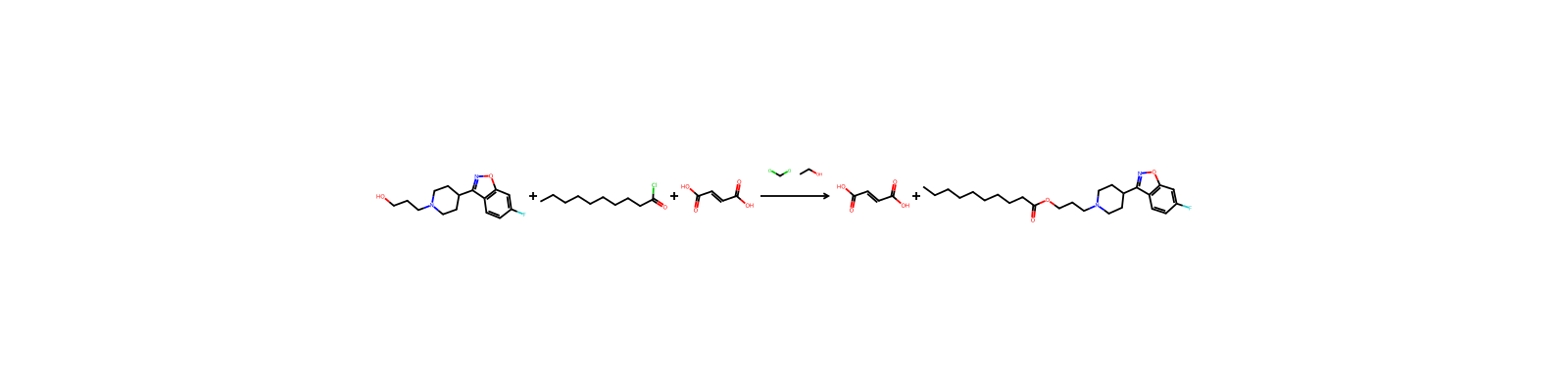
UsesUsed to make fine chemicals; [ExPub: ECHA REACH Registrations]
General Manufacturing InformationDecanoyl chloride: ACTIVE
응용 분야
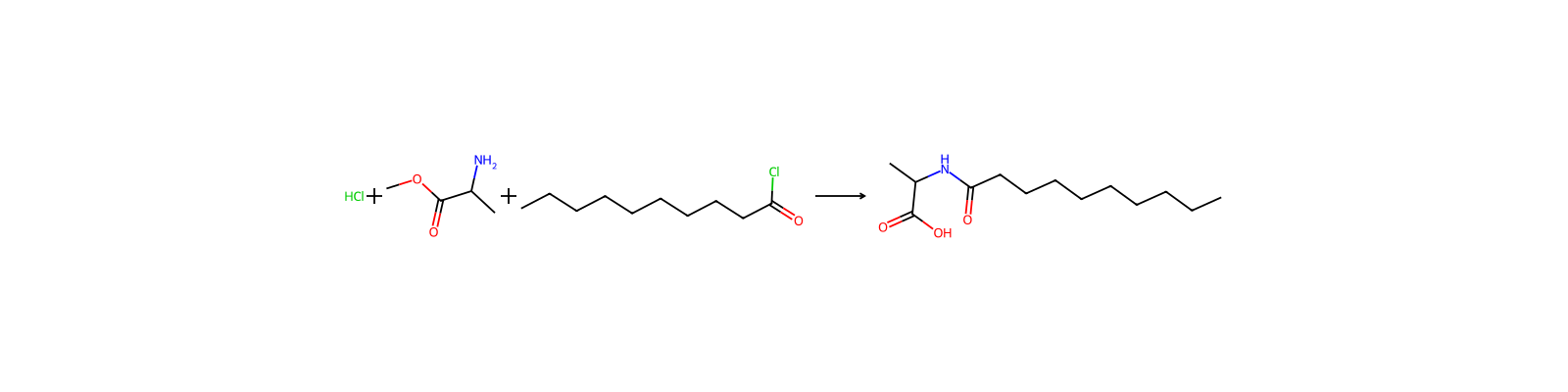
용도Decanoyl chloride is used in the synthesis of oligomers composed of alternating 2,6-diaminopyridine and 2,6-pyridinedicarbonyl units. It enhances the activity of proleather from Bacillus sp. during the synthesis of poly(lactic acid) in organic solvents.
일반 설명Decanoyl chloride enhances the activity of proleather from Bacillus sp. during the synthesis of poly(lactic acid) in organic solvents.
상·하류 제품 정보
상류 원료
하류 제품
관련 반응
457건




화합물 노트
불러오는 중…