
기본 정보
- 표준 SMILES
CS(C)=O- InChIKey
IAZDPXIOMUYVGZ-UHFFFAOYSA-N- 분자식
- C2H6OS
- 평균 분자량
- 78.14 g/mol
- 단동위원소 질량
- 78.01393581
개요
Dimethyl sulfoxide appears as a clear liquid, essentially odorless. Closed cup flash point 192 °F. Vapors are heavier than air. Contact with the skin may cause stinging and burning and lead to an odor of garlic on the breath. An excellent solvent that can transport toxic solutes through the skin. High vapor concentrations may cause headache, dizziness, and sedation.
이름 및 식별자
- 우선 이름
- Dimethyl Sulfoxide
- IUPAC
- methylsulfinylmethane
- 현지명
- 다이메틸 설폭사이드
- 영어명
- Dimethyl sulfoxide
- 분자식
- C2H6OS
- 분자량
- 78.13
이름 및 동의어
dimethyl sulfoxide67-68-5DMSOMethylsulfinylmethaneMethyl sulfoxideDimethyl sulphoxideDimethylsulfoxidesulfinylbismethaneDemasorbDomosoMethane, sulfinylbis-Demsodrox
이름 더 보기
디메틸술폭시드돌리코드로미졸소미프론트술피닐비스메탄히아두르다이메틸설폭사이드디메틸설폭사이드메탄,술피닐비스-인필트리나황산화메틸디엠에스오다이메틸설폭사이드다이메틸 설폭사이드Ms2osuLFEMA 3875Dimexide(CH3)2SOdimethylsulfoxydeDimethylsulfoxid
DromisolDeltanDemavetDemesoDolicurHyadurInfiltrinaSomipront
데이터베이스 식별자
- CAS
67-68-5- PubChem CID
- 679
- DTXSID
DTXSID2021735- ChEMBL
CHEMBL504- ChEBI
CHEBI:28262- UNII
- YOW8V9698H
- EC Number
- 200-664-3
- Nikkaji
- J1.130.885F、J1.933J
물성
구조 계산 물성
- XLogP
- -0.6
- 극성 표면적
- 36.3 Ų
- 수소 결합 공여자 수
- 0
- 수소 결합 수용자 수
- 2
- 회전 가능 결합 수
- 0
- 무거운 원자 수
- 4
- 형식 전하
- 0
- 복잡도
- 29
실험 및 물리화학적 성질
Chemical ClassesTeratogens
DrugsPharmaceuticals
SolventsSolvents -> Other Solvents
SpringerMaterials PropertiesCoriolis coupling
FragrancesFragrance Ingredient (Methylsulfinylmethane) -> IFRA transparency List
LogP
log Kow = -1.35
-1.35
-1.35 (calculated)
-0.85
Odor
Slightly sulfurous odor
Distinctive garlic or oyster-like odor
TasteSlightly bitter taste with sweet after-taste
Food AdditivesFLAVORING AGENT OR ADJUVANT -> FDA Substance added to food
Density
1.101 at 68 °F (USCG, 1999) - Denser than water; will sink
1.100 at 20 °C/4 °C
Relative density (water = 1): 1.1
1.087-1.092
1.101 @25 °C
Flavoring AgentsEU Flavoring substances
Viscosity
2.47cP at 20 °C
1.95 mm²/s at 20 °C
물리화학적 성질
- 녹는점
- 18.4 °C · 18.4 °C
- 끓는 점
- 189 °C · 189 °C(lit.)
- 밀도
- 1.1 g/mL · 1.100 g/mL at 20 °C
- 증기 밀도
- 2.7 · 2.7 (vs air)
- 증기압
- 0.42 mm · 0.42 mm Hg ( 20 °C)
- 굴절률
- 20 · n20/D 1.479(lit.)
- FEMA
- 3875 · 3875 | METHYLSULFINYLMETHANE
- 인화점
- 192 °F · 192 °F
- 저장 조건
- 5 °C · Store at +5°C to +30°C.
- 용해도
- 2 O: · H2O: 혼합 가능(완전히)
- 산도 계수 (pKa)
- 35 · 35(at 25℃)
- 물리적 상태
- 액체(온도에 따라 다름)
- 색상
- 무색의
- 냄새
- 은은한 마늘 냄새
- 냄새 유형
- 마늘 냄새
- 생물학적 소스
- synthetic
- 폭발한계
- 1.8 · 1.8-63.0%(V)
- 수용성
- 물, 메탄올, 아세톤, 에테르, 벤젠, 클로로포름에 용해됩니다.
- 비열
- 1.96 J/ · Cp(liquid): 1.96 J/(g·K), at 25℃
- Merck
- 14 · 14,3259
- JECFA Number
- 507 · 507
- BRN
- 506008 · 506008
- Henry's Law Constant
- 9.8 · 9.8×102 mol/(m3Pa) at 25℃, Burkholder et al. (2019)
- Dielectric constant
- 41.9 · 41.9(55℃)
- 안정성
- Stable. Incompatible with a very wide range of materials, including acid chlorides, strong acids, strong oxidizing agents, strong reducing agents, phosphorus halides, moisture, copper wool + trichloroacetic acid. Reacts violently with a number of materials - consult a full data sheet before use. Hygroscopic.
- 화장품 원료 기능
- 용제
- InChI
- 1S/C2H6OS/c1-4(2)3/h1-2H3
- InChIKey
- IAZDPXIOMUYVGZ-UHFFFAOYSA-N
- SMILES
- CS(C)=O
- LogP
- -1.35 · -1.35
- 표면장력
- 42.179 mN/m · 42.179mN/m at 298.15K
- NIST
- Dimethyl sulfoxide(67-68-5)
- EPA
- Dimethyl sulfoxide (67-68-5)
- Absorption
- passes test
화학적 성질
Dimethyl sulfoxide occurs as a colorless, viscous liquid, or as colorless crystals that are miscible with water, alcohol, and ether. The material hasa slightly bitter taste with a sweet aftertaste, and is odorless, or has a slight odor characteristic of dimethyl sulfoxide.Dimethyl sulfoxide is extremely hygroscopic, absorbing up to 70% of its own weight in water with evolution of heat.
안전 및 규제
GHS 분류
GHS Classification
This chemical does not meet GHS hazard criteria for 65.1% (611 of 938) of all reports.
Warning
H315 (28.4%): Causes skin irritation [Warning Skin corrosion/irritation]
P261, P264, P264+P265, P271, P280, P302+P352, P304+P340, P305+P351+P338, P319, P321, P332+P317, P337+P317, P362+P364, P403+P233, P405, and P501 (click each P-code to see the statement)
Aggregated GHS information provided per 938 reports by companies from 27 notifications to the ECHA C&L Inventory. Each notification may be associated with multiple companies.
Warning
유해성 정보
Regulatory Information
Chemical: Methane, sulfinylbis-
Regulation (EC) No 1831/2003 (amended)
Methane, 1,1'-sulfinylbis- is listed on the EPA's Chemical Data Reporting (CDR) system. Manufacturers and importers of Methane, 1,1'-sulfinylbis- are required to report information about their production and use of this chemical to the EPA under the Toxic Substances Control Act (TSCA). (40 eCFR Part 711)
Status: Active Update: 18-04-2023 https://echa.europa.eu/registration-dossier/-/registered-dossier/15007
Dimethyl sulphoxide: Does not have an individual approval but may be used under an appropriate group standard
The New Jersey Worker and Community Right to Know Act requires public and private employers to provide information about hazardous substances at their workplaces. (N.J.S.A. 34:5A-1 et. seq.)
Other Safety InformationIMAP assessments - Methane, sulfinylbis-: Human health tier II assessment
DOT LabelPoison
Fire Hazards
Special Hazards of Combustion Products: Sulfur dioxide, formaldehyde, and methyl mercaptan can form (USCG, 1999)
Combustible. Gives off irritating or toxic fumes (or gases) in a fire. Above 87 °C explosive vapour/air mixtures may be formed. Risk of fire and explosion on contact with incompatible substances. See Chemical Dangers.
Fire PotentialCombustible when exposed to heat or flame.
Health HazardsSlight eye irritation. (USCG, 1999)
Hazards Summary
A skin and eye irritant; May cause CNS depression after inhalation, ingestion, or skin absorption of high doses; Long term use may cause adverse effects to the liver and blood; [ICSC] Rats experienced no significant effects after inhalation of 200 mg/m3 (62.8 ppm) for 30 days. After skin absorption, humans may experience garlic odor on the breath, headache, nausea, and dizziness. DMSO enhances the absorption of other drugs. [CHEMINFO] Health effects after inhalation of high concentrations may include headache, dizziness, and sedation. [CAMEO] Dermal doses as high as 1 g/kg per day have been shown to have no significant adverse clinical effects in well-controlled human studies. [AIHA]
FDA Requirements
The Approved Drug Products with Therapeutic Equivalence Evaluations identifies currently marketed prescription drug products, including dimethyl sulfoxide, approved on the basis of safety and effectiveness by FDA under sections 505 of the Federal Food, Drug, and Cosmetic Act.
Ophthalmic and topical dosage form new animal drugs. Dimethyl sulfoxide. ... Conditions of use in horses and dogs-(1) Amount-(i) Horses. Apply topically two to three times daily in an amount not to exceed 100 mL per day. Total duration of therapy should not exceed 30 days. (ii) Dogs. Apply topically three to four times daily in an amount not to exceed 20 mL per day. Total duration of therapy should not exceed 14 days. (2) Indications for use. To reduce acute swelling due to trauma. (3) Limitations. Do not use in horses intended for human consumption. Federal law restricts this drug to use by or on the order of a licensed veterinarian.To reduce acute swelling due to trauma. (3) Limitations. Do not use in horses intended for human consumption. Federal law restricts this drug to use by or on the order of a licensed veterinarian.
Fluocinolone acetonide, dimethyl sulfoxide solution. ... Conditions of use in dogs-(1) Amount-Instill 1 to 2 milliliters into each anal sac following expression of anal sac contents. (2) Indications for use. For the relief of impaction commonly present in apparently normal anal sacs, for the reversal of inflammatory changes associated with abnormal anal sacs, and to counteract the offensive odor of anal sac secretions. (3) Limitations. Federal law restricts this drug to use by or on the order of a licensed veterinarian.
Fluocinolone acetonide, dimethyl sulfoxide otic solution. ... Conditions of use in dogs-(1) Amount-Instill 4 to 6 drops (0.2 milliliter) twice daily into the ear canal for a maximum period of 14 days. The total dosage used should not exceed 17 milliliters. (2) Indications for use. For the relief of pruritis and inflammation associated with acute and chronic otitis. (3) Limitations. Federal law restricts this drug to use by or on the order of a licensed veterinarian.
Reactive GroupSulfonates, Phosphonates, and Thiophosphonates, Organic
Special Reports
Jacob SW, Herschler R; Pharmacology of DMSO; Cryobiology 23 (1): 14-27 (1986). A wide range of primary pharmacological actions of dimethyl sulfoxide documented in laboratory studies
Swanson BN; Medical Rev Clin Basic Pharm 5 (1-2): 1-33 (1985). A review of the medical use of dimethyl sulfoxide.
Trice JM, Pinals RS; Dimethyl Sulfoxide: A Review of its Use in the Rheumatic Disorders. Semin Arthritis Rheum 15 (1): 45-60 (1985). The history, physical/chemical and pharmacological properties, pharmacokinetics, clinical trials, therapeutic uses, side effects, dosage and administration of dimethyl sulfoxide are reviewed. Legal implications and concerns with regard to its use are presented.
Jimenez RA, Willkens RF; J Lab Clin Med 100 (4): 489-500 (1982). A review of dimethyl sulfoxide's use in rheumatic diseases.
For more Special Reports (Complete) data for DIMETHYL SULFOXIDE (6 total), please visit the HSDB record page.
FIFRA Requirements
Residues of dimethyl sulfoxide are exempted from the requirement of a tolerance when used in accordance with good agricultural practice as inert (or occasionally active) ingredients in pesticide formulations applied to growing crops only. Use: solvent or cosolvent for formulations used before crop emerges from soil or prior to formation of edible parts of food plants.
Dimethyl sulfoxide (DMSO) ... is exempted from the requirement of a tolerance when used as an inert solvent or cosolvent in formulations with the following pesticides when used in accordance with good agricultural practices in or on the following raw agricultural commodities: (a) Carbaryl (1-naphthyl methyl-carbamate) - pea, dry, seed; pea, succulent (b) O-O-Diethyl O-(2-isopropyl-6-methyl-4-pyrimidinyl) phosphorothioate - pea, dry, seed; pea, succulent.
Reactivity Profile
DIMETHYL SULFOXIDE decomposes violently on contact with many acyl halides and related compounds such as acetyl chloride, benzenesulfonyl chloride, benzoyl chloride, cyanuric chloride, phosphorus trichloride, phosphorus oxychloride, and thionyl chloride [Chem. Eng. News 35(9):87 (1957)].
안전 및 보호
Fire Fighting
Excerpt from ERG Guide 154 [Substances - Toxic and/or Corrosive (Non-Combustible)]:
Use water spray, foam, powder, carbon dioxide. In case of fire: keep drums, etc., cool by spraying with water.
First Aid Measures
Fresh air, rest.
Rinse with plenty of water for several minutes (remove contact lenses if easily possible).
Rinse mouth. Refer for medical attention .
First Aid
EYES: First check the victim for contact lenses and remove if present. Flush victim's eyes with water or normal saline solution for 20 to 30 minutes while simultaneously calling a hospital or poison control center. Do not put any ointments, oils, or medication in the victim's eyes without specific instructions from a physician. IMMEDIATELY transport the victim after flushing eyes to a hospital even if no symptoms (such as redness or irritation) develop.
Safe StorageSeparated from incompatible materials and : see Chemical Dangers. Well closed. Cool. Dry. Keep in the dark. Keep in a well-ventilated room.
Firefighting HazardsSpecial hazards arising from the substance or mixture: Carbon oxides, Sulphur oxides
Exposure Control and Personal Protection50.0 [ppm]
Fire Fighting Procedures
For small (incipient) fires, use media such as "alcohol" foam, dry chemical, or carbon dioxide. For large fires, apply water from as far as possible. Use very large quantities (flooding) of water applied as a mist or spray; solid streams of water may be ineffective. Cool all affected containers with flooding quantities of water.
Wear self contained breathing apparatus for fire fighting if necessary.
To fight fire use water, foam, alcohol foam, carbon dioxide, dry chemical.
Storage ConditionsStore away from oxidizing agents, heat, and ignition sources.
Cleanup Methods
Accidental Release Measures. Personal precaustions, protective equipment and emergency procedure: Avoid breathing vapors, mist or gas. Remove all sources of ignition. Beware of vapors accumulating to form explosive concentrations. Vapors can accumulate in low areas.; Environmental precautions: Prevent further leakage or spillage if safe to do so. Do not let products enter drains.; Methods and materials for containment adn cleaning up: Contain spillage, and then collect with an electrically protected vacuum cleaner or by wet-brushing and place in container for disposal according to local regulations. Keep in suitable, closed containers for disposal.
Nonfire Spill ResponseExcerpt from ERG Guide 154 [Substances - Toxic and/or Corrosive (Non-Combustible)]:
Disposal Methods
SRP: The most favorable course of action is to use an alternative chemical product with less inherent propensity for occupational harm/injury/toxicity or environmental contamination. Recycle any unused portion of the material for its approved use or return it to the manufacturer or supplier. Ultimate disposal of the chemical must consider: the material's impact on air quality; potential migration in soil or water; effects on animal and plant life; and conformance with environmental and public health regulations.
This combustible material may be burned in a chemical incinerator equipped with an afterburner and scrubber. Offer surplus and non-recyclable solutions to a licensed disposal company.
Spillage Disposal
Remove all ignition sources. Personal protection: protective gloves, protective clothing, safety goggles and filter respirator for organic gases and vapours adapted to the airborne concentration of the substance. Collect leaking and spilled liquid in sealable containers as far as possible. Absorb remaining liquid in sand or inert absorbent. Then store and dispose of according to local regulations.
독성 정보
TreatmentIn case of accidental oral ingestion, specifc measures should be taken to induce emesis. Additional measures which may be considered are gastric lavage, activated charcoal and force diuresis. (L1712)
Interactions
Previous studies performed in our laboratory indicated that non-toxic concentrations of peroxynitrite nevertheless commit U937 cells to a rapid necrosis that is however prevented by a survival signaling driven by cytosolic phospholipase A(2)-released arachidonic acid. Toxicity was mediated by concentrations of peroxynitrite resulting in H(2)O(2)-dependent inhibition of arachidonic acid release. The present study shows that U937 cells differentiated to monocytes by prolonged exposure to dimethyl sulfoxide are resistant to peroxynitrite because able to respond with enhanced release of arachidonic acid. An additional important observation was that these cells require more arachidonate than the undifferentiated cells to support the survival signaling. The enhanced arachidonic acid release was not associated with changes in cytosolic phospholipase A(2) expression but was rather dependent on the increased responsiveness of the enzyme to calcium-dependent stimulation as well as on reduced mitochondrial formation of H(2)O(2). The latter event was found to be critical, since differentiated and undifferentiated cells were equally sensitive to peroxynitrite when the accumulation of H(2)O(2) was enhanced via depletion of catalase, or addition of a complex III inhibitor. Thus, the strategy selected by the differentiation process to allow monocytes to cope with peroxynitrite appears to involve some specific mechanism preventing the mitochondrial formation of H(2)O(2).
Thioacetamide (400 mg/kg body weight, i.p.) was administered to rats. After 12 hr the activity of plasma glutamate-oxaloacetate transaminase (GOT) and glutamate-pyruvate transaminase (GPT) was significantly higher than that of the control group, and after 24 hr plasma GOT and GPT activities strongly increased. These results indicated that the necrotic process was initiated at about 12 hr and developed thereafter. By co-administration of dimethyl sulphoxide (DMSO, 18 and 1 hr before, and 8 hr after administration of thioacetamide: each time, 2.5 mL/kg body weight, p.o.), plasma GOT and GPT were significantly decreased and were even comparable to the control group, showing that DMSO totally prevented the necrotic action of thioacetamide. After 12 and 24 hr of thioacetamide administration, the hepatic level of vitamin C, the most sensitive chemical indicator of oxidative stress, decreased significantly, indicating that oxidative stress was significantly enhanced 12 hr after thioacetamide intoxication and thereafter. DMSO totally restored the liver vitamin C level, demonstrating that DMSO effectively ameliorated the oxidative stress caused by thioacetamide, resulting in the prevention of necrosis of the liver. Phosphorylated c-Jun NH(2)-terminal kinase (JNK) significantly increased transiently 12 hr after treatment with thioacetamide. These results indicated that oxidative stress and the activation of JNK took place almost simultaneously. Phosphorylated extracellular signal-related kinase (ERK) 2 was significantly increased 6-12 hr after thioacetamide injection. Phosphorylated p38 MAPK (mitogen activated protein kinase) was significantly decreased 24 hr after administration of thioacetamide. DMSO treatment inhibited the change of these MAPKs by thioacetamide, corresponding with the prevention of the liver necrosis as well as the attenuation of oxidative stress.
Evidence is accumulating that irradiated cells produce some signals which interact with non-exposed cells in the same population via a bystander effect. Here, /research/ examined whether DMSO is effective in suppressing radiation induced bystander effects in CHO and repair deficient xrs5 cells. When 1 Gy-irradiated CHO cells were treated with 0.5% DMSO for 1 hr before irradiation, the induction of micronuclei in irradiated cells was suppressed to 80% of that in non-treated irradiated cells. The suppressive effect of DMSO on the formation of bystander signals was examined and the results demonstrated that 0.5% DMSO treatment of irradiated cells completely suppressed the induction of micronuclei by the bystander effect in non-irradiated cells. It is suggested that irradiated cells ceased signal formation for bystander effects by the action of DMSO. To determine the involvement of reactive oxygen species on the formation of bystander signals, /research/ examined oxidative stress levels using the /2,7-dichlorofluorescin/ DCFH staining method in irradiated populations. The results showed that the treatment of irradiated cells with 0.5% DMSO did not suppress oxidative stress levels. These results suggest that the prevention of oxidative stress is independent of the suppressive effect of DMSO on the formation of the bystander signal in irradiated cells. It is suggested that increased ROS in irradiated cells is not a substantial trigger of a bystander signal.
Ultrasoft X-rays have been shown to be very efficient in inducing chromosomal aberrations in mammalian cells. The present study was aimed to evaluate the modifying effects of DMSO (a potent scavenger of free radicals) on the frequencies of chromosome aberrations induced by soft X-rays. Confluent held G1 Chinese hamster cells (V79) were irradiated with Carbon K ultrasoft X-rays in the presence and absence of 1M DMSO and frequencies of chromosome aberrations in the first division cells were determined. DMSO reduced the frequencies of exchange types of aberrations (dicentrics and centric rings) by a factor of 2.1-3.5. The results indicate that free radicals induced by ultrasoft X-rays contribute to a great extent to the induction of chromosome aberrations. The possible implications of these results in interpreting the mechanisms involved in the high efficiency of ultrasoft X-rays in the induction of chromosome aberrations are discussed.
For more Interactions (Complete) data for DIMETHYL SULFOXIDE (33 total), please visit the HSDB record page.
Ecotoxicity Values
LC50; Species: Pimephales promelas (Fathead minnow); Conditions: static; Concentration: 34 g/L for 96 hr
LC50; Species: Salvelinus fontinalis (Brook trout); Conditions: static; Concentration: 54 g/L or 24 hr (95% CI: 50.9-58.3 g/L)
LC50; Species: Salvenilus namaycush (Lake trout); Conditions: static; Concentration: 47.8 g/L for 24 hr (95% CI: 42.3-54.0 g/L)
LC50; Species: Oncorhynchus mykiss (Rainbow trout); Conditions: static; Concentration: 53.0 g/L for 24 hr (95%CI: 48.6-57.8 g/L)
For more Ecotoxicity Values (Complete) data for DIMETHYL SULFOXIDE (21 total), please visit the HSDB record page.
Environmental Fate
TERRESTRIAL FATE: Based on a classification scheme(1), an estimated Koc value of 2(SRC), determined from a structure estimation method(2), indicates that dimethyl sulfoxide is expected to have very high mobility in soil(SRC). Volatilization of dimethyl sulfoxide from moist soil surfaces is not expected to be an important fate process(SRC) given a Henry's Law constant of 1.03X10⁻⁸ atm-cu m/mole(3). Dimethyl sulfoxide is expected to volatilize from dry soil surfaces(SRC) based upon a vapor pressure 0.60 mm Hg(4). The available biodegradation screening tests have conflicting results(5), but based on available data and weight-of-evidence approach, dimethyl sulfoxide is expected to be inherently biodegradable(6). For example, a 3.1% of theoretical BOD using activated sludge in a 2-week Japanese MITI test suggests that dimethyl sulfoxide is not readily biodegradable(7) while 90-99% biodegradation in other screening tests suggest that it is readily biodegradable(5,6).
AQUATIC FATE: Based on a classification scheme(1), an estimated Koc value of 2(SRC), determined from a structure estimation method(2), indicates that dimethyl sulfoxide is not expected to adsorb to suspended solids and sediment(SRC). Volatilization from water surfaces is not expected(3) based upon a Henry's Law constant of 1.03X10⁻⁸ atm-cu m/mole(4). According to a classification scheme(5), BCF values of <4 measured in fish (Cyprinus carpio)(6) suggest the potential for bioconcentration in aquatic organisms is low. Dimethyl sulfoxide is stable to hydrolysis in water(7). The available biodegradation screening tests have conflicting results(8), but based on available data and weight-of-evidence approach, dimethyl sulfoxide is expected to be inherently biodegradable(7). For example, a 3.1% of theoretical BOD using activated sludge in a 2-week Japanese MITI test suggests that dimethyl sulfoxide is not readily biodegradable(6) while 90-99% biodegradation in other screening tests suggest that it is readily biodegradable(7,8).
ATMOSPHERIC FATE: According to a model of gas/particle partitioning of semivolatile organic compounds in the atmosphere(1), dimethyl sulfoxide, which has a vapor pressure of 0.60 mm Hg at 25 °C(2), is expected to exist solely as a vapor in the atmosphere. Vapor-phase dimethyl sulfoxide is degraded in the atmosphere by reaction with photochemically-produced hydroxyl radicals(SRC); the half-life for this reaction in air is estimated to be 4.3 hours(SRC), calculated from its rate constant of 9.0X10⁻¹¹ cu cm/molecule-sec at 25 °C(3). Vapor-phase dimethyl sulfoxide is also degraded in the atmosphere by reaction with nitrate radicals which occur predominantly in night-time air(SRC); the half-life for this reaction in air is estimated to be 1.4 hours(SRC), calculated from its rate constant of 5.0X10⁻¹³ cu cm/molecule-sec at 25 °C(3). Dimethyl sulfoxide does not absorb light at wavelengths >290 nm(4) and, therefore, is not expected to be susceptible to direct photolysis by sunlight(SRC). Dimethyl sulfoxide has been detected in rainwater(5) indicating that it may be removed from the air by wet deposition(SRC).
Food Survey ValuesDimethyl sulfoxide occurs widely at levels of 3 ppm or less(1). It has been isolated from spearmint oil, corn, barley, malt, alfalfa, beets, cabbage, cucumbers, oats, onion, Swiss chard, tomatoes, raspberries, coffee, and tea(1).
Adverse EffectsNeurotoxin - Acute solvent syndrome
Exposure Routes
The substance can be absorbed into the body by inhalation, through the skin and by ingestion.
Topical ; parenteral(intravesical). Readily and rapidly absorbed following administration by all routes and distributed throughout the body.
Toxicity Summary
IDENTIFICATION AND USE: Dimethyl sulfoxide (DMSO) is a colorless, very hygroscopic, liquid. It is a molecule with a long history in pharmaceutics and is now well established as a penetration enhancer in topical pharmaceutical formulations. It is currently prescribed as medication for this purpose in diclofenac sodium topical solution (approved in the United States to treat signs and symptoms of osteoarthritis) and idoxuridine topical solution (approved in Europe for the treatment of herpes zoster). DMSO is used as a medication for symptomatic relief of interstitial cystitis. DMSO is not a nutritional supplement, it is metabolized to methylsulfonylmethane (MSM), which is available as a nutritional supplement. DMSO is used in the cryopreservation of cell populations including stem cells, embryos, and various cell cultures. It is also used as an Industrial solvent and as antifreeze or hydraulic fluid when mixed with water. HUMAN EXPOSURE AND TOXICITY: Dermal exposure to DMSO causes skin reactions, erythema and pruritis, which appear immediately after contact with the undiluted substance; 70% solutions are usually tolerated without symptoms. In very sensitive individuals, however, reactions have been seen after contact with 10% solutions. In humans, topical and intradermal application of DMSO produced garlic breath, mast cell degranulation, an increase in polymorphonuclear leukocytes and perivascular eosinophils, itching, and histamine mediated and non-histamine dependent whealing and erythematous flare. Two drops of >50% DMSO in the eye caused a temporary burning sensation and vasodilatation; concentrations of <50% exhibited no effects. A case of sulhemoglobinemia after dermal exposure to DMSO has been described. ANIMAL STUDIES: To study the effects of acute DMSO exposure unshaven rats were immersed in a DMSO solution. There was no immediate response, but within 24 hours 13/14 rats dipped into 100% DMSO were dead. Single i.v. injections of undiluted DMSO were administered to groups of 5 male and 5 female rats. Dose levels were 2.5, 5.0, and 10 g/kg. Each dose was administered over a 1-minute interval. Animals were observed for 14 days following DMSO administration and with one exception, deaths occurred within the first 24 hours. Death was preceded by tremors, myasthenia, dyspnea, and occasionally, convulsions. Non-lethal doses of DMSO produced decreased motoractivity and myasthenia. A total of 32 male rats were exposed to 200 mg DMSO per cubic meter of air for 7 hr/day, 5 days a week, for 6 weeks for 30 exposures. There were no outward toxic signs noted in any of the exposed animals throughout the experimental period of 6 weeks. A garlic-like odor, characteristic of DMSO exposure, was detected in the breath of each of the rats after the first day of exposure. Pharmaceutical-grade DMSO was administered as a 90% solution to 4 groups of rhesus monkeys by gastric intubation, 7 days a week for up to 87 weeks. Dosages administered were equivalent to 990, 2970, and 8910 mg/kg/day. The principal physical signs seen in the animals given DMSO orally included sporadic excess salivation and emesis. Anorexia only occurred at high oral doses. No DMSO-related changes were found in the treated monkeys during physical examinations. No significant lesions attributable to DMSO were found upon gross examination at necropsy. No histologic changes were visible in the lenses of treated animals. In developmental studies groups of 5 -6 pregnant golden hamsters were injected with dilutions of DMSO ranging from 50 to 5500 mg/kg iv or 5500 and 8250 mg/kg ip on the eighth day of gestation. Examination of the embryos 3 days later revealed that no embryocidal or teratogenic effects were noted until levels of 2500 mg/kg were reached. At higher levels, malformations, including exencephaly, rib fusions, microphthalmia, limb abnormalities and cleft lip were found. There was no appreciable effect of DMSO on maternal weight gain or health. DMSO was tested in Chinese hamster ovary cells to a maximum concentration of 5000 ug/mL with and without metabolic activation. DMSO did not induce cell toxicity or cell cycle delay, and did not induce an increase in the incidence of SCEs. Intraabdominal injection of DMSO did not induce sex-linked recessive lethals and did not raise the frequency of sex chromosome loss above the spontaneous level in Drosophila melanogaster. DMSO was tested in five S. typhimurium tester strains (TA 98, 100, 1535, 1537, 1538). DMSO was negative, in the presence and absence of metabolic activation. ECOTOXICITY STUDIES: The acute toxicity (g/kg bw) of i.p. DMSO injection to chinook salmon (Oncorhynchus tshawytscha): LD50 = 12.0, sockeye salmon (Oncorhynchus nerka): LD50 = 13.0, coho salmon (Oncorhynchus kisutch): LD50 = 16.0 and rainbow trout (Salmo gardneri): LD50 = 17.0. Fish usually died within 24 hr; however, a few died between 24 and 48 hours.
The mechanism of dimethyl sulfoxide's actions is not well understood. Dimethyl sulfoxide has demonstrated antioxidant activity in certain biological settings. For example, the cardiovascular protective effect of dimethyl sulfoxide in copper-deficient rats is thought to occur by an antioxidant mechanism. It is also thought that dimethyl sulfoxide's possible anti-inflammatory activity is due to antioxidant action.
Ecotoxicity Excerpts
/AQUATIC SPECIES/ The acute toxicity (g DMSO/kg body weight) of DMSO to Chinook salmon (Oncorhynchus tshawytscha): LD50 = 12.0, Sockeye salmon (Oncorhynchus nerka): LD50 = 13.0, Coho salmon (Oncorhynchus kisutch): LD50 = 16.0 and Rainbow trout (/Oncorhynchus mykiss/) LD50 = 17.0 was determined by intraperitoneal injections of aqueous solutions of DMSO. Fish usually died within 24 hr; however, a few died between 24 and 48 hours. Symptoms of toxicity were intermittent spasms and disorientation of swimming shortly before expiring. In the preliminary chronic study, moderate hematologic changes were observed in fish receiving daily injections of 9.0 - 31 g/kg bw (30-100% DMSO) and consisted in slight pyknosis of red blood cell nuclei and moderate degeneration of white blood cells. Average death rates for this group was: 31 g/kg (100%), 4 hr; 12 g/kg (50%), 33 hr; 10 g/kg (40%), 90 hr and 9.0 g/kg (30%), 130 hr. No mortality was observed in fish injected with 0.9 g/kg. Histologic alterations noted in fish injected with 31 g/kg were confined to liver, kidney, spleen and pancreas.
/AQUATIC SPECIES/ Addition of 5% solution of DMSO to cultures caused changes in motor behavior of the cells during the first hr of incubation, enhanced cell adhesions to substratum and fusions between pseudopodia of the same ameba.
/AQUATIC SPECIES/ No mortality was observed when DMSO (0.01% to 20% v/w) was fed as a dietary ingredient. Fish ingesting DMSO displayed a dose-dependent decrease in diet consumption and body weight gain. Hematologic differences were noted in fish receiving 15 and 18% DMSO in their diets. Histopathological examinations were conducted on fish fed 6, 12, and 18% DMSO. Lesions observed in the 12% group were confined to gill lamellae and consisted of moderate edema and moderate to severe epithelial cell hypertrophy. Similar, more pronounced changes were observed fish receiving 18% DMSO.
/OTHER TOXICITY INFORMATION/ Newts were collected during the summer and spring, acclimated for 10 days at 10 °C, weighed, treated with DMSO and maintained in an unfed state which simulated winter conditions. Intraperitoneal injections of 15 g DMSO/kg or immersion in 2% DMSO were determined to be lethal threshold doses for newts. Death was rapid. In addition to a transient increase in the body weight of the DMSO-treated animals, other changes observed /were/: a reduction in respiration to 70% that of the controls; an increase in the weights of spleen (by day 1, the average spleen weight was over twice that of the controls), liver (33% increase after 24 hr), and abdominal fat (150% increase after 20 days). Lethality was attributed primarily to irreversible changes in the permeability of the skin, causing a water imbalance, hyperhydration and death.The reduced respiratory rate increased the mortality rate.
Plant ConcentrationsDimethyl sulfoxide occurrence in plants(1).[Table#220]
Signs and Symptoms
Garlic odour. Headache. Nausea.
Redness.
Garlic breath. Nausea. Vomiting. Drowsiness. Diarrhoea.
Taking DMSO internally is reported to cause a fish- or oyster-like taste or odor in the mouth, likely due to the sulfoxide metabolites of DMSO. [Wikipedia]
Acute Toxicity LinkChemical: DIMETHYLSULFOXIDE
규제 정보
FDA Requirements
The Approved Drug Products with Therapeutic Equivalence Evaluations identifies currently marketed prescription drug products, including dimethyl sulfoxide, approved on the basis of safety and effectiveness by FDA under sections 505 of the Federal Food, Drug, and Cosmetic Act.
Ophthalmic and topical dosage form new animal drugs. Dimethyl sulfoxide. ... Conditions of use in horses and dogs-(1) Amount-(i) Horses. Apply topically two to three times daily in an amount not to exceed 100 mL per day. Total duration of therapy should not exceed 30 days. (ii) Dogs. Apply topically three to four times daily in an amount not to exceed 20 mL per day. Total duration of therapy should not exceed 14 days. (2) Indications for use. To reduce acute swelling due to trauma. (3) Limitations. Do not use in horses intended for human consumption. Federal law restricts this drug to use by or on the order of a licensed veterinarian.To reduce acute swelling due to trauma. (3) Limitations. Do not use in horses intended for human consumption. Federal law restricts this drug to use by or on the order of a licensed veterinarian.
Fluocinolone acetonide, dimethyl sulfoxide solution. ... Conditions of use in dogs-(1) Amount-Instill 1 to 2 milliliters into each anal sac following expression of anal sac contents. (2) Indications for use. For the relief of impaction commonly present in apparently normal anal sacs, for the reversal of inflammatory changes associated with abnormal anal sacs, and to counteract the offensive odor of anal sac secretions. (3) Limitations. Federal law restricts this drug to use by or on the order of a licensed veterinarian.
Fluocinolone acetonide, dimethyl sulfoxide otic solution. ... Conditions of use in dogs-(1) Amount-Instill 4 to 6 drops (0.2 milliliter) twice daily into the ear canal for a maximum period of 14 days. The total dosage used should not exceed 17 milliliters. (2) Indications for use. For the relief of pruritis and inflammation associated with acute and chronic otitis. (3) Limitations. Federal law restricts this drug to use by or on the order of a licensed veterinarian.
FIFRA Requirements
Residues of dimethyl sulfoxide are exempted from the requirement of a tolerance when used in accordance with good agricultural practice as inert (or occasionally active) ingredients in pesticide formulations applied to growing crops only. Use: solvent or cosolvent for formulations used before crop emerges from soil or prior to formation of edible parts of food plants.
Dimethyl sulfoxide (DMSO) ... is exempted from the requirement of a tolerance when used as an inert solvent or cosolvent in formulations with the following pesticides when used in accordance with good agricultural practices in or on the following raw agricultural commodities: (a) Carbaryl (1-naphthyl methyl-carbamate) - pea, dry, seed; pea, succulent (b) O-O-Diethyl O-(2-isopropyl-6-methyl-4-pyrimidinyl) phosphorothioate - pea, dry, seed; pea, succulent.
Atmospheric Standards
This action promulgates standards of performance for equipment leaks of Volatile Organic Compounds (VOC) in the Synthetic Organic Chemical Manufacturing Industry (SOCMI). The intended effect of these standards is to require all newly constructed, modified, and reconstructed SOCMI process units to use the best demonstrated system of continuous emission reduction for equipment leaks of VOC, considering costs, non air quality health and environmental impact and energy requirements. Dimethyl sulfoxide is produced, as an intermediate or a final product, by process units covered under this subpart.
안전 데이터
- wgk
- 1
- tsca
- TSCA listed
- rtecs
- PV6210000
- ridadr
- NA 1993 / PGIII
- 독성
- LD50 orally in rats: 17.9 ml/kg (Bartsch)
- HS 번호
- 29309070
- risk_code
- 36/37/38
- hazard_code
- Xi
- safety_code
- 24/25-37/39-26-36-23
- 위험 등급
- CBL
- 기존화학 물질
- KE-32367
- F 고인화성물질
- 3
- 자연 발화 온도
- 215 °C
- 스토리지 클래스
- 10 - Combustible liquids
- 유해 물질 데이터
- 67-68-5(Hazardous Substances Data)
화학 및 산업
약리 정보
ATC Code
M - Musculo-skeletal system
G - Genito urinary system and sex hormones
QG - Genito urinary system and sex hormones
QM - Musculo-skeletal system
Pharmacodynamics
Dimethyl Sulfoxide may have anti-inflammatory, antioxidant and analgesic activities. Dimethyl Sulfoxide also readily penetrates cellular membranes. The membrane-penetrating ability of dimethyl sulfoxide may enhance diffusion of other substances through the skin. For this reason, mixtures of idoxuridine and dimethyl sulfoxide have been used for topical treatment of herpes zoster in the United Kingdom.
Mechanism of Action
The mechanism of dimethyl sulfoxide's actions is not well understood. Dimethyl sulfoxide has demonstrated antioxidant activity in certain biological settings. For example, the cardiovascular protective effect of dimethyl sulfoxide in copper-deficient rats is thought to occur by an antioxidant mechanism. It is also thought that dimethyl sulfoxide's possible anti-inflammatory activity is due to antioxidant action.
Thioacetamide (400 mg/kg body weight, i.p.) was administered to rats. After 12 hr the activity of plasma glutamate-oxaloacetate transaminase (GOT) and glutamate-pyruvate transaminase (GPT) was significantly higher than that of the control group, and after 24 hr plasma GOT and GPT activities strongly increased. These results indicated that the necrotic process was initiated at about 12 hr and developed thereafter. By co-administration of dimethyl sulphoxide (DMSO, 18 and 1 hr before, and 8 hr after administration of thioacetamide: each time, 2.5 mL/kg body weight, p.o.), plasma GOT and GPT were significantly decreased and were even comparable to the control group, showing that DMSO totally prevented the necrotic action of thioacetamide. After 12 and 24 hr of thioacetamide administration, the hepatic level of vitamin C, the most sensitive chemical indicator of oxidative stress, decreased significantly, indicating that oxidative stress was significantly enhanced 12 hr after thioacetamide intoxication and thereafter. DMSO totally restored the liver vitamin C level, demonstrating that DMSO effectively ameliorated the oxidative stress caused by thioacetamide, resulting in the prevention of necrosis of the liver. Phosphorylated c-Jun NH(2)-terminal kinase (JNK) significantly increased transiently 12 hr after treatment with thioacetamide. These results indicated that oxidative stress and the activation of JNK took place almost simultaneously. Phosphorylated extracellular signal-related kinase (ERK) 2 was significantly increased 6-12 hr after thioacetamide injection. Phosphorylated p38 MAPK (mitogen activated protein kinase) was significantly decreased 24 hr after administration of thioacetamide. DMSO treatment inhibited the change of these MAPKs by thioacetamide, corresponding with the prevention of the liver necrosis as well as the attenuation of oxidative stress.
Previous studies performed in our laboratory indicated that non-toxic concentrations of peroxynitrite nevertheless commit U937 cells to a rapid necrosis that is however prevented by a survival signaling driven by cytosolic phospholipase A(2)-released arachidonic acid. Toxicity was mediated by concentrations of peroxynitrite resulting in H(2)O(2)-dependent inhibition of arachidonic acid release. The present study shows that U937 cells differentiated to monocytes by prolonged exposure to dimethyl sulfoxide are resistant to peroxynitrite because able to respond with enhanced release of arachidonic acid. An additional important observation was that these cells require more arachidonate than the undifferentiated cells to support the survival signaling. The enhanced arachidonic acid release was not associated with changes in cytosolic phospholipase A(2) expression but was rather dependent on the increased responsiveness of the enzyme to calcium-dependent stimulation as well as on reduced mitochondrial formation of H(2)O(2). The latter event was found to be critical, since differentiated and undifferentiated cells were equally sensitive to peroxynitrite when the accumulation of H(2)O(2) was enhanced via depletion of catalase, or addition of a complex III inhibitor. Thus, the strategy selected by the differentiation process to allow monocytes to cope with peroxynitrite appears to involve some specific mechanism preventing the mitochondrial formation of H(2)O(2).
Dimethyl sulfoxide (DMSO) has recently been proposed as an anti-inflammatory and free radical scavenging agent. However, the mechanisms by which DMSO mediates its therapeutic effects are unclear. /This paper/ investigated the capability of DMSO to up-regulate heme oxygenase-1(HO-1) expression, as well as the possible underlying mechanisms in human umbilical vein endothelial cells (HUVECs). DMSO induced HO-1 expression both at the level of mRNA and protein in dose-and time-dependent manners in HUVECs, resulting in increased HO-1 activity. The pharmacological inhibition of cJun-N-terminal kinases (JNKs) blocked the DMSO-induced HO-1 up-regulation, while inhibition of extracellular regulated kinase and p38-MAPK did not block heme oxygenase-1 up-regulation. In addition, the phosphorylation of JNKs was initiated by DMSO, indicating the involvement of this kinase in the observed response. DMSO increased the nuclear translocation of NF-E2-related factor 2 (Nrf2) and enhanced its binding to the anti-oxidant response element. Inhibition of Nrf2 synthesis by small interfering RNA molecules subsequently inhibited HO-1 expression induced by DMSO, indicating DMSO's role in inducing HO-1 expression via Nrf2 activation. Utilizing these findings, the present study identified DMSO as a novel inducer of HO-1 expression and identified the underlying mechanisms involved in this process.
Dimethyl sulfoxide (DMSO) is evident to induce apoptosis in certain tumor cells in vitro. However, its apoptotic mechanism remains unexplored in in vivo tumors. This article describes that DMSO, being non-toxic to the normal lymphocytes, up regulated TNFalpha and p53, declined Bcl-2/Bax ratio, activated caspase 9 and PARP-1 cleavage and produced apoptotic pattern of DNA ladder in Dalton's lymphoma (DL) in vivo. This was consistent with the declined expressions of tumor growth supportive glycolytic enzymes; inducible D-fructose-6-phosphate-2-kinase and lactate dehydrogenase-5 in the DL cells. The findings suggest induction of TNFalpha-p53-mitochondrial pathway of apoptosis by DMSO in a non-Hodgkin's lymphoma and support evolving concept of glycolytic inhibition led apoptosis in a tumor cell in vivo.
Biological Half-Life
Unchanged DMSO has a half-life of 12 to 15 hours.
/The/ half-life /of DMSO in the rhesus monkey/ was calculated to be about 38 hrs and its elimination rate constant equaled 0.018, or about 2% per hr.
Metabolism/Metabolites
Dimethyl sulfoxide is metabolized in man by oxidation to dimethyl sulfone or by reduction in dimethyl sulfide. Dimethyl sulfoxide and dimethyl sulfone are excreted in the urine and feces.
Dimethyl sulfoxide is metabolized in man by oxidation to dimethyl sulfone or by reduction to dimethyl sulfide.
Autoimmune strain MRL/Ipr, C3H/lpr, and male BXSB mice were placed on a continuous treatment regimen with 3% DMSO or 3% DMS02 in the drinking water, ad libitum, commencing at 1 to 2 months of age, before spontaneous autoimmune lymphoproliferative disease development could be detected. This represented doses of 8-10 g/kg/day of DMSO and 6-8 g/kg/day of DMS02. Both compounds were observed to extend the mean life span of MRL/Ipr mice from 5.5 months to over 10 months of age. All strains showed decreased antinuclear antibody responses and significant diminution of lymphadenopathy, splenomegaly, and anemia development. Serum IgG levels and spleen IgM antibody plaque formation, however, did not differ from control values. There was no indication of involvement of systemic immunosuppressive or antiproliferative effects, and treated animals were observed to remain healthy and vigorous with no signs of toxicity. These results demonstrate that high doses of both DMSO and its major in vivo metabolite, DMSO2, provide significant protection against the development of murine autoimmune lymphoproliferative disease.
In man, DMSO is oxidized into dimethylsulfone DMSO2, metabolite excreted by urine (17-22 %). DMSO is reduced into dimethylsulfide, DMS, a volatile metabolite, responsible for garlic odour of exhaled air (1 %). About 85 % is excreted unchanged, both by urine (50 %) and feces (50 %).
Dimethyl sulfoxide is metabolized in man by oxidation to dimethyl sulfone or by reduction in dimethyl sulfide. Dimethyl sulfoxide and dimethyl sulfone are excreted in the urine and feces. Route of Elimination: Dimethyl sulfoxide and dimethyl sulfone are excreted in the urine and feces.
MeSH Pharmacological Classification
Substances that reduce or suppress INFLAMMATION.
Substances that provide protection against the harmful effects of freezing temperatures.
A group of CORTICOSTEROIDS that affect carbohydrate metabolism (GLUCONEOGENESIS, liver glycogen deposition, elevation of BLOOD SUGAR), inhibit ADRENOCORTICOTROPIC HORMONE secretion, and possess pronounced anti-inflammatory activity. They also play a role in fat and protein metabolism, maintenance of arterial blood pressure, alteration of the connective tissue response to injury, reduction in the number of circulating lymphocytes, and functioning of the central nervous system.
Liquids that dissolve other substances (solutes), generally solids, without any change in chemical composition, as, water containing sugar. (Grant & Hackh's Chemical Dictionary, 5th ed)
Substances that eliminate free radicals. Among other effects, they protect PANCREATIC ISLETS against damage by CYTOKINES and prevent myocardial and pulmonary REPERFUSION INJURY.
Agents that are used to treat allergic reactions. Most of these drugs act by preventing the release of inflammatory mediators or inhibiting the actions of released mediators on their target cells. (From AMA Drug Evaluations Annual, 1994, p475)
Absorption, Distribution and Excretion
Readily and rapidly absorbed following administration by all routes and distributed throughout the body.
Dimethyl sulfoxide and dimethyl sulfone are excreted in the urine and feces.
Following topical application, DMSO is absorbed and widely distributed in tissue and body fluids. DMSO and dimethyl sulfone are excreted in the urine and feces. DMSO is eliminated through the breath and skin and is responsible for the characteristic garlic odor. ... Dimethyl sulfone can persist in serum > 2 weeks after a single intravesical instillation. No residual accumulation of DMSO has occurred after treatment from protracted periods of time.
Dimethyl sulfoxide and /one of its metabolites/ dimethyl sulfone, are excreted in the urine and feces. Dimethyl sulfide /another metabolite/ is eliminated through the breath and skin...
By use of a Fourier transform infrared (FTIR) spectroscopic imaging technique, /this study examined/ the dynamic optical clearing processes occurring in hyperosmotically biocompatible agents penetrating into skin tissue in vitro. The sequential collection of images in a time series provides an opportunity to assess penetration kinetics of dimethyl sulphoxide (DMSO) and glycerol beneath the surface of skin tissue over time. From 2-D IR spectroscopic images and 3-D false color diagrams, ...show/s/ that glycerol takes at least 30 min to finally penetrate the layer of epidermis, while DMSO can be detected in epidermis after only 4 min of being topically applied over stratum corneum sides of porcine skin. The results demonstrate the potential of a FTIR spectroscopic imaging technique as an analytical tool for the study of dynamic optical clearing effects when the bio-tissue is impregnated by hyperosmotically biocompatible agents such as glycerol and DMSO.
In man radioactivity of 35S DMSO appeared in blood 5 min after cutaneous application. One hour later, radioactivity could detected in bones.
용도 및 제조
Uses
Used as a pharmaceutical, a solvent for polymerization and chemical extractions, a paint remover, a preservative for organ transplantation; Occurs naturally in ground water and in grains, vegetables, and many other foods; [CHEMINFO] Used as a solvent for many organic compounds; Also used in industrial cleaners; [HSDB]
Semiconductor Manufacturing [Category: Industry]
DMSO is not a nutritional supplement. It is used as a treatment for interstitial cystitis, and treatment must be performed by a qualified physician. DMSO is metabolized to methylsulfonylmethane, which is available as a nutritional supplement.
Vitrification has become common for cryopreservation of embryos. ...Extended exposure of embryos with both vitrification protocols showed that the DMSO-containing vitrification solutions did not lead to cell membrane damage and death as quickly as the DMSO-free vitrification solutions. To assess embryo viability, the authors recommend that vitrification of early embryos should be combined with extended culture and assessment of normal blastocyst development before transferring to patients.
Dimethyl sulfoxide (DMSO) is a molecule with a long history in pharmaceutics and is now well established as a penetration enhancer in topical pharmaceutical formulations. It is currently used for this purpose in diclofenac sodium topical solution (approved in the United States to treat signs and symptoms of osteoarthritis) and idoxuridine topical solution (approved in Europe for the treatment of herpes zoster). ... The clinical use of pharmaceutical-grade DMSO as a penetration enhancer is supported by the robust data that have accumulated over the past 3 decades demonstrating the favorable safety and tolerability profile. Dimethyl sulfoxide is a safe and effective mechanism for facilitating the transdermal delivery of both hydrophilic and lipophilic medications to provide localized drug delivery.
For dimethyl sulfoxide (USEPA/OPP Pesticide Code: 000177) there are 0 labels match. /SRP: Not registered for current use in the U.S., but approved pesticide uses may change periodically and so federal, state and local authorities must be consulted for currently approved uses./
U.S. Production
2023: 2,500,000 - <4,000,000 lb
(1972) Probably greater than 4.54x10+5 g
(1975) probably greater than 4.54x10+5 g
Methane, sulfinylbis- is listed as a High Production Volume (HPV) chemical (65FR81686). Chemicals listed as HPV were produced in or imported into the U.S. in >1 million pounds in 1990 and/or 1994. The HPV list is based on the 1990 Inventory Update Rule. (IUR) (40 CFR part 710 subpart B; 51FR21438).
Production volumes for non-confidential chemicals reported under the Inventory Update Rule.[Table#221]
For more U.S. Production (Complete) data for DIMETHYL SULFOXIDE (6 total), please visit the HSDB record page.
Consumer UsesSolvent
Industry UsesLaboratory chemicals
Methods of Manufacturing
In industry, DMSO is produced by catalytic oxidation of dimethyl sulfide with oxygen or by oxidation with nitrogen dioxide. The oxidation of dimethyl sulfide with oxygen at 7.2 MPa and 105 °C gives good yields of DMSO.
Obtained as a by-product of paper manufacture ... .
Oxidation of dimethyl sulfide with nitrogen tetroxide under anhydrous conditions; sulfide waste liquors.
Formulations/Preparations
Rimso-50 (Research Industries) Solution: 50% aqueous solution.
Dimethyl Sulfoxide (Bioniche), Solution: 50% aqueous solution
Household ProductsInformation on 1 consumer products that contain Dimethyl sulfoxide in the following categories is provided:
Use Classification
Animal Drugs -> FDA Approved Animal Drug Products (Green Book) -> Active Ingredients
Fragrance Ingredients
Flavouring Agent -> FLAVOURING_AGENT -> JECFA Functional Classes
Flavoring Agents -> JECFA Flavorings Index
Flavouring Agent -> FLAVOURING_AGENT -> JECFA Functional Classes
Flavouring Agent -> FLAVOURING_AGENT -> JECFA Functional Classes
General Manufacturing Information
Wholesale and Retail Trade
Methane, 1,1'-sulfinylbis-: ACTIVE
FDA does not permit its use in horses or dogs intended for breeding purposes, nor in horses slaughtered for food.
Dimethyl sulfoxide is used in many paint removers and has many green characteristics. It has low toxicity, a high flash point, and is not a HAP nor listed under SARA 313. A risk associated with DMSO removers is that it is readily transported through the skin and may readily carry toxic compounds present with it.
응용 분야
용도유기 용매, 반응 매질 및 유기 합성 중간체로 사용할 수 있습니다. 합성 섬유의 염색 용제, 염료 제거제, 염료 담체 및 아세틸렌과 이산화황을 회수하기위한 흡수제로도 사용될 수 있습니다.
개요First synthesized in 1866 by Alexander Zaytsev in the Russian Empire, dimethyl sulfoxide is an organosulfur compound. This colorless liquid is an important polar aprotic solvent that dissolves both polar and nonpolar compounds and is miscible in a wide range of organic solvents as well as water.
출처Reported found in apple, raspberry, cabbage, cucumber, onion, tomato, peppermint and spearmint oils, milk, pork liver, beer, rum, cocoa, coffee, black tea, oatmeal, soybean, beetroot, parsnip root, watercress, sweet corn, malt, cooked shrimp and oysters
용도Dimethyl sulfoxide (1-10%) has been shown to accelerate strand renaturation and is believed to give the nucleic acid thermal stability against depurination. As a PCR cosolvent, DMSO may help improve yields, especially in long PCR.
일반 설명A clear liquid, essentially odorless. Closed cup flash point 192°F. Vapors are heavier than air. Contact with the skin may cause stinging and burning and lead to an odor of garlic on the breath. An excellent solvent that can transport toxic solutes through the skin. High vapor concentrations may cause headache, dizziness, and sedation.
제조 방법
생산 방법Dimethyl sulfoxide is prepared by air oxidation of dimethyl sulfide in the presence of nitrogen oxides. It can also be obtained as a by product of wood pulp manufacture for the paper and allied industries.
상·하류 제품 정보
상류 원료
하류 제품
공급사50 곳
山东玖玥生物科技有限公司15553333686
国药集团化学试剂有限公司86-21-63210123 · [email protected]
北京华美互利生物化工010-56205725 · [email protected]
梯希爱(上海)化成工业发展有限公司021-67121386 · [email protected]
上海阿拉丁生化科技股份有限公司400-6206333 13167063860 · [email protected]
湖南韵邦生物科技股份有限公司85561037 15386497078 · [email protected]
山东艾斯曼新材料有限公司13698626386 13698626386
淄博丽硕化工贸易有限公司13853320569
韶远科技(上海)有限公司021-50795510 4000665055 · [email protected]
山东纳百川化工销售有限公司178-8833-8888 · [email protected]
上海将来实业股份有限公司400-0066400 13621662912 · [email protected]
Syntechem Co.,Ltd[email protected]
上海迈瑞尔生化科技有限公司4006356688 18621169109 · [email protected]
武汉易泰科技有限公司上海分公司18930552037 · [email protected]
大连美仑生物技术有限公司0411-62910999 13889544652 · [email protected]
阿法埃莎(中国)化学有限公司400-6106006 · [email protected]
安耐吉化学&3A(安徽泽升科技股份有限公司)400-0056266 · [email protected]
上海瀚鸿科技股份有限公司021-54306202 13764082696 · [email protected]
天津万象恒远科技有限公司15722085254 · [email protected]
上海格物致知医药科技有限公司21-21-54301573 13917723525 · [email protected]
上海景颜化工科技有限公司13817811078 · [email protected]
嘉兴市艾森化工有限公司0573-85285100 18627885956 · [email protected]
池州捷峰生物科技有限公司0566-8928158 · [email protected]
上海泰坦科技股份有限公司400-6009262 15618770481 · [email protected]
合肥天健化工有限公司551-65418679 15856988503;15837135945 · [email protected]
南京蓝白化工有限公司025-85499326 15366059326;13813836665 · [email protected]
上海忆嵘生物科技有限公司18049974220 · [email protected]
孝感深远化工有限公司15527621225; 15527621225 · [email protected]
玛雅试剂+86 (573) 82222445 (0)18006601000 452520369 · [email protected]
四川库利南科技有限公司400-1166-196 18981987031 · [email protected]
天津希恩思生化科技有限公司400 638 7771 · [email protected]
河南萬象化工有限公司(优势生产供应!)0371-56669001 13949088811 · [email protected]
湖南汇百侍生物科技有限公司0731-85526065 13308475853 · [email protected]
南京维奥化工有限公司Please Send Email 18652950785 · [email protected]
Connect Chemicals GmbH+49 2102 2077 19 · [email protected]
衡水昊业科技有限公司0318-2012300 +86-18632882519 · [email protected]
斯百全化学(上海)有限公司021-021-021-67601398-809-809-809 15221380277 · [email protected]
泰州志诚化工科技有限公司0523-82837785 13914525028 · [email protected]
上海源叶生物科技有限公司13636370518 · [email protected]
艾科试剂4008-755-333 18080918076 · [email protected]
上海思域化工科技有限公司86-21-34053660 · [email protected]
赛默飞世尔科技(中国)有限公司800-810-5118 · [email protected]
北京伊诺凯科技有限公司400-810-7969 010-59572699 · [email protected]
上海遐瑞医药科技有限公司+86 21 61551611
TCI AMERICA800-4238616 · [email protected]
TOKYO CHEMICAL INDUSTRY CO., LTD.03-36680489 · [email protected]
TCI Europe320-37350700 · [email protected]
深圳振强药物研发有限公司0755-66853366 13670046396 · [email protected]
南京杜莱生物技术有限公司025-84699383-8003;025-846993838003-8003 18013301590 · [email protected]
陕西帕尼尔生物科技有限公司13720616393;029-84385017-8003 13720616393 · [email protected]
추가 설명
정의ChEBI: Dimethyl sulfoxide is a 2-carbon sulfoxide in which the sulfur atom has two methyl substituents. It has a role as a polar aprotic solvent, a radical scavenger, a non-narcotic analgesic, an antidote, a MRI contrast agent, an Escherichia coli metabolite, a geroprotector and an alkylating agent. It is a sulfoxide and a volatile organic compound.
관련 반응
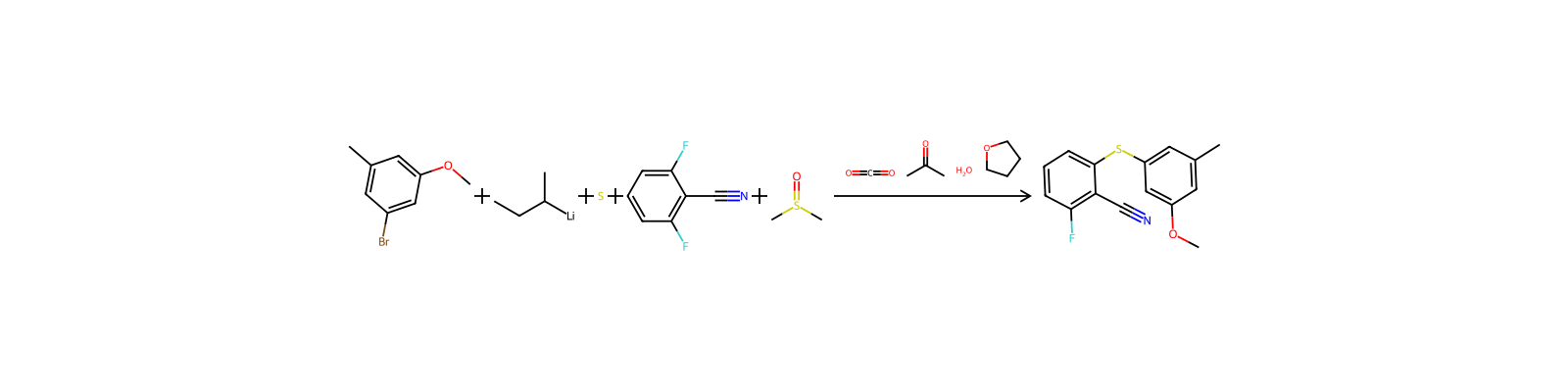
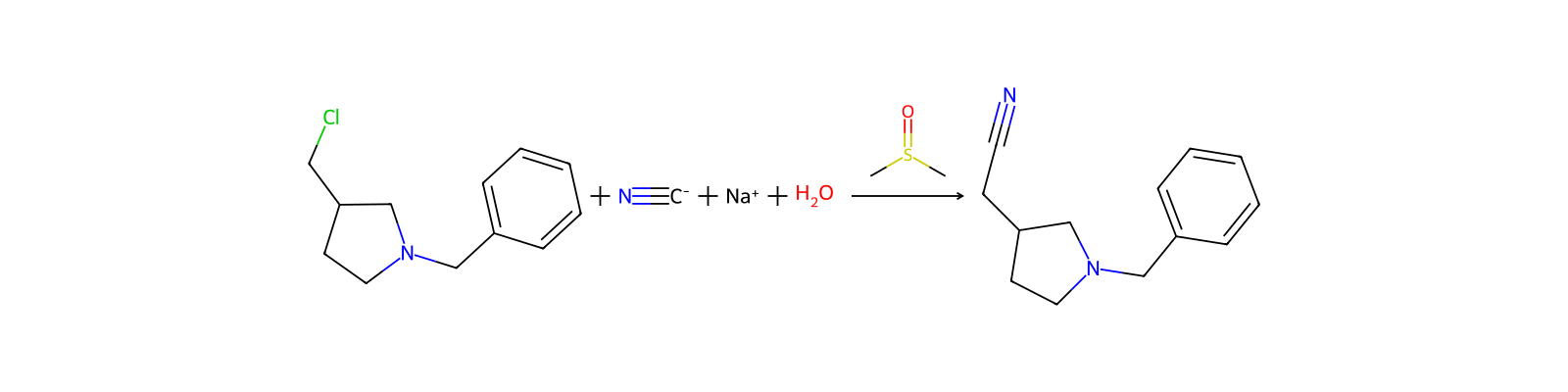
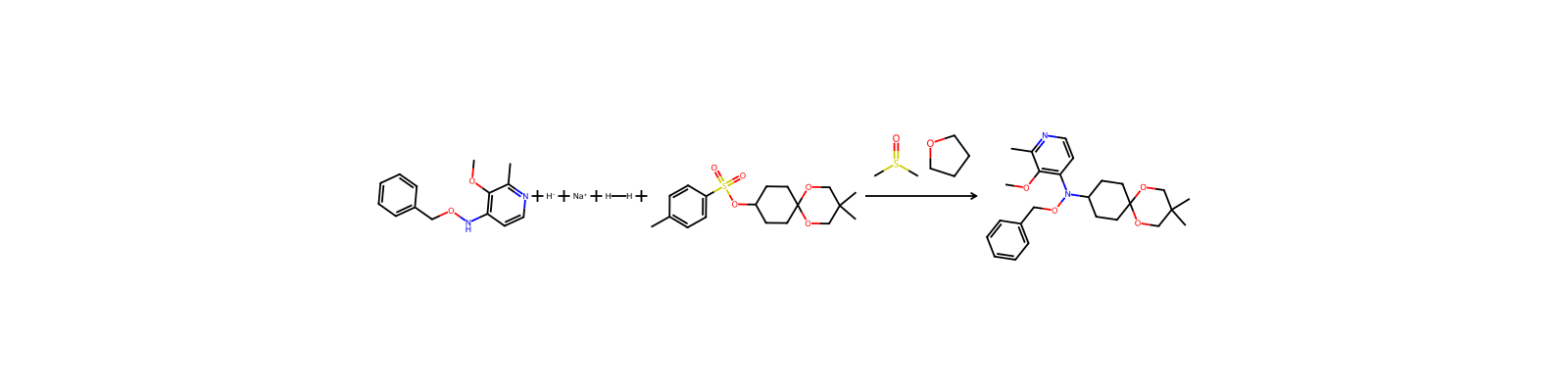
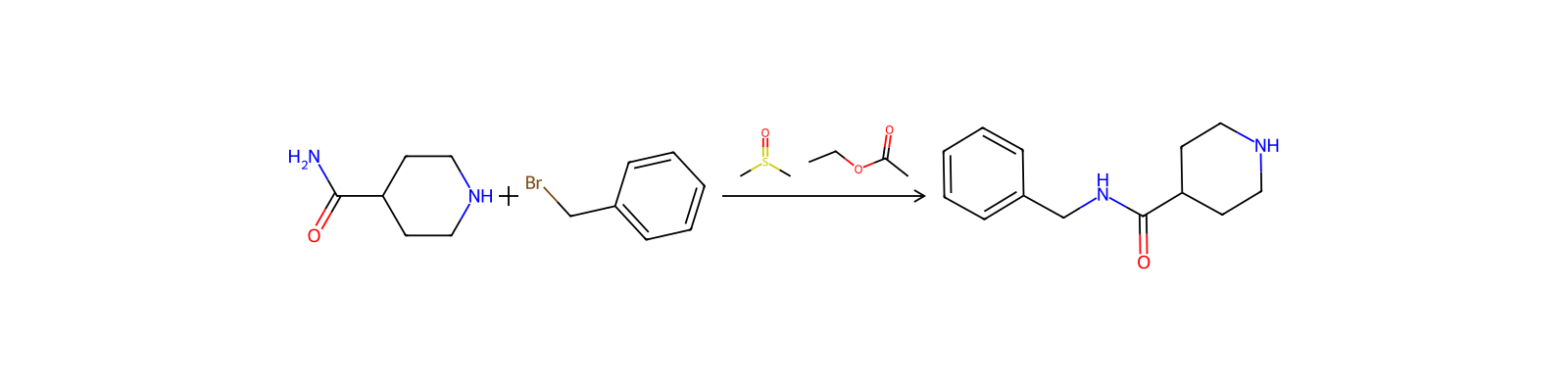
90,112건




연결된 노트
불러오는 중…