

기본 정보
- 표준 SMILES
O=[N+]([O-])c1ccc(O)cc1C(F)(F)F- InChIKey
ZEFMBAFMCSYJOO-UHFFFAOYSA-N- 분자식
- C7H4F3NO3
- 평균 분자량
- 207.11 g/mol
- 단동위원소 질량
- 207.01432748
이름 및 식별자
- 우선 이름
- 4-Nitro-3-trifluoromethylphenol
- IUPAC
- 4-nitro-3-(trifluoromethyl)phenol
- 영어명
- 4-Nitro-3-(trifluoromethyl)phenol
- 분자식
- C7H4F3NO3
- 분자량
- 207.11
이름 및 동의어
4-Nitro-3-(trifluoromethyl)phenol88-30-2LamprecideLamprecid3-TRIFLUOROMETHYL-4-NITROPHENOLDowlap FUSAF MA-6Phenol, 4-nitro-3-(trifluoromethyl)-4-Nitro-3-trifluoromethylphenolCaswell No. 8903-(Trifluoromethyl)-4-nitrophenolDTXSID7021788
이름 더 보기
TMFTFMdowlapfusafma-6Lamprecide, TFMm-trifluoromethyl-pheno
Phenol, m-trifluoromethyl-NSC 59758BRN 2053698EINECS 201-818-2EPA Pesticide Chemical Code 03620196W52A3IFSDTXCID101788AI3-26208
데이터베이스 식별자
- CAS
88-30-2- PubChem CID
- 6931
- DTXSID
DTXSID7021788- ChEMBL
CHEMBL1878174- UNII
- 96W52A3IFS
- EC Number
- 201-818-2
- Nikkaji
- J4.292G
물성
구조 계산 물성
- XLogP
- 2.8
- 극성 표면적
- 66.1 Ų
- 수소 결합 공여자 수
- 1
- 수소 결합 수용자 수
- 6
- 회전 가능 결합 수
- 0
- 무거운 원자 수
- 14
- 형식 전하
- 0
- 복잡도
- 225
실험 및 물리화학적 성질
Color/FormYellow to orange crystalline solid
SolubilityIn water, 5000 mg/L at 25 °C
DecompositionWhen heated to decomposition it emits toxic vapors of /nitrogen oxides and hydrogen fluoride/.
Melting Point76 °C
Vapor Pressure0.00133 [mmHg]
Physical Description
Liquid
Yellow to orange solid; [HSDB] Yellow to pale brown solid; [MSDSonline]
Dissociation ConstantspKa = 6.07
Collision Cross Section128.7 Ų [M-H]- [CCS Type: DT; Buffer gas: N2; Ionization: ESI-; Dataset: TOXCAST; Source Identifier: DTXSID7021788]
물리화학적 성질
- 녹는점
- 76 · 76-79 °C(lit.)
- 끓는 점
- 135 · 135-138 °C0.01 mm Hg(lit.)
- 밀도
- 1.554 · 1.554
- 증기압
- 0 Pa · 0Pa at 20℃
- 인화점
- 135 · 135-138°C/0.01mm
- 저장 조건
- -20 °C · -20°C
- 용해도
- 메탄올에 용해됨
- 물리적 상태
- 결정성 분말
- 산도 계수 (pKa)
- 6.07 · 6.07(at 25℃)
- 색상
- 노란색
- 수용성
- 15.05 g/L · 15.05g/L at 20℃
- Merck
- 14 · 14,9253
- BRN
- 2053698 · 2053698
- Henry's Law Constant
- 5.2 · 5.2×102 mol/(m3Pa) at 25℃, HSDB (2015)
- InChI
- 1S/C7H4F3NO3/c8-7(9,10)5-3-4(12)1-2-6(5)11(13)14/h1-3,12H
- InChIKey
- ZEFMBAFMCSYJOO-UHFFFAOYSA-N
- SMILES
- Oc1ccc(c(c1)C(F)(F)F)[N+]([O-])=O
- LogP
- 2.68 at · 2.68 at 23℃
- EPA
- 3 · 3-Trifluoromethyl-4-nitrophenol (88-30-2)
화학적 성질
yellow crystalline powder
안전 및 규제
GHS 분류
GHS Classification
Danger
H301 (19.2%): Toxic if swallowed [Danger Acute toxicity, oral];H302 (80.8%): Harmful if swallowed [Warning Acute toxicity, oral];H312 (80.8%): Harmful in contact with skin [Warning Acute toxicity, dermal];H315 (98.1%): Causes skin irritation [Warning Skin corrosion/irritation];H319 (98.1%): Causes serious eye irritation [Warning Serious eye damage/eye irritation];H332 (80.8%): Harmful if inhaled [Warning Acute toxicity, inhalation];H335 (96.2%): May cause respiratory irritation [Warning Specific target organ toxicity, single exposure; Respiratory tract irritation]
P261, P264, P264+P265, P270, P271, P280, P301+P316, P301+P317, P302+P352, P304+P340, P305+P351+P338, P317, P319, P321, P330, P332+P317, P337+P317, P362+P364, P403+P233, P405, and P501 (click each P-code to see the statement)
Aggregated GHS information provided per 52 reports by companies from 10 notifications to the ECHA C&L Inventory. Each notification may be associated with multiple companies.;Information may vary between notifications depending on impurities, additives, and other factors. The percentage value in parenthesis indicates the notified classification ratio from companies that provide hazard codes. Only hazard codes with percentage values above 10% are shown. For more detailed information, please visit ECHA C&L website.
유해성 정보
Regulatory Information
Phenol, 4-nitro-3-(trifluoromethyl)- is listed on the EPA's Chemical Data Reporting (CDR) system. Manufacturers and importers of Phenol, 4-nitro-3-(trifluoromethyl)- are required to report information about their production and use of this chemical to the EPA under the Toxic Substances Control Act (TSCA). (40 eCFR Part 711)
Status: Cease Manufacture Update: 04-09-2018 https://echa.europa.eu/registration-dossier/-/registered-dossier/24931;Status: Active Update: 13-05-2018 https://echa.europa.eu/registration-dossier/-/registered-dossier/24994
Hazards SummarySea Lamprey Larvicide is a corrosive substance that can cause injury to the skin and eyes; [HSDB] May cause skin irritation; [MSDSonline]
Special Reports
USEPA/Office of Pesticide Programs; Reregistration Eligibility Decision Document - 3-Trifluoro-Methyl-4-Nitro-Phenol and Niclosamide p.184 EPA 738-R-99-007 (November 1999) This document contains the reregistration eligibility decisions for two compounds which are used alone or in combination against the same pest. TFM is the main chemical used to kill sea lamprey larvae in tributaries to the Great Lakes, the Finger Lakes, and Lake Champlain. Niclosamide is used to kill sea lamprey larvae in combination with TFM.[Available from, as of March 1, 2007: http://www.epa.gov/pesticides/reregistration/status.htm]
FIFRA Requirements
Based on the reviews of the generic data for the active ingredients TFM and niclosamide, the Agency has sufficient information on the health effects of TFM and niclosamide and on its potential for causing adverse effects in fish and wildlife and the environment. Although the current database is limited, this finding of sufficient information is based on the limited use pattern, stringent use restrictions mandated by the USFWS and the PPE required on current labels. The Agency has determined that TFM and niclosamide products, labeled and used as specified in this Reregistration Eligibility Decision, will not pose unreasonable risks of adverse effects to humans or the environment. Therefore, the Agency concludes that products containing TFM and niclosamide for all uses are eligible for reregistration.
As the federal pesticide law FIFRA directs, EPA is conducting a comprehensive review of older pesticides to consider their health and environmental effects and make decisions about their future use. Under this pesticide reregistration program, EPA examines health and safety data for pesticide active ingredients initially registered before November 1, 1984, and determines whether they are eligible for reregistration. In addition, all pesticides must meet the new safety standard of the Food Quality Protection Act of 1996. Pesticides for which EPA had not issued Registration Standards prior to the effective date of FIFRA '88 were divided into three lists based upon their potential for human exposure and other factors, with List B containing pesticides of greater concern and List D pesticides of less concern. Trifluoro-4-nitro-m-cresol alpha,alpha,alpha- is found on List C. Case No: 3082; Pesticide type: rodenticide (piscide); Case Status: OPP is reviewing data from the pesticide's producers regarding its human health and/or environmental effects, or OPP is determining the pesticide's eligibility for reregistration and developing the RED document.; Active ingredient (AI): trifluoro-4-nitro-m-cresol alpha,alpha,alpha-; Data Call-in (DCI) Date(s): 6/9/92; AI Status: The producers of the pesticide have made commitments to conduct the studies and pay the fees required for reregistration, and are meeting those commitments in a timely manner..
Hazard Classes and CategoriesAcute Tox. 3 (19.2%);Acute Tox. 4 (80.8%);Acute Tox. 4 (80.8%);Skin Irrit. 2 (98.1%);Eye Irrit. 2 (98.1%);Acute Tox. 4 (80.8%);STOT SE 3 (96.2%)
안전 및 보호
Storage Conditions
STORAGE: Store only in original container, in a cool (85 °F or less) dry place inaccessible to children, pets and domestic animals, and where spills and leakage can be contained if product becomes soft or liquifies due to high temperatures, cooling to below 85 °F will return it to a solid state. /TFM-BAR/
Combustible. Do not use and store near open flame. Store only in original cotainer, in a dry place inaccessible to children, pets and domestic animals. /Sea Lamprey Larvicide/
Cleanup Methods
Handle and open container in a manner that will prevent spillage. If the container is leaking or material is spilled for any reason or cause, contain spill with a barrier of absorbent material. Refer to Precautionary Statements on label for hazards associated with the handling of this material. Do not walk through spilled material... In spill or leak incidents, keep unauthorized people away. /Sea Lamprey Larvicide/
Disposal Methods
Do not contaminate water, food, or feed by storage or disposal. Open dumping is prohibited. Pesticide Disposal: LAMPRICIDE spray mixture or rinsate that cannot be used or chemically reprocessed should be disposed of in a landfill approved for pesticides or buried in a safe place away from water supplies. Container Disposal: Triple rinse (or equivalent) container and then offer for recycling, reconditioning, or disposal in approved landfill or bury in a safe place. Consult federal, provincial, state, or local authorities for approved alternative procedures. /Sea Lamprey Larvicide/
Do not contaminate water, food, or feed by storage or disposal. PESTICIDE DISPOSAL: Pesticide wastes are acutely hazardous. Improper disposal of excess pesticide, spilled bait, or rinsate is a violation of Federal law. If these wastes cannot be disposed of according to instructions in the application manual, contact your State Pesticide or Environmental Control Agency, or the Hazardous Waste representative at the nearest EPA Regional Office for guidance. CONTAINER DISPOSAL: Dispose of empty plastic wrappers and packing cartons in a sanitary landfill, or if allowed by state and local authorities, by burning. If burned, stay out of smoke.
This chemical is toxic to fish and aquatic invertebrates. Nontarget organisms (such as freshwater clams and mussels) may be killed at recommended rates. Directions for use must be strictly followed to minimize hazards to nontarget organisms. Do not contaminate water by the cleaning of equipment or disposing of equipment washwaters or waste. /TFM-BAR and Sea Lamprey Larvicide/
SRP: The most favorable course of action is to use an alternative chemical product with less inherent propensity for occupational exposure or environmental contamination. Recycle any unused portion of the material for its approved use or return it to the manufacturer or supplier. Ultimate disposal of the chemical must consider: the material's impact on air quality; potential migration in soil or water; effects on animal, aquatic, and plant life; and conformance with environmental and public health regulations
Preventive Measures
Restricted Use Pesticide. Due to Acute Eye Irritation, Acute Oral Toxicity and Aquatic Organism Toxicity. Need for Specialized Equipment and Highly Specialized Applicator Training. For retail sale to, and use only by, USD1, EWS, State Fish and Game, Fisheries and Oceans Canada, and Provincial Certified Applicators trained in sea lamprey control or persons under their direct supervision. /TFM-BAR/
Restricted Use Pesticide. Due to acute hazards to the eye and skin and to non-target organisms, need for highly specialized applicator training, and need for specialized equipment. Only for sale to and application by certified applicators of the U.S. Fish and Wildlife Service, Fisheries and Oceans Canada and Provincial and State Fish and Game employees. /TFM-HP Sea Lamprey Larvicide/
Municipalities that use streams requiring treatment as potable water sources must be notified of impending treatment at least 24 hours prior to application. ... Agricultural irrigators must turn off their irrigation system for a 24-hour period during and after treatment. /TFM-BAR and Sea Lamprey Larvicide/
User Safety Requirements: Follow manufacturers instructions for cleaning/maintaining PPE. If no such instructions are provided for washables, use detergent and hot water. Keep and wash PPE separately from other laundry. /TFM-BAR and Sea Lamprey Larvicide/
For more Preventive Measures (Complete) data for 4-NITRO-3-TRIFLUOROMETHYLPHENOL (6 total), please visit the HSDB record page.
Protective Action Criteria (PAC)
0.42 [mg/m3]
4.7 [mg/m3]
28 [mg/m3]
Personal Protective Equipment (PPE)
Handlers must wear: Protective eyewear (goggles, face shield, or safety glasses);Long-sleeved shirt and long pants; Chemical-resistant gloves (such as Natural Rubber, selection Category A); Socks and shoes /TFM-BAR/
Handlers must wear: coveralls or rubber apron over long-sleeved shirt and long pants; chemical-resistant gloves (such as barrier laminate, butyl rubber, nitrile rubber, neoprene rubber, or polyvinyl chloride (PVC), Viton); chemical-resistant footwear plus socks; and protective eyewear (googgles or face shield). Applicators who apply diluted product must wear chemical-resistant gloves (such as barrier laminate, butyl rubber, nitrile rubber, neoprene rubber, or polyvinyl chloride (PVC), Viton) /Sea Lampry Larvicide/
독성 정보
Ecotoxicity Values
LC50; Species: Colinus virginianus (Northern bobwhite, juvenile) diet >40,000 ppm/8 days
LC50; Species: Rana catesbeiana (Bullfrog, age <1 month larvae); Conditions: freshwater; static, 25 °C, pH 7.2-7.5, hardness 45 mg/L CaCO3 (range: 39.1-49.8 mg/L); Concentration: 1500 ug/L for 96 hr (95% confidence interval: 1270-1780 ug/L) /37.1% AI formulated product/
LC50; Species: Rana catesbeiana (Bullfrog, age <1 month larvae); Conditions: freshwater; static, 25 °C, pH 7.5-8.0, hardness 177 mg/L CaCO3 (range: 166.0-187.2 mg/L); Concentration: 4200 ug/L for 96 hr (95% confidence interval: 4000-6000 ug/L) /37.1% AI formulated product/
LC50; Species: Rana catesbeiana (Bullfrog, age 1 yr, length 50-60 mm); Conditions: freshwater; static, 22 °C, pH 7.4, hardness 45 mg/L CaCO3, alkalinity 32 mg/L CaCO3; Concentration: 1390 ug/L for 96 hr (95% confidence interval: 1080-1780 ug/L) /35.7% AI formulated product/
For more Ecotoxicity Values (Complete) data for 4-NITRO-3-TRIFLUOROMETHYLPHENOL (69 total), please visit the HSDB record page.
Environmental Fate
TERRESTRIAL FATE: Based on a classification scheme(1), Koc values in the range of 224-390 at pH 6, and 38-52 at pH 8(2), indicates that 3-trifluoro-methyl-4-nitro-phenol is expected to possess moderate mobility in soil under acidic conditions and high to very high mobility under alkaline conditions(SRC). 3-Trifluoromethyl-4-nitrophenol is a weak acid with pKa of 6.07(3), indicating that it will partially exist as its conjugate base (anion) under environmental conditions. The Henry's Law constant for the free acid (neutral species) is estimated as 1.9X10⁻⁸ atm-cu m/mole(SRC) using a fragment constant estimation method(4). Volatilization from moist soil surfaces is not expected to be an important environmental fate process based on the Henry's Law constant for the neutral species of 3-trifluoromethyl-4-nitrophenol and the fact that anions do not volatilize(SRC). Volatilization from dry soil surfaces is not expected(SRC), based upon an estimated vapor pressure of 1.3X10⁻³ mm Hg determined from a fragment constant method(5). The biodegradation half-life of 3-trifluoromethyl-4-nitrophenol under aerobic and anaerobic conditions was under 1 week, with 4-amino-3-(trifluoromethyl)phenol observed as the primary degradation product(2).
AQUATIC FATE: Based on a classification scheme(1), Koc values in the range of 224-390 at pH 6, and 38-52 at pH 8(2), indicates that 3-trifluoro-methyl-4-nitro-phenol is not expected to adsorb to suspended solids and sediment under alkaline conditions, but may adsorb under acidic conditions(SRC). 3-Trifluoromethyl-4-nitrophenol is a weak acid with pKa of 6.07(3), indicating that it will partially exist as its conjugate base (anion) under environmental conditions(SRC). The Henry's Law constant for the free acid (neutral species) is estimated as 1.9X10⁻⁸ atm-cu m/mole(SRC) using a fragment constant estimation method(4). Volatilization from water surfaces is not expected to be an important environmental fate process based on the Henry's Law constant for the neutral species of 3-trifluoromethyl-4-nitrophenol and the fact that anions do not volatilize(SRC). According to a classification scheme(5), a BCF of 8.4 measured in rainbow trout(2), suggests the potential for bioconcentration in aquatic organisms is low(SRC). The biodegradation half-life of 3-trifluoromethyl-4-nitrophenol under aerobic and anaerobic conditions was under 1 week, with 4-amino-3-(trifluoromethyl)phenol observed as the primary degradation product(2). 3-Trifluoromethyl-4-nitrophenol is stable to hydrolysis at pH 5, 7, and 9; however, photolysis may be an important environmental fate process(2). 3-Trifluoromethyl-4-nitrophenol photodegraded in unbuffered distilled water under natural sunlight with a half-life of 3.3 days(2).
AQUATIC FATE: In natural waters that are in contact with bottom sediments, 4-nitro-3-trifluoromethylphenol disappeared within two weeks(1).
ATMOSPHERIC FATE: According to a model of gas/particle partitioning of semivolatile organic compounds in the atmosphere(1), 3-trifluoromethyl-4-nitrophenol, which has an estimated vapor pressure of 1.3X10⁻³ mm Hg at 25 °C(SRC), determined from a fragment constant method(2), indicates that it is expected to exist solely as a vapor in the ambient atmosphere. Vapor-phase 3-trifluoromethyl-4-nitrophenol is degraded in the atmosphere by reaction with photochemically-produced hydroxyl radicals(SRC); the half-life for this reaction in air is estimated to be 21 days(SRC), calculated from its rate constant of 7.7X10⁻¹³ cu cm/molecule-sec at 25 °C(SRC) that was derived using a structure estimation method(3). 3-Trifluoromethyl-4-nitrophenol undergoes photolysis in aqueous solutions (4), and may be subject to photolysis in the air(SRC).
Ecotoxicity Excerpts
/AQUATIC SPECIES/ Acute toxicity of TFM ranges from being slightly toxic to highly toxic for freshwater fish species. The most sensitive species tested was the channel catfish, Ictalurus punctatus (96 hour LC50 = 0.60 mg/L in soft, reconstituted well water, pH 7.2 to 7.6), while the least sensitive species tested was the bluegill sunfish, Lepomis macrochirus (96 hour LC50 = 37 mg/L in hard well water, pH 8.3 to 8.5).
/AQUATIC SPECIES/ ... All the early developmental stages of walleye (Stizostedion vitreum) from gametes to sac fry were more resistant to TFM than were similar developmental stages of sea lamprey larvae. ... The toxicity of TFM to six developmental stages of the rainbow trout /was examined/ and ... sac fry were the most sensitive life stage studied. Exposure to TFM during sea lamprey /target species/ embryonic development increased the frequency of abnormalities that lead to increased mortalities.
/AQUATIC SPECIES/ TFM treatments have been associated with induction of hepatic mixed function oxyganase activity and altered levels of circulating steroids in fish and induced hepatic vitellogenesis in primary cultures of rainbow trout hepatocytes. As such, TFM acts as an estradiol agonist and has a demonstrated endocrine disrupting effect.
/AQUATIC SPECIES/ In acute toxicity tests, TFM was moderately to slightly toxic to aquatic invertebrates (24 hour LC50 range: 3.8 to 22.3 mg/L). When TFM is used in combination with niclosamide (98:2 by weight), LC50 values for the mixture ranged from 1.5 mg/L (moderately toxic) to greater than 100.0 mg/L (practically non-toxic). The most tolerant species tested were crayfish, dragonflies, snipeflies, and dobsonflies. The most sensitive species were snails and aquatic earthworms.
For more Ecotoxicity Excerpts (Complete) data for 4-NITRO-3-TRIFLUOROMETHYLPHENOL (6 total), please visit the HSDB record page.
Soil Adsorption/Mobility
A correlation was observed between pH and the soil adsorption properties of 3-trifluoromethyl-4-nitrophenol(1). 3-Trifluoromethyl-4-nitrophenol is a weak acid with pKa of 6.07(2), indicating that it will partially exist as an anion under environmental conditions(SRC). At acidic pH, 3-trifluoromethyl-4-nitrophenol exists primarily as the protonated acid species, but under alkaline conditions it exists predominantly as the conjugate base (anion). Soil adsorption coefficients (Kd) ranging from 1.11 to 11.7 were measured in 4 different soils at pH 6, while Kd values ranging from 0.157 to 2.01 were measured in the same 4 soils at pH 8(1). At pH 6 the Kd values correspond to Koc values of 224 (sandy loam soil 64% sand, 32% silt, 4% clay), 229 (loamy sand 84% sand, 14% silt, 2% clay), 213 (sandy soil 96% sand, 2% silt, 2% clay), 390 (loam soil 44% sand, 46% silt, 10% clay)(1). The Koc values at pH 8 are 38 (sandy loam soil 64% sand, 32% silt, 4% clay), 50 (loamy sand 84% sand, 14% silt, 2% clay), 30 (sandy soil 96% sand, 2% silt, 2% clay), 52 (loam soil 44% sand, 46% silt, 10% clay)(1). According to a classification scheme(3), this range of Koc values indicates that 3-trifluoromethyl-4-nitrophenol is expected to have high to very high mobility under alkaline conditions, and moderate mobility under acidic conditions(SRC).
Human Toxicity Excerpts
/SIGNS AND SYMPTOMS/ Acute Hazards: Corrosive. Causes irreversible eye damage and skin burns. May be fatal if swallowed. Harmful if absorbed through skin or inhaled. /Sea Lampry Larvicide/
/SIGNS AND SYMPTOMS/ Acute hazards: Corrosive. Causes irreversible eye damage. May be fatal if swallowed. Harmful if absorbed through skin or inhaled. /TFM-BAR/
Artificial Pollution Sources
3-Trifluoromethyl-4-nitrophenol's production may result in its release to the environment through various waste streams; its use as a lampricide to eradicate the parasitic sea lamprey (1) will result in its direct release to the environment(SRC).
Environmental Biodegradation
AEROBIC: Under aerobic conditions, C14-labeled 3-trifluoromethyl-4-nitrophenol applied to a loamy sand sediment/water system degraded rapidly in the dark with a half-life of 5.4 days(1). The major degradate was 4-amino-3-(trifluoromethyl)phenol, which comprised 38.4% of the radioactivity at approximately 7 days, 30.2% on day 15, 1.2% on day 21 and 0.7% on day 30. Carbon dioxide was the only volatile component found in the traps, reaching 7.8% of applied on day 30. It is noted that 4-amino-3- (trifluoromethyl)phenol is only a reduced form of 3-trifluoromethyl-4-nitrophenol, and under appropriate conditions, 4-amino-3-(trifluoromethyl)phenol may be re-oxidized to 3-trifluoromethyl-4-nitrophenol(1).
ANAEROBIC: C-14 labeled 3-trifluoromethyl-4-nitrophenol applied to a loamy sand sediment/water system degraded rapidly in the dark under anaerobic conditions with a half-life of 2.1 days. The major degradate was 4-amino-3-(trifluoromethyl)phenol, which comprised 38.2% of the initially applied radioactivity at approximately 4 hours, and increased to a maximum of 94.1% of the applied radioactivity on day 14 and then decreased to 26.6% on day 178 and finally disappeared by day 273. Carbon dioxide was the only volatile component found in the traps, reaching 7.7% of applied radioactivity on day 273(1).
Environmental Bioconcentration
The amount of 3- trifluoromethyl-4-nitrophenol uptake by fish has been correlated to pH and total hardness of the water(1). Ten times as much 3-trifluoromethyl-4-nitrophenol was found in fish residing in soft-acid water as compared to hard- alkaline water (1). 3-Trifluoromethyl-4-nitrophenol is not readily metabolized by aquatic organisms and is generally excreted in an unaltered form(1). Maximum BCF values of 50.3 for viscera, 1.3 for fillet, and 8.4 for whole body tissues were measured for rainbow trout that were exposed to nonradiolabeled plus uniformly phenyl ring-labeled C-14 3-trifluoromethyl-4-nitrophenol, at a nominal concentration of 62.0 ug/L, under flow-through aquarium conditions at a pH of 7.8(1). According to a classification scheme(2), this BCF data suggests the potential for bioconcentration in aquatic organisms is low(SRC).
Volatilization from Water/Soil
3-Trifluoromethyl-4-nitrophenol is a weak acid with pKa of 6.07(1), indicating that it will partially exist as its conjugate base (anion) under environmental conditions, and anions do not volatilize(SRC). The Henry's Law constant for the free acid (neutral species) is estimated as 1.9X10⁻⁸ atm-cu m/mole(SRC) using a fragment constant estimation method(2). This Henry's Law constant indicates that the neutral species of 3-trifluoromethyl-4-nitrophenol is expected to be essentially nonvolatile from moist soil and water surfaces(SRC). Volatilization from dry soil surfaces is not expected(SRC), based upon an estimated vapor pressure of 1.3X10⁻³ mm Hg determined from a fragment constant method(3).
Non-Human Toxicity Excerpts
/LABORATORY ANIMALS: Acute Exposure/ Primary eye irritation - rabbits: Eye irritant (corneal opacity, conjunctival redness, chemosis, & discharge; all clear by day 7 after treatment). Primary dermal irritation - rabbits: Slight erythema seen on the treatment site. Not a dermal sensitizer.
/LABORATORY ANIMALS: Subchronic or Prechronic Exposure/ In a 90-day feeding study in rats, groups of weanling SD rats (10/sex/group) were fed diets containing TFM (82.4%) at concentrations of 500, 900, 1620, 2916, or 5248 ppm for 90 day. The control groups (20/sex) received the untreated diet. The results showed that body weight, food consumption, food efficiency, and hematological parameters were similar to those of the controls. Observation data did not indicate any clinical signs in the treated rats. For clinical chemistry, there was a decrease in aspartate aminotransferase (SGOT or AST) in both treated males and females of all groups. However, this change did not show a dose-related effect, and was not considered biologically significant. All other clinical parameters were similar to those of the controls. Organ weights, gross pathology, and histological data did not show a treatment-related effect. The NOAEL for this study was 5248 ppm (525 mg/kg/day, based on 1 ppm=0.1 mg/kg for young rats) which was the highest dose tested. No LOAEL was established.
/LABORATORY ANIMALS: Subchronic or Prechronic Exposure/ In a second 90-day feeding study in rats, groups of weanling SD rats (10/sex/group) were fed diets containing TFM (90%) at concentrations of 500, 900, 1620, 2916, or 5248 ppm for 90 days. The control groups (20/sex) received the untreated diet. The results showed that body weights of the 2916 and 5248 ppm groups were consistently decreased (10-13%) in males from week 3 to the end of the study. The decrease was statistically significant. Food consumption, and hematological parameters were similar to those of the controls. Clinical signs were not seen in the treated or control rats. There was a decrease in the aspartate aminotransferase (SGOT) activity in both males and females at 5248 ppm on the 21 day examination period, but by 90 day examination period the SGOT values of 5248 ppm animals were similar to those of the controls. The alkaline phosphatase level was slightly increased in both males and females of 5248 ppm groups, but no statistical significance was found. At sacrifice, liver weights of the 2916 and 5248 ppm females were slightly increased. No gross pathology and histological changes were observed. The LOAEL of this study was 2916 ppm (292 mg/kg/day, based on 1 ppm=0.1 mg/kg/day) based on decreased in body weights; the NOAEL was 1620 ppm (162 mg/kg/day).
/LABORATORY ANIMALS: Subchronic or Prechronic Exposure/ ... In the 6-month feeding study in dogs, groups of beagle dogs (4/sex/dose; 8-10 weeks old) received TFM (85.6%) in the diet at concentrations of 300, 1250, or 5000 ppm for 6 months. The controls (4/sex) received 2% corn oil by weight. The results showed that a decrease in body weights was seen in both males (12-15%) and females (8-16%) of the 5000 ppm level beginning at 10 weeks. The body weight gains in these dogs were also decreased. Food consumption and food efficiency in 5000 ppm males and females also decreased, but not markedly. Clinical signs, hematology, clinical chemistry, and urinalysis values were similar between the control and the treated animals. No treatment-related changes in organ weight were seen in any treatment groups. Treatment-related gross and histological changes were not found in TFM treated dogs. Under the conditions of this study, the LOAEL was 5000 ppm (125 mg/kg/day; based on 1 ppm =0.025 mg/kg/day) based on decreases in body weights and body weight gains; the NOAEL was 1250 ppm (31.25 mg/kg/day).
For more Non-Human Toxicity Excerpts (Complete) data for 4-NITRO-3-TRIFLUOROMETHYLPHENOL (10 total), please visit the HSDB record page.
Environmental Abiotic Degradation
The rate constant for the vapor-phase reaction of 3-trifluoromethyl-4-nitrophenol with photochemically-produced hydroxyl radicals has been estimated as 7.7X10⁻¹³ cu cm/molecule-sec at 25 °C(SRC) using a structure estimation method(1). This corresponds to an atmospheric half-life of about 21 days at an atmospheric concentration of 5X10+5 hydroxyl radicals per cu cm(1). 3-Trifluoromethyl-4-nitrophenol is stable to hydrolysis at pH 5, 7, and 9(2). 3-Trifluoromethyl-4-nitrophenol photodegraded in unbuffered distilled water under natural sunlight with a half-life of 3.3 days(2). The principle identified photoproduct was 2,5-dihydroxybenzoic acid. There was no build-up of photoproducts and by the end of the experiment (11 days), most of the degradation products were unextractable(2). 3-Trifluoromethyl-4-nitrophenol irradiated with light at 365 nm, degraded in pH 9 buffered solution with a half-life of 22.4 hours(3). Trifluoroacetic acid was observed as the main degradation product(3). At pH 7, the observed photolysis half-life was 91.7 hours(3).
Probable Routes of Human ExposureOccupational exposure to 3-trifluoromethyl-4-nitrophenol may occur through inhalation of dust and dermal contact with this compound at workplaces where it is produced or used. (SRC)
규제 정보
Regulatory Information
Phenol, 4-nitro-3-(trifluoromethyl)- is listed on the EPA's Chemical Data Reporting (CDR) system. Manufacturers and importers of Phenol, 4-nitro-3-(trifluoromethyl)- are required to report information about their production and use of this chemical to the EPA under the Toxic Substances Control Act (TSCA). (40 eCFR Part 711)
Status: Cease Manufacture Update: 04-09-2018 https://echa.europa.eu/registration-dossier/-/registered-dossier/24931;Status: Active Update: 13-05-2018 https://echa.europa.eu/registration-dossier/-/registered-dossier/24994
FIFRA Requirements
Based on the reviews of the generic data for the active ingredients TFM and niclosamide, the Agency has sufficient information on the health effects of TFM and niclosamide and on its potential for causing adverse effects in fish and wildlife and the environment. Although the current database is limited, this finding of sufficient information is based on the limited use pattern, stringent use restrictions mandated by the USFWS and the PPE required on current labels. The Agency has determined that TFM and niclosamide products, labeled and used as specified in this Reregistration Eligibility Decision, will not pose unreasonable risks of adverse effects to humans or the environment. Therefore, the Agency concludes that products containing TFM and niclosamide for all uses are eligible for reregistration.
As the federal pesticide law FIFRA directs, EPA is conducting a comprehensive review of older pesticides to consider their health and environmental effects and make decisions about their future use. Under this pesticide reregistration program, EPA examines health and safety data for pesticide active ingredients initially registered before November 1, 1984, and determines whether they are eligible for reregistration. In addition, all pesticides must meet the new safety standard of the Food Quality Protection Act of 1996. Pesticides for which EPA had not issued Registration Standards prior to the effective date of FIFRA '88 were divided into three lists based upon their potential for human exposure and other factors, with List B containing pesticides of greater concern and List D pesticides of less concern. Trifluoro-4-nitro-m-cresol alpha,alpha,alpha- is found on List C. Case No: 3082; Pesticide type: rodenticide (piscide); Case Status: OPP is reviewing data from the pesticide's producers regarding its human health and/or environmental effects, or OPP is determining the pesticide's eligibility for reregistration and developing the RED document.; Active ingredient (AI): trifluoro-4-nitro-m-cresol alpha,alpha,alpha-; Data Call-in (DCI) Date(s): 6/9/92; AI Status: The producers of the pesticide have made commitments to conduct the studies and pay the fees required for reregistration, and are meeting those commitments in a timely manner..
안전 데이터
- wgk
- 3
- rtecs
- GP3520000
- ridadr
- 2588
- 독성
- LD50 oral in mammal (species unspecified): 500mg/kg
- HS 번호
- 29089990
- risk_code
- 20/21/22-36/37/38
- hazard_code
- Xn,Xi
- safety_code
- 26-28-36/37/39-45
- 포장분류
- III
- 위험 등급
- 6.1(b)
- 위험 참고 사항
- Irritant
- Hazard Classifications
- Acute Tox. 4 DermalAcute Tox. 4 InhalationAcute Tox. 4 OralEye Irrit. 2Skin Irrit. 2STOT SE 3
- 스토리지 클래스
- 11 - Combustible Solids
- 유해 물질 데이터
- 88-30-2(Hazardous Substances Data)
화학 및 산업
용도 및 제조
Uses
Used to kill the parasitic sea lamprey, Petromyzon marinus, which preys upon commercial fish species of the Great Lakes; Restricted Use Pesticide; Only for sale to and application by certified applicators of the U.S. Fish and Wildlife Service, Fisheries and Oceans Canada, and Provincial and State Fish and Game employees; [HSDB]
For 4-nitro-3-trifluoromethylphenol (USEPA/OPP Pesticide Code: 036201) ACTIVE products with label matches. /SRP: Registered for use in the U.S. but approved pesticide uses may change periodically and so federal, state and local authorities must be consulted for currently approved uses./
Restricted Use Pesticide. Only for sale to and application by certified applicators of the U.S. Fish and Wildlife Service, Fisheries and Oceans Canada and Provincial and State Fish and Game employees. /TFM-HP Sea Lamprey Larvicide/
Restricted Use Pesticide. For retail sale to, and use only by, USDI Fish and Wildlife Service, State Fish and Game, Fisheries and Oceans Canada and Provincial Certified Applicators trained in sea lamprey control or persons under their direct supervision. /TFM-BAR/
A substance toxic to the parasitic sea lamprey, Petromyzon marinus, which preys upon commercial fish species of the Great Lakes.
Lamprey killer
U.S. Production2023: 44,066 lb
Consumption PatternsAn average of approximately 80,000 pounds of TFM active ingredient was applied in the Great Lakes from 1993 to 1997.
Industry UsesSoil amendments (fertilizers)
Formulations/Preparations
TFM-HP SEA LAMPREY LARVICIDE Active Ingredient 36.5%TFM, 3-Trifluoromethyl-4-nitrophenol, sodium salt (equivalent to 33.0% 3-trifluoromethyl-4-nitrophenol)
TFM-BAR Active Ingredient 23.0% 3-Trifluoromethyl-4-nitrophenol
General Manufacturing InformationPesticide, Fertilizer, and Other Agricultural Chemical Manufacturing
응용 분야
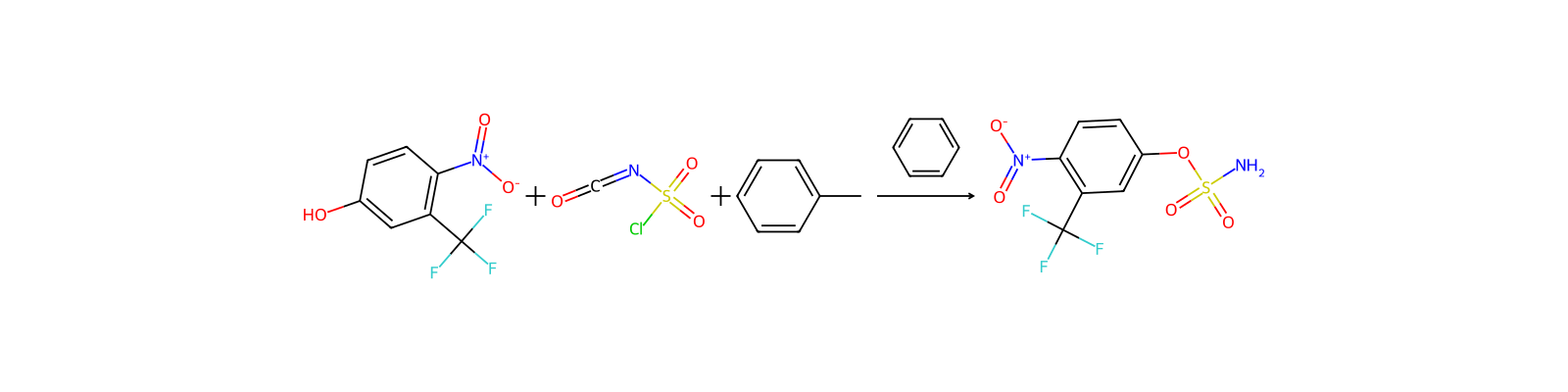
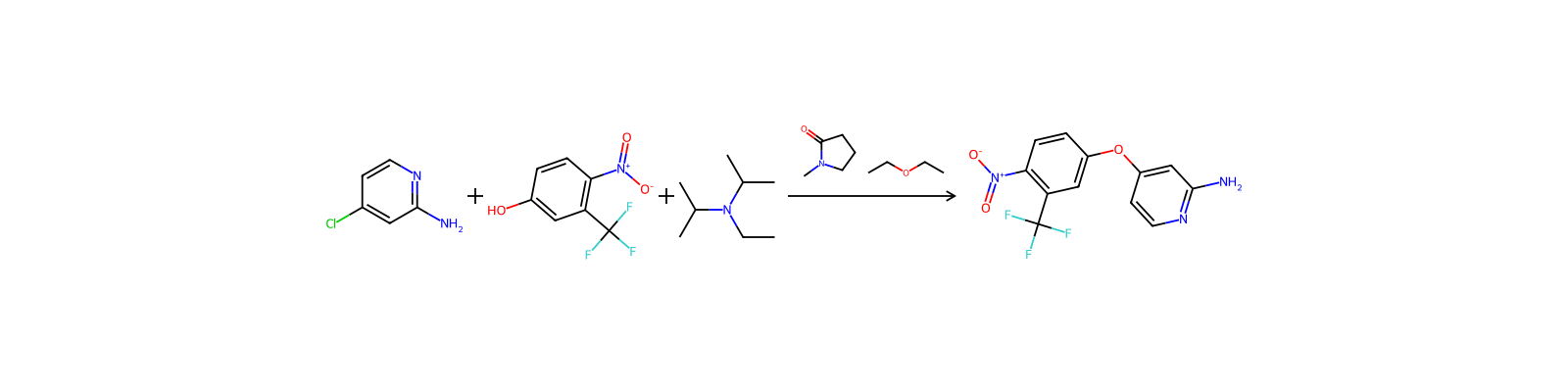
용도4-Nitro-3-(trifluoromethyl)phenol is used in preparation of Bicyclic Heteroaryl substituted compounds as PAR4 inhibitors.
상·하류 제품 정보
하류 제품
공급사50 곳
梯希爱(上海)化成工业发展有限公司021-67121386 · [email protected]
湖北永阔科技有限公司027-59223108 15972152991 · [email protected]
上海阿拉丁生化科技股份有限公司400-6206333 13167063860 · [email protected]
上海凌富药物研究有限公司+86(21)5895 0110 19945755304 · [email protected]
湖北万得化工有限公司15377098680 15377098680 · [email protected]
Career Henan Chemica Co+86-0371-86658258 +86-13203830695 · [email protected]
艾吉析科技(上海)有限公司17717235263 · [email protected]
毕佳索(上海毕得医药科技股份有限公司)400-6005915 · [email protected]
温州共赢化学有限公司+86-0086-577-64498589 +86-15355981851 · [email protected]
普善实业(陕西)有限公司029-81310890 18165209495 · [email protected]
安徽合诺生物科技有限公司0555-2761852
Dayang Chem (Hangzhou) Co.,Ltd.+86-0571-88938639 17705817739 · [email protected]
无锡探索者医药科技有限公司0510-0510-86396359 13382276200 · [email protected]
上海迈瑞尔生化科技有限公司4006356688 18621169109 · [email protected]
上海辅欣医药科技有限公司+86-021-021-50872116 · [email protected]
阿法埃莎(中国)化学有限公司400-6106006 · [email protected]
安耐吉化学&3A(安徽泽升科技股份有限公司)400-0056266 · [email protected]
武汉凯威斯科技有限公司86-027-67849912 · [email protected]
Allfluoro Pharmaceutical Company Limited+86-400-0216110 +86-15958047586 · [email protected]
常州安轩化工有限公司13912302692 · [email protected]
上海瀚鸿科技股份有限公司021-54306202 13764082696 · [email protected]
上海泰坦科技股份有限公司400-6009262 15618770481 · [email protected]
湖北广奥生物科技有限公司027-02702759223056 18162699093 · [email protected]
湖北成海化工有限公司027-59220433 18327245847 · [email protected]
Aceschem Inc.+1-817863-6948 +1-(817)863-6948 · [email protected]
上海钰康生物科技有限公司15618758386 15618758386 · [email protected]
赛默飞世尔科技(中国)有限公司800-810-5118 · [email protected]
TCI AMERICA800-4238616 · [email protected]
TOKYO CHEMICAL INDUSTRY CO., LTD.03-36680489 · [email protected]
TCI Europe320-37350700 · [email protected]
Clearsynth Labs Limited+91-22-26355700 · [email protected]
上海丽康新材料有限公司+86-16631818819 +86-17736933208 · [email protected]
上海将来实业股份有限公司021-61552785 · [email protected]
上海毕得医药科技股份有限公司400-164-7117 18317119277 · [email protected]
成都零六生物科技有限公司400-1166-196 13458535857 · [email protected]
天津安浩生物科技有限公司[email protected]
上海寰川实业有限公司021-61478794 · [email protected]
上海纳谦化学科技有限公司13598610367 13598610367 · [email protected]
江苏艾康生物医药研发有限公司025-66028182 17714375163 · [email protected]
Sigma-Aldrich西格玛奥德里奇(上海)贸易有限公司021-61415566 800-8193336 · [email protected]
常州言己生物科技有限公司0519-83556355 18015005120 · [email protected]
上海陶术生物科技股份有限公司+1-781-999-5354; +1-00000000000 · [email protected]
安世达(山东)新材料科技有限公司18053179586
HANGZHOU LEAP CHEM CO., LTD.+86-571-87711850 +86-15355479329 · [email protected]
上海超岚化工科技中心(原宁波市超明生物科技有限公司)13301662590 · [email protected]
陕西缔都医药化工有限公司029-029-81120477 17792793610 · [email protected]
江西弗莱医药科技有限公司15870833005 · [email protected]
山东崇成能源科技有限公司18253333366 · [email protected]
陕西缔都医药化工有限公司+86-29-81139210 +86-17392587031 · [email protected]
杭州氟药药业有限公司0571-85586753 13336034509 · [email protected]
관련 반응
29건




연결된 노트
불러오는 중…