디 페닐 포스 핀
Diphenylphosphine

기본 정보
- CAS
829-85-6- 표준 SMILES
c1ccc(Pc2ccccc2)cc1- InChIKey
GPAYUJZHTULNBE-UHFFFAOYSA-N- 분자식
- C12H11P
- 평균 분자량
- 186.19 g/mol
- 단동위원소 질량
- 186.05983698
이름 및 식별자
- 우선 이름
- Diphenylphosphine
- IUPAC
- diphenylphosphane
- 현지명
- 디 페닐 포스 핀
- 영어명
- Diphenylphosphine
- 분자식
- C12H11P
- 분자량
- 186.19
이름 및 동의어
Diphenylphosphine829-85-6Phosphine, diphenyl-F9B5T7O7ZYEINECS 212-591-4NSC-152123DIPHENYLPHOSPHINE [MI]DTXSID50232076NSC 152123RefChem:588939DTXCID50154567212-591-4
이름 더 보기
디페닐포스핀Diphenylphosphin98% Ph2PHAURORA KA-1107Diphenyl phospinePHOSPHINE, DIPHENYLDPP/DIPHENYLPHOSPHIN
diphenylphosphaneHPPH2PH2PHMFCD00003040C12H11PUNII-F9B5T7O7ZYdiphenylphospinediphenyl-phosphane
데이터베이스 식별자
- CAS
829-85-6- PubChem CID
- 70017
- DTXSID
DTXSID50232076- UNII
- F9B5T7O7ZY
- EC Number
- 212-591-4
- Nikkaji
- J99.507J
물성
구조 계산 물성
- XLogP
- 3
- 극성 표면적
- 0 Ų
- 수소 결합 공여자 수
- 0
- 수소 결합 수용자 수
- 0
- 회전 가능 결합 수
- 2
- 무거운 원자 수
- 13
- 형식 전하
- 0
- 복잡도
- 116
실험 및 물리화학적 성질
Chemical ClassesOther Classes -> Phosphorus Compounds
SpringerMaterials Properties31P nuclear magnetic resonance spectrum
Physical DescriptionClear liquid with strong unpleasant odor; [Merck Index] Clear light yellow liquid; [Sigma-Aldrich MSDS]
물리화학적 성질
- 녹는점
- -14.5 °C · -14.5 °C
- 끓는 점
- 280 °C · 280 °C (536 °F; 553 K)
- 밀도
- 1.07 g/cm3, · 1.07 g/cm3, liquid
- 증기압
- 2 mm · 2 mm Hg ( 110 °C)
- 굴절률
- 20 · n20/D 1.625(lit.)
- 인화점
- -18 °C · -18°C (Hexane)
- 저장 조건
- 2 · 2-8°C
- 용해도
- 클로로포름에 용해됨
- 물리적 상태
- liquid
- 산도 계수 (pKa)
- 0.03 · diphenylphosphine is weakly basic. The pKa of the protonated derivative is 0.03.
- Specific Gravity
- 0.68 · 0.68
- 색상
- colorless
안전 및 규제
안전 정보는 참고용이며, 공급업체의 물질안전보건자료(SDS), 관련 법규 및 전문가 평가를 대체하지 않습니다.
GHS 분류
GHS Classification
Danger
H250 (100%): Catches fire spontaneously if exposed to air [Danger Pyrophoric liquids]
P210, P222, P231, P233, P261, P264, P264+P265, P271, P280, P302+P335+P334, P302+P352, P304+P340, P305+P351+P338, P319, P321, P332+P317, P337+P317, P362+P364, P370+P378, P403+P233, P405, and P501 (click each P-code to see the statement)
Aggregated GHS information provided per 50 reports by companies from 9 notifications to the ECHA C&L Inventory. Each notification may be associated with multiple companies.
유해성 정보
Regulatory InformationStatus: Active Update: 15-03-2021 https://echa.europa.eu/registration-dossier/-/registered-dossier/28173
Hazards SummaryPyrophoric and irritating; [Merck Index] Pyrophoric; Reacts violently with water; A skin and strong eye irritant; [Sigma-Aldrich MSDS] See Triphenylphosphine and Phenylphosphine.
Hazard Classes and CategoriesPyr. Liq. 1 (100%)
안전 데이터
- wgk
- 3
- ridadr
- UN 2845 4.2/PG 1
- HS 번호
- 2931900090
- risk_code
- 17-36/37/38
- hazard_code
- F,Xi
- safety_code
- 26-36
- 포장분류
- I
- 위험 등급
- 4.2
- F 고인화성물질
- 8-10-13-23
화학 및 산업
용도 및 제조
UsesUsed as a reagent in synthetic organic chemistry; [Merck Index]
응용 분야
용도Diphenylphosphine is used in the synthesis of aminophosphines for application as catalysts. It is also used in the preparation of chiral palladacycles with N-heterocyclic carbene ligands as catalysts.
상·하류 제품 정보
상류 원료
하류 제품
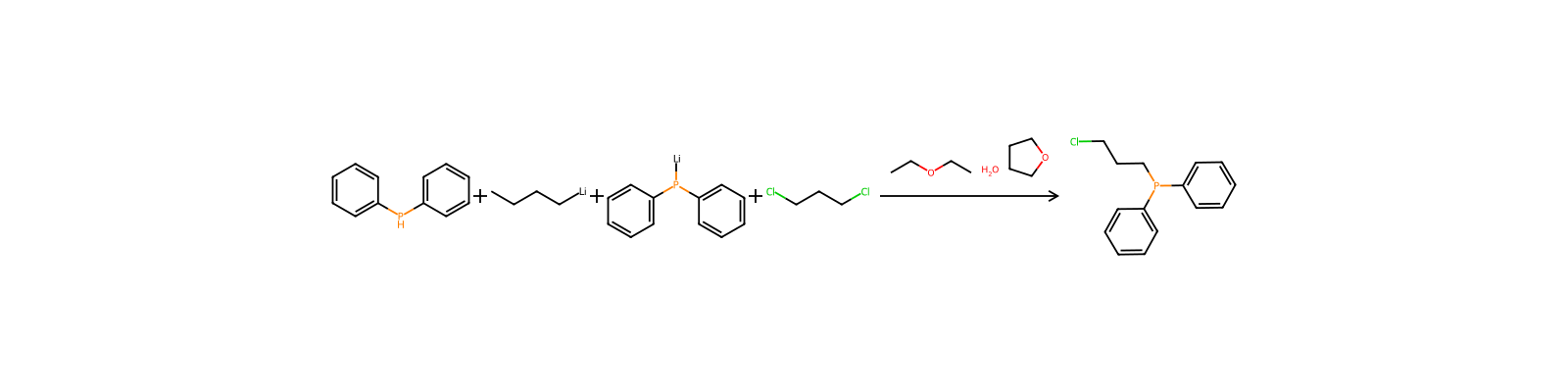
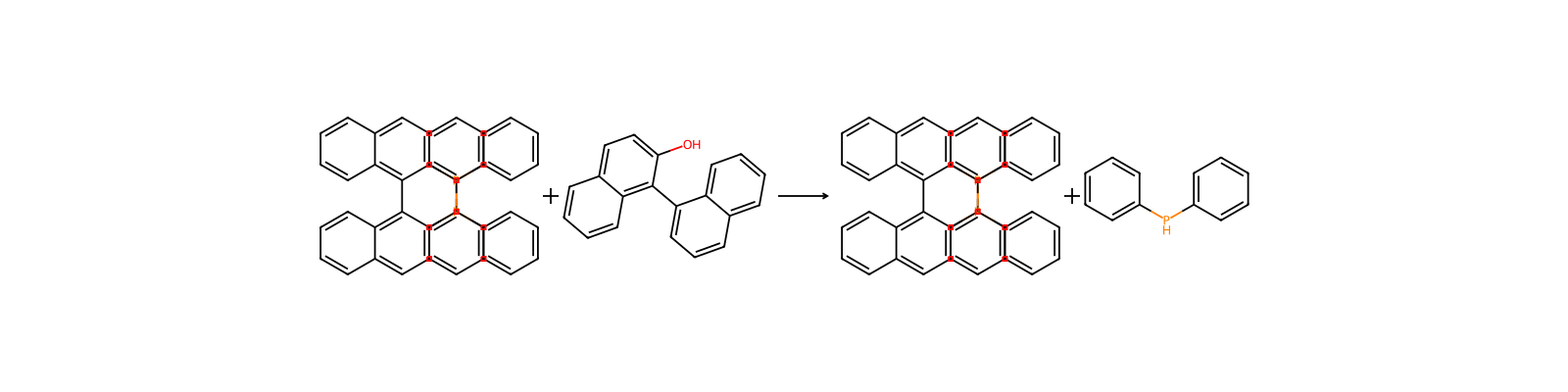
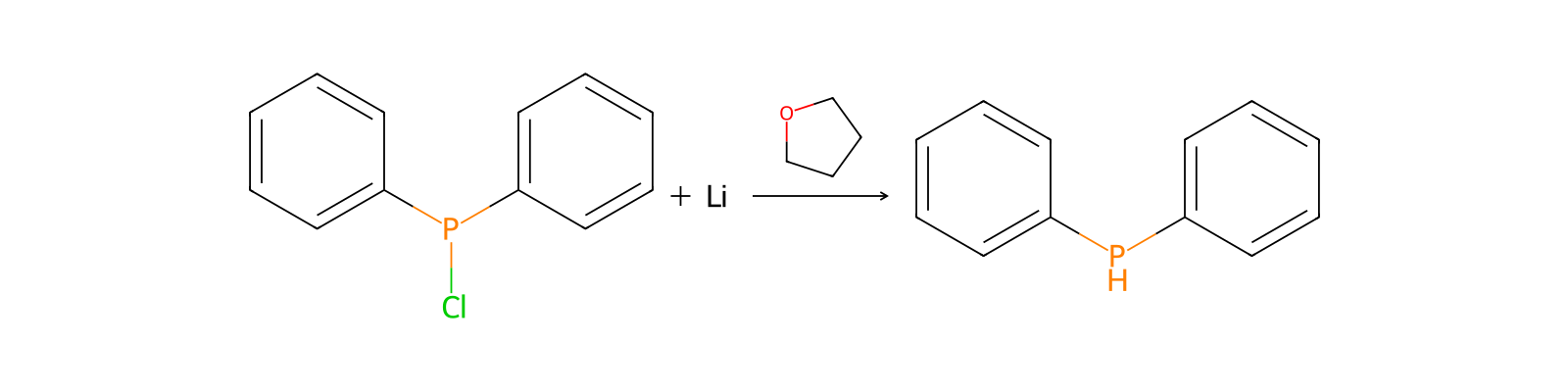
관련 반응
257건



화합물 노트
불러오는 중…