
3-Methylxanthine

기본 정보
- CAS
1076-22-8- 표준 SMILES
Cn1c(=O)[nH]c(=O)c2[nH]cnc21- InChIKey
GMSNIKWWOQHZGF-UHFFFAOYSA-N- 분자식
- C6H6N4O2
- 평균 분자량
- 166.14 g/mol
- 단동위원소 질량
- 166.04907543
개요
3-methyl-9H-xanthine is a 3-methylxanthine tautomer where the imidazole proton is located at the 9-position. It has a role as a metabolite. It is a tautomer of a 3-methyl-7H-xanthine.
이름 및 식별자
- 우선 이름
- 3-Methylxanthine
- IUPAC
- 3-methyl-7H-purine-2,6-dione
- 영어명
- 3-Methylxanthine
- 분자식
- C6H6N4O2
- 분자량
- 166.14
이름 및 동의어
3-Methylxanthine1076-22-83-methyl-7H-purine-2,6-dione3-methyl-3,7-dihydro-1H-purine-2,6-dione3-methyl-2,3,6,7-tetrahydro-1H-purine-2,6-dioneWS6X982OECDTXSID90148107NSC-515466RefChem:94981DTXCID8070598CHEBI:62205214-058-1
이름 더 보기
3-MethylxantineLinaint-EAKOS NCG-00583-Methy-xanthine3-methyl-xanthinZotepine Impurity63-Methylxanthine>3-methyl-7H-xanthine
2,6-Dihydroxy-3-methylpurine3-Methyl-1H-purine-2,6(3H,7H)-dione3 MXXanthine, 3-methyl-3-METHYL XANTHINE1H-Purine-2,6-dione, 3,7-dihydro-3-methyl-MFCD000055803,7-Dihydro-3-methyl-1H-purine-2,6-dione
데이터베이스 식별자
- CAS
1076-22-8- PubChem CID
- 70639
- DTXSID
DTXSID90148107- ChEMBL
CHEMBL619- ChEBI
CHEBI:62207- UNII
- WS6X982OEC
- EC Number
- 214-058-1
- Nikkaji
- J3.360J、J492.513K
물성
구조 계산 물성
- XLogP
- -0.7
- 극성 표면적
- 78.1 Ų
- 수소 결합 공여자 수
- 2
- 수소 결합 수용자 수
- 3
- 회전 가능 결합 수
- 0
- 무거운 원자 수
- 12
- 형식 전하
- 0
- 복잡도
- 242
실험 및 물리화학적 성질
DrugsPharmaceuticals -> Metabolite of Caffeine, Theophylline
LogP
-0.50
-0.72
Melting Point> 300 °C
Physical DescriptionSolid
Collision Cross Section
127.59 Ų [M+H]+ [CCS Type: TW; Method: calibrated with polyalanine and drug standards]
124.48 Ų [M-H]- [CCS Type: DT; Method: single field calibrated with Agilent tune mix (Agilent)]
127.9 Ų [M+H]+ [CCS Type: TW; Method: calibrated with polyalanine and drug standards]
물리화학적 성질
- 녹는점
- 300 °C · >300 °C (lit.)
- 끓는 점
- 294.33 °C · 294.33°C (rough estimate)
- 밀도
- 1.4434 · 1.4434 (rough estimate)
- 굴절률
- 1.67 · 1.6700 (estimate)
- 저장 조건
- 2 · 2-8°C
- 용해도
- DMSO(약간 용해됨, 가열), 메탄올(약간 용해됨)
- 물리적 상태
- 고체
- 산도 계수 (pKa)
- 1 · pK1:8.10;pK2:11.3 (25°C)
안전 및 규제
안전 정보는 참고용이며, 공급업체의 물질안전보건자료(SDS), 관련 법규 및 전문가 평가를 대체하지 않습니다.
GHS 분류
GHS Classification
Warning
H302 (98.1%): Harmful if swallowed [Warning Acute toxicity, oral]
P264, P270, P301+P317, P330, and P501 (click each P-code to see the statement)
Aggregated GHS information provided per 53 reports by companies from 4 notifications to the ECHA C&L Inventory.
유해성 정보
Regulatory InformationStatus: Active Update: 20-05-2016 https://echa.europa.eu/registration-dossier/-/registered-dossier/17492
Hazard Classes and CategoriesAcute Tox. 4 (98.1%)
안전 데이터
- wgk
- 1
- rtecs
- ZD8750000
- 독성
- LD50 intraperitoneal in mouse: 894mg/kg
- HS 번호
- 29335990
- risk_code
- 22-26/27/28
- hazard_code
- Xn,T+
- safety_code
- 22-24/25
- 스토리지 클래스
- 11 - Combustible Solids
화학 및 산업
약리 정보
Metabolism/Metabolites3-Methylxanthine is a known human metabolite of theobromine and theophylline.
Tissue LocationsKidney
Cellular LocationsCytoplasm
응용 분야
개요3-Methylxanthine is one of the metabolites of theophylline. After oral intake, approximately 36% is excreted in the urine as 3-methylxanthine, 40% as 1,3-dimethyluric acid and 17% as 1-methyluric acid. 3-methylxanthine (3MX) has been assessed as an adenosine antagonist and produces the same maximal relaxation of guinea pig tracheal muscle as does. 3MX is also used to examine conformational heterogeneity in RNA aptamers and riboswitches[1-2].
용도3-Methylxanthine is a Xanthine derivative with diuretic, cardiac stimulant and smooth muscle relaxant activities; isomeric with theobromine.They can also act as Bronchodilator.
일반 설명3-Methylxanthine, a metabolite of theophylline, was quantitated in rat plasma by a sensitive LC-MS/MS method.
상·하류 제품 정보
상류 원료
관련 반응
55건
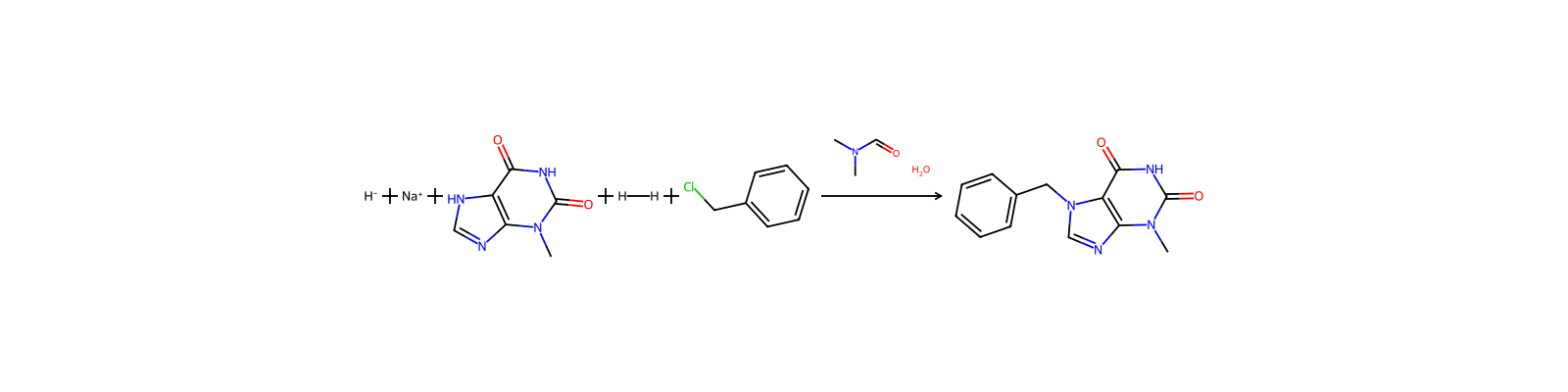
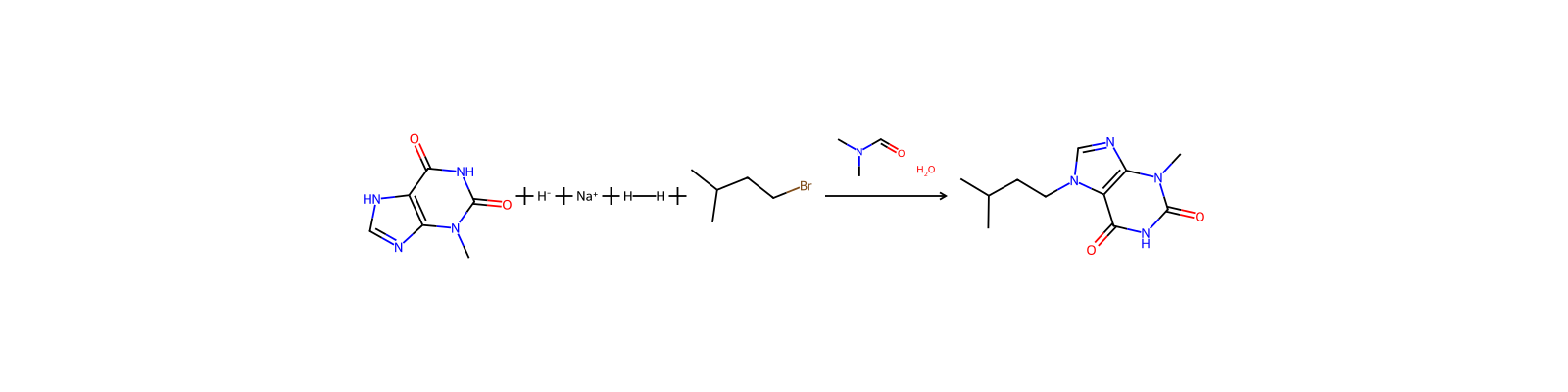
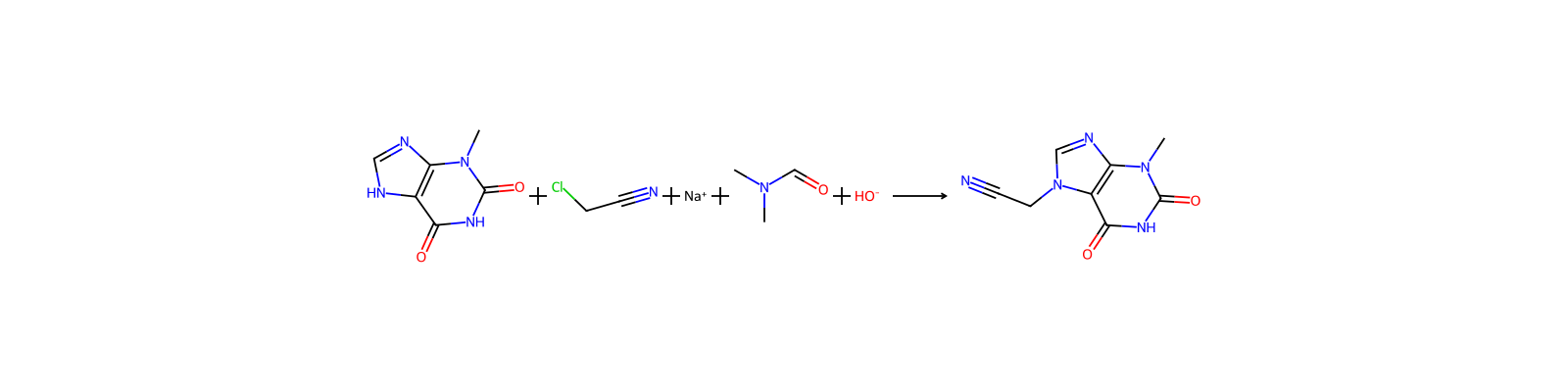



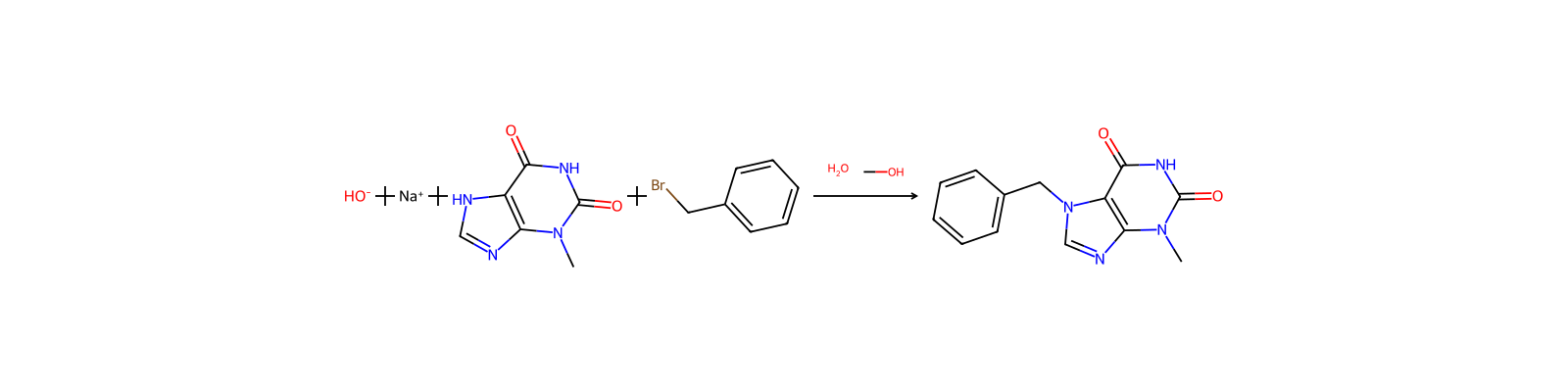
화합물 노트
불러오는 중…