

기본 정보
- 표준 SMILES
c1ccc2c(c1)Nc1ccccc1S2- InChIKey
WJFKNYWRSNBZNX-UHFFFAOYSA-N- 분자식
- C12H9NS
- 평균 분자량
- 199.27 g/mol
- 단동위원소 질량
- 199.04557046
이름 및 식별자
- 우선 이름
- Phenothiazine
- IUPAC
- 10H-phenothiazine
- 현지명
- 페노티아진
- 영어명
- Phenothiazine
- 분자식
- C12H9NS
- 분자량
- 199.27
이름 및 동의어
PHENOTHIAZINE10H-Phenothiazine92-84-2ThiodiphenylamineDibenzothiazineContavermDibenzo-1,4-thiazineFenovermNemazinePhenosanFeenoPhenthiazine
이름 더 보기
페노티아진티오디페닐아민페노티아진및그화합물10H-페노티아진10H-페놀싸이아진다이벤조-1,4-싸이아진다이벤조-1,4-티아진다이벤조싸이아진다이벤조티아진싸이오다이페닐아민티오다이페닐아민페놀싸이아진XL-50ent38BivermENT 38OrimonReconoxPHENOXUR
AntivermFentiazinHelmetinaLethelminPadophenePhenegicPhenovermPhenovis
데이터베이스 식별자
- CAS
92-84-2- PubChem CID
- 7108
- DTXSID
DTXSID5021126- ChEMBL
CHEMBL828- ChEBI
CHEBI:37931- UNII
- GS9EX7QNU6
- EC Number
- 202-196-5
- Nikkaji
- J3.932B
물성
구조 계산 물성
- XLogP
- 4.2
- 극성 표면적
- 37.3 Ų
- 수소 결합 공여자 수
- 1
- 수소 결합 수용자 수
- 2
- 회전 가능 결합 수
- 0
- 무거운 원자 수
- 14
- 형식 전하
- 0
- 복잡도
- 186
실험 및 물리화학적 성질
LogP
log Kow = 4.15
4.15
OdorSLIGHT ODOR
TasteTASTELESS
Density1.34 g/cm³
Color/Form
YELLOW, RHOMBIC LEAFLETS OR DIAMOND-SHAPED PLATES FROM TOLUENE OR BUTANOL
YELLOW PRISMS FROM ALCOHOL
GRAYISH-GREEN TO GREENISH YELLOW POWDER, GRANULES OR FLAKES
Grayish-green to greenish-yellow solid. [insecticide]
Solubility
less than 1 mg/mL at 68 °F (NTP, 1992)
FREELY SOL IN BENZENE; SOL IN ETHER & IN HOT ACETIC ACID; SLIGHTLY SOL IN ALCOHOL & IN MINERAL OILS; PRACTICALLY INSOL IN PETROLEUM ETHER, CHLOROFORM
VERY SOL IN ACETONE
Water solubilty = 1.59 mg/l at 25 °C
Solubility in water: none
Insoluble
Flash Point202 °C
Boiling Point
700 °F at 760 mmHg (NTP, 1992)
371 °C @ 760 MM HG
371 °C
700 °F
700 °F
Melting Point
365.9 to 366.6 °F (NTP, 1992)
185.1 °C
185.1 °C
365 °F
365 °F
Vapor Pressure
0 mmHg (approx) (NIOSH, 2024)
0 mmHg (approx)
0 mmHg (approx)
Physical Description
Phenothiazine is a light green to steel-blue powder. Acquires a greenish-brown tint under exposure to sunlight. (NTP, 1992)
Liquid; Dry Powder; Other Solid; Large Crystals
Grayish-green to greenish-yellow solid; [NIOSH]
YELLOW CRYSTALS. TURNS DARK GREEN ON EXPOSURE TO LIGHT.
Grayish-green to greenish-yellow solid.
Grayish-green to greenish-yellow solid. [insecticide]
Stability/Shelf Life
READILY OXIDIZED BY SUNLIGHT OR WHEN IN PRESENCE OF FINELY DIVIDED INERT CARRIER, ACQUIRING GREENISH-BROWN TINT
SENSITIVE TO AIR & LIGHT
DARKENS TO DEEP OLIVE-GREEN ON EXPOSURE TO LIGHT
It is stable when dry but easily oxidizes when wet.
물리화학적 성질
- 녹는점
- 184 °C · 184 °C
- 끓는 점
- 371 °C · 371 °C(lit.)
- 밀도
- 1.362 · 1.362
- 증기압
- 0.0000647 Pa · 0.0000647 Pa (20 °C)
- 굴절률
- 1.6353 · 1.6353
- 인화점
- 202 °C · 202°C
- 저장 조건
- 30 °C · Store below +30°C.
- 용해도
- 0.127 mg/l · 0.127mg/l
- 물리적 상태
- 세분화되거나 구슬 모양
- 산도 계수 (pKa)
- 2.52 · pKa 2.52 (Uncertain)
- 색상
- 노란색
- 수소이온지수(pH)
- 6 · 6 (10g/l, H2O, 20℃)(aqueous suspension)
- 수용성
- 2 mg/L · 2mg/L(25℃)
- Merck
- 14 · 14,7252
- BRN
- 143237 · 143237
- Henry's Law Constant
- 1 · 1.0×102 mol/(m3Pa) at 25℃, Abraham and Jr. (2019)
- 안정성
- 안정적인. 타기 쉬운. 강한 산화제, 강산과 호환되지 않습니다. 빛에 노출되면 변색될 수 있습니다.
- 주요 응용
- 청소용품임상 연구화장품음식 및 음료법의학 및 독성학개인 위생 관리의약품(소분자)
- InChI
- 1S/C12H9NS/c1-3-7-11-9(5-1)13-10-6-2-4-8-12(10)14-11/h1-8,13H
- InChIKey
- WJFKNYWRSNBZNX-UHFFFAOYSA-N
- SMILES
- N1c2ccccc2Sc3ccccc13
- LogP
- 3.78 at · 3.78 at 25℃
- NIST
- Phenothiazine(92-84-2)
- EPA
- Phenothiazine (92-84-2)
화학적 성질
Phenothiazine is a greenish-yellow to greenish-gray crystalline substance. Slight odor and taste.
안전 및 규제
GHS 분류
GHS Classification
This chemical does not meet GHS hazard criteria for 0.7% (24 of 3466) of reports.
Warning
H302 (94.2%): Harmful if swallowed [Warning Acute toxicity, oral];H317 (97.4%): May cause an allergic skin reaction [Warning Sensitization, Skin];H373 (93.9%): May causes damage to organs through prolonged or repeated exposure [Warning Specific target organ toxicity, repeated exposure];H400 (11.9%): Very toxic to aquatic life [Warning Hazardous to the aquatic environment, acute hazard];H410 (11.9%): Very toxic to aquatic life with long lasting effects [Warning Hazardous to the aquatic environment, long-term hazard];H412 (83.2%): Harmful to aquatic life with long lasting effects [Hazardous to the aquatic environment, long-term hazard]
P260, P261, P264, P270, P272, P273, P280, P301+P317, P302+P352, P319, P321, P330, P333+P317, P362+P364, P391, and P501 (click each P-code to see the statement)
Aggregated GHS information provided per 3466 reports by companies from 53 notifications to the ECHA C&L Inventory. Each notification may be associated with multiple companies.;Reported as not meeting GHS hazard criteria per 24 of 3466 reports by companies.;There are 52 notifications provided by 3442 of 3466 reports by companies with hazard statement code(s).;Information may vary between notifications depending on impurities, additives, and other factors. The percentage value in parenthesis indicates the notified classification ratio from companies that provide hazard codes. Only hazard codes with percentage values above 10% are shown. For more detailed information, please visit ECHA C&L website.
유해성 정보
Regulatory Information
Chemical: 10H-Phenothiazine
10H-Phenothiazine is listed on the EPA's Chemical Data Reporting (CDR) system. Manufacturers and importers of 10H-Phenothiazine are required to report information about their production and use of this chemical to the EPA under the Toxic Substances Control Act (TSCA). (40 eCFR Part 711)
Status: Active Update: 19-01-2022 https://echa.europa.eu/registration-dossier/-/registered-dossier/14459;Status: Active Update: 15-03-2023 https://echa.europa.eu/registration-dossier/-/registered-dossier/34074
Phenothiazine: Does not have an individual approval but may be used under an appropriate group standard
Fire Hazards
Flash point data for this chemical are not available, but it is probably combustible. (NTP, 1992)
Combustible. Gives off irritating or toxic fumes (or gases) in a fire.
Fire PotentialALTHOUGH PHENOTHIAZINE OXIDIZES FAIRLY EASILY WHEN IT IS EXPOSED TO AIR, RISK OF FIRE IS NOT HIGH.
Health Hazards
Excerpt from NIOSH Pocket Guide for Phenothiazine:;Exposure Routes: Inhalation, skin absorption, ingestion, skin and/or eye contact;Symptoms: Itching, irritation, reddening skin; hepatitis, hemolytic anemia, abdominal cramps, tachycardia; kidney damage; skin photophobia (abnormal visual intolerance to light) sensitization;Target Organs: Skin, cardiovascular system, liver, kidneys (NIOSH, 2024)
Hazards SummaryA cause of photoallergic contact dermatitis; [ICSC] Phenothiazine may cause liver injury when taken by mouth as a drug. [ACGIH]
FDA RequirementsPhenothiazine for use only as a polymerization-control agent is an indirect food additive for use as a component of adhesives.
Reactive GroupAmines, Phosphines, and Pyridines;Sulfides, Organic
TSCA Requirements
Pursuant to section 8(d) of TSCA, EPA promulgated a model Health and Safety Data Reporting Rule. The section 8(d) model rule requires manufacturers, importers, and processors of listed chemical substances and mixtures to submit to EPA copies and lists of unpublished health and safety studies. Phenothiazine is included on this list.
FIFRA Requirements
While petitions for tolerances for negligible residues are pending and until action is completed on the petitions, an interim tolerance of 2 ppm is established for residues of phenothiazine in or on the following raw agricultural commodity(ies): meat, fat, and meat byproducts of cattle.
Reactivity Profile
PHENOTHIAZINE is slowly decomposed by sunlight. (NTP, 1992). Organosulfides are incompatible with acids, diazo and azo compounds, halocarbons, isocyanates, aldehydes, alkali metals, nitrides, hydrides, and other strong reducing agents. Reactions with these materials generate heat and in many cases hydrogen gas. Many of these compounds may liberate hydrogen sulfide upon decomposition or reaction with an acid.
Chemical DangersDecomposes on heating and on contact with strong acids. This produces toxic and irritating fumes including nitrogen oxides and sulfur oxides. Reacts violently with strong oxidants. This generates fire hazard.
Flammable LimitsCombustible Solid, but not a high fire risk.
안전 및 보호
Fire Fighting
Fires involving this compound should be controlled with a dry chemical, carbon dioxide or Halon extinguisher. (NTP, 1992)
Use powder, water spray, foam, carbon dioxide.
First Aid Measures
Fresh air, rest.
Remove contaminated clothes. Rinse and then wash skin with water and soap. Refer for medical attention if skin irritation occurs.
Rinse with plenty of water (remove contact lenses if easily possible).
Rinse mouth. Seek medical attention if you feel unwell.
First Aid
EYES: First check the victim for contact lenses and remove if present. Flush victim's eyes with water or normal saline solution for 20 to 30 minutes while simultaneously calling a hospital or poison control center. Do not put any ointments, oils, or medication in the victim's eyes without specific instructions from a physician. IMMEDIATELY transport the victim after flushing eyes to a hospital even if no symptoms (such as redness or irritation) develop.;SKIN: IMMEDIATELY flood affected skin with water while removing and isolating all contaminated clothing. Gently wash all affected skin areas thoroughly with soap and water. If symptoms such as redness or irritation develop, IMMEDIATELY call a physician and be prepared to transport the victim to a hospital for treatment.;INHALATION: IMMEDIATELY leave the contaminated area; take deep breaths of fresh air. If symptoms (such as wheezing, coughing, shortness of breath, or burning in the mouth, throat, or chest) develop, call a physician and be prepared to transport the victim to a hospital. Provide proper respiratory protection to rescuers entering an unknown atmosphere. Whenever possible, Self-Contained Breathing Apparatus (SCBA) should be used; if not available, use a level of protection greater than or equal to that advised under Protective Clothing.;INGESTION: DO NOT INDUCE VOMITING. If the victim is conscious and not convulsing, give 1 or 2 glasses of water to dilute the chemical and IMMEDIATELY call a hospital or poison control center. Be prepared to transport the victim to a hospital if advised by a physician. If the victim is convulsing or unconscious, do not give anything by mouth, ensure that the victim's airway is open and lay the victim on his/her side with the head lower than the body. DO NOT INDUCE VOMITING. IMMEDIATELY transport the victim to a hospital. (NTP, 1992)
(General first aid procedures);Eye: Irrigate immediately - If this chemical contacts the eyes, immediately wash (irrigate) the eyes with large amounts of water, occasionally lifting the lower and upper lids. Get medical attention immediately.;Skin: Soap wash promptly - If this chemical contacts the skin, promptly wash the contaminated skin with soap and water. If this chemical penetrates the clothing, promptly remove the clothing and wash the skin with soap and water. Get medical attention promptly.;Breathing: Respiratory support;Swallow: Medical attention immediately - If this chemical has been swallowed, get medical attention immediately.
Safe StorageSeparated from strong oxidants and strong acids. Store in an area without drain or sewer access. Provision to contain effluent from fire extinguishing.
Nonfire Spill Response
SMALL SPILLS AND LEAKAGE: If a spill of this chemical occurs, FIRST REMOVE ALL SOURCES OF IGNITION, then you should dampen the solid spill material with acetone and transfer the dampened material to a suitable container. Use absorbent paper dampened with acetone to pick up any remaining material. Seal your contaminated clothing and the absorbent paper in a vapor-tight plastic bag for eventual disposal. Solvent wash all contaminated surfaces with acetone followed by washing with a soap and water solution. Do not reenter the contaminated area until the Safety Officer (or other responsible person) has verified that the area has been properly cleaned.;STORAGE PRECAUTIONS: You should store this compound under refrigerated conditions and protect it from exposure to light. (NTP, 1992)
Disposal Methods
SRP: At the time of review, criteria for land treatment or burial (sanitary landfill) disposal practices are subject to significant revision. Prior to implementing land disposal of waste residue (including waste sludge), consult with environmental regulatory agencies for guidance on acceptable disposal practices.
Spillage Disposal
Personal protection: particulate filter respirator adapted to the airborne concentration of the substance. Do NOT let this chemical enter the environment. Sweep spilled substance into covered containers. If appropriate, moisten first to prevent dusting. Carefully collect remainder. Then store and dispose of according to local regulations.
Preventive Measures
SRP: Local exhaust ventilation should be applied wherever there is an incidence of point source emissions or dispersion of regulated contaminants in the work area. Ventilation control of the contaminant as close to its point of generation is both the most economical and safest method to minimize personnel exposure to airborne contaminants.
MAIN PRECAUTIONS MUST BE DIRECTED @ PREVENTING ACCIDENTAL INGESTION OF MATERIAL DURING MFR & USE. ... PROCESSES SHOULD BE ENCLOSED & LOCAL EXHAUST VENTILATION SHOULD BE APPLIED WHERE DUST WOULD OTHERWISE ESCAPE... FIRE PRECAUTIONS SHOULD BE PROVIDED...
The worker should immediately wash the skin when it becomes contaminated.
The worker should wash daily at the end of each work shift.
For more Preventive Measures (Complete) data for PHENOTHIAZINE (6 total), please visit the HSDB record page.
Eye PreventionWear safety spectacles or eye protection in combination with breathing protection.
Fire PreventionNO open flames.
Inhalation RiskA harmful concentration of airborne particles can be reached quickly when dispersed, especially if powdered.
Skin PreventionProtective gloves. Protective clothing.
독성 정보
Interactions
PREVIOUS DRENCHING WITH CARBON TETRACHLORIDE MAY ALSO SERVE TO INCR ITS TOXICITY.
ANTIOXIDANTS, EG PHENOTHIAZINE, INHIBITED THE MUTAGENICITY OF BENZO(A)PYRENE & SOME OF ITS DERIVATIVES TOWARDS SALMONELLA TYPHIMURIUM STRAIN TA98; THIS INHIBITION WAS CONCN DEPENDENT.
Target OrgansSkin, cardiovascular system, liver, kidneys
Environmental Fate
TERRESTRIAL FATE: Based on a recommended classification scheme(1), an estimated Koc value of 4300(SRC), determined from an experimental log Kow(2) and a recommended regression-derived equation(3), indicates that phenothiazine will have slight mobility in soil(SRC). Volatilization of phenothiazine will not be important from moist soil surfaces(SRC) given an estimated Henry's Law constant of 2.8X10⁻⁸ atm-cu m/mole(4,SRC), or from dry soil surfaces(SRC) based on an estimated vapor pressure of 8.9X10⁻⁷ mm Hg(5,SRC). The adsorptivity of phenothiazine is expected to be sensitive to pH since phenothiazine is a base with a pKa of 2.52(6). According to a MITI biodegradation study(7), biodegradation of phenothiazine will not be an important fate process in soil(SRC).
AQUATIC FATE: Based on a recommended classification scheme(1), an estimated Koc value of 4300(SRC), determined from an experimental log Kow(2) and a recommended regression-derived equation(3), indicates that phenothiazine would adsorb to suspended solids and sediment(SRC). Phenothiazine would be essentially non-volatile from water surfaces based on an estimated Henry's Law constant of 2.8X10⁻⁸ atm-cu m/mole(SRC), developed using a fragment constant estimation method(4,SRC). Experimental BCF values of 127-660 and 180-528(6) suggest that phenothiazine will bioconcentrate in aquatic organisms(SRC) according to a recommended classification scheme(5). According to a MITI biodegradation study(6), biodegradation of phenothiazine will not be an important fate process in water(SRC).
ATMOSPHERIC FATE: According to a model of gas/particle partitioning of semivolatile organic compounds in the atmosphere(1), phenothiazine, which has an estimated vapor pressure of 8.9X10⁻⁷ mm Hg at 25 °C(2,SRC) will exist as both vapor and particulate in the ambient atmosphere. Vapor-phase phenothiazine is degraded in the atmosphere by reaction with photochemically produced hydroxyl radicals(SRC); the half-life for this reaction in air is estimated to be about 2 hours(3,SRC). Particulate-phase phenothiazine may be physically removed from the air by dry deposition(SRC).
Adverse Effects
Occupational hepatotoxin - Secondary hepatotoxins: the potential for toxic effect in the occupational setting is based on cases of poisoning by human ingestion or animal experimentation.;Dermatotoxin - PACD (photoallergic contact dermatitis).;ACGIH Carcinogen - Not Classifiable.
The most common adverse reactions include:;* Extrapyramidal symptoms, including dystonia, parkinsonism, akathisia, and tardive dyskinesia.;* Weight gain;* Orthostatic hypotension can manifest in 75% of patients with potentially increased risk due to diabetes and pre-existing cardiovascular disorders.;* QTc prolongation;* Pseudoparkinsonism most often occurring in women or older patients.;* Seizures;* Delirium;* Psychosis;Rare adverse events:;* Neuroleptic malignant syndrome;* Retinitis pigmentosa;* Cataracts;* Dermatological allergic reactions;* Poikilothermia;* Agranulocytosis;Common less severe adverse events:;* Urinary hesitancy and retention;* Dry mouth,;* Dry eyes
Exposure Routes
The substance can be absorbed into the body by ingestion.
inhalation, skin absorption, ingestion, skin and/or eye contact
Toxicity Summary
A review of 48 hospital-admitted phenothiazine toxicities with concentrations of 200 mg to 500 mg per patient has listed common reactions such as hypothermia, tachycardia, tachypnea, and decreased diastolic blood pressure. A tendency towards obtundation can present in cases where other drugs were also involved. Furthermore, a pupil size of less than 3 mm was present in the most severe poisoning cases. Prolonged QTc interval was noted, and patients were treated with diphenylhydantoin. An echocardiogram is a suggested approach for all cases of phenothiazine overdoses.;Treatment methods for phenothiazine overdoses included administering ipecac, gastric lavage, intravenous diphenhydramine, and intravenous hydration to reverse extrapyramidal symptoms and absorption. No fatalities occurred, and 50% of the patients were discharged following 24 hours, while the other 50% stayed for an average duration of 3.4 days. Potentially serious complications were present in 71% of the patients who stayed longer than 24 hours; however, all of those patients recovered.
Signs and Symptoms
Severe itching. Redness.
Abdominal cramps.
Itching, irritation, reddening skin; hepatitis, hemolytic anemia, abdominal cramps, tachycardia; kidney damage; skin photophobia (abnormal visual intolerance to light) sensitization
Effluent ConcentrationsPhenothiazine has been identified in the effluent from the organics and plastics industry (551 ng/ul extract) and the rubber processing industry (29441 ng/ul extract)(1).
ICSC Environmental Data
The substance is toxic to aquatic organisms. Bioaccumulation of this chemical may occur in fish. The substance may cause long-term effects in the aquatic environment. This substance does enter the environment under normal use. Great care, however, should be taken to avoid any additional release, for example through inappropriate disposal.
Medical Surveillance/Protect/ from exposure personnel developing photosensitization. /Protect/ from exposure those individuals with diseases of blood skin, liver, and kidneys.
Soil Adsorption/Mobility
The Koc of phenothiazine is estimated as approximately 4300(SRC), using an experimental log Kow of 4.15(1) and a regression-derived equation(2,SRC). According to a recommended classification scheme(3), this estimated Koc value suggests that phenothiazine has slight mobility in soil(SRC). The adsorptivity of phenothiazine is expected to be sensitive to pH since phenothiazine is a base with a pKa of 2.52(4).
Human Toxicity Excerpts
In human beings, photosensitization of the skin has been noted, but keratitis has been reported only among workers handling the compound, and in this instance the nature of the keratitis has not been described, and it is not clear whether it is due to mechanical irritation by crystals of the substance or from hydrogen sulfide liberated in its manufacture
OVERDOSAGE (& ACCIDENTAL EXPOSURES) HAVE CAUSED HEMOLYTIC ANEMIA, TOXIC HEPATITIS, SKIN PHOTOSENSITIZATION, & INTENSE PRURITUS BUT APPARENTLY NOT CENTRAL NERVOUS DEPRESSION.
Average or large oral doses of phenothiazine may cause hepatotoxicity, hemolytic anemia, abdominal cramps, and tachycardia. Gastrointestinal and skin irritation, renal damage, skin photosensitization, and pruritus have also been reported.
PHENOTHIAZINE ITSELF HAS HARMFUL IRRITANT PROPERTIES, & INDUSTRIAL EXPOSURE MAY PRODUCE SKIN LESIONS & PHOTOSENSITIZATION INCL PHOTOSENSITIZED KERATITIS.
For more Human Toxicity Excerpts (Complete) data for PHENOTHIAZINE (8 total), please visit the HSDB record page.
규제 정보
Regulatory Information
Chemical: 10H-Phenothiazine
10H-Phenothiazine is listed on the EPA's Chemical Data Reporting (CDR) system. Manufacturers and importers of 10H-Phenothiazine are required to report information about their production and use of this chemical to the EPA under the Toxic Substances Control Act (TSCA). (40 eCFR Part 711)
Status: Active Update: 19-01-2022 https://echa.europa.eu/registration-dossier/-/registered-dossier/14459;Status: Active Update: 15-03-2023 https://echa.europa.eu/registration-dossier/-/registered-dossier/34074
Phenothiazine: Does not have an individual approval but may be used under an appropriate group standard
FDA RequirementsPhenothiazine for use only as a polymerization-control agent is an indirect food additive for use as a component of adhesives.
TSCA Requirements
Pursuant to section 8(d) of TSCA, EPA promulgated a model Health and Safety Data Reporting Rule. The section 8(d) model rule requires manufacturers, importers, and processors of listed chemical substances and mixtures to submit to EPA copies and lists of unpublished health and safety studies. Phenothiazine is included on this list.
FIFRA Requirements
While petitions for tolerances for negligible residues are pending and until action is completed on the petitions, an interim tolerance of 2 ppm is established for residues of phenothiazine in or on the following raw agricultural commodity(ies): meat, fat, and meat byproducts of cattle.
안전 데이터
- OEB
- B
- OEL
- TWA: 5 mg/m3 [skin]
- wgk
- 1
- tsca
- TSCA listed
- rtecs
- SN5075000
- 독성
- LD50 orally in Rabbit: > 2000 mg/kg
- HS 번호
- 29343090
- risk_code
- 36/37/38-43-51/53-36/38-40-20/21/22-52/53-48/22-22
- hazard_code
- Xi,N,Xn
- safety_code
- 26-36-61-36/37/39-29-22-36/37
- 기존화학 물질
- KE-28250
- F 고인화성물질
- 8-23
- 자연 발화 온도
- 470 °C
- Hazard Classifications
- Acute Tox. 4 OralAquatic Acute 1Aquatic Chronic 1Skin Sens. 1STOT RE 2 Oral
- 스토리지 클래스
- 11 - Combustible Solids
- 유해 물질 데이터
- 92-84-2(Hazardous Substances Data)
화학 및 산업
약리 정보
Metabolism/Metabolites
SOME PHENOTHIAZINE IS CONVERTED WITHIN GUT TO SOL DERIV, MAINLY PHENOTHIAZINE SULFATE...
YIELDS 3-HYDROXYPHENOTHIAZINE IN DOGS. /FROM TABLE/
THE ANTHELMINTIC, PHENOTHIAZINE, WAS OXIDIZED TO SULFOXIDE BY ENZYMES OF THE PROGLOTTIDS OF THE CESTODE, MONIEZIA EXPANSA & CYTOSOL OF INTESTINAL EPITHELIAL CELLS OF THE NEMATODE ASCARIS SUUM. ENZYMES IN THESE TISSUES ALSO DECR SULFOXIDES TO THIOETHERS IN ABSENCE OF O.
RAT, MOUSE, & GERBIL EXCRETED THE MAJORITY OF PHENOTHIAZINE IN CONJUGATED FORM. THE RAT, MOUSE, & GERBIL PRODUCED LEUCOPHENOTHIAZONE SULFATE AS MAJOR METABOLITE, RELYING MORE ON C-OXIDATION PATHS THAN THE HAMSTER WHICH EXCRETED LARGE AMT OF PHENOTHIAZINE N-GLUCURONIDE.
MeSH Pharmacological ClassificationSubstances that are destructive to protozoans.
Absorption, Distribution and Excretion
BECAUSE OF ITS LOW SOLUBILITY, RATE OF ITS ABSORPTION FROM GI TRACT IS DEPENDENT ON PARTICLE SIZE. MICRONIZED FORM OF DRUG IS ABSORBED RAPIDLY.
...ABOUT 30-50% OF ORAL DOSE PASSES THROUGH ALIMENTARY TRACT UNCHANGED. SOME PHENOTHIAZINE IS CONVERTED WITHIN GUT TO SOL DERIV...WHICH ARE ABSORBED INTO PORTAL VENOUS SYSTEM. ...DERIV ARE SECRETED IN URINE & ARE RESPONSIBLE FOR ITS RED COLOR WHEN EXPOSED TO AIR. THEY ALSO APPEAR IN BILE & IN MILK OF LACTATING ANIMALS. URINARY & FECAL EXCRETION OF PHENOTHIAZINE OR ITS DERIV ACCOUNTS FOR 80% OF ORAL DOSE IN SHEEP; FATE OF REMAINING 20% IS UNKNOWN.
URINARY & FECAL EXCRETION OF PHENOTHIAZINE OR ITS DERIV ACCOUNTS FOR 80% OF ORAL DOSE IN SHEEP; FATE OF REMAINING 20% IS UNKNOWN.
ABSORBED BY SKIN.
... Phenothiazine was readily absorbed from the alimentary tract, with the free drug and reddish oxidation products appearing in the urine.
용도 및 제조
Uses
Used to manufacture veterinary anthelmintics and other pharmaceuticals; [Merck Index, #7252]
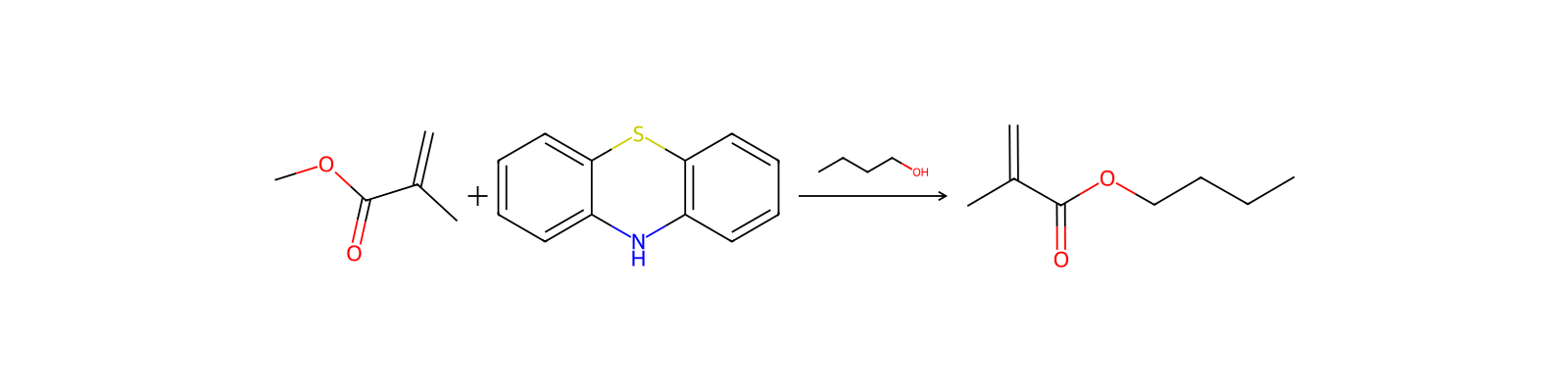
MFR OF DYES; PARENT CMPD FOR CHLORPROMAZINE & RELATED ANTIPSYCHOTIC DRUGS; POLYMERIZATION INHIBITOR; ANTIOXIDANT
Used in control of insects that breed in manure
Synthesis of promethazine hydrochloride
Polymerization inhibitor for chloroprene
For more Uses (Complete) data for PHENOTHIAZINE (10 total), please visit the HSDB record page.
U.S. Production2023: 5,500,000 - <7,000,000 lb;2022: 7,000,000 - <8,500,000 lb;2021: 8,500,000 - <10,000,000 lb;2020: 7,000,000 - <8,500,000 lb
Consumer UsesHydraulic fluids;Intermediate;Other;Monomers
Industry UsesIntermediate;Oxidizing agent;Defoamer;Stabilizing agent;Monomers;Processing aids not otherwise specified;Dispersing agent;Other;Binder
Methods of Manufacturing...BY FUSING DIPHENYLAMINE WITH SULFUR; IMPROVED YIELDS WITH IODINE AS CATALYST.
Formulations/Preparations
DISPERSIBLE POWDERS (36%).
GRADES: TECHNICAL; NF.
Use ClassificationAnimal Drugs -> FDA Approved Animal Drug Products (Green Book) -> Active Ingredients
General Manufacturing Information
Printing Ink Manufacturing;All Other Basic Organic Chemical Manufacturing;Plastics Material and Resin Manufacturing;Paint and Coating Manufacturing;Soap, Cleaning Compound, and Toilet Preparation Manufacturing;Plastics Product Manufacturing
10H-Phenothiazine: ACTIVE
PURIFICATION: VIERLING, US PATENT 2,887,482 (1959); RIGBY, US PATENT 3,000,887 (1961 TO SHELL OIL).
/OXIDATION/...CAN BE PREVENTED BY ADMIXTURE OF 0.3-1.0% METHENAMINE.
...PARENT OF NUMBER OF DYESTUFFS INCL METHYLENE BLUE, THIAZINE DYES & THIAMINE BLUE.
INTRODUCED IN 1925, IT WAS ONE OF EARLIEST ORG INSECTICIDES. ACTION: ORAL INSECTICIDE & ANTHELMINTIC. FED IN SALT OR MINERAL SUPPLEMENT TO CONTROL HORN FLY & FACE FLY LARVAE & TO REMOVE & CONTROL CERTAIN INTERNAL PARASITES.
응용 분야
개요Phenothiazine was initially synthesized in 1883 by Bernthsen. It was the basis for the development of other drugs including the phenothiazine class of antipsychotics or neuroleptics. Phenothiazines are the largest class of neuroleptics and include agents such as chlorpromazine, thioridazine, and prochlorperazine. In 1933, a derivative of phenothiazine, promethazine, was synthesized. It was found to have much more significant sedative and antihistaminic effects than previous derivatives of phenothiazine and it was used to induce sedation for surgical patients. After promethazine was developed, a series of agents, including chlorpromazine, was synthesized and tested in France at a military hospital by the French physician Laborit. Laborit found that chlorpromazine induced calm in patients and had other effects that might be useful clinically. Chlorpromazine, known colloquially as ‘Laborit’s drug’ was released into the market in 1953 after a trial published in 1952 showed efficacy in treatment of psychosis in 38 individuals who received daily injections of chlorpromazine. Chlorpromazine is the prototypical drug for the phenothiazine class of antipsychotics. The phenothiazines are classified as low-potency antipsychotics and have more side effects at standard doses than the newer agents used as neuroleptics. For example, they are more anticholinergic and have more extrapyramidal effect than newer agents.
용도Phenothiazines are neuroleptic agents that affect a variety of receptors including dopaminergic receptor sites. Phenothiazines are used to treat psychosis including schizophrenia; violent, agitated, disturbed behavior; and mania secondary to bipolar disorder. Other uses include treatment of pain, headache, hiccups, acute severe anxiety, idiopathic dystonia, withdrawal, taste disorders, leishmaniasis, acute intermittent porphyria, and alleviation of nausea and vomiting. Phenothiazines allow smoother induction of anesthesia, potentiate anesthetic agents, and treat behavioral symptoms secondary to Alzheimer disease and senile dementia. Some phenothiazines exert an antipruritic effect and are useful for the treatment of neurodermatitis and pruriginous eczema, and relieve psychogenic itching.
일반 설명Light green to steel-blue powder. Acquires a greenish-brown tint under exposure to sunlight.
상·하류 제품 정보
상류 원료
하류 제품
공급사50 곳
国药集团化学试剂有限公司86-21-63210123 · [email protected]
梯希爱(上海)化成工业发展有限公司021-67121386 · [email protected]
衢州润东化工有限公司0570-8789886 18892685668 · [email protected]
上海阿拉丁生化科技股份有限公司400-6206333 13167063860 · [email protected]
泰安环宇化工有限公司13176825516; 13176825516
爱斯特(成都)生物制药股份有限公司+86-28-85122536 85324413 · [email protected]
上海如吉生物科技发展有限公司+86-21-65211385-8001 36031160 · [email protected]
韶远科技(上海)有限公司021-50795510 4000665055 · [email protected]
Syntechem Co.,Ltd[email protected]
上海迈瑞尔生化科技有限公司4006356688 18621169109 · [email protected]
武汉易泰科技有限公司上海分公司18930552037 · [email protected]
阿法埃莎(中国)化学有限公司400-6106006 · [email protected]
安耐吉化学&3A(安徽泽升科技股份有限公司)400-0056266 · [email protected]
上海瀚鸿科技股份有限公司021-54306202 13764082696 · [email protected]
上海柯维化学技术有限公司021-64609169 18901607656 · [email protected]
上海景颜化工科技有限公司13817811078 · [email protected]
上海尚饮思生化医药有限公司021-021-57872719 13761402923 · [email protected]
合肥天健化工有限公司551-65418679 15856988503;15837135945 · [email protected]
武汉丰泰威远科技有限公司027-87465837 19945049750 · [email protected]
BOC Sciences1-631-485-4226; 16314854226 · [email protected]
江苏喜勒能源有限公司15653388333 15653388333 · [email protected]
山东西亚化学有限公司13355009207 13355009207 · [email protected]
大赛璐药物手性技术(上海)有限公司021-50460086-9 15921403865 · [email protected]
玛雅试剂+86 (573) 82222445 (0)18006601000 452520369 · [email protected]
四川库利南科技有限公司400-1166-196 18981987031 · [email protected]
天津希恩思生化科技有限公司400 638 7771 · [email protected]
斯百全化学(上海)有限公司021-021-021-67601398-809-809-809 15221380277 · [email protected]
北京泰亚杰科技有限公司021-33690831-8001 13552411790;18616022633 · [email protected]
上海源叶生物科技有限公司13636370518 · [email protected]
艾科试剂4008-755-333 18080918076 · [email protected]
上海思域化工科技有限公司86-21-34053660 · [email protected]
赛默飞世尔科技(中国)有限公司800-810-5118 · [email protected]
北京伊诺凯科技有限公司400-810-7969 010-59572699 · [email protected]
Wuhan NCE Biomedical Co.,Ltd.4000-027-021 |24 +86-13986109188 | +86-15623472865 | +81-08033611988
江苏艾康生物医药研发有限公司025-66113011 13913916777 · [email protected]
上海健超生物科技有限公司150-2103-5486 18017383231 · [email protected]
TCI AMERICA800-4238616 · [email protected]
TOKYO CHEMICAL INDUSTRY CO., LTD.03-36680489 · [email protected]
TCI Europe320-37350700 · [email protected]
深圳振强药物研发有限公司0755-66853366 13670046396 · [email protected]
Clearsynth Labs Limited+91-22-26355700 · [email protected]
广州爱纯医药科技有限公司020-39119399 18927568969 · [email protected]
南京生利德生物科技有限公司025-57798810 18652991625 · [email protected]
上海裕兰生物科技有限公司021-57171705 13817537615 · [email protected]
上海将来实业股份有限公司400-0066400 13621662912 · [email protected]
上海将来实业股份有限公司021-61552785 · [email protected]
安徽科迪达化工有限公司0554-2106669 · [email protected]
HBCChem, Inc.+1-510-219-6317 · [email protected]
日照力德士化工有限公司010-51268198 · [email protected]
郑州阿尔法化工有限公司0371-53732842 15981811963 · [email protected]
추가 설명
정의ChEBI: The 10H-tautomer of phenothiazine.
관련 반응
288건




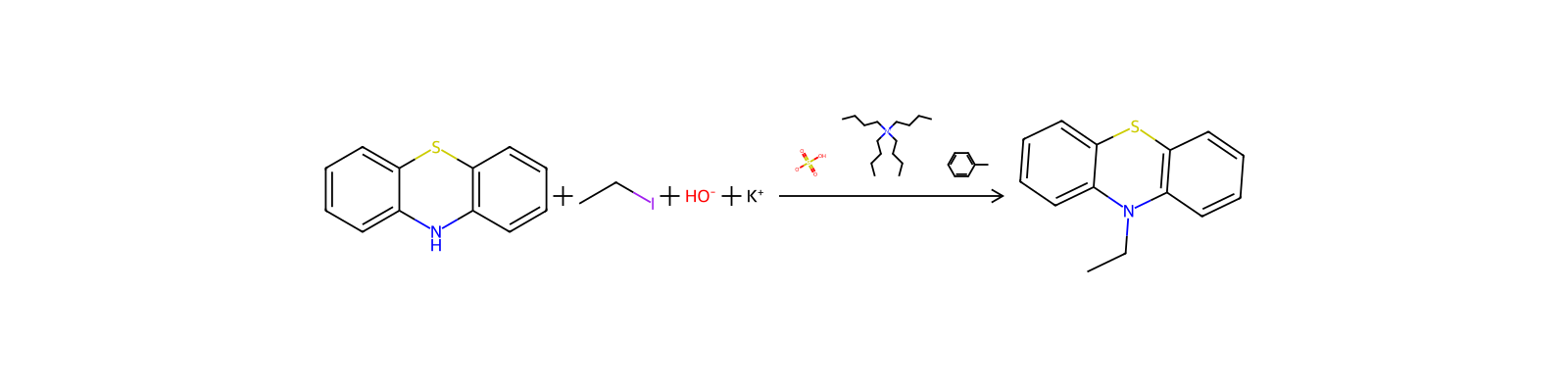

연결된 노트
불러오는 중…