HRID 3945반응물로
Methyl Nicotinate

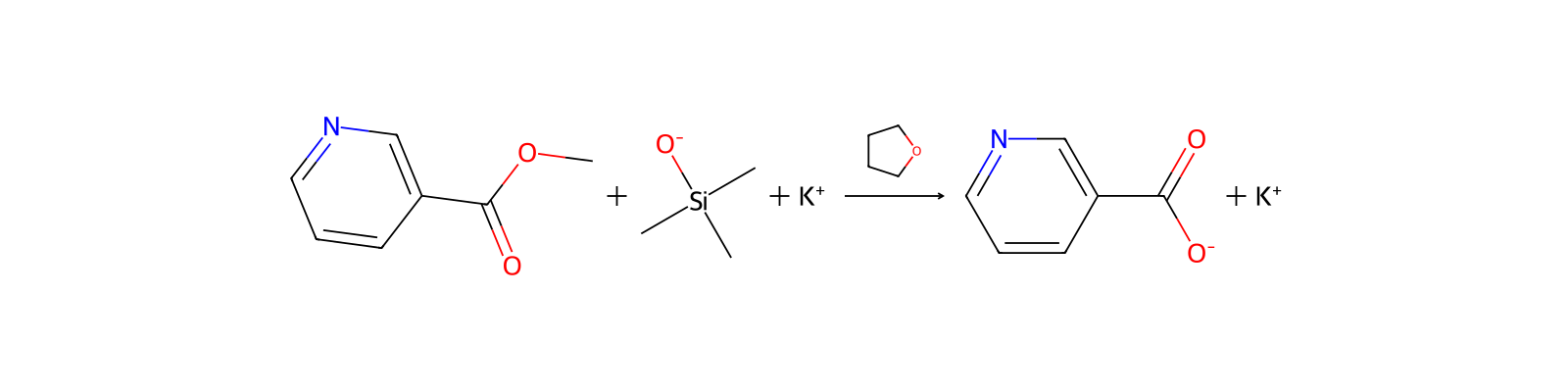
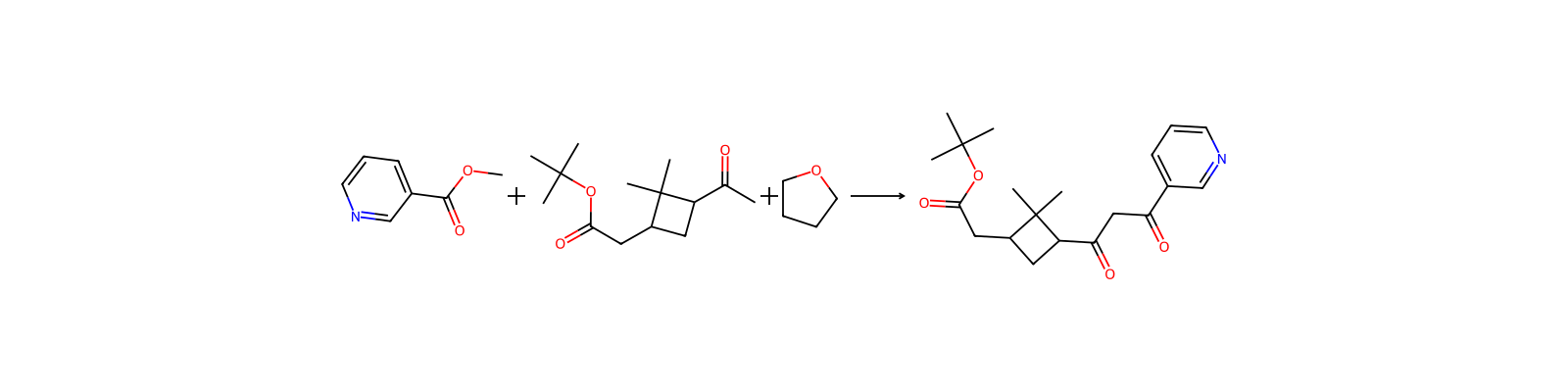
93-60-7COC(=O)c1cccnc1YNBADRVTZLEFNH-UHFFFAOYSA-NMethyl nicotinate is a member of pyridines and an aromatic carboxylic acid.
93-60-7DTXSID7044471CHEMBL379845CHEBI:1347610.83
0.72
Soluble
47.6 mg/mL at 20 °C
Soluble in fat; Slightly soluble in water
Soluble (in ethanol)
38-43
38 °C
안전 정보는 참고용이며, 공급업체의 물질안전보건자료(SDS), 관련 법규 및 전문가 평가를 대체하지 않습니다.
This chemical does not meet GHS hazard criteria for 0.8% (13 of 1623) of reports.
Warning
H315 (98.6%): Causes skin irritation [Warning Skin corrosion/irritation]
P264, P264+P265, P280, P302+P352, P305+P351+P338, P321, P332+P317, P337+P317, and P362+P364 (click each P-code to see the statement)
Aggregated GHS information provided per 1623 reports by companies from 13 notifications to the ECHA C&L Inventory. Each notification may be associated with multiple companies.
Chemical: 3-Pyridinecarboxylic acid, methyl ester
Commission Regulation (EC) No 1565/2000 (Repealed by Com. Implementing Reg. (EU) No 872/2012)
REACH registered substance: Methyl nicotinate (EC: 202-261-8)
Methyl nicotinate: Does not have an individual approval but may be used under an appropriate group standard
Erythema provoked is basis of a methylnicotinate test of anti-inflammatories. [ChemIDplus] Contact irritant that causes non-immunologic contact reactions; [ToxPlanet: DOD] Safe when used as a flavoring agent in food; [JECFA] A skin and strong eye irritant; [Sigma-Aldrich MSDS] See Ethyl nicotinate and Methyl isonicotinate.
Following topical administration, methyl nicotinate acts as a peripheral vasodilator to enhance local blood flow at the site of application. It induced vasodilation of the peripheral blood capillaries which are located in the dermal papillae of upper dermis layers adjacent to the epidermis–dermis junction. During tissue penetration at the dermis, methyl nicotinate is hydrolyzed to nicotinic acid. In human volunteers, topical administration of methyl nicotinate caused vasodilation-induced generalized cutaneous erythema.
While the mechanism of action of methyl nicotinate and other topically-administered nicotinic acid esters is not clear, it is thought that methyl nicotinate promotes the release of prostaglandin D2 that is strictly locally-acting due to its short half-life. It was demonstrated in human subjects that the local cutaneous vascular response to methyl nicotinic was suppressed by inhibitors of prostaglandin biosynthesis, indicating that the effect of methyl nicotinate on vascular smooth muscles may be mediated by the release of local prostaglandins. Prostaglandins released from the skin and blood vessels induce cutaneous vasodilation.
The presence of methyl group facilitates the penetration of methyl nicotinate through the skin with good lipophilicity, allowing rapid absorption following topical administration. _In vitro_, about 80-90% of the polar compounds methyl nicotinate rapidly penetrated the skin. It was demonstrated in excised skin of hairless mice that methyl nicotinate can effectively bypass the stratum corneum layer of the skin. In humans, nicotinic acid and nicotinamide were shown to be rapidly absorbed from the stomach and intestine via a sodium carrier-mediated mechanism at low concentrations.


Methyl nicotinate is white to brownish crystals or crystalline powder and has a fresh, caramellic, nutty and mild tobacco odor.
Following epicutaneous administration of small radiolabelled dose of methyl nicotinate in human volunteers, approximately 15% of the dose was recovered in the urine within 108 hours after treatment. The excretion of nicotinic acid mainly takes place in the kidneys.
According to the animal studies, nicotinic acid is mainly concentrated in the liver, kidneys, and adipose tissue.
No pharmacokinetic data available.
Fragrance Ingredients
Flavouring Agent -> FLAVOURING_AGENT -> JECFA Functional Classes
Flavoring Agents -> JECFA Flavorings Index
Flavouring Agent -> FLAVOURING_AGENT -> JECFA Functional Classes
Flavouring Agent -> FLAVOURING_AGENT -> JECFA Functional Classes
Cosmetics -> Soothing; Tonic
개요Methyl nicotinate is a skin irritant in man, in particular producing vasodilatation, which is used on purpose in “rubefacient”, to produce a redness or inflammation for a short period of time, often in lip plumper or other lip products. Methyl nicotinate is also an active ingredient of a number of veterinary preparations intended for topical application as a rubefacient for the treatment of a variety of diseases, such as respiratory diseases, vascular disorders (oedema, haematoma), and rheumatoid disorders in cattle and horses (doses not stated; the concentration in the formulated veterinary medicinal product is 2%).
출처Reported found in ground coffee, roasted filberts, guanabana (Annona muicata L.), roasted peanuts, wild strawberries, vanilla bean, papaya, guava, plum, beer cognac, soursop, malt, wort, Bourbon vanilla and mountain papaya.
용도Methyl nicotinate (MN) is the methyl ester of nicotinic acid that is used as an active ingredient, a rubefacient and counter-irritant in over-the-counter topical preparations indicated for the temporary relief of aches and pains in muscles,tendons, and joints. The action of methyl nicotinate as a rubefacient is thought to involve peripheral vasodilation.For veterinary purposes,methyl nicotinate is used to treat respiratory diseases, vascular disorders, rheumatoid arthritis, and muscle and joint pains.Methyl nicotinate can be found in in guava fruit, papaya, strawberry, soursop(Annona muricata), beer, grape brandy, coffee, roasted filbert, roasted peanut and Bourbon vanilla.
일반 설명Methyl nicotinate (or nicotinic acid methyl ester) is used as a rubefacient for the relief of pains in muscles, tendons, and joints. It is also used in food as a flavoring agent.